This Massive Florida Library Hides a Used Bookstore and High-Tech Center Inside
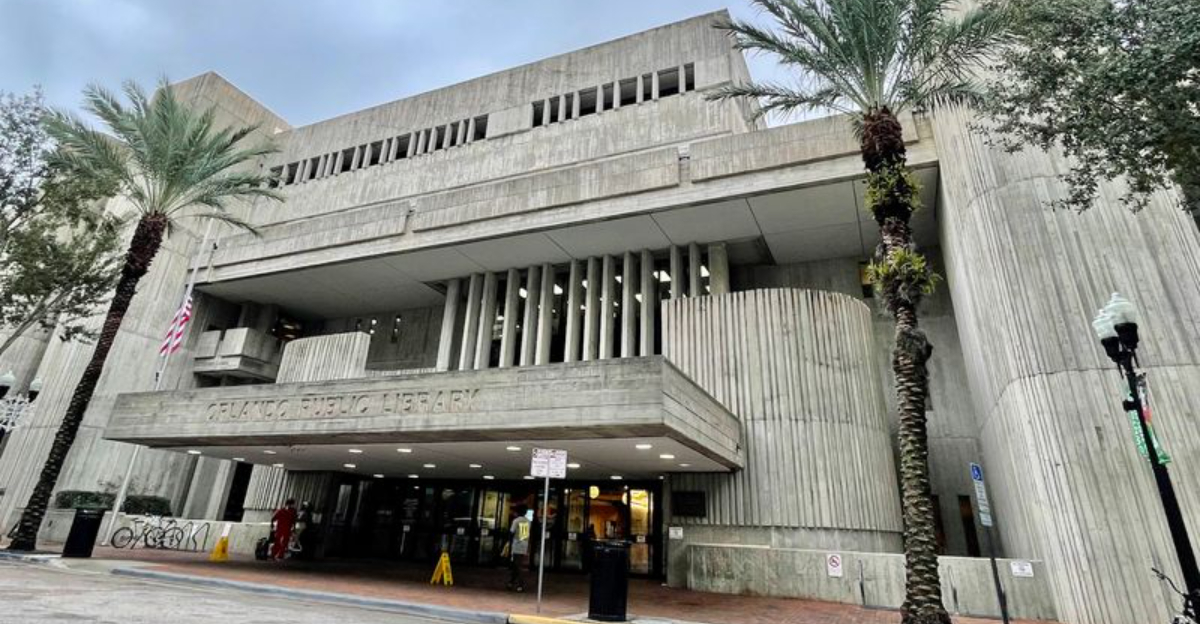
Tucked into the heart of downtown Orlando sits a four-story giant that redefines what a library can be. The Orlando Public Library at 101 E Central Boulevard isn’t just about checking out books anymore. Inside this architectural marvel, you’ll find everything from virtual reality labs and recording studios to a thriving used bookstore that locals can’t stop raving about, all under one roof that welcomes families, students, remote workers, and curious explorers seven days a week.
1. A Four-Story Architectural Statement That Commands Attention
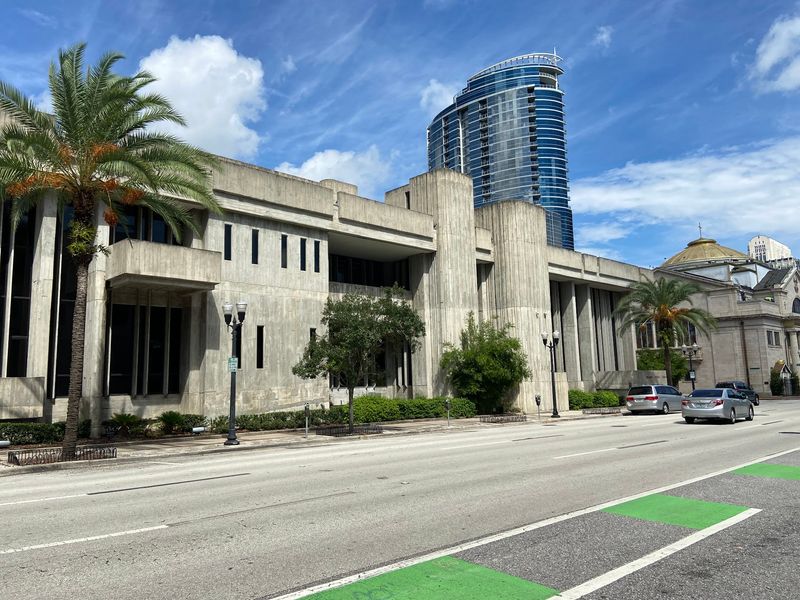
Walking up to this place feels like approaching a fortress made entirely of raw concrete and bold angles. The building’s brutalist design might not win over everyone at first glance, but there’s something undeniably powerful about how it slices through the downtown skyline with those massive concrete slabs and geometric forms.
Inside, that same concrete continues throughout, creating corridors and columns that divide the space in ways that somehow feel both logical and slightly futuristic. Some areas soften the industrial vibe with colorful accents and modern touches, while others lean fully into that cold, sci-fi aesthetic that wouldn’t look out of place in a cyberpunk movie.
The stairwell toward the back stands out as particularly striking, where the sheer scale and texture of exposed concrete create this weird mix of openness and enclosure. Light filters through in unexpected ways, bouncing off those striated surfaces.
Whether you appreciate brutalism or find it intimidating, this building makes a statement about function and form that’s impossible to ignore. The design choices create distinct zones across multiple floors, each with its own character.
For architecture enthusiasts or anyone who enjoys spaces that challenge conventional library aesthetics, this place delivers an experience that goes way beyond typical municipal buildings.
2. Friends of the Library Bookstore Packed With Hidden Treasures
Buried inside the main library sits a gem that book lovers stumble upon with genuine delight. The Friends of the Library bookstore sells discontinued library copies, donated trade books, and a rotating selection of surprises that change every time you visit.
You’ll find way more than just old paperbacks here. Vinyl records line one section, while another corner holds magazines, CDs, DVDs, and even book-themed pins, posters, clothing, and greeting cards that make perfect gifts for fellow readers.
The staff running this operation tend to be college-age folks with genuine personality and enthusiasm for helping customers dig through the stacks. They’re described as sweet individualists who actually care about connecting people with good finds rather than just processing transactions.
Prices stay remarkably fair, especially considering the quality of material that cycles through. You might score a hardcover classic for a couple bucks or discover an out-of-print title you’d been hunting for years.
The bookstore operates as its own little world within the larger library ecosystem, clearly labeled by topic with extra merchandise displayed throughout. It’s become such a beloved feature that multiple reviewers specifically mention it as their favorite part of the entire building, calling it an unexpected delight that’s increasingly rare to find anywhere.
3. Melrose Center Technology Labs With Professional-Grade Equipment
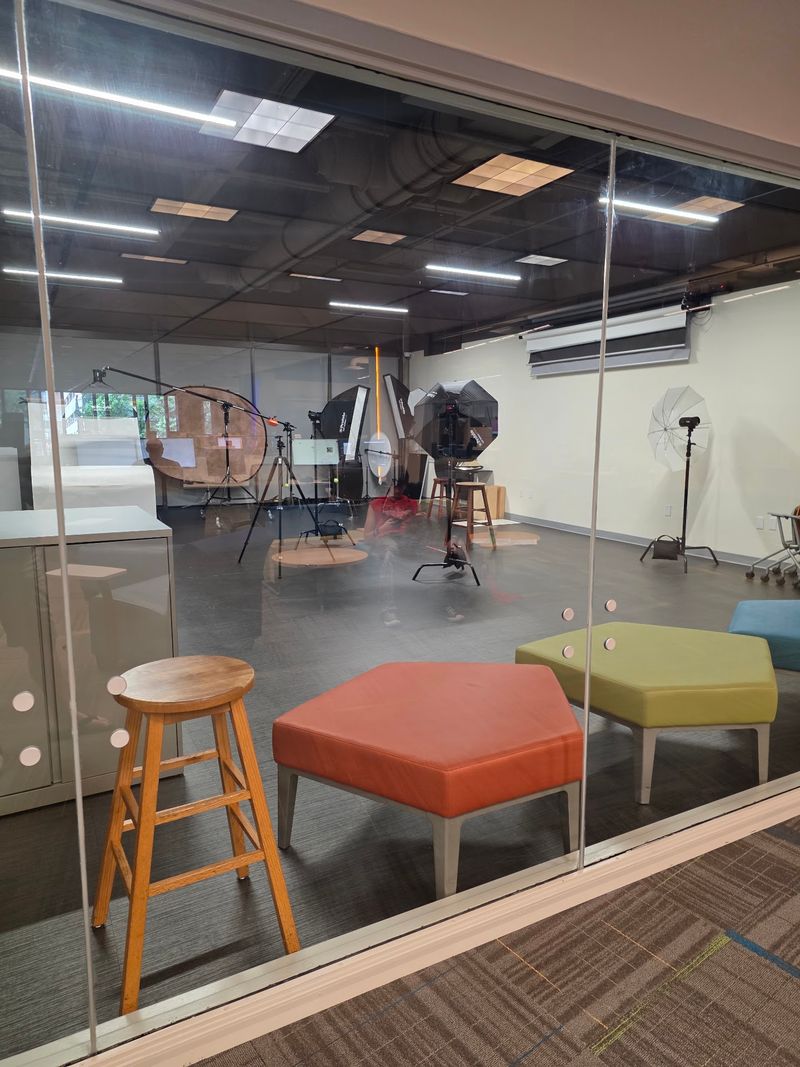
An entire floor of this library transforms into something closer to a professional creative studio than anything you’d expect from a public facility. The Melrose Center houses photography studios, video production rooms, music recording booths, and editing bays loaded with industry-standard software.
You’ll also encounter 3D printers, robotics labs, virtual reality equipment, and simulation technology that includes everything from driving simulators to VR production setups. The space wraps itself in white, steel, and glass, creating this sleek modern environment that feels purposefully designed for serious creative work.
Getting access requires navigating an orientation and reservation system that some users find frustrating, with time slots that don’t always align with typical work schedules. If you can work around those limitations, though, the resources available here rival what you’d find at paid makerspaces or creative agencies.
College students, aspiring filmmakers, podcasters, and hobbyists use these facilities to produce content they couldn’t afford to create elsewhere. The staff offers classes on how to use the equipment properly, from basic photography fundamentals to advanced video editing techniques.
This floor alone justifies getting a library card, especially for anyone serious about developing creative skills without dropping thousands on their own gear and software subscriptions.
4. Children’s Library Designed Like an Actual Adventure Zone
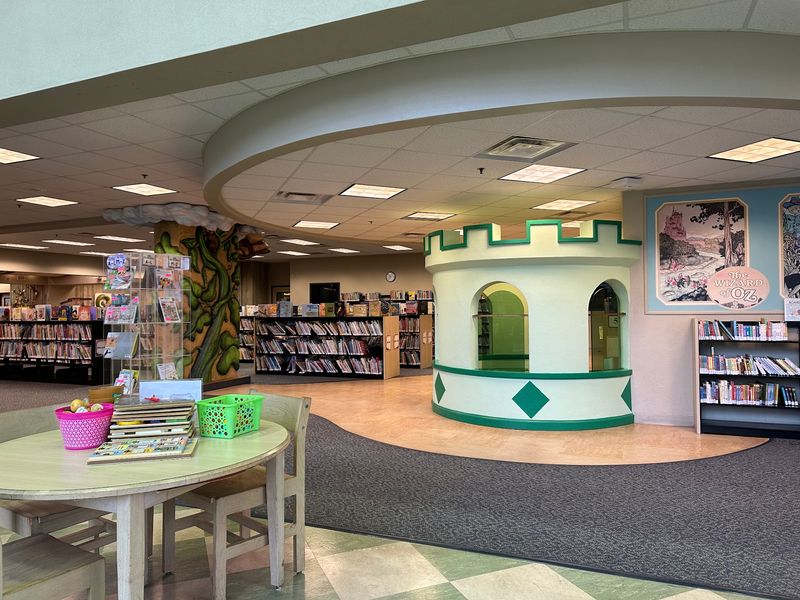
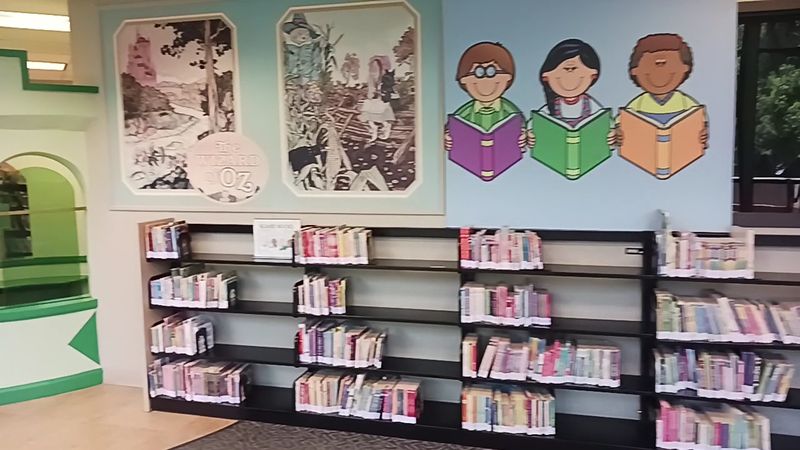
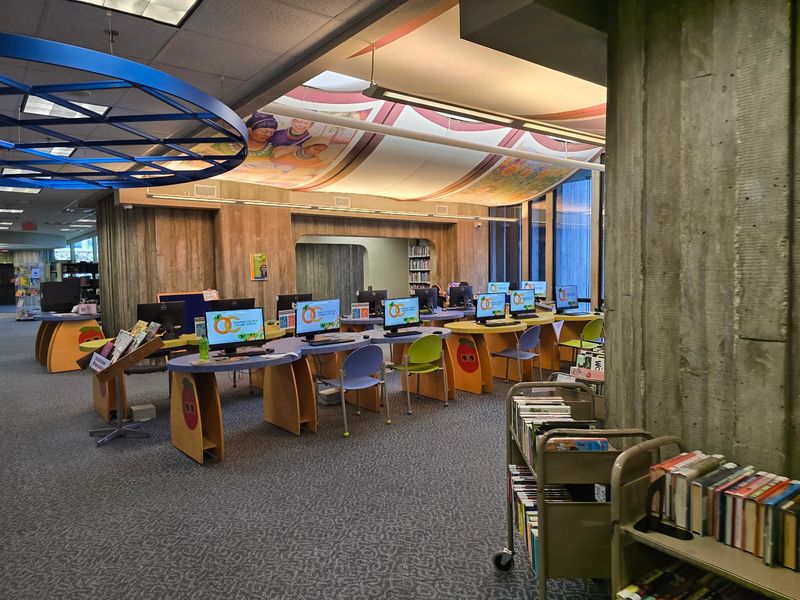
The entire first floor dedicates massive square footage to kids, creating what multiple parents describe as bigger than most standalone library locations. Colorful forms hang from the ceiling, contrasting beautifully against that raw concrete and transforming the industrial space into something genuinely magical for young readers.
A castle structure invites children to climb inside and read, while puzzles, toys, and interactive elements keep toddlers occupied even when their attention spans for books run short. The collection spans multiple languages and age ranges, from board books for babies to chapter books for middle schoolers.
Parents appreciate how well the area handles crowds, with enough seating and activity stations that kids can spread out without feeling cramped. The design clearly prioritized function, making it easy for families to find what they need and settle in for extended visits.
Fair warning though, this section gets lively, especially during storytelling programs and weekend visits. If you’re expecting library silence, you won’t find it here, but that energy reflects the space’s purpose as a genuine community hub for families.
Regular programming includes storytimes, craft sessions, and educational events that bring kids back repeatedly. The sheer scale and thoughtfulness of this children’s area sets it apart from typical library kids’ corners tucked into forgotten back rooms.
5. Study Rooms and Collaborative Spaces Across Multiple Floors
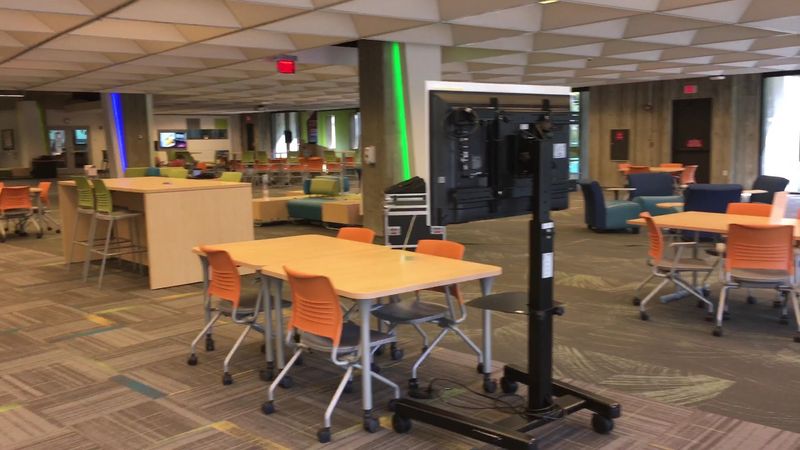
Beyond the flashy tech labs and children’s zone, this library delivers on the fundamental need for quiet workspace that students and remote workers desperately seek. Study rooms scattered across floors can be reserved in advance, offering enclosed spaces for group projects or solo deep work sessions.
The building layout creates natural zones where different noise levels coexist without bleeding into each other too much. Collaborative areas encourage conversation and teamwork, while designated quiet sections enforce stricter silence for serious concentration.
College students particularly appreciate the reliable wifi, abundant power outlets, and extended hours during weekdays. The atmosphere strikes a balance between institutional and welcoming, with enough natural light and thoughtful design to prevent that oppressive government building feeling.
Some frustration arises around outlet availability during peak times, with charging stations sometimes completely occupied. One reviewer mentioned being told they couldn’t sit at a computer cubicle to access an outlet unless actively logged into a library computer, which highlights how crowding can create conflicts over limited resources.
The sheer size means you can usually find somewhere to settle in, even on busy days. Meeting rooms accommodate everything from study groups to community organization gatherings, making the library function as genuine public infrastructure beyond just book lending.
6. Massive Media Collection Beyond Just Traditional Books
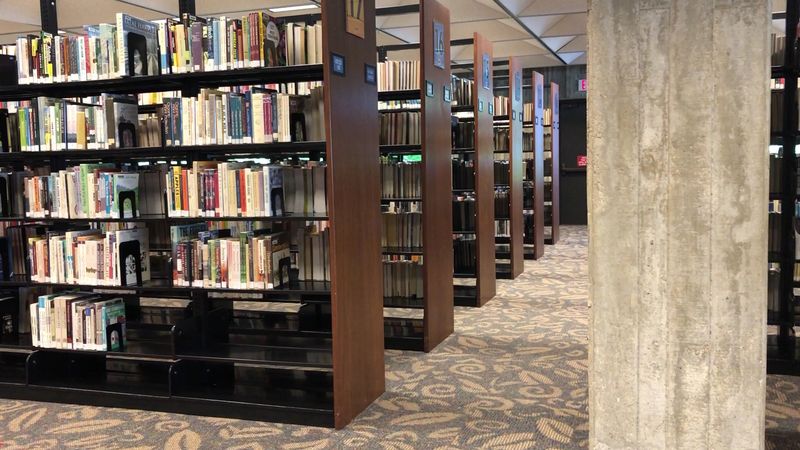
The word “vast” keeps appearing in reviews when people try to describe the sheer volume of material available here. Books obviously dominate, spread across genres, topics, and reading levels that seem to cover every conceivable interest.
But the collection extends far beyond printed pages into DVDs, CDs, audiobooks, graphic novels, and magazines that rotate regularly to keep offerings fresh. The organization impresses visitors, with clear labeling by topic and format that makes browsing actually enjoyable rather than overwhelming.
Getting a library card unlocks access to digital resources too, including downloadable audiobooks and ebooks that you can borrow from home. For Orlando area residents, cards are free, though those living outside the service area face an $80 monthly fee that reflects the system’s value.
The DVD and CD sections get special mention for carrying material beyond just blockbusters and top 40 hits. You’ll find foreign films, documentaries, classic albums, and niche content that streaming services often overlook or remove without warning.
This breadth of media transforms the library into a legitimate entertainment resource for families trying to reduce streaming subscription costs. The ability to borrow physical media also appeals to collectors and anyone who values actually owning access to content rather than renting it indefinitely.
7. Welcoming Staff Who Actually Know Their Stuff
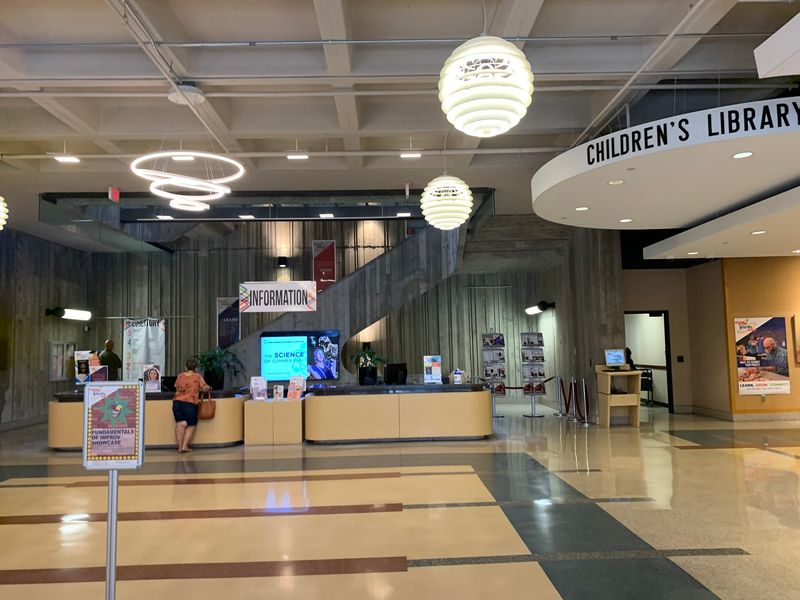
Across floor after floor, visitors consistently encounter staff members who genuinely seem invested in helping rather than just collecting a paycheck. The people working information desks can answer detailed questions about programs, community resources, reservation systems, and building navigation without making you feel like an inconvenience.
The bookstore staff earn particular praise for their individuality and sweetness, creating an atmosphere that feels more like shopping at a beloved indie store than a institutional operation. They’ll chat about books, help you hunt for specific titles, and share recommendations with actual enthusiasm.
Even in the specialized tech areas, staff members take time to explain equipment, troubleshoot problems, and teach proper usage rather than assuming everyone arrives with existing knowledge. This patience makes advanced resources accessible to beginners willing to learn.
Of course, not every interaction lands perfectly. Some visitors report feeling micromanaged or encountering rigid enforcement of rules around seating, computer use, and space access during crowded periods. These experiences seem to reflect individual staff members rather than institutional culture, but they’re worth noting.
The overall impression leans heavily positive, with multiple reviews specifically calling out how helpful, polite, and welcoming employees made their visits. For a public facility serving this many people daily, that consistency deserves recognition.
8. Free Library Card That Unlocks Incredible Community Resources
Getting a library card takes about fifteen minutes and costs absolutely nothing if you live in the Orlando area. That single piece of plastic becomes your ticket to everything described above, plus ongoing programs, classes, and events that change throughout the year.
The card works across the entire Orange County Library System, not just this downtown location, giving you access to multiple branches and their combined resources. Digital borrowing extends your reach even further, letting you download materials 24/7 without visiting any physical building.
Programs available to cardholders include everything from language classes and job search assistance to cultural programming and technology training. The library functions as legitimate community infrastructure, offering services that help people learn skills, find employment, and access information they couldn’t afford otherwise.
Some initiatives even provide free parking through programs like Save Orlando, though you’ll need to ask at information desks about current offerings since these change periodically. Regular parking in nearby garages typically runs around seven dollars for two hours, or you can hunt for free street parking about a mile away near Lake Eola.
For anyone serious about taking advantage of what this place offers, especially the Melrose Center tech resources, getting that card becomes an absolute no-brainer that opens doors to opportunities worth thousands of dollars in equipment and training access.