12 Free Florida Attractions That Are Actually Worth Planning a Day Around
Florida’s reputation as an expensive vacation destination isn’t always deserved. Scattered across the state, from the Panhandle down through the Keys, you’ll find genuinely impressive attractions that cost absolutely nothing to visit. Some are world-class museums, others are sprawling natural preserves, and a few combine history, nature, and hands-on learning into experiences that rival anything behind a ticket gate.
Best of all, these aren’t just quick photo stops but places where you can comfortably spend several hours or an entire day.
1. National Naval Aviation Museum (Pensacola)

Walk into one of the country’s largest aviation museums without spending a dime. More than 150 beautifully restored aircraft fill enormous hangars, representing decades of Navy, Marine Corps, and Coast Guard history. You’ll see everything from early biplanes to modern jet fighters, plus flight simulators, cockpit replicas, and artifacts that bring military aviation to life.
Free guided tours run daily, led by volunteers who often have their own military backgrounds and can share stories you won’t find on any placard. The museum sits on Naval Air Station Pensacola, so civilian visitors need to check current base-access rules and bring proper ID. Plan for at least three to four hours if you want to see the highlights without rushing.
Parking costs nothing either, which is rare for an attraction of this caliber. The Blue Angels practice here when they’re in town, and if your timing works out, you might catch them overhead. Families appreciate the mix of interactive exhibits and static displays that keep both kids and adults engaged.
Pack snacks or plan to grab lunch at the on-site café, because once you’re inside, you won’t want to leave early.
2. Florida Historic Capitol Museum (Tallahassee)

Tallahassee’s old Capitol building stands out with its candy-striped awnings and vintage architecture, but the real draw is what’s inside. Multiple floors of exhibits tell Florida’s political story through restored legislative chambers, interactive displays, and artifacts that span more than a century. You can stand where governors once worked, see how the Senate chamber looked in its heyday, and trace the state’s complicated history through photographs and documents.
Admission stays free year-round, though the museum welcomes donations if you feel inclined. Guided tours aren’t always necessary since the exhibits are well-labeled and easy to follow on your own. The building itself is photogenic from every angle, especially when framed against the modern Capitol tower next door.
After exploring the museum, downtown Tallahassee offers plenty of ways to fill the rest of your day. Local coffee shops, restaurants, and other historic sites sit within walking distance. The museum typically closes by early evening, so start your visit in the morning or early afternoon to leave time for the surrounding area.
It’s a surprisingly engaging stop even for people who don’t usually seek out political history.
3. Harn Museum of Art (Gainesville)
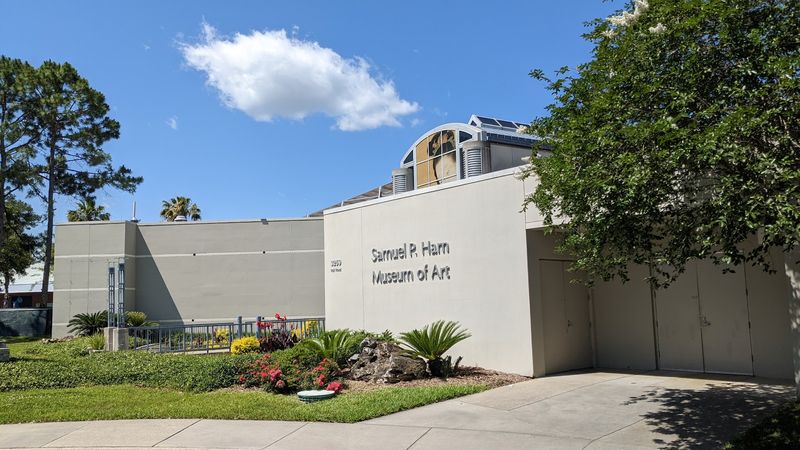
Art enthusiasts often overlook Gainesville, but the Harn Museum makes a strong case for adding it to your cultural itinerary. With more than 13,000 works spanning global traditions, contemporary pieces, African art, Asian collections, and photography, the permanent collection alone could fill an afternoon. Rotating exhibitions keep things fresh for repeat visitors, and the outdoor sculpture garden provides a peaceful break between galleries.
Because it’s affiliated with the University of Florida, the museum maintains an academic rigor without feeling stuffy or inaccessible. Labels offer enough context to appreciate each piece, and the layout flows naturally from one gallery to the next. Admission has always been free, which feels almost too generous given the quality and breadth of what’s on display.
Plan to spend two to three hours minimum if you want to see the highlights without rushing. The museum’s café serves light refreshments, and there’s ample free parking nearby. Families with older kids tend to enjoy the mix of traditional and contemporary work, though very young children might get restless.
Gainesville itself offers additional free and low-cost activities, so consider building a full day around the museum and the surrounding university district.
4. Fort Christmas Historical Park (Christmas)
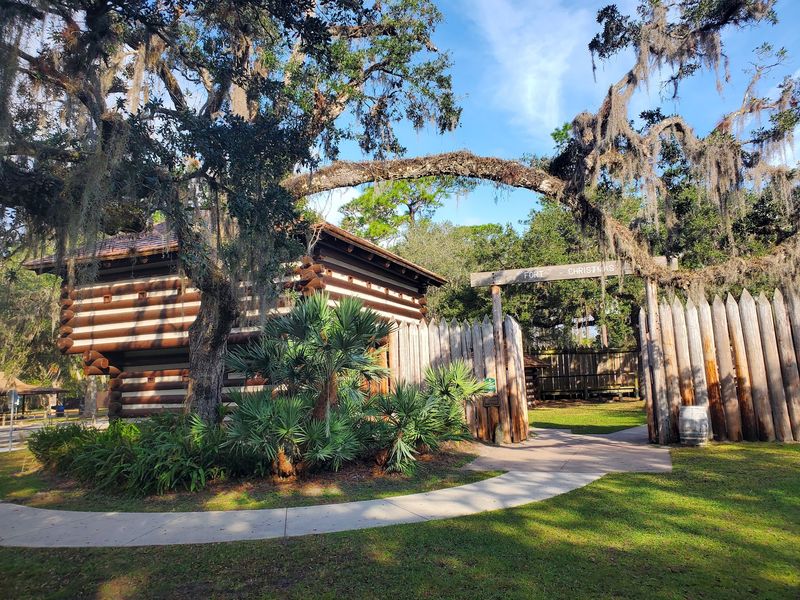
Yes, there’s a town called Christmas in Florida, and yes, it has a historical park worth visiting. Fort Christmas Historical Park stretches across 175 acres and offers a completely different Central Florida experience than the theme parks an hour away. A full-scale replica of an 1837 fort anchors the property, surrounded by pioneer homes, a traditional Florida Cracker house, a one-room schoolhouse, and a working sugar cane mill that occasionally runs demonstrations.
Vintage farm equipment dots the grounds, giving visitors a sense of what rural Florida looked like in the 19th century. Kids can run around the open spaces, and families often bring picnics to enjoy at the covered pavilions and playgrounds. Entry costs nothing, and the park rarely feels crowded even on weekends.
Self-guided tours work well here since most structures have interpretive signs explaining their history and purpose. Special events happen throughout the year, including living-history demonstrations and seasonal festivals. The park sits close enough to Orlando that you could easily combine it with other activities, but it’s substantial enough to anchor its own day trip.
Bring water, sunscreen, and comfortable shoes since you’ll be walking and potentially standing in the sun.
5. Florida Botanical Gardens (Largo)
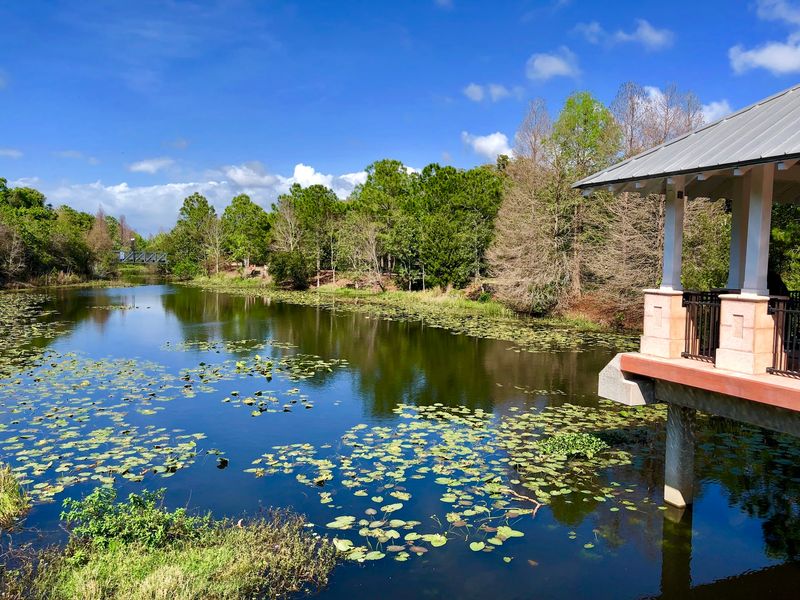
Finding a botanical garden this impressive with zero admission fee feels like discovering a loophole in the universe. Florida Botanical Gardens encompasses 150 acres of meticulously maintained formal gardens, native plant habitats, tropical collections, wetland boardwalks, and shaded walking paths. Each section flows into the next, creating a full sensory experience that changes with the seasons.
The gardens stay open daily except for a handful of major holidays, and the variety of plant life means there’s always something blooming or fruiting no matter when you visit. Birdwatchers bring binoculars to spot species attracted to the diverse habitats, and photographers find endless subjects in the flowers, butterflies, and landscape features.
Expect to spend at least two hours if you want to cover the main areas without rushing. Some visitors make a morning of it, arriving early to enjoy cooler temperatures and better light. The gardens provide benches throughout, so you can rest and take in the surroundings at your own pace.
There’s no café on-site, so bring water and snacks if you plan to stay awhile. Parking is free and plentiful, and the location in Largo makes it easy to combine with other nearby attractions.
6. Heritage Village (Largo)
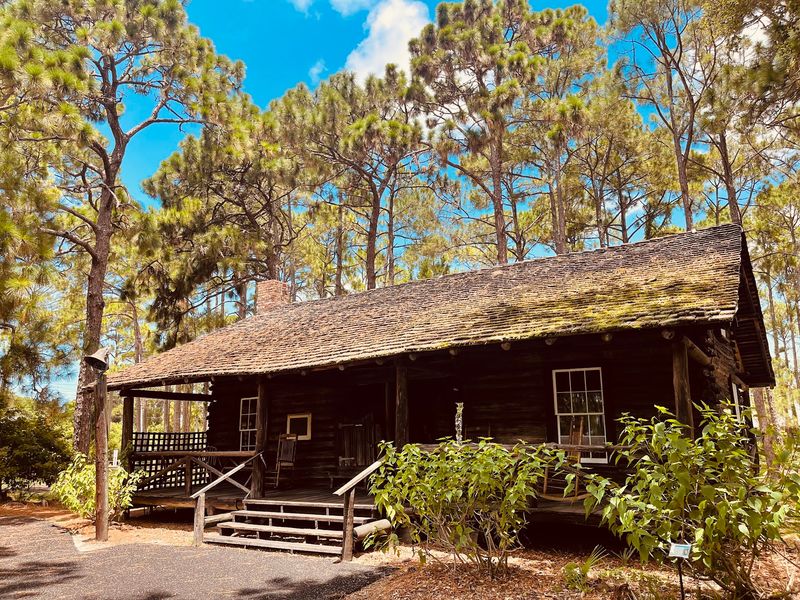
Right next door to the Florida Botanical Gardens, Heritage Village offers a completely different kind of free day out. This open-air history museum preserves more than two dozen historic structures moved from around Pinellas County, creating a walkable timeline of Florida’s past. You’ll find houses dating back to the 1850s, a railroad depot, churches, schools, a general store, and other buildings that tell the story of early settlers and their daily lives.
Costumed interpreters often give demonstrations on weekends, showing traditional crafts, cooking methods, and skills that kept pioneer communities running. Even without scheduled programs, the buildings themselves offer plenty to explore, with period furnishings and informative displays inside each structure. General admission stays free, making it easy to return multiple times throughout the year.
Combining Heritage Village with the botanical gardens next door turns Largo into an unexpectedly rich destination. Both attractions share parking, and you can easily move between them in a single visit. The village works especially well for families with school-age kids studying Florida history, though adults often find themselves just as engaged.
Wear comfortable shoes since you’ll be walking on grass and gravel paths between buildings.
7. Loggerhead Marinelife Center (Juno Beach)
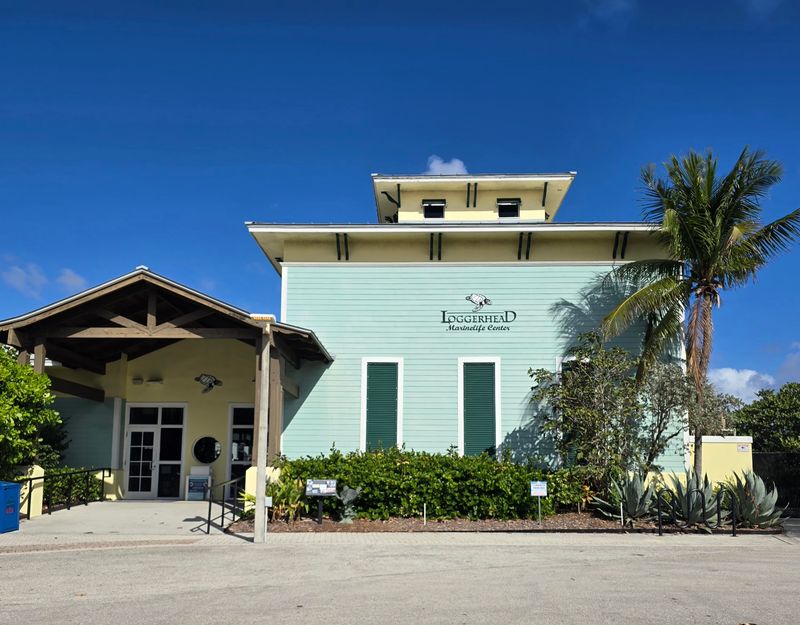
Sea turtle conservation meets hands-on education at this exceptional South Florida center. Loggerhead Marinelife Center operates as a working sea turtle hospital, so visitors can watch rehabilitating patients through viewing windows while learning about the threats these animals face. Interactive exhibits explain marine ecosystems, turtle biology, and ongoing research projects, all presented in ways that engage kids and adults equally.
The center opens daily with completely free admission, though some special programs like guided beach walks during nesting season carry separate fees. Staff and volunteers are usually available to answer questions, and their passion for marine conservation comes through in every interaction. After exploring the indoor exhibits, you can step outside to the campus grounds or cross over to Juno Beach itself for more time by the ocean.
Most visitors spend one to two hours at the center, though families with young children often stay longer to revisit favorite exhibits. The gift shop supports the center’s mission and offers ocean-themed items if you want to take something home. Parking is free but can fill up on weekends and during peak tourist season, so arriving early helps.
The center’s location makes it easy to build a full beach day around your visit.
8. Manatee Lagoon (West Palm Beach)
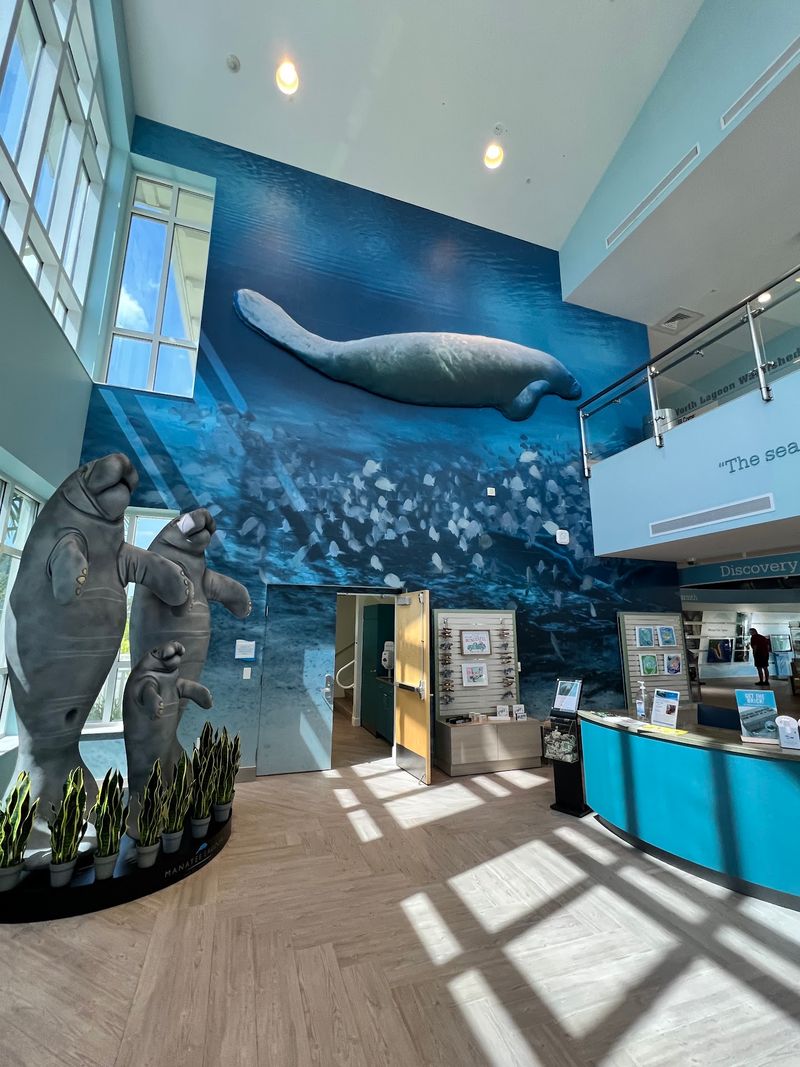
Manatee season transforms this eco-discovery center into one of South Florida’s best wildlife-watching spots. From mid-November through the end of March, cold weather drives manatees into the warm-water discharge from a nearby power plant, and the center’s observation deck offers front-row views. On the right day, you might see dozens of manatees floating, feeding, and interacting just offshore.
Inside the 16,000-square-foot facility, interactive exhibits explore manatee biology, local ecosystems, and the surprising connection between power generation and wildlife conservation. Hands-on displays keep kids engaged while adults appreciate the educational depth. Even outside manatee season, the center remains worth visiting for its exhibits and lagoon views, though the experience definitely peaks when the manatees are present.
Admission and parking both stay free year-round, which is remarkable given the center’s quality and waterfront location. The building includes climate-controlled indoor spaces, making it comfortable even on hot or rainy days. Most visitors spend about an hour here, though manatee sightings can extend that considerably when everyone crowds the observation areas with cameras ready.
Check the center’s website or social media for real-time manatee counts before visiting during season to maximize your chances of good wildlife viewing.
9. Institute Of Contemporary Art, Miami (Miami)
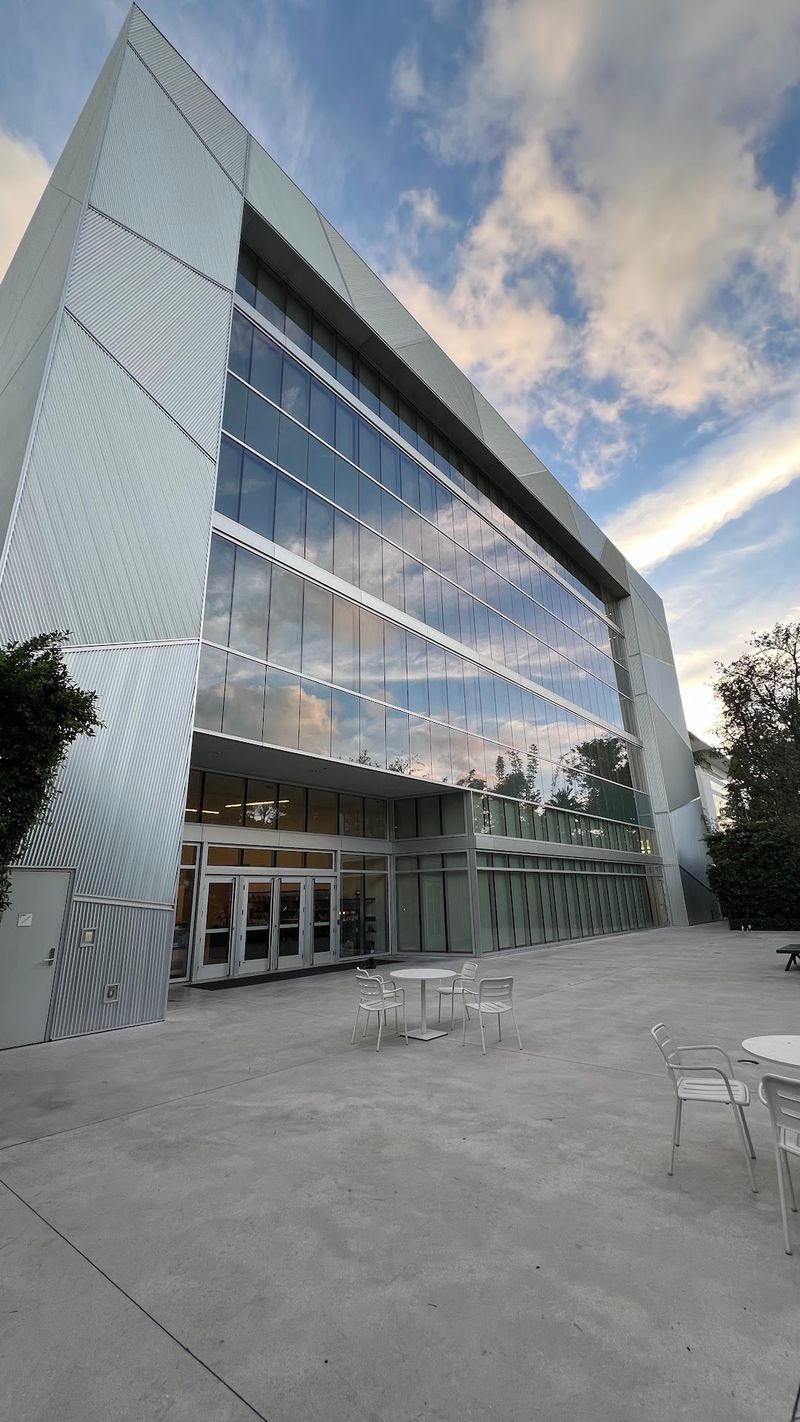
Free admission to a museum of this caliber in Miami feels almost too good to be true, but ICA Miami delivers exactly that. The museum focuses on contemporary art, showcasing both emerging and established artists through rotating exhibitions that challenge, provoke, and inspire. The permanent collection continues growing, and the building itself makes a statement with its bold architecture and light-filled galleries.
Daily guided tours run at no charge, offering deeper context for the works on display. Staff members tend to be knowledgeable and approachable, happy to discuss pieces or answer questions about the artists and their processes. The museum also hosts free programming throughout the year, from artist talks to film screenings and performances.
ICA Miami operates Wednesday through Sunday with free admission, but reserving a timed ticket online ahead of your visit is strongly recommended. Walk-up availability isn’t guaranteed, especially on weekends or during popular exhibitions. Plan for at least 90 minutes to two hours if you want to see everything without rushing.
The museum sits in Miami’s Design District, surrounded by galleries, shops, and restaurants that can easily fill the rest of your day. Parking in the area can be tricky and sometimes costly, so consider rideshare or public transit if possible.
10. Big Cypress National Preserve (Ochopee)
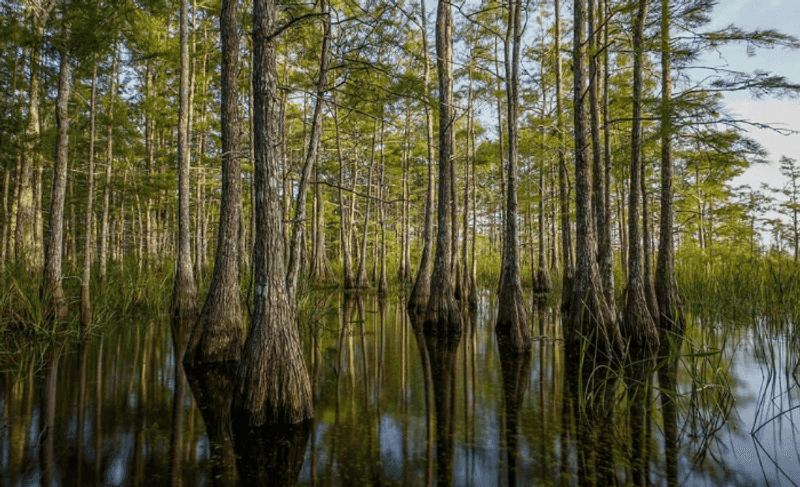
Calling Big Cypress an “attraction” barely does it justice when you’re talking about more than 700,000 acres of protected wilderness. This massive preserve protects cypress swamps, pine forests, hardwood hammocks, prairies, and the wildlife that depends on these ecosystems. No entrance fee means you can explore as much or as little as you want without worrying about getting your money’s worth.
Scenic drives like the Loop Road and Turner River Road let you experience the landscape from your car, with frequent pullouts for wildlife watching and photography. Hiking trails and boardwalks provide closer looks at the swamp environment, and you might spot alligators, wading birds, deer, or even the occasional Florida panther if you’re incredibly lucky. Visitor centers offer exhibits, maps, and ranger advice on where to go based on current conditions and your interests.
While the preserve itself charges no entrance fee, certain activities like camping, backcountry permits, and off-road vehicle use can carry separate costs. Day visitors can enjoy the main roads, trails, and wildlife viewing completely free. Bring plenty of water, insect repellent, and sun protection since facilities are limited once you leave the visitor centers.
The preserve works well as a day trip from Naples, Miami, or the Everglades, or as a destination unto itself for nature lovers.
11. Florida Keys Eco-Discovery Center (Key West)
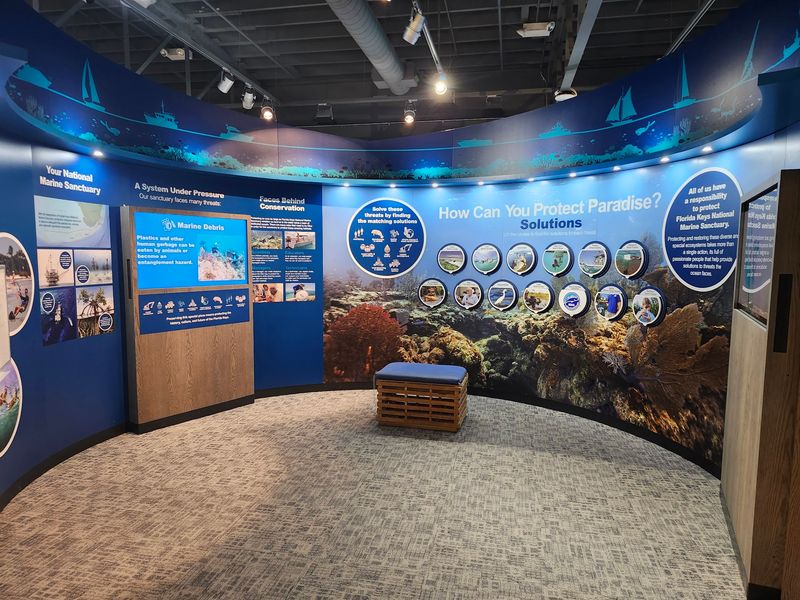
Key West’s reputation for expensive attractions makes this free eco-discovery center especially valuable for budget-conscious visitors. The 6,000-square-foot facility explores the Florida Keys National Marine Sanctuary through engaging exhibits on coral reefs, mangrove forests, shipwrecks, marine animals, and ongoing conservation efforts. Interactive displays let you learn about underwater research, reef ecology, and the challenges facing these fragile ecosystems.
Life-size replicas of reef creatures, touch-screen stations, and video presentations create an immersive experience that works for all ages. Kids gravitate toward the hands-on elements while adults appreciate the scientific depth behind the exhibits. The center does an excellent job explaining why the marine sanctuary matters and what visitors can do to help protect it.
Currently open Wednesday through Saturday, the center offers free admission with no advance reservations required. Most people spend 45 minutes to an hour inside, though marine-science enthusiasts sometimes linger longer. The location in Key West’s historic seaport district puts you within walking distance of other attractions, restaurants, and waterfront areas.
Parking can be challenging in this part of town, so arriving early or using alternative transportation helps. The air-conditioned space also provides a welcome break from Key West’s heat and humidity.
12. Biscayne National Park (Homestead)
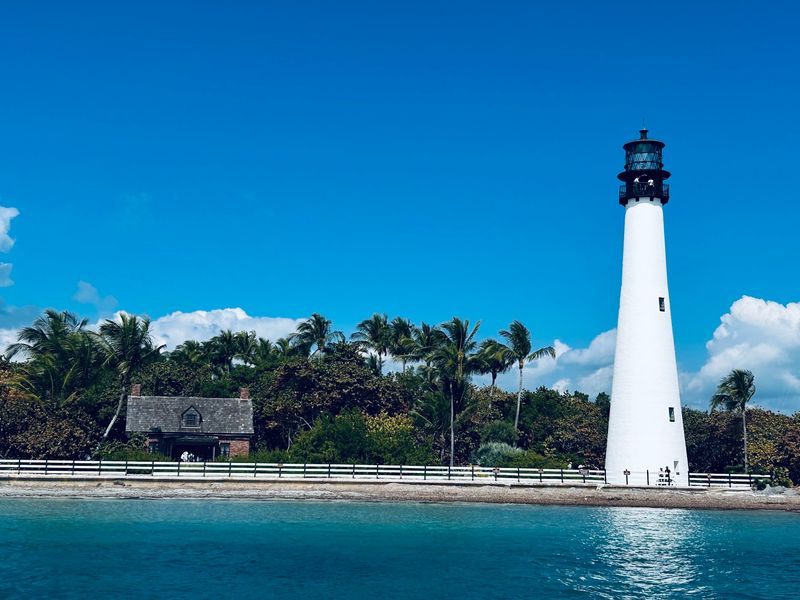
Most people don’t realize Florida has a national park with no entrance fee, but Biscayne delivers exactly that. The park protects a unique combination of coral reefs, islands, mangrove forests, and Biscayne Bay waters, with most of the park actually underwater. Start at the Dante Fascell Visitor Center and Convoy Point, where you can enjoy waterfront views, learn about the park’s ecosystems, and spot wildlife from the shore and boardwalks.
Hiking the short jetty trail, picnicking at the waterfront tables, and watching for manatees, dolphins, and wading birds costs nothing and can easily fill a few hours. The visitor center offers exhibits, a short film, and ranger programs that help you understand what makes this park special. While the park itself has no entrance fee, accessing the islands, going on boat tours, snorkeling the reefs, camping, or docking your own boat can involve separate charges.
For a completely free visit, focus on Convoy Point and the mainland facilities, where you’ll still get a strong sense of the park’s beauty and ecological importance. Bring binoculars for wildlife watching, and don’t skip the visitor center’s exhibits. The park sits about 45 minutes south of Miami, making it reachable as a day trip or a stop on the way to the Keys.