This Little-Known Florida Key Feels Like Stepping Into Another Florida Entirely
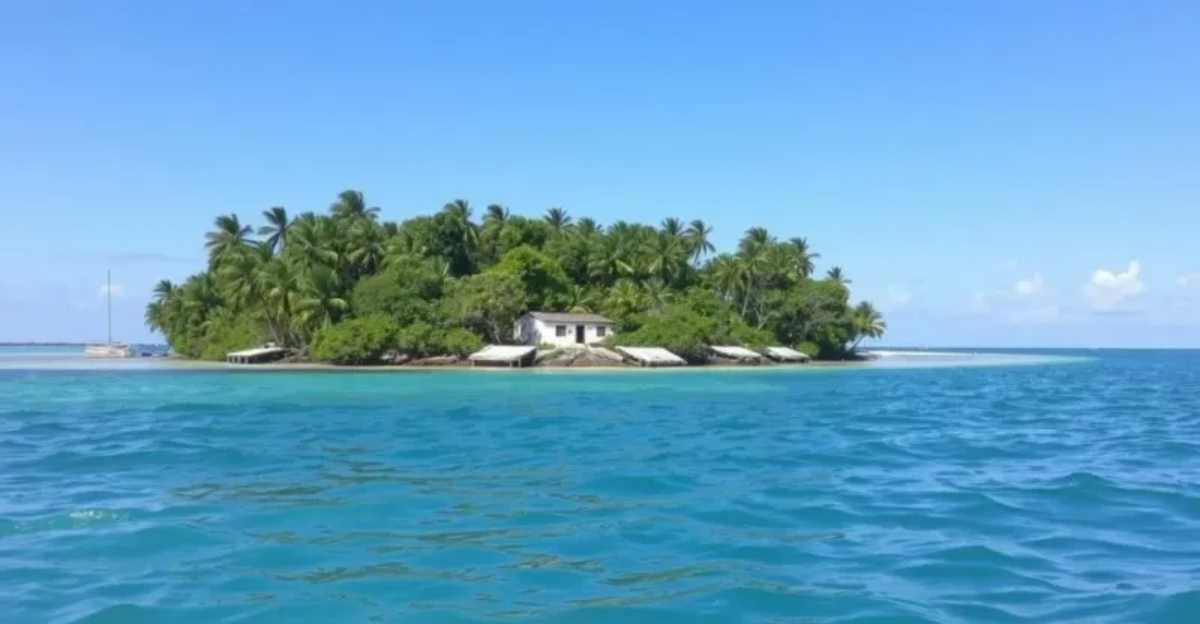
Hidden between the busy stretches of the Florida Keys lies a tiny island that time forgot. Lignumvitae Key near Islamorada offers visitors a rare glimpse into what Florida looked like centuries ago, before development transformed most of the coastline. This protected botanical paradise can only be reached by boat or kayak, making it one of the most pristine and peaceful escapes in the entire island chain.
1. Access by Water Only Creates an Instant Adventure
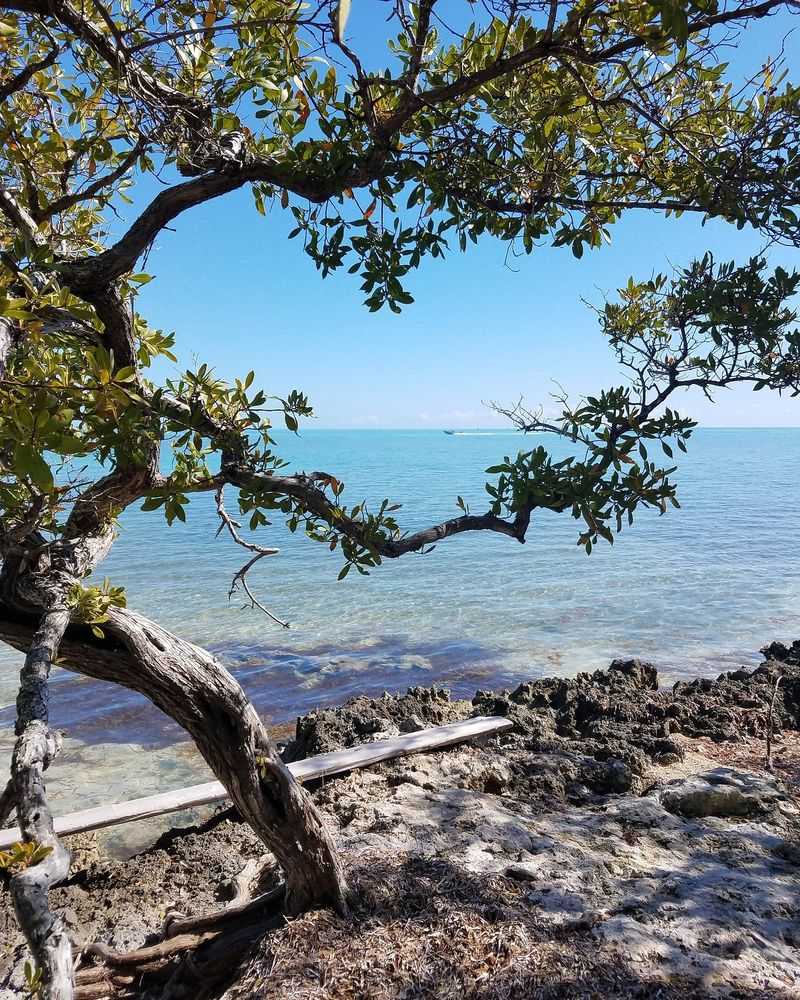
Getting to Lignumvitae Key isn’t as simple as pulling off the highway. You’ll need your own boat, kayak, or a charter to reach this hidden gem tucked away from the Overseas Highway. The journey across the shallow waters adds an element of excitement that most Florida Keys destinations just can’t match.
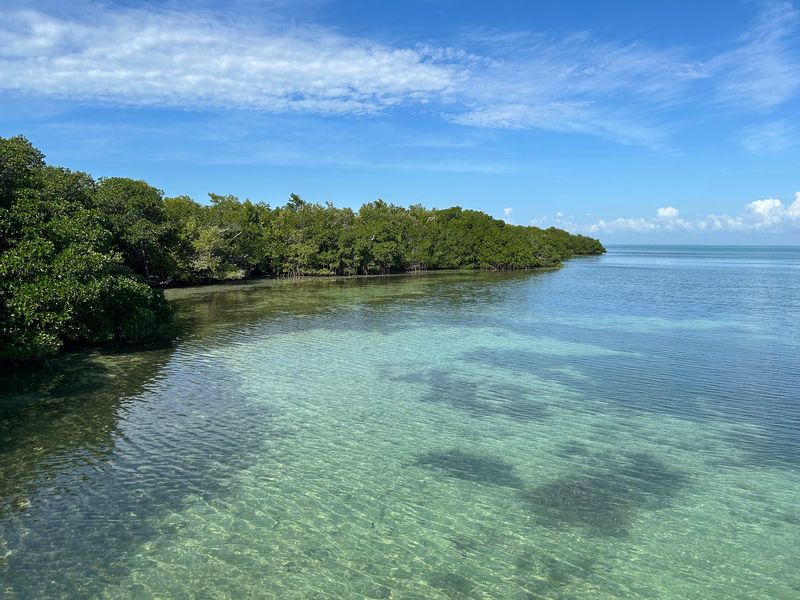
Paddling through the calm backcountry waters gives you time to spot dolphins, rays, and sea turtles along the way. The mangrove-lined channels create natural pathways that feel like secret corridors leading to another world. Once you arrive, there’s a dedicated dock where you can tie up without worrying about anchoring in the soft bottom.
This boat-only access keeps the crowds away naturally. You won’t find tour buses or massive parking lots here. Instead, you’ll share the experience with a handful of fellow adventurers who made the effort to get there.
The isolation makes every visit feel special and personal. Families returning year after year say the peaceful boat ride is half the fun. For anyone tired of crowded beach parks and commercial attractions, this water-based journey offers a refreshing change of pace that reminds you what the Keys used to be like everywhere.
2. Virgin Tropical Hardwood Forest Unchanged for Centuries
Walking into Lignumvitae’s interior feels like stepping through a portal to prehistoric Florida. The island protects one of the last remaining virgin tropical hardwood hammocks in the entire United States. Towering gumbo limbo trees with their distinctive peeling red bark stand alongside massive strangler figs that have wrapped themselves around host trees for decades.
These forests once covered much of South Florida before development cleared them away. Now, this 280-acre island serves as a living museum of what the region looked like before humans arrived. The canopy overhead creates a cool, shaded environment even on the hottest summer days.
Rare plants like the namesake lignum vitae tree grow here, their wood so dense it actually sinks in water. You’ll also find poisonwood, mastic, and Jamaica dogwood creating a botanical diversity that botanists travel from around the world to study. The understory bursts with native ferns, air plants, and orchids clinging to tree branches.
Scientists use this island as a reference point for restoration projects throughout Florida. Standing among these ancient trees, you can almost hear the whispers of centuries past. It’s the kind of place that makes you realize how much has been lost elsewhere and how precious these remaining wild spaces truly are.
3. Ranger-Guided Tours Reveal Hidden Stories
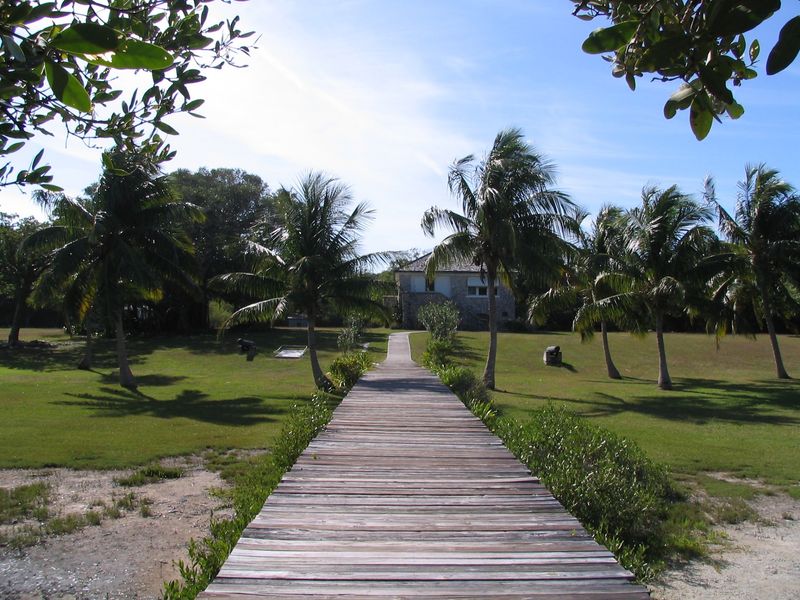
You can’t just wander Lignumvitae Key on your own schedule. The island operates on a ranger-guided tour system that transforms a simple nature walk into an educational adventure. These knowledgeable guides bring the forest to life with stories about the plants, animals, and human history that shaped this special place.
Rangers point out details you’d never notice walking alone. They’ll show you how to identify poisonwood by its black sap spots and explain why the gumbo limbo is called the “tourist tree” because its peeling bark looks like sunburned skin. They know where birds nest, which trees produce edible fruit, and how indigenous people used various plants for medicine and tools.
The guided format also protects the delicate ecosystem from accidental damage. With rangers leading the way, visitors stick to established trails and avoid disturbing nesting areas or fragile plant communities. Tour groups stay small, ensuring everyone can hear and ask questions without overwhelming the peaceful atmosphere.
Past visitors rave about learning from ranger Becky and other passionate staff members who clearly love this island. Their enthusiasm is contagious, turning skeptics into conservation advocates. Even kids who thought they’d be bored find themselves fascinated by the stories and discoveries along the trail.
4. Historic Matheson House Stands as Time Capsule
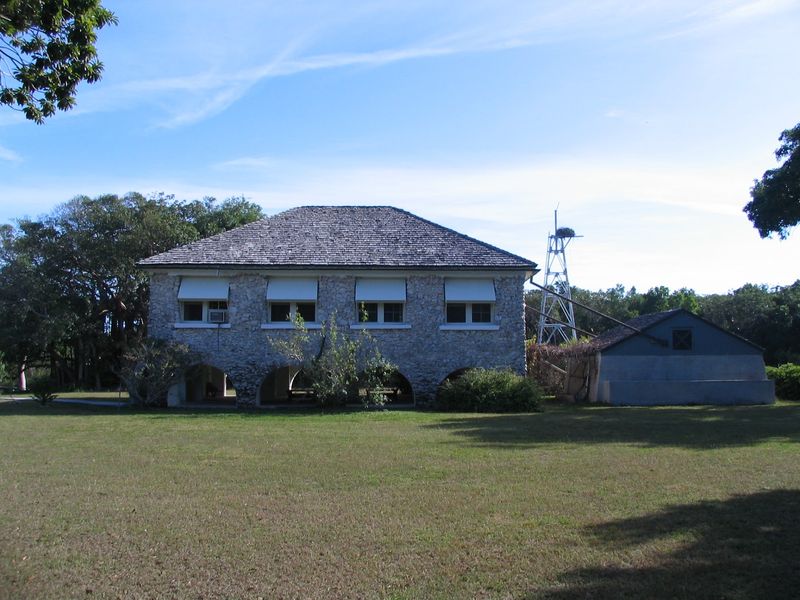
At the island’s heart sits the beautifully preserved Matheson House, built in 1919 by Miami’s chemical pioneer William Matheson. This coral rock structure served as his family’s winter retreat when the Florida Keys were still a wild frontier accessible only by boat or the new railroad. The house represents a fascinating chapter in Florida’s development history.
Matheson chose Lignumvitae specifically because of its natural beauty and pristine forest. Rather than clearing the land like most developers of his era, he built around the existing trees and preserved the native landscape. His caretaker, the Sweeting family, lived on the island year-round and maintained both the property and the surrounding forest.
Today, the house operates as a museum showcasing early 20th-century Keys life. Original furnishings, photographs, and artifacts tell the story of wealthy winter visitors who escaped northern cold for tropical warmth. The thick coral rock walls kept the interior cool before air conditioning existed, demonstrating clever adaptation to Florida’s climate.
Restoration efforts continue to preserve this architectural gem for future generations. Visitors peek into bedrooms, kitchens, and living spaces that look much as they did a century ago. The contrast between this carefully maintained human structure and the wild forest surrounding it highlights the delicate balance between preservation and progress.
5. Mangrove Cleanup Opportunities Connect You to Conservation
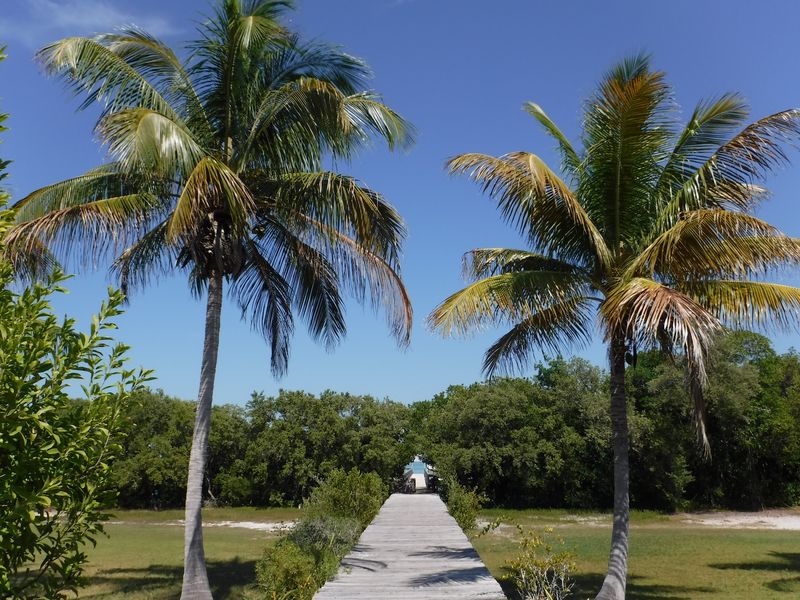
Lignumvitae Key isn’t just a place to visit and admire from a distance. The park offers hands-on conservation opportunities that let you give back while experiencing the island in a deeper way. Mangrove cleanup events attract volunteers who want to make a tangible difference in protecting this fragile ecosystem.
Working alongside park biologists and rangers, volunteers paddle through the mangrove forests collecting plastic bottles, fishing line, and other debris that washes in from surrounding waters. These cleanups reveal how ocean currents carry trash from distant sources to even the most remote islands. The work is surprisingly satisfying as you watch bags fill with garbage that would otherwise harm wildlife.
Participants learn about mangrove ecology while they work. Rangers explain how these salt-tolerant trees serve as nurseries for fish, protect shorelines from erosion, and filter pollutants from the water. Understanding the science makes the cleanup feel even more meaningful and important.
Past volunteers describe these events as highlights of their Keys visits. There’s something special about contributing to preservation rather than just consuming natural beauty. Families find it teaches kids valuable lessons about environmental stewardship and personal responsibility.
Plus, you’ll have access to areas of the island that regular tour groups never see, creating a truly unique experience that few visitors can claim.
6. Wildlife Encounters Happen When You Least Expect Them
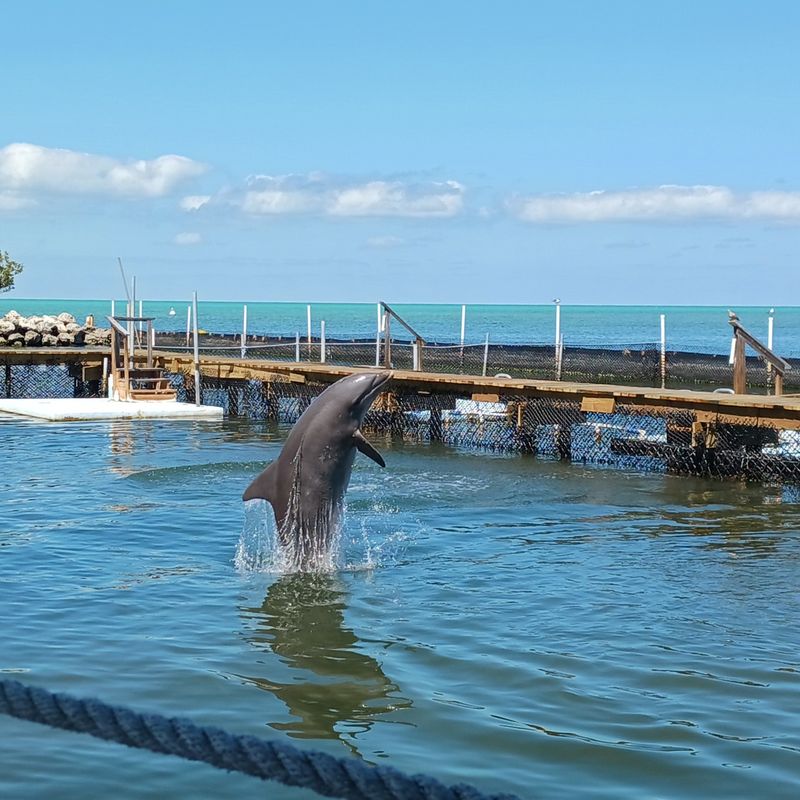
The island’s isolation and protection have created a wildlife sanctuary where animals behave naturally without fear of constant human presence. Great blue herons stalk the shallows while white ibis probe the mud for crabs and insects. Overhead, ospreys circle before plummeting into the water to snatch unsuspecting fish.
Snorkelers exploring the surrounding waters discover a different world beneath the surface. Juvenile fish hide among mangrove roots, using the complex root systems as protection from larger predators. Rays glide over sandy patches while small sharks patrol the deeper channels.
The water clarity varies with tides, but patient observers always spot something interesting.
Land crabs scuttle across trails, and tree snails with colorful shells cling to smooth-barked trees. If you’re lucky, you might spot a Key Largo woodrat or hear the distinctive call of a white-crowned pigeon. The lack of development means no cats, no dogs, and no introduced species that plague other Keys islands.
Photographers love the wildlife opportunities here. With fewer people disturbing the animals, birds let you approach closer than they would on more visited islands. The combination of forest, mangrove, and open water habitats creates incredible biodiversity in a small area.
Every visit brings different sightings depending on season, tide, and time of day, making return trips worthwhile.
7. Photography Paradise for Nature Lovers
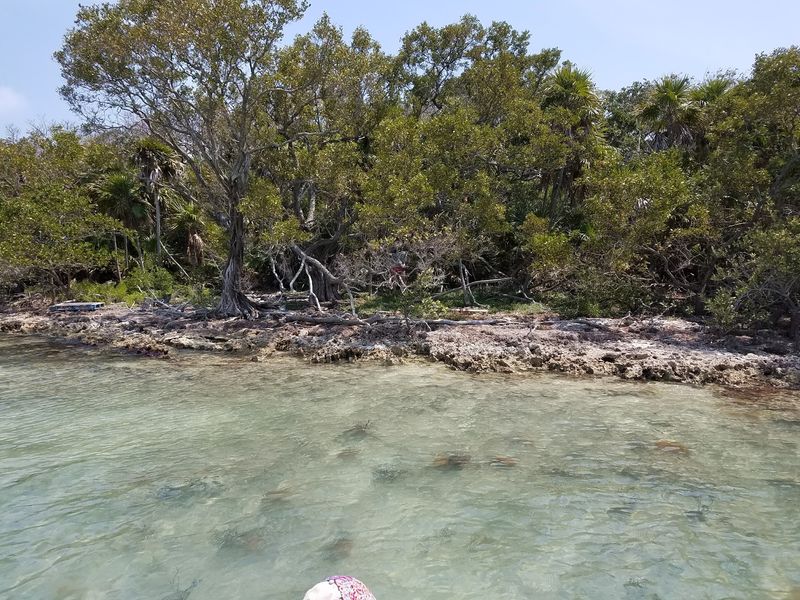
Serious nature photographers consider Lignumvitae Key one of the best-kept secrets in the Florida Keys. The combination of virgin forest, historic architecture, and pristine waters creates endless composition possibilities. Early morning light filtering through the canopy produces magical effects that digital cameras capture beautifully.
Underwater photography enthusiasts particularly love the mangrove areas. The tangled roots create dramatic foregrounds for fish portraits, and the shallow depths mean plenty of natural light reaches your subjects. One visitor mentioned shooting with a Nikonos IV and strobe back in 2004, capturing images of the unique underwater landscape that few people ever see.
The Matheson House offers architectural photography opportunities with its weathered coral rock walls and tropical setting. Framing the building through native vegetation creates shots that tell stories about Florida’s past. Detail shots of period furnishings and artifacts inside the museum add historical context to your photo essay.
Wildlife photography here requires patience but delivers rewards. Birds accustomed to limited human presence don’t flee immediately, giving you time to adjust settings and compose shots. The variety of habitats means you can shoot forest scenes, coastal landscapes, and underwater imagery all in one visit.
Many photographers return multiple times throughout the year to capture seasonal changes and different lighting conditions that transform familiar subjects into fresh images.
8. Perfect Escape from Overdeveloped Keys Tourism

While most of the Florida Keys cater to tourists with restaurants, shops, and attractions at every turn, Lignumvitae Key offers something increasingly rare: genuine solitude. No gift shops hawk souvenirs, no food trucks serve overpriced snacks, and no crowds jostle for selfie spots. Just you, the forest, and the sound of wind through ancient trees.
This authenticity appeals to travelers tired of commercialized experiences. You won’t find anything here trying to separate you from your money beyond the basic park entrance fee. The island exists for preservation and education, not profit maximization.
That fundamental difference in purpose creates a completely different atmosphere from typical Keys attractions.
Families appreciate the educational value without the carnival atmosphere that dominates many Florida destinations. Kids actually learn about ecosystems, history, and conservation rather than just consuming entertainment. Parents report that children remember Lignumvitae visits long after forgetting generic theme park experiences.
The challenge of reaching the island filters out casual visitors who want easy access and modern amenities. Those willing to make the effort discover a Florida that’s rapidly disappearing elsewhere. In an era when every beach and park seems overrun with influencers and tour groups, Lignumvitae remains blissfully uncommercial.
It’s the antidote to overdevelopment, proof that some places still value preservation over profit, and a reminder of why people fell in love with the Florida Keys in the first place.