This Stunning Florida Monastery Looks Like It Was Transported Here From Europe
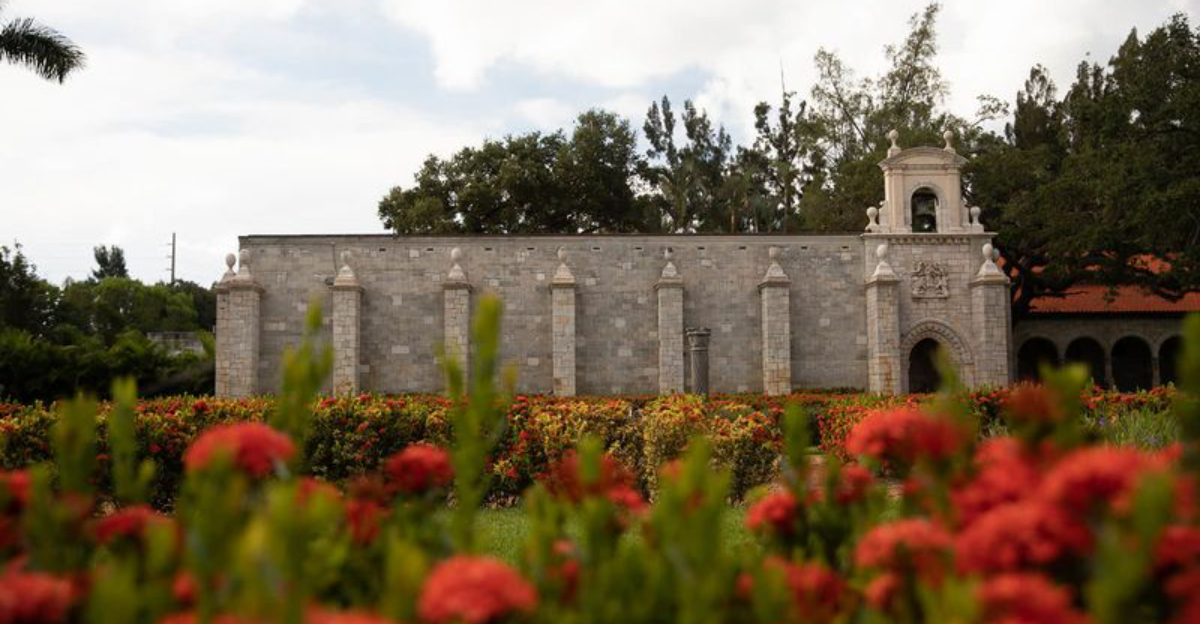
Hidden away in North Miami Beach sits a 900-year-old monastery that feels completely out of place in sunny South Florida. The Ancient Spanish Monastery wasn’t built here originally, it was actually constructed in Spain back in the 12th century, then taken apart stone by stone, shipped across the Atlantic Ocean, and carefully rebuilt in Miami. Walking through its medieval cloisters and gardens feels like stepping into a time machine that drops you right in the middle of old-world Europe, making it one of the most unexpected historical treasures you’ll find anywhere in the state.
1. A 900-Year Journey Across the Ocean
Picture this: a monastery built in Spain between 1133 and 1141 gets carefully dismantled centuries later, packed into thousands of crates, and sent on a wild journey to America. That’s exactly what happened here. Originally standing in Sacramenia, Spain, this Cistercian monastery spent decades boxed up in warehouses after newspaper tycoon William Randolph Hearst bought it in the 1920s.
The reassembly process turned into one massive historical jigsaw puzzle. Workers had to figure out where each ancient stone belonged, matching pieces that had been separated for years. The project took from the 1950s until completion, requiring patience, skill, and probably a lot of head-scratching.
What makes this story even crazier is that the monastery is considered the oldest building in the Western Hemisphere. You’re literally touching history that predates almost everything else standing in North or South America. Each archway, each carved stone column, each worn step carries centuries of stories from medieval Spain.
The whole relocation saga adds serious depth to your visit. You’re not just looking at old architecture, you’re witnessing an incredible feat of historical preservation that brought European medieval craftsmanship to Florida’s tropical landscape.
2. Gardens That Transport You to Medieval Spain
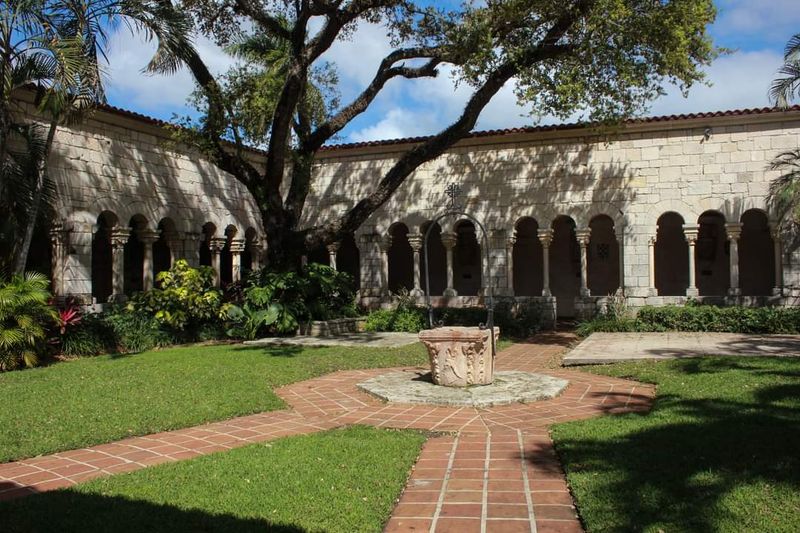
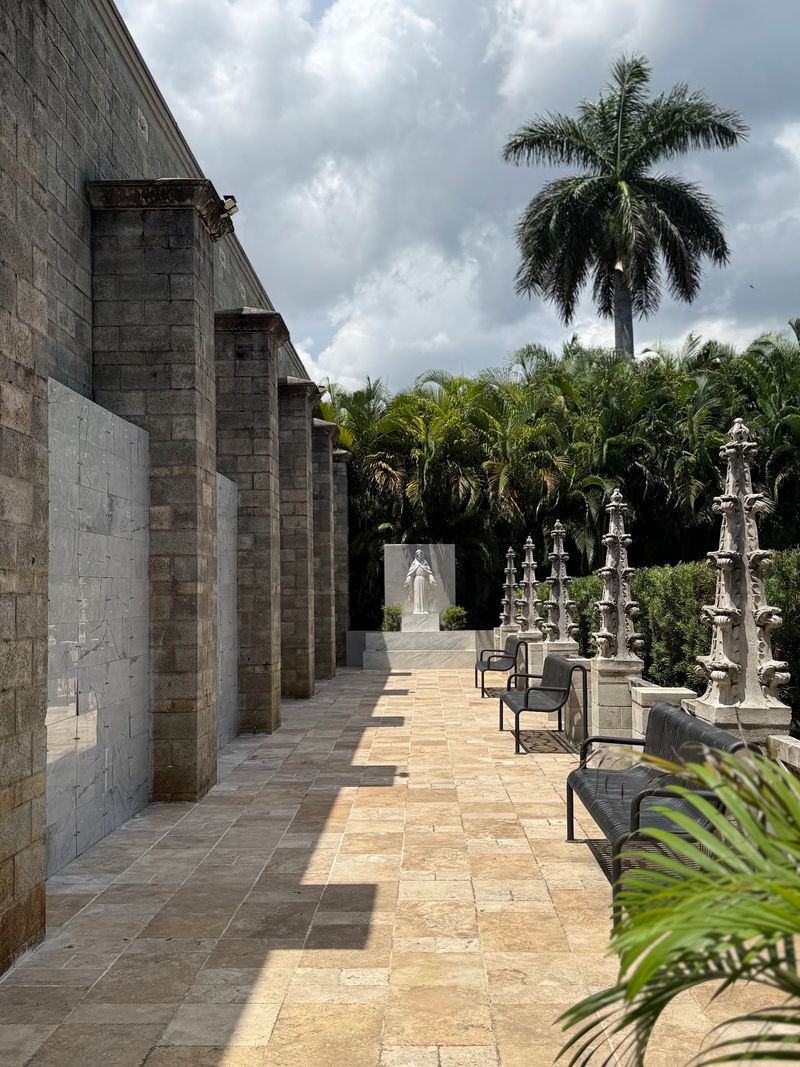
The gardens here don’t mess around. Stepping into these immaculately kept grounds feels like wandering through a European courtyard that somehow ended up surrounded by palm trees. Visitors consistently mention the gardens as their favorite part, and it’s easy to see why once you’re there.
Pathways wind between carefully tended greenery, leading you past fountains and quiet corners perfect for escaping Miami’s usual hustle. The contrast between ancient stonework and tropical Florida plants creates something you won’t find anywhere else. It’s peaceful in a way that makes you want to slow down and actually notice your surroundings.
Photography enthusiasts go absolutely wild here. Every angle offers something worth capturing, whether it’s sunlight filtering through archways, shadows playing across weathered stone, or flowers framing medieval columns. Even if you’re not into photography, you’ll probably end up taking way more pictures than you planned.
What really stands out is how well-maintained everything stays. The staff clearly takes pride in keeping the grounds looking pristine without making them feel overly manicured or fake. You get authentic medieval monastery vibes with the bonus of Florida sunshine and fresh air year-round, creating an atmosphere that’s both historically significant and genuinely relaxing.
3. Cloisters That Define Medieval Architecture
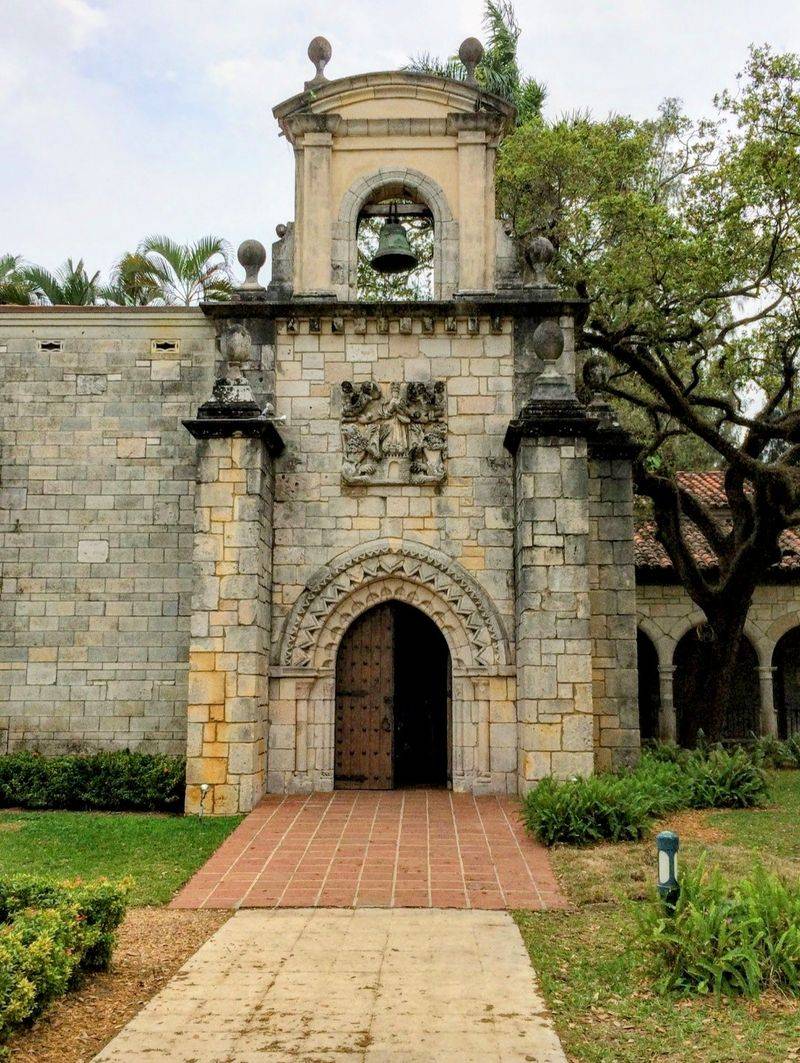
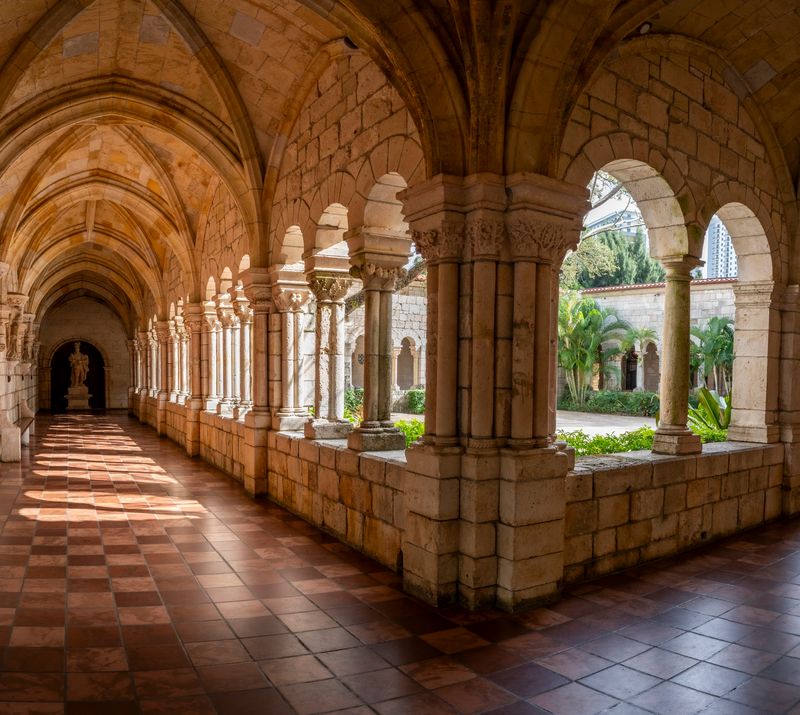
The cloisters form the heart of this place, and they’re absolutely worth the visit on their own. These covered walkways wrap around a central courtyard, featuring those classic Romanesque arches that define medieval monastery design. Walking through them genuinely feels like you’ve left Florida entirely.
Architectural details jump out everywhere you look. Carved stone capitals top each column, showing craftsmanship that’s survived nearly a millennium. The arches create repeating patterns of light and shadow that shift throughout the day, giving the space different moods depending on when you visit.
Only two medieval cloisters exist in the entire United States, and this is one of them. The other sits at The Met Cloisters in New York, which has a massive art collection and sprawling grounds. This North Miami Beach version might be smaller, but it delivers the same authentic medieval atmosphere without requiring a trip to Manhattan.
The layout follows traditional Cistercian monastery design perfectly. Monks would have walked these same pathways during their daily routines centuries ago in Spain. Now you can follow in those footsteps, experiencing the same architectural spaces that served religious communities for hundreds of years before making their transatlantic journey.
4. A Chapel Filled with History and Stained Glass
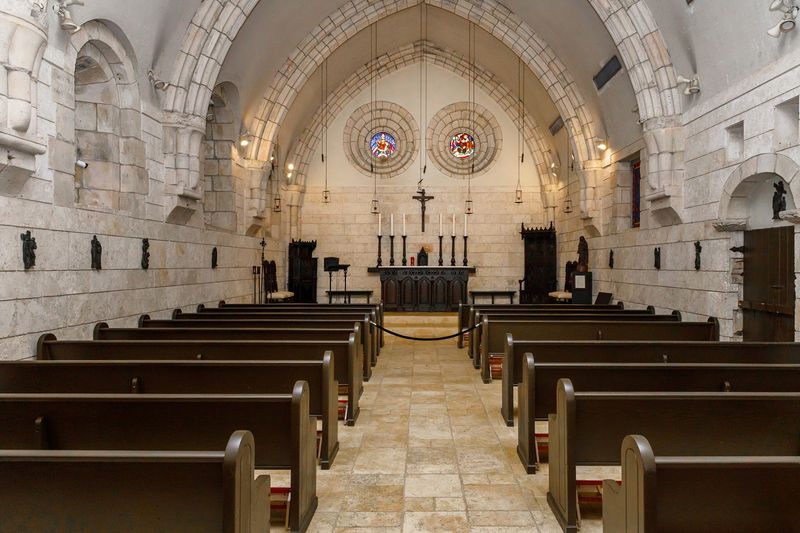
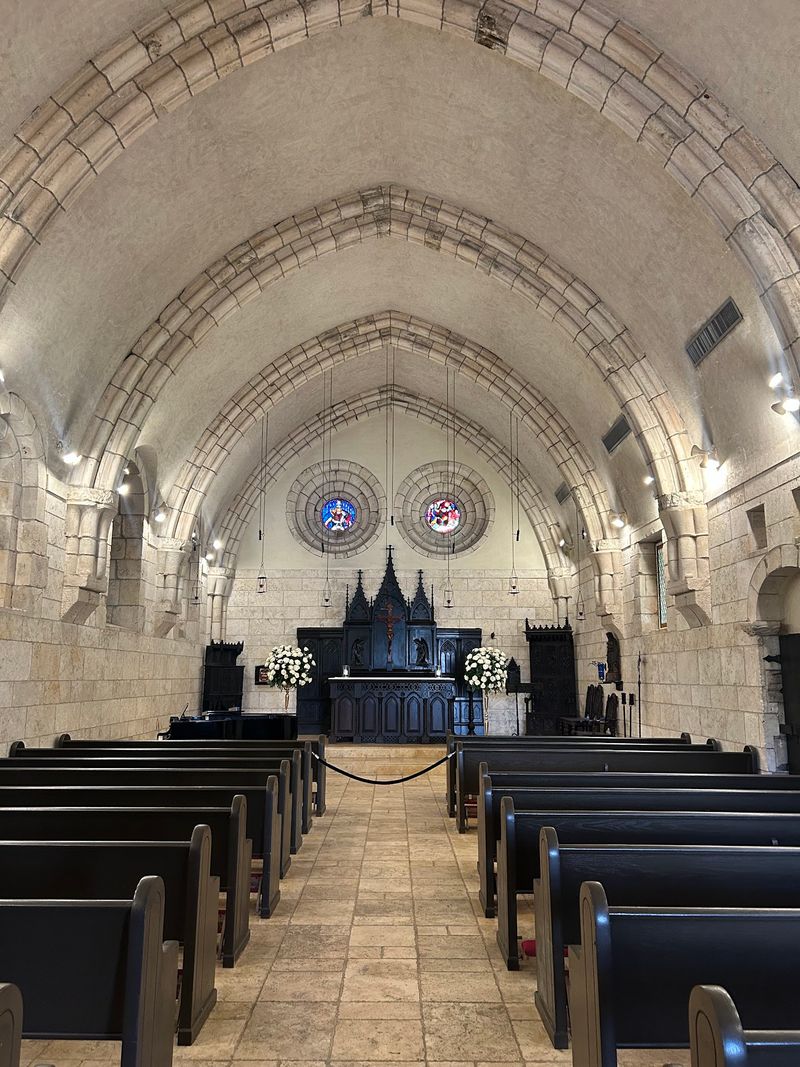
The chapel might be compact, but it packs serious historical punch. Medieval stained glass windows cast colored light across stone walls that have stood for centuries. The atmosphere inside hits different than the outdoor spaces, quieter and more contemplative, perfect for taking a breather from the Florida heat.
Services still happen here regularly, including Sunday mass and special events like weddings. Couples absolutely love getting married in this space, and honestly, who can blame them? The combination of ancient architecture and intimate scale creates something genuinely special for ceremonies.
What really gets people is touching surfaces that medieval hands shaped and used. The stained glass alone represents craftsmanship techniques that modern artisans still study and admire. You’re experiencing art and architecture that predates the discovery of the Americas, all while standing in suburban Miami.
The chapel’s size actually works in its favor. Unlike massive European cathedrals that can feel overwhelming, this space feels approachable and personal. You can appreciate individual details without getting lost in endless square footage.
Father Gregory, who performs ceremonies here, apparently delivers incredibly thoughtful, personalized services that leave people genuinely moved, adding modern meaning to this ancient space.
5. Perfect for Photography Sessions and Events
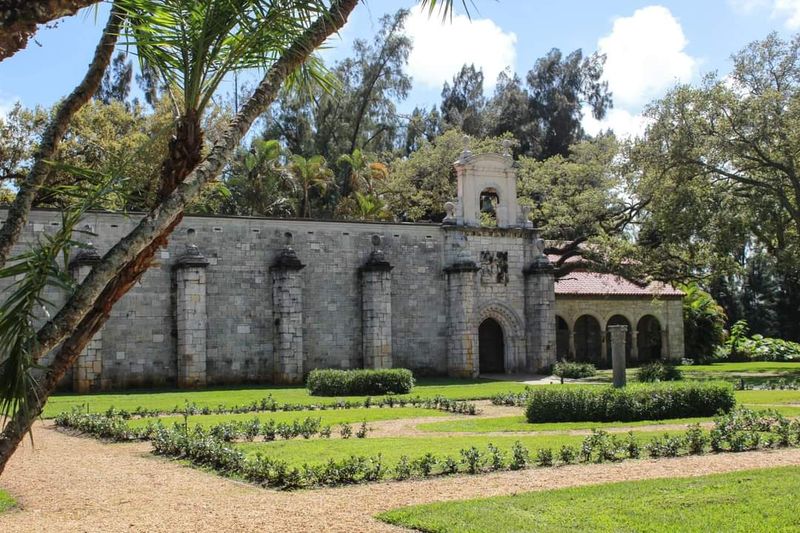
Professional photographers flock to this monastery like it’s going out of style. On any given visit, you’ll likely spot multiple photo shoots happening simultaneously, from engagement sessions to quinceañeras to full wedding productions. The backdrop basically does half the photographer’s work for them.
Wedding and event photography makes total sense here. The combination of weathered stone, dramatic archways, lush gardens, and unique architectural details creates ready-made gorgeous shots without needing much setup. Natural light plays beautifully off the monastery’s features throughout the day, giving photographers varied looks from morning through afternoon.
Quinceañeras particularly love this venue. The old-world elegance matches the formal, traditional nature of these celebrations perfectly. Girls in elaborate gowns posing against medieval stonework create striking images that stand out from typical South Florida party photos.
The monastery staff has clearly gotten used to managing multiple photography sessions at once. They’ve figured out how to keep things running smoothly even when the grounds get busy. Your $10 admission fee actually helps maintain the property, and photography fees from events provide crucial funding for preservation work.
So those photographers you might need to dodge aren’t just using the space, they’re helping keep it beautiful for everyone else too.
6. An Unexpected Escape from Modern Miami
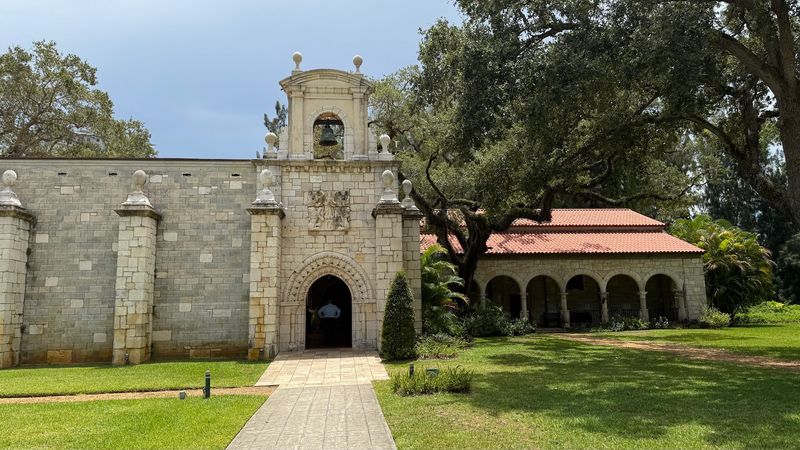
Miami doesn’t exactly scream “medieval European monastery.” Most people associate the city with beaches, nightlife, Art Deco buildings, and Latin culture. That’s what makes stumbling upon this place so surreal and refreshing.
One moment you’re driving down West Dixie Highway past strip malls and typical South Florida development. The next, you’re walking through 12th-century Spanish cloisters surrounded by centuries-old stone. The contrast genuinely messes with your head in the best possible way.
Locals who’ve lived in Miami for years keep coming back specifically because it offers something completely different from the city’s usual energy. When you need a break from Miami’s intensity but don’t want to leave town, this monastery delivers that escape without requiring a road trip.
The property isn’t huge, you can explore everything in about an hour. But that compact size actually enhances the experience rather than limiting it. You’re not exhausted by endless walking, you’re refreshed by a focused dose of history and tranquility.
Free parking makes access easy, and the reasonable admission price means you can visit multiple times without breaking the bank. It’s basically a mini-vacation to medieval Europe without the passport or plane ticket.
7. The Monastery Cats Add Unexpected Charm
Here’s something the official descriptions don’t always mention: a community of cats calls this monastery home. These aren’t random strays causing problems, they’re part of the place’s character, and visitors genuinely love them.
The monastery staff and community members actively care for these cats, providing food and looking after their wellbeing. Multiple reviews mention bringing cat food donations when visiting, which the cats and caretakers definitely appreciate. It’s become an unofficial tradition that adds warmth to the experience.
Something about cats lounging around medieval architecture just works. They add life and personality to the historic setting without detracting from its significance. Kids especially get a kick out of spotting cats napping in sunny corners or exploring the gardens alongside human visitors.
If you’re an animal lover, consider packing some cat food in your bag before visiting. The staff welcomes donations, and the cats provide entertainment and companionship during your tour. They’re friendly without being pushy, content to do their own thing while you explore.
This quirky detail separates the monastery from typical sterile historical sites. It feels lived-in and loved, not just preserved behind velvet ropes. The cats contribute to an atmosphere that’s historically significant yet genuinely welcoming and alive.
8. Helpful Staff and Thoughtful Visitor Experience
The people working here consistently earn praise for making visits memorable. The ticket sellers speak multiple languages, helping international visitors feel welcome and understood. That multilingual capability isn’t common at smaller historical sites, and it really enhances the experience for non-English speakers.
A small museum near the entrance provides context before you explore the grounds. It’s not massive, but it offers enough background information to deepen your appreciation of what you’re about to see. Grab the paper brochure they offer when you pay, it guides you through the property and explains what you’re looking at.
Staff members like Carolina and tour guides like Alan get mentioned by name in reviews, which tells you they’re making genuine connections with visitors. They’re knowledgeable about the monastery’s history and happy to share insights that bring the place to life beyond just looking at old stones.
Even practical details get attention. Multiple visitors mention surprisingly nice, clean restrooms with their own character. That might seem minor, but clean facilities at a historical site show respect for visitors and attention to the complete experience.
The staff’s professionalism shines during events too. Wedding coordinators apparently handle everything smoothly, making sure ceremonies run perfectly while maintaining the property’s dignity and beauty for all visitors.