You Haven’t Really Seen Florida Until You’ve Walked These 10 Trails
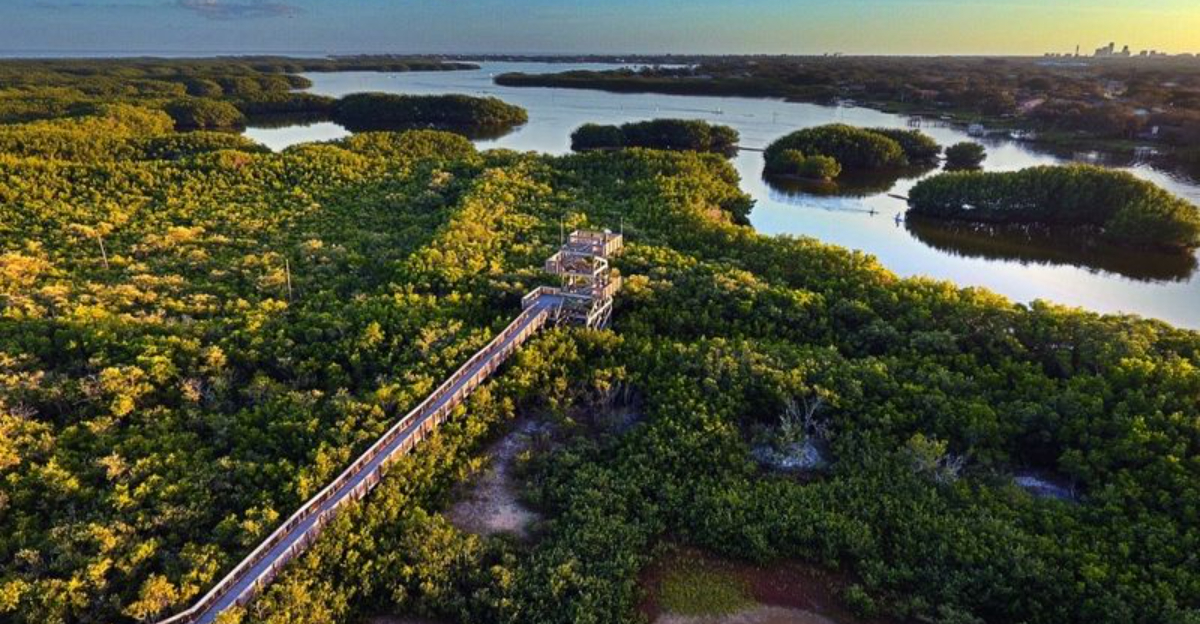
Florida isn’t just beaches and theme parks. Hidden beneath the palm fronds and Spanish moss are trails that reveal a wilder, quieter side of the Sunshine State. From ancient sand dunes to swampy boardwalks where gators sun themselves, these paths show you the Florida most visitors never experience.
Lace up your boots and get ready to explore the real deal.
1. Garden of Eden Trail (Bristol)
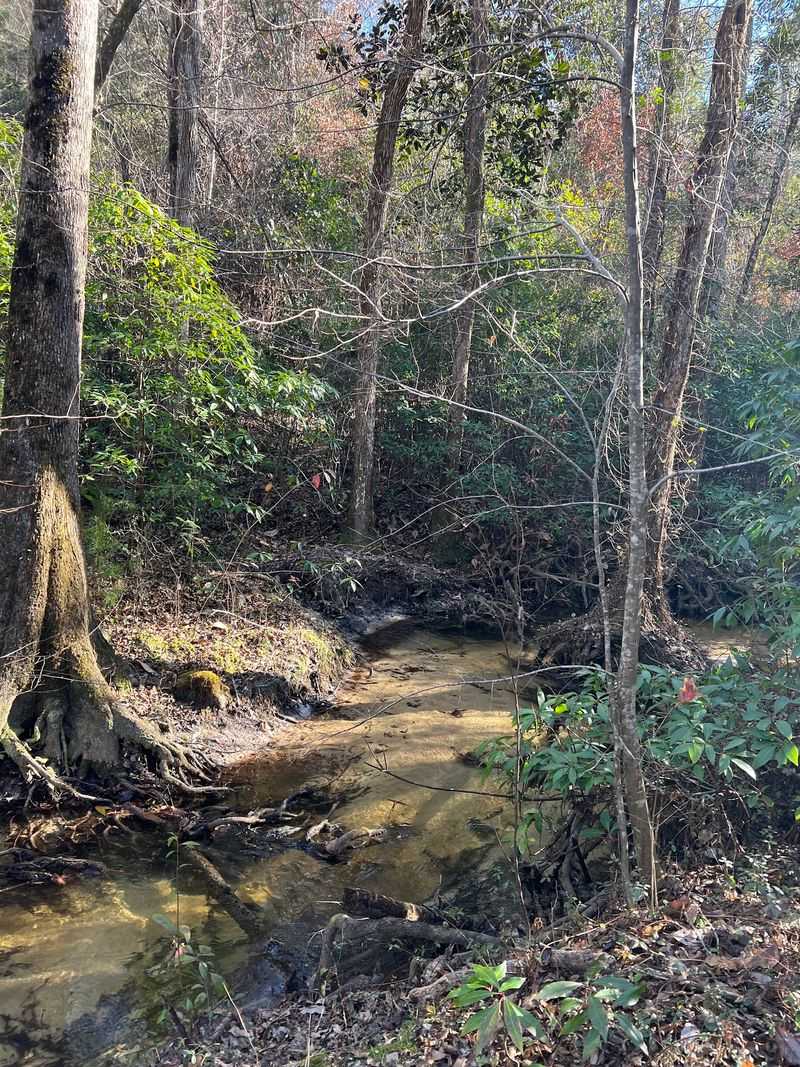
Tucked away in Florida’s forgotten panhandle, this trail delivers scenery you’d swear belongs in the Appalachians. Towering hardwoods arch overhead while limestone bluffs peek through the greenery. The path winds past natural springs so clear you can count every pebble on the bottom.
What makes this spot special is how different it feels from typical Florida terrain. You’re walking through genuine hill country here, with elevation changes that’ll remind your calves they exist. Ferns carpet the forest floor, and if you visit after a rain, little waterfalls trickle down the rock faces.
The trail stretches about three miles round trip, manageable for most fitness levels but interesting enough to keep you engaged. Spring and fall bring the best conditions since summer humidity can turn the woods into a steam room. Locals love this place for its shade and solitude.
Wildlife sightings are common, from white-tailed deer to wild turkeys strutting through the underbrush. Bring a camera because the light filtering through the canopy creates perfect photo opportunities. Just watch your step on the limestone sections when they’re wet.
This trail proves Florida has topography beyond flat. It’s a refreshing change from coastal hikes and offers a glimpse of the state’s geological diversity. Pack water and bug spray, then prepare to see a side of Florida most people don’t know exists.
2. Black Bear Wilderness Loop (Sanford)
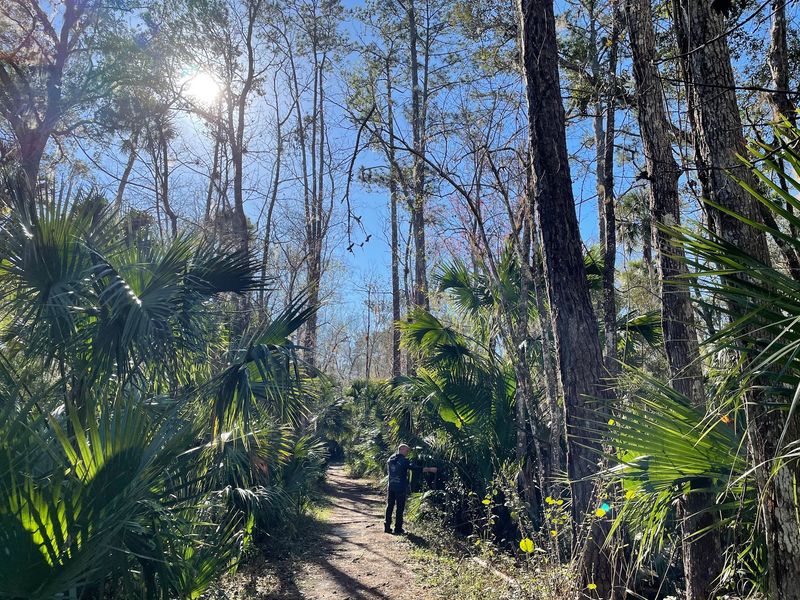
Yes, the name is accurate. Black bears actually roam these woods, though you’ll probably only spot their tracks in the sandy soil. This loop takes you deep into Central Florida’s original landscape, where slash pines tower above saw palmetto and the air smells like resin and earth.
The full loop covers roughly seven miles of varied terrain that showcases Florida’s pine flatwoods ecosystem. You’ll cross wooden bridges over cypress-lined creeks and push through sections where palmetto fronds brush your legs. It’s raw and wild in a way that feels increasingly rare.
Early morning hikers often encounter deer, wild hogs, and an impressive variety of birds. The trail stays relatively flat, but distance and occasional soft sand patches provide enough challenge to earn your post-hike meal. Shade comes and goes, so sun protection matters here.
What’s cool about this spot is how it preserves the landscape early settlers would have encountered. No manicured gardens or interpretive signs every fifty feet, just you and genuine Florida wilderness. The solitude factor runs high, especially on weekdays.
Summer brings heat and afternoon thunderstorms, so plan morning hikes during warmer months. Winter and spring offer ideal conditions with cooler temperatures and lower humidity. The trailhead has basic facilities but nothing fancy.
Bring plenty of water because there’s no potable source along the route, and keep your eyes open for those bear tracks.
3. La Chua Trail (Gainesville)
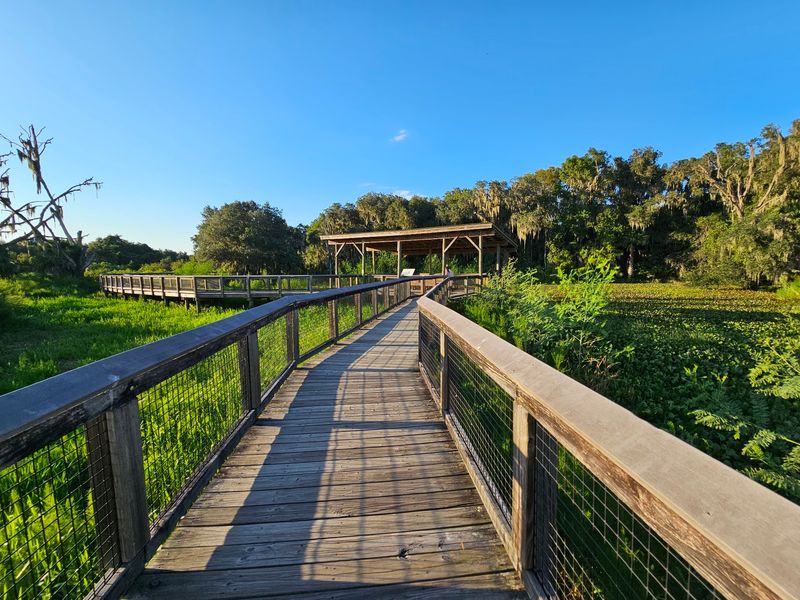
If you want to see alligators, forget the zoo. La Chua Trail delivers gators by the dozen, lounging on muddy banks like sunbathers at a particularly scaly beach resort. This boardwalk and crushed limestone path cuts straight through Paynes Prairie, one of Florida’s most wildlife-rich wetlands.
The trail runs about three miles out and back, mostly flat and easy to navigate. What makes it unforgettable is the sheer concentration of wildlife. Besides gators, you’ll spot wild horses, bison (yes, really), and enough bird species to keep any birder happy for hours.
Mornings are prime time here. The light hits the prairie just right, and animals are most active before the heat sets in. Bring binoculars because some critters keep their distance, though the gators often sun themselves close enough to the trail that you’ll get frame-filling photos.
The boardwalk section offers excellent views across the wetlands, and interpretive signs provide context without being overbearing. Kids love this trail because there’s always something to see, and the relatively short distance keeps complaints to a minimum. Just remember that wildlife is wild so maintain respectful distances.
Summer afternoons can get brutally hot with zero shade, so timing matters. Spring and winter provide comfortable temperatures and active wildlife. The trail gets busy on weekends, but the prairie is big enough that it rarely feels crowded.
This is Florida as nature intended, wild and wonderful.
4. Gator Hook Trail (Ochopee)
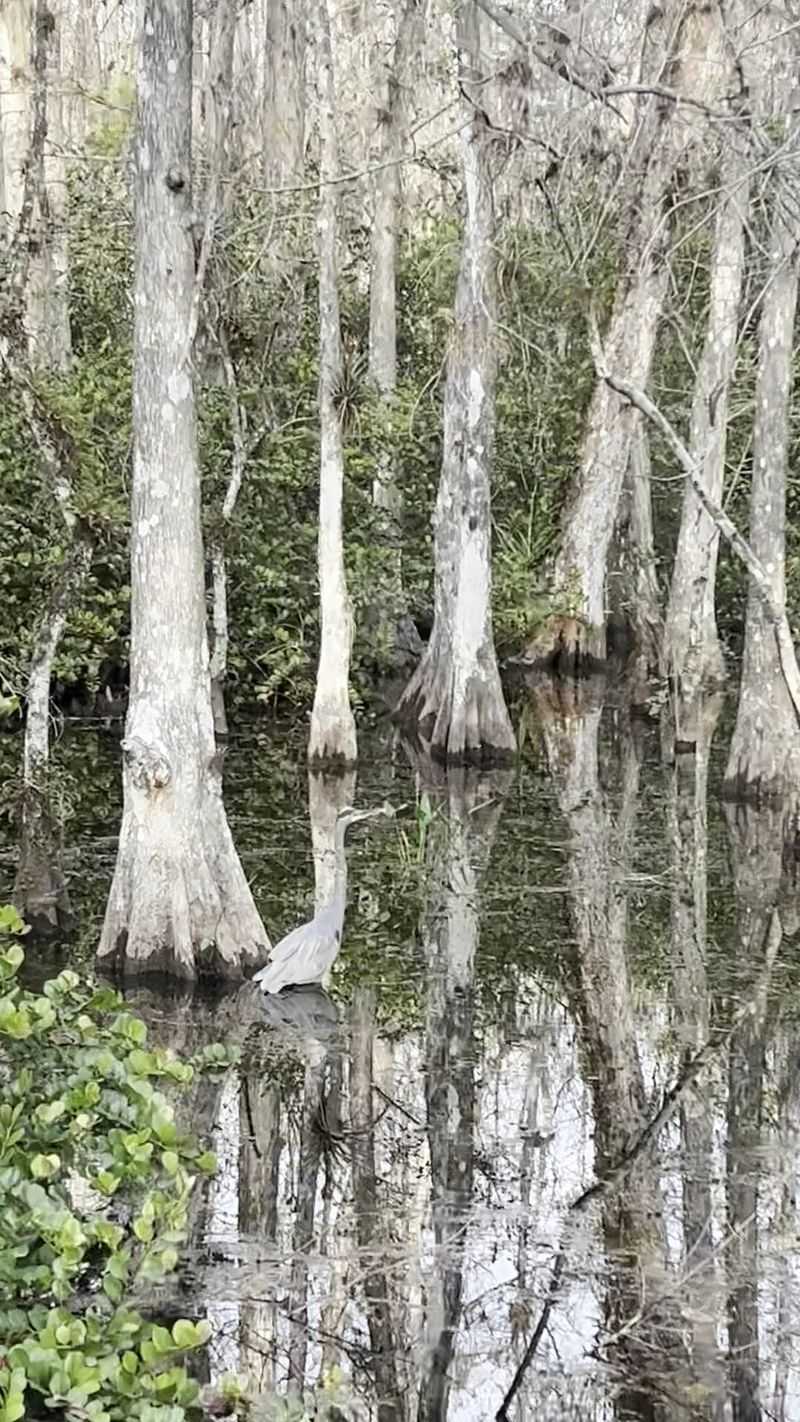
Deep in Big Cypress National Preserve, this trail earns its name honestly. The landscape here is pure Everglades: endless sawgrass prairie, scattered cypress domes, and water, water everywhere. It’s the kind of place that makes you understand why early explorers called South Florida impenetrable.
The loop stretches about ten miles, though you can do shorter out-and-back sections if that sounds ambitious. Much of the trail follows old logging roads and elevated boardwalks through wet prairie. During rainy season, expect to get your feet wet even on the drier sections.
Wildlife viewing here rivals anywhere in the state. Wading birds stalk through the shallows, alligators cruise the channels, and if you’re lucky, you might spot a Florida panther’s tracks. The openness of the prairie means you can see for miles in every direction.
What strikes you most is the silence. Stand still for a moment and you’ll hear wind rustling through sawgrass, bird calls echoing across the water, and absolutely nothing human-made. It’s meditative in a way few places manage anymore.
This isn’t a beginner trail. Bring navigation tools, plenty of water, and realistic expectations about conditions. Wet feet are guaranteed from late spring through fall.
Winter and early spring offer the best hiking with lower water levels and fewer mosquitoes. The remoteness here is the whole point, so come prepared and ready to experience Florida at its wildest and most unfiltered.
5. Ancient Hammock Trail (Sebring)
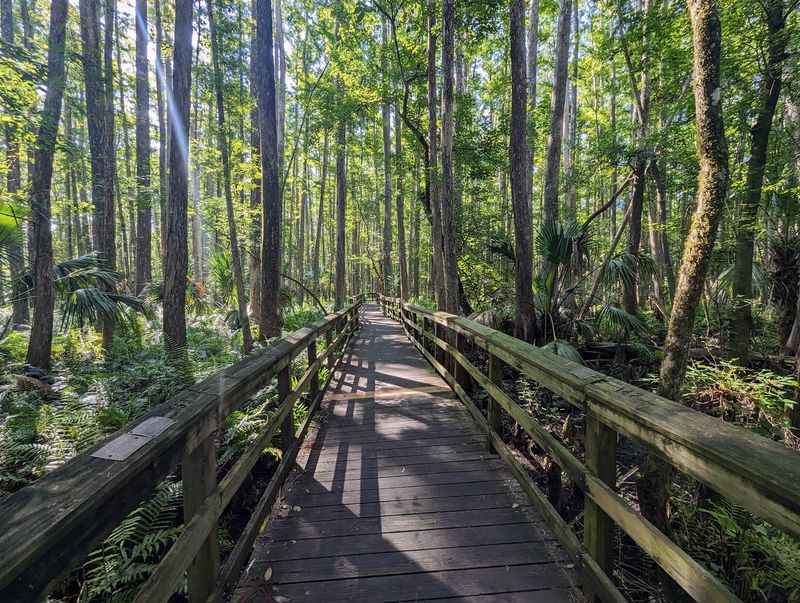
Some trees here were already old when the Civil War started. This trail winds through one of Central Florida’s last remaining old-growth hammocks, where massive live oaks spread branches wider than most people’s yards. Spanish moss hangs in silver curtains, and the air stays cool even on hot days.
The path covers just over a mile, perfect for a quick nature fix or an easy family outing. Despite its short length, the trail packs in serious scenery. You’re walking through a forest that took centuries to develop, and that ancient energy is palpable.
Interpretive markers explain the ecology without being preachy, and the well-maintained boardwalk sections keep your feet dry through wetter areas. Kids enjoy spotting lizards, butterflies, and the occasional armadillo rustling through leaf litter. The canopy overhead creates natural shade that makes summer hiking tolerable.
Photography opportunities abound here. The interplay of light and shadow through the oak branches creates dramatic scenes, and the gnarled tree trunks tell stories of storms survived and decades endured. Sunrise and sunset bring especially magical light.
What’s remarkable is how this patch of original Florida has survived development pressures. Standing beneath these ancient oaks, you’re experiencing the same landscape Native Americans walked centuries ago. The trail stays open year-round with minimal seasonal variation.
It’s a gentle, contemplative hike that reminds you some things are worth preserving. Bring your curiosity and a sense of reverence for what came before.
6. Tower Boardwalk at Weedon Island Preserve (St. Petersburg)
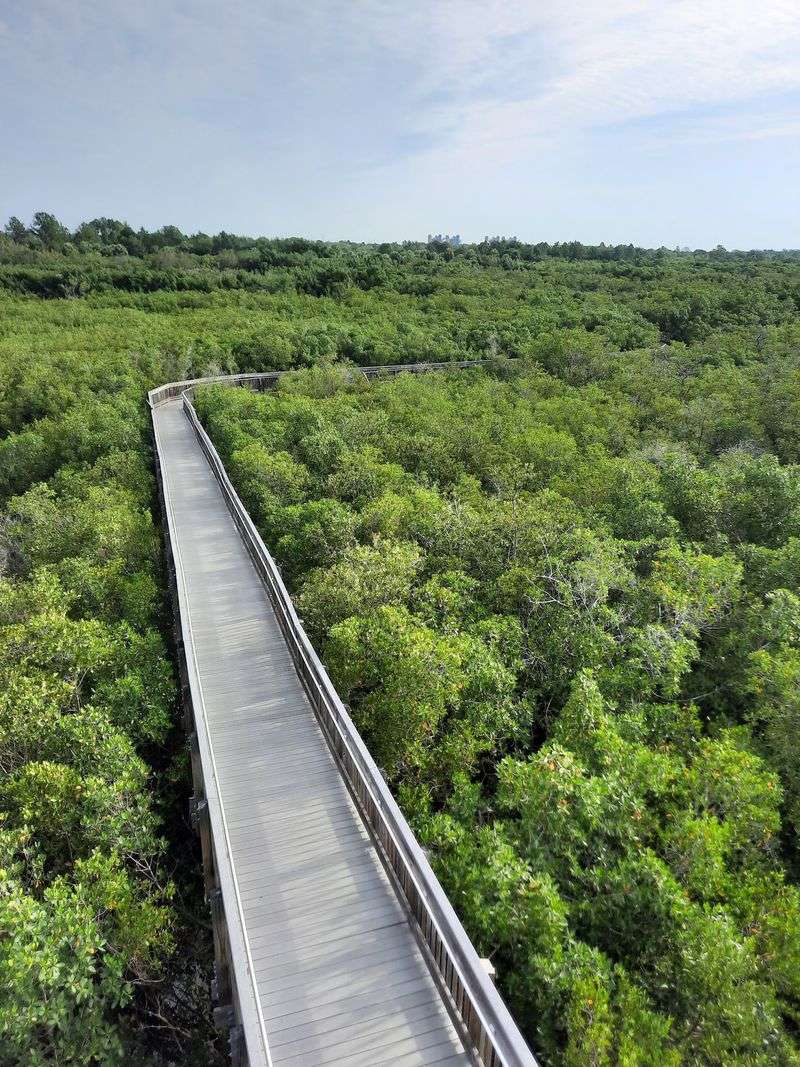
Rising above the mangroves like a treehouse for adults, the observation tower here offers views that’ll make you forget you’re minutes from downtown St. Pete. The boardwalk meanders through mangrove tunnels and across tidal flats where herons hunt and fiddler crabs scurry sideways by the thousands.
The main loop runs less than a mile, but there are multiple trail options if you want to extend your walk. What makes this spot special is the combination of easy access and genuine wilderness feel. You can watch kayakers paddle through the mangrove channels below while osprey circle overhead.
Climbing the tower rewards you with panoramic views across Tampa Bay. On clear days, you can see for miles, and the perspective helps you understand how mangrove forests protect the coastline from storms. It’s educational without feeling like homework.
The preserve also contains ancient Native American shell mounds, adding historical depth to your nature walk. Interpretive displays explain how indigenous people thrived here for thousands of years. The trails stay flat and accessible, making this a great option for all fitness levels.
Timing your visit around low tide reveals mud flats teeming with life: wading birds, crabs, and fish trapped in shallow pools. High tide brings water right up to the boardwalk, creating a completely different experience. Sunrise and sunset paint the bay in colors that’ll fill your camera roll.
This urban wilderness proves you don’t need to drive hours to find remarkable nature in Florida.
7. Alligator Alley Trail (Lakeland)
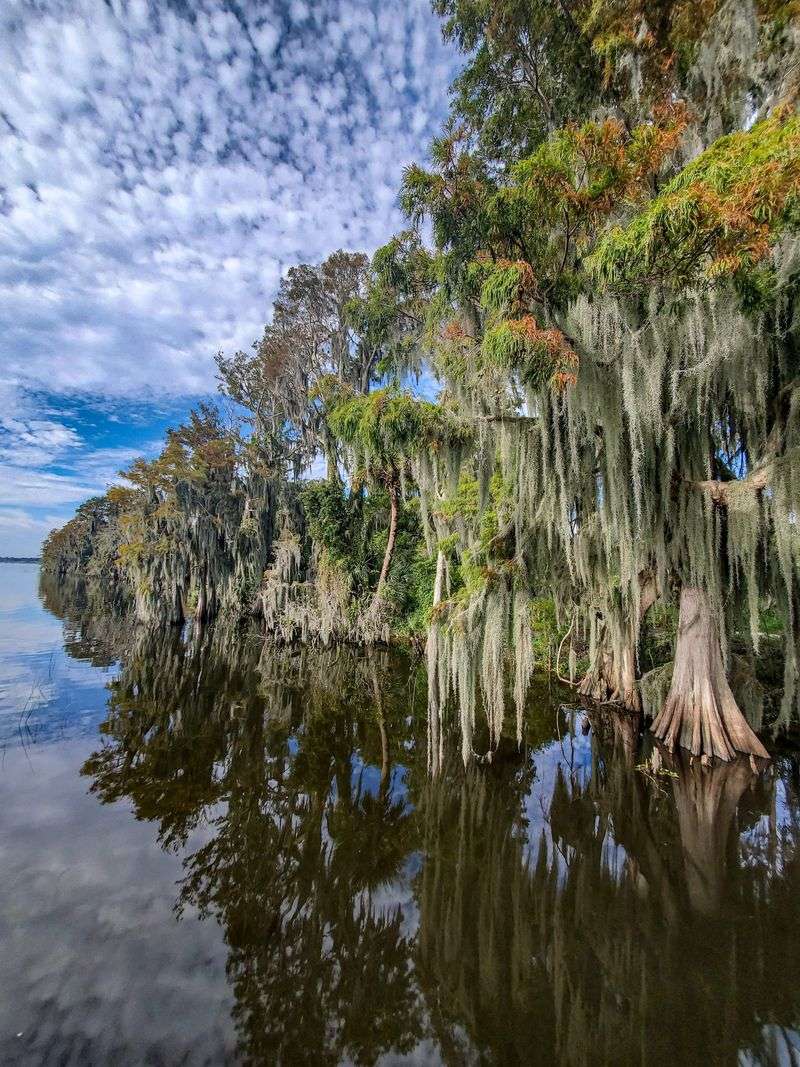
Don’t let the name intimidate you. While gators certainly live here, they’re more interested in fish than hikers. This trail loops through a mix of habitats that showcase Central Florida’s ecological diversity: oak hammocks, pine flatwoods, and wetland edges where the real action happens.
The full circuit covers about five miles of mostly level terrain. It’s not the most challenging hike physically, but the variety keeps things interesting. One minute you’re walking beneath a cathedral of oaks, the next you’re skirting a marsh where turtles sun themselves on half-submerged logs.
Bird watching here ranks among the best in the region. Bring binoculars and a field guide because you’ll spot species from woodpeckers to wood storks. The wetland sections attract wading birds year-round, and migration seasons bring unexpected visitors passing through on their way north or south.
What locals appreciate is how this trail feels remote despite being surrounded by suburban development. Once you’re fifty yards in, the outside world disappears behind curtains of vegetation. It’s a quick escape that doesn’t require burning half a tank of gas.
Summer brings heat and bugs, so morning hikes work best during warmer months. Winter offers comfortable temperatures and clear skies perfect for extended walks. The trail sees moderate use but rarely feels crowded.
Pack water, wear sturdy shoes for occasionally muddy sections, and keep your camera ready because wildlife encounters happen when you least expect them.
8. Hammock Hiking Nature Trail (DeLand)
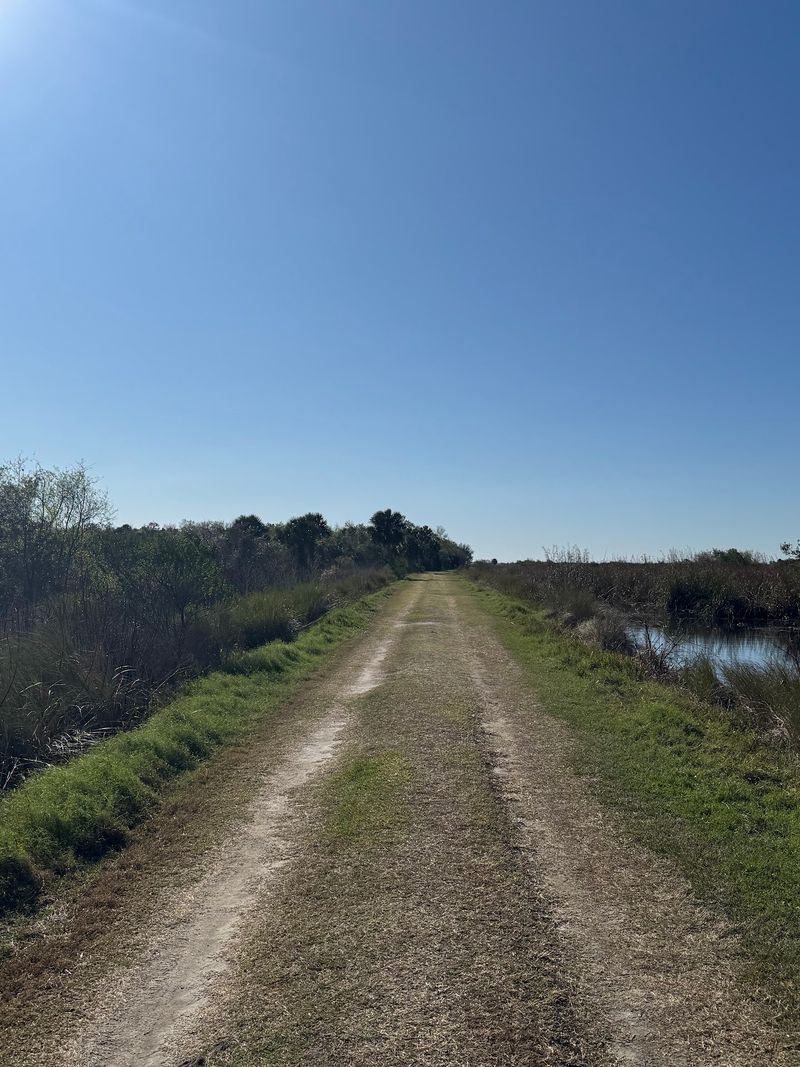
Sometimes the best trails are the ones nobody’s heard of. This hidden gem near DeLand takes you through classic Florida hammock terrain where cabbage palms mingle with oaks and the undergrowth stays thick and green year-round. It’s the kind of place where you can actually hear yourself think.
The trail runs roughly two miles through terrain that stays interesting without being difficult. Gentle elevation changes, rare for Florida, add just enough variety to keep your legs engaged. The path is well-marked but not over-developed, striking that perfect balance between accessible and wild.
Wildlife sightings are common but not guaranteed, which somehow makes encounters more special. You might spot deer browsing at dawn, or a gopher tortoise ambling across the path like it owns the place. Bird songs provide a constant soundtrack, and butterflies dance through sunlit clearings.
What makes this trail appealing is its unpretentious nature. There’s no grand vista or famous landmark, just solid forest hiking that reminds you why you started hiking in the first place. The canopy provides excellent shade, making this a viable summer option when other trails bake in the sun.
Local hikers love this spot for quick after-work walks or weekend morning jaunts. It never gets crowded, even on beautiful days. The trailhead has minimal facilities, so come prepared with water and snacks.
This is hiking for hiking’s sake, no gimmicks or Instagram-bait required. Just you, the trees, and whatever thoughts you bring along for the walk.
9. Ancient Dunes Nature Trail (St. Augustine)
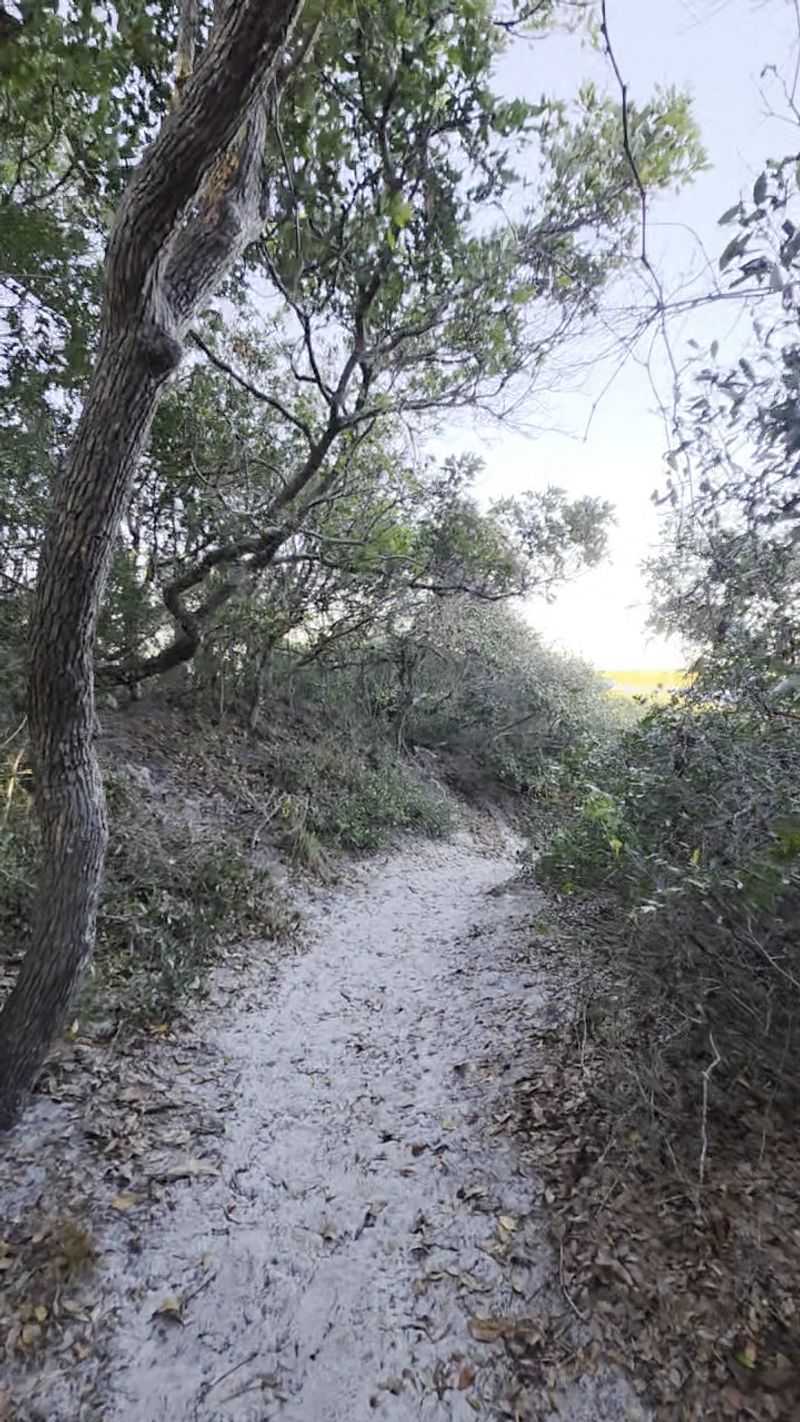
Walking these dunes feels like traveling back in time. These sand ridges formed thousands of years ago when sea levels were higher, and they’ve created a unique ecosystem found almost nowhere else. Scrub oaks twist into artistic shapes, and the sandy soil supports plants adapted to harsh, dry conditions.
The trail covers about two miles through terrain that’s hillier than most Florida hikes. Those ancient dunes mean actual ups and downs, and the soft sand in places adds resistance that’ll remind your calves they’re working. It’s a surprisingly good workout disguised as a nature walk.
This ecosystem is rare and endangered, which makes hiking here feel like visiting something precious. Scrub jays, found only in Florida, call these dunes home, and spotting one of these bright blue characters is always a treat. The vegetation looks sparse compared to lusher Florida forests, but that’s part of its stark beauty.
What’s fascinating is how different this landscape feels from typical Florida scenery. No palms, no moss-draped oaks, just wind-sculpted trees and open sky. The light here has a different quality, almost desert-like in its clarity.
Summer heat can be intense with limited shade, so morning hikes work best in warmer months. Winter brings perfect conditions: cool temperatures, comfortable walking, and excellent wildlife viewing. The trail stays relatively uncrowded even though it’s near historic St. Augustine.
Bring water, sun protection, and appreciation for landscapes that don’t fit the Florida stereotype. This is ancient Florida, preserved and accessible.
10. Hobe Mountain Trail (Hobe Sound)
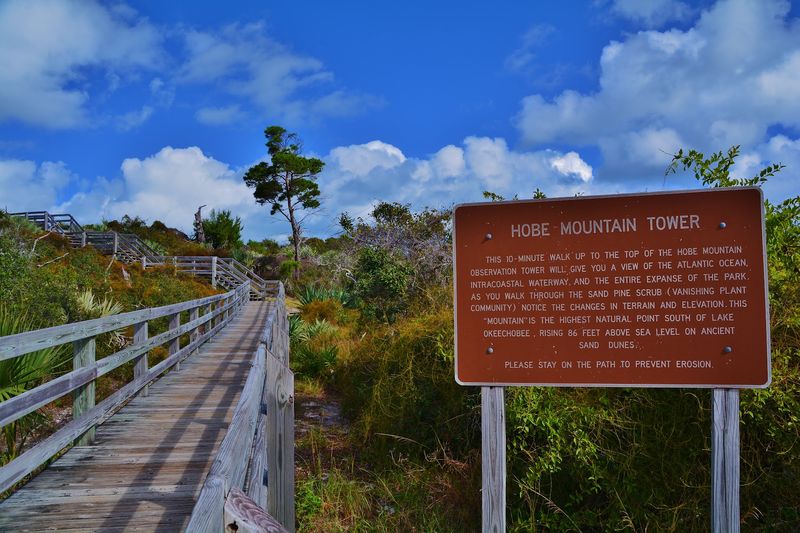
Calling it a mountain is generous, but at 86 feet above sea level, it’s one of the highest points on Florida’s Atlantic coast. The climb up the observation tower rewards you with views that stretch from the Atlantic Ocean to the Loxahatchee River, a perspective you won’t find anywhere else in South Florida.
The trail itself is short, less than a mile, but the sandy terrain and tower climb provide more workout than you’d expect. Your reward at the top is worth every step: 360-degree views that help you understand how this landscape fits together. On clear days, you can see forever.
The surrounding scrub habitat supports unique wildlife, including gopher tortoises and the occasional bobcat. The ecosystem here is ancient and adapted to fire, drought, and sandy soil. Interpretive signs explain how this landscape functions and why it matters.
What makes this hike memorable is that summit feeling, rare in Florida. Standing atop the tower with wind in your face and the world spread out below creates a sense of accomplishment disproportionate to the actual difficulty. It’s a fun destination for families because kids love climbing towers.
Early morning brings the best light for photography and cooler temperatures for climbing. Sunset paints the sky in colors that make the tower climb worth repeating. The trail sits within Jonathan Dickinson State Park, so there’s an entrance fee, but it’s minimal.
Pack water for the climb, and don’t skip the tower even if heights aren’t your thing. The view changes your perspective on Florida’s topography.