Car Lovers Can Easily Lose an Afternoon Inside This Hidden Florida Museum
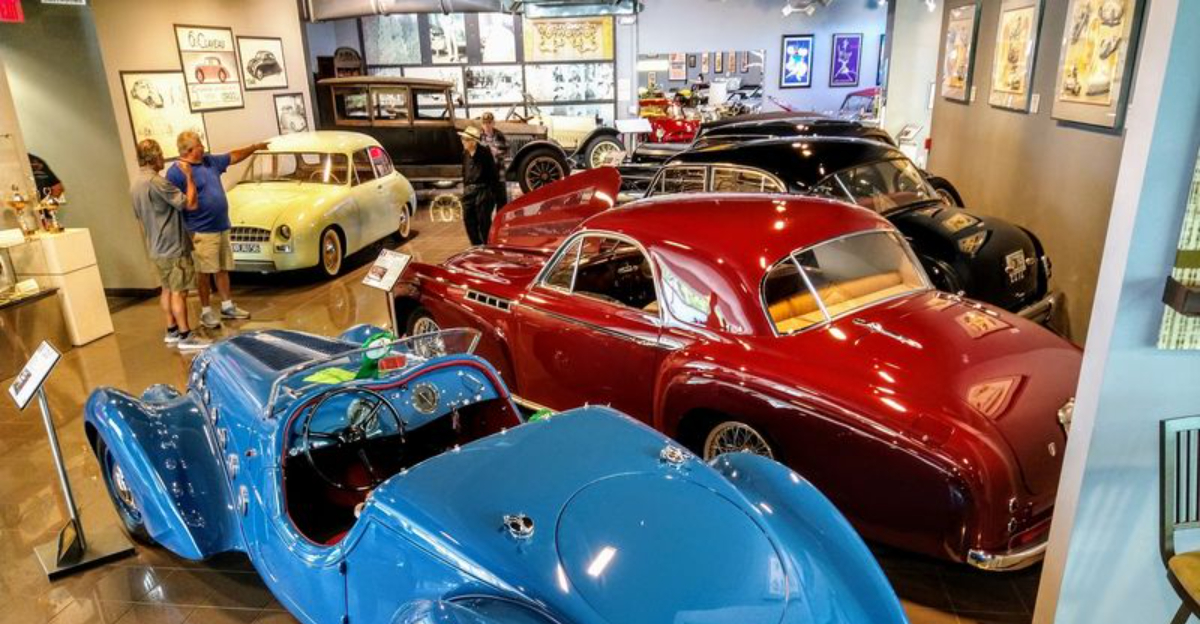
Car enthusiasts looking for something beyond the usual rows of familiar classics can easily spend hours inside the Tampa Bay Automobile Museum in Pinellas Park. This under-the-radar Florida attraction focuses on automotive innovation, filling its collection with unusual European vehicles, pioneering engineering, and designs that helped influence the modern automobile. What makes the museum especially interesting is the variety.
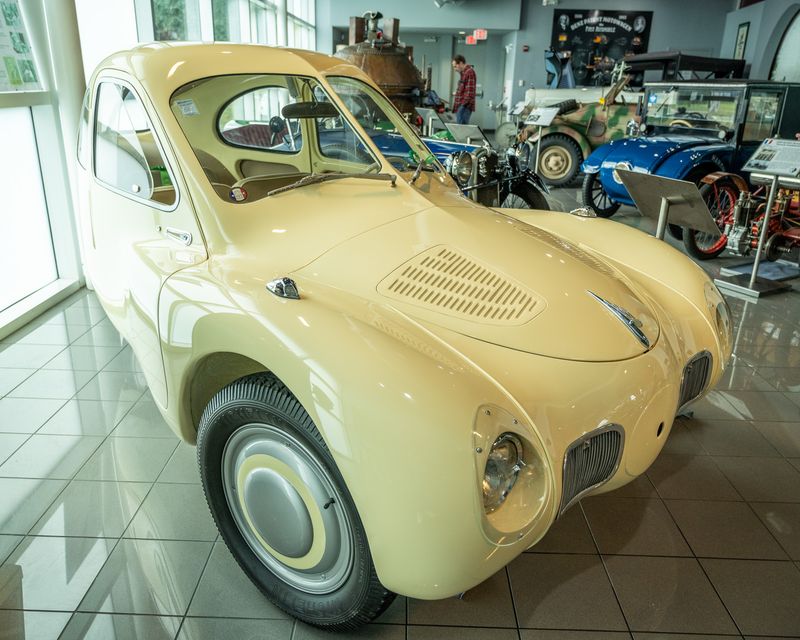
Rather than concentrating entirely on American muscle cars or flashy exotics, the collection highlights vehicles chosen for their technological importance. Visitors can examine automobiles featuring groundbreaking approaches to front-wheel drive, rear engines, suspension systems, aerodynamics, and other engineering concepts that were remarkably advanced for their time. Among the collection are vehicles from manufacturers such as Tatra, Citroën, Panhard, Peugeot, and Mercedes-Benz, along with rare automobiles many casual visitors may have never encountered before.
One particularly fascinating part of the museum is its interest in early front-wheel-drive technology, including vehicles connected to automotive pioneer Jean-Albert Grégoire. The experience feels refreshingly different from a massive commercial attraction. Cars are displayed in a setting where visitors can slow down, study the details, and appreciate the stories behind the machines.
Even someone who isn’t an automotive expert can find plenty to admire in the unusual body shapes, clever mechanical solutions, and ambitious ideas developed decades ago. That combination of history and engineering makes the Tampa Bay Automobile Museum much more than a room full of beautiful cars. It’s a journey through the ideas that changed how automobiles were built.
For anyone exploring the Tampa Bay area, this Pinellas Park gem deserves a spot on the itinerary. What starts as a quick visit can easily turn into an entire afternoon of discovering just how creative automotive history can be.
A Collection Unlike Any Other Car Museum You’ve Visited
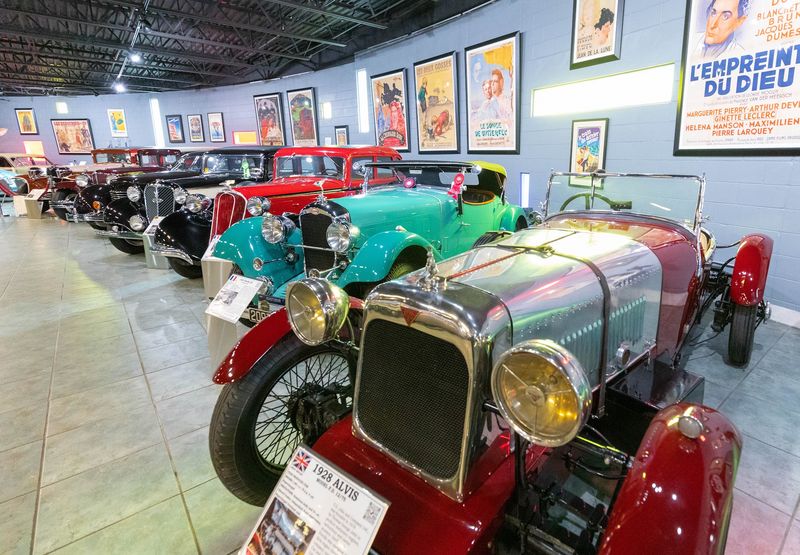
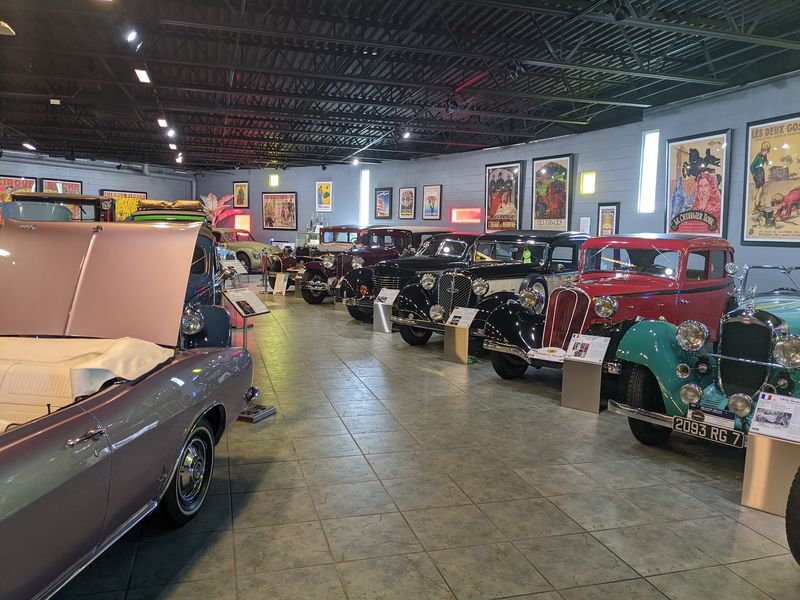
Most car museums pack their floors with Corvettes, Mustangs, and other American classics you’ve seen a hundred times. This place takes a completely different approach. The Tampa Bay Automobile Museum focuses on early engineering marvels from the 1920s and 1930s, with vehicles sourced from countries across the globe that showcase how different cultures tackled the challenge of motorized transportation.
Walking through the collection feels like stepping into a time machine that landed in multiple countries at once. You’ll find French engineering sitting next to German innovation, with British craftsmanship and American ingenuity scattered throughout. The museum houses around 75 vehicles on display, and many of them represent designs and technologies that didn’t survive into the modern era.
What makes this collection truly special is its rarity. Thirteen cars here carry gold stars, marking them as the absolute last known examples of their make and model anywhere in the world. When you’re looking at these vehicles, you’re seeing something that exists nowhere else on the planet.
The oldest vehicle in the collection dates back to the 1700s, a French steam-powered car that predates what most people think of as automobiles. Standing in front of it, you realize how far back the dream of motorized transportation really goes.
The museum rotates its display twice a year, so repeat visitors always find something new. This isn’t a static collection gathering dust. It’s a living exhibition that changes and evolves, giving members and frequent guests fresh reasons to return.
The private ownership model means the collection reflects genuine passion rather than corporate curation. Every vehicle was chosen because it represents something significant in automotive history, whether that’s innovative engineering, beautiful craftsmanship, or simply being the last survivor of its line.
Staff Who Actually Know Their Cars (And Love Talking About Them)
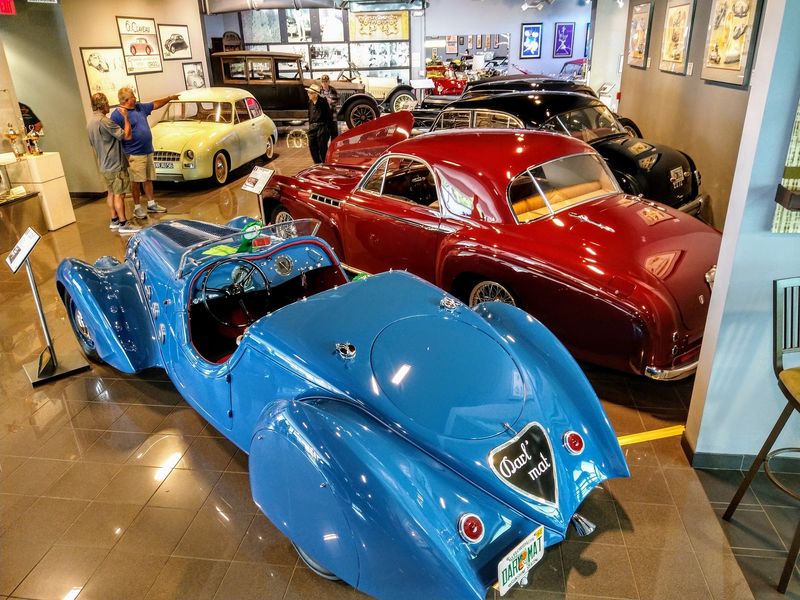
Frank greets you at the front desk with genuine enthusiasm, not the tired smile of someone watching the clock. Before you even make it to the main gallery, he’ll introduce you to several vehicles near the entrance, setting the tone for what makes this museum different. The people here aren’t just collecting admission fees; they’re sharing something they genuinely care about.
Susan, Wayne, Ed, Emmanuel, and the rest of the volunteer staff treat every visitor like a friend who came to see their personal collection. They don’t recite memorized scripts or point you toward plaques. They tell stories, explain engineering concepts, and answer questions with the kind of detail that only comes from real knowledge and passion.
One staff member will walk you through the museum’s incredible steam car exhibit, explaining not just what you’re seeing but how it actually worked. Wayne demonstrates the sleeve-valve engine and shows off a working Wankel rotary engine display so you can watch the mechanics in action. These aren’t dusty relics behind velvet ropes; they’re teaching tools brought to life by people who understand them.
The interactive approach transforms a simple museum visit into an educational experience. You’re not just reading information off plaques (though those are there if you prefer self-guided exploration). You’re having conversations with people who can explain why certain design choices mattered, how different countries approached similar problems, and what made each vehicle special in its time.
Visitors consistently mention the staff in their reviews, which tells you everything. In most museums, people talk about what they saw. Here, they remember who they met.
That personal connection elevates the entire experience from looking at old cars to understanding automotive history through the eyes of people who’ve dedicated themselves to preserving it.
Interactive Exhibits That Bring Engineering to Life
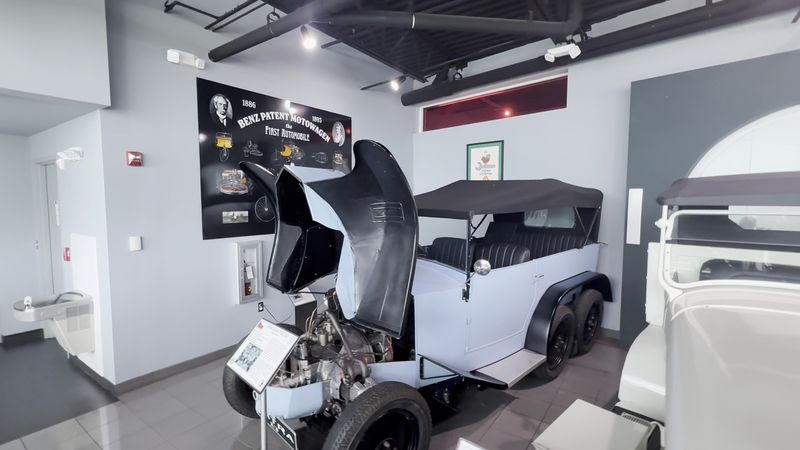
Reading about how a Wankel rotary engine works is one thing. Watching one operate in real time while someone explains what you’re seeing is something else entirely. The Tampa Bay Automobile Museum includes working mechanical displays that turn abstract engineering concepts into visible, understandable demonstrations.
The sleeve-valve engine exhibit shows you exactly how this once-popular design functioned, with moving parts you can observe as they go through their cycles. For anyone who’s ever wondered about the mechanical differences between various engine types, these hands-on displays answer questions you didn’t even know you had.
The steam car gets its own separate exhibit space, and for good reason. Most people have never seen a steam-powered automobile up close, much less had someone explain the technology behind it. The museum staff walks you through how these early vehicles generated power, controlled that power, and managed to transport people before internal combustion engines became the standard.
Educational videos scattered throughout the museum provide additional context for those who want to go deeper. You can spend as much or as little time as you want learning about the technical innovations that made each era of automotive development possible.
Perhaps the coolest surprise is getting invited to sit inside the DeLorean. It’s not just a “look but don’t touch” museum experience. The staff encourages appropriate interaction, understanding that feeling the seats and gripping the steering wheel creates memories that looking through glass never could.
The all-wheel drive Mustang display catches many visitors off guard. Most people have no idea such a vehicle existed, and discovering it feels like uncovering a secret chapter of automotive history. These unexpected finds scattered throughout the museum reward curious exploration and keep the experience fresh even for car enthusiasts who think they’ve seen everything.
One-of-a-Kind Vehicles You Won’t See Anywhere Else
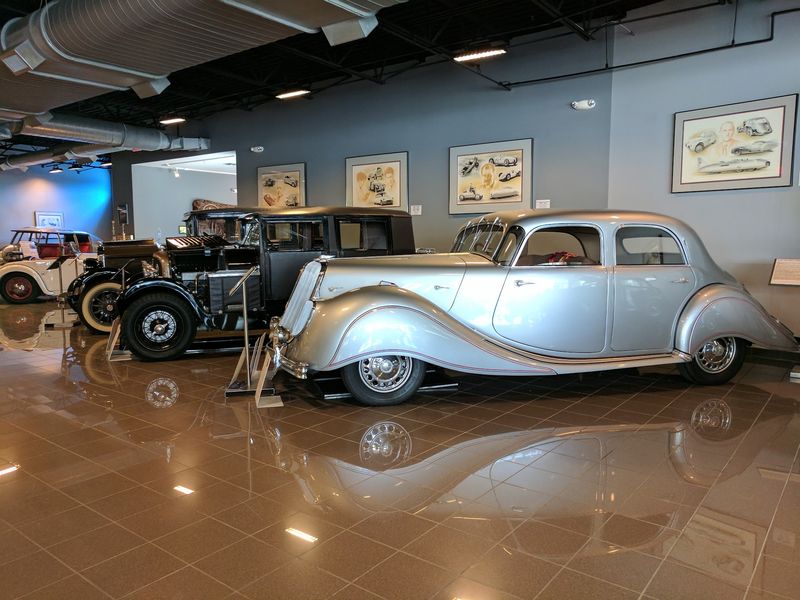
Imagine standing in front of a vehicle knowing that when you walk away, there’s nowhere else on Earth you could see it again. That’s the reality with 13 cars in this collection. The gold stars marking these vehicles aren’t just decorative; they’re certificates of absolute uniqueness in a world where nearly everything has been mass-produced.
These aren’t cars that are rare because only a few hundred were made. These are vehicles where every other example has been destroyed, scrapped, or lost to time. You’re looking at the lone survivors, the last witnesses to engineering experiments and design philosophies that the world moved past.
The collection includes vehicles from manufacturers that no longer exist, representing entire companies and their innovations that have vanished from everything except history books and this museum floor. Some showcase technologies that seemed promising at the time but lost out to competing designs. Others represent luxury and craftsmanship that became economically unsustainable.
Walking past these one-of-a-kind vehicles, you realize you’re seeing things that most automotive historians would travel across continents to examine. Yet here they sit in Pinellas Park, quietly waiting for visitors who stumble upon this hidden treasure or hear about it from friends who couldn’t stop talking about their visit.
The rarity extends beyond just a few standout pieces. The entire collection focuses on vehicles you won’t find in typical car museums. While other institutions showcase the popular classics that draw crowds, this museum has carved out a niche preserving the unusual, the experimental, and the forgotten.
For photography enthusiasts and automotive researchers, this collection represents an irreplaceable resource. Where else can you document vehicles that exist nowhere else? The museum understands this value and welcomes people who want to study and appreciate these mechanical artifacts seriously.
Budget-Friendly Admission That Respects Your Wallet
Quality museum experiences usually come with price tags that make you wince. Not here. The Tampa Bay Automobile Museum keeps admission remarkably affordable, treating access to automotive history as something that shouldn’t require a major financial commitment.
The base admission price sits well below what you’d pay at most tourist attractions in the Tampa Bay area. You’re getting access to a world-class collection of irreplaceable vehicles for less than you’d spend on lunch at a casual restaurant.
Discounts sweeten the deal even further. Military members, students, and seniors all receive reduced rates, acknowledging that these groups often have tighter budgets but equal interest in experiencing what the museum offers. The museum clearly believes in making automotive history accessible to everyone, not just those who can afford premium pricing.
The annual membership costs just $50, which is an absolute steal if you visit more than once or twice. Members can return as often as they like, making it easy to explore the collection in multiple shorter visits rather than trying to absorb everything in one marathon session. Since the displays rotate twice yearly, that membership keeps delivering new experiences.
When you consider that some visitors spend four hours exploring and still feel they missed details worth returning for, the value proposition becomes even clearer. You’re not paying by the hour or rushing through to get your money’s worth. You can take your time, chat with staff, read every plaque, and truly absorb the history around you.
The gift shop offers reasonably priced items for family and friends, avoiding the markup trap that many museum shops fall into. You can actually afford to bring home a memento without feeling like you’re being gouged on your way out the door.
A Museum That Actually Welcomes Families and Accessibility Needs
Museums can feel intimidating or unwelcoming, especially for families with young kids or visitors with mobility challenges. The Tampa Bay Automobile Museum takes a different approach, creating an environment where everyone actually feels comfortable exploring.
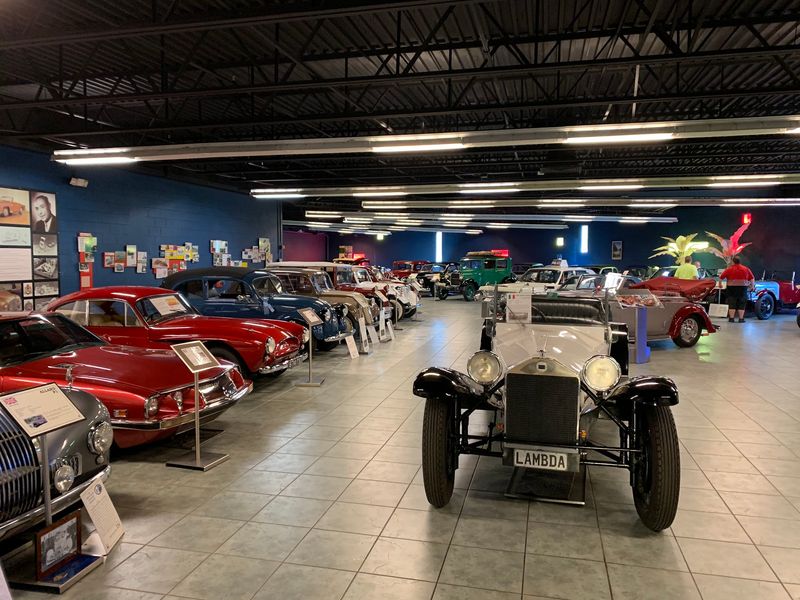
The facility is fully ADA compliant, with wheelchair-accessible pathways throughout the gallery. You won’t find yourself stuck in front of exhibits you can’t reach or navigating tight corners that make mobility devices impractical. The museum was designed with genuine accessibility in mind, not just minimum legal compliance.
Plenty of parking means you’re not circling the lot or walking half a mile from your car. For visitors with limited mobility or families hauling kids and strollers, this convenience matters more than people without those challenges often realize.
The staff treats children with the same respect and enthusiasm they show adult visitors. Kids aren’t seen as potential problems or distractions. They’re future automotive enthusiasts being introduced to history in a way that might spark lifelong interests.
The interactive elements and working displays particularly engage younger visitors who might zone out reading static plaques.
Parents consistently mention in reviews that their children enjoyed the experience, which is high praise considering how easily kids can get bored in museums. The combination of visual interest from the beautiful vehicles and engaging staff who know how to communicate with different age groups creates an environment where families can genuinely enjoy themselves together.
The museum’s utterly delightful people (as one reviewer described them) extend their warmth to visitors of all ages and abilities. You’re not made to feel like you’re inconveniencing anyone by asking questions, needing assistance, or taking your time. The welcoming atmosphere transforms what could be a stressful outing into a genuinely pleasant experience for everyone involved.
Hidden Location That Adds to the Discovery Experience
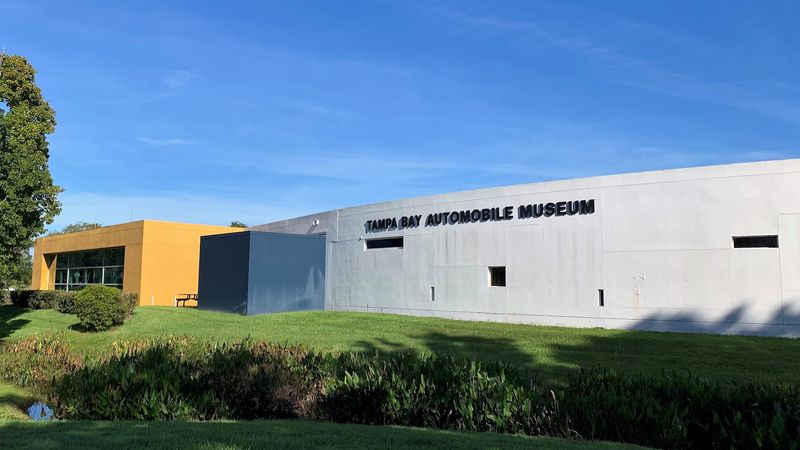
The Tampa Bay Automobile Museum sits at 3301 Gateway Centre Boulevard, tucked into an industrial area that most people only visit for business appointments or warehouse pickups. There are no giant roadside attractions or flashy signs screaming for your attention. The building blends into its surroundings, which means you have to actually want to find it.
This hidden quality isn’t a bug; it’s a feature. Visitors consistently describe feeling pleasantly surprised when they step inside and discover the expansive collection waiting beyond that unassuming exterior. The contrast between the industrial neighborhood and the treasures inside creates a sense of discovery that wouldn’t exist if the museum sat on a main tourist strip.
Finding the place becomes part of the adventure. You’re not following crowds or tourist buses. You’re seeking out something special based on a friend’s recommendation or an online review that piqued your curiosity.
That intentional journey makes the destination feel more rewarding when you arrive.
The industrial location also means the museum doesn’t deal with the traffic, parking nightmares, and overwhelming crowds that plague attractions in more touristy areas. You can visit on a Saturday afternoon and actually have space to move around, time to talk with staff without feeling rushed, and the freedom to spend as long as you want in front of exhibits that interest you.
Being off the beaten path has allowed the museum to maintain its character as a genuine enthusiast destination rather than becoming a generic tourist trap. The people who find it tend to be those who actually care about what they’re seeing, which creates a different atmosphere than locations where half the visitors are just killing time.
Once you know where it is, the location becomes convenient rather than hidden. It’s easily accessible from major routes, just not visible from them.
Hours That Work for Real Schedules (Mostly)
The museum operates Monday, Wednesday, Thursday, Friday, and Saturday from 10 AM to 4:30 PM, with Sunday hours running from noon to 4:30 PM. Tuesday is the only day they’re completely closed, giving staff a regular day off while still maintaining a six-day weekly schedule.
Those 4:30 PM closing times might catch some visitors off guard if they’re used to museums staying open until evening. Plan accordingly, because showing up at 3 PM thinking you have plenty of time will leave you rushing through exhibits you wanted to savor. Multiple reviews mention visitors running out of time, which speaks to both the museum’s depth and the importance of arriving early.
The Sunday noon opening accommodates weekend visitors who don’t want to set early alarms on their days off. You can sleep in, have a leisurely breakfast, and still arrive with hours to explore. For families with kids or anyone who treats Sunday as a genuine rest day, that noon start time shows thoughtful scheduling.
Weekday hours make the museum accessible to tourists visiting during the week and locals who work non-traditional schedules. Retirees and remote workers particularly benefit from being able to visit during less crowded weekday afternoons when they can have more one-on-one time with staff.
The consistent schedule means you don’t have to navigate complicated seasonal hours or wonder if they’ll be open when you plan to visit. Check that it’s not Tuesday, verify you can arrive well before 4:30 PM, and you’re set. That reliability matters when you’re coordinating schedules or planning a day trip.
For serious enthusiasts planning multiple visits, the hours provide plenty of opportunities throughout the week. Annual members can stop by for an hour on a weekday lunch break or spend entire Saturday afternoons exploring without feeling constrained by limited access windows.
Art and Beauty Beyond Just Mechanical Interest
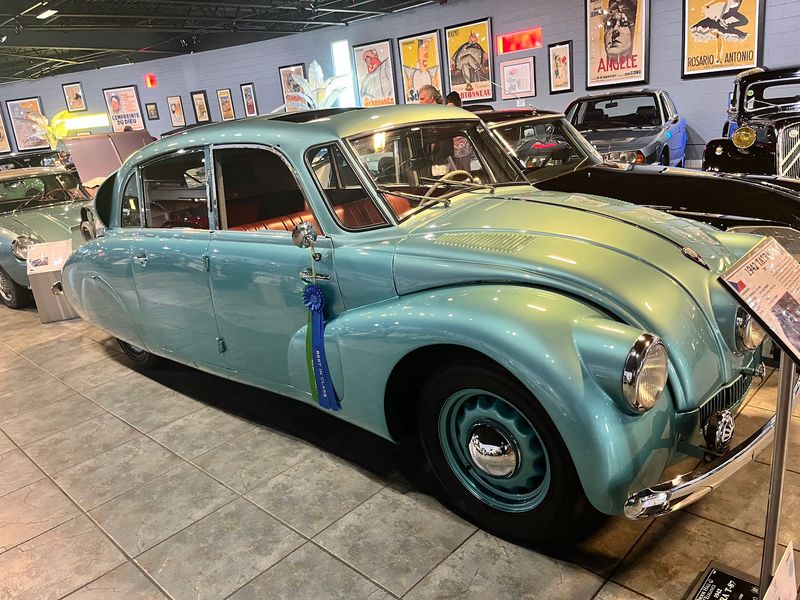
Cars are machines, but the best ones transcend pure function to become rolling sculpture. The Tampa Bay Automobile Museum understands this dual nature, presenting vehicles as both engineering achievements and works of art. The museum blends automotive history with artistic appreciation, creating an experience that appeals even to visitors who don’t particularly care about horsepower or transmission types.
The sheer beauty and craftsmanship of 1920s and 1930s luxury automobiles becomes apparent when you see them in person. Photos don’t capture the curves of hand-formed metal, the detail in decorative elements, or the quality of materials used in interiors. Standing in front of these vehicles, you appreciate the artistry that went into their creation.
The museum also displays art throughout the gallery, not just automotive-related pieces but works that complement the aesthetic experience of the collection. This integration acknowledges that people visit museums for beauty and cultural enrichment, not just information and education.
For visitors who love design history, fashion, or decorative arts, the vehicles offer insights into the aesthetic sensibilities of their eras. The progression of automotive styling reflects broader cultural trends, from Art Deco influences to streamlined modernism. You’re seeing design history through a specific lens that makes those trends tangible and accessible.
The museum’s owner response to one review specifically mentions blending “a little something for everyone with the collection of art and the beauty of the vintage vehicles.” That intentional curation creates an environment where car enthusiasts can bring non-enthusiast partners or friends without worrying they’ll be bored. There’s genuine visual interest beyond just “old cars.”
The color and vibe of the collection (as one reviewer described it) create an atmosphere that feels more like an art gallery than a garage. The presentation respects the vehicles as cultural artifacts worthy of the same careful display and lighting you’d expect in a fine arts museum.
A Place Worth Returning To (And Bringing Friends)
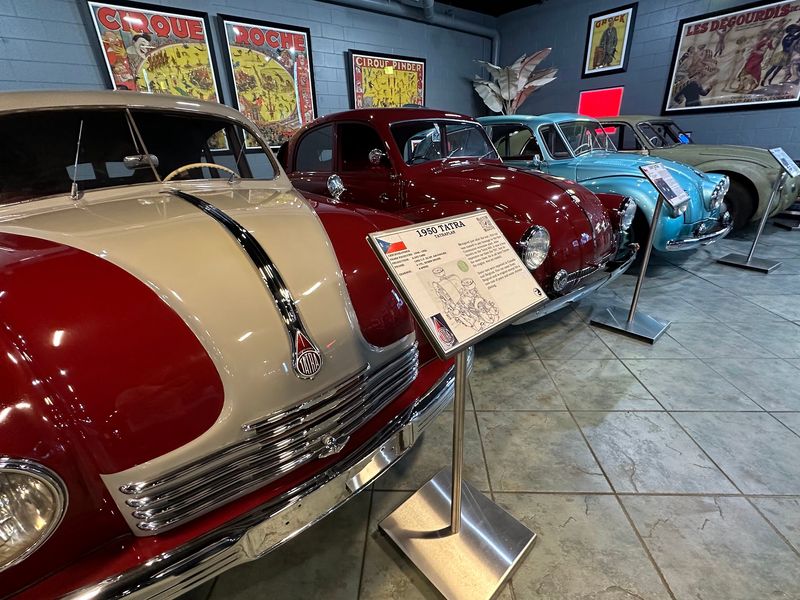
Single-visit museums are fine, but the best ones make you want to come back and share the experience with others. The Tampa Bay Automobile Museum falls firmly into the latter category, with visitors consistently mentioning plans to return and bring friends or family members who would appreciate what they discovered.
That rotating collection creates built-in reasons to return. When displays change twice yearly, your second visit six months later will include vehicles you didn’t see the first time. For annual members, this means the $50 investment keeps delivering fresh experiences rather than becoming repetitive.
The depth of the collection ensures you’ll miss details on your first visit no matter how long you spend. Reviewers who stayed for four hours still felt they didn’t capture all the value offered. That density of content means return visits reveal new information, vehicles you rushed past, or stories you didn’t hear the first time.
People specifically mention bringing friends in their reviews, which is the highest compliment a museum can receive. When your experience is good enough that you actively want to share it with people you care about, that speaks to genuine quality rather than just checking a box on a tourist itinerary.
The staff’s enthusiasm never seems to wane, even with repeat visitors. They remember faces, share new stories, and maintain the same energy whether you’re a first-timer or a regular. That consistency creates a welcoming environment where returning feels like visiting friends rather than being just another anonymous admission ticket.
For locals, the museum becomes a go-to recommendation for visiting relatives or friends new to the area. Instead of defaulting to the same beach suggestions everyone gives, you can offer something unique that showcases a different side of Tampa Bay’s cultural offerings. The museum gives you bragging rights as someone who knows the hidden gems worth experiencing.