Travel Back to the 1800s at This Middle-of-Nowhere Florida Historical Park
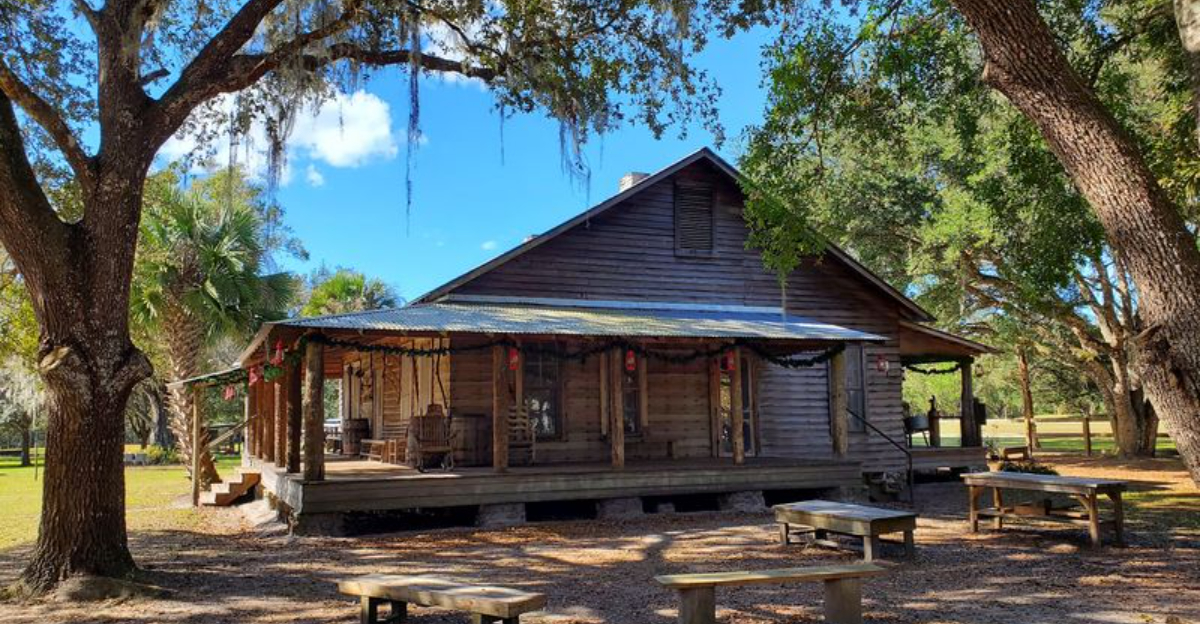
A trip to Fort Christmas Historical Park feels like leaving modern Central Florida behind and wandering into a much quieter chapter of the state’s history. Set in the rural community of Christmas, east of Orlando, this fascinating park preserves the stories, buildings, and everyday traditions that shaped Florida during the 19th century. At the heart of the property is a full-size replica of Fort Christmas, originally constructed nearby on Christmas Day in 1837 during the Second Seminole War.
Visitors can step inside the recreated fort and learn why military outposts like this once played an important role in Florida’s turbulent frontier period. The experience extends well beyond the fort. Historic homes and structures relocated to the park help illustrate what life was like for early settlers.
Inside, period furnishings, household objects, tools, and agricultural equipment offer a closer look at daily routines before electricity, automobiles, and modern conveniences transformed the state. Outside, towering trees and spacious grounds contribute to the feeling of stepping back in time. Walking between old buildings at an unhurried pace is a dramatic contrast to the theme parks and busy highways found less than an hour away in Orlando.
Families can also enjoy the park’s open spaces and recreational areas, making it easy to combine a history lesson with a relaxed afternoon outdoors. Admission has traditionally been free, adding to its appeal as an inexpensive Central Florida day trip. For travelers curious about the Florida that existed long before resorts and roller coasters, Fort Christmas Historical Park offers a memorable glimpse into the past.
Its remote atmosphere, pioneer buildings, and recreated frontier fort make the 1800s feel surprisingly close.
The 1837 Fort Replica That Started It All
On Christmas Day in 1837, a military fort was hastily built in the middle of Florida wilderness to protect soldiers during the Second Seminole War. That original structure is long gone, but the 1977 replica standing today at Fort Christmas Historical Park captures the grit and purpose of frontier military life with surprising accuracy. Walking through the wooden gates feels less like visiting a museum and more like stepping onto an active outpost frozen in time.
The fort’s two blockhouses are air-conditioned, which is a relief on sweltering Florida afternoons, and packed with memorabilia, maps, weapons, and detailed displays about the Seminole Wars. You can climb up narrow stairs, peer out of rifle slots, and imagine what it must have been like to stand watch over hostile territory. The exhibits don’t sugarcoat the conflict or the hardships soldiers faced, making the experience both sobering and educational.
What makes this fort special is how accessible it is. There are no velvet ropes or “do not touch” signs everywhere. You’re encouraged to explore, ask questions, and really engage with the space.
Kids especially love running around the wooden walls and pretending to be frontier soldiers, while adults appreciate the historical depth packed into such a compact site.
The fort sits at the heart of the park, surrounded by sprawling green space, picnic pavilions, and walking paths. It’s easy to spend an hour just in this area alone, reading plaques, examining artifacts, and soaking in the atmosphere. Even if you’re not a hardcore history buff, there’s something undeniably cool about standing inside a full-scale replica of a fort that once held real strategic importance.
Unlike many historical sites that feel sterile or overly polished, Fort Christmas maintains a raw, authentic vibe. The wood still smells earthy, the blockhouses creak underfoot, and the whole setup feels rugged and real. For anyone curious about Florida’s military past or just looking for a unique, off-the-beaten-path experience, this fort delivers in ways most modern attractions simply can’t.
Pioneer Homes That Tell Real Stories
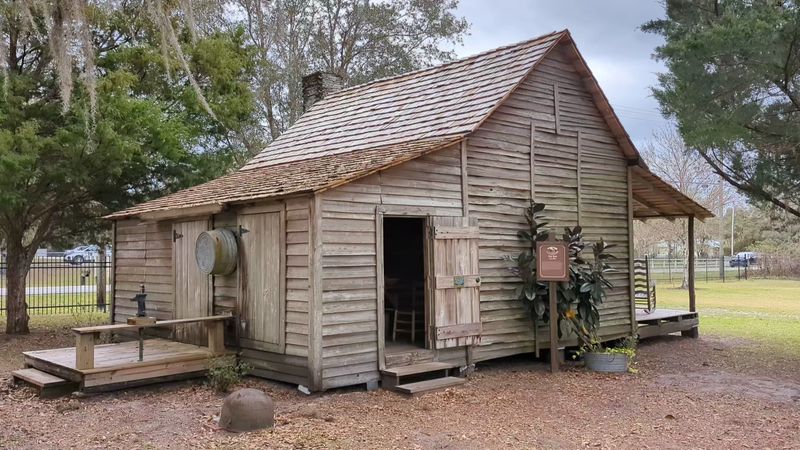
Scattered across the park grounds are more than a dozen historic homes and buildings, each one representing a different slice of Florida pioneer life from the late 1800s through the early 1900s. These aren’t just empty shells with a few dusty chairs thrown inside. Every cabin, homestead, and structure has been carefully furnished with period-appropriate items, from hand-stitched quilts and cast-iron stoves to original iceboxes and vintage farm tools.
What’s remarkable is how lived-in everything feels. Step inside one of the homesteads and you’ll see a kitchen table set as if someone just finished breakfast, quilts draped over beds, and personal items arranged on shelves. It’s easy to imagine families actually living here, dealing with Florida’s heat without air conditioning, cooking over wood-burning stoves, and making do with whatever resources they could scrape together.
Each building represents a different era or family, and informational plaques outside provide context about who lived there and when. Some structures are replicas, others are original buildings that were carefully relocated to the park and restored. The variety keeps things interesting as you move from one home to the next, noticing how construction techniques, furnishings, and daily life evolved over the decades.
One of the standout features is how open and accessible these buildings are. Unlike many historical sites where you peek through windows or stay behind barriers, here you can actually walk inside, look closely at artifacts, and get a tactile sense of pioneer life. Friendly curators and volunteers are often stationed in the cabins, ready to answer questions and share fascinating details about the families who once called these places home.
The homes are spread out across the park, so exploring them involves a pleasant walk through shaded grounds with plenty of benches and picnic areas along the way. It’s a self-guided experience, meaning you can linger as long as you want in each building or breeze through quickly if you’re short on time. Either way, you’ll leave with a deeper appreciation for how tough and resourceful Florida’s early settlers really were.
The One-Room Schoolhouse Where Learning Was Simple
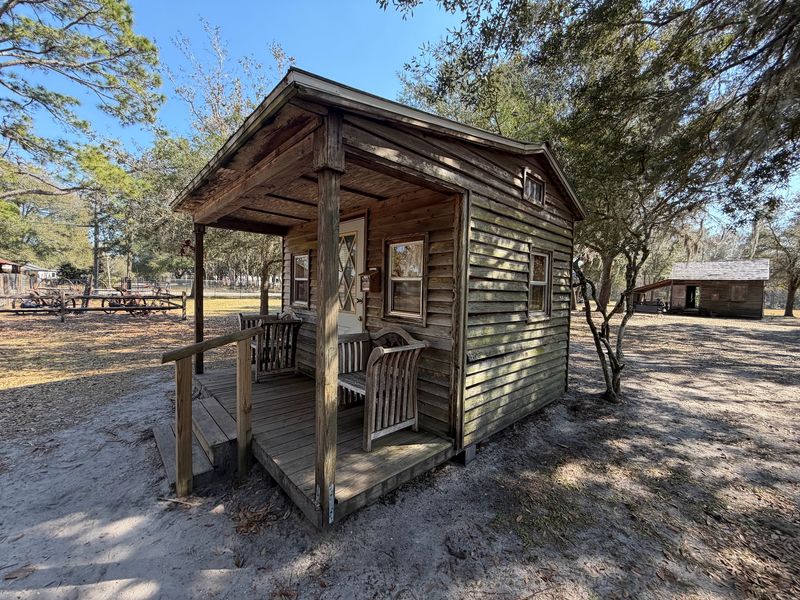
Before sprawling school campuses and digital classrooms, Florida kids learned their ABCs in tiny one-room schoolhouses where a single teacher handled every grade level at once. Fort Christmas Historical Park preserves one of these charming relics, complete with wooden desks, a chalkboard, vintage textbooks, and all the trappings of early 20th-century education. Walking inside is like opening a time capsule that smells faintly of old paper and wood polish.
The desks are small and worn, with inkwells still visible in some of them. Textbooks from the 1920s and 1930s sit open on tables, their pages yellowed but still readable. It’s wild to flip through these books and see what kids were learning back then, from penmanship drills to geography lessons about a very different world.
The chalkboard at the front of the room still has equations and cursive writing on it, frozen mid-lesson.
What makes this schoolhouse particularly engaging is how relatable it feels, even a century later. Kids visiting today can sit at the old desks, imagine what it would be like to share a classroom with students of all ages, and appreciate how much easier modern school life is by comparison. Parents and grandparents often find themselves getting nostalgic, remembering stories their own parents or grandparents told about similar schoolhouses.
The building itself is small but sturdy, built from Florida pine with high ceilings to help with ventilation during hot months. There’s no air conditioning, of course, just windows that could be propped open to catch a breeze. It’s a stark reminder of how uncomfortable school must have been during Florida summers, yet kids showed up every day anyway because education was that important to pioneer families.
Volunteers sometimes share stories about the teachers who worked in schools like this, often young women who boarded with local families and taught every subject under the sun. The schoolhouse isn’t just a building; it’s a tribute to the grit and determination of both students and educators who made learning happen under challenging conditions. It’s one of those spots in the park that quietly teaches more than any textbook ever could.
The Historic Post Office and General Store
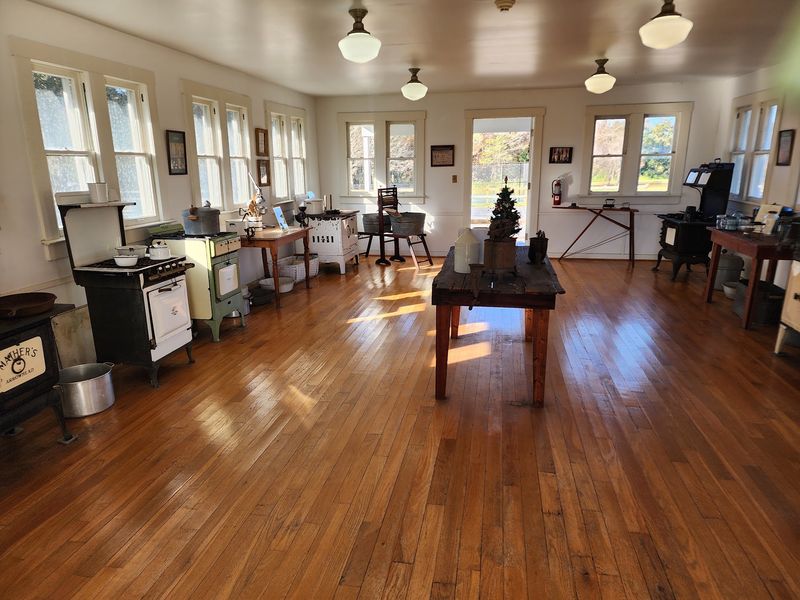
Back when getting mail meant waiting weeks for a letter to arrive by stagecoach or train, the local post office was the heartbeat of any small community. Fort Christmas Historical Park’s restored post office and general store captures that era perfectly, with its wooden mail sorting boxes, antique scales, and shelves stocked with period-appropriate goods that would have been essential to pioneer families.
The post office section features rows of small wooden cubbies where mail was sorted by hand, each one labeled with a family name or address. It’s fascinating to see how personal and community-focused mail delivery used to be, back before automated sorting centers and delivery trucks. The postmaster knew everyone in town, and picking up mail was as much a social event as a practical errand.
Adjacent to the postal area is the general store portion, where shelves are lined with vintage tins, jars, tools, and household items that settlers would have purchased or bartered for. Everything from coffee grinders to washboards to bolts of fabric is on display, giving you a sense of what daily shopping looked like when there were no supermarkets or online ordering. The attention to detail is impressive, right down to the old cash register and handwritten price tags.
What’s cool about this building is how it illustrates the dual role these establishments played in rural communities. They weren’t just places to buy stamps or sugar; they were gathering spots where neighbors exchanged news, gossiped, and stayed connected. In many ways, the post office and general store were the original social media hubs, long before the internet existed.
The building itself is well-preserved and easy to explore, with informational plaques explaining how postal routes worked, what items were most in demand, and how storekeepers managed inventory in an era without refrigeration or modern supply chains. It’s one of those stops in the park that makes you realize how much convenience we take for granted today, and how resourceful people had to be to make life work in frontier Florida.
Vintage Farm Equipment and Sugar Mill Ruins
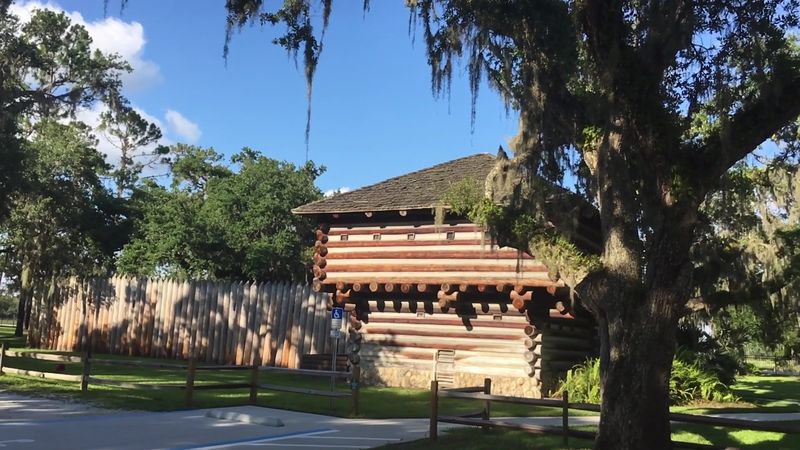
Florida’s pioneer economy ran on backbreaking agricultural labor, and Fort Christmas Historical Park doesn’t shy away from showing exactly what that looked like. Scattered around the grounds are rusted plows, wooden carts, cane grinders, and other farm equipment that settlers used to coax crops out of Florida’s sandy soil and humid climate. These aren’t polished museum pieces; they’re weathered, worn tools that clearly saw hard use in the fields.
The sugar mill ruins are particularly striking, offering a glimpse into one of Florida’s most important early industries. Before citrus dominated the state’s agricultural identity, sugar cane was king in many areas. The mill equipment on display shows how labor-intensive the process was, from cutting and hauling the cane to grinding it and boiling down the juice into syrup or sugar.
It’s humbling to think about how much physical effort went into producing something we now grab off a grocery shelf without a second thought.
Walking among these artifacts gives you a visceral sense of how tough pioneer life really was. There were no tractors, no mechanized harvesters, no electric-powered anything. Just human and animal muscle, simple tools, and sheer determination.
The equipment also highlights the ingenuity of early settlers, who improvised and adapted their farming techniques to Florida’s unique environment.
Some of the farm tools are displayed under open-air shelters, while others sit in the grass or lean against buildings, creating an informal, almost archaeological feel. Informational signs explain what each piece was used for and how it fit into the broader agricultural cycle. It’s a great hands-on learning opportunity for kids, who can see firsthand how food production has evolved over the past century.
The sugar mill and farm equipment area is less crowded than the buildings, making it a peaceful spot to wander and reflect. There’s something almost meditative about studying these old tools and imagining the countless hours of labor they represent. It’s a reminder that Florida’s history isn’t just about wars and politics; it’s also about ordinary people doing extraordinary work to build lives in a challenging landscape.
Picnic Pavilions, Playgrounds, and Modern Amenities
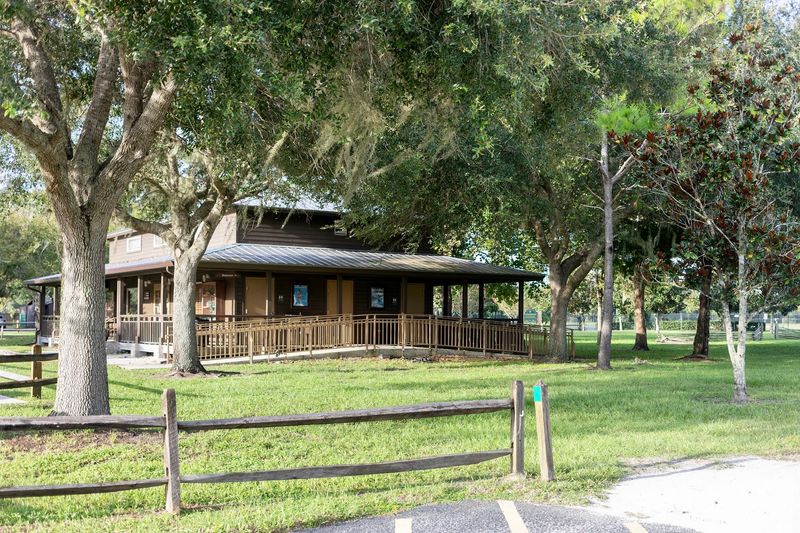
History is the main draw at Fort Christmas, but the park also functions as a full-service recreational area with pavilions, playgrounds, sports courts, and plenty of green space for families to spread out and relax. After touring the historic buildings, you can easily transition into a classic Florida park day with picnicking, playing, and just enjoying the outdoors.
The pavilions are large, well-maintained, and strategically placed under shade trees, making them perfect for family gatherings, birthday parties, or just escaping the midday sun. Many have picnic tables and grills, and they’re available on a first-come, first-served basis or can be reserved for events. On weekends, you’ll often see multiple groups camped out for the afternoon, taking advantage of the free admission and ample space.
The playground is a hit with younger kids, featuring swings, slides, and climbing structures in a shaded area that stays relatively cool even on hot days. Parents appreciate the clean, safe equipment and the fact that it’s positioned close enough to the pavilions for easy supervision. It’s a great way to let kids burn off energy after walking through the historic sites.
Sports enthusiasts will find basketball and tennis courts in good condition, along with open fields suitable for baseball, soccer, or just tossing a frisbee around. The park’s layout encourages active recreation without feeling crowded, even when multiple groups are using different areas simultaneously. There’s a sense of space and breathing room that’s increasingly rare in urban parks.
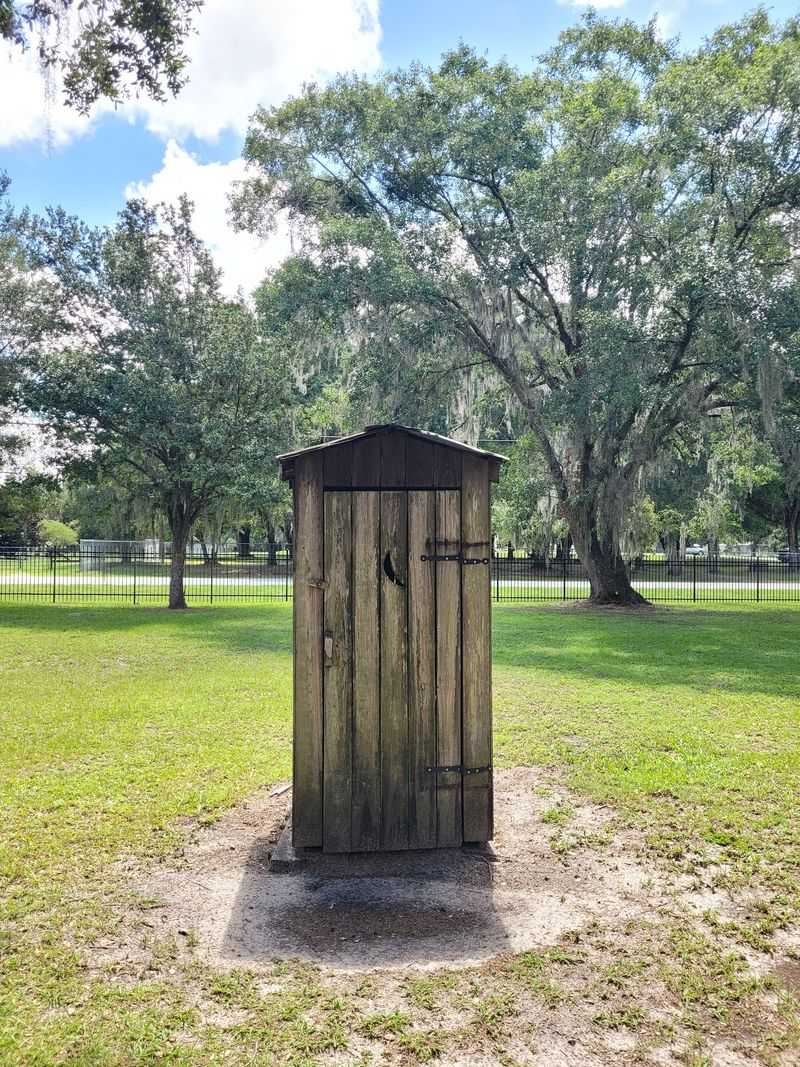
One of the most appreciated amenities is the clean, well-maintained restrooms. It sounds basic, but when you’re spending several hours at a park, especially with kids in tow, having access to decent facilities makes a huge difference. Visitors consistently mention the restrooms in reviews, which speaks to how well Orange County maintains the entire site.
The combination of historical exploration and modern recreational amenities makes Fort Christmas uniquely versatile. You can pack a cooler, spend the morning learning about Florida history, then shift gears to a relaxing afternoon picnic and playtime. It’s one of those rare places where education and recreation blend seamlessly, making it easy to spend an entire day without anyone getting bored.
Free Admission and Community Pride
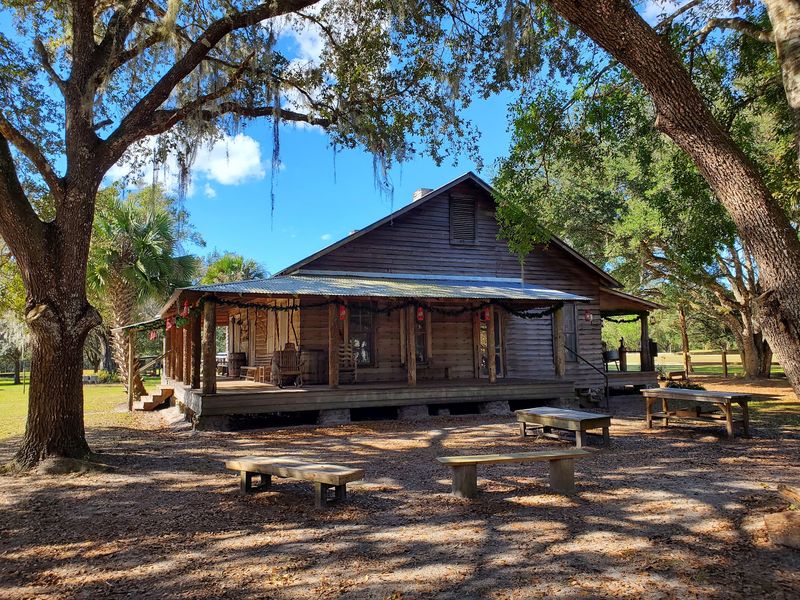
In an era where everything seems to cost money, Fort Christmas Historical Park stands out as a genuinely free attraction that doesn’t skimp on quality or experience. There’s no entrance fee, no parking charge, no hidden costs. You just show up, park, and start exploring.
It’s the kind of place that reminds you what public parks are supposed to be: accessible, educational, and welcoming to everyone regardless of budget.
The free admission makes Fort Christmas an incredible value, especially for families looking for enriching activities that don’t break the bank. You could easily spend two to three hours exploring the grounds, touring every building, reading all the plaques, and still have time for a picnic and playground visit. Compare that to the cost of theme parks or commercial attractions, and the value becomes even more apparent.
What’s equally impressive is how well-maintained everything is, despite being free to the public. The buildings are clean, the grounds are manicured, the exhibits are thoughtfully curated, and there’s a clear sense of pride in preserving this slice of Florida history. That level of care doesn’t happen by accident; it’s the result of dedicated staff, volunteers, and community members who recognize the park’s importance.
Local reviews consistently mention how proud residents are of Fort Christmas, often bringing out-of-town visitors to show off this hidden gem. It’s become a point of community identity, a place where people gather for events like the annual Cracker Christmas celebration, which brings pioneer-era demonstrations, crafts, and traditions to life. The park isn’t just a tourist attraction; it’s a living part of the community.
The fact that Orange County Parks and Recreation manages the site so well speaks volumes about the value they place on preserving local history. Many counties would let a place like this deteriorate or charge admission to offset costs, but Fort Christmas remains both free and beautifully kept. It’s a model for how historical preservation and public access can coexist successfully.
For visitors, the free admission removes any pressure or expectation. You can visit for 30 minutes or three hours, see everything or just a few buildings, and never feel like you didn’t get your money’s worth because you didn’t spend any money to begin with. That freedom to explore at your own pace, without financial stress, makes the entire experience more relaxed and enjoyable.