This Charming Florida Beach Town Looks Like It Belongs on a Postcard
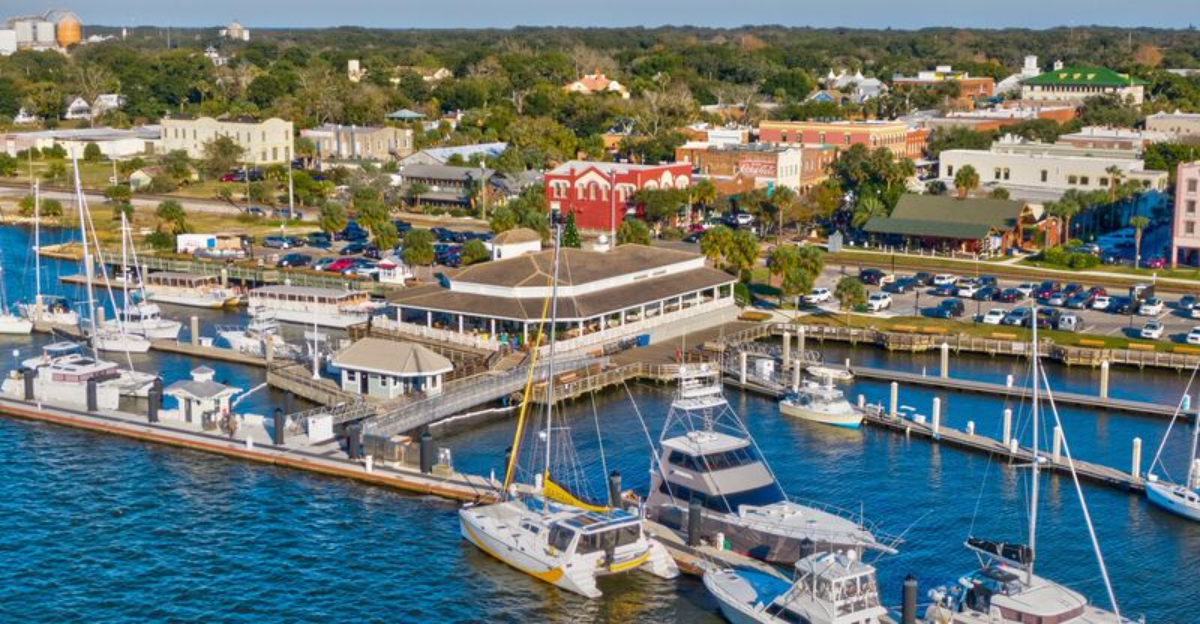
Tucked away on Amelia Island in Florida’s northeastern corner, Fernandina Beach feels like stepping into a living postcard where Victorian elegance meets coastal charm. This small city serves as Nassau County’s seat and proudly holds the title of Florida’s northernmost Atlantic beach town, offering a refreshing escape from the typical tourist-packed destinations. With its brick-lined streets, historic architecture, and pristine shoreline, Fernandina Beach has mastered the art of preserving its past while embracing the present, making it one of Florida’s most photogenic and genuinely enchanting coastal communities.
Historic Downtown District
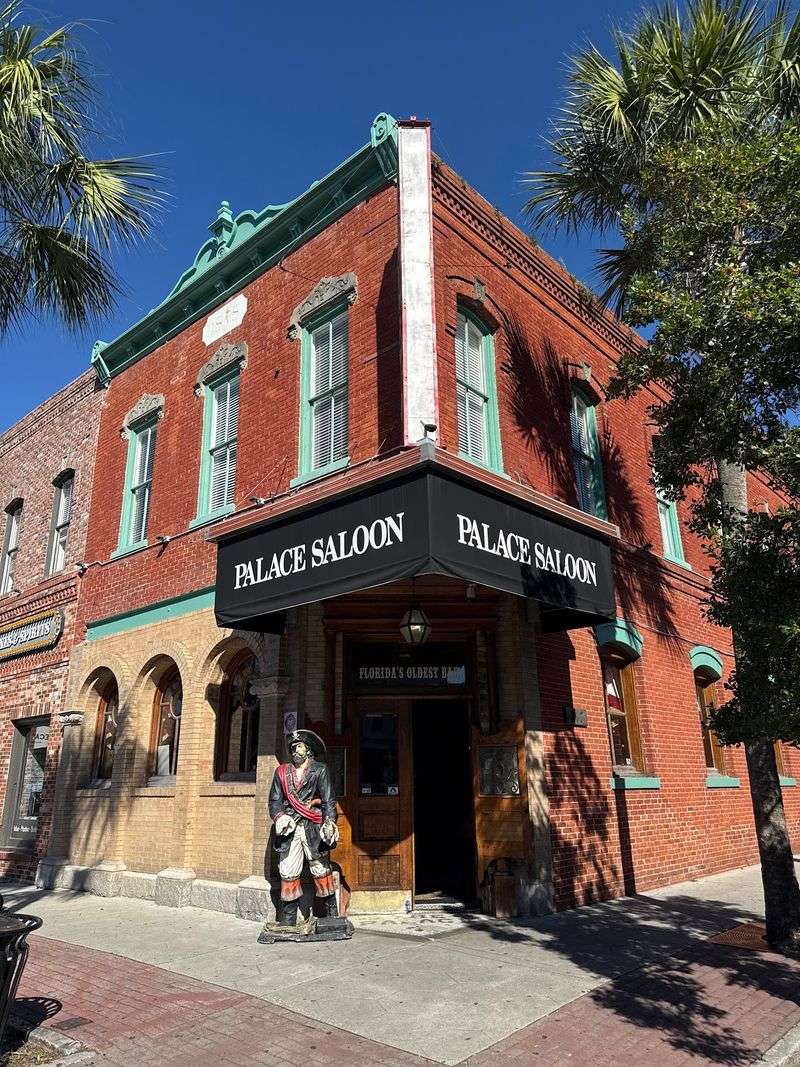
Walking through downtown Fernandina Beach feels like traveling back to the 1800s, except with better coffee shops and air conditioning. The 50-block historic district boasts more than 450 buildings listed on the National Register of Historic Places, creating an architectural museum you can actually explore on foot. Centre Street serves as the heart of this charming area, where gas lamps line sidewalks and Victorian storefronts house independently owned boutiques, galleries, and restaurants.
The buildings tell stories of eight different flags that have flown over this unique town throughout history, earning Fernandina Beach the nickname “Isle of Eight Flags.” Spanish colonial influences mix with French elegance, British practicality, and American ambition in a streetscape that photographers absolutely adore. You’ll find wrought-iron balconies, ornate cornices, and colorful facades that practically beg for Instagram photos.
Local shop owners take pride in maintaining the authentic character of their historic spaces while offering modern goods and services. Art galleries showcase regional artists, bookstores occupy century-old buildings, and family-run restaurants serve fresh seafood in dining rooms with original hardwood floors. The Palace Saloon, Florida’s oldest continuously operating bar since 1903, still welcomes visitors with its hand-carved mahogany bar and pressed-tin ceiling.
Weekends bring extra energy to the district when locals and visitors browse the farmers market or catch live music performances in outdoor venues. The walkable layout makes exploring easy, whether you’re hunting for antiques, sampling local honey, or simply admiring the meticulous restoration work that keeps these historic structures standing proud. Street parking can get tight during peak times, but that just means more people appreciate this architectural treasure.
Evening strolls reveal a different side of downtown as string lights illuminate outdoor dining patios and the setting sun casts golden light across brick facades. The district transforms into a romantic setting perfect for couples or anyone who appreciates small-town charm with sophisticated taste. This isn’t a theme park recreation of history but the real deal, lovingly preserved by a community that understands its value.
Pristine Atlantic Beaches
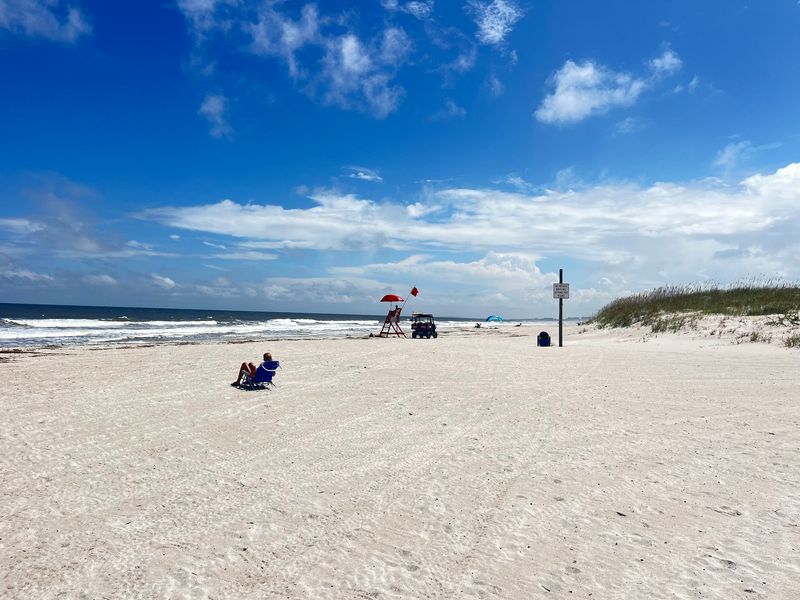
Thirteen miles of unspoiled Atlantic coastline wrap around Amelia Island, with Fernandina Beach claiming some of the finest stretches of sand you’ll find in Florida. Unlike the shoulder-to-shoulder scenes at more famous Florida beaches, these shores maintain a peaceful, almost private feel even during busy seasons. The sand runs firm and golden, perfect for long walks where shorebirds outnumber sunbathers and the only soundtrack comes from rolling waves.
Main Beach Park serves as the most accessible entry point, offering amenities like restrooms, showers, and picnic pavilions without sacrificing natural beauty. Families spread out blankets while kids build sandcastles and splash in the relatively calm surf that makes this area ideal for young swimmers. The beach slopes gently into the ocean, creating shallow areas where toddlers can safely play under watchful eyes.
North of the main area, the beaches grow quieter and more secluded, attracting locals who know exactly which access points lead to their favorite spots. Beachcombers find treasures here, from intact sand dollars to colorful shells that wash up with each tide change. The wide beach provides plenty of space for activities like frisbee, volleyball, or simply reading a book under an umbrella without feeling crowded by neighbors.
Sunrise over the Atlantic creates spectacular photo opportunities as the sky explodes in oranges, pinks, and purples that reflect off the wet sand. Early risers often spot dolphins playing in the waves or pelicans diving for breakfast. The beach faces east, so sunset seekers head to the western side of the island, but morning light here truly can’t be beat.
Water temperatures stay comfortable from late spring through early fall, though brave souls swim year-round when the weather cooperates. Lifeguards patrol Main Beach during summer months, adding an extra layer of safety for families. The lack of high-rise condos blocking the view keeps the natural beauty intact, making every beach day feel like discovering a hidden gem rather than visiting a commercial resort destination.
Fort Clinch State Park
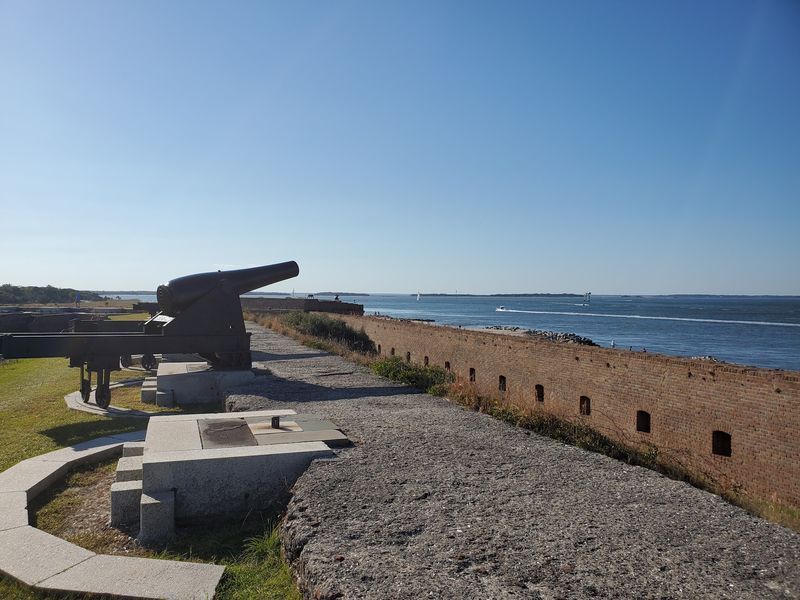
At the northern tip of Amelia Island sits Fort Clinch, a remarkably well-preserved Civil War era fortification that offers way more than just history lessons. Built between 1847 and 1867, this pentagonal brick fortress never saw actual battle but served strategic purposes during multiple conflicts. Today, it anchors a 1,400-acre state park that combines military history with outstanding natural recreation opportunities along both Atlantic Ocean and Cumberland Sound shorelines.
Costumed reenactors bring the fort to life during monthly living history events, portraying Union soldiers who occupied the garrison in 1862. They demonstrate period cooking, military drills, and daily routines with impressive attention to detail that makes history tangible for visitors of all ages. Exploring the fort’s dim corridors, climbing to the ramparts, and examining the officers’ quarters provides a hands-on experience that beats any textbook.
Beyond the fort itself, the park protects diverse coastal habitats including maritime forests, salt marshes, and pristine beaches. Six miles of hiking and biking trails wind through shaded hammocks where Spanish moss drapes from ancient live oaks. Wildlife sightings happen regularly, from painted buntings and roseate spoonbills to bobcats and river otters that call this protected area home.
The park’s fishing pier extends into Cumberland Sound, attracting anglers chasing redfish, flounder, and sheepshead. No fishing license required when casting from the pier, making it accessible for casual fishermen and serious anglers alike. Nearby, the beach offers excellent shelling and a wilder, less developed feel than the main Fernandina beaches.
Camping facilities include full-facility sites and primitive camping areas for those seeking a more rustic experience. Waking up to bird songs and ocean breezes in this protected natural setting provides a stark contrast to typical Florida vacation accommodations. Whether you’re a history buff, nature lover, or just someone seeking a peaceful outdoor escape, Fort Clinch delivers on multiple levels without feeling touristy or overdeveloped.
Amelia Island Museum of History
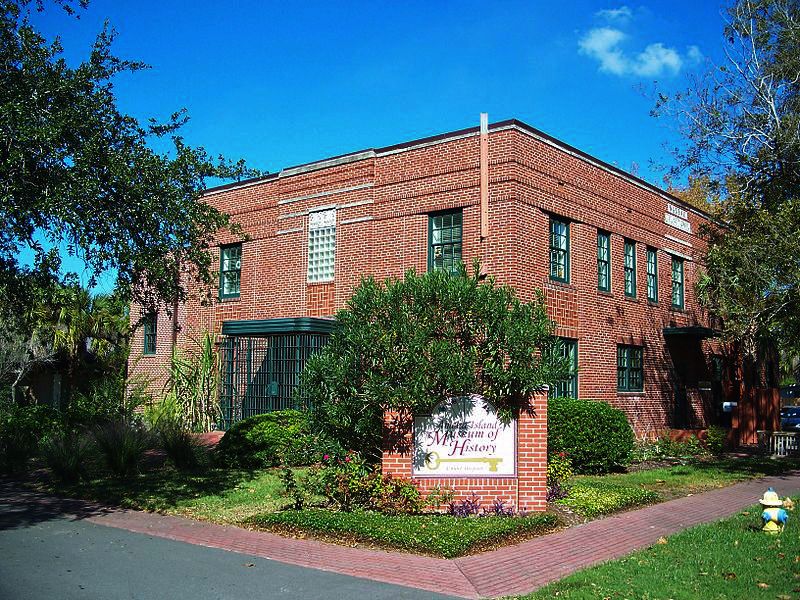
Florida’s only oral history museum sits in the former Nassau County jail, a fitting location for stories that sometimes feel almost too wild to be true. The Amelia Island Museum of History specializes in bringing the past to life through engaging narratives rather than just displaying artifacts behind glass. Expert docents lead interactive tours that cover 4,000 years of human habitation, from Timucuan Indians through the famous “Eight Flags” period when control of the island changed hands repeatedly.
The building itself dates to 1938 and retains original jail cells that now house exhibits about different eras of island history. Standing inside these small concrete rooms adds an eerie authenticity when guides share stories of former inmates and the bootlegging operations that once thrived in this coastal community. The museum doesn’t shy away from complicated history, addressing topics like the plantation era, Civil War occupation, and the economic boom-and-bust cycles that shaped the region.
Special exhibits rotate regularly, covering everything from Victorian fashion to the shrimping industry that sustained local families for generations. The museum’s collection includes photographs, documents, and objects donated by island families, creating a personal connection to historical events. You might see a wedding dress from 1890, tools used by early settlers, or letters written by soldiers stationed at Fort Clinch.
Ghost tours offered on weekend evenings explore the spookier side of Fernandina’s past, visiting reportedly haunted locations throughout the historic district. These aren’t cheesy jump-scare experiences but rather well-researched explorations of local legends and unexplained phenomena reported over the years. The combination of legitimate history and supernatural tales makes for entertaining evening entertainment.
The museum operates as a nonprofit, staffed largely by passionate volunteers who genuinely love sharing local history. Their enthusiasm proves contagious, turning what could be a dry history lesson into engaging storytelling that appeals to all ages. Plan to spend at least an hour here, though history enthusiasts often linger much longer, asking questions and examining the carefully curated displays.
Fernandina Harbor Marina
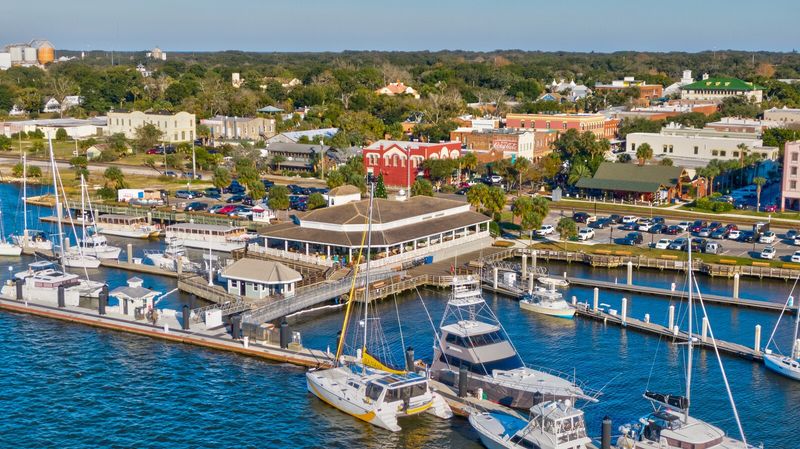
Where the Amelia River meets the Intracoastal Waterway, Fernandina Harbor Marina serves as the working heart of this coastal community. Shrimp boats bob alongside sleek sailboats and sportfishing vessels, creating a picturesque scene that captures both the town’s maritime heritage and modern recreational boating culture. The marina district offers a front-row seat to the daily rhythms of a genuine fishing community, not some sanitized tourist version.
Early morning brings the most action as commercial fishing crews prepare for offshore runs and charter captains ready their boats for sport fishing excursions. The air smells of salt water, diesel fuel, and fresh seafood, an authentic coastal perfume that no candle company has successfully bottled. Pelicans and gulls patrol the docks, hoping for handouts from fishermen cleaning their catches.
Several waterfront restaurants overlook the marina, offering outdoor seating where you can watch boats come and go while enjoying fresh-caught seafood. There’s something deeply satisfying about eating grouper or shrimp while watching the vessels that caught them tied up just yards away. Sunset dining here ranks among Fernandina’s finest experiences, as the sky puts on a color show reflected in the calm harbor waters.
The marina welcomes transient boaters exploring the Intracoastal Waterway, making it a social hub where sailors from distant ports swap stories with local captains. Charter services operate from the docks, offering fishing trips, dolphin tours, and sunset cruises for visitors without their own vessels. Even if you’re not a boater, the public areas provide excellent spots for photography and people-watching.
Annual events like the Isle of Eight Flags Shrimp Festival transform the waterfront into a massive celebration of local seafood and maritime culture. The working marina backdrop adds authenticity to the festivities that purpose-built event spaces simply can’t replicate. Throughout the year, the marina remains accessible to visitors who appreciate seeing a real working waterfront rather than a sanitized, resort-style marina designed purely for tourism.
Palace Saloon
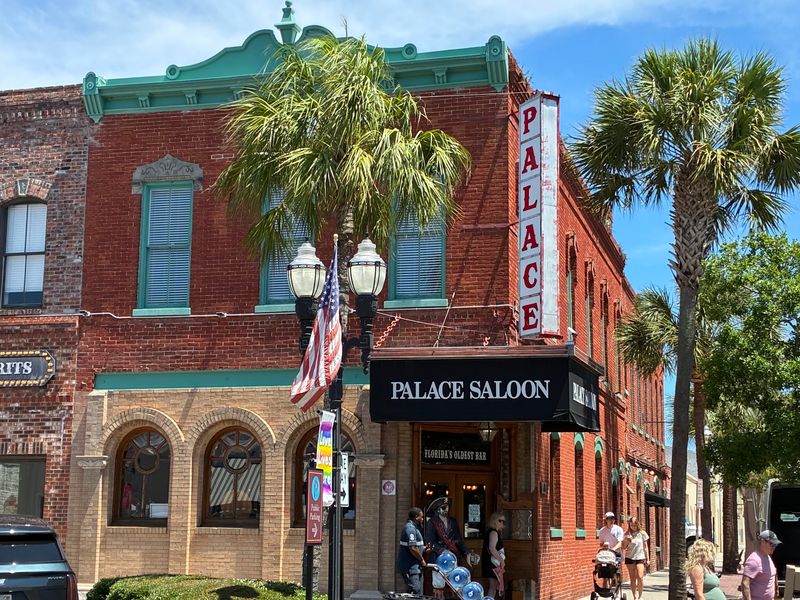
Step through the swinging doors of Florida’s oldest continuously operating bar and you’ll immediately understand why this place has survived since 1903. The Palace Saloon occupies a corner of Centre Street where the hand-carved mahogany bar, imported from Europe over a century ago, still serves cold beer to a mix of locals and curious visitors. Pressed-tin ceilings, antique mirrors, and vintage lighting fixtures create an atmosphere that modern bars spend fortunes trying to replicate but never quite achieve.
The bar’s history includes rumrunning during Prohibition, when creative owners kept spirits flowing through creative interpretations of the law. Stories circulate about secret passages and hidden rooms, though current management stays diplomatically vague about which tales are true. What’s certain is that generations of Fernandina residents have celebrated victories, mourned losses, and marked life’s milestones on these barstools.
Unlike some historic establishments that feel like museums, the Palace remains a functioning neighborhood bar where regulars greet each other by name. The jukebox plays a mix of classic rock, country, and blues, occasionally interrupted by live music that packs the place on weekend nights. The crowd skews diverse, from construction workers grabbing after-work beers to retirees enjoying happy hour to tourists seeking authentic local flavor.
The menu keeps things simple with burgers, sandwiches, and bar snacks that pair perfectly with the extensive beer selection. Nobody comes here for fancy cocktails or craft cuisine, but the straightforward food hits the spot after a day of beach activities or downtown exploration. Prices remain refreshingly reasonable compared to touristy waterfront establishments just blocks away.
Sitting at this bar feels like joining a conversation that’s been ongoing for over a century, with new voices adding chapters while respecting the stories that came before. The Palace doesn’t try too hard or put on airs, it simply exists as a genuine piece of Old Florida that has survived modernization by staying true to its roots. Whether you’re a serious history buff or just someone who appreciates a cold drink in authentic surroundings, this saloon delivers exactly what it promises without gimmicks or pretense.
Egans Creek Greenway
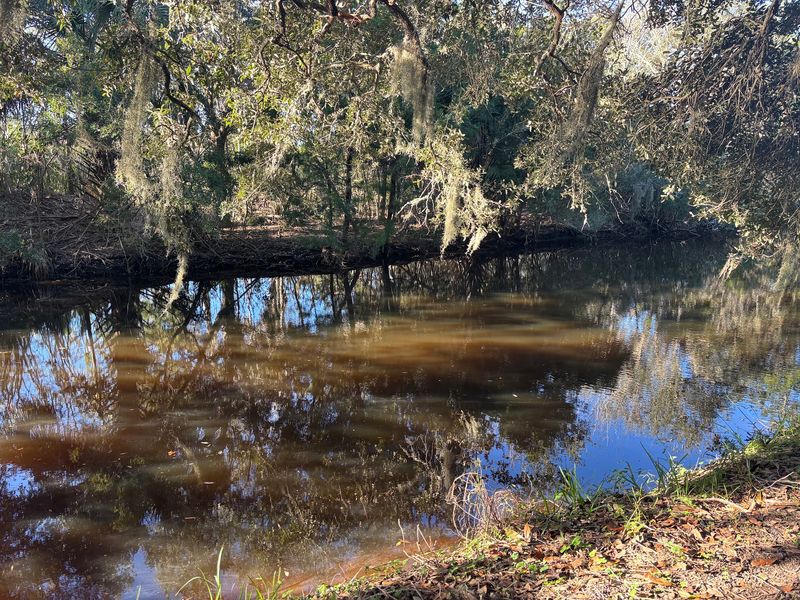
Winding through the heart of Amelia Island, Egans Creek Greenway protects over 300 acres of coastal wetlands and maritime forest that provide a crucial wildlife corridor. This isn’t a manicured park with perfectly trimmed lawns but rather a genuine preserve where nature operates on its own terms. Elevated boardwalks and natural surface trails allow visitors to explore diverse ecosystems without disturbing the delicate habitats that support an impressive array of plant and animal species.
Birdwatchers consider the greenway a premier destination, especially during migration seasons when rare species stop to rest and refuel. Over 170 bird species have been documented here, from tiny warblers to majestic wood storks and roseate spoonbills. Bring binoculars and patience, and you’ll likely add several species to your life list during a single visit.
The main trail follows Egans Creek through a tunnel of live oaks draped in Spanish moss, creating a shaded retreat even during Florida’s hottest months. Interpretive signs identify native plants and explain the ecological importance of salt marshes, freshwater wetlands, and maritime hammocks. Kids enjoy spotting fiddler crabs, turtles, and the occasional snake sunning itself on the boardwalk, though all wildlife here is protected and should be observed from a respectful distance.
Multiple access points and trail connections allow for short strolls or longer hikes depending on your energy level and available time. The trails remain relatively flat and well-maintained, making them accessible for most fitness levels. Mountain bikers use certain sections, though pedestrians have the right of way and the narrow boardwalk areas are foot-traffic only.
Early morning visits offer the best wildlife viewing opportunities and the most comfortable temperatures during summer months. The greenway provides a stark contrast to the beach scene, offering a quiet, contemplative nature experience just minutes from downtown’s bustle. Local runners and dog walkers frequent the trails, treating them as a community resource rather than a tourist attraction, which maintains the authentic, low-key vibe that makes this preserve special.
Shrimp Festival Tradition
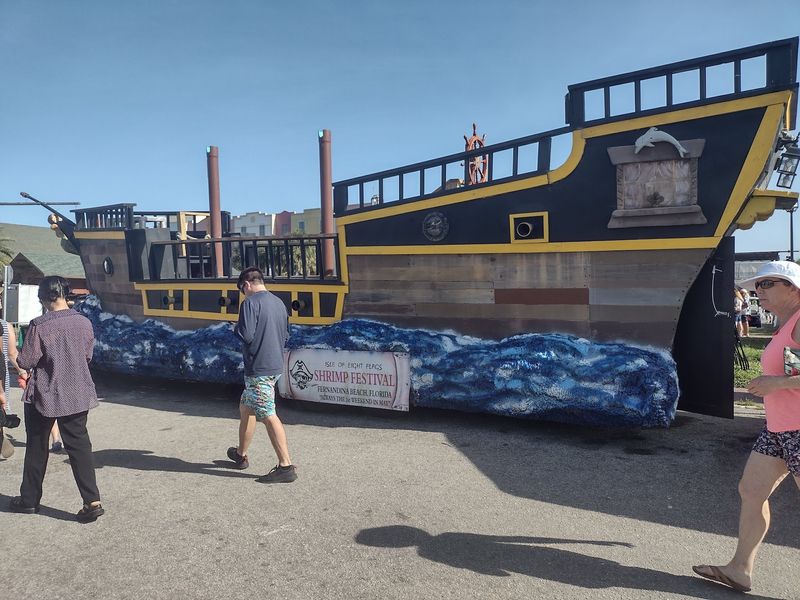
Every May, Fernandina Beach hosts what might be Florida’s most authentic coastal celebration, drawing over 150,000 visitors for a weekend dedicated to shrimp and maritime heritage. The Isle of Eight Flags Shrimp Festival transforms the historic downtown and waterfront into a massive party that honors the commercial fishing industry that built this community. Unlike generic street fairs that could happen anywhere, this festival stays rooted in genuine local culture and traditions dating back to 1963.
The festival kicks off with the blessing of the fleet, when decorated shrimp boats parade through the harbor while a local clergy blesses the vessels and crews for the coming season. Watching these working boats, adorned with flags and flowers, creates an emotional connection to the fishing families who risk their lives harvesting seafood. The ceremony reminds everyone that commercial fishing remains a dangerous occupation, not just a quaint historical footnote.
Food vendors serve shrimp prepared every way imaginable, from traditional boiled and fried to creative fusion dishes that push culinary boundaries. Local restaurants compete for bragging rights in cooking competitions while visitors sample the results. Beyond shrimp, you’ll find fresh local seafood, Southern comfort foods, and sweet treats that fuel marathon festival-going.
Over 300 arts and crafts vendors line the streets, offering everything from fine art to handmade jewelry to quirky souvenirs. Live music stages feature regional and national acts performing throughout the weekend, creating a soundtrack that ranges from country to rock to beach music. The variety ensures that even after sampling your weight in shrimp, there’s plenty more to see, hear, and experience.
Carnival rides and games occupy a dedicated area, keeping kids entertained while adults browse vendor booths or enjoy adult beverages in designated beer gardens. The festival maintains a family-friendly atmosphere despite the crowds, with locals volunteering to keep things running smoothly. Parking becomes a challenge, so many attendees use free shuttle services from satellite lots or simply walk from nearby accommodations.
The festival represents Fernandina Beach at its most vibrant and welcoming, showcasing community pride and coastal culture in an event that feels genuine rather than manufactured for tourist consumption.
Victorian Architecture Walking Tours
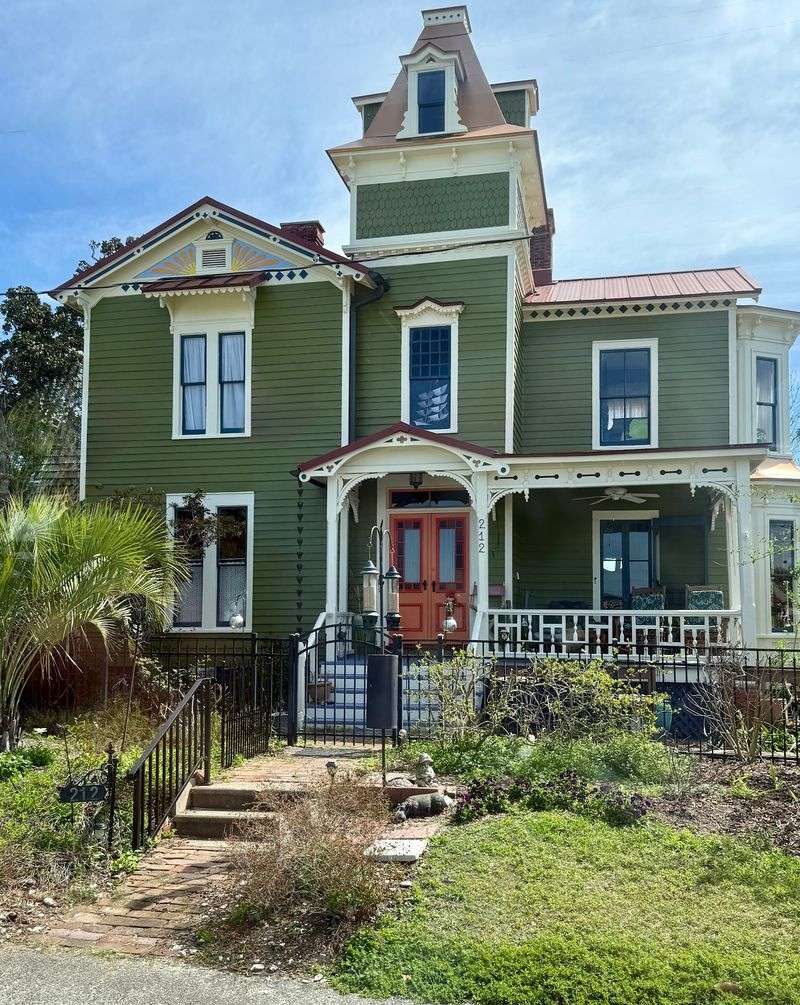
Beyond the commercial buildings on Centre Street, Fernandina Beach’s residential neighborhoods showcase some of the finest Victorian architecture in the Southeast. Self-guided and docent-led walking tours reveal streets lined with Queen Anne, Italianate, and Second Empire style homes that wealthy merchants, ship captains, and railroad executives built during the town’s golden age in the late 1800s. These aren’t reconstructions or theme park versions but actual historic homes, many still occupied by families who maintain them with impressive dedication.
The variety of architectural styles reflects the town’s diverse economic boom periods and the personal tastes of original owners who competed to build the most impressive residences. Elaborate gingerbread trim, wraparound porches, turrets, and stained glass windows demonstrate the craftsmanship available to those with money during the Victorian era. Color choices range from historically accurate earth tones to bold, modern palettes that some purists debate but most agree add visual interest to the streetscape.
Several homes operate as bed-and-breakfast inns, allowing visitors to experience Victorian elegance firsthand by actually staying in these architectural treasures. Sleeping under 14-foot ceilings in rooms with original heart pine floors and period furnishings provides immersion that day tours can’t match. Innkeepers often share stories about their homes’ histories, previous owners, and the restoration challenges they’ve tackled.
The Amelia Island Museum of History offers guided walking tours led by knowledgeable volunteers who point out architectural details you might otherwise miss. They explain the difference between various Victorian substyles, identify original features versus careful restorations, and share gossip about the colorful characters who built and inhabited these grand homes. Tours typically last about 90 minutes and cover several blocks of the historic district.
Photography enthusiasts find endless subjects in the ornate details, from decorative brackets and finials to intricate porch railings and fish-scale shingles. Different times of day create varying light conditions that highlight different architectural elements. Spring brings azaleas and wisteria blooming around many historic homes, adding natural beauty to the architectural splendor and creating postcard-perfect scenes at every turn.
Fresh Seafood Dining Scene
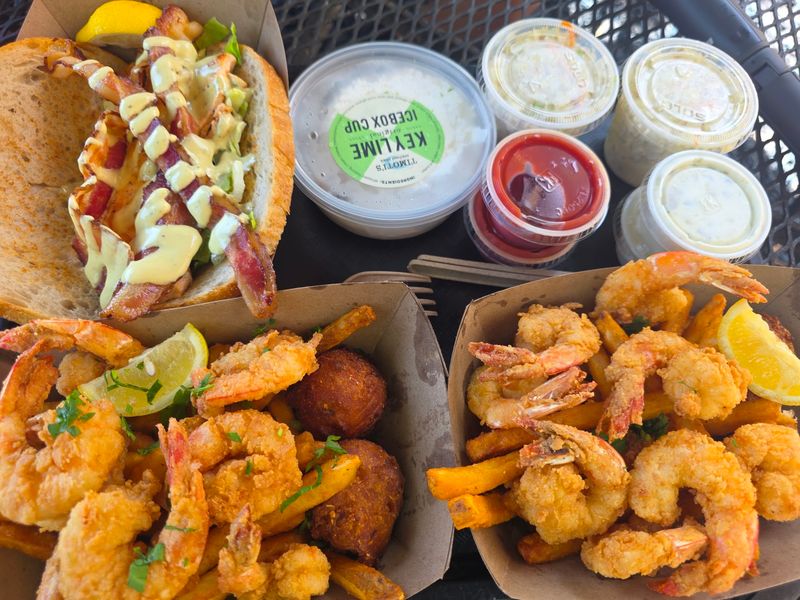
When shrimp boats dock literally outside restaurant windows, you know you’re getting seafood about as fresh as it gets without catching it yourself. Fernandina Beach’s dining scene revolves around the ocean’s bounty, with chefs sourcing directly from local fishermen and highlighting whatever’s running seasonally. This isn’t the frozen, farm-raised stuff served at chain restaurants but wild-caught Atlantic seafood prepared by cooks who understand that quality ingredients need minimal fussing.
Waterfront restaurants along the marina and river offer the quintessential Fernandina dining experience, where you can watch pelicans dive for fish while enjoying your own perfectly prepared catch. Outdoor seating gets snapped up quickly during peak seasons, but the wait proves worthwhile when your table overlooks boats swaying gently at their slips. Sunset timing adds magic to the meal as the sky transforms into an ever-changing art display.
The local specialty, Atlantic white shrimp, appears on nearly every menu prepared countless ways from simple boiled peel-and-eat to elaborate scampi or creative fusion dishes. Grouper, snapper, and flounder frequently star as catch-of-the-day specials, often still swimming that same morning. Oyster lovers choose between local varieties and imported options, though purists insist the nearby Apalachicola oysters can’t be beat.
Beyond seafood, the restaurant scene includes gastropubs, steakhouses, and ethnic eateries that add variety to the culinary landscape. Several establishments occupy historic buildings, adding architectural interest to your dining experience. The lack of national chain restaurants in the historic district means your dollars support local business owners rather than distant corporate headquarters.
Casual fish camps and dockside shacks balance the upscale waterfront dining rooms, offering paper-plate simplicity and lower prices without sacrificing quality. Some locals actually prefer these no-frills spots where fried shrimp baskets and cold beer constitute the entire menu. The democratic range of dining options means everyone from budget travelers to special-occasion celebrators finds satisfying meals.
Whether you’re craving elegant preparations with wine pairings or just want perfectly fried fish and hush puppies, Fernandina’s restaurant scene delivers authentic coastal cuisine that tastes like the real Florida, not some sanitized tourist version.