This Tiny Florida Island City Feels Like the Perfect Place to Forget Your Worries
Marathon sits right in the heart of the Florida Keys, sprawled across thirteen islands connected by bridges and blessed with some of the clearest water you’ll ever see. Life moves slower here, where the biggest decisions involve which beach to visit or whether to watch the sunset from land or sea. If you’re looking for a place where stress melts away faster than ice cream on a hot day, this island city delivers exactly what you need.
From swimming with dolphins to exploring hidden nature trails, Marathon offers the kind of simple pleasures that remind you what really matters.
Sombrero Beach – Your New Favorite Patch of Sand
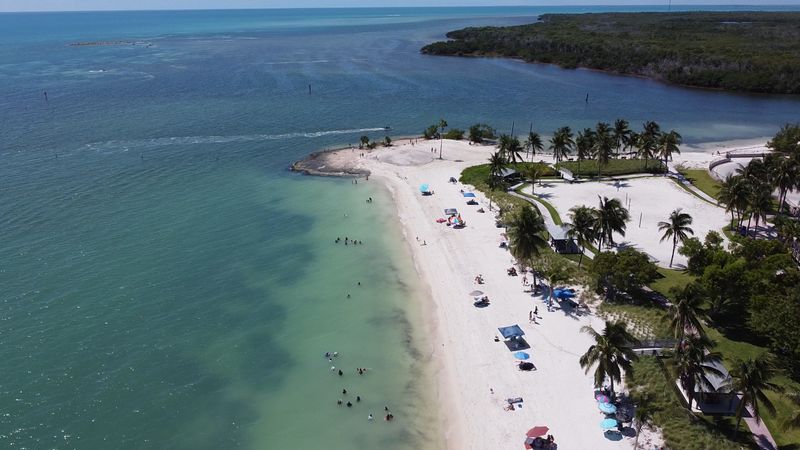
Ask any local where to spend a perfect afternoon and Sombrero Beach will top the list every single time. The sand feels softer than most Keys beaches, probably because the city hauls in fresh loads to keep it pristine. Turquoise water stretches out so calm and clear you can count fish from the shore.
Families claim their favorite spots early, setting up umbrellas near the playground while kids race toward the water. The beach faces south, which means gentle waves instead of rough surf. You can wade out pretty far before the water reaches your chest, making it ideal for younger swimmers or anyone who just wants to float without worry.
Picnic tables sit scattered under shady pavilions, perfect for lunch breaks between swims. The facilities here actually work well, with clean bathrooms and outdoor showers that rinse away salt and sand. Volleyball nets stand ready for pickup games, though most people seem content just lounging with a good book.
Locals bring their dogs during early morning hours before the heat sets in. You’ll see joggers making their way along the beach path, stopping occasionally to watch pelicans crash into the waves. The sunset view from here ranks among the best in the Keys, painting the sky in shades you didn’t know existed.
What makes Sombrero Beach special isn’t fancy amenities or beachside bars. Instead, it offers something harder to find: genuine peace. No vendors hawking souvenirs, no jet skis buzzing around, just waves, sand, and the kind of quiet that lets your mind finally rest.
Pack a cooler, grab your sunscreen, and plan to stay awhile because once you settle in, leaving feels nearly impossible.
Dolphin Research Center – Making Friends with the Locals
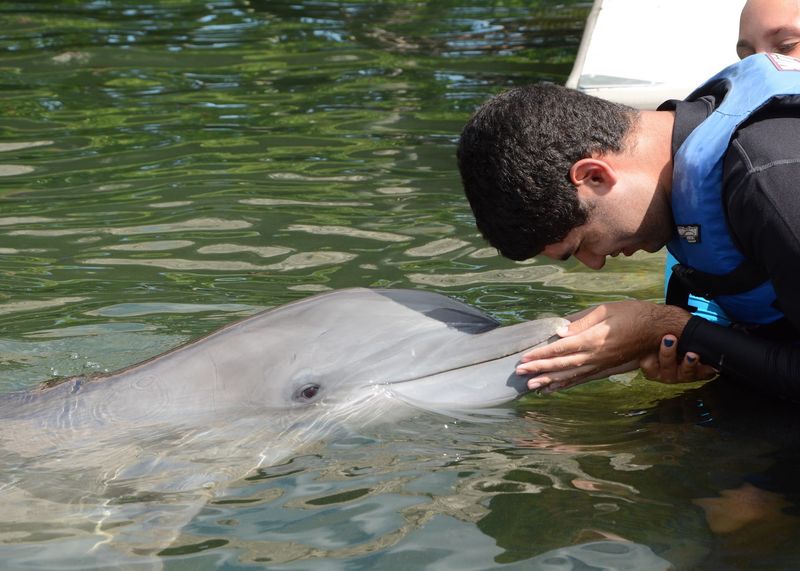
Getting nose-to-nose with a bottlenose dolphin ranks pretty high on most bucket lists, and the Dolphin Research Center makes it happen without the circus atmosphere. Founded in 1984, this nonprofit focuses on research and education rather than entertainment tricks. The dolphins living here either were born at the facility or arrived needing long-term care after injuries.
Several programs let you get in the water with these intelligent creatures. The shallow lagoon reaches only waist-deep, so you’re not swimming laps but standing close enough to feel their skin, which surprises most people by feeling firm and smooth like wet rubber. Trainers guide every interaction, teaching you the hand signals dolphins recognize and explaining their personalities.
Each dolphin has a distinct character. Some act playful and energetic, eager to show off spins and tail walks. Others prefer gentler interactions, swimming slowly past for a careful touch.
The staff knows every animal’s mood and preferences, matching visitors with dolphins likely to create the best experience.
Beyond dolphin encounters, the center houses sea lions who bark enthusiastically during feeding demonstrations. Educational presentations happen throughout the day, covering topics from echolocation to ocean conservation. Kids especially love the paint-with-a-dolphin sessions, where the animals hold brushes in their mouths to create abstract masterpieces you can take home.
Reservations fill up fast, especially during winter months when tourists flood the Keys. Book at least a week ahead if possible, and arrive early to explore the grounds before your scheduled program. The gift shop sells research-supporting merchandise, though honestly, the memories stick with you longer than any souvenir.
Watching a thousand-pound dolphin glide past with what looks remarkably like a smile reminds you that worry belongs somewhere far away from this magical lagoon.
Curry Hammock State Park – Nature Without the Crowds
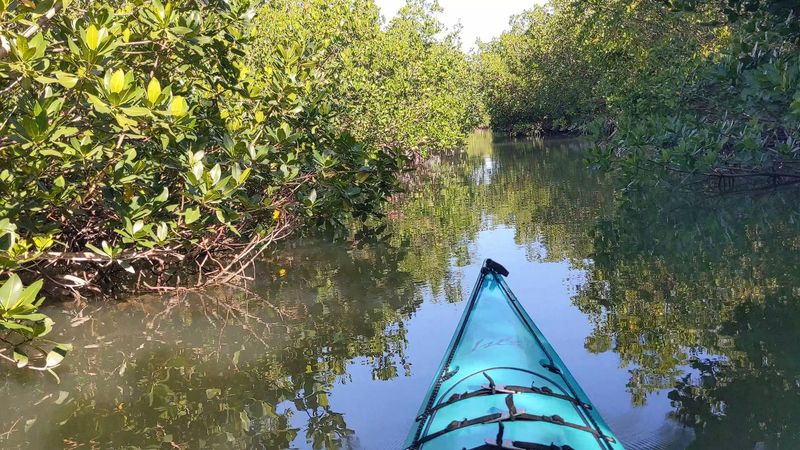
Tucked between the bigger, flashier state parks, Curry Hammock flies under the radar despite offering some of the best kayaking in the Keys. The park protects over a thousand acres of rockland hammock, mangrove swamp, and seagrass beds teeming with marine life. Most visitors drive right past on their way to Key West, which suits the locals just fine.
The kayak trail winds through narrow mangrove tunnels where roots twist overhead like natural sculptures. Paddle quietly and you’ll spot herons standing statue-still, waiting to spear unsuspecting fish. Manatees frequent these shallow waters, especially during cooler months when they seek warm refuge from the ocean.
A small beach area provides the perfect launching point for paddleboards and kayaks. The water stays calm thanks to protective mangroves blocking wind and waves. Beginners appreciate the forgiving conditions, while experienced paddlers enjoy exploring the intricate creek system that branches in multiple directions.
Camping here feels worlds away from typical RV parks. Sites sit nestled among native trees, offering shade and privacy you won’t find at most Keys campgrounds. Wake up to bird songs instead of traffic noise, and watch the sunrise paint the water gold from your picnic table.
The facilities stay clean and well-maintained without feeling overly developed.
Hiking trails loop through different habitats, each supporting unique plant and animal communities. Interpretive signs explain the ecology, though honestly, just wandering and observing teaches you plenty. Butterflies float past in surprising numbers, attracted to the native wildflowers the park carefully maintains.
During migration seasons, rare birds stop here to rest, bringing out photographers with impressive camera lenses. Whether you spend an hour or a full day, Curry Hammock delivers the kind of authentic Florida nature experience that’s getting harder to find.
Seven Mile Bridge – The Drive That Feels Like Flying
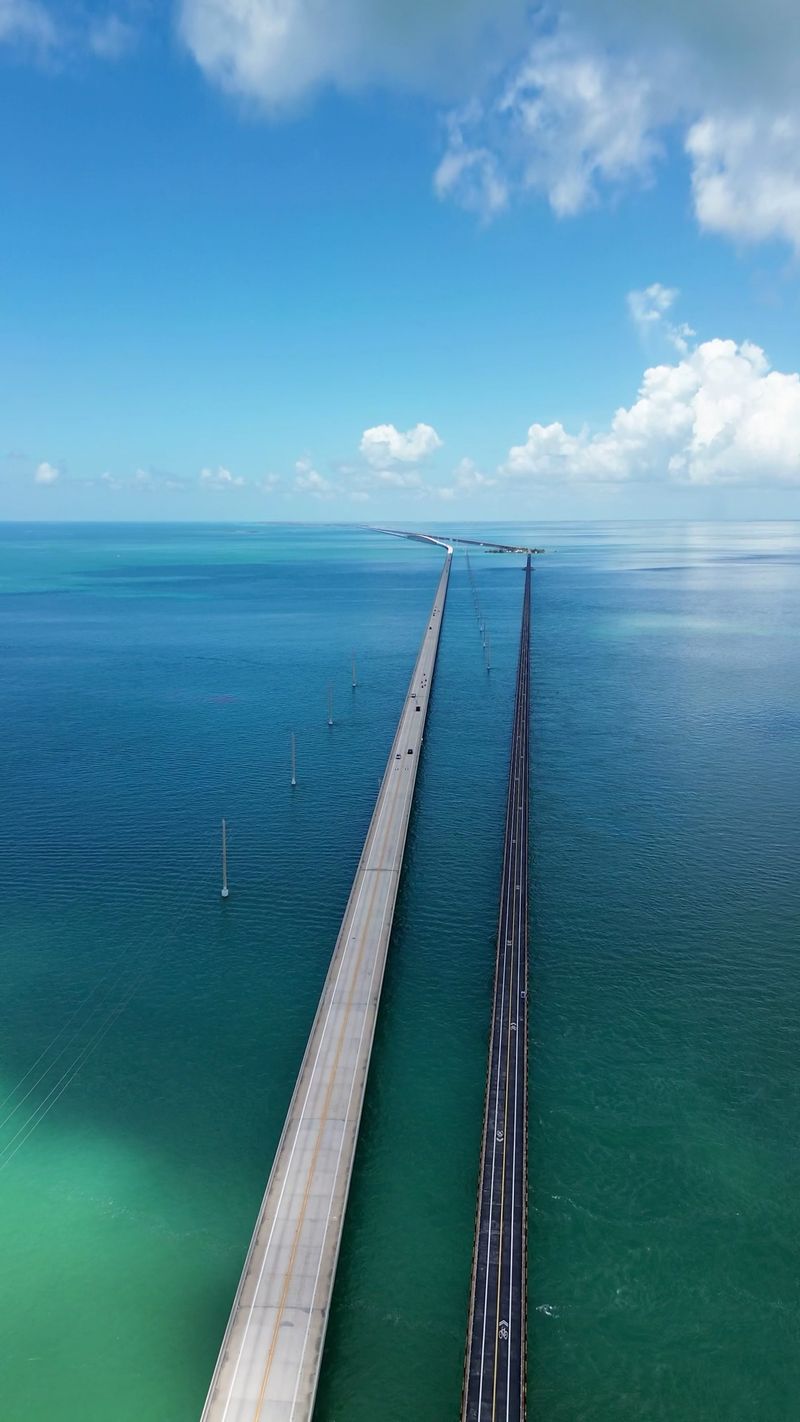
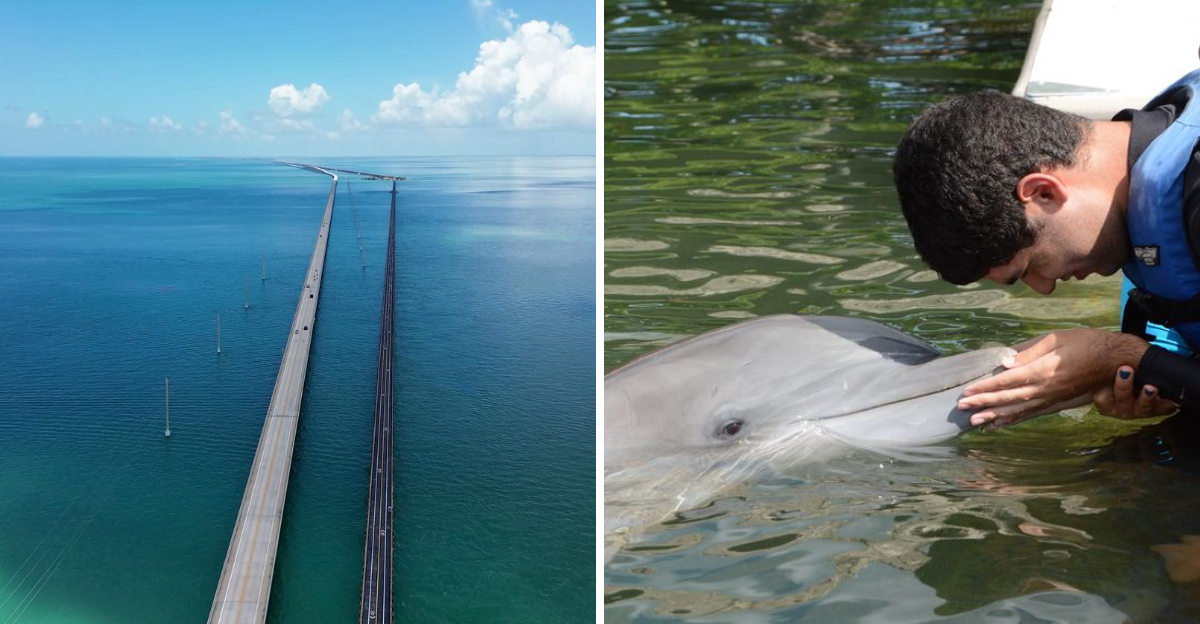
Driving across Seven Mile Bridge ranks among the most surreal experiences the Keys offer, with nothing but blue water stretching to the horizon on both sides. The current bridge opened in 1982, running parallel to the original built by Henry Flagler’s railroad workers in the early 1900s. That old bridge still stands, now serving as the world’s longest fishing pier and a popular spot for sunrise photos.
Water colors shift as you cross, moving from deep navy in the shipping channels to bright turquoise over the shallow flats. On clear days, you can see straight down to the sandy bottom and the dark patches marking coral heads. Boats dot the seascape in every direction, from massive cruise ships heading to Key West to tiny skiffs loaded with fishing gear.
The bridge connects Marathon to Little Duck Key, carrying you from the Middle Keys toward the Lower Keys. Halfway across, pull off at Pigeon Key if you want to explore a tiny island that once housed railroad workers. The historic village there offers a fascinating glimpse into the backbreaking labor required to connect these islands.
Cyclists and runners use the old bridge section, tackling the two-mile stretch for exercise with incredible views as their reward. Walking out there at dawn or dusk transforms the experience, with softer light and fewer crowds. Pelicans roost on the old pilings, barely bothering to move as people pass.
The bridge appears in countless movies and commercials because it perfectly captures that Keys feeling of escape and freedom. Something about crossing it makes problems feel smaller, left behind on the mainland along with traffic jams and deadlines. Roll down the windows, crank up your favorite road trip song, and let the ocean breeze remind you that some worries simply aren’t worth carrying across seven miles of paradise.
Crane Point Museum and Nature Center – History Meets Hammock
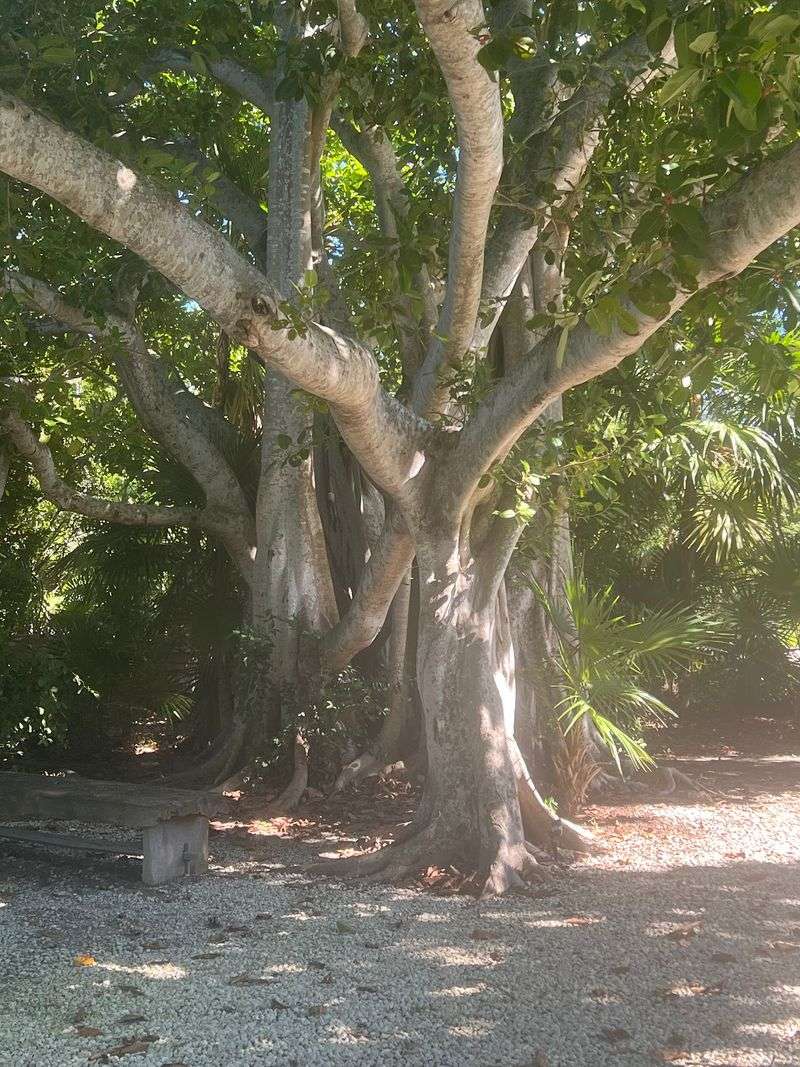
Most people zoom past Crane Point without realizing sixty-three acres of pristine tropical forest sit just off the highway. This nature preserve protects one of the last remaining examples of Keys hammock habitat, where gumbo limbo trees tower overhead and wild cotton plants bloom white. The property feels like stepping back centuries, before development transformed most of the islands.
Two museums share the grounds, covering both natural and human history. The Museum of Natural History houses exhibits on Keys ecology, from coral reefs to hardwood hammocks. Touch tanks let kids handle sea stars and hermit crabs, while displays explain how these fragile ecosystems survive hurricanes and rising seas.
The Florida Keys Children’s Museum next door focuses on interactive learning, with a mock pirate ship and exhibits designed for younger visitors.
Walking trails loop through different habitats, clearly marked and easy to navigate. A raised boardwalk protects sensitive areas while giving you eye-level views into the forest canopy. Interpretive signs identify native plants and explain their traditional uses by indigenous peoples who lived here long before European contact.
The Wild Bird Center on site rehabilitates injured birds, from tiny warblers to massive pelicans. Permanent residents who can’t return to the wild live in spacious enclosures, serving as ambassadors for their species. Volunteers happily explain each bird’s story and the threats facing wild populations.
Historic buildings dot the property, including the George Adderley House built by Bahamian settlers in the 1900s. The construction technique using tabby concrete mixed with coral shows ingenious adaptation to available materials. A small archaeological site preserves evidence of pre-Columbian inhabitants, though most artifacts now reside in climate-controlled storage.
Admission costs less than most attractions, yet Crane Point delivers more educational value than flashier destinations. Spend a morning here and you’ll understand the Keys on a deeper level.
Coco Plum Beach – Where Turtles Choose to Nest
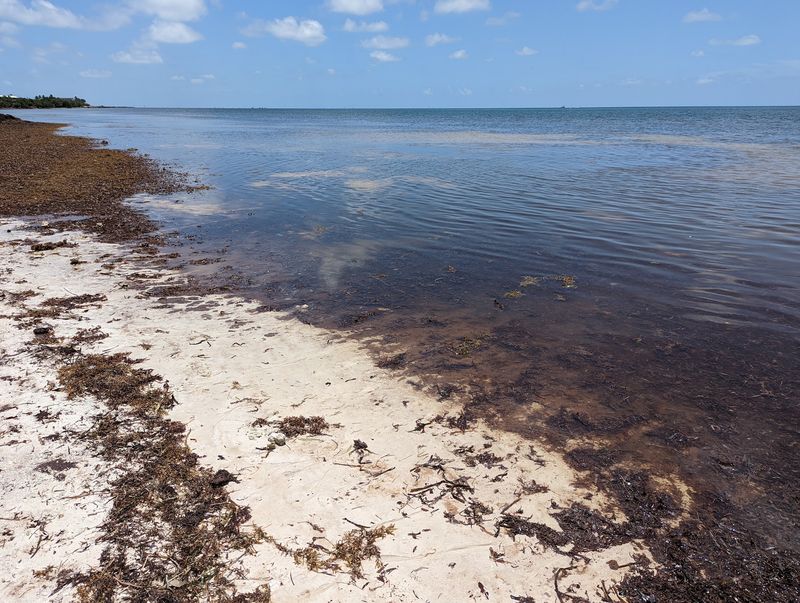
Loggerhead sea turtles return to Coco Plum Beach every summer, hauling themselves onto the same sand where they hatched years earlier. Watching these ancient mariners dig nests under moonlight ranks among nature’s most moving spectacles. The beach stays deliberately undeveloped to protect nesting habitat, which means no facilities but also no crowds.
Access requires a short walk from the small parking area, keeping casual visitors away. The sand here leans more toward natural and pebbly rather than the groomed perfection of resort beaches. Seaweed piles up along the tide line, providing crucial habitat for tiny creatures that form the base of the coastal food chain.
During nesting season from May through October, volunteers patrol at night marking new nests with stakes and tape. If you’re lucky enough to witness a turtle laying eggs, maintain respectful distance and avoid flashlights or camera flashes that disorient the animals. The process takes hours as the mother digs, deposits around a hundred eggs, then carefully covers and camouflages the nest before returning to sea.
Roughly sixty days later, hatchlings emerge and scramble toward the water, guided by moonlight reflecting off the waves. Only a tiny fraction survive to adulthood, facing threats from predators, pollution, and boat strikes. Conservation efforts here help tip the odds slightly in their favor, giving these endangered creatures a fighting chance.
Outside turtle season, Coco Plum offers peaceful beach time away from the typical tourist spots. The shallow water stays warm and calm, perfect for floating while watching clouds drift past. Bring everything you need since nothing’s available for purchase, and pack out all trash to keep the beach pristine for its most important visitors.
Sitting quietly on this sand, knowing centuries of turtles chose this exact spot to continue their species, puts human concerns into humbling perspective.
Marathon’s Fishing Culture – Hooking Into Island Life
Fishing isn’t just a hobby in Marathon, it’s practically a religion with devoted followers who plan their lives around tides and moon phases. The city sits perfectly positioned between the Atlantic Ocean and Gulf of Mexico, with deep channels, shallow flats, and everything in between within easy reach. Charter captains here didn’t just learn fishing, they inherited knowledge passed down through generations of Keys families.
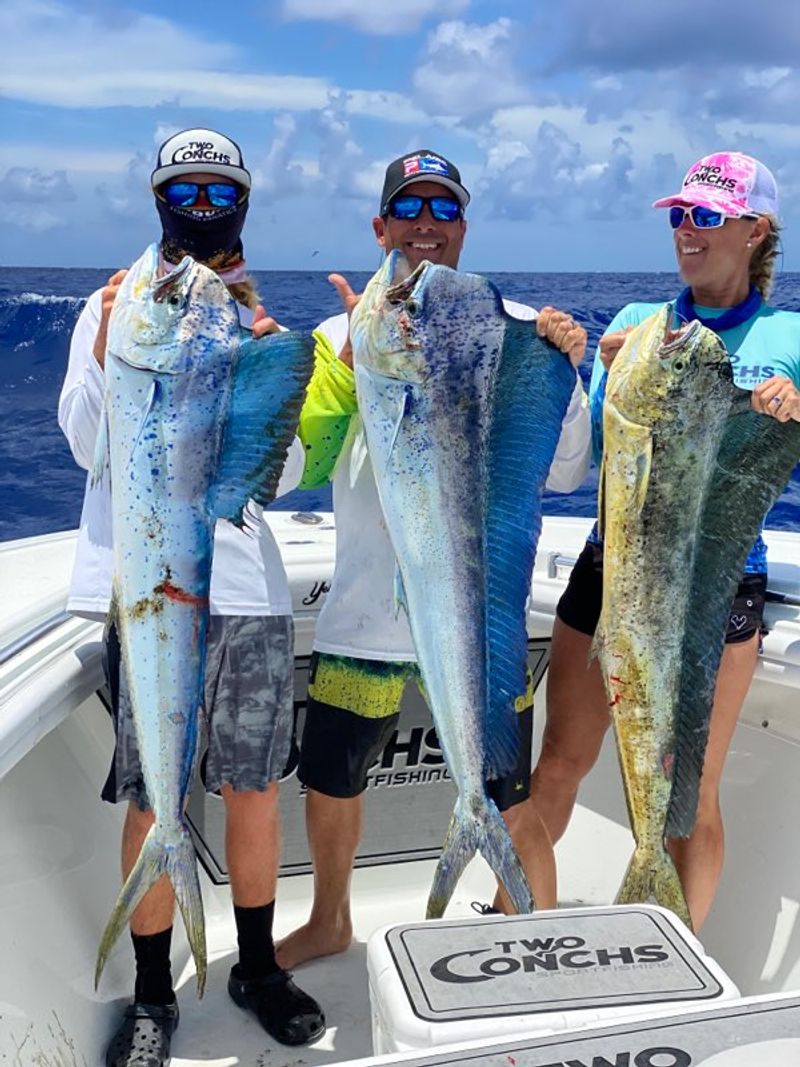
Offshore trips target the big game species that make anglers’ hearts race: sailfish, marlin, mahi-mahi, and tuna. The Hump, a famous underwater ridge about thirty miles out, concentrates baitfish and the predators that hunt them. Experienced captains read the water like a book, spotting subtle color changes and bird activity that reveal where fish are feeding.
Backcountry fishing in the shallows requires different skills and equipment. Poling silently across turtle grass flats, guides help you sight-cast to bonefish, permit, and tarpon. These fish spook easily, demanding precise casts and delicate presentations.
Landing a permit on fly rod represents the grand slam of flats fishing, a challenge that humbles even expert anglers.
Bridge fishing provides free entertainment and dinner if you know what you’re doing. Locals set up at dawn and dusk when fish move through the tidal currents beneath the spans. Snapper, grouper, and jacks all cruise these areas, along with barracuda that strike with explosive force.
Watching regulars work their spots, you’ll pick up techniques no guidebook teaches.
The fishing tournaments held throughout the year bring serious competitors and serious prize money. But you’ll also find kids fishing off docks with hand lines, just as happy catching a grunt as their parents would be landing a marlin. That’s the thing about Marathon’s fishing culture.
Whether you spend thousands on a charter or drop a line from shore with borrowed gear, the water welcomes everyone equally and the worries you brought dissolve with every cast.