10 Florida Hikes That Prove There’s More to the State Than Beaches
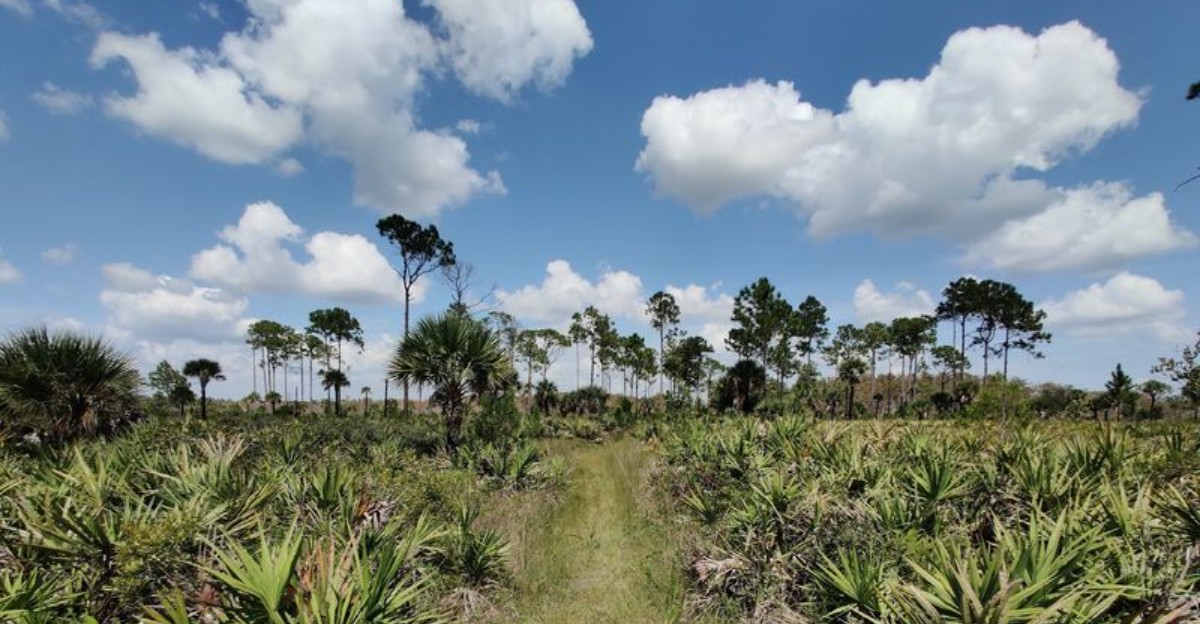
Most people think Florida is all about sandy beaches and theme parks, but the state hides some seriously wild hiking trails that’ll surprise you. From towering bluffs and crashing rapids to sinkholes and cypress swamps, Florida’s backcountry is way more rugged than you’d expect. These ten hikes will take you through landscapes that feel nothing like the Florida postcards, proving there’s a whole other side to the Sunshine State waiting to be explored.
1. Torreya Loop Trail at Torreya State Park (Bristol)
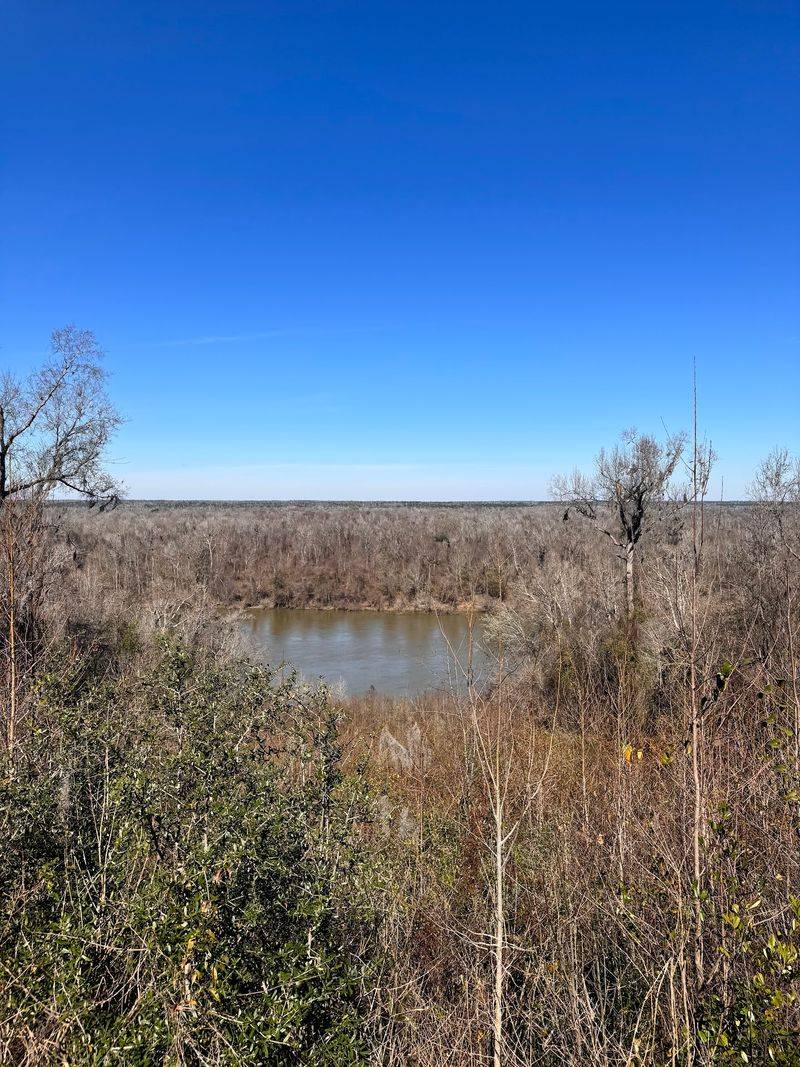
Torreya State Park sits along the Apalachicola River in the Florida Panhandle, and this 7-mile loop might be the most dramatic hike in the entire state. The trail climbs up and down steep ravines and bluffs that drop more than 150 feet, which is basically a mountain by Florida standards. You’ll wind through rare hardwood forests filled with American beech, magnolia, and the endangered Torreya tree that gives the park its name.
The terrain here feels more like Appalachia than the Sunshine State. Switchbacks carve through hillsides, and the elevation changes will definitely get your heart pumping. During cooler months, the forest canopy opens up to reveal sweeping river views that are absolutely worth the climb.
Keep an eye out for the historic Gregory House, a restored 19th-century plantation home perched on one of the bluffs. The park also has camping if you want to make a weekend of it. Spring and fall are the best times to tackle this trail, when temperatures are mild and wildflowers dot the forest floor.
Wear sturdy hiking boots because the trail can be rocky and uneven in spots. Bring plenty of water since there aren’t many places to refill along the way. This hike is proof that Florida has real elevation and real wilderness if you know where to look.
2. Big Shoals Trail at Big Shoals State Park (White Springs)
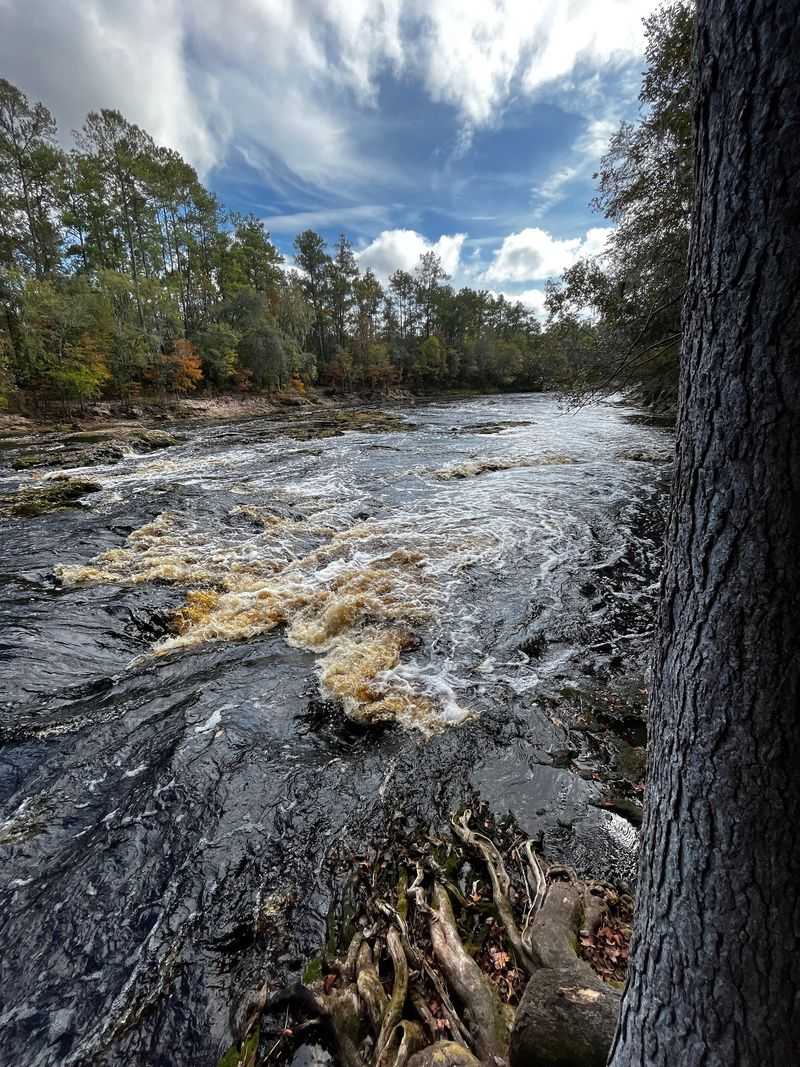
Big Shoals is Florida’s only Class III whitewater rapids, and the 5.5-mile trail that runs alongside the Suwannee River gives you front-row seats to all the action. The river drops about 15 feet over a series of limestone ledges, creating churning rapids that roar loud enough to hear from the trail. It’s a completely unexpected sight in a state known for lazy rivers and calm waters.
The trail itself is mostly flat and sandy, winding through pine flatwoods and hardwood hammocks. You’ll pass several overlooks where you can stop and watch kayakers navigate the rapids below. The sound of rushing water follows you for a good stretch, making this one of the most unique sensory experiences on any Florida hike.
Wildlife is abundant here. White-tailed deer, wild turkey, and gopher tortoises are common sightings, and if you’re lucky, you might spot a river otter playing in the calmer pools. The trail is well-marked and easy to follow, making it great for families or anyone looking for a moderate adventure.
Summer can be hot and buggy, so plan accordingly with bug spray and sun protection. The rapids are most impressive after heavy rains when the water level rises. There’s primitive camping available if you want to stay overnight and catch sunrise over the Suwannee.
3. La Chua Trail at Paynes Prairie Preserve State Park (Gainesville)
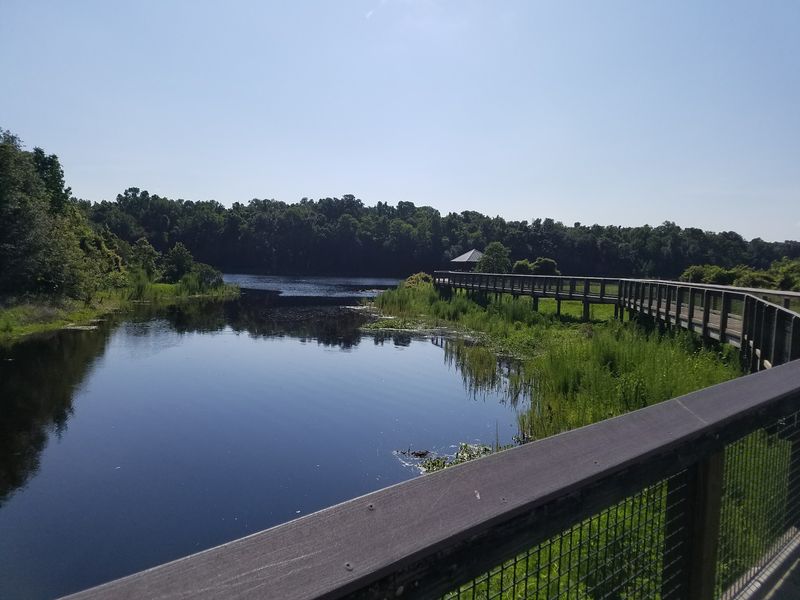
Walking the 3-mile out-and-back La Chua Trail feels like stepping into the Wild West, except with alligators instead of cowboys. This flat, easy trail crosses open prairie where a herd of wild bison roams freely, along with wild horses that were reintroduced to recreate the landscape’s historic ecosystem. Seeing these massive animals grazing in the Florida sun is surreal and unforgettable.
The trail starts on an old road, then transitions to a boardwalk that takes you over marshes teeming with wildlife. Alligators sunbathe along the water’s edge, sometimes just a few feet from the boardwalk. Wading birds like herons, egrets, and ibises are everywhere, and the birdwatching here is world-class.
Paynes Prairie is one of Florida’s oldest and most ecologically significant state parks. The prairie itself is a massive basin that occasionally floods, creating a shallow lake that can last for years. The landscape shifts with the seasons and water levels, so no two visits are exactly the same.
Bring binoculars if you have them, because the wildlife viewing opportunities are incredible. Early morning is the best time to visit when animals are most active and the light is perfect for photos. The trail is exposed with little shade, so wear a hat and sunscreen, especially in summer.
4. Black Bear Wilderness Loop Trail (Sanford)
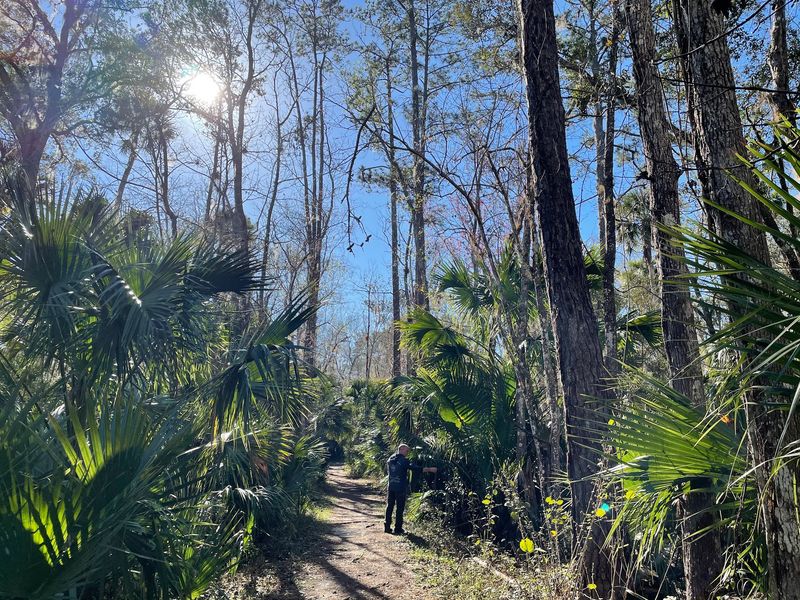
Tucked away near Sanford, the Black Bear Wilderness Loop offers 7.5 miles of true backcountry hiking through some of Central Florida’s most pristine wilderness. The trail winds through dense oak hammocks, pine flatwoods, and palm-dotted wetlands that feel completely untouched. Despite being close to Orlando’s sprawl, this area remains wild and remote.
Black bears do live here, though sightings are rare since they tend to avoid humans. What you will see are deer, armadillos, wild turkeys, and a huge variety of birds. The trail crosses several boardwalks over swampy areas where cypress knees poke up through dark tannin-stained water.
The loop can be hiked in either direction, and there are a few shortcut options if you want a shorter trek. The terrain is mostly flat with some sandy sections that can slow you down a bit. There’s a real sense of solitude here, especially on weekdays when you might have the whole trail to yourself.
Pack plenty of water because there are no facilities once you’re on the trail. Insect repellent is a must during warmer months when mosquitoes and flies can be relentless. The best times to hike are late fall through early spring when temperatures are cooler and bugs are less active.
5. Azalea Trail at Ravine Gardens State Park (Palatka)
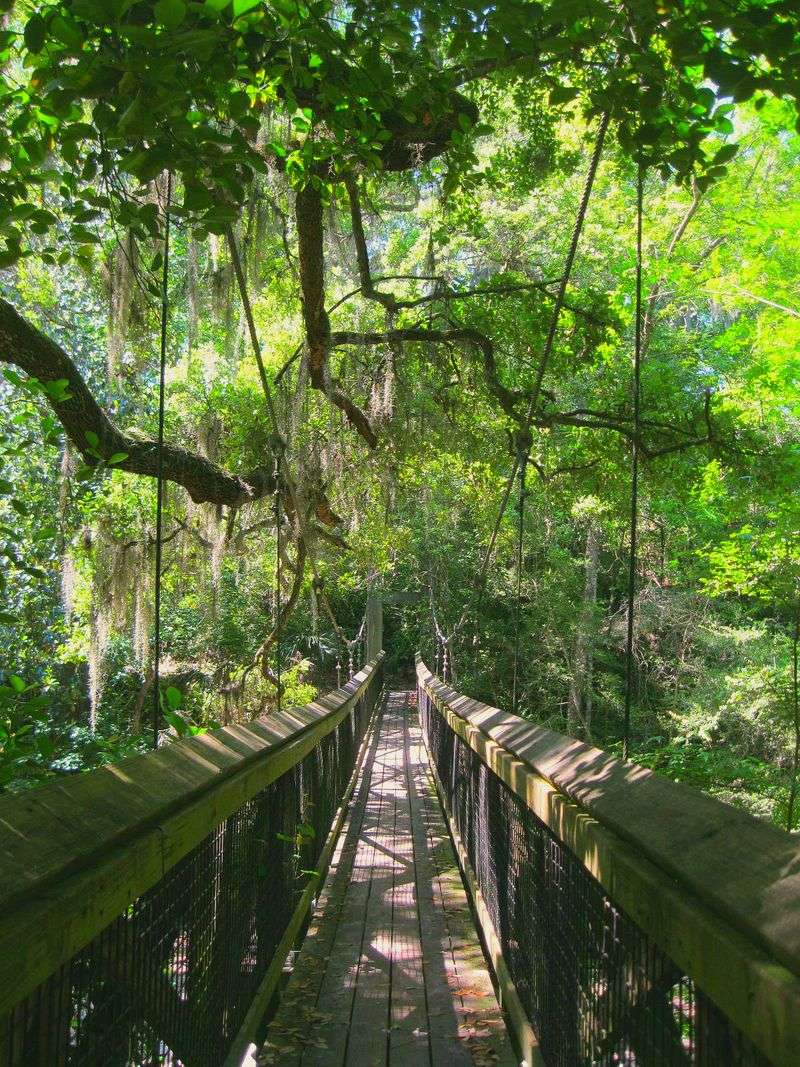
Ravine Gardens sits in a series of steep ravines carved by natural springs, and the 1.8-mile Azalea Trail takes you deep into this lush, shaded wonderland. The park was built in the 1930s as a Depression-era project, and workers planted thousands of azaleas that still bloom spectacularly every spring. Walking through the ravines when the flowers are in full color is like stepping into a fairytale.
The trail follows the rim and floor of the ravines, with stairs and switchbacks connecting the different levels. Towering oaks draped in Spanish moss create a canopy overhead, and ferns carpet the ravine walls. Even when azaleas aren’t blooming, the park is beautiful and peaceful, with a cool microclimate that makes it a great escape on hot days.
There are suspension bridges that cross the ravines, adding a bit of adventure to the hike. The bridges sway slightly as you walk, giving you treetop views of the garden below. It’s a fun feature that kids especially love.
Peak azalea bloom is usually late February through March, but check the park’s website for updates since timing varies by year. The trail is well-maintained and suitable for all fitness levels. Bring a camera because the scenery is incredibly photogenic, especially near the bridges and overlooks.
6. Ancient Hammock Trail at Highlands Hammock State Park (Sebring)
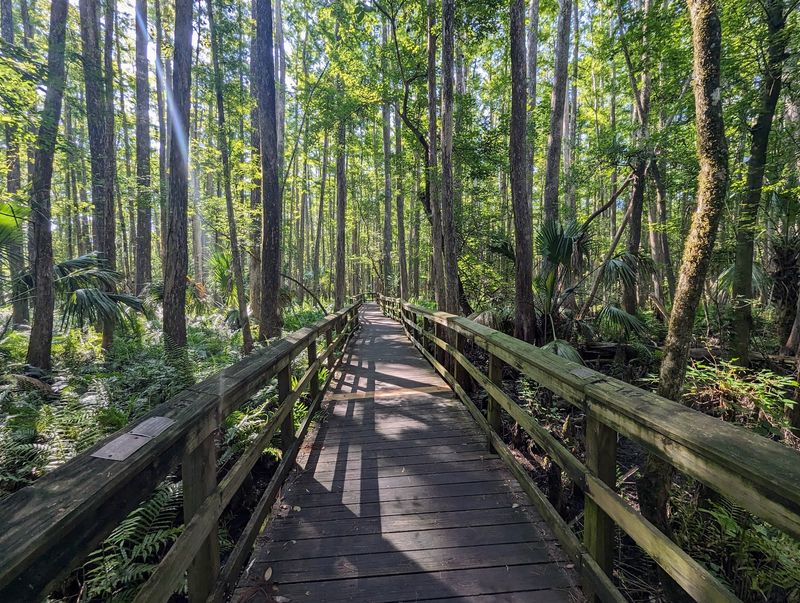
Highlands Hammock is one of Florida’s original state parks, and the Ancient Hammock Trail takes you through a cathedral-like forest of old-growth trees that have been standing for centuries. Massive live oaks with trunks wider than cars spread their limbs overhead, draped in curtains of Spanish moss. The 0.5-mile loop is short but feels timeless, like you’ve walked into Florida’s distant past.
The trail is mostly boardwalk, winding through a hardwood hammock where palms, ferns, and air plants thrive in the dappled shade. The air feels cooler and more humid here, and the forest floor is thick with leaf litter and fallen logs slowly decaying back into the earth. It’s a reminder of how wild Florida used to be before development took over.
This is an easy, accessible trail perfect for families or anyone wanting a quick nature fix. The boardwalk makes it stroller and wheelchair-friendly, and interpretive signs along the way explain the ecology of the hammock. There are several other trails in the park if you want to explore further, including longer loops through pine flatwoods and cypress swamps.
Visit during the week if you want solitude, because weekends can get crowded. Early morning is magical when mist hangs in the trees and wildlife is most active. The park also has camping, a museum, and picnic areas if you want to spend the whole day.
7. Sinkhole Trail at Falling Waters State Park (Chipley)
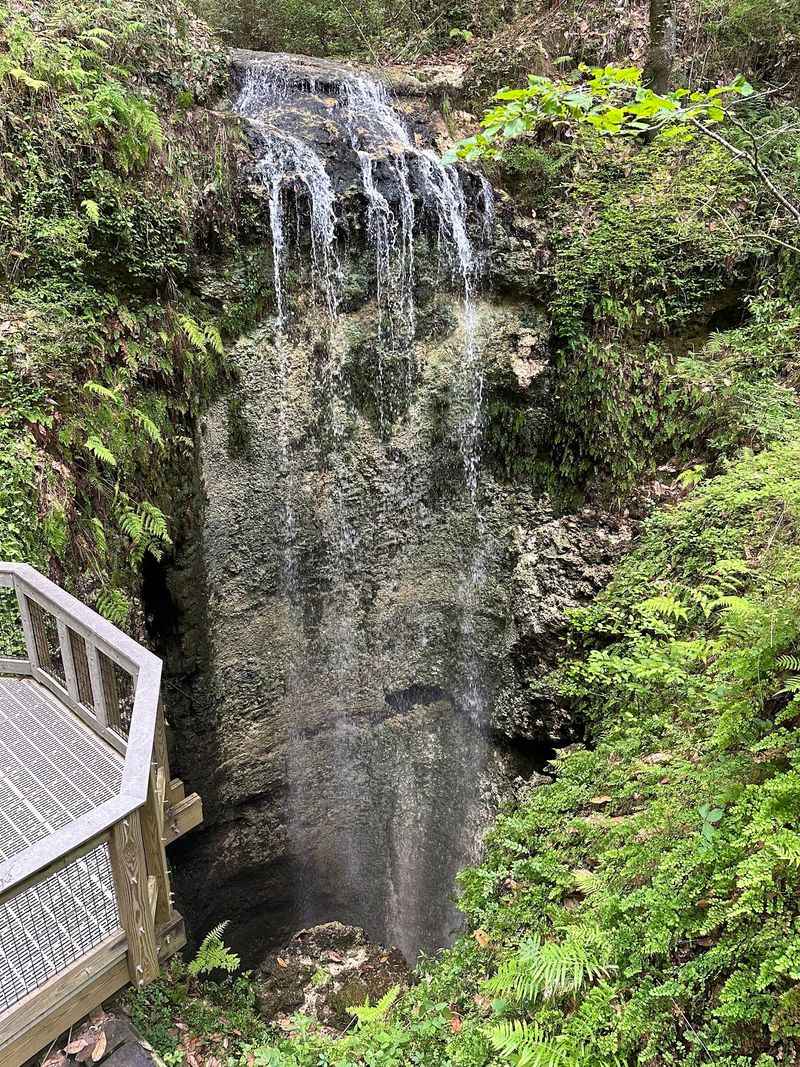
Falling Waters is home to Florida’s tallest waterfall, where a small stream drops 73 feet into a cylindrical sinkhole that disappears into the earth. The 1-mile Sinkhole Trail loops around the rim, giving you multiple viewpoints of this geological oddity. Standing at the edge and watching water vanish into the ground is mesmerizing and a little eerie.
The sinkhole itself is about 100 feet deep and 20 feet wide, carved into the limestone bedrock by centuries of flowing water. During dry periods, the waterfall slows to a trickle, but after heavy rains, it roars to life. The surrounding forest is lush and green, with hardwoods and pines shading the trail.
There are wooden observation platforms at several points along the loop where you can stop and take photos or just soak in the view. The trail is easy and family-friendly, with gentle slopes and well-maintained paths. It’s a quick hike, but the unique feature makes it totally worth the visit.
The park also has a butterfly garden, picnic areas, and a small lake for swimming. Combine the Sinkhole Trail with the nearby Nature Trail for a longer outing. Summer afternoons can bring sudden thunderstorms, so check the weather before heading out.
The waterfall is most impressive in late winter and spring when rainfall is highest.
8. North Hiking Trail at Little Manatee River State Park (Wimauma)
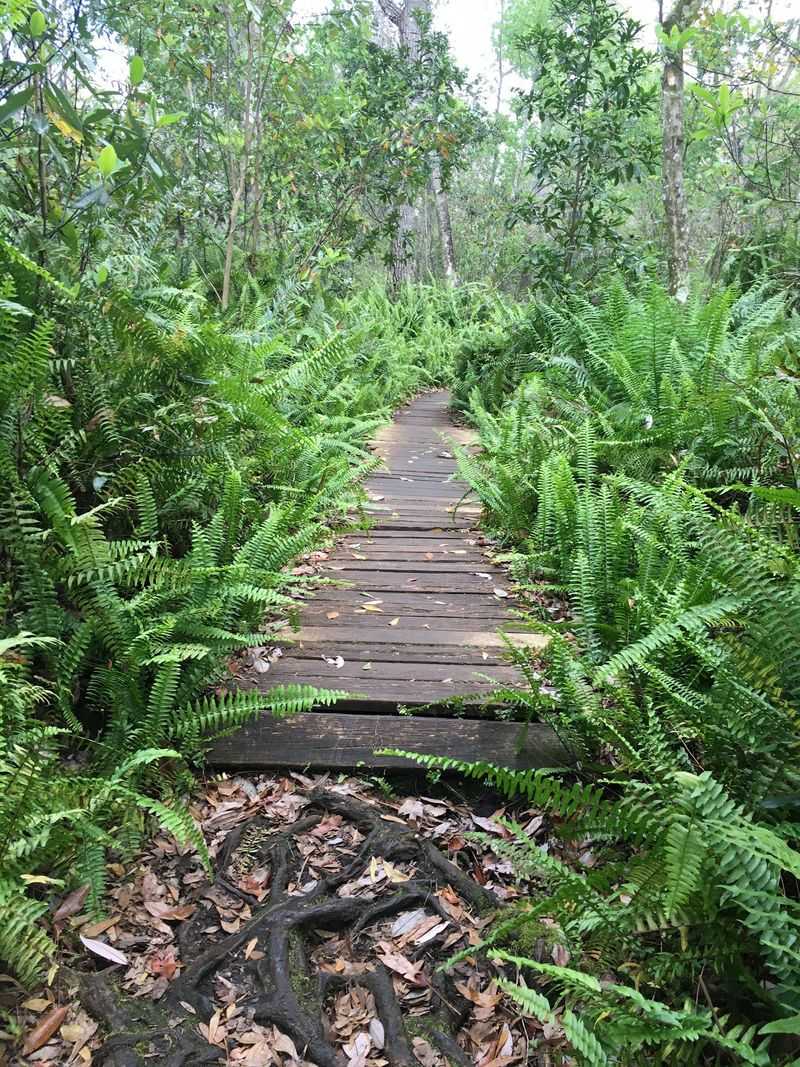
The North Hiking Trail at Little Manatee River State Park offers 6.5 miles of genuine wilderness hiking through some of the most diverse ecosystems in the Tampa Bay area. The trail loops through hardwood hammocks, pine flatwoods, and wetlands, occasionally dipping close to the river where you might spot manatees during cooler months. It’s a surprisingly rugged hike for being so close to the city.
The terrain varies from sandy stretches to root-covered paths that require careful footing. You’ll cross several boardwalks over swampy areas where cypress trees stand knee-deep in water. The trail is well-marked with blazes, but it’s remote enough that you’ll want to bring a map or GPS just in case.
Wildlife is abundant. Deer, wild pigs, and gopher tortoises are common sights, and the birdwatching is excellent. The river itself is popular with paddlers, so you might see kayakers floating by if you hike near the water’s edge.
There’s something peaceful about watching the river flow while surrounded by untouched forest.
The full loop takes about three to four hours at a moderate pace. There are primitive campsites along the trail if you want to make it an overnight adventure. Summer heat and bugs can be intense, so fall through spring is the best time to visit.
Bring plenty of water and snacks since there are no facilities once you’re on the trail.
9. Orange Trail at Wekiwa Springs State Park (Apopka)
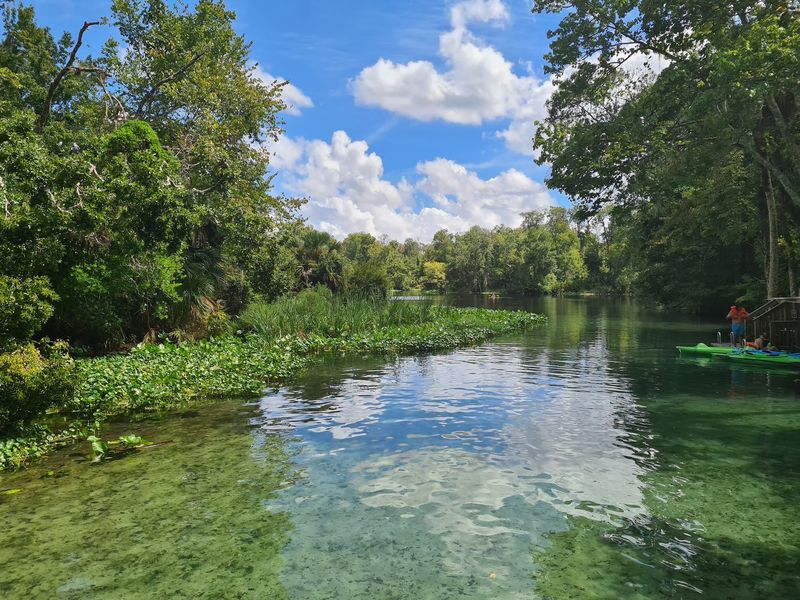
Wekiwa Springs is famous for its crystal-clear swimming hole, but the 4-mile Orange Trail takes you deep into the park’s wilder side. The trail loops through sand pine scrub, oak hammocks, and along Rock Springs Run, a spring-fed stream that flows cool and clear year-round. It’s a great hike if you want to escape the crowds that gather near the main springs.
The terrain is varied and interesting. You’ll climb small hills covered in scrub oaks and saw palmettos, then descend into shaded hammocks where the temperature drops noticeably. The trail crosses several boardwalks over wet areas where you might see wading birds or even an alligator sunning itself.
Rock Springs Run is the highlight. The water is so clear you can see fish darting through the sandy bottom, and the stream is popular with paddlers. There are a few spots where the trail runs right along the water, perfect for a quick rest or photo op.
The Orange Trail connects with other trails in the park, so you can extend your hike if you want more mileage. Wear good shoes because the sand can be deep in spots, especially through the scrub areas. After your hike, cool off with a swim in the main springs, which stay a constant 72 degrees year-round.
The park gets crowded on weekends, so arrive early to snag parking.
10. Florida National Scenic Trail Through Big Cypress (Ochopee)
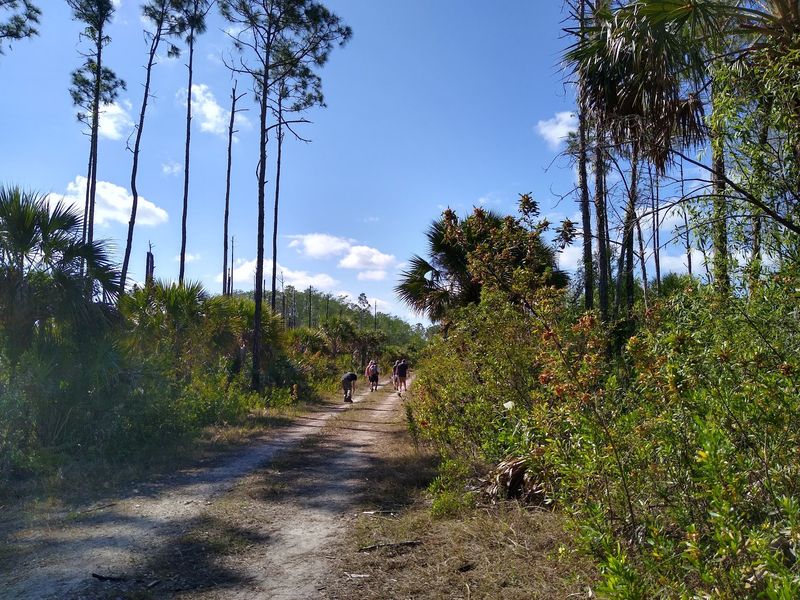
The Florida National Scenic Trail cuts straight through Big Cypress National Preserve, offering one of the most remote and wild hiking experiences in the entire state. This section near Ochopee takes you deep into cypress swamps, pine forests, and sawgrass prairies where the landscape feels ancient and untouched. It’s backcountry hiking at its finest, and you’ll need to be prepared for wet feet and serious solitude.
The trail can be hiked in shorter segments or as a multi-day backpacking trip. Water levels vary dramatically by season. During the dry winter months, you might stay mostly dry, but in summer and fall, expect to wade through ankle-deep (or deeper) water for long stretches.
It’s not for everyone, but for adventurous hikers, it’s unforgettable.
Wildlife is everywhere. You’ll likely see alligators, wading birds, and deer, and if you’re incredibly lucky, maybe even a Florida panther, though they’re extremely rare. The preserve is also home to black bears, so practice proper food storage if you’re camping overnight.
Navigation requires attention since the trail can be hard to follow in swampy sections. Bring a GPS or download offline maps. Pack all your gear in waterproof bags because everything will get wet.
Winter is the best season for this hike when water levels are lower and bugs are manageable. This is true wilderness, so come prepared and respect the environment.