You’d Never Guess What’s Hiding Inside This Old St. Augustine Ice Plant
An old ice plant from 1907 might not sound like the most exciting destination, but step inside 112 Riberia Street and you’ll find something totally unexpected. The Saint Augustine Distillery has transformed this historic building into a working craft distillery that’s churning out award-winning spirits right where ice blocks once kept the city cool. What makes this place special isn’t just the bourbon and rum, it’s the fact that you can watch the whole process happen, taste the results, and walk away with bottles you won’t find anywhere else.
1. A Century-Old Building With Serious Character
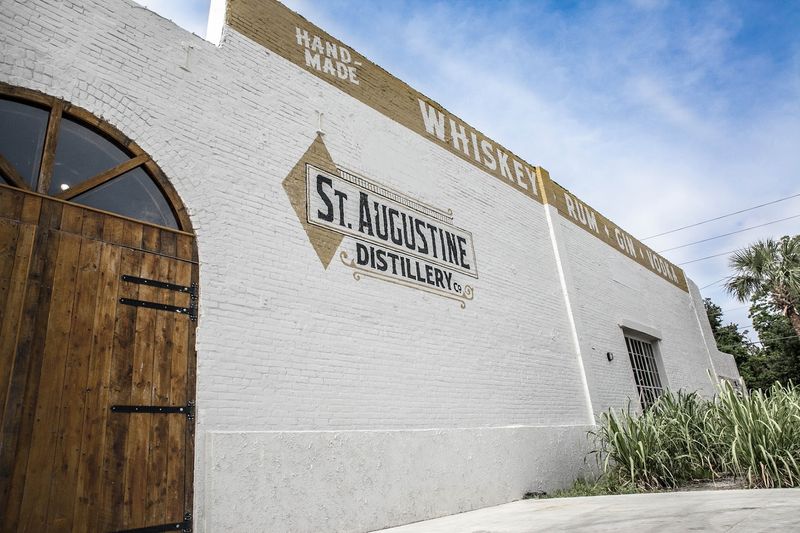
Walking up to the distillery feels like stepping back in time. The massive brick structure still carries the bones of its industrial past, complete with the kind of architecture you just don’t see in modern buildings. Those huge windows that once let workers monitor ice production now flood the distillery floor with natural light.
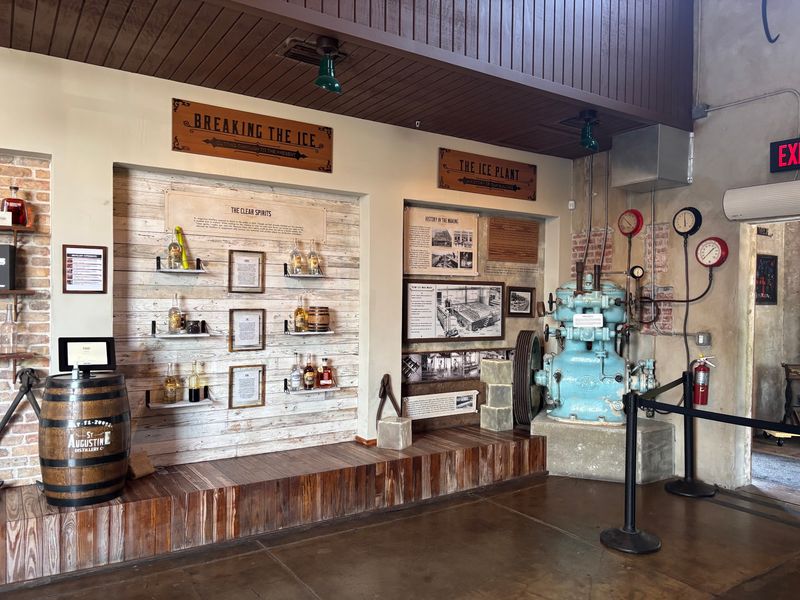
The building sat empty for years before the distillery team saw its potential in 2014. Instead of tearing it down or covering up its history, they leaned into every weathered brick and original beam. You can still spot remnants of the old ice plant machinery scattered throughout, turned into conversation pieces rather than scrap metal.
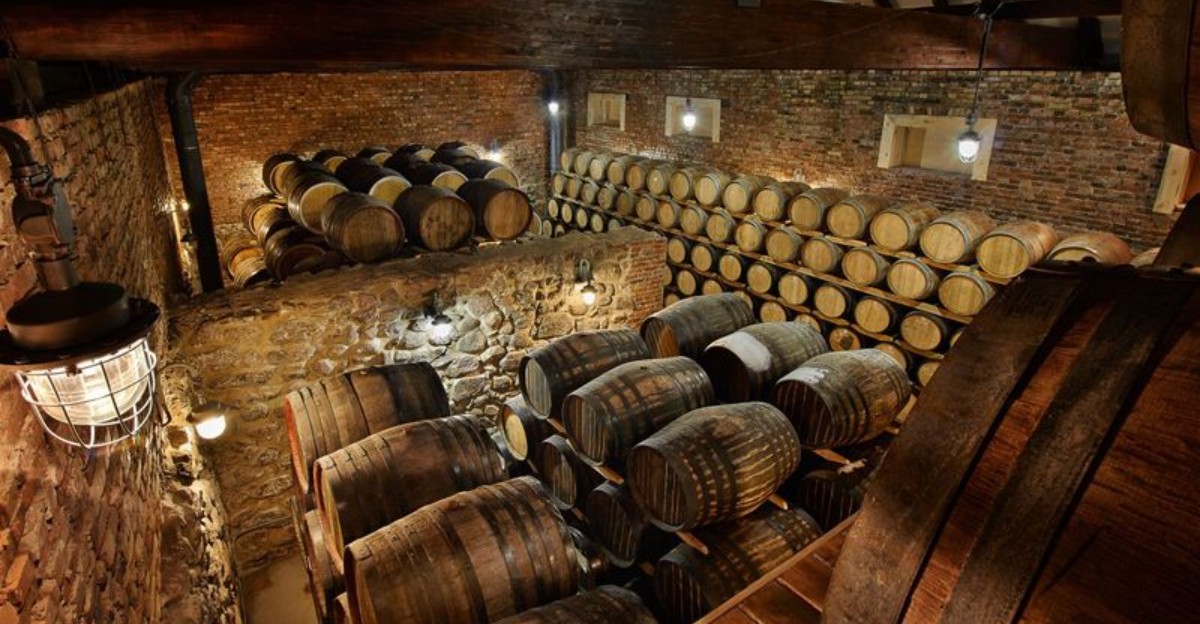
The restoration wasn’t just about looks. The thick walls and high ceilings actually help maintain consistent temperatures for aging spirits, making this historic shell perfect for its new purpose. Walking through the space, you get a real sense of St. Augustine’s industrial heritage mixed with modern craft production.
It’s located in a quieter part of the historic district, away from the main tourist crowds but still walkable to downtown. The neighborhood itself has that authentic old Florida vibe, with the building standing as a reminder of when St. Augustine was a working port city, not just a tourist destination.
2. Self-Guided Tours That Actually Teach You Something
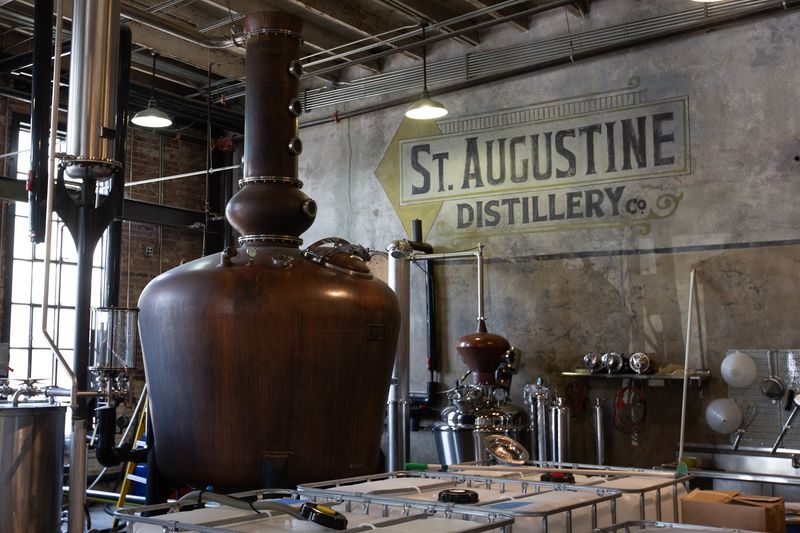
For just five bucks, you get a wristband and the freedom to wander through the entire production facility at your own pace. No rushing to keep up with a group, no feeling awkward about asking questions. The path takes you past massive copper stills, fermentation tanks, and barrel storage areas with signs explaining each step of the process.
What’s cool is how hands-on it feels without being overwhelming. You’re not just reading about how bourbon gets made, you’re standing right next to the equipment doing the work. The smell of fermenting grains and aging spirits fills the air, giving you a real sensory experience beyond just looking at shiny copper.
Along the route, you’ll hit four tasting stations where staff pour crafted cocktails using their spirits. Each station focuses on a different product, from their vodka to rum to bourbon, mixed into drinks that actually taste good rather than just showcasing raw alcohol. The bartenders are genuinely knowledgeable and happy to explain what you’re tasting.
The whole experience takes about 30 minutes if you’re moving quickly, but most people linger closer to an hour. That $5 entry fee converts to a coupon toward any bottle purchase, so if you find something you love, you’re basically getting the tour for free.
3. Small-Batch Spirits Made Right Here
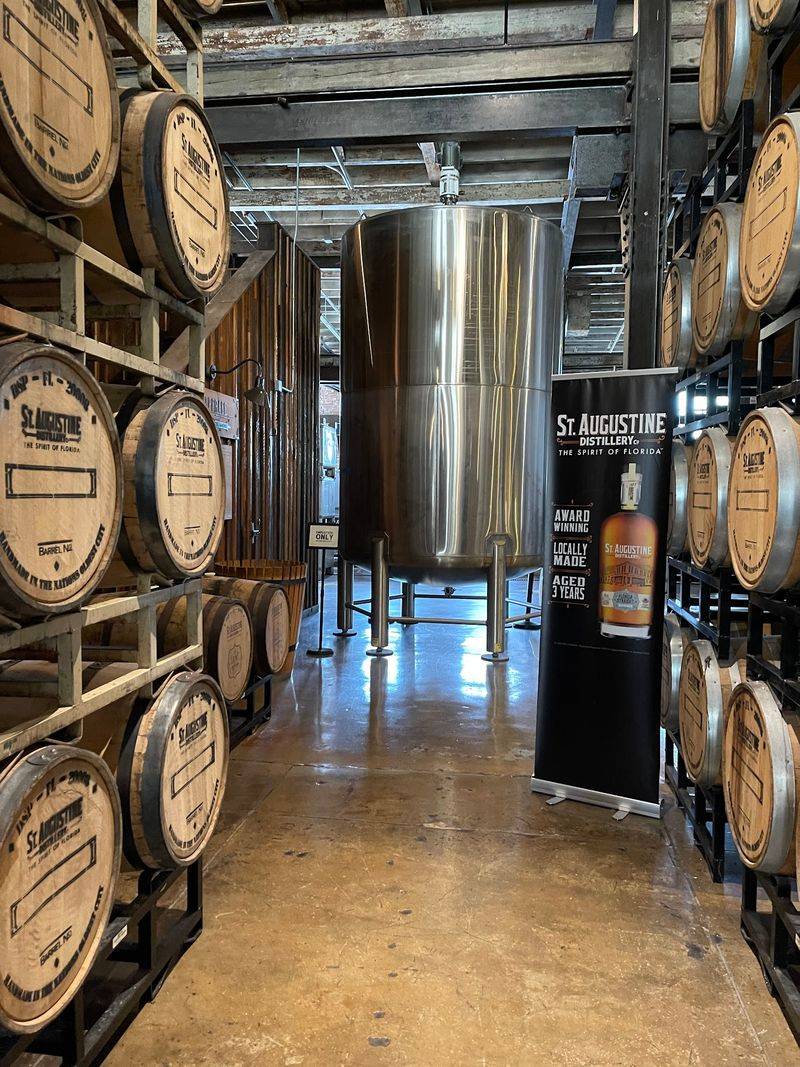
Everything sold at the distillery comes from the equipment you walk past during the tour. No outsourcing, no contract distilling, just local production from grain to glass. The team makes bourbon, rum, gin, and vodka in small batches, which means they can experiment and adjust recipes rather than churning out massive quantities of identical product.
Their Florida cane bourbon stands out as something genuinely different. Most bourbon comes from corn, but this one incorporates Florida sugarcane into the mash bill, giving it a sweeter, more complex flavor profile. The hot Florida climate also speeds up aging, so their bourbon develops character faster than it would in Kentucky.
The rum program leans into the state’s sugarcane heritage. They source cane from local farms when possible, creating a spirit that tastes distinctly regional rather than generic Caribbean-style. Their New World gin takes a similar approach, using botanicals that make sense for Florida rather than just copying London dry recipes.
Quality control happens constantly since the distillers are right there on site. If a batch isn’t perfect, it doesn’t get bottled. That commitment to craft over volume means prices run higher than mass-market brands, but you’re paying for something genuinely handmade by people who care about the final product.
4. The Gift Shop You’ll Actually Want to Browse
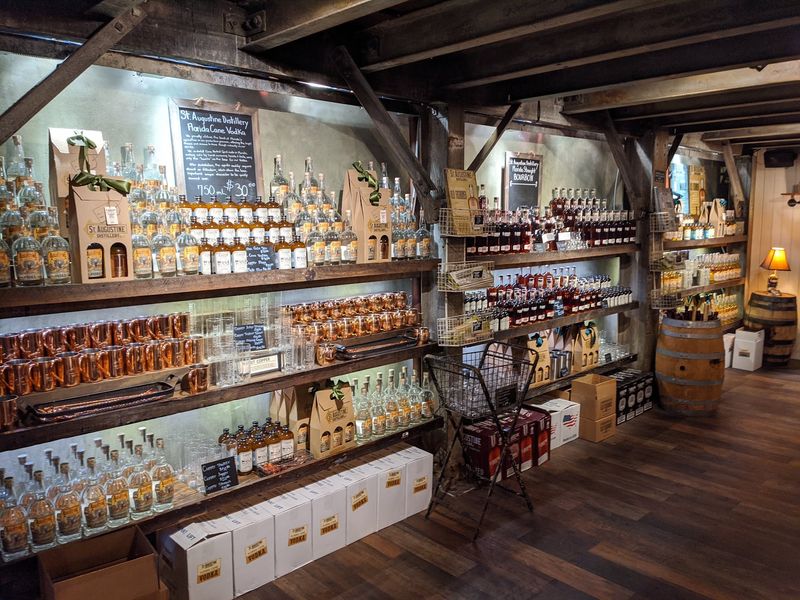
Every tour exits through the spirit shop, but this isn’t your typical tourist trap. The selection goes way beyond just bottles of their own products. You’ll find cocktail mixers, barware, locally made food items, and gift sets that actually make sense rather than random junk with a logo slapped on it.
Their house-made cocktail mixers deserve special attention. Multiple reviewers mentioned picking these up even when they didn’t buy spirits, and for good reason. The ginger beer, bloody mary mix, and other options use real ingredients and taste significantly better than what you’d grab at a grocery store.
They’re priced reasonably too, making them easy additions to your cart.
The bottle-your-own experience lets you fill and label your own bourbon straight from a barrel. It’s pricier than buying a regular bottle, but you get to choose your specific barrel and create something truly one-of-a-kind. The staff will help you through the process, making it feel special rather than gimmicky.
Yes, prices run higher than big-box stores. But remember this is a small independent distillery supporting local jobs and using quality ingredients. That $5 wristband discount helps, and they often run specials that make the pricing more accessible.
The staff never pressures you to buy, they’re just there to answer questions and help you find what you’re looking for.
5. Bourbon Classes That Go Deep
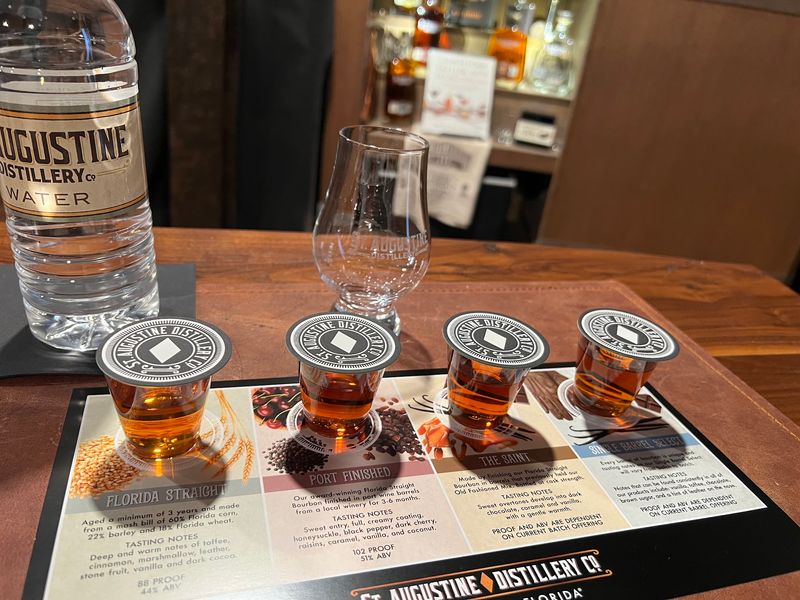
Beyond the basic tour, the distillery offers a $35 bourbon history and tasting class that gets rave reviews. Guides like Dominick, Melody, and Larry lead intimate sessions where you learn the actual science and tradition behind bourbon production while sampling different expressions. These aren’t huge groups, so you can ask questions and have real conversations.
The class covers everything from grain selection to barrel char levels to how climate affects aging. You’ll taste bourbons at different proof points and ages, learning to identify flavor notes and understand what you’re actually experiencing. It’s educational without being pretentious, perfect for both bourbon newbies and people who already know their stuff.
What makes these classes work is the passion of the instructors. They’re not just reciting scripts, they genuinely care about bourbon and want to share that enthusiasm. Multiple reviews specifically call out how knowledgeable and entertaining the guides are, making the experience fun rather than feeling like a lecture.
The tastings are generous, giving you a real sense of each bourbon’s character. You’re not getting tiny sips that barely wet your palate. By the end, you’ll have a much better understanding of what you like and why, making future bourbon purchases more informed rather than just grabbing whatever’s on sale.
6. Dog-Friendly Distillery Visits
Here’s something unexpected: you can bring your dog on the self-guided tour. Multiple reviewers mentioned taking their pups through the facility without any issues. For a historic building housing active production equipment, that’s pretty accommodating and speaks to the laid-back vibe of the whole operation.
Obviously, you’ll need to keep your dog leashed and under control. The distillery floor has equipment, other visitors, and staff moving around, so an out-of-control pet wouldn’t work. But if your dog is well-behaved and comfortable in new environments, it’s a fun activity to do together rather than leaving them behind at the hotel.
The staff seems genuinely welcoming to four-legged visitors based on the reviews. They’re not just tolerating dogs, they actually seem happy to see them. That kind of pet-friendly attitude is fairly rare in working production facilities, making this a standout option if you’re traveling with your dog.
Keep in mind that tasting stations involve alcohol, so you’ll need to manage your dog while sampling cocktails. It’s doable, but might be easier with two people so one can hold the leash while the other tastes. The whole experience shows that the distillery cares about being accessible and welcoming to different types of visitors rather than having a bunch of restrictive rules.
7. The Ice Plant Bar Upstairs
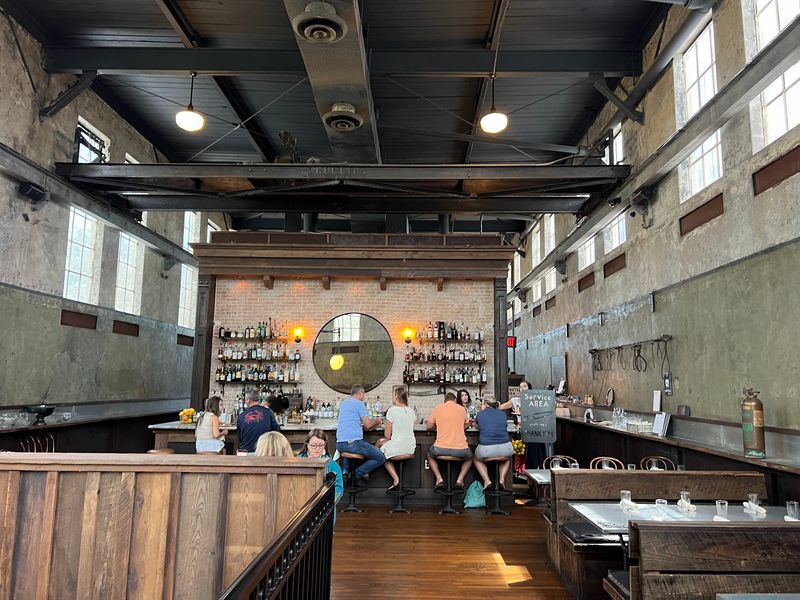
After your tour, head upstairs to The Ice Plant Bar for food and drinks in a completely different atmosphere. The restaurant occupies the upper level of the building, offering seasonal craft food and an extensive cocktail menu featuring the distillery’s spirits. It’s a full dining experience rather than just a tasting room add-on.
The bar program takes the distillery’s products and showcases them in creative cocktails you won’t find elsewhere. The bartenders know the spirits intimately since they’re made right downstairs, allowing them to craft drinks that highlight specific flavor profiles. You’ll also find other quality spirits if you’re not in the mood for house products.
The food menu changes seasonally, focusing on fresh ingredients and preparations that complement the drinks. It’s upscale without being stuffy, the kind of place where you can have a nice dinner but don’t need to dress up fancy. The setting itself adds to the experience, with the historic building’s character visible throughout the space.
Making reservations is smart, especially on weekends when both tourists and locals pack the place. The location right next to the distillery makes it convenient to tour, shop, then settle in for a meal without having to drive anywhere. It’s a full evening’s entertainment in one historic building.
8. Location That’s Easy But Not Overcrowded
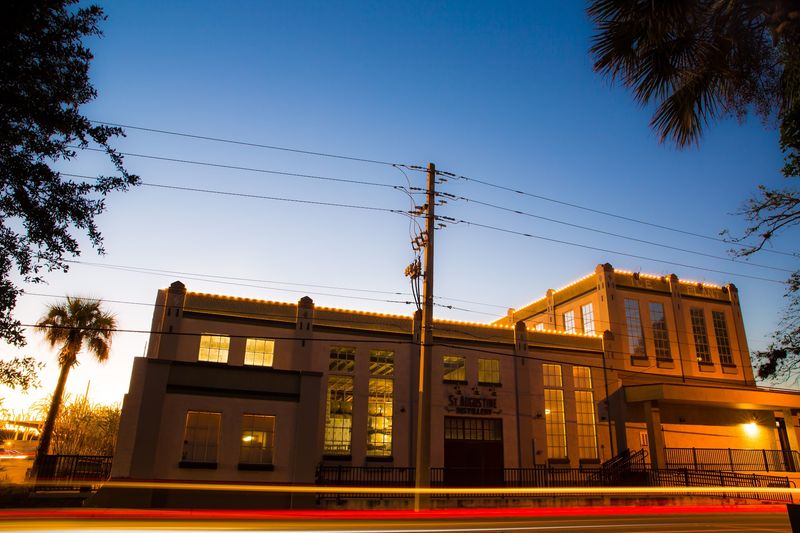
The distillery sits on Riberia Street, just blocks from downtown St. Augustine but far enough away to avoid the worst tourist congestion. You can easily walk here from the main historic district, or it’s a quick drive if you’re staying further out. There’s parking available, which is a blessing in a city where parking can be a nightmare.
Being slightly off the main drag means you’re not fighting massive crowds to get through the tour. Reviews consistently mention how uncrowded the experience feels compared to other St. Augustine attractions. You can actually take your time, talk to staff, and enjoy the tastings without feeling rushed or overwhelmed by people.
The neighborhood itself has that authentic old Florida character. You’re near the San Sebastian Winery, so you could easily hit both in one afternoon if you’re into beverage tourism. The area feels more residential and industrial than the packed tourist blocks downtown, giving you a sense of what St. Augustine is beyond the postcard attractions.
Hours are convenient too, open seven days a week from 10 AM to 6 PM. That gives you flexibility to visit whenever fits your schedule, whether you want a morning tour before the day heats up or an afternoon stop after exploring downtown. Just remember that production happens during business hours, so earlier visits might give you more action to watch.