You May Want to Think Twice Before Swimming at These 9 Florida Lakes
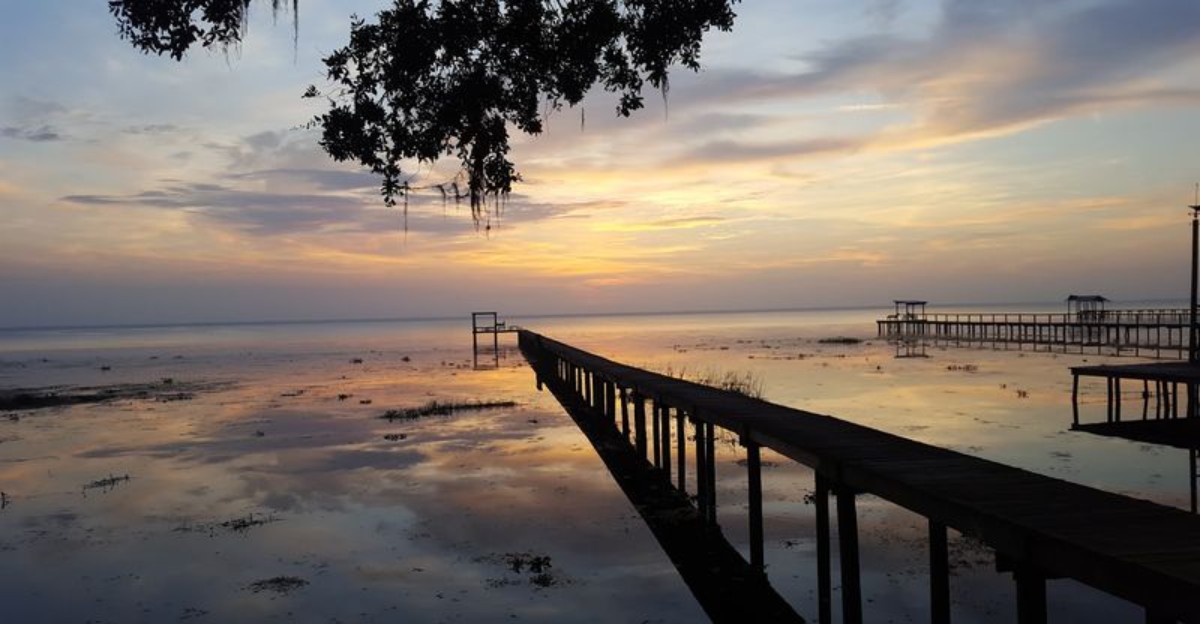
Florida’s lakes are stunning, but not all of them are safe for a swim right now. Blue-green algae blooms have been popping up across the state, and the Florida Department of Health has issued warnings for several popular spots. These blooms can cause skin rashes, stomach problems, and even more serious health issues if you’re not careful.
1. Lake Okeechobee (South Florida)
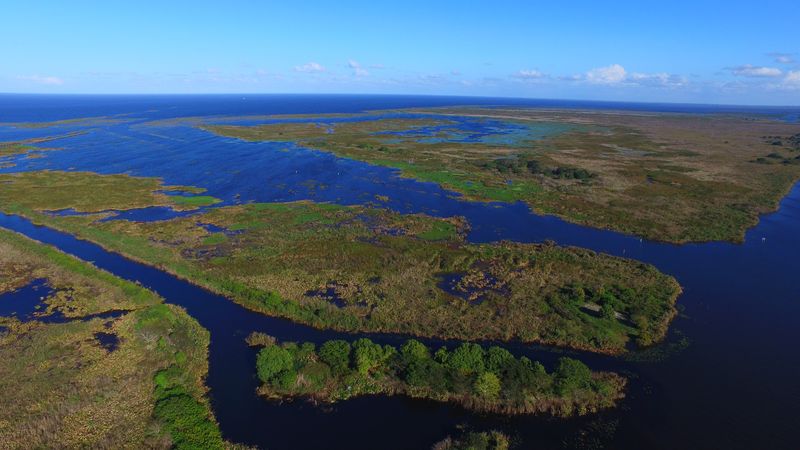
Known as Florida’s inland sea, Lake Okeechobee covers over 730 square miles and draws anglers from all over. But when blue-green algae blooms show up, this massive lake becomes a no-go zone for swimmers. The blooms can spread quickly across the surface, creating thick mats that look like spilled paint.
Health officials have issued multiple alerts here because the toxins produced by these algae can cause serious reactions. If you accidentally swallow contaminated water, you might experience nausea, vomiting, or diarrhea. Skin contact alone can lead to rashes and irritation that last for days.
The lake’s shallow depth and warm temperatures create perfect conditions for algae growth, especially during summer months. Agricultural runoff from surrounding farmland adds extra nutrients that feed these blooms. Even if the water looks clear near the shore, algae can concentrate in certain areas depending on wind patterns.
Boaters and fishermen can still enjoy the lake, but they should avoid any water that looks discolored or has a greenish tint. Keep pets away completely since dogs are especially vulnerable to algae toxins. If you plan to fish, wash your hands thoroughly before eating anything, and never clean your catch in lake water during an active bloom.
2. Lake Howell (Seminole County)
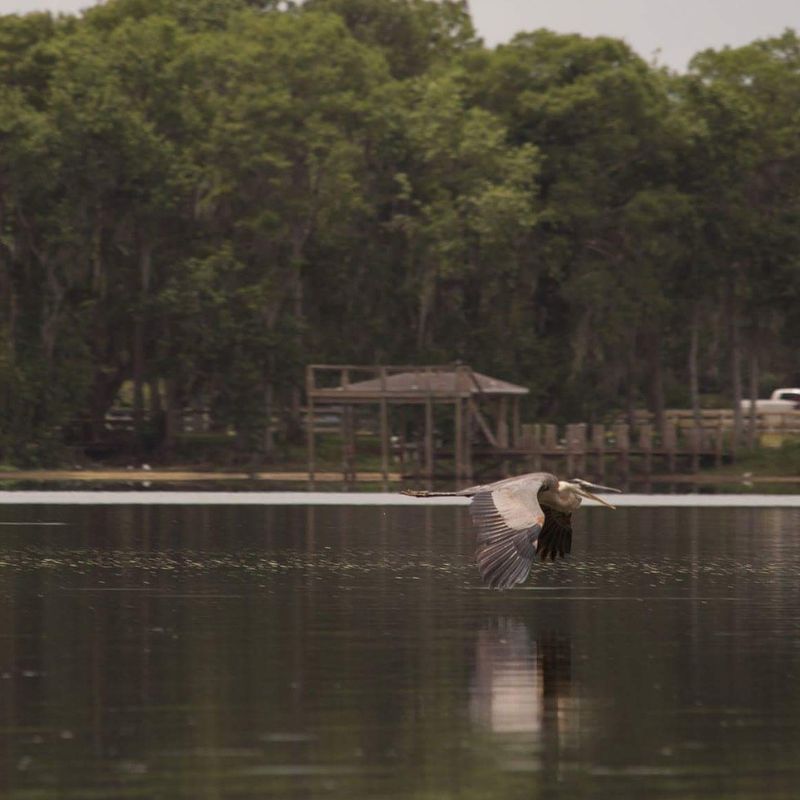
Tucked away in Seminole County, Lake Howell sits surrounded by neighborhoods and parks where families have gathered for generations. The 592-acre lake has always been a local favorite for kayaking and fishing. Unfortunately, recent algae blooms have changed the picture, prompting health warnings that caught many residents off guard.
What makes this situation particularly frustrating is how unpredictable the blooms can be. One week the water looks fine, and the next week green scum covers entire sections. The toxins don’t just disappear when the visible algae fades either.
Residents who live along the shore have reported foul odors during peak bloom periods, and some have experienced respiratory irritation just from being near the water. Children and elderly folks are especially at risk. The county has posted warning signs at public access points, but private docks don’t always have clear alerts.
Scientists point to stormwater runoff as a major contributor, carrying fertilizers and other nutrients from lawns and streets directly into the lake. Even with treatment efforts underway, blooms keep returning. If you’re planning to visit, check the Florida Department of Health website for current conditions.
Better yet, choose a different lake until officials give the all-clear for this one.
3. Doctors Lake (Clay County)
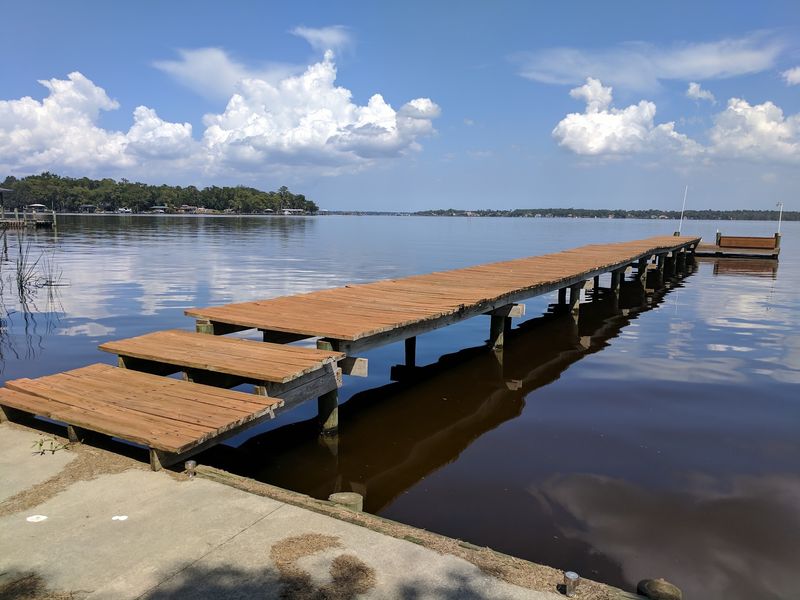
Doctors Lake connects to the St. Johns River and has been a beloved swimming and boating spot for Clay County families for decades. The name itself comes from early settlers who believed the water had healing properties. These days, though, the lake needs some healing of its own.
Blue-green algae blooms have become increasingly common here, especially in the warmer months when water temperatures rise. The blooms often concentrate in shallow coves and near the shoreline where kids typically play. Parents have had to cancel swimming plans repeatedly, which is heartbreaking for families who’ve built summer traditions around this lake.
The algae produces microcystins, toxins that can damage your liver if ingested in large amounts. Even small exposures can cause headaches, fever, and stomach cramps. Dogs have gotten seriously ill after drinking from the lake, and some cases have been fatal.
Local environmental groups are working on solutions, including shoreline restoration projects that filter runoff before it reaches the water. Septic system upgrades in nearby neighborhoods are also underway. While these efforts show promise, they’ll take years to fully address the problem.
For now, stick to watching the sunset from shore rather than jumping in for a swim.
4. Lake Formosa (Orlando)
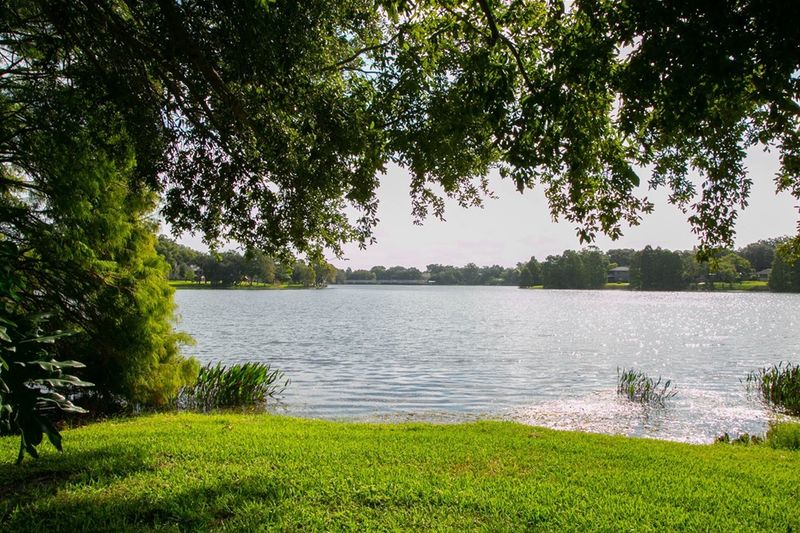
Right in the heart of Orlando, Lake Formosa offers a peaceful escape from city life. The 37-acre lake is surrounded by a popular walking trail where joggers and dog walkers make their daily rounds. But recent algae problems have turned this urban oasis into a health concern that nobody saw coming.
The bloom situation here is particularly tricky because the lake is so accessible. There’s no fence keeping people out, and on hot days, it’s tempting to wade in for a quick cool-down. That’s exactly what health officials are warning against.
The toxins in blue-green algae don’t care that you’re just dipping your toes in.
City officials have installed warning signs and sent out alerts through neighborhood apps, but not everyone gets the message. Tourists staying at nearby hotels might not realize the danger. The algae blooms tend to be worse after heavy rains when stormwater washes fertilizers and other pollutants into the lake.
Orlando’s Parks Department has been testing the water regularly and treating problem areas when possible. They’ve also started educational programs about proper fertilizer use in surrounding neighborhoods. Until the blooms are under control, enjoy the walking trail but keep yourself and your pets out of the water completely.
The lake will still be here when it’s safe again.
5. Lake Marian (Osceola County)
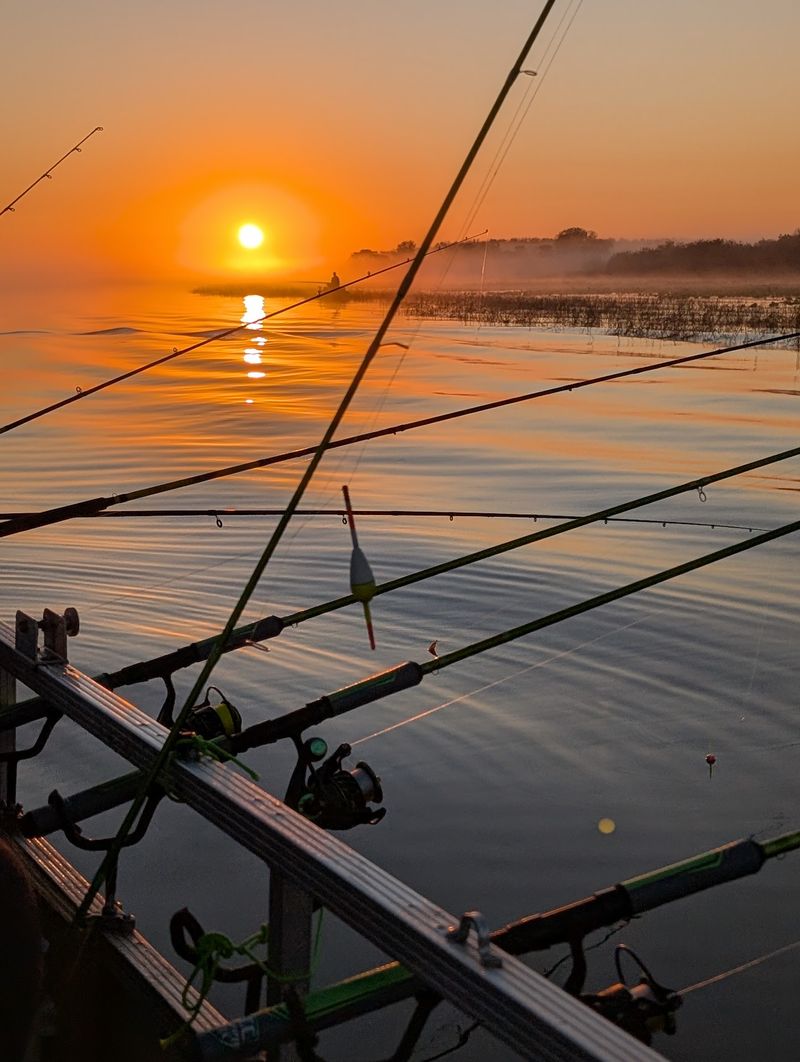
Hidden in Osceola County, Lake Marian covers about 5,742 acres of pristine Florida wilderness. Bass fishermen have long considered this lake a hidden gem, and its remote location has kept it relatively undiscovered by crowds. That isolation makes the recent algae blooms even more concerning since fewer people are monitoring conditions regularly.
The lake’s connection to the Kissimmee Chain of Lakes means that water quality issues can spread from one body of water to another. When algae blooms hit Lake Marian, they often arrive after traveling through the connected waterways. The blooms can be patchy, covering some areas while leaving others seemingly clear.
Anglers need to be especially careful because the fish themselves can accumulate toxins in their flesh, though cooking does reduce the risk. Still, cleaning fish in contaminated water or getting algae-laden water in your mouth while handling your catch can make you sick. The symptoms might not show up immediately, which makes it hard to connect the dots.
Wildlife around the lake has also been affected. Birds that feed on fish from contaminated waters can get sick, and manatees that occasionally visit the area are vulnerable too. Conservation groups are pushing for better nutrient management in the watershed.
If you’re planning a fishing trip, call ahead to check current conditions and bring plenty of clean water for washing up.
6. Crescent Lake (Putnam/Flagler Counties)
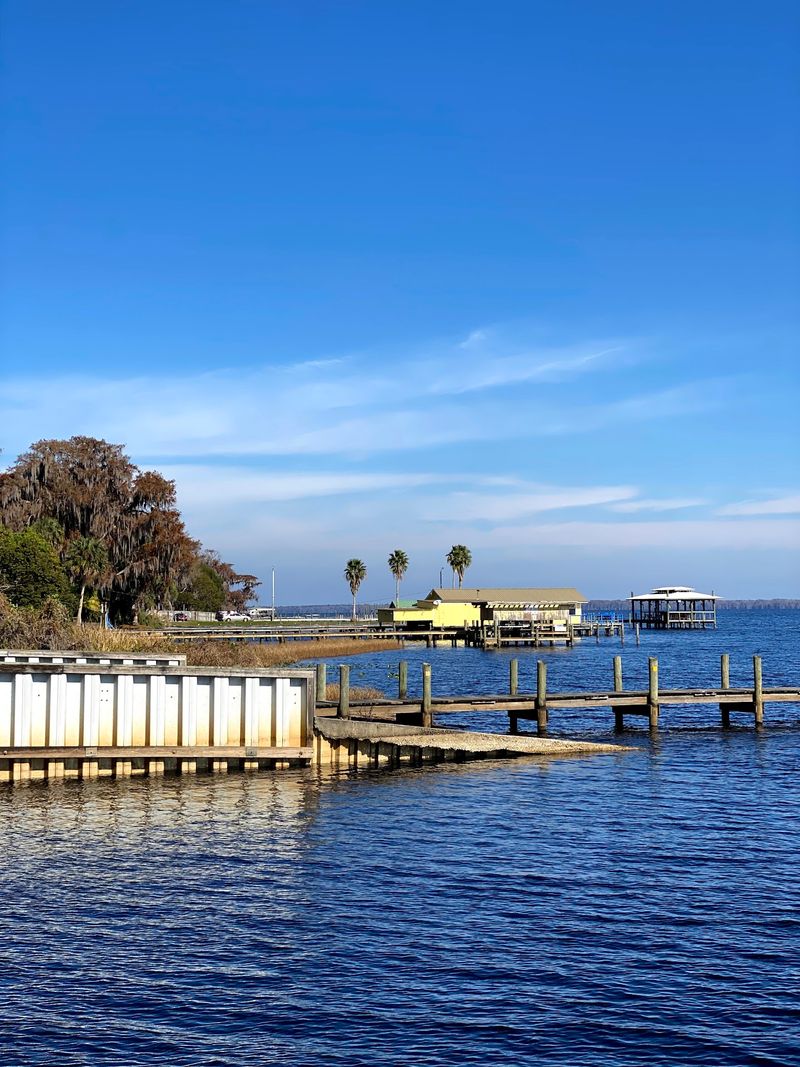
Shaped like its namesake, Crescent Lake stretches between Putnam and Flagler Counties, offering nearly 16,000 acres of water. The historic town of Crescent City sits on its western shore, and the area has been attracting visitors since the steamboat era. Today’s visitors face a different kind of challenge with recurring algae blooms that have health officials on high alert.
The lake’s size means that bloom conditions can vary dramatically from one end to the other. You might see crystal-clear water at one boat ramp and thick green scum just a few miles away. Wind patterns push the algae around, concentrating it in different spots throughout the day.
Local businesses that depend on lake tourism have taken a hit. Boat rental shops and lakeside restaurants have seen fewer customers during bloom periods. Some property owners have installed aeration systems to improve water quality near their docks, but these individual efforts can only do so much.
The Florida Fish and Wildlife Conservation Commission continues to stock the lake with fish, but they advise anglers to avoid areas with visible algae. Swimming is strongly discouraged during active bloom periods. Water-skiers and jet-skiers should also stay away since the spray can get in your eyes, nose, and mouth.
Check with local marinas before heading out, and always err on the side of caution when you spot anything unusual in the water.
7. Lake Jesup (Seminole County)
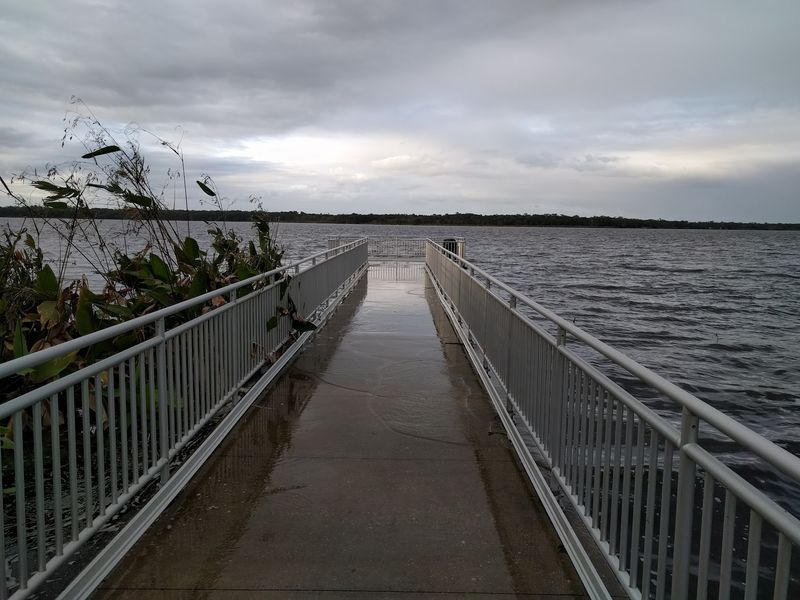
Famous for having one of the highest alligator populations in Florida, Lake Jesup already had a wild reputation before algae blooms became an issue. The 16,000-acre lake sits in Seminole County and has always been more of a wildlife viewing destination than a swimming hole. Now, with blue-green algae warnings in effect, even boating requires extra precautions.
The combination of alligators and toxic algae makes Lake Jesup particularly dangerous. You definitely don’t want to end up in this water accidentally. The shallow, nutrient-rich environment that supports all those gators also creates ideal conditions for algae growth.
During summer months, the blooms can be extensive and persistent.
Birdwatchers still flock to the lake’s boardwalks and observation areas, which remain safe as long as you’re not touching the water. The algae doesn’t affect the incredible biodiversity of the area, though scientists worry about long-term impacts on the food chain. Fish populations seem stable for now, but continued monitoring is essential.
Kayakers who brave Lake Jesup need to be extra vigilant. Not only do you have to watch for gators, but you also need to avoid any water that looks discolored or smells funky. Bring hand sanitizer and use it frequently.
Don’t eat or drink anything until you’ve thoroughly washed your hands with clean water.
The lake’s wild beauty is still worth experiencing from a safe distance, but direct water contact is a hard no.
8. Lake George (Volusia/Putnam Counties)
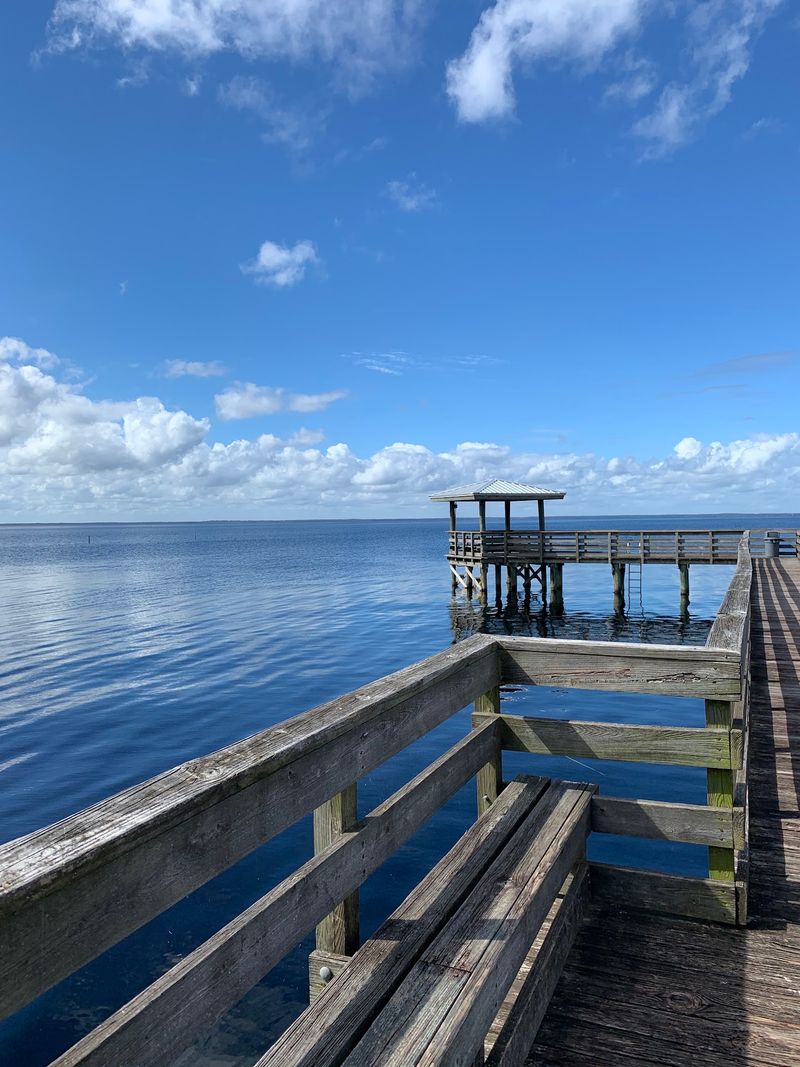
As the second-largest lake in Florida, Lake George spans over 46,000 acres between Volusia and Putnam Counties. This massive body of water is actually a wide section of the St. Johns River, and its size means that algae blooms here can affect a huge area. When health alerts go out for Lake George, thousands of people need to adjust their plans.
The lake has historically been a paradise for bass fishing, and tournaments still draw competitors from across the state. However, algae blooms have added a new layer of complexity to these events. Organizers now monitor water quality closely and sometimes have to reschedule or relocate competitions.
Recreational boaters face similar uncertainties when planning weekend trips.
One challenge with Lake George is that its connection to the St. Johns River means water quality can change rapidly as water flows through. A bloom might clear out in one area only to reappear days later when currents shift. The lake’s depth varies considerably too, with shallow areas more prone to algae growth than deeper sections.
Marinas around the lake post current conditions, and many offer water quality updates on their websites or social media pages. If you’re planning to visit, make those resources your first stop. Bring binoculars for wildlife watching from shore, and save the swimming for a pool or beach instead.
The lake’s natural beauty remains impressive even when you’re admiring it from the dock rather than diving in.
9. Georges Lake (Putnam County)
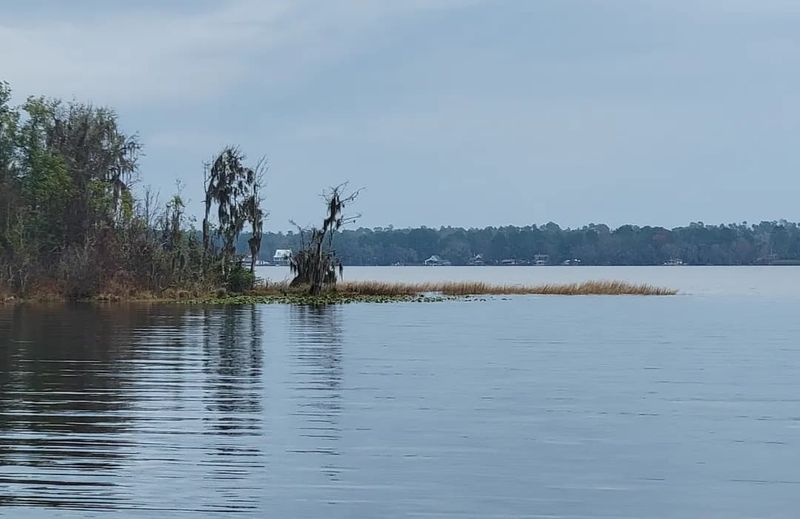
Not to be confused with its much larger neighbor Lake George, Georges Lake in Putnam County is a smaller, quieter spot that locals have cherished for years. The 557-acre lake has a more intimate feel, with residential areas mixed with natural shoreline. That residential development, though, contributes to the nutrient loading that fuels algae blooms.
Lawn fertilizers, pet waste, and failing septic systems all add phosphorus and nitrogen to the water. These nutrients act like fertilizer for algae, causing explosive growth when conditions are right. Georges Lake has experienced several significant blooms in recent years, prompting health warnings that have disappointed families who’ve made summer swimming traditions here.
The county has launched initiatives to help homeowners understand how their lawn care practices affect the lake. Rain gardens, native plant landscaping, and proper fertilizer application can all make a difference. Some neighborhoods have organized volunteer cleanup days to remove debris and prevent it from decomposing in the water.
While these community efforts are encouraging, results take time. For now, health officials continue to advise against swimming when blooms are present. Fishing is still possible with proper precautions, but always wash your hands before touching your face or eating.
Keep children and pets away from the water’s edge, especially if you notice any green discoloration or unusual odors. The lake has been here for thousands of years and will bounce back with proper care and patience.