An Entire Miami, Florida Neighborhood Refused to Let This Historic Building Disappear
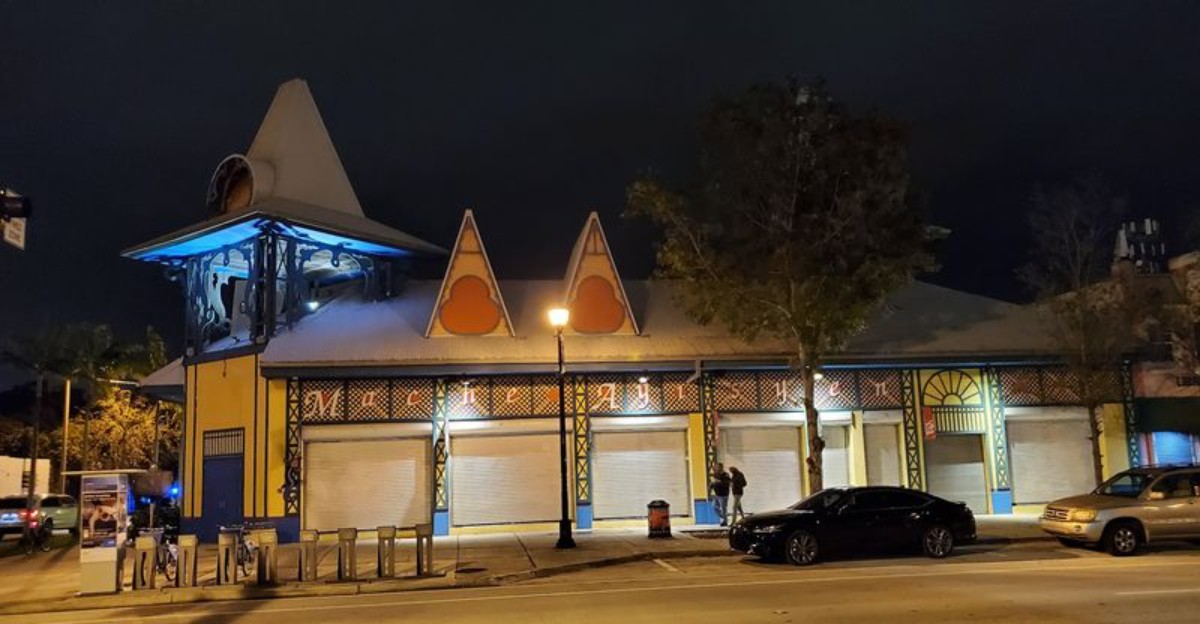
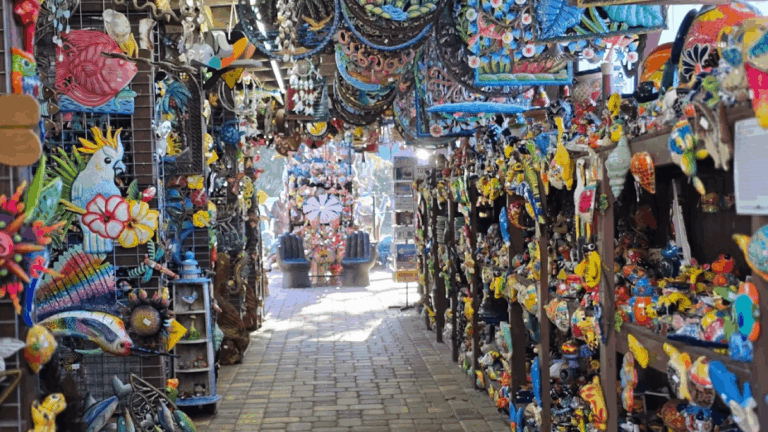
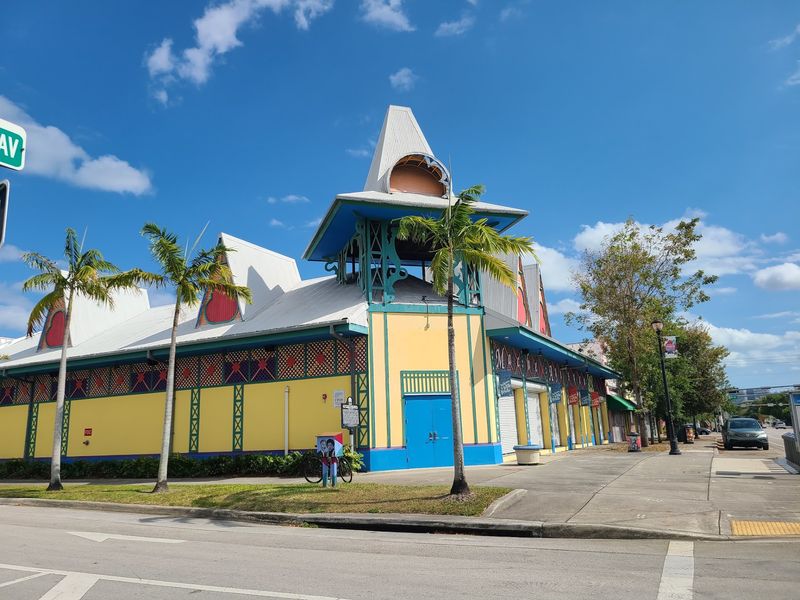
The Little Haiti Cultural Complex is more than an arts venue, it is one of Miami’s most important gathering places for Haitian and Afro-Caribbean culture. Its roots are closely tied to the neighborhood’s efforts to protect spaces that reflect its identity, history, and traditions. A key part of the complex is the Caribbean Marketplace, a colorful structure inspired by Port-au-Prince’s famed Iron Market.
When the City of Miami took control of the marketplace in 2005, demolition was considered, but local activists pushed back and helped preserve it. The adjoining cultural center later opened as part of a broader effort to create a lasting home for art, music, education, and community events in Little Haiti. Today, the complex hosts exhibitions, performances, workshops, festivals, and programs celebrating Afro-Caribbean culture.
More than 100,000 people visit or participate in activities there each year, according to the City of Miami. For visitors, the Little Haiti Cultural Complex offers something deeper than another sightseeing stop. It represents a neighborhood determined to preserve its cultural footprint in a rapidly changing city and a place where that history remains visible, active, and very much alive.
A Neighborhood Rallied to Save Their Cultural Heart
Back when developers started eyeing Little Haiti for redevelopment, residents knew they had to act fast. The building that would become the Cultural Complex was at risk of being torn down or transformed into something that had nothing to do with the Haitian community that called this neighborhood home. Local activists, artists, and everyday residents organized protests, attended city meetings, and made their voices impossible to ignore.
Their persistence paid off in ways nobody expected. The City of Miami listened and eventually transformed the space into an official cultural center dedicated to Afro-Caribbean arts. What could have been another casualty of gentrification became a protected space where Haitian culture could thrive for generations to come.
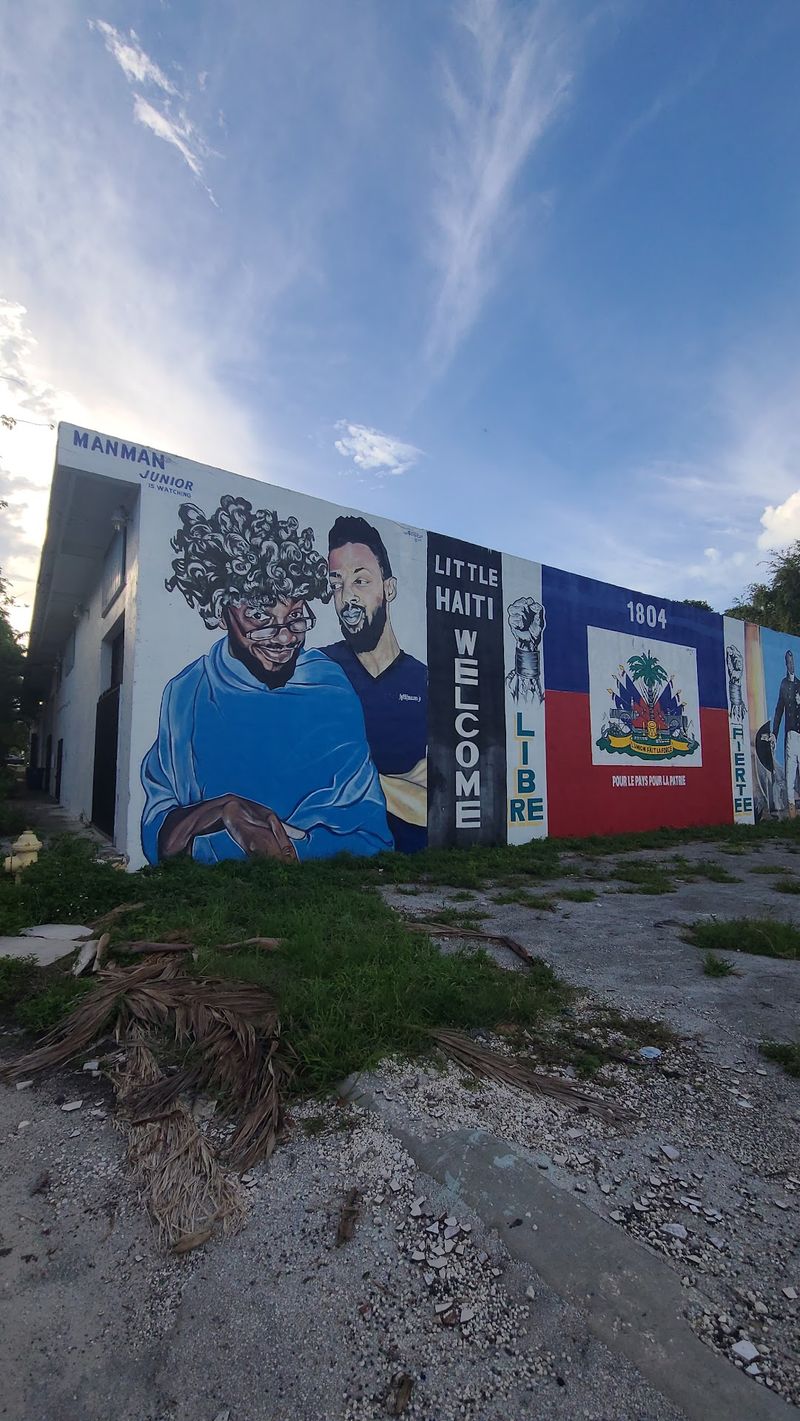
Walking through the complex today, you can feel that fighting spirit in every corner. The building itself tells a story of resistance and pride, with its walls covered in vibrant murals and its rooms filled with the sounds of Creole conversations and traditional music. It’s not just a museum or performance space – it’s a living reminder that communities have power when they stand together.
Visitors often mention the welcoming atmosphere that makes everyone feel like they belong there. Whether you’re Haitian, curious about the culture, or just wandering through Miami looking for something authentic, the staff treats you like family. That warmth didn’t happen by accident – it’s built into the foundation of a place that was literally saved by people who cared.
The complex operates Tuesday through Friday from 10 AM to 9 PM, Saturdays until 5 PM, and stays closed on Sundays and Mondays. Free admission makes it accessible to everyone, which was always part of the community’s vision. They didn’t fight to save this building just so it could sit behind expensive ticket gates.
Art Galleries That Change With Every Visit
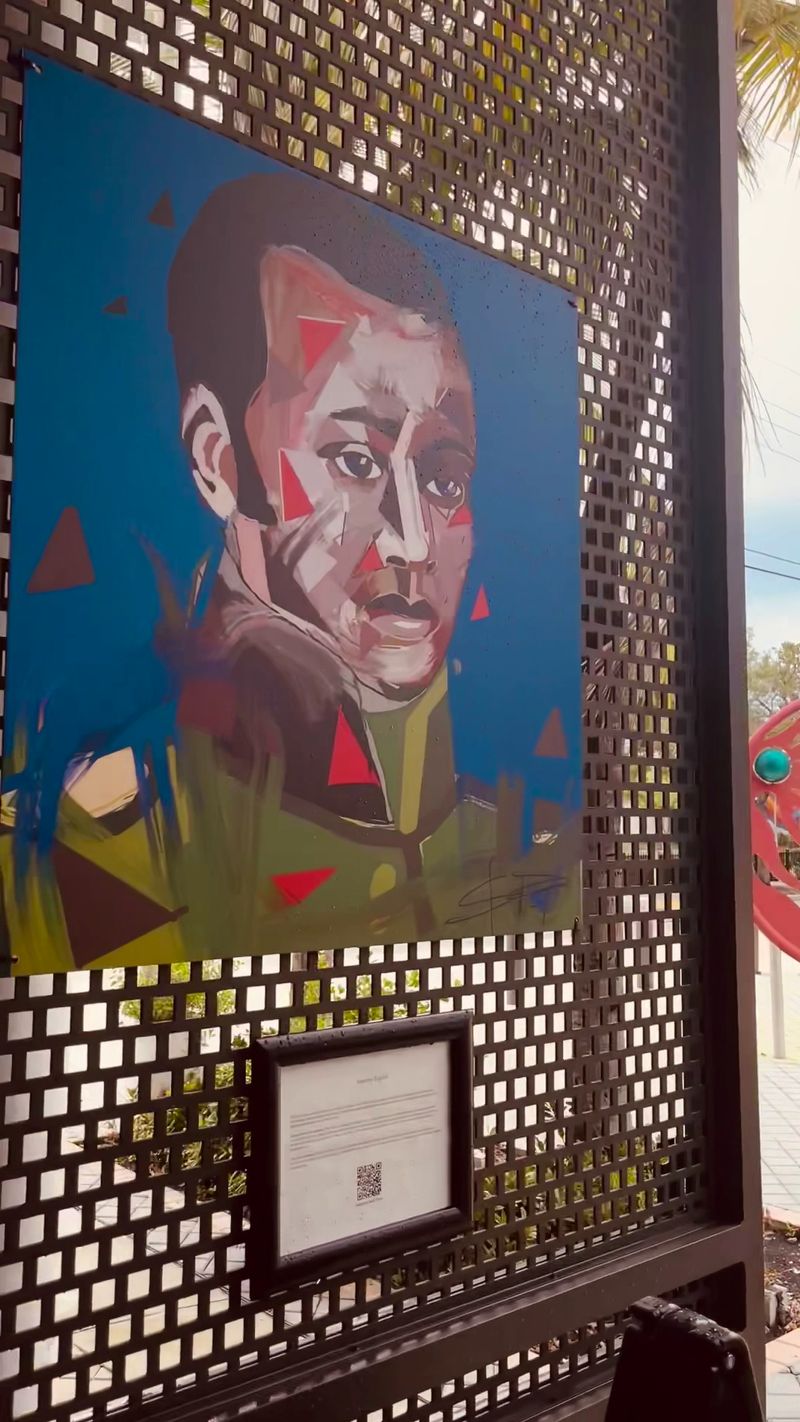
Step inside the galleries and you’ll quickly realize this isn’t your typical stuffy museum experience. The artwork rotates regularly, which means coming back in a few months guarantees you’ll see something completely different. One visit might showcase traditional Haitian paintings bursting with tropical colors and spiritual imagery, while your next trip could feature contemporary pieces from young artists pushing boundaries.
The curation strikes a perfect balance between honoring Haiti’s artistic traditions and celebrating modern innovation. You’ll find everything from intricate metalwork depicting vodou spirits to bold abstract paintings that challenge your perspective. Each piece carries stories – some about Haiti’s complex history, others about the immigrant experience in Miami, and many simply celebrating the joy and resilience of Haitian people.
What makes these galleries special is how they avoid the clinical feel of larger museums. The spaces feel intimate and personal, like walking through someone’s carefully curated collection rather than a corporate institution. You can actually get close to the artwork, read the stories behind each piece, and take your time without feeling rushed by crowds or judgmental guards.
During Art Basel week, the complex absolutely explodes with creativity. Multiple exhibitions run simultaneously, with live painting demonstrations, artist meet-and-greets, and panel discussions happening in every available space. It becomes the unofficial hub for artists and collectors looking for authentic Caribbean art away from the commercial madness of the main fair.
Even on quiet weekdays, you’ll often spot local artists stopping by for inspiration or students sketching in their notebooks. The galleries serve as both a showcase and a gathering place for Miami’s artistic community. Free admission means anyone can experience world-class art without worrying about ticket prices, which keeps the space accessible to the very community it represents.
Live Performances That Make the Walls Shake
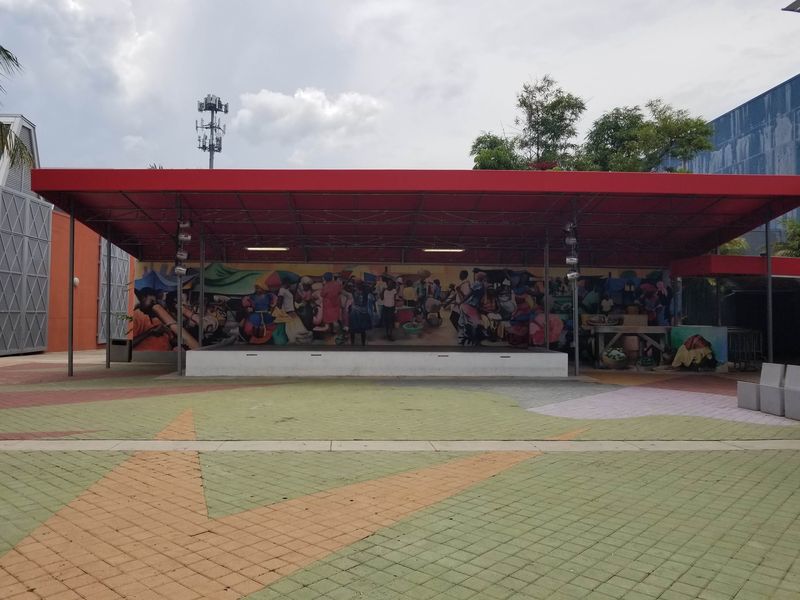
Nothing prepares you for the raw energy of a live drum circle at the Cultural Complex. The rhythms start slow, almost conversational, then build into something that makes your chest vibrate and your feet move without permission. These aren’t polished performances meant for tourists – they’re authentic expressions of Haitian musical traditions that have been passed down through generations, and the drummers play like their lives depend on it.
The complex regularly hosts performances by both internationally recognized Haitian artists and talented locals who deserve way more attention than they get. You might catch a traditional rara band one week, a contemporary dance troupe the next, and a theatrical production about Haitian history the week after that. The programming stays diverse enough that even regular visitors always find something new.
Theater performances hit differently in this space because the stories being told often reflect the lived experiences of people in the audience. Productions tackle everything from Haiti’s revolution to modern immigration struggles, mixing drama with music and dance in ways that keep you glued to your seat. The intimate venue means you’re never far from the action, and performers feed off that close connection with the crowd.
Independent Haitian films screen regularly, offering perspectives you won’t find in mainstream cinemas. These movies range from documentaries about Haiti’s environmental challenges to feature films exploring diaspora identity. Post-screening discussions often turn into passionate conversations about culture, politics, and what it means to maintain heritage while building new lives in America.
Music showcases bring in artists playing everything from traditional folk songs to modern konpa and zouk. The sound system delivers surprisingly good quality for a community center, and the acoustics work better than you’d expect. Shows typically happen in the evenings during the week, with special weekend events that can run late into the night.
Dance Classes Where Everyone Becomes Family
Saturday afternoons around 1 PM, the dance studio transforms into one of Miami’s most welcoming spaces. The konpa and traditional Haitian dance classes attract everyone from lifelong dancers to people with two left feet who just want to try something new. Instructors have this magical ability to make complicated moves feel achievable while keeping the energy light and fun rather than intimidating.
What strikes people most about these classes is how quickly strangers become friends. You’ll be struggling through hip movements one minute, laughing at yourself the next, and by the end of class, you’re exchanging phone numbers with people you just met. That sense of instant community happens because the classes focus on joy and cultural connection rather than perfection or competition.
The studio itself offers plenty of space to move without bumping into others, with quality speakers that pump out music at just the right volume. Mirrors line one wall so you can check your form, but the instructors encourage you to feel the rhythm more than worry about looking perfect. They teach the cultural context behind each movement, explaining how these dances connect to Haitian celebrations and traditions.
Classes run regularly throughout the week, with different styles and skill levels offered at various times. Beginners shouldn’t feel intimidated – the teachers excel at breaking down complex movements into manageable steps. They’ll repeat sequences as many times as needed and always offer modifications for different ability levels.
Plus, the other students tend to be incredibly supportive rather than judgmental.
After class, many people stick around to chat or head to nearby spots for fresh juice or Haitian street food. The dance classes have become social anchors for regulars who treat Saturday sessions like weekly reunions with friends. Some visitors mention these classes as their favorite Miami experience, ranking them higher than beaches or nightclubs because of the genuine human connection they offer.
Community Events That Celebrate Heritage Year-Round
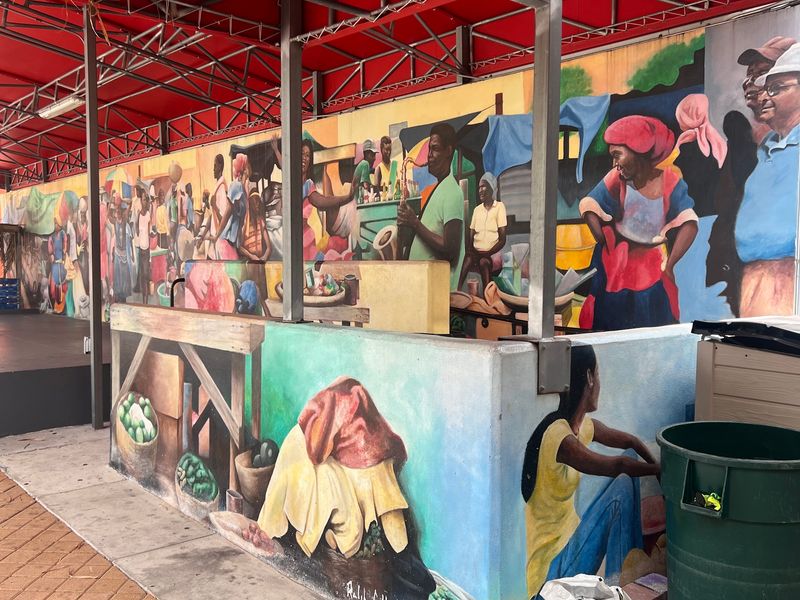
Haitian Flag Day weekend turns the Cultural Complex into the beating heart of Miami’s Haitian community. The celebration stretches across multiple days with food vendors serving up authentic dishes, live music filling the air, and people dressed in the blue and red of Haiti’s flag. The energy during these events feels electric, with multiple generations coming together to celebrate their shared heritage and introduce others to Haitian culture.
Throughout the year, the complex hosts events that range from intimate poetry readings to massive outdoor festivals. The programming stays intentionally diverse, making sure there’s something for kids, teenagers, adults, and elders. You might find a children’s cultural workshop happening in one room while a serious panel discussion about Haitian politics unfolds in another space down the hall.
Food trucks and vendors often set up during larger events, offering dishes you won’t find at typical Miami restaurants. The pate (savory fried pastries) get rave reviews from visitors who discover them for the first time, and the ladies serving them treat customers with genuine warmth. Even on regular days, you can sometimes catch vendors selling snacks or fresh juice near the entrance.
The complex functions as a genuine community center rather than just a performance venue. Graduation ceremonies, birthday parties, and cultural education programs all find a home here. Local organizations use the space for meetings and workshops, while families celebrate milestones in rooms decorated with Haitian art and surrounded by their community’s history.
Special events during Art Basel bring international attention, but the weekly programming matters just as much to locals. Free admission to most events removes financial barriers that might otherwise keep families away. The staff works hard to create an environment where everyone feels welcome regardless of whether they’re Haitian, part of the broader diaspora, or simply curious visitors wanting to learn and show respect.
Architecture That Tells Its Own Story
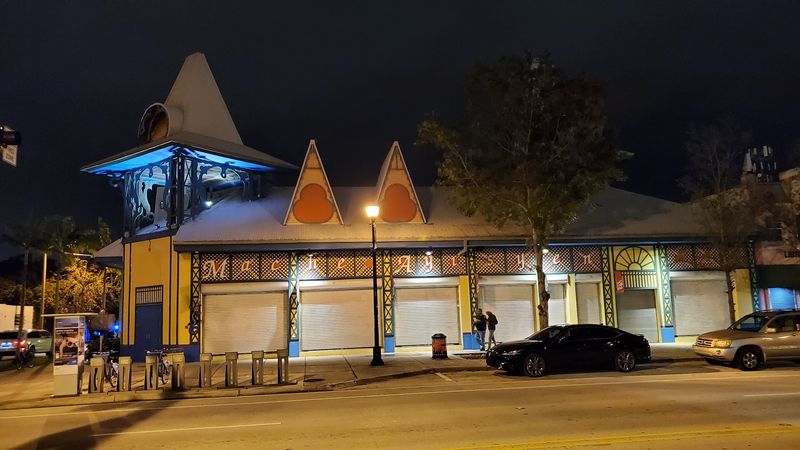
The building’s design itself deserves attention for how it blends function with cultural identity. Caribbean-influenced architecture creates spaces that feel both practical and meaningful, with outdoor areas that take advantage of Miami’s climate while providing shade from the intense sun. The layout encourages exploration, with different wings and levels revealing new spaces as you wander through the complex.
Murals cover many of the exterior and interior walls, transforming ordinary surfaces into canvases that tell stories about Haitian history and culture. Some pieces depict historical figures and revolutionary moments, while others showcase everyday life in Haiti or celebrate the contributions of the diaspora. These aren’t just decorations – they’re educational tools that spark conversations and help younger generations connect with their heritage.
The courtyard area serves multiple purposes depending on what’s happening that day. During quiet times, it offers a peaceful spot to sit and absorb the atmosphere. When events kick off, it transforms into a bustling marketplace or performance space with vendors, musicians, and crowds of people.
The flexibility of the design allows the complex to adapt to different needs without feeling cramped or chaotic.
Inside, the spaces maintain a balance between polished professionalism and comfortable accessibility. The dance studios feature proper flooring and equipment, the galleries provide appropriate lighting for artwork, and the theater spaces offer good sightlines from every seat. Yet nothing feels overly formal or intimidating – the design invites you in rather than keeping you at arm’s length.
Visitors consistently mention appreciating the small architectural details that show thought and care went into the building’s preservation and renovation. The combination of historical elements with modern updates creates a space that honors the past while serving present-day needs. It stands as physical proof that historic buildings can be saved and repurposed in ways that benefit entire communities rather than just wealthy developers.
A Hub That Connects Past, Present, and Future
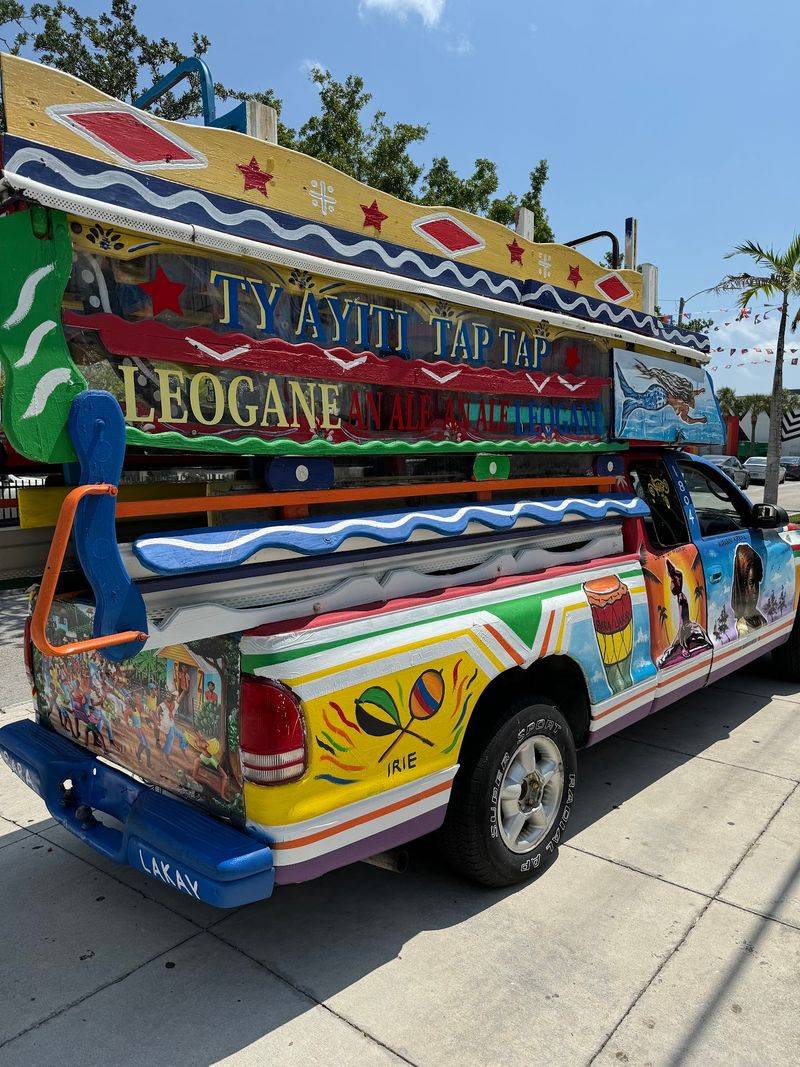
Watch kids run through the complex during a family event while their grandparents sit nearby sharing stories, and you’ll understand what makes this place truly special. The Cultural Complex serves as a bridge between generations, giving younger Haitian-Americans a tangible connection to their roots while providing elders a space where their knowledge and experiences are valued and preserved. That intergenerational exchange happens organically here in ways that feel increasingly rare in modern life.
Educational programs specifically target young people who might otherwise lose touch with their cultural heritage. Dance classes, art workshops, and history presentations give kids hands-on experiences with Haitian traditions rather than just reading about them in books. Teachers and program leaders understand they’re not just passing on skills – they’re helping shape identity and pride in young people navigating between two cultures.
For members of the diaspora visiting from other parts of the country or world, the complex offers a chance to reconnect with community and culture. Reviews frequently mention people feeling emotional during their visits, describing it as coming home or rediscovering parts of themselves they’d lost touch with. That emotional resonance speaks to how successfully the space fulfills its mission of cultural preservation and celebration.
The complex also serves as an introduction point for non-Haitian visitors curious about the culture. Staff and regular visitors welcome outsiders with patience and enthusiasm, happy to explain traditions, recommend local restaurants, or share personal stories. This openness helps break down barriers and builds understanding between different communities sharing Miami’s diverse landscape.
Looking ahead, the Cultural Complex represents a model for how cities can support immigrant communities and preserve cultural heritage. Its existence proves that development and cultural preservation don’t have to be enemies – with community advocacy and responsive government, both can coexist. The building that almost disappeared now stands as a blueprint for other neighborhoods fighting to maintain their identity amid rapid change.