This Completely Free Florida Historical Park Feels Like Stepping Into the 1800s
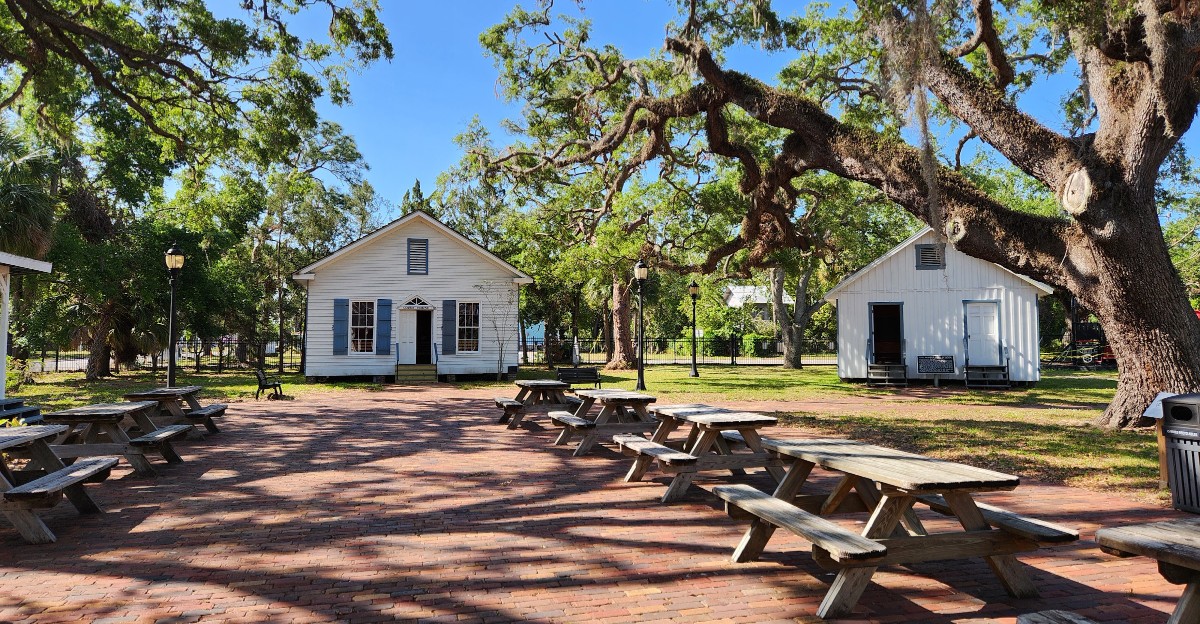
Manatee Village Historical Park offers visitors a chance to walk through authentic 1800s Florida without spending a dime. This beautifully preserved outdoor museum brings pioneer life to the present with restored buildings, original artifacts, and shaded pathways that transport you back in time. Whether you’re a history buff, a curious local, or a family looking for an educational adventure, this hidden gem delivers an experience that feels genuine, personal, and refreshingly real.
1. Florida’s Oldest Standing Courthouse
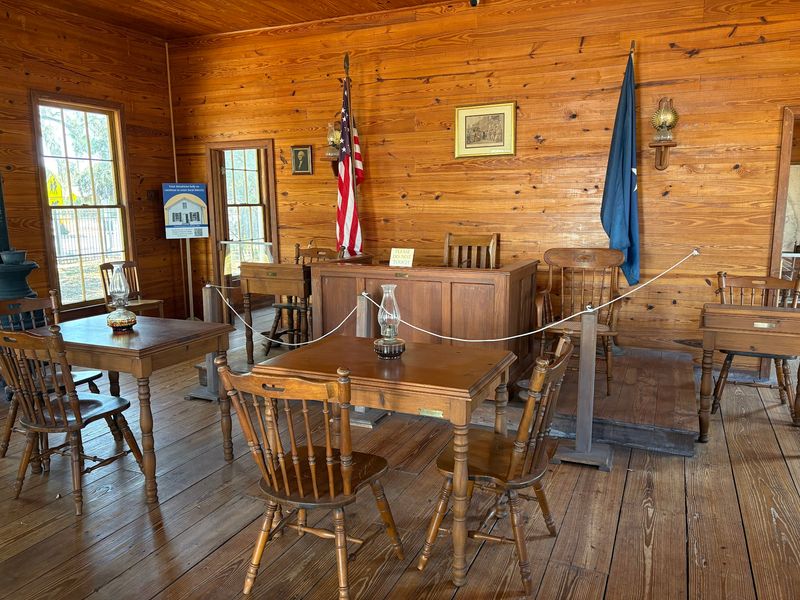
Built in 1860, this courthouse isn’t just old. It’s the oldest courthouse still standing in Florida, a survivor of wars, storms, and more than 160 years of change. Walking inside feels like interrupting a session that paused mid-sentence, with wooden benches, judge’s desk, and courtroom details all intact.
The building witnessed real decisions that shaped Manatee County’s early days. Land disputes, criminal cases, and civic debates all happened within these walls. You can almost hear the gavel echoing as you stand where pioneers once argued their cases before a frontier judge.
What makes this spot special is how carefully it’s been maintained. Nothing feels fake or overdone. The wooden floors creak underfoot, the windows let in natural light, and the atmosphere stays quiet and respectful.
Visitors often spend extra time here reading the informational plaques and imagining the gravity of frontier justice. Kids get a kick out of sitting in the judge’s chair for photos, while adults appreciate the craftsmanship and historical weight. This building anchors the entire village experience, reminding everyone that Florida’s past goes deeper than beaches and theme parks.
It’s a tangible connection to the people who built communities from scratch in an untamed landscape.
2. The One-Room Schoolhouse Experience
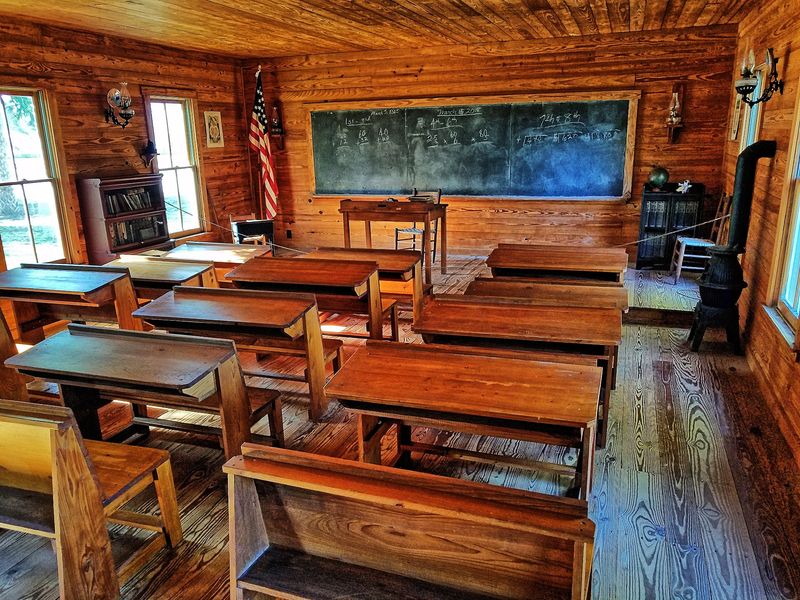
Step into this schoolhouse and you’ll immediately understand why kids back then didn’t complain about early morning classes. With wooden desks carved with decades of initials, a potbelly stove for heat, and slates instead of tablets, education looked wildly different in pioneer Florida. Every student, regardless of age, shared one room and one teacher.
The desks are small, the benches hard, and the chalkboard simple. Yet this setup educated generations of Manatee County children who grew up to become farmers, merchants, boat builders, and civic leaders. The room tells stories of spelling bees, multiplication drills, and lessons that happened by candlelight during shorter winter days.
Parents love bringing kids here because it sparks real conversations about gratitude and perspective. Modern students see firsthand what school looked like without air conditioning, computers, or cafeterias. The contrast makes an impression that no textbook chapter ever could.
Preserved details include original primers, writing slates, and teaching materials that show how basic supplies were. Visitors often comment on how peaceful and focused the space feels compared to today’s bustling classrooms. This building proves that good education doesn’t require fancy technology, just dedicated teachers and curious minds willing to learn together in whatever space they have.
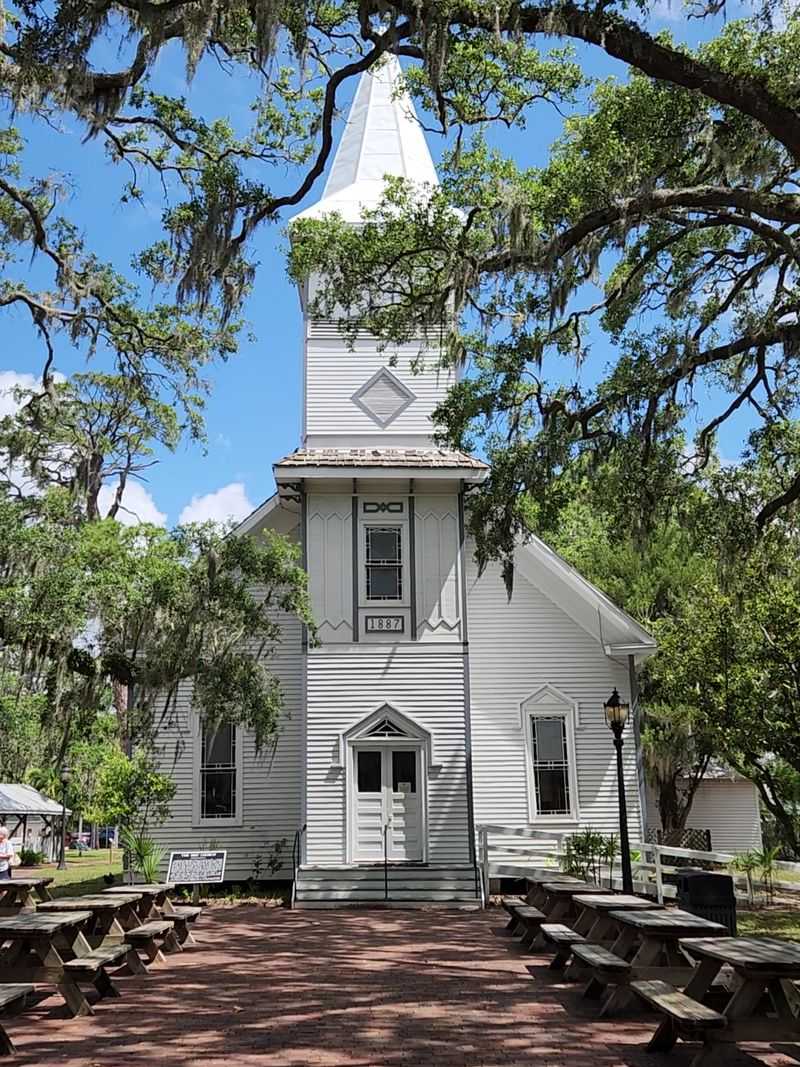
3. The 1887 Church Where Time Stands Still
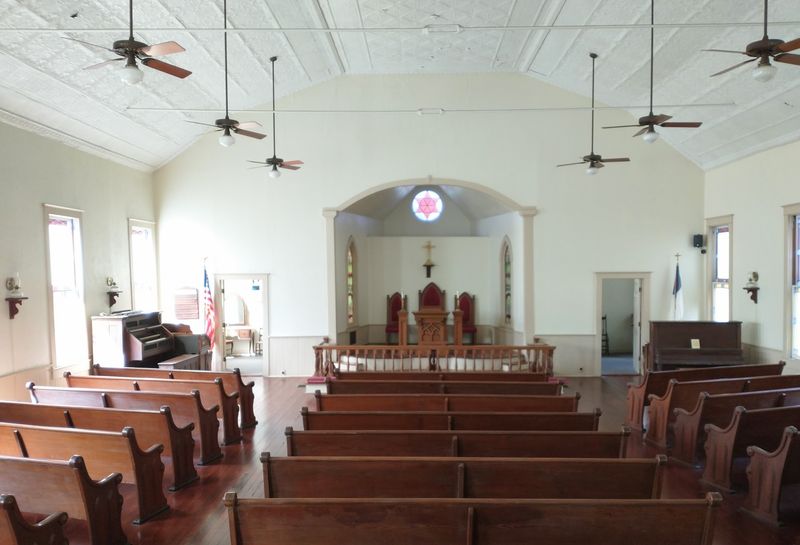
Churches in pioneer communities weren’t just places of worship. They were gathering spots, social hubs, and the heart of small-town life. This 1887 church captures all of that with stunning simplicity.
White walls, wooden pews worn smooth by generations, and stained glass windows that paint colored light across the floor create an atmosphere that feels sacred even to casual visitors.
The pews still bear the weight of Sunday services, weddings, and funerals that marked the rhythm of frontier existence. Families dressed in their best clothes, farmers took a break from dawn-to-dusk labor, and the community came together under one roof. The pulpit stands ready, hymnals rest in their holders, and the whole space invites quiet reflection.
Photographers love this building for its natural light and authentic details. The stained glass alone is worth the visit, casting patterns that shift throughout the day. Couples occasionally ask about hosting small ceremonies here, drawn to the genuine historical charm that no modern venue can replicate.
What strikes most visitors is how unpretentious everything feels. No grand columns or elaborate decorations, just honest craftsmanship and functional beauty. This church reminds us that community and faith thrived long before mega-churches and parking lot shuttles became the norm in Florida.
4. The Working Blacksmith Shop
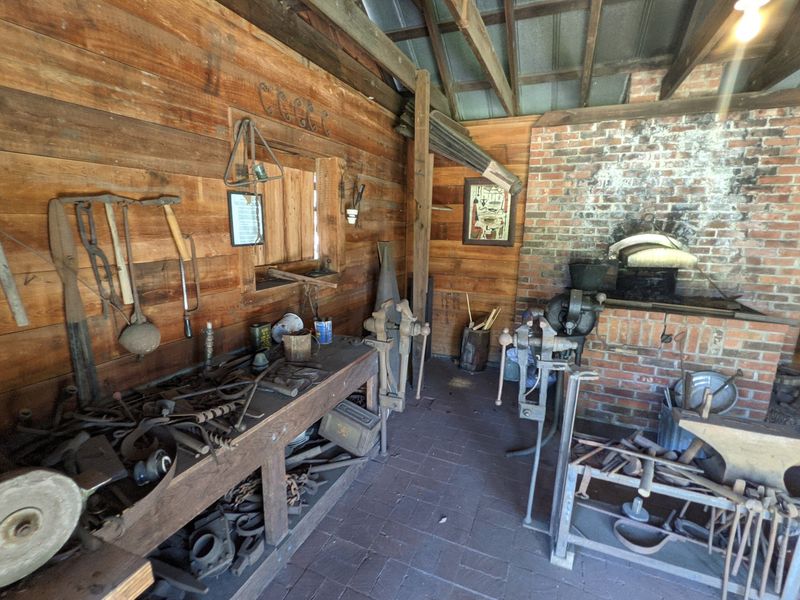
Forget everything you think you know about shopping for household items. In the 1800s, if you needed a tool, a horseshoe, or a hinge, you visited the blacksmith. This shop showcases the incredible skill and physical labor that went into creating everyday objects pioneers couldn’t just order online.
The forge, anvil, and wall of hand-forged tools tell stories of strength, precision, and craftsmanship. Blacksmiths weren’t just metalworkers. They were problem-solvers who could create anything a community needed, from farming implements to decorative ironwork.
The heat, noise, and sparks that filled this space made it one of the most vital businesses in any settlement.
Visitors often pause here longer than expected, studying the tools and trying to imagine the skill required to shape hot metal into functional items. Kids are fascinated by the bellows, adults by the finished pieces displayed throughout the shop. Occasionally, the park hosts live demonstrations where modern blacksmiths fire up the forge and show techniques that haven’t changed in centuries.
The workspace layout reveals how efficiently blacksmiths operated despite limited technology. Everything had its place, and nothing went to waste. This shop proves that innovation and ingenuity existed long before electricity, and that true craftsmanship requires talent that can’t be replaced by machines or mass production.
5. The General Store and Museum Upstairs
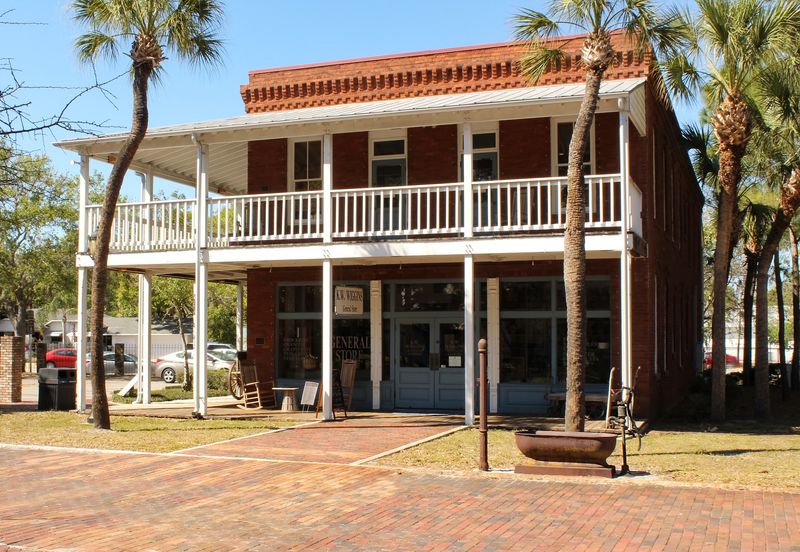
General stores were the Amazon of the 1800s, minus the two-day shipping. This building served as the community’s shopping center, post office, and social gathering spot all rolled into one. Shelves stocked with period products, an old cash register, and wooden barrels create an authentic atmosphere that makes you want to browse like customers did 150 years ago.
The store operated as more than just a retail space. It was where neighbors caught up on news, travelers asked for directions, and families stocked up on supplies that couldn’t be grown or made at home. The merchant knew everyone by name and often extended credit to farmers waiting on harvest season.
Upstairs, the museum section offers exhibits that expand on Manatee County’s history through photographs, documents, and artifacts. This is where the park’s story deepens, with displays covering everything from early settlers to the development of local industries. Many visitors call this their favorite stop because it provides context for all the other buildings.
The gift shop here offers locally-themed items, books about Florida history, and souvenirs that actually connect to what you’ve experienced. Staff members are knowledgeable and enthusiastic, often sharing stories that aren’t on any plaques. Starting your visit here makes sense because it sets the stage for understanding how all the village’s pieces fit together into a functioning pioneer community.
6. The Cracker House That Defines Florida Living
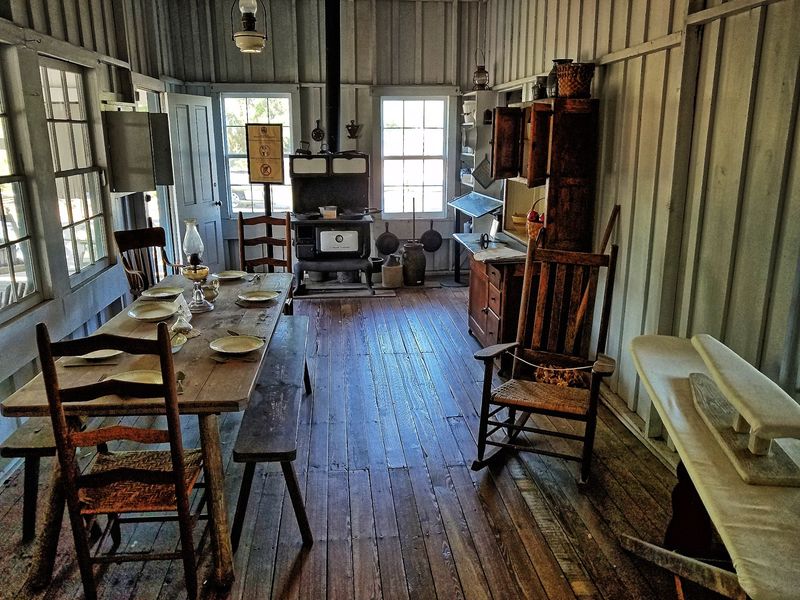
Before air conditioning made Florida summers bearable, pioneers designed homes specifically for survival in brutal heat and humidity. The Cracker house showcases this practical genius with features that kept families comfortable using nothing but clever architecture. Wide porches, high ceilings, and strategic window placement created cross-ventilation that modern HVAC systems try to replicate.
The name “Cracker” comes from the sound of whips used by Florida cattlemen, and these homes reflect the no-nonsense lifestyle of early settlers. Built from local pine, raised on posts to avoid flooding and pests, and designed with every detail serving a purpose, this house represents authentic Florida architecture before developers started building cookie-cutter subdivisions.
Walking through the rooms reveals how families lived with minimal possessions and maximum resourcefulness. The kitchen, bedrooms, and living spaces show period furniture and household items that tell stories of daily routines. Cooking happened on wood stoves, entertainment meant front porch conversations, and privacy was a luxury few enjoyed.
Visitors from other states often express surprise at how different pioneer life looked in Florida compared to western frontier towns or New England settlements. The tropical climate demanded different solutions, and this house proves that Florida pioneers were just as tough and innovative as their counterparts elsewhere. The structure’s survival also demonstrates quality craftsmanship that modern construction rarely matches.
7. The Boat Works Where Maritime Skills Thrived
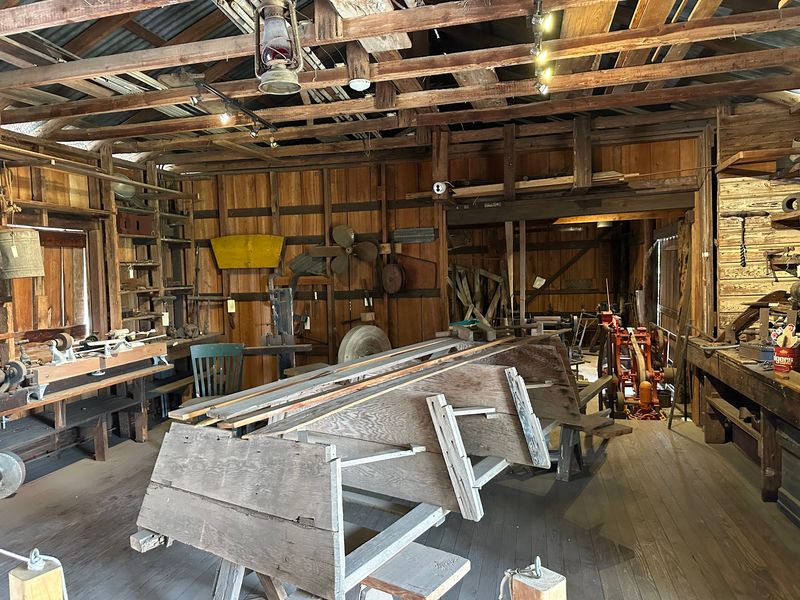
Florida’s early economy depended heavily on water. Rivers and coastal areas provided transportation, food, and commerce long before roads connected communities. The boat works building showcases the specialized skills required to build and repair the vessels that kept pioneer Florida moving.
Tools, workbenches, and partially constructed boats demonstrate craftsmanship that demanded years of apprenticeship to master.
Boat builders weren’t just carpenters. They understood wood grain, water dynamics, and structural integrity in ways that kept families safe on unpredictable waterways. Every curve, joint, and nail placement mattered when lives depended on a vessel’s seaworthiness.
The boats built here ranged from simple fishing skiffs to larger cargo boats that transported goods between settlements.
This building impresses visitors with its organized chaos of tools and materials. Planes, saws, clamps, and measuring devices hang ready for use, while wood shavings on the floor suggest work that paused just moments ago. The smell of aged wood and the presence of half-finished projects create an immersive experience that brings maritime history to life.
Many guests admit they never considered how essential boat-building was to Florida’s development. Without skilled craftsmen producing reliable vessels, communities would have remained isolated and commerce would have stalled. This workshop proves that Florida’s pioneer story includes maritime traditions just as rich as any coastal New England town, just with warmer water and different challenges to overcome.
8. The Historic Cemetery Connection
Just beyond the village sits a cemetery that completes the historical picture in the most personal way possible. With permission from staff, visitors can walk among headstones marking the final resting places of the very people who built, worshipped, and worked in the buildings you just explored. Names on gravestones match names in courthouse records and church registers, creating connections that make history feel less like facts and more like family stories.
The cemetery grounds feature weathered markers, some barely legible after 150 years of Florida weather. Spanish moss drapes from oak trees, creating a peaceful atmosphere that invites reflection rather than sadness. Reading the stones reveals hard truths about pioneer life, including infant mortality, short lifespans, and entire families lost to disease or accidents that modern medicine easily prevents.
Genealogy enthusiasts and history researchers find this cemetery invaluable for tracing local family lines and understanding settlement patterns. Photographers appreciate the natural beauty and historical authenticity that makes for compelling images. Regular visitors often mention feeling grateful for the lives these pioneers lived and the foundation they laid for modern Manatee County.
This addition to your visit transforms the experience from observing old buildings to honoring real people who faced genuine struggles. The cemetery reminds us that history isn’t abstract. It’s made of individual lives, choices, sacrifices, and dreams that echo forward through generations, shaping the Florida we know today in ways we rarely stop to consider.