Explore Millions of Years of Florida History at This Ancient Coral Quarry in the Keys
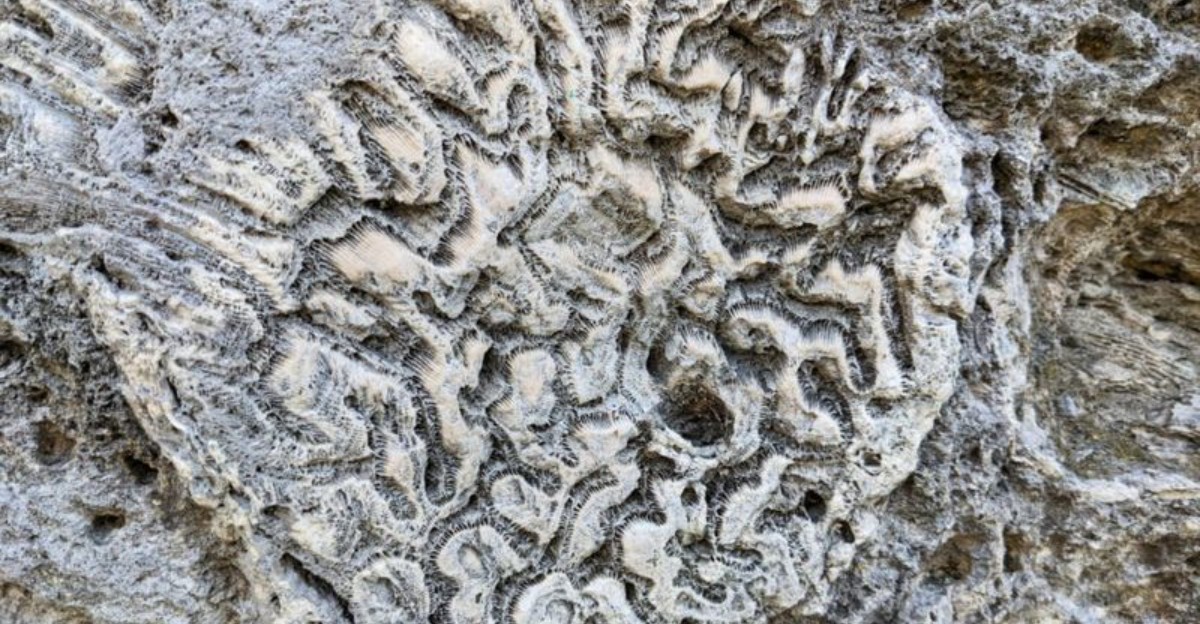
Hidden along the Overseas Highway in Islamorada sits a place where you can literally walk through millions of years of ancient ocean history. Windley Key Fossil Reef Geological State Park isn’t your typical Florida beach destination. Instead of sandy shores, you’ll find towering quarry walls carved with intricate coral fossils from a time when this land rested beneath a prehistoric sea.
This unexpected gem offers visitors a chance to touch the past and discover how Henry Flagler’s railroad builders transformed an ancient reef into the building blocks of the Florida Keys.
1. Ancient Coral Fossils Frozen in Time
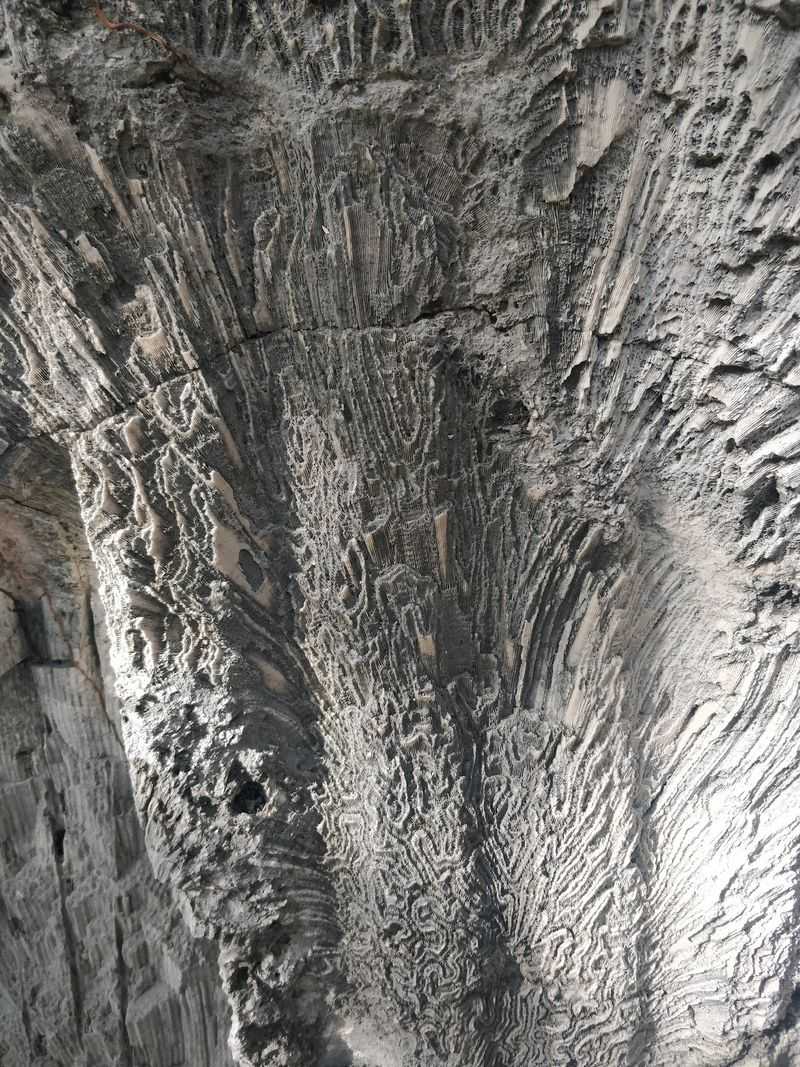
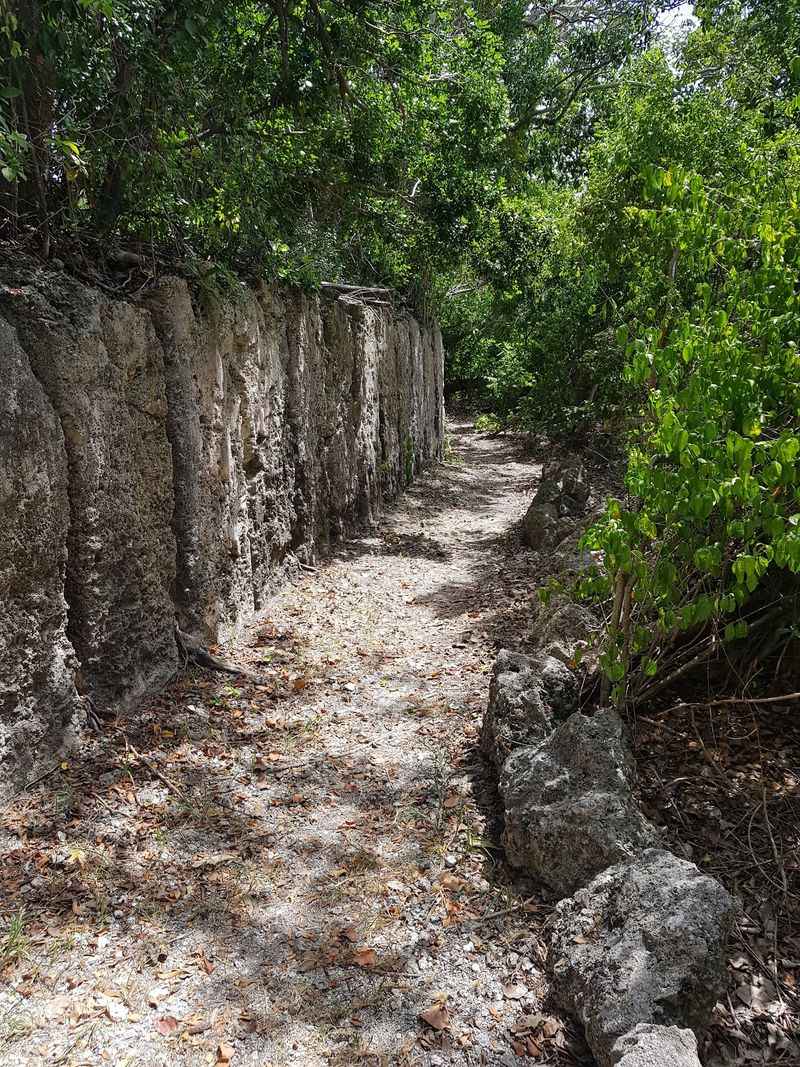
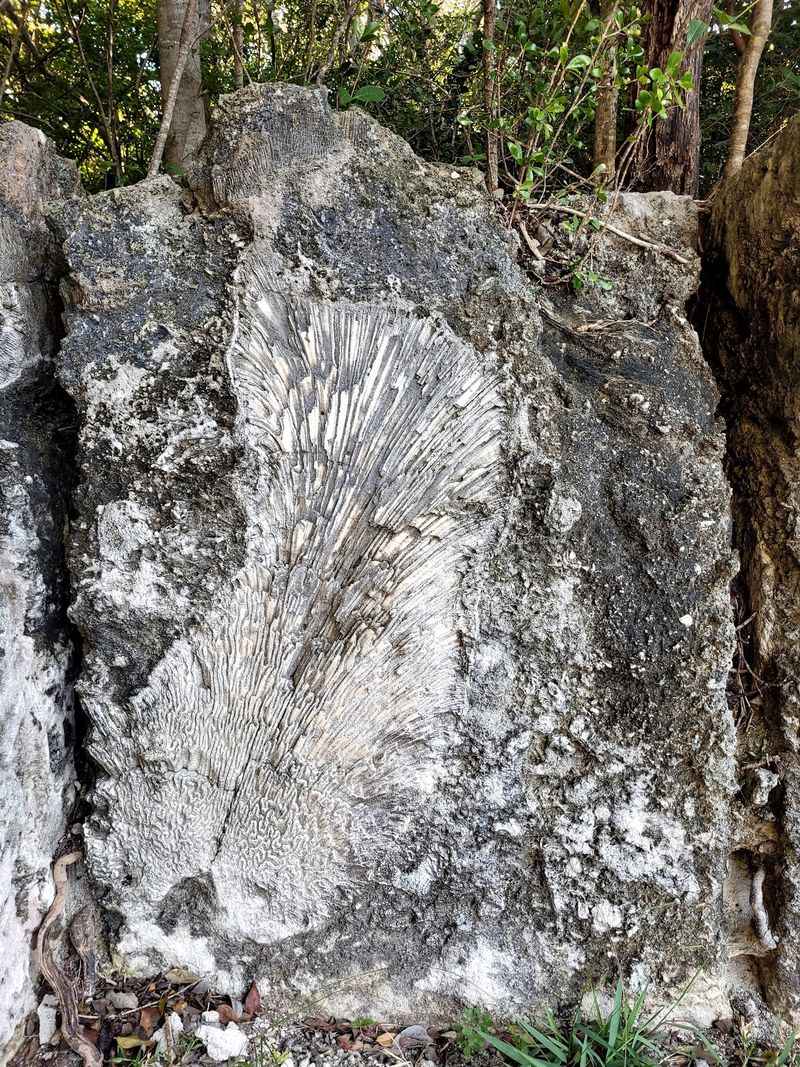
Walking among the quarry walls feels like stepping into a natural museum where every surface tells a story. The limestone here formed roughly 125,000 years ago when sea levels were higher and coral reefs thrived where dry land exists today. As you trace your fingers across the stone faces, you’ll spot brain coral patterns, elkhorn shapes, and countless other reef dwellers preserved in stunning detail.
What makes this site truly special is how accessible these fossils are. Unlike museum displays behind glass, you can get close enough to examine the tiny chambers where ancient polyps once lived. The cutting process used by quarry workers actually revealed cross-sections that scientists rarely see, making this one of the best places in Florida to study fossil reefs.
Kids especially love the treasure-hunt aspect of fossil spotting. Each walk reveals something new since the patterns vary dramatically from wall to wall. Some sections show massive coral heads while others display delicate branch formations.
Bring your camera because the textures and shadows create incredible photo opportunities, especially in morning or late afternoon light. Rangers can point out particularly impressive specimens if you ask at the visitor center.
2. Flagler’s Railroad Quarry Operations
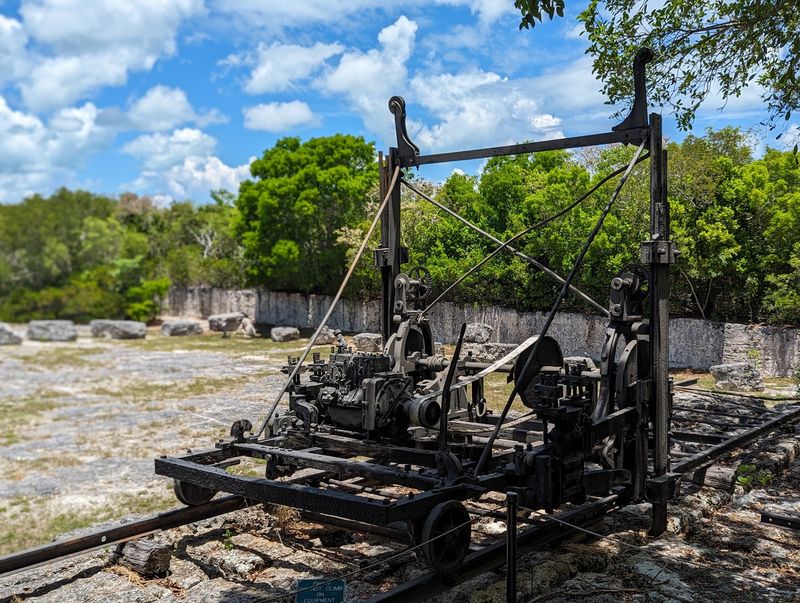
Before this became a state park, it served as the backbone of one of America’s most ambitious engineering projects. When Henry Flagler decided to extend his railroad all the way to Key West in the early 1900s, he needed massive amounts of durable building material. The fossilized coral limestone at Windley Key proved perfect for the job, and quarrying operations ran from 1908 through the 1960s.
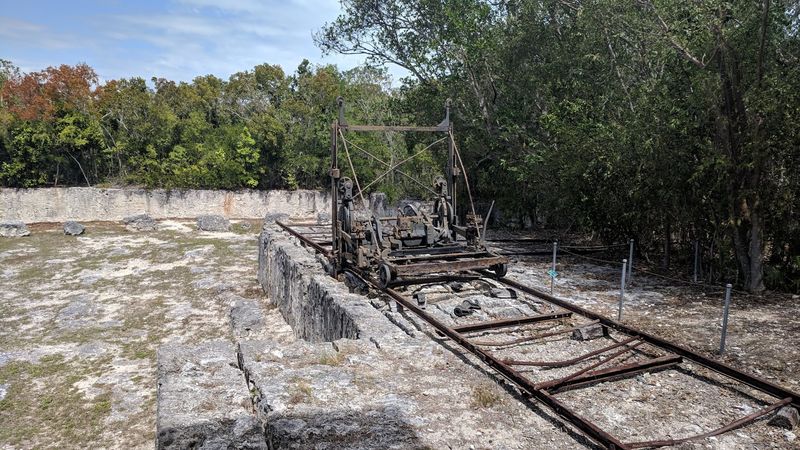
Scattered throughout the park, you’ll find rusting remnants of the industrial past. Old derricks, cables, and cutting equipment sit exactly where workers left them decades ago. These artifacts aren’t roped off or hidden away but integrated into the trails, creating an outdoor industrial museum that brings history to life.
The quarry supplied stone for railroad bridges, building foundations, and decorative elements throughout the Keys. If you look at older structures in Islamorada, there’s a good chance they contain rock from this very spot. Even the park’s visitor center walls showcase the distinctive keystone with its fossil patterns clearly visible.
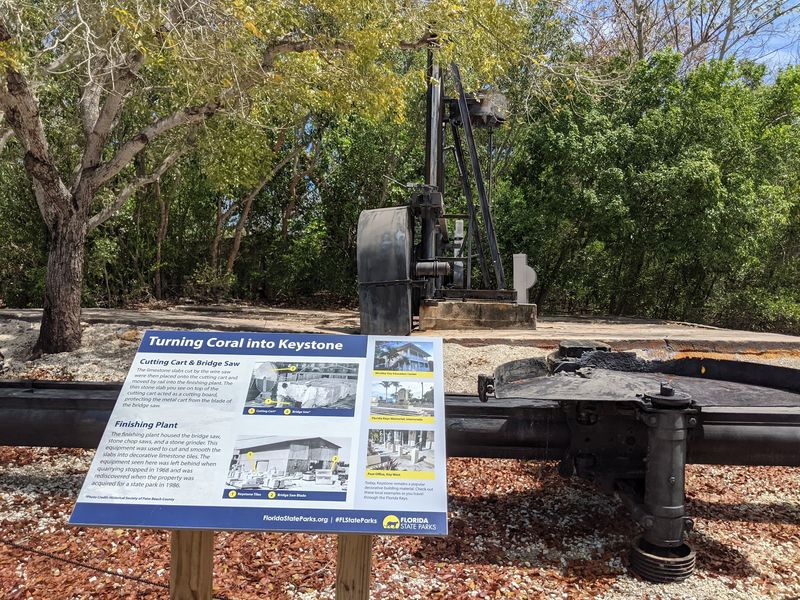
Information markers explain how workers cut the stone using hand tools and steam-powered equipment. It’s humbling to imagine the physical labor involved in extracting these massive blocks before modern machinery existed.
3. Self-Guided Nature Trails Through Tropical Hammock
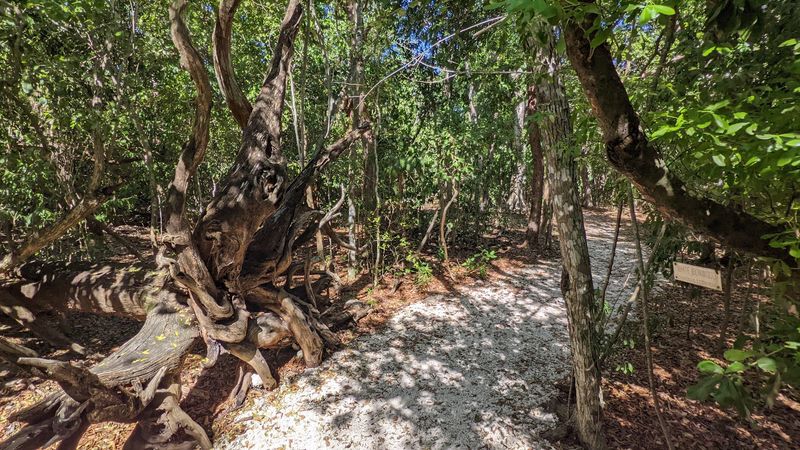
The park offers over a mile of interconnected trails that wind through a lush tropical hardwood hammock. Unlike the exposed quarry areas, these paths provide cool shade under a dense canopy of native trees. It’s a welcome respite from the typical Keys sunshine and gives you a completely different perspective on the park’s ecosystems.
Rangers provide free guidebooks at the entrance that correspond with numbered markers along the trails. Each station identifies specific tree species and explains their role in the Keys environment. You’ll learn to recognize poisonwood trees (and avoid them), spot gumbo limbo with its peeling red bark, and understand why certain plants thrive in this unique limestone-based habitat.
The trails vary in difficulty, though none are particularly challenging. Pea gravel surfaces make walking easier, though some areas cross natural rock that requires watching your footing. Families with young children handle the routes just fine, and leashed dogs are welcome to join the adventure.
Bird watchers should bring binoculars since the hammock attracts numerous species. Lizards dart across the paths, and if you visit during cooler months, you might spot iguanas basking in sunny patches. The numbered guide system turns a simple walk into an educational experience without feeling like a classroom lesson.
4. Unbeatable Value at $2.50 Per Person
In a region known for pricey tourist attractions, Windley Key stands out for its incredibly reasonable entrance fee. At just $2.50 per person, it’s hands-down one of the best bargains in the Florida Keys. Many visitors express surprise that such a unique geological site and well-maintained facility costs less than a cup of coffee.
The honor system operates on days when rangers aren’t staffing the entrance. A collection box lets you pay your fee and explore at your own pace, reflecting the trust-based community spirit that makes Florida’s state parks special. Even on staffed days, rangers greet visitors warmly and provide helpful orientation without any pressure to buy extras.
Your admission includes access to all trails, the visitor center exhibits, clean restrooms, and the loan of educational guidebooks. The park also offers inexpensive bug spray wipes for a dollar, which many visitors call a lifesaver during mosquito season. Compared to other Keys attractions that charge $20 or more, this represents exceptional value for families or budget-conscious travelers.
The park accepts cash and cards, making payment convenient. Annual Florida State Parks passes work here too, offering even more savings for frequent visitors. It’s refreshing to find a place that prioritizes accessibility over profit while maintaining high-quality facilities and programming.
5. Educational Programs and Ranger-Led Tours
While self-guided exploration works wonderfully, joining a ranger-led program takes your visit to another level. The park staff members are genuinely passionate about geology, ecology, and local history, and their enthusiasm proves contagious. Multiple visitors mention rangers by name in reviews, praising their knowledge and engaging presentation styles.
Guided tours dive deeper into how the fossil reef formed, what the ancient Keys looked like, and why this particular site matters scientifically. Rangers point out details you’d likely miss on your own, like specific fossil species or subtle geological features. They also share stories about the quarry operations and Flagler’s railroad that bring the industrial history alive.
The programs adapt well to different age groups. Kids get hands-on learning opportunities without boring lectures, while adults appreciate the scientific accuracy and historical context. Rangers field questions enthusiastically and often tailor information to visitor interests, whether that’s marine biology, engineering history, or native plants.
Tour schedules vary, so calling ahead ensures you don’t miss opportunities. Even without a formal tour, rangers stationed at the visitor center happily answer questions and provide recommendations. Their genuine care for the park and its visitors creates a welcoming atmosphere that enhances every visit, regardless of your background knowledge.
6. Wildlife Encounters in an Urban Oasis
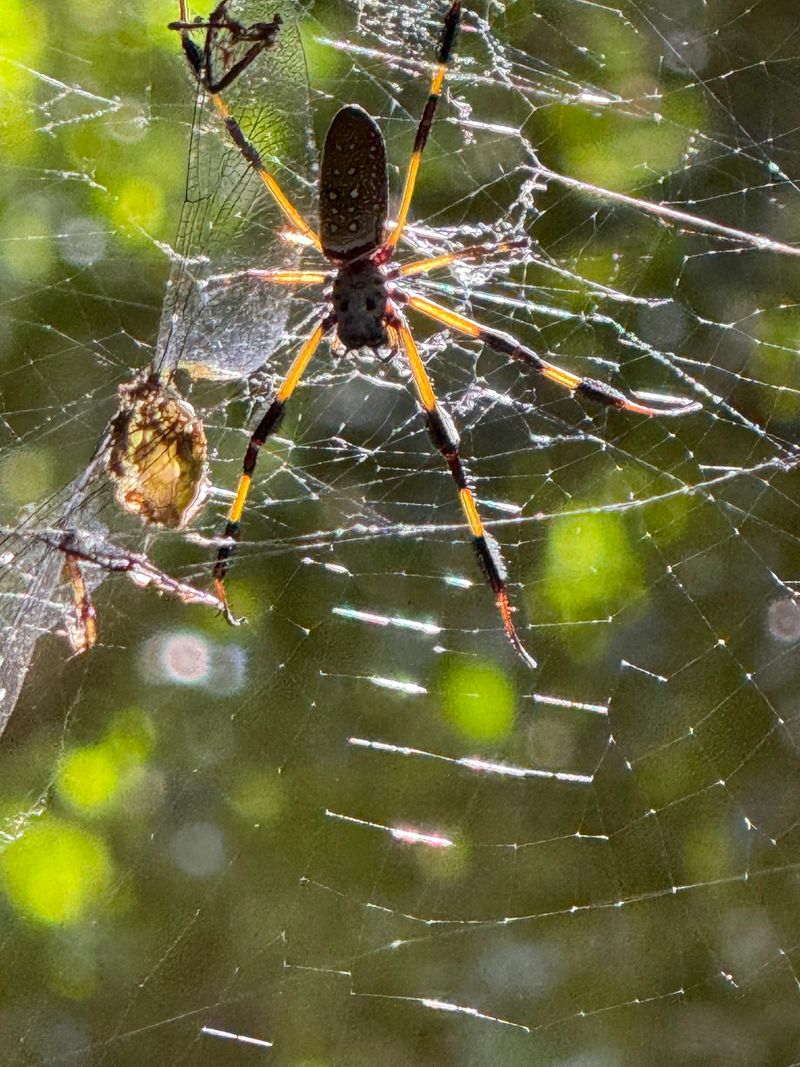
Despite its roadside location along busy Highway 1, the park functions as a wildlife refuge where numerous species thrive. The combination of tropical hammock, open quarry areas, and minimal human disturbance creates diverse habitats that support both native and introduced animals. Every visit brings potential for unexpected encounters.
Lizards are everywhere, darting across paths and basking on sun-warmed rocks. Anole species display their colorful throat fans, while larger iguanas browse vegetation throughout the park. One memorable visitor story describes rescuing a cold-stunned iguana on a chilly morning, carefully warming it until the reptile could return safely to the forest.
Bird species use the hammock canopy for feeding and nesting. Patient observers spot colorful warblers, woodpeckers, and resident species adapted to Keys environments. The shaded trails offer excellent opportunities for quiet wildlife watching if you move slowly and listen carefully.
Spider webs stretch across some trail sections, particularly in early morning before other visitors pass through. While some find this unsettling, these arachnids play important roles in controlling insect populations. The park represents a functioning ecosystem, not a sanitized attraction, which means sharing space with creatures that call this home.
Rangers emphasize respecting wildlife by observing from appropriate distances and never feeding or harassing animals.
7. Perfect Stop on Your Keys Road Trip
Located directly on the Overseas Highway at mile marker 85, Windley Key couldn’t be more convenient for travelers heading up or down the Keys. Many visitors admit they’d driven past countless times without realizing this hidden gem existed. Once discovered, it becomes a must-stop destination that breaks up the drive with something genuinely different from typical beach and water activities.
The park works perfectly for various trip schedules. Quick visitors can walk the main quarry loop and see highlights in 45 minutes. Those with more time easily spend two hours exploring every trail and reading all the educational markers.
Either way, you’ll leave feeling you experienced something special rather than just another roadside attraction.
The location in Islamorada means you’re near restaurants, shops, and other Keys destinations. Some visitors combine their park trip with lunch at local eateries or visits to nearby state parks like Lignumvitae Key or Indian Key. The central Keys position makes it accessible whether you’re staying in Key Largo, Marathon, or anywhere between.
Ample parking accommodates RVs and larger vehicles, important since many Keys destinations struggle with limited space. Clean facilities including air-conditioned restrooms and water bottle filling stations make this a comfortable rest stop even on hot days. It’s the kind of place that exceeds expectations and leaves you eager to recommend it.
8. Hands-On Geology Lesson for All Ages
Forget stuffy museum exhibits where everything sits behind glass. Windley Key offers tactile learning experiences that engage visitors of all ages. Kids especially thrive here because they can touch, explore, and discover at their own pace.
Running fingers over fossil patterns creates connections that textbooks never achieve.
The exposed quarry walls function as three-dimensional textbooks showing geological processes in action. You’ll see how sediment layers formed, how coral reefs grew upward toward sunlight, and how tectonic forces lifted ancient seafloor above water. These concepts make sense when you’re standing in the middle of the evidence rather than reading abstract descriptions.
Teachers often bring student groups here for field trips that bring science curriculum alive. Homeschool families find it invaluable for hands-on geology, ecology, and history lessons. Even adults without scientific backgrounds come away with deeper understanding of how Florida’s landscape formed and continues changing.
The self-paced nature means everyone learns at their comfort level. Young children enjoy the treasure hunt aspect of finding different fossil shapes. Older students appreciate the scientific accuracy of information provided.
Adults value the opportunity to satisfy curiosity without feeling talked down to or overwhelmed with jargon.
It’s educational in the best possible way, sparking wonder and questions rather than just delivering facts.