9 Florida Towns That Look Completely Different Than They Did 5 Years Ago
Florida’s growth explosion has completely reshaped some of its smaller towns in ways that longtime residents barely recognize. What were once quiet, slow-paced communities have transformed into bustling hubs filled with new neighborhoods, shopping centers, and modern amenities. These nine towns have experienced some of the most dramatic makeovers in the entire state, trading their old-Florida charm for rapid development that’s changing the landscape almost overnight.
1. Davenport
Construction cranes have become a permanent fixture in Davenport’s skyline. This once-sleepy town west of Orlando has exploded with new home communities, transforming cattle pastures and orange groves into sprawling subdivisions almost overnight.
The Champions Gate area alone has added thousands of homes, many designed as short-term vacation rentals that cater to Disney-bound tourists. What used to be a quick drive through farmland now means navigating traffic lights and roundabouts every few hundred feet.
New shopping plazas have popped up along US-27, bringing chain restaurants and big-box stores that simply didn’t exist here half a decade ago. The town’s population has swelled as families from across the country discovered they could buy larger homes here for less money than closer to Orlando’s theme parks.
Old-timers remember when Davenport felt like a genuine small town where everyone knew each other. Now it’s essentially become an extension of the Orlando metro area, complete with all the growing pains that come with rapid expansion.
The school system has struggled to keep pace, adding portable classrooms while new schools are under construction. Roads that were perfectly adequate five years ago now feel hopelessly outdated for the volume of traffic they carry daily.
2. Haines City
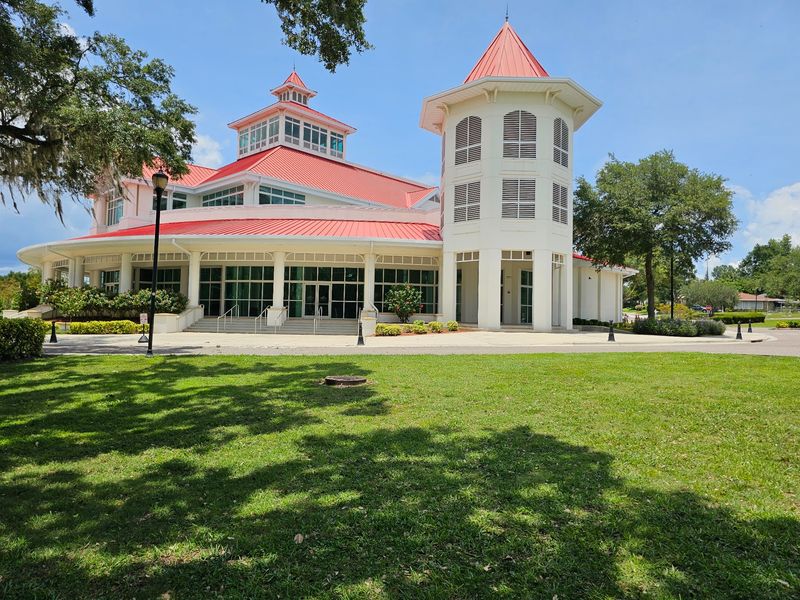
Haines City has reinvented itself as a logistics powerhouse practically overnight. Massive distribution centers for companies like Amazon and Chewy have transformed the town’s economy and landscape, replacing citrus groves with million-square-foot warehouses that operate around the clock.
The town’s downtown has received a major facelift, with restored historic buildings now housing trendy restaurants and shops. What was once a somewhat neglected Main Street now draws visitors on weekends, a stark contrast to the nearly deserted sidewalks of just a few years ago.
Residential growth has followed the jobs, with new neighborhoods spreading in every direction. Young families and retirees alike have discovered Haines City offers affordability while staying close to major employment centers and Interstate 4 access.
The addition of a massive sports complex has put Haines City on the map for tournament travel. Youth sports teams from across the Southeast now descend on the town for weekend competitions, filling hotels and restaurants that didn’t exist in 2019.
Traffic patterns have completely changed, with US-27 widening projects trying to keep pace with increased commercial truck traffic. What used to be a quiet agricultural community now hums with industrial activity and suburban sprawl that shows no signs of slowing down anytime soon.
3. Leesburg
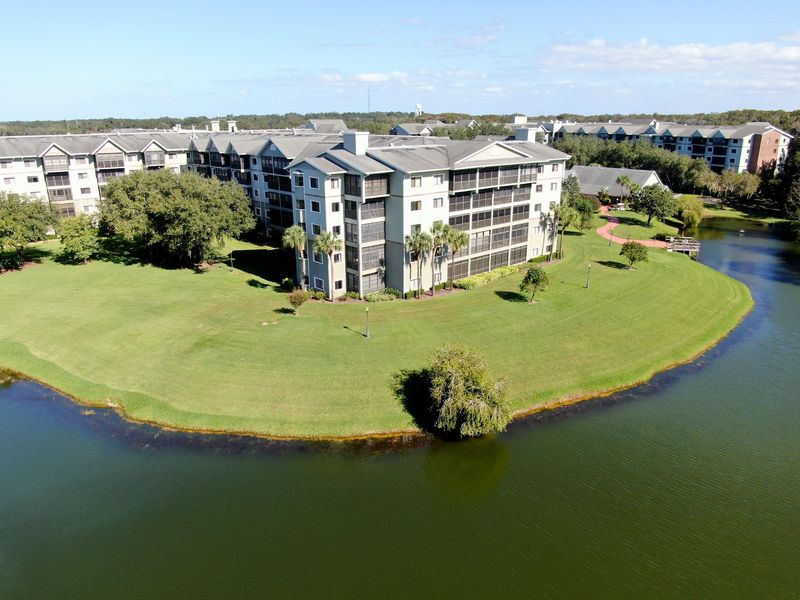
Leesburg’s transformation centers around its beautiful lakefront, which has become a magnet for upscale development. The Venetian Gardens area has been completely reimagined with new walking paths, event spaces, and waterfront dining that attracts crowds from across Lake County.
New residential communities have sprouted up around the town’s many lakes, with developers capitalizing on waterfront property that was largely undeveloped five years ago. Home prices have skyrocketed as people discover Leesburg offers lake living without the premium price tags of more established waterfront towns.
The downtown district has experienced a renaissance, with empty storefronts now occupied by craft breweries, farm-to-table restaurants, and boutique shops. Weekend farmers markets and festivals draw visitors who previously had no reason to stop in Leesburg on their way to somewhere else.
Major retailers have finally discovered the town, bringing shopping options that locals previously had to drive to Orlando or Ocala to access. The commercial corridor along US-441 looks completely different than it did in 2019, with new shopping centers seemingly opening every few months.
The Villages’ continued expansion to the north has pushed growth southward into Leesburg, bringing both opportunity and challenges. Infrastructure improvements are racing to catch up with the population boom that’s transforming this historic town into a modern suburban center.
4. Groveland
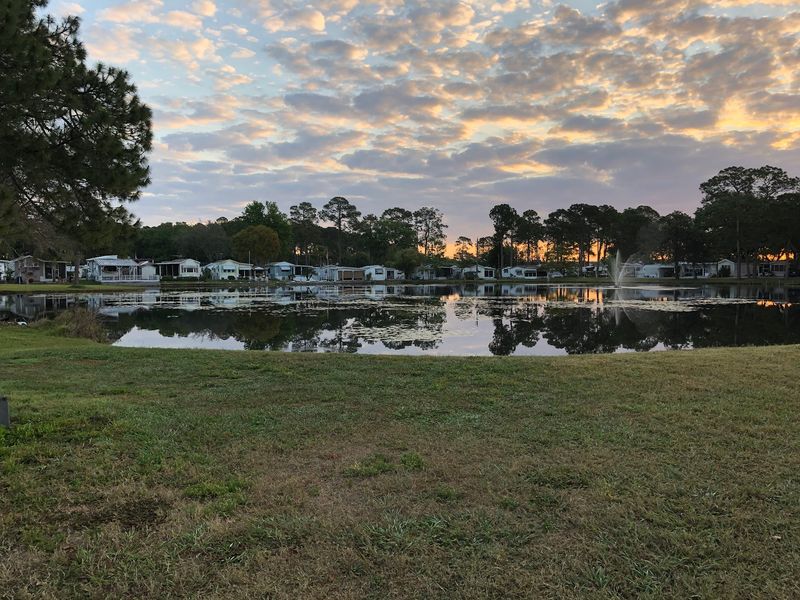
Groveland has gone from a blink-and-you-miss-it town to one of Florida’s fastest-growing communities. The opening of SR-429 changed everything, suddenly making this once-remote town an easy commute to Orlando’s job centers and bringing waves of development that have completely altered the landscape.
Massive master-planned communities like Trilogy have brought thousands of new residents, most of them retirees from up north seeking Florida sunshine and resort-style amenities. These communities are essentially self-contained towns within the town, complete with golf courses, pools, and clubhouses that rival luxury resorts.
The historic downtown area has maintained some old-Florida charm, but it’s now surrounded by modern sprawl. New shopping centers, medical facilities, and restaurants have transformed State Road 50 into a busy commercial corridor that bears little resemblance to the quiet highway it was five years ago.
Lake David has become a focal point for recreation and development, with new parks and waterfront access drawing families on weekends. What was once primarily private property has opened up for public enjoyment, changing how residents interact with the town’s natural beauty.
Schools have struggled to accommodate the influx of students, with portable classrooms dotting campuses while permanent facilities are planned. The town’s infrastructure is playing catch-up with growth that happened faster than anyone anticipated, creating both excitement and frustration among longtime residents.
5. Port St. Lucie
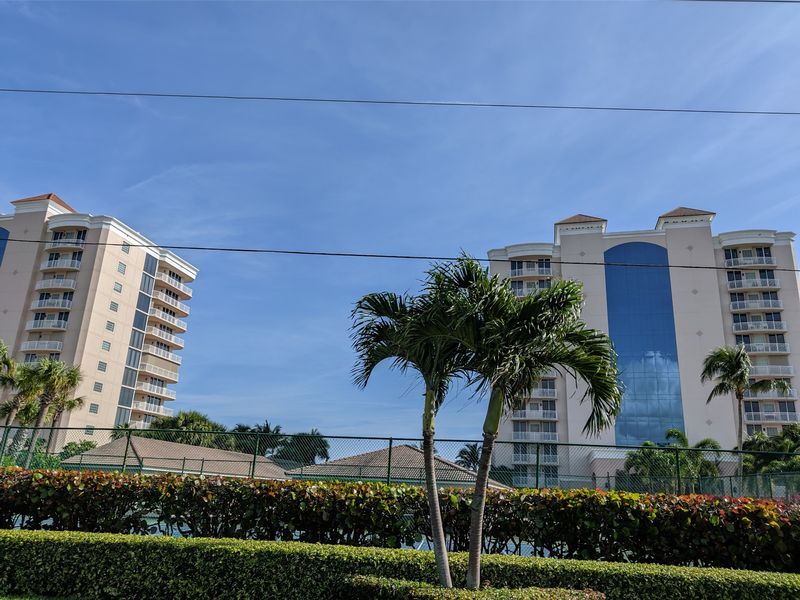
Already one of Florida’s larger cities, Port St. Lucie has nonetheless transformed dramatically over the past five years. The western sections of town have filled in with new neighborhoods at a breathtaking pace, pushing development further into what was recently undeveloped land.
The addition of major shopping and dining destinations has reduced the need for residents to drive to West Palm Beach for entertainment. Tradition Square and other commercial hubs now offer options that simply didn’t exist locally half a decade ago, from trendy restaurants to entertainment venues.
Spring training baseball has brought increased visibility and tourism to Port St. Lucie, with Clover Park hosting the New York Mets drawing thousands of visitors annually. The area around the stadium has developed rapidly, with hotels and restaurants capitalizing on the seasonal influx of baseball fans.
Medical facilities have expanded significantly, with Cleveland Clinic and other healthcare providers building state-of-the-art facilities. This has positioned Port St. Lucie as a regional medical hub, attracting both patients and healthcare workers who need housing and services.
The city’s population has surged past 200,000, making it one of Florida’s ten largest cities. Roads that were adequate for a smaller community now face congestion issues, prompting major infrastructure projects that have construction zones scattered throughout town as officials work to accommodate continued growth.
6. North Port
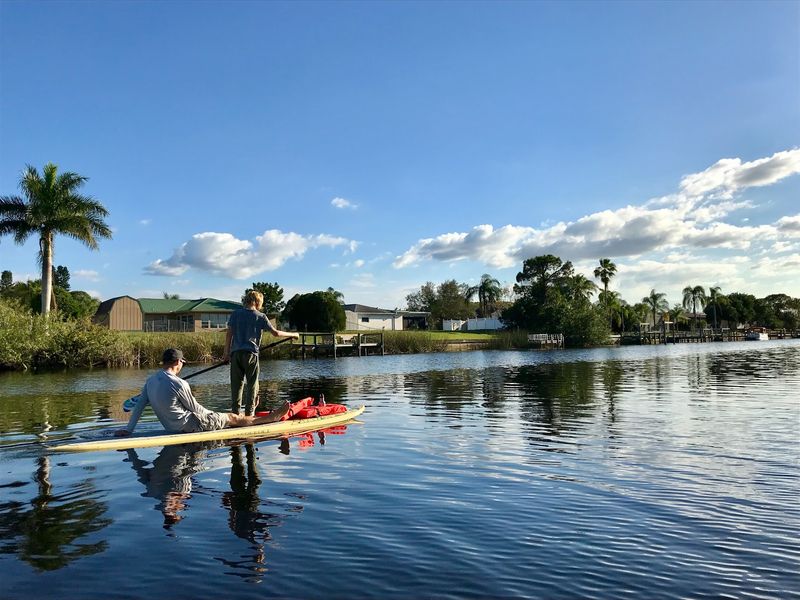
North Port has emerged from the shadows of Sarasota and Venice to become a powerhouse of growth in its own right. What was once dismissed as an empty grid of streets waiting for development has suddenly filled in, with new homes appearing on lots that sat vacant for decades.
The completion of Interstate 75 improvements has made North Port far more accessible, cutting commute times to Sarasota and Fort Myers. This connectivity has attracted buyers who want Southwest Florida living without the premium prices, spurring a construction boom that’s visible from the highway.
Wellen Park, one of the largest master-planned communities in the United States, has transformed the southern part of town. This development alone has brought thousands of new residents, along with schools, shopping, and amenities that have created essentially a new town within North Port.
The city’s downtown area has finally started to take shape after years of planning. What was once an undefined city center now has actual restaurants, shops, and gathering spaces that give North Port an identity beyond just being a bedroom community.
Natural areas like Warm Mineral Springs and Myakkahatchee Creek have gained renewed appreciation as development accelerates. Residents new and old have pushed for preservation efforts, recognizing that North Port’s environmental assets need protection as the town continues its remarkable transformation into a major regional city.
7. St. Cloud
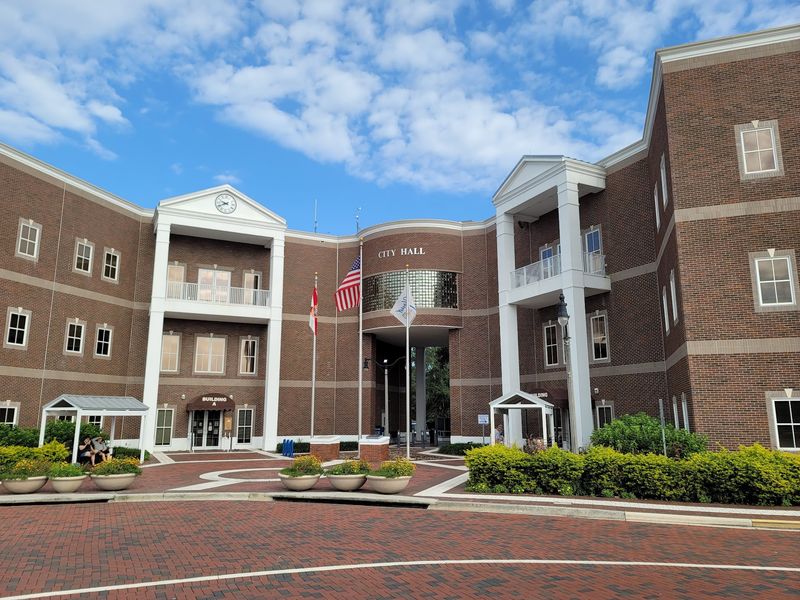
St. Cloud has shed its reputation as Orlando’s forgotten southern suburb and emerged as a destination in its own right. The lakefront downtown has undergone a remarkable transformation, with new restaurants, breweries, and shops creating a vibrant waterfront scene that draws visitors from across Osceola County.
Massive residential developments have spread southward and eastward, filling in previously rural areas with modern neighborhoods. The town’s population has exploded as home buyers discovered they could get more house for their money here than in more established Orlando suburbs.
The Neopark innovation district represents St. Cloud’s ambitious vision for economic development beyond tourism. This planned tech and research hub aims to bring high-paying jobs directly to St. Cloud, reducing the need for residents to commute to Orlando for employment opportunities.
Narcoossee Road has transformed into a major commercial corridor, with new shopping centers and restaurants opening regularly. What was once a quiet road through cattle country now handles heavy traffic and features all the chain stores and eateries typical of suburban Florida.
East Lake Tohopekaliga has become a focal point for recreation and tourism, with improved access and new waterfront amenities. The town has embraced its lake resources, marketing itself as a destination for fishing and water sports while balancing growth with environmental protection efforts that longtime residents demanded.
8. Clermont
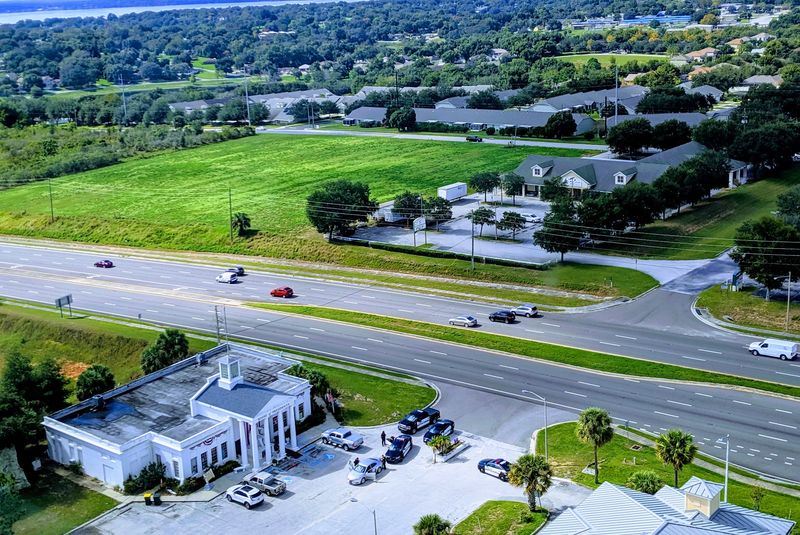
Clermont’s rolling hills and chain of lakes have made it one of Central Florida’s hottest real estate markets. The town has grown upward and outward, with luxury homes now dotting hilltops that offered only cattle and citrus groves five years ago.
The downtown district has completely reinvented itself as a destination for dining and entertainment. What was once a sleepy historic district now buzzes with activity on weekends, featuring farm-to-table restaurants, wine bars, and shops that have transformed the town’s identity from agricultural to upscale suburban.
Waterfront Park has become a regional attraction, drawing thousands for events and everyday recreation. The expansion of trails, splash pads, and event spaces has created a community gathering spot that simply didn’t exist in its current form half a decade ago.
Major retailers and restaurants have discovered Clermont, bringing shopping and dining options along SR-50 that previously required trips to Orlando. The commercial growth has been so rapid that traffic congestion has become a serious concern, prompting road widening projects throughout town.
The National Training Center has put Clermont on the map for serious athletes, with Olympic hopefuls and professional sports teams using the facility year-round. This has brought sports tourism and an athletic culture to town, along with hotels and restaurants catering to visiting teams and their families seeking healthy dining options.
9. Fort Myers Beach
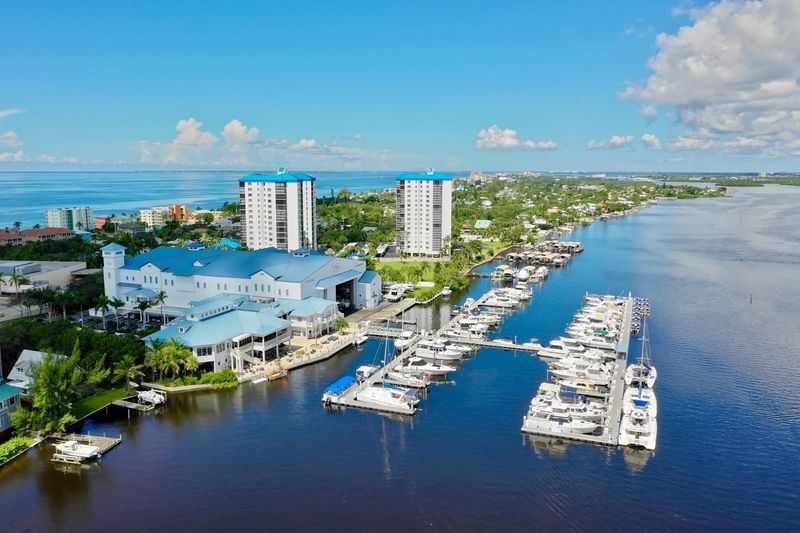
Hurricane Ian’s devastating impact in September 2022 forced Fort Myers Beach to rebuild from near-total destruction. The town that’s emerging looks dramatically different from the laid-back beach community that existed before the storm, with new construction replacing quirky old Florida buildings that had stood for generations.
Stricter building codes mean new structures rise higher and look more modern than their predecessors. The funky beach bars and mom-and-pop motels that gave Fort Myers Beach its distinctive character are being replaced by taller, sturdier buildings that lack the old-school charm but can better withstand future storms.
The Times Square area, once the heart of the island’s nightlife and dining scene, has been completely rebuilt. While many beloved businesses have returned, others closed permanently, changing the mix of shops and restaurants that locals and visitors had enjoyed for years.
Residential areas that were completely flattened are slowly rebuilding, though the pace varies dramatically by neighborhood. Some streets now feature brand-new homes standing next to empty lots still waiting for owners to decide whether to rebuild or sell.
The island’s population has dropped significantly, with many longtime residents choosing not to return after losing everything. This demographic shift is changing the community’s character, replacing year-round locals with seasonal visitors and new residents who never knew the old Fort Myers Beach.