You May Want to Wait Until November Before Camping at These Florida Spots
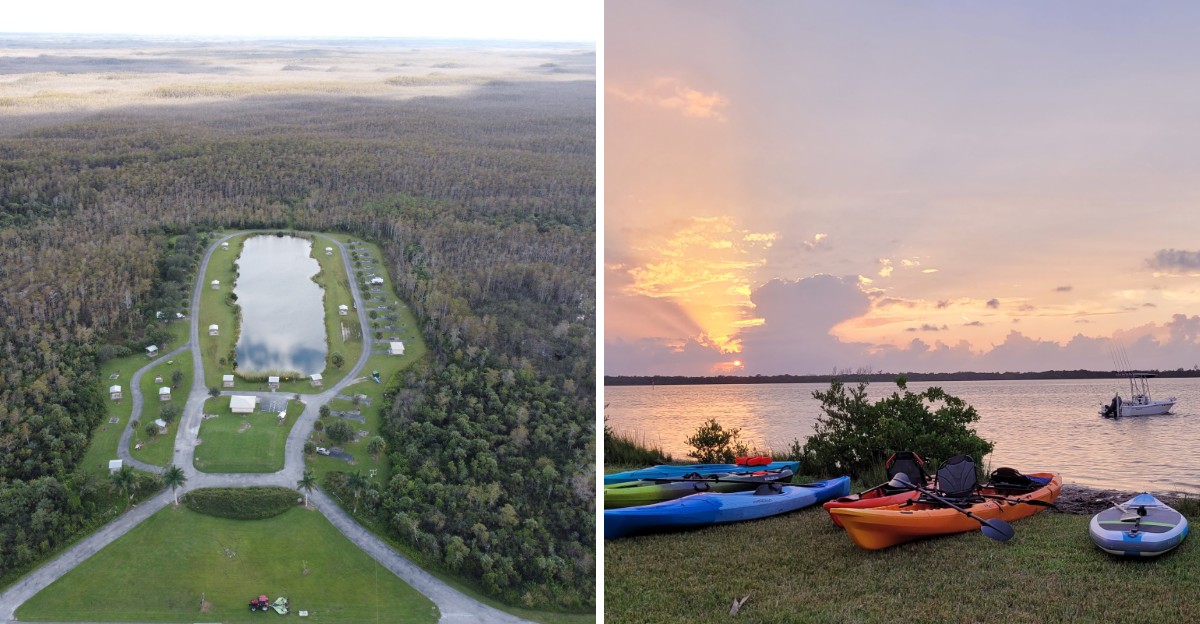
Summer camping in Florida can feel like sleeping inside a sauna while mosquitoes throw a party on your skin. Between the sweltering heat, afternoon thunderstorms that roll in like clockwork, and bugs the size of small birds, warm-weather camping here tests even the toughest outdoor enthusiasts. November changes everything, bringing cooler temperatures, lower humidity, and far fewer insects, making it the perfect time to explore some of the state’s most beautiful but challenging campgrounds.
1. Flamingo Campground – Homestead
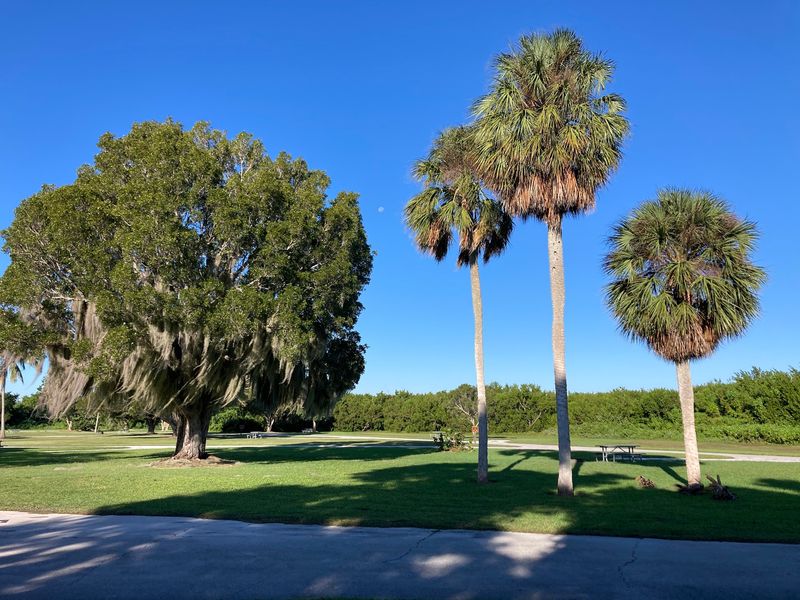
Located at the southern tip of Everglades National Park, this campground sits where the river of grass meets Florida Bay. During summer months, the heat becomes almost unbearable, with temperatures regularly pushing into the mid-90s and humidity making it feel even hotter. The mosquitoes during warm months are legendary, sometimes so thick that campers retreat to their vehicles just to escape the swarms.
November transforms this place into something magical. The temperatures drop into the comfortable 70s, and the mosquito population finally becomes manageable. You can actually sit outside your tent or RV without being eaten alive.
The fishing improves dramatically as cooler water brings tarpon, snook, and redfish closer to shore.
The campground offers both tent and RV sites with basic amenities. There’s no electricity at individual sites, but the visitor center nearby has some facilities. Cell service is practically nonexistent, which some people love and others find challenging.
Bring everything you need because the closest stores are about an hour away in Homestead.
Birdwatching reaches peak season in November when migratory species arrive. Roseate spoonbills, wood storks, and various herons become common sights. The nearby Flamingo Marina offers kayak rentals if you want to explore the backcountry waterways.
Rangers lead regular programs about the unique ecosystem surrounding you.
Book early because November through March fills up quickly once word spreads about the perfect weather. This spot rewards patience with some of the best wilderness camping Florida offers.
2. Collier-Seminole State Park – Naples
This park protects a rare combination of ecosystems where pine flatwoods meet mangrove swamps. Summer here means dealing with temperatures that make you question your life choices, especially when combined with the thick humidity that hangs in the air like a wet blanket. The no-see-ums, tiny biting insects smaller than mosquitoes, make outdoor activities miserable from May through October.
Wait until November, and you’ll discover why locals consider this one of southwest Florida’s hidden gems. The weather cools down enough that hiking the trails becomes enjoyable instead of a survival challenge. The campground features sites tucked under a canopy of trees that provide shade and privacy.
The park offers 130 campsites with electric and water hookups, making it comfortable for RVs and trailers. Tent campers have plenty of options too, with sites that feel secluded despite being in a developed campground. Clean bathhouses with hot showers are scattered throughout.
The park’s boat ramp provides access to the Blackwater River, perfect for kayaking through mangrove tunnels.
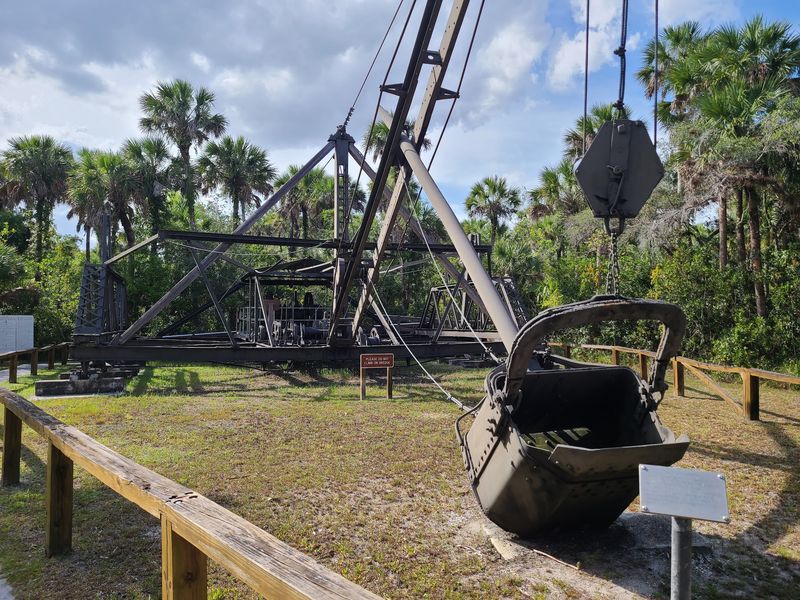
History buffs appreciate the preserved walking dredge, a massive machine used during the Tamiami Trail construction in the 1920s. Several hiking trails wind through different habitats, and you might spot alligators, manatees, or even the elusive Florida panther. Rangers offer guided canoe trips that teach you about the mangrove ecosystem.
November brings comfortable camping temperatures in the 60s and 70s. The bugs retreat, the humidity drops, and you can finally enjoy sitting around a campfire without sweating through your clothes. Reserve ahead because snowbirds start arriving.
3. Myakka River State Park Big Flats Campground – Sarasota
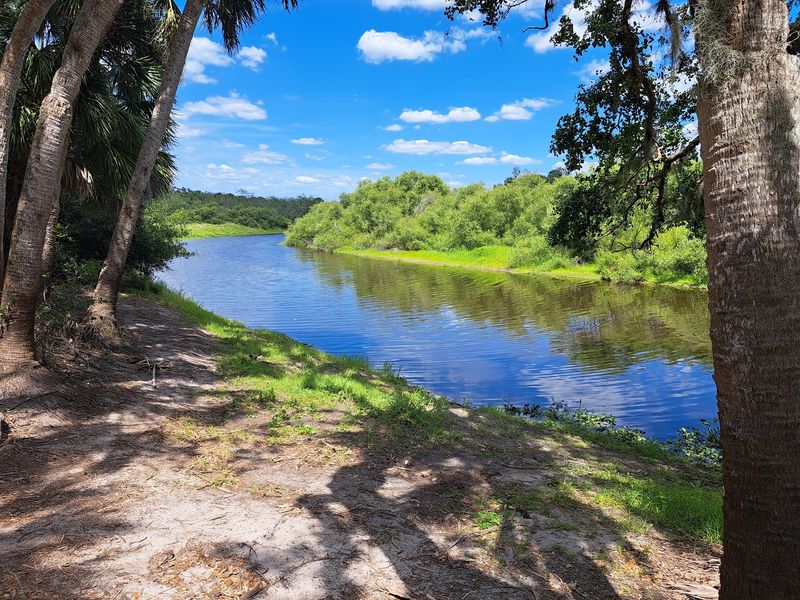
Big Flats sits deep in one of Florida’s oldest and largest state parks, offering a primitive camping experience that feels worlds away from civilization. Summer camping here requires serious dedication because the heat and bugs create conditions that challenge even experienced campers. The remote location means no escape from the elements, and the primitive facilities offer no air-conditioned refuge.
November arrival feels like stepping into a different park entirely. The oppressive heat breaks, replaced by pleasant days and genuinely cool nights that make campfires enjoyable rather than punishing. Wildlife becomes more active and visible as animals emerge from their summer hiding spots to take advantage of the comfortable weather.
This campground is primitive, meaning no electricity, no showers, and no running water at the sites. You’ll need to bring everything, including your drinking water or a way to purify river water. The sites are spacious and well-separated, giving you the solitude that many campers crave.
Pit toilets are the only facilities provided.
The Myakka River flows nearby, offering excellent opportunities for canoeing and wildlife watching. Alligators are common, so keep a respectful distance and never feed them. The park is home to one of the largest concentrations of alligators in Florida.
Bird species number over 300, making it a paradise for anyone with binoculars.
Hiking trails connect the campground to other parts of the park, including the canopy walkway and observation tower. November’s cooler temperatures make these hikes pleasant instead of exhausting. Just remember that primitive camping requires preparation and self-sufficiency, but the rewards include incredible stargazing and genuine wilderness solitude.
4. Long Pine Key Campground – Homestead
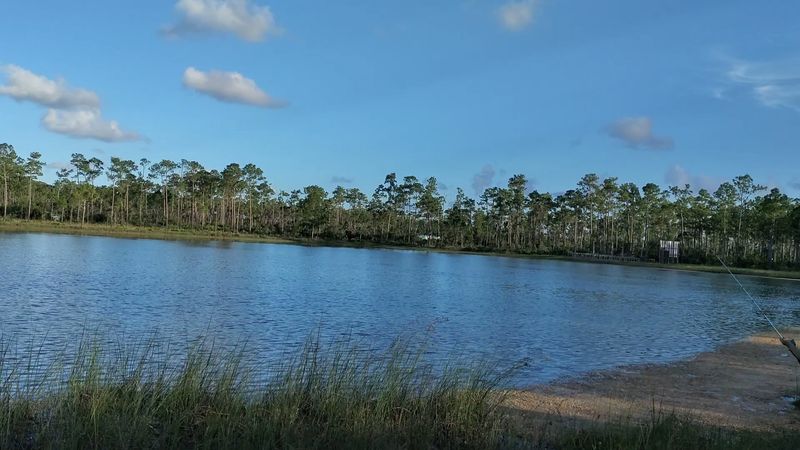
Nestled in a pine rockland forest near the entrance of Everglades National Park, this campground offers a different landscape than most people expect from the Everglades. Instead of endless sawgrass, you’re surrounded by tall pines growing from rocky limestone substrate. Summer camping here battles the same challenges as the rest of South Florida: brutal heat, suffocating humidity, and mosquitoes that seem to work in organized squadrons.
November brings relief that makes this campground finally live up to its potential. The temperature drops make exploring the extensive trail system actually enjoyable. The mosquitoes diminish to levels where bug spray actually works instead of serving as a mere suggestion to the insects.
You can sit outside your tent or RV without constantly swatting and scratching.
The campground has 108 sites available for both tents and RVs, though there are no hookups. Restrooms with cold-water showers provide basic comfort. Each site includes a picnic table and grill.
The campground operates on a first-come, first-served basis from May through October, but requires reservations during the busy season from November through April.
Several hiking and biking trails start right from the campground, winding through the unique pine rockland ecosystem. These trails connect to longer routes that can take you deep into the park. Keep your eyes open for white-tailed deer, which are common in this area, along with various bird species.
The nearby park entrance provides easy access to other Everglades attractions, including the Anhinga Trail and Royal Palm area. November’s pleasant weather makes day trips comfortable, and you’ll appreciate returning to a campsite that isn’t sweltering. This location serves as an excellent base camp for exploring everything Everglades National Park offers.
5. Midway Campground – Ochopee
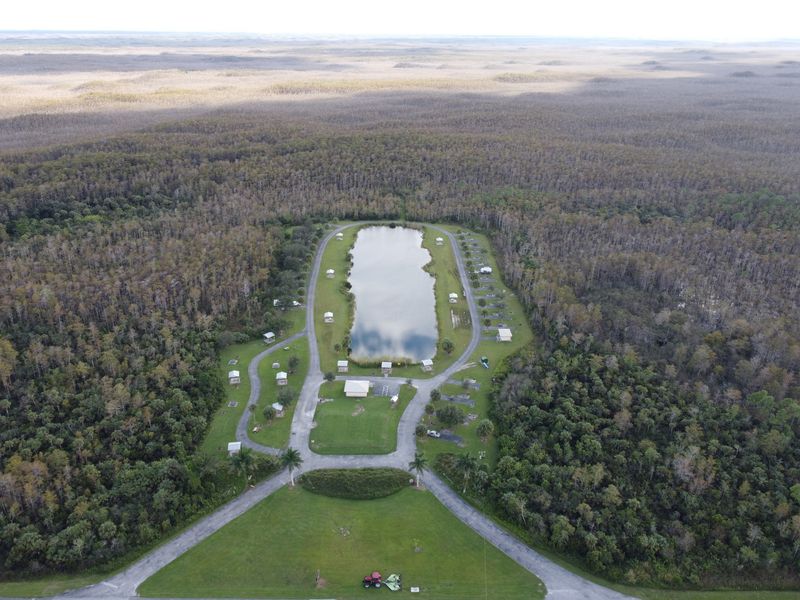
Deep in Big Cypress National Preserve, Midway Campground lives up to its name by sitting roughly halfway along the scenic Loop Road. This primitive spot attracts campers who want genuine backcountry experience without hiking miles to reach it. Summer camping here borders on masochistic, with temperatures soaring and humidity creating an atmosphere that feels like breathing through a hot, wet towel.
The mosquito situation during warm months defies description. Clouds of them emerge at dusk, making any outdoor activity an exercise in misery. Even inside a screened tent, you’ll hear their constant buzzing as they search for any tiny opening.
Rain can turn the campground into a muddy mess, and summer thunderstorms arrive with predictable afternoon regularity.
November changes the game completely. Comfortable temperatures in the 70s make camping pleasant, and the bug population crashes to manageable levels. You can finally appreciate the incredible natural setting without constantly fighting the environment.
The campground is primitive, offering only a few sites with fire rings and not much else. No water, no facilities, just you and the wilderness.
Wildlife viewing improves dramatically in November as animals become more active. Panthers roam this area, though seeing one requires tremendous luck. Black bears occasionally pass through, so proper food storage becomes essential.
Alligators inhabit nearby waterways, and various wading birds hunt in the shallow wetlands.
The Loop Road itself provides excellent wildlife viewing opportunities, and you can explore nearby trails that wind through cypress swamps and pine forests. November’s weather makes hiking comfortable, and the cooler water levels concentrate wildlife around remaining pools. Bring everything you need because services are minimal in this remote area.
6. Fort De Soto Park Campground – Tierra Verde
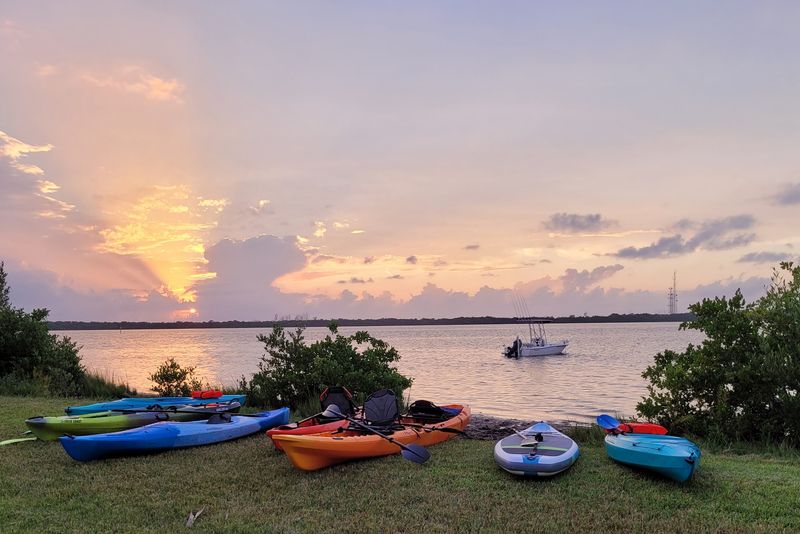
Sitting on a beautiful barrier island near St. Petersburg, Fort De Soto Park combines camping with some of Florida’s best beaches. The campground enjoys constant gulf breezes, but summer still brings heat that makes beach activities exhausting rather than refreshing. The water feels like bathwater, offering little relief from the oppressive temperatures.
Afternoon thunderstorms roll in regularly, sometimes violent enough to make you wonder about your tent’s structural integrity.
Summer also means crowds, as families pack the park during school vacation months. Finding a peaceful spot on the beach becomes challenging, and the campground fills with noisy neighbors. The heat keeps you sweating even in the shade, and the humidity makes everything feel damp and sticky.
November transforms this place into a paradise that justifies its reputation as one of Florida’s premier campgrounds. Temperatures drop into the comfortable range where you can actually enjoy outdoor activities without wilting. The water stays warm enough for swimming, but the air temperature makes it refreshing instead of pointless.
Tourist crowds thin dramatically after school starts.
The campground offers 236 sites with water and electric hookups, making it comfortable for any type of camping. Modern bathhouses provide hot showers and clean facilities. Each site includes a picnic table and grill.
The sites are close together, so don’t expect wilderness solitude, but the beach access and amenities compensate for the proximity to neighbors.
Miles of pristine beaches stretch along the island, consistently rated among America’s best. The historic fort provides interesting exploration opportunities, and several piers offer excellent fishing. Kayak rentals let you explore the mangrove-lined waterways.
Bird watching is exceptional, especially during fall migration when species pass through by the thousands. November weather makes all these activities genuinely enjoyable instead of survival challenges.
7. Juniper Springs Recreation Area – Silver Springs
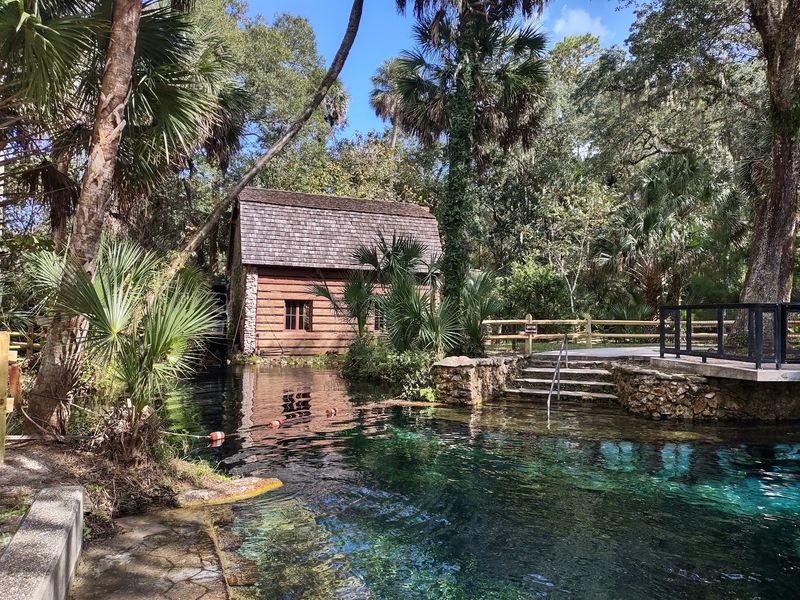
Famous for its stunning spring that pumps out 13 million gallons of crystal-clear water daily, Juniper Springs sits in the heart of Ocala National Forest. The spring maintains a constant 72-degree temperature year-round, which sounds perfect until you realize that summer air temperatures in the 90s make that cool water feel shocking. More importantly, summer brings hordes of visitors who pack the swimming area and campground to capacity.
The campground itself becomes uncomfortably hot during summer months. Even with the spring nearby, the surrounding forest traps heat and humidity, creating conditions that make sleeping difficult. Mosquitoes and other biting insects thrive in the moist environment, turning evenings into battles against bloodthirsty swarms.
The popularity of the spring means noise from day-use visitors carries into the campground throughout summer.
November shifts the experience entirely. The crowds disappear almost overnight once schools are back in session and snowbirds haven’t yet arrived in force. You can actually find parking near the spring and enjoy the swimming area without fighting for space.
The 72-degree water feels refreshing rather than painfully cold when air temperatures hover in the comfortable 70s.
The campground offers 79 sites with electric hookups and water. Clean restrooms with hot showers serve campers. Sites are relatively close together but shaded by a thick canopy of trees.
The campground stays busy even in November, so reservations are strongly recommended.
Beyond swimming, the seven-mile canoe run down Juniper Creek offers one of Florida’s most scenic paddles. The clear water lets you see fish, turtles, and vegetation below. Hiking trails wind through the surrounding forest, and November’s cooler temperatures make these walks pleasant.
The historic mill house near the spring provides interesting photo opportunities and a glimpse into Old Florida.
8. Alexander Springs Camping Area – Altoona
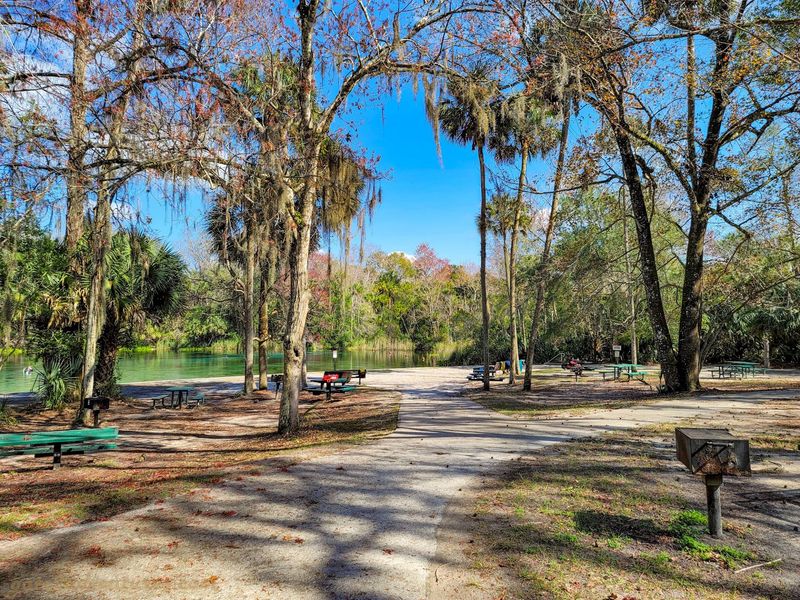
Another gem in Ocala National Forest, Alexander Springs pushes out roughly 76 million gallons of clear water every day, creating a large swimming area that stays a constant 72 degrees. Summer weekends here turn into circus-like atmospheres as day-trippers pack the spring and surrounding areas. The campground fills with families, and noise levels make peaceful relaxation nearly impossible.
Heat during summer months can be oppressive despite the nearby spring. The forest provides some shade but also traps humidity, creating an environment where you’re constantly sweating. Biting insects emerge in clouds during dawn and dusk, making those traditionally pleasant camping hours miserable.
The spring’s cool temperature feels great initially but becomes uncomfortable after extended swimming when you’re trying to warm back up in 95-degree heat.
November brings the relief that makes this place special. Day-use crowds shrink to manageable levels, and you can actually enjoy the spring without competing for space. The cooler air temperatures make the 72-degree water feel invigorating rather than shocking.
You can swim comfortably, then warm up quickly in the pleasant November sunshine.
The campground features 67 sites with electric and water hookups. Modern bathhouses provide hot showers and clean facilities. Sites vary in size and privacy, with some offering more seclusion than others.
The campground stays moderately busy even in November because locals know this is prime time for visiting.
A natural sand beach surrounds part of the spring, perfect for sunbathing or watching kids play. Canoe rentals are available for paddling the spring run, which flows into Lake Woodruff. The clear water makes spotting wildlife easy, including various fish species and turtles.
Hiking trails connect to the larger forest trail system. November’s comfortable temperatures make all these activities enjoyable rather than exhausting endurance tests.
9. Ochlockonee River State Park – Sopchoppy
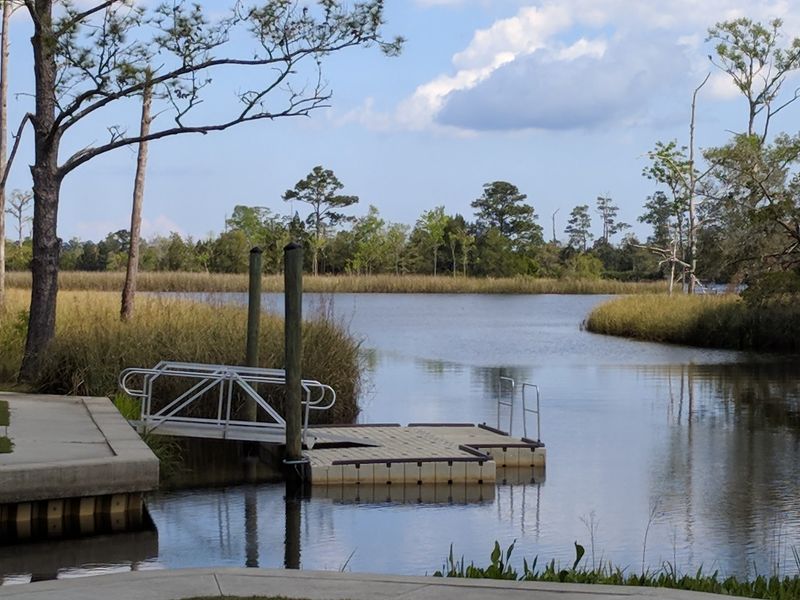
Tucked away in the Florida Panhandle where the Ochlockonee River meets Dead Lakes, this park offers a quieter camping experience than many popular Florida destinations. Summer here means dealing with heat and humidity that rivals anywhere in the state, despite being farther north. The river provides some relief, but the thick vegetation traps hot air and creates a sauna-like environment throughout the campground.
Biting insects reach plague proportions during warm months. Mosquitoes are bad enough, but the deer flies that swarm during daylight hours are even worse. These aggressive biters make hiking trails nearly unbearable from May through September.
Even sitting at your campsite requires constant vigilance and liberal bug spray application that never quite does the job.
November transforms this riverside retreat into something genuinely special. Temperatures drop into the 60s and 70s, perfect for all outdoor activities. The bug population crashes to levels where you can actually enjoy being outside without chemical warfare.
The river remains pleasant for swimming or paddling, and fish become more active as water temperatures cool slightly.
The campground offers 30 sites, some with full hookups and others with electric and water only. Sites are spacious and well-separated, providing more privacy than many Florida state park campgrounds. Clean bathhouses serve campers.
The park feels uncrowded even during peak season because it’s relatively unknown compared to parks farther south.
Canoeing and kayaking the river provides peaceful exploration opportunities. The current is gentle, making it suitable for beginners. Fishing for bass, bream, and catfish can be excellent, especially in November when fish feed actively before winter.
Hiking trails wind through pine flatwoods and along the river, offering wildlife viewing opportunities. The park’s location near Apalachicola National Forest provides access to even more outdoor recreation options.
10. Monument Lake Campground – Ochopee
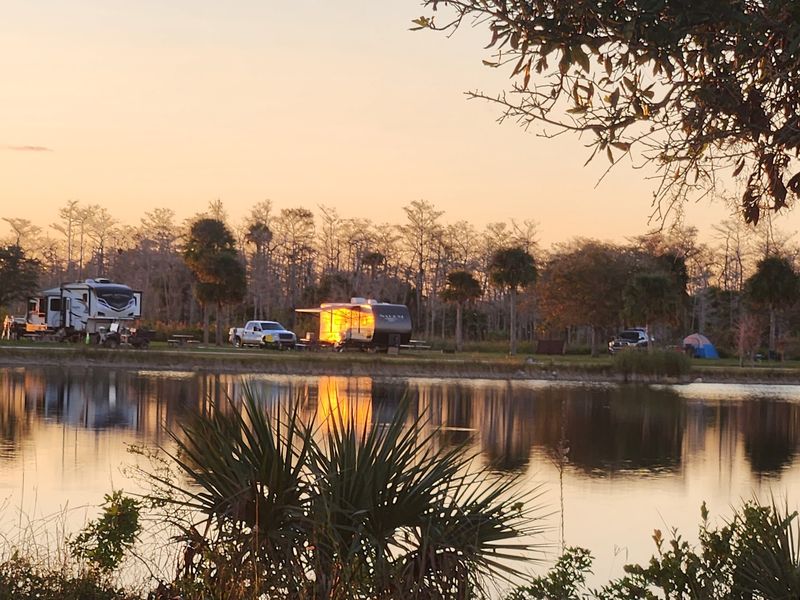
Monument Lake sits deep in Big Cypress National Preserve, accessible only by a rough road that challenges even high-clearance vehicles during wet conditions. This extremely primitive campground attracts only the most dedicated wilderness seekers who want complete isolation from civilization. Summer camping here requires serious commitment because you’ll face every challenge Florida’s environment can throw at you with zero amenities or escape routes.
The heat becomes dangerous during summer months, with no shade structures or facilities to provide relief. Humidity makes breathing feel difficult, and you’ll sweat constantly even while sitting still. Mosquitoes and other biting insects create swarms so thick they sound like distant engines.
Summer rains can turn the access road into an impassable mud pit, potentially trapping you for days.
November makes this challenging destination finally accessible and enjoyable for camping. Temperatures drop to comfortable levels, and the mosquito population diminishes enough that you can actually appreciate the incredible solitude. The road conditions typically improve as the wet season ends, though a high-clearance vehicle remains essential for navigating the rough terrain.
The campground is as primitive as it gets: no facilities, no water, no services of any kind. You’re on your own in genuine wilderness. A few designated camping spots surround the small lake, but there are no marked sites or amenities.
Everything you need must be carried in, and all trash must be carried out. Proper preparation is absolutely essential.
Wildlife viewing opportunities are exceptional for those willing to endure the primitive conditions. Panthers inhabit this area, and while sightings remain rare, knowing you’re in their territory adds excitement. Black bears pass through occasionally.
Alligators inhabit the lake and surrounding wetlands. The solitude and darkness make stargazing spectacular. November’s pleasant weather finally makes experiencing this wilderness worth the effort required to reach it.
11. Burns Lake Campground – Ochopee
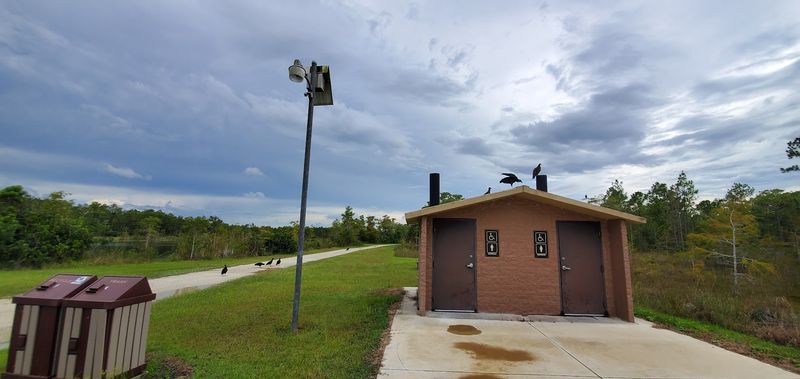
Another remote primitive site in Big Cypress National Preserve, Burns Lake requires similar commitment and preparation as Monument Lake. The access road challenges vehicles and driver skills, especially during or after rain when mud can make the route treacherous. Summer camping here borders on foolish unless you have extensive wilderness experience and genuinely enjoy suffering through extreme heat and insect attacks.
The isolation that makes this spot special in November becomes dangerous in summer. The heat can quickly lead to dehydration and heat exhaustion with no help nearby. Cell service is nonexistent.
If you encounter problems, you’re entirely on your own. The bugs make outdoor activities miserable, and the humidity prevents your sweat from evaporating, eliminating your body’s primary cooling mechanism.
Waiting until November pays off dramatically. The weather becomes pleasant enough that the effort required to reach this remote lake feels worthwhile rather than masochistic. Comfortable temperatures let you enjoy the incredible solitude without constantly fighting environmental challenges.
The bug population drops low enough that you can sit outside your tent without being devoured.
Like Monument Lake, Burns Lake offers absolutely no facilities or amenities. You must be completely self-sufficient, bringing water, food, fuel, and everything else you need. The few camping spots around the lake are unmarked and undeveloped.
Practice Leave No Trace principles rigorously because this pristine wilderness depends on campers respecting it.
The reward for reaching Burns Lake is genuine wilderness solitude that’s increasingly rare in Florida. You might not see another person during your entire stay. Wildlife thrives in this protected area, and patient observers can spot species that avoid more developed areas.
The night sky, unpolluted by any artificial light, displays stars in spectacular clarity. November weather makes this remote destination finally accessible for camping while maintaining the wild character that makes it special for adventurous souls.
12. Trail Lakes Campground – Ochopee
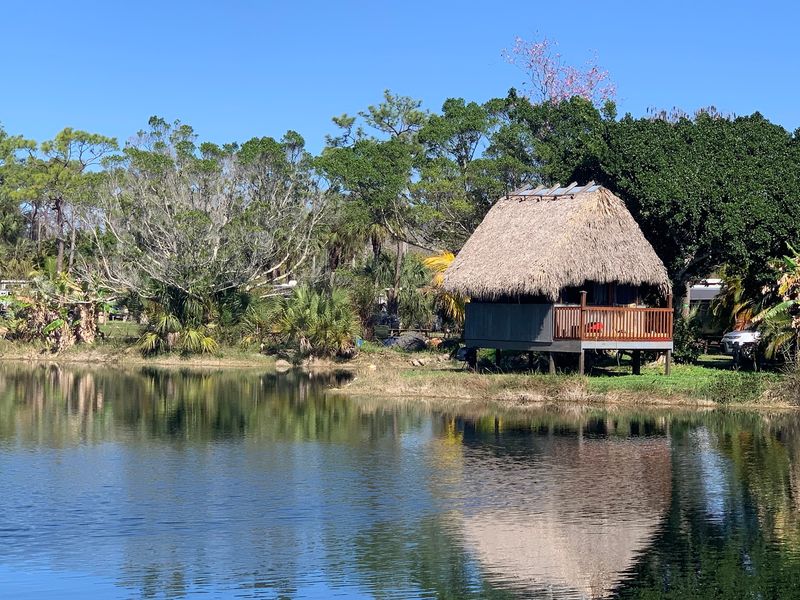
Completing the trio of extremely remote Big Cypress primitive campgrounds, Trail Lakes pushes even farther into the wilderness than Burns or Monument Lakes. Getting here requires navigating rough roads that test your vehicle and your determination. Summer conditions make camping here an extreme challenge that only the most hardcore wilderness enthusiasts would consider attempting.
The combination of heat, humidity, and insects during warm months creates an environment that’s genuinely hostile to human comfort. Without any facilities or shade structures, you’re exposed to the full force of Florida’s summer climate. The remoteness that provides solitude also means no escape if conditions become unbearable or dangerous.
Summer thunderstorms can be severe, and lightning poses real danger in the open terrain.
November arrival at Trail Lakes feels like discovering a secret paradise that rewards your effort with perfect camping conditions. The temperature drops make the wilderness experience enjoyable rather than a test of endurance. You can hike, explore, and simply relax without constantly battling heat and bugs.
The solitude becomes rejuvenating instead of oppressive.
This primitive campground offers nothing except a few cleared spots near small lakes. No facilities, no water, no services exist. Complete self-sufficiency is mandatory.
The access road can be challenging even in dry conditions, and wet weather may make it impassable. Check conditions before attempting to reach this remote destination.
The wildlife viewing opportunities justify the effort for nature enthusiasts. Big Cypress supports one of Florida’s most diverse ecosystems, and this remote area sees few human visitors. Panthers, bears, alligators, and countless bird species inhabit the preserve.
The darkness at night is absolute, making the stars seem incredibly bright and close. November’s comfortable weather finally makes camping at Trail Lakes reasonable rather than reckless, offering wilderness solitude that’s increasingly precious in our crowded world.