Step Back More Than 225 Years Inside This Remarkable Florida Boarding House
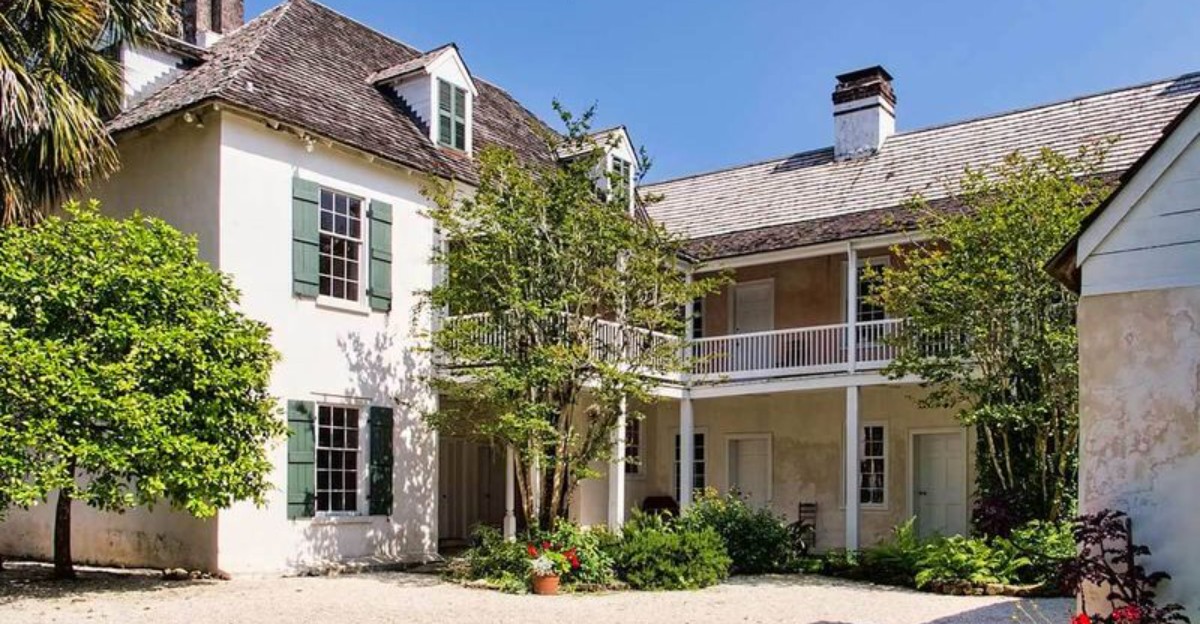
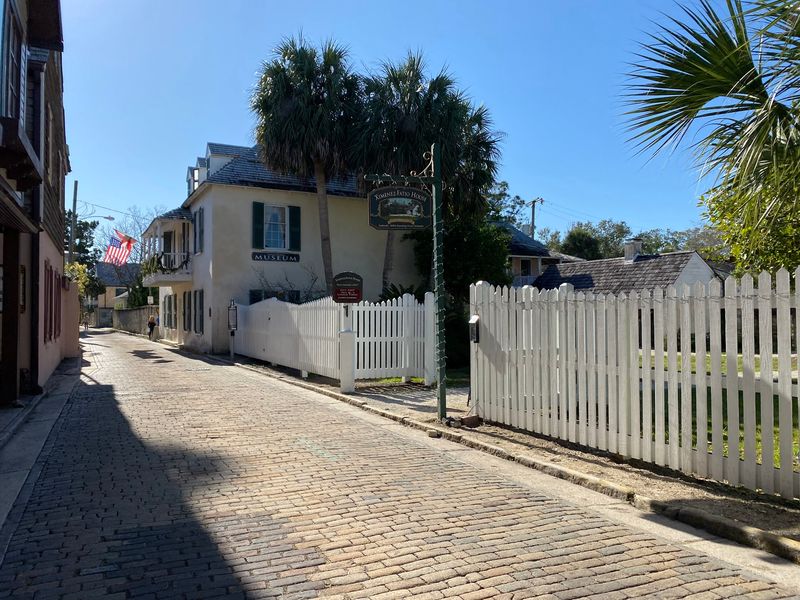
Tucked along Aviles Street in St. Augustine sits a two-story treasure that has witnessed Florida’s transformation since 1798. The Ximenez-Fatio House Museum started as a merchant’s home before becoming one of the city’s most successful boarding houses, hosting travelers from across the nation during the 1800s. Walking through its rooms today feels like opening a time capsule, where period furniture, personal belongings, and authentic decorations tell stories of the remarkable women who ran this business and the guests who stayed here.
This isn’t just another historic building you’ll forget after leaving—it’s a window into everyday life from centuries past that still captivates visitors with its beautifully preserved rooms and fascinating history.
1. A Merchant’s Vision Becomes Reality
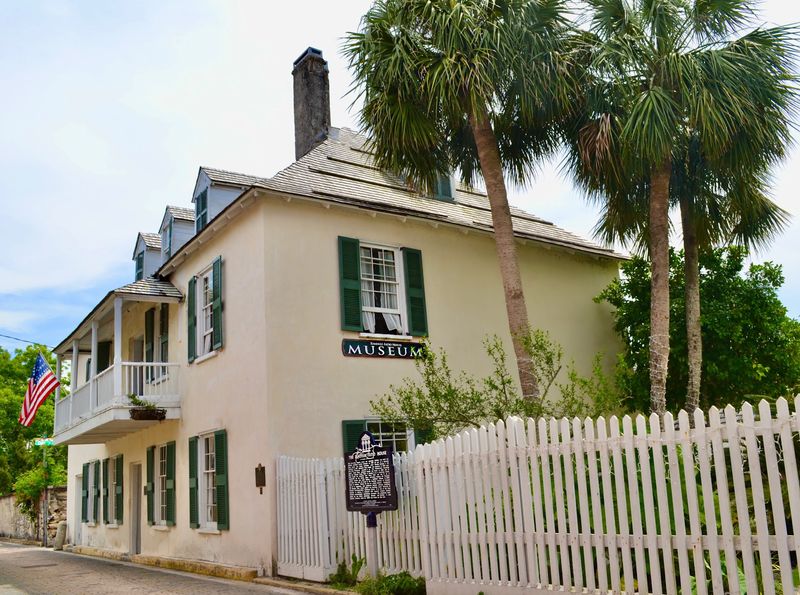
Andres Ximenez built this house in 1798 when St. Augustine was still under Spanish rule. He was a merchant who needed both a home and a place to conduct business, so he constructed a sturdy two-story building using coquina stone and wood. The ground floor served as his store where locals could purchase imported goods, while his family lived upstairs.
The architecture reflects Spanish colonial style with thick walls designed to keep interiors cool during brutal Florida summers. Original hand-hewn beams still support the ceilings, and you can spot construction techniques that haven’t been used in over two centuries. Ximenez chose this location strategically because Aviles Street connected to the harbor, making it easy for ships to deliver merchandise.
After Ximenez died, the property changed hands several times before Margaret Cook purchased it in 1855. She transformed the merchant’s quarters into a thriving boarding house that would operate for decades. Today, visitors can explore both the merchant shop area and see how the building evolved from commercial space to hospitality hub.
The house survived fires, wars, and hurricanes that destroyed many neighboring structures. Its coquina foundation proved nearly indestructible, which is why you’re still able to walk through authentic rooms that witnessed Florida’s transition from Spanish territory to American state.
2. The Boarding House Era Comes Alive
Margaret Cook turned this building into one of St. Augustine’s premier boarding houses during the mid-1800s, and the museum has recreated that bustling atmosphere perfectly. Each bedroom upstairs is furnished exactly as it would have been when travelers arrived by stagecoach or steamboat. You’ll see trunks at the foot of beds, washstands with porcelain pitchers, and personal items that guests might have carried.
Boarding houses weren’t hotels in the modern sense. Guests often stayed for weeks or months, especially wealthy Northerners escaping harsh winters. They shared meals family-style in the dining room and socialized in common areas.
The house could accommodate about a dozen guests at full capacity, and competition among boarding house owners was fierce.
What makes this museum special is how they’ve layered the rooms with authentic details. You’ll find period-appropriate clothing draped over chairs, letters on writing desks, and toys in the children’s areas. Audio tour stops explain who might have slept in each room and what their daily routine looked like.
The third-floor bedrooms get quite warm since there’s no air conditioning, but that’s actually historically accurate. Guests in the 1800s dealt with the same heat, relying on cross-breezes from open windows and hand fans. Experiencing that discomfort helps you appreciate how different travel used to be.
3. Women Who Made History
Here’s something that surprises most visitors: this boarding house was run entirely by women during an era when females rarely owned businesses. After Margaret Cook established the operation, it passed to her daughter Eliza Whitehurst, then to Sarah Petty Anderson. These weren’t just innkeepers—they were savvy entrepreneurs who managed finances, supervised staff, maintained the property, and competed in a male-dominated industry.
The museum does an excellent job highlighting these women’s accomplishments through special exhibits and guided tours. You’ll learn how they advertised in Northern newspapers to attract seasonal guests, negotiated with suppliers, and adapted their services as tourism evolved. They employed both free and enslaved workers, a complicated reality that the museum addresses honestly rather than glossing over.
Sarah Anderson proved particularly innovative, expanding the boarding house and improving amenities to attract wealthier clientele. She understood that comfort mattered to guests willing to travel hundreds of miles for Florida sunshine. Her business skills kept the boarding house profitable for decades even as competition increased.
Special events like the “I Lived Here As Well” tour feature re-enactors portraying workers who lived and labored at the house. These performances give voice to people whose stories often get overlooked—the cooks, maids, and laborers whose work made the boarding house function. It’s powerful stuff that adds depth beyond just admiring antique furniture.
4. Self-Guided Audio Journey
You have two options for exploring: grab one of their handheld audio devices or scan the QR code and use your phone. Either way, you’ll get detailed narration for each room as you wander at your own pace. The audio tour runs about 45 minutes if you listen to everything, though you can skip around based on your interests.
Some visitors find the handheld devices tricky because volume varies and you need to punch in numbers for each stop. Using your phone often works better since you can adjust volume easily and the audio quality stays consistent. Plus, you won’t need to return equipment before leaving.
The narration includes historical context, descriptions of furnishings, and stories about people who lived here. You’ll hear about daily routines, special events, and how the house changed over decades. Kids can follow along with a scavenger hunt worksheet that keeps them engaged while adults absorb the history.
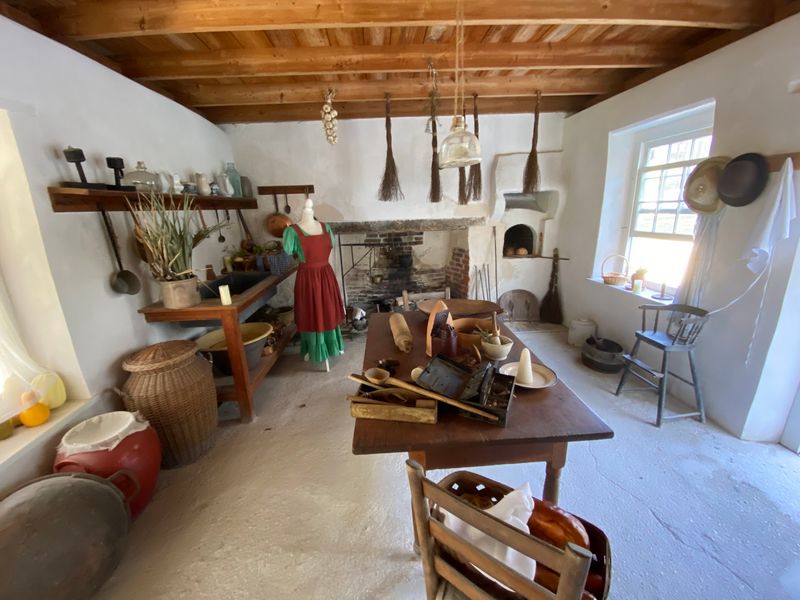
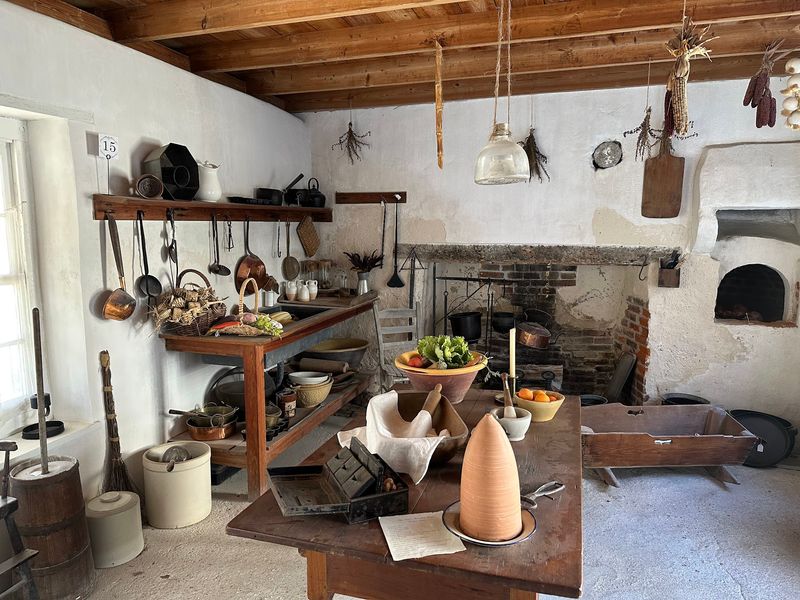
What’s nice about self-guided tours is the flexibility. If you’re fascinated by the kitchen’s colonial-era cooking tools, linger there. If Victorian-era fashion interests you more, spend extra time examining the clothing displays.
Hot summer days might inspire you to move quickly through upper floors where temperatures climb, then cool off in the garden.
Staff members position themselves throughout the house to answer questions, so you’re never truly alone even during self-guided exploration.
5. The Garden’s Living History
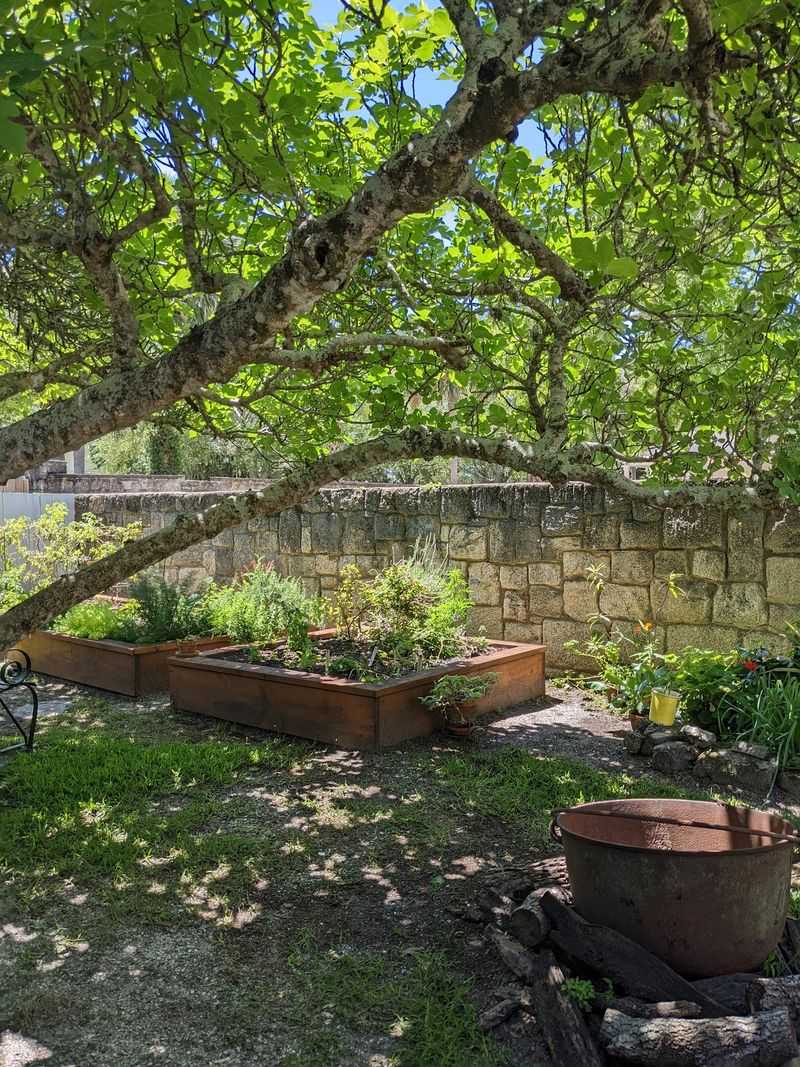
Step outside and you’ll find yourself in a courtyard garden that’s just as historically significant as the house itself. That massive fig tree dominating one corner has been growing here for well over a century, its gnarled trunk and spreading branches providing shade just like they did for boarding house guests. People love touching its ancient bark and imagining all the visitors who rested beneath it.
Orange trees perfume the air during blooming season, and the scent is intoxicating. These aren’t just decorative—citrus trees were practical additions to 19th-century Florida properties, providing fresh fruit for guests and household use. The garden also contains herbs that would have been used in the boarding house kitchen for cooking and medicinal purposes.
Brick pathways wind through the space, connecting the main house to outbuildings where kitchen work and laundry happened. Keeping these messy, hot tasks separate from guest areas made sense in an era before modern ventilation. You can peek into the detached kitchen and see the massive hearth where cooks prepared meals for a dozen or more people daily.
The garden hosts occasional events including outdoor tours and historical demonstrations. It’s also a peaceful spot to decompress after absorbing so much history inside. A couple of friendly cats often lounge around the property, completely unbothered by visitors and adding to the relaxed atmosphere.
6. Period Furnishings and Authentic Details
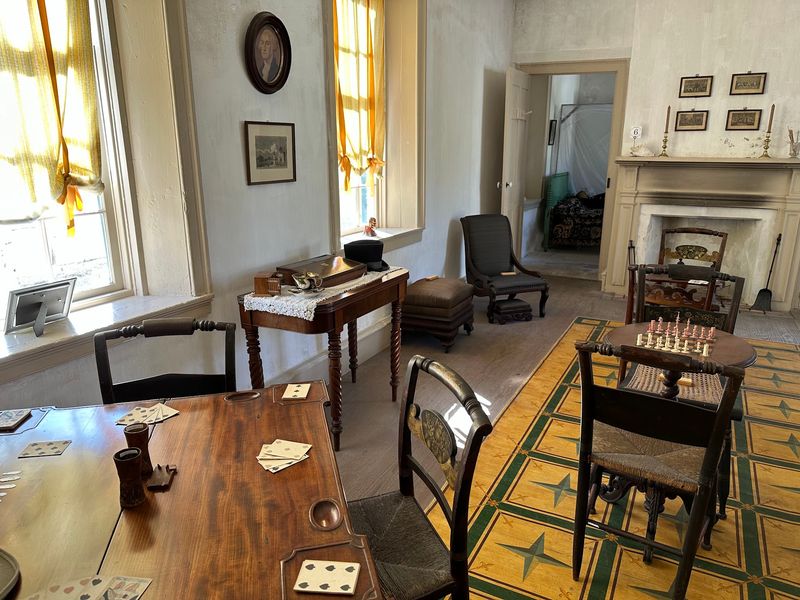
Every room in this museum is packed with period-appropriate furniture and objects that bring the 1800s to life. We’re talking actual antiques, not reproductions—chairs that guests sat in, dishes they ate from, and beds they slept on. The museum’s collection includes pieces original to the house plus carefully selected items from the same era that match what would have been used here.
You’ll spot details that make historians geek out: correct wallpaper patterns for specific decades, appropriate fabrics on upholstered furniture, and even the right types of candles and oil lamps. The staging feels natural rather than museum-stiff, with items arranged as if people just stepped out for a moment. A shawl draped over a chair, playing cards mid-game on a table, sewing projects abandoned on a settee.
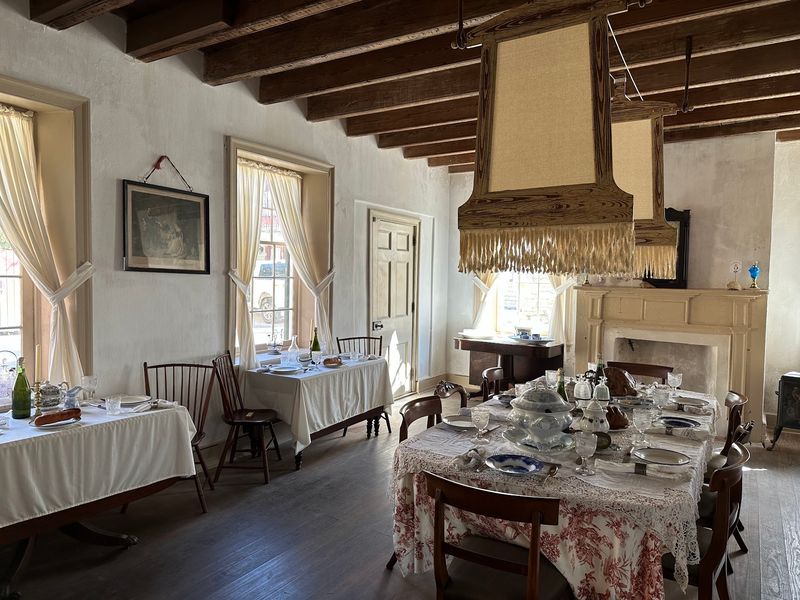
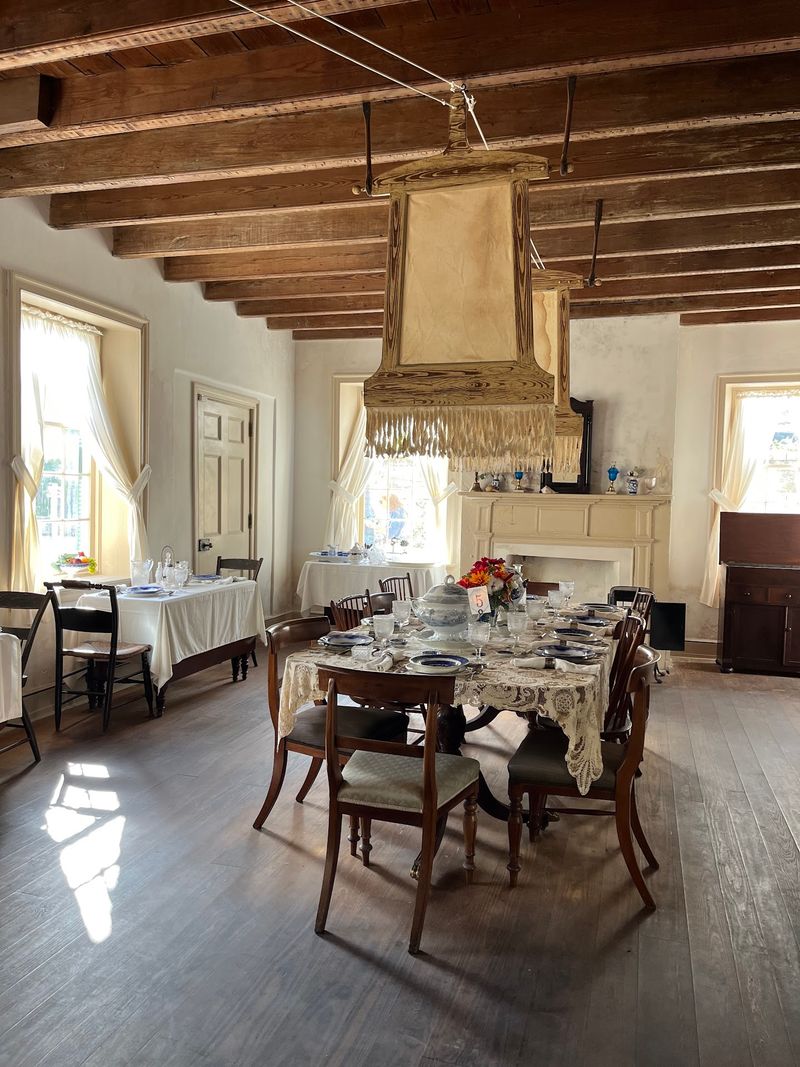
The dining room table is set for a meal with china, glassware, and serving pieces that would have been used during the boarding house’s heyday. Kitchen displays show cooking implements and food preservation methods that seem impossibly labor-intensive by modern standards. Bedrooms contain not just furniture but also clothing, toiletries, and personal belongings that help you understand daily life.
Staff constantly researches and updates displays to maintain historical accuracy. They’ll gladly discuss specific pieces if you’re curious about origins or usage. This attention to authenticity separates quality museums from places that just stick old stuff in rooms and call it history.
7. Special Events and Themed Tours
The regular museum experience is excellent, but their special events calendar takes things to another level. Candlelit tours during the holidays transform the house into something magical, with period decorations and flickering light that shows you how rooms looked before electricity. The “Mortality and Mourning” tour explores Victorian death customs and mourning practices, which sounds morbid but is actually fascinating.
Living history events feature costumed interpreters who portray actual people who lived or worked at the boarding house. These aren’t just actors reciting scripts—they stay in character and interact with visitors, answering questions from their historical perspective. You might meet a cook explaining meal preparation, a guest discussing travel hardships, or a proprietor managing daily operations.
Paranormal investigations occasionally take place since some staff and visitors report unexplained experiences. Whether you believe in ghosts or not, these after-hours events add spooky fun to the historical experience. The museum takes a respectful approach rather than playing up manufactured scares.
Check their website before visiting because special events often require advance tickets and sell out quickly. Regular admission doesn’t include these specialty tours, but they’re worth the extra cost if your schedule allows. The museum also hosts educational programs for school groups and offers private tours for organizations.
Even without special events, the museum rotates exhibits and updates displays seasonally, giving repeat visitors new things to discover.
8. Practical Visitor Information
Before you visit, know that this is an authentic historic house without modern climate control. Summers get brutally hot, especially on upper floors where heat rises and only a few fans provide relief. Staff offers water and fans, but consider visiting during cooler months if heat bothers you.
Spring and fall offer perfect temperatures for exploring comfortably.
Admission costs around twelve dollars per person, and you check in at the gift shop where they’ll explain tour options. The shop itself is worth browsing, with books about local history, items from local artisans, and souvenirs more interesting than typical tourist junk. Clean restrooms are available on the property, which matters when you’re spending an hour or more exploring.
Parking in downtown St. Augustine can be challenging, but the museum has a small lot for visitors. Arrive when they open at 10 AM for the quietest experience, or come later in the day when most tourists have moved on to other attractions. The museum closes Sundays, so plan accordingly.
Steep stairs connect all three floors, and there’s no elevator. If mobility issues are a concern, ask staff about accessibility options. They’re incredibly helpful and want everyone to enjoy the experience.
Photography is allowed, and you’ll definitely want to capture those beautiful rooms and garden views.
The entire visit takes 60-90 minutes depending on whether you do audio tour or guided tour and how much time you spend in the garden.