Cool Off Any Season at This Crystal-Clear Florida State Park Spring
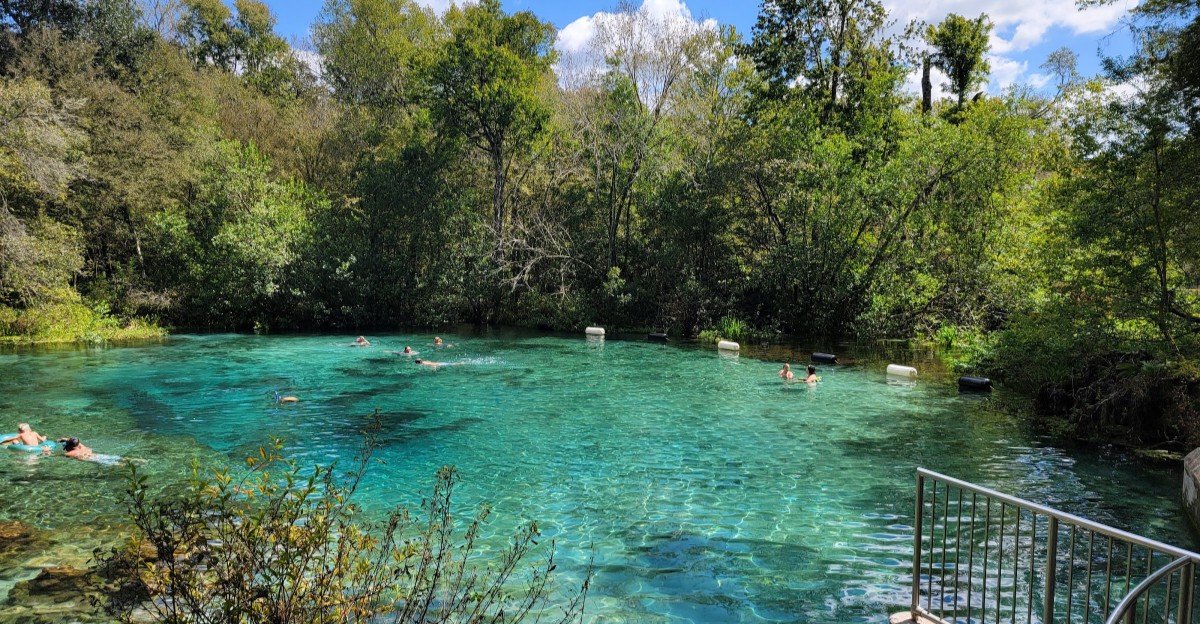
Ichetucknee Springs State Park sits just outside Fort White, Florida, and offers something most state parks can’t match: water so clear you can count fish from your inner tube. The springs pump out 233 million gallons of 72-degree water daily, creating a six-mile river that stays refreshingly cool even during scorching summer days. Whether you’re floating lazily on a tube, paddling a kayak through cypress-lined channels, or snorkeling alongside curious turtles, this park delivers an escape into Old Florida that feels worlds away from theme park crowds.
Tubing Down the Crystal-Clear River
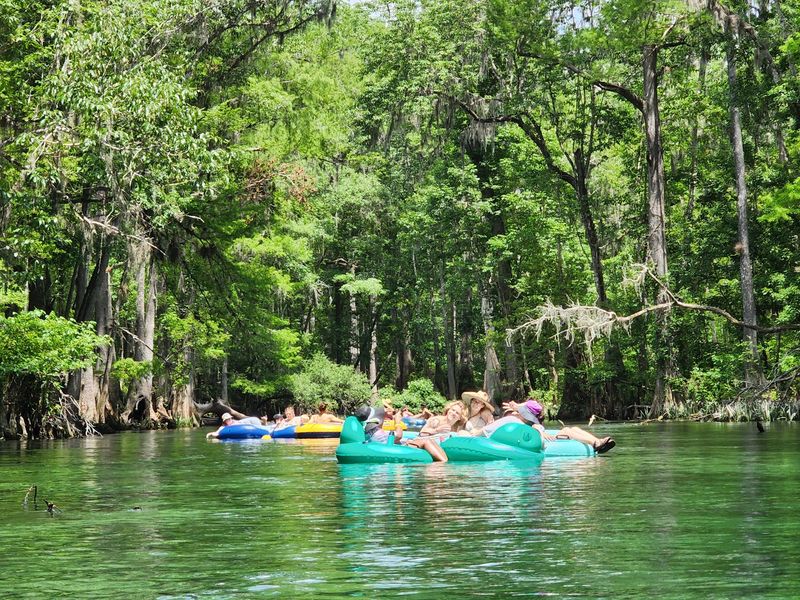
Grab a tube and surrender to the current for one of Florida’s most beloved lazy river experiences. The Ichetucknee River carries you through three and a half hours of natural beauty at a pace that demands absolutely nothing from you except relaxation. Water clarity here isn’t just good, it’s jaw-dropping.
You’ll float over beds of swaying eelgrass while schools of mullet dart beneath your feet.
Summer weekends bring crowds, so smart visitors book early morning time slots or visit on weekdays. The park limits daily entries to protect the ecosystem, which means you might get turned away if you show up late during peak season. Reservations open online and sell out fast for June through August.
Two route options let you customize your float time. The shorter run from the midpoint takes about an hour, perfect for families with young kids or anyone testing the waters for the first time. The full run from the headspring stretches the experience to around three hours, winding through quieter sections where wildlife sightings multiply.
Tube rentals run about $15 for singles and $37 for doubles, though you can haul in your own as long as they measure under 60 inches in diameter. Skip the cheap inflatable pool toys because they’ll deflate or flip. The park’s cushioned tubes with headrests and mesh bottoms earn their price tag on longer floats.
Pack water in reusable containers because single-use plastics aren’t allowed on the river. Same goes for food, the park bans all edibles on the water to keep wildlife from getting hooked on human snacks. Coolers stay in your car, so eat before you launch or after you finish.
The tram service costs extra but saves your legs from a 25-minute hike back to the start. Unlimited daily tram passes let you run the river multiple times, and most regulars squeeze in at least two floats before calling it a day. Water shoes protect your feet during the rocky entry and exit points where slippery limestone hides under shallow water.
Blue Hole Spring Trail and Swimming
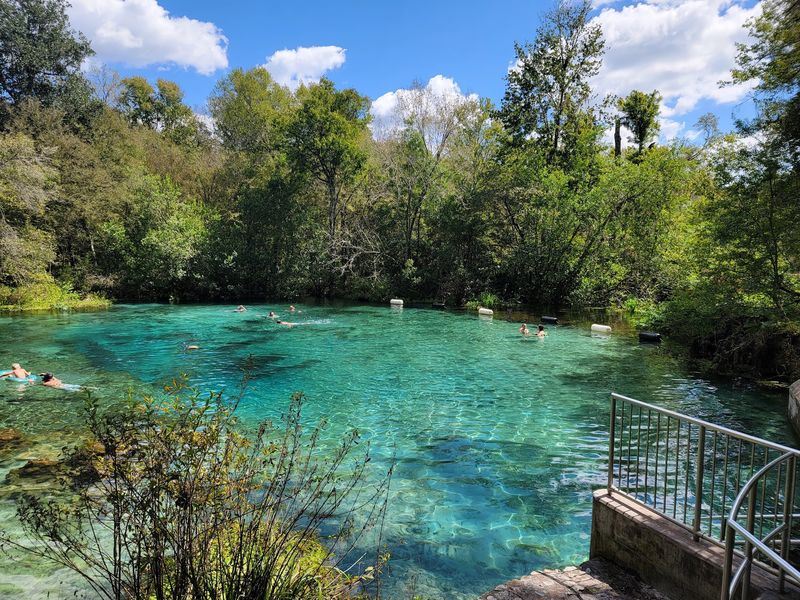
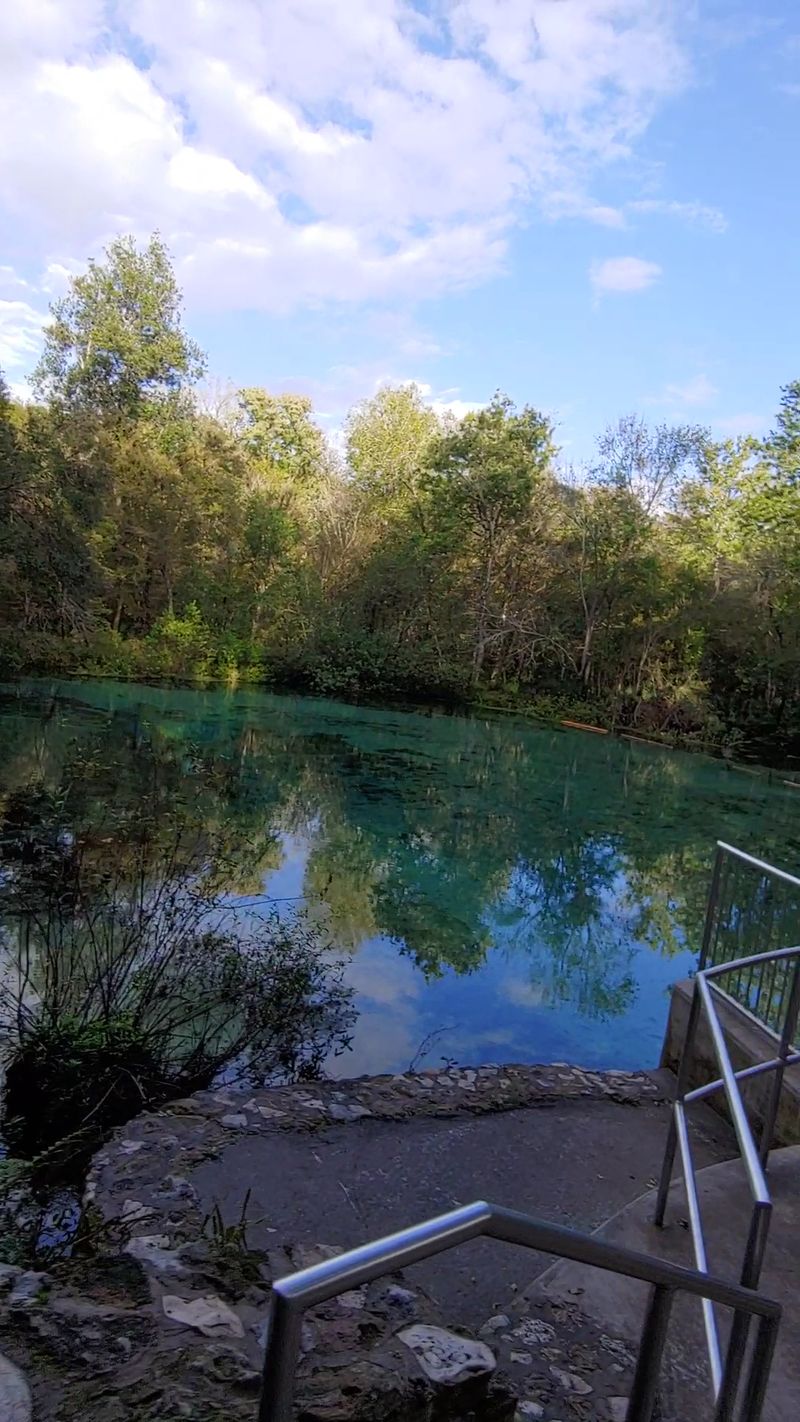
Blue Hole Spring sits about a mile from the main headspring, reached by a shaded trail that winds through hardwood hammock. This spring pumps water from a limestone cavern system that creates an otherworldly blue glow when sunlight hits just right. Depths reach around 20 feet in the center, making it a favorite spot for confident swimmers and snorkelers who want to explore without battling river current.
The trail itself deserves attention beyond just being a path to water. Interpretive signs explain the unique geology that creates Florida’s spring systems, and you’ll likely spot gopher tortoises, woodpeckers, and the occasional deer. Morning walks offer the best wildlife viewing before midday heat sends animals into hiding.
Swimming here feels different from the main spring because you’re not fighting to stay in one place. The spring basin gives you room to actually swim laps or practice diving. Families with younger children appreciate the calmer environment compared to the headspring’s stronger flow.
Snorkeling reveals a different world below the surface. Small bream and bass hang near submerged logs while turtles cruise past with surprising speed. The spring boil itself creates mesmerizing patterns in the sand where water pushes up from underground aquifers.
Bring an underwater camera because the visibility often exceeds 100 feet.
Wooden platforms and natural limestone ledges provide spots to rest between swims. Unlike the tubing areas that see constant traffic during summer, Blue Hole maintains a quieter atmosphere even on busy weekends. Locals know this spot as the place to escape crowds while still enjoying that signature spring water clarity.
The trail stays open year-round, and winter visits offer a completely different experience. Steam rises from the 72-degree water when air temperatures drop, creating an almost mystical scene. You’ll have the spring nearly to yourself on cooler days when most visitors skip the park entirely, not realizing the water temperature never changes.
Kayaking and Paddleboarding the Headwaters
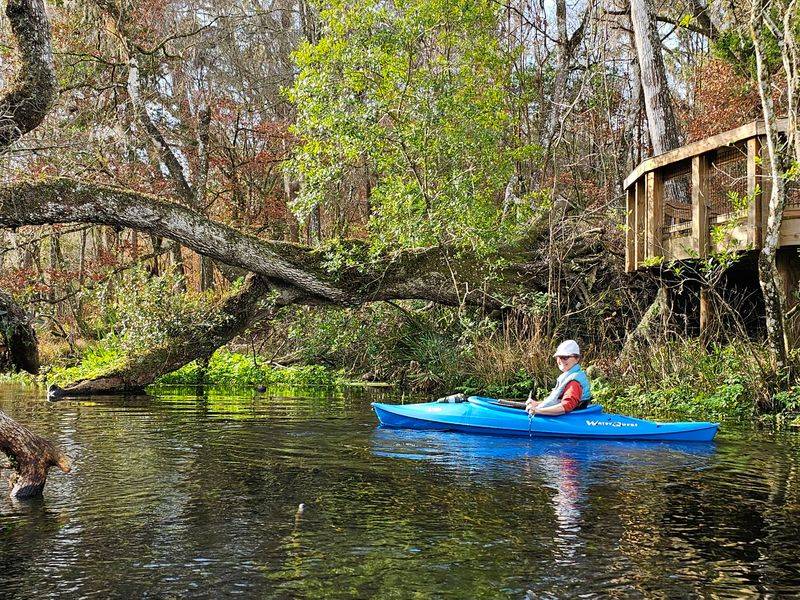
Paddlers get access to sections of the park that tubers never see, starting from the north entrance where the headspring bubbles up from the aquifer. Kayaking here requires real effort because you’re fighting upstream current to reach the spring source, but the workout pays off with unmatched scenery and wildlife encounters. Expect to see more turtles sunning on logs than you can count, plus the occasional otter family playing along the banks.
The current strength surprises first-timers who underestimate how much power 233 million gallons of daily flow creates. You’ll need decent paddling skills and some upper body strength to make progress against the push. Beginners sometimes give up and turn around, which is perfectly fine since the downstream float back requires zero effort.
Launching from the north entrance lets you paddle up to explore the spring basin itself, where the water appears almost impossibly clear. Peering down reveals limestone formations and cave openings where water emerges from underground rivers. Fish hover in place, fighting the same current you’re battling, creating a scene that looks more like an aquarium than a wild river.
Stand-up paddleboards work beautifully on calmer sections, though you’ll want experience before attempting the headspring approach. The stable platform gives you a higher vantage point for spotting fish and turtles, and you can kneel down when your legs get tired. Inflatable boards with seats offer the best of both worlds, letting you switch between standing and sitting.
South entrance paddlers skip the upstream workout and enjoy a leisurely downstream journey. This route follows the same path as tubers, which means navigating around floating crowds once you reach the midpoint. Early morning launches before the tubing rush starts give you the river mostly to yourself.
Rental kayaks cost around $30 for a half-day, or bring your own to save money. The park charges for shuttle service if you need a ride back to your vehicle, though the fee beats paddling back upstream after a three-hour float.
Wildlife Viewing and Nature Photography
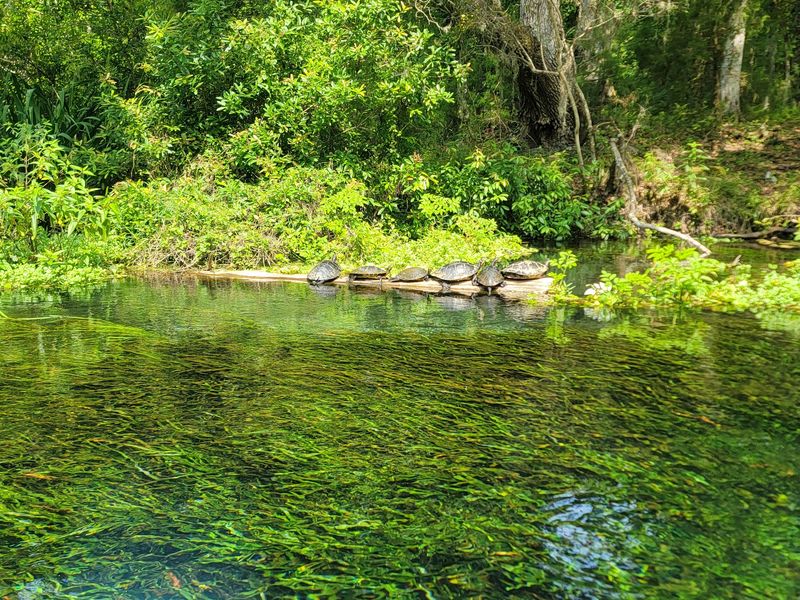
Ichetucknee Springs delivers wildlife encounters that don’t require binoculars or patience. Turtles stack themselves three-deep on sunny logs, completely unbothered by passing floaters. Mullet jump clear out of the water for reasons known only to them, occasionally landing in tubes with surprised visitors.
Gar fish cruise the shallows like prehistoric submarines, their armored scales glinting in filtered sunlight.
River otters make regular appearances, especially during early morning hours before human activity picks up. These playful mammals fish along the banks and sometimes follow kayakers out of pure curiosity. Patient observers might catch them sliding down muddy banks or wrestling with siblings in shallow pools.
Bird watchers should bring waterproof field guides because the species list runs long. Anhinga spread their wings to dry on overhanging branches while limpkins call out their distinctive wails. Wood ducks nest in tree cavities along the river, and their ducklings provide endless entertainment as they struggle to keep up with mom.
Underwater photography opportunities rival any tropical reef for clarity and subject variety. Sunfish build circular nests in the sandy bottom, defending their territory against all intruders. Small bass hide under submerged logs while bream school in deeper pools.
The constant 72-degree water temperature keeps fish active year-round, unlike cooler rivers where activity drops in winter.
Alligators live in the park but stick mostly to slower-moving areas away from the main river run. Sightings happen occasionally, though these gators show zero interest in tubers and kayakers. They’re significantly smaller and less aggressive than their cousins in warmer, food-rich environments.
Seasonal changes bring different wildlife patterns even though water temperature stays constant. Spring migration fills the canopy with warblers and other songbirds heading north. Fall sees monarch butterflies stopping to refuel on wildflowers along the riverbanks.
Winter transforms the experience entirely as steam rises from warm spring water meeting cold air, creating an almost tropical rainforest atmosphere complete with condensation dripping from every leaf.
Snorkeling the Spring Runs
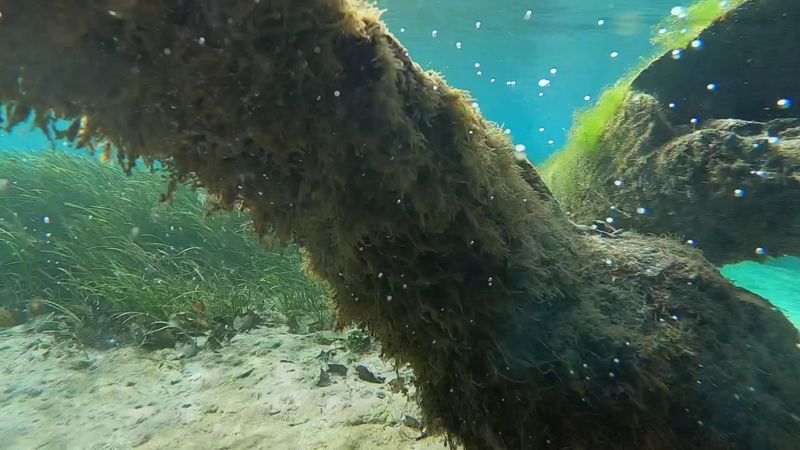
Snorkeling at Ichetucknee requires nothing more than a mask and fins to enter an underwater world most Floridians never experience. Visibility routinely exceeds what you’d find in many ocean reefs, and the constant water flow keeps everything pristine. Swimming through the spring runs feels like gliding through liquid glass while fish ignore your presence and go about their business.
The headspring offers the most dramatic snorkeling with depths dropping to 15 feet and limestone caves visible below. Strong current here means you’ll need to swim hard to stay in place, but the view justifies the effort. Sand boils create dancing patterns on the bottom where pressurized water pushes up through the aquifer.
Eelgrass beds sway in the current like underwater prairies, providing habitat for small fish and invertebrates. Snails climb the grass blades while tiny minnows dart between stems. This ecosystem depends entirely on the spring’s constant flow and temperature, creating conditions found nowhere else in Florida.
Blue Hole Spring provides easier snorkeling for beginners or anyone who wants to observe without fighting current. The deeper basin lets you dive down to inspect limestone formations and peek into small caves where fish hide. Sunlight penetrates all the way to the bottom on clear days, illuminating every detail.
Full-face snorkel masks have gained popularity but create problems in strong current. Stick with traditional masks that let you ditch the snorkel and swim naturally when needed. Fins help immensely for maintaining position and conserving energy during longer exploration sessions.
Winter snorkeling delivers the park’s most unique experience as you float through warm spring water while cold air chills your exposed head. The temperature contrast creates a surreal sensation, and you’ll see more fish concentrated in the warmer spring areas. Manatees occasionally visit during cold snaps, seeking the constant 72-degree refuge from frigid river water downstream.
Photography underwater requires waterproof housings or action cameras. The incredible clarity means you don’t need professional equipment to capture stunning images. Even smartphones in waterproof cases produce remarkable results in these conditions.
Picnicking and Day-Use Facilities
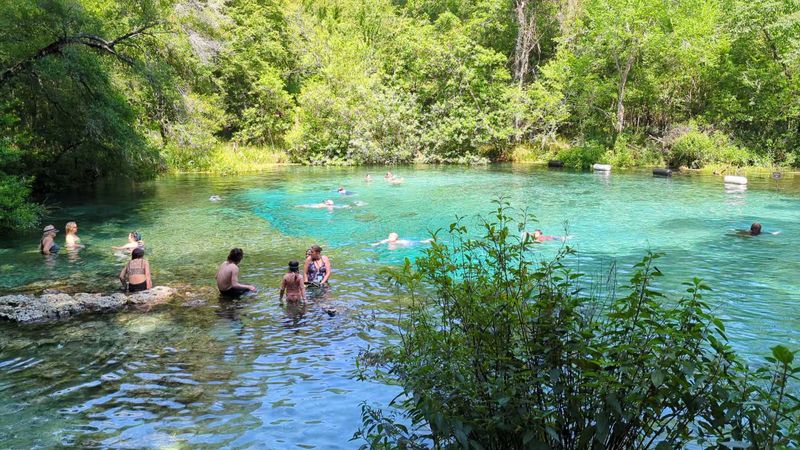
Both park entrances offer well-maintained picnic areas that turn a spring visit into a full-day affair. Covered pavilions provide shade during midday heat while grills let you cook lunch between tube runs. Most families pack coolers and make it a tradition, spreading out on tables overlooking the spring areas while kids burn off energy on nearby grass.
The north entrance picnic grounds sit steps from the headspring, giving you easy access for quick cooling dips between meals. Mature oak trees create natural shade canopies, and you’ll often spot squirrels and birds working the area for dropped crumbs. Restrooms nearby stay surprisingly clean for a heavily-used state park, with family changing rooms large enough to wrangle wet kids and gear.
Food trucks sometimes park near the north entrance during peak season, offering burgers, hot dogs, and cold drinks for visitors who forgot to pack lunch. Prices run higher than outside the park but lower than typical theme park rates. The quality varies depending on which vendor shows up, though most serve acceptable park food that beats driving 20 minutes to the nearest restaurant.
Grills require charcoal since the park doesn’t provide propane hookups. Bring your own briquettes and lighter fluid, plus a grill brush because previous users don’t always clean up properly. Cast iron grates hold heat well but take time to cool down, so plan your cooking schedule accordingly if you want to hit the river again after eating.
South entrance facilities focus more on tubing logistics with smaller picnic areas. Most people eat here either before their first float or after their last one. The tram station dominates this area, creating more hustle and bustle than the quieter north entrance.
Park regulations prohibit alcohol, and rangers actually enforce this rule unlike some state parks that look the other way. Glass containers of any kind stay banned to protect bare feet and wildlife. Trash receptacles dot both picnic areas, and the park maintains a surprisingly clean environment despite heavy daily use during summer months.
Tram Service and River Access
The tram service at Ichetucknee solves the biggest problem with river floating: getting back to where you started. These open-air shuttles haul you and your tube from the south entrance exit point back to the north entrance launch area, eliminating a 25-minute uphill walk. Unlimited day passes cost around $10 and pay for themselves after two runs, making them essential for anyone planning multiple floats.
Trams run continuously during peak season, cycling every 15-20 minutes as groups finish their floats. Wait times stretch longer on summer weekends when hundreds of people queue up, so patience helps. The ride itself takes about 10 minutes through shaded forest roads, offering a chance to rest tired legs and plan your next run.
Carrying tubes to the launch point from the tram drop-off requires more effort than most people expect. The park prohibits dragging tubes to prevent damage to the trail surface, so you’ll hoist that double tube onto your shoulder and walk about five minutes downhill. Older visitors and anyone with mobility issues should consider the shorter midpoint launch to reduce carrying distance.
North entrance visitors who only want to swim or explore the headspring skip the tram entirely. Same goes for kayakers and paddleboarders who launch and return to the same spot. The tram serves exclusively the tubing crowd making the downstream journey.
Staff at both entrances check wristbands to ensure you’ve paid park entry and tram fees if applicable. They’re friendly but firm about rules, particularly regarding prohibited items like disposable containers and outside alcohol. Cooperation makes everyone’s day smoother since these folks deal with thousands of visitors weekly during summer.
Accessibility remains limited despite the park’s efforts. The tram itself accommodates wheelchairs, but getting to and from the river presents challenges. Paved paths lead to viewing areas, though actually entering the water requires navigating natural limestone and sandy areas that don’t work well for mobility devices.
The park’s website provides specific accessibility information worth reviewing before visiting if you have concerns.
Year-Round Spring Swimming
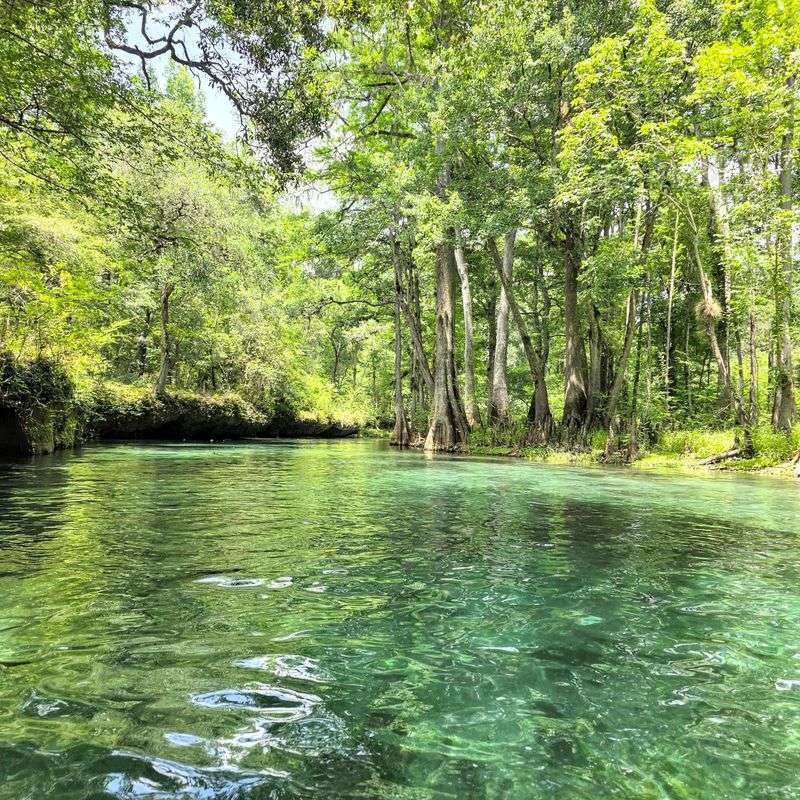
Most visitors assume Ichetucknee closes after summer ends, missing out on the park’s best-kept secret: year-round swimming in constant 72-degree water. January floating might sound crazy until you experience the magic of warm spring water while cold air creates steam clouds around you. The park stays open daily from 8 AM to 8 PM regardless of season, though tubing shuts down from Labor Day through late May.
Winter swimming attracts a devoted following of locals who have the springs almost entirely to themselves. You’ll share the headspring with maybe a dozen people instead of hundreds, and the quiet amplifies every bird call and rustling leaf. The temperature contrast between air and water creates an invigorating experience that feels nothing like summer visits.
Fall and spring shoulder seasons offer the sweet spot between crowds and weather. September and October deliver warm air temperatures with reduced visitor numbers once school starts. March through May bring wildflowers and migrating birds while water stays perfectly swimmable.
These months let you actually hear the springs bubbling instead of being drowned out by hundreds of conversations.
Cold-weather swimming requires mental preparation more than physical gear. The initial plunge feels shocking when air temperatures hover in the 50s, but your body adjusts within minutes. Wetsuits help if you plan extended snorkeling sessions, though most swimmers go without and just limit their time in the water.
Manatees occasionally visit during winter cold snaps, treating the springs as thermal refuges from frigid river water. These encounters happen unpredictably but create unforgettable moments for lucky visitors. Park rules require you to observe from a distance without touching or chasing these protected animals.
Photography opportunities multiply during off-season visits when you can actually compose shots without dodging other swimmers. The steaming water effect only happens when air temperatures drop significantly below the spring’s constant temperature, creating scenes that look more like Yellowstone than Florida. Sunrise visits during winter produce the most dramatic steam effects as overnight cooling maximizes the temperature differential.
Planning Your Visit and Park Regulations
Successful Ichetucknee visits start with understanding park rules that exist for good reasons. The daily entry cap during summer means showing up after 10 AM on weekends often results in being turned away. Online reservations open weeks in advance and sell out quickly for June through August weekends.
Weekday visits offer much better availability and smaller crowds even during peak season.
Entry fees run $6 per vehicle for up to eight people, remarkably affordable compared to many Florida attractions. The fee covers parking and basic park access, but tube rentals, tram service, and equipment cost extra. Bring cash as backup because card readers sometimes malfunction in remote park locations.
Prohibited items include all disposable containers, glass, alcohol, and food on the river itself. These rules protect the pristine ecosystem and prevent litter that would destroy the park’s character. Rangers actively enforce regulations and will confiscate banned items or ask you to return them to your vehicle.
Reusable water bottles and drink containers get the green light as long as they’re not glass.
Water shoes rank as essential gear because limestone rocks at entry and exit points hide under shallow water. These rocks get slippery with algae, and bare feet slip easily. Cheap water shoes from discount stores work fine, you don’t need expensive river sandals.
Sunscreen matters even under tree canopy since reflected sunlight off the water intensifies UV exposure.
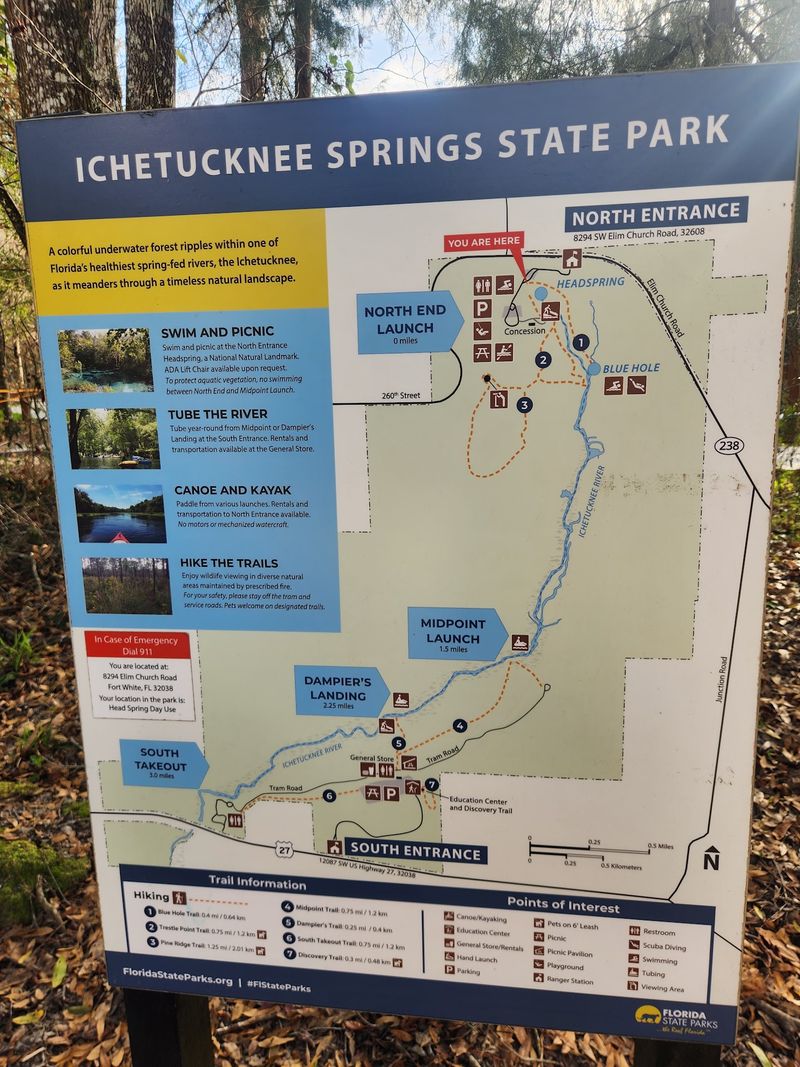
Parking lots fill early during summer, so arriving before 9 AM gives you better choices. The north entrance offers easier access to swimming and shorter walks, while the south entrance serves primarily tubers. GPS coordinates work better than street addresses in this rural area where road signs sometimes disappear.
Cell service drops to nearly nothing once you’re on the river, so don’t plan on streaming music or posting real-time updates. Download maps and information before arriving, and tell someone your plans if you’re visiting alone. The park maintains excellent safety records, but you’re floating through genuine wilderness where help isn’t instantly available.