There’s a 440-Acre Wilderness Hideaway Practically in Disney World’s Backyard
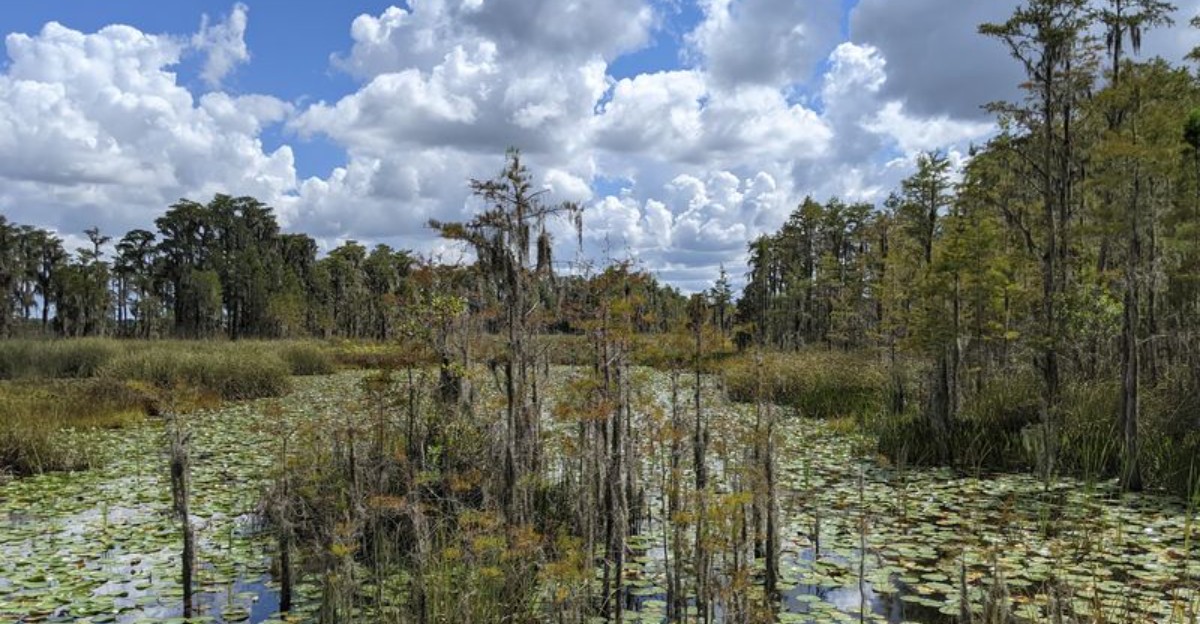
Right in the middle of Orlando’s theme park madness sits a 440-acre slice of old Florida that most tourists never find. Tibet-Butler Nature Preserve offers shaded trails, gopher tortoises, and zero crowds, all just minutes from the Mouse House. Whether you need a break from roller coasters or just want to see what Central Florida looked like before the development boom, this hidden gem delivers peace, wildlife, and some seriously good hiking without charging you a dime.
1. Miles of Free Trails Through Real Florida Ecosystems
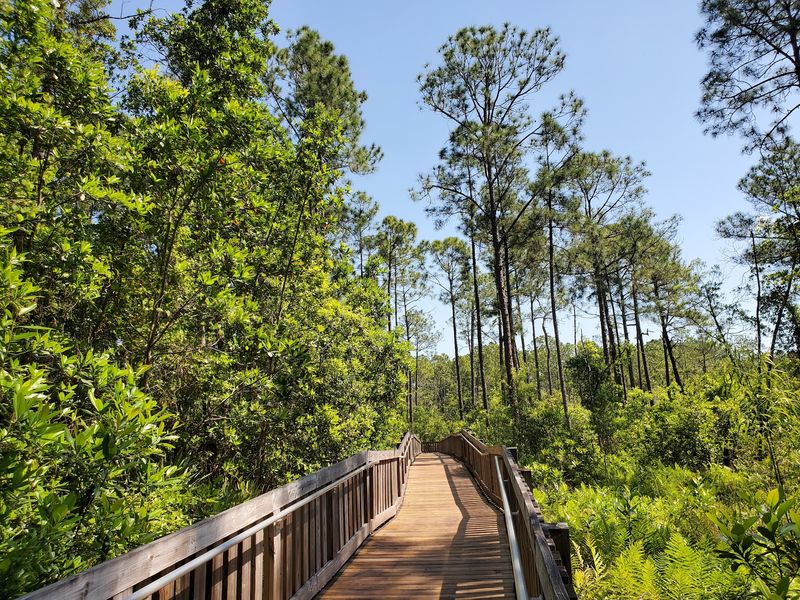
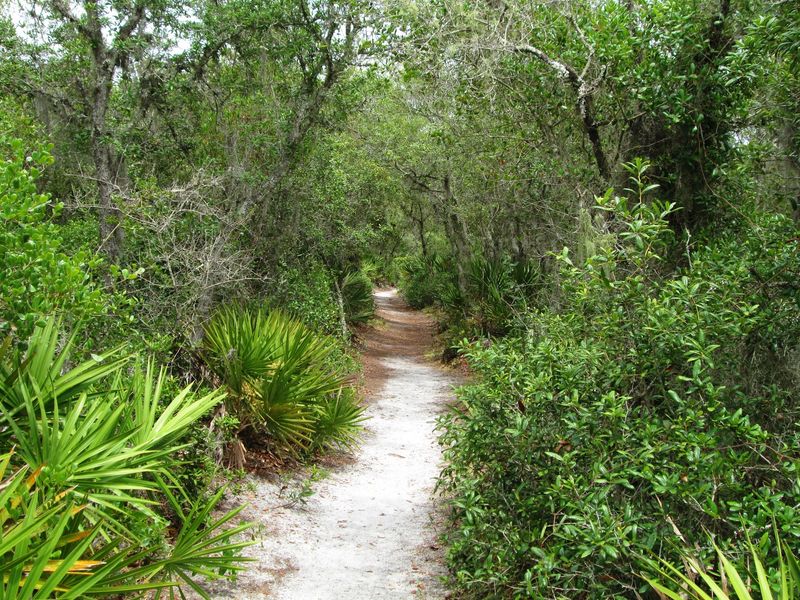
Forget paying $100+ to stand in line all day. Tibet-Butler serves up three miles of interconnected trails that won’t cost you a penny. The paths wind through pine flatwoods, cypress swamps, and oak hammocks, giving you a crash course in Florida ecosystems without the theme park price tag.
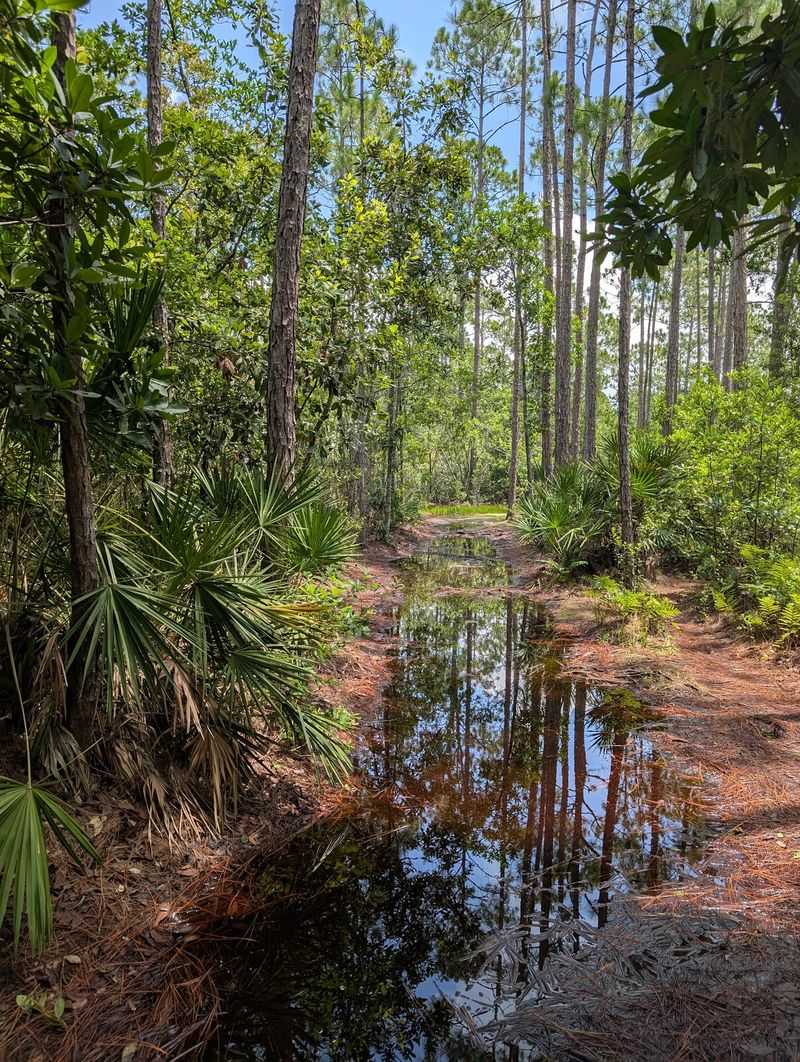
Trail surfaces vary wildly. You’ll walk on soft sand one minute, packed dirt the next, then cross elevated boardwalks over wetlands. Some sections turn into mud pits after rain, so skip the flip-flops and wear actual hiking shoes.
The terrain stays mostly flat, making it doable for families with young kids or anyone who’s not training for Everest.
Well-placed trail markers keep you from getting lost, even if navigation isn’t your strong suit. Loop options range from quick 30-minute strolls to longer two-hour explorations. The preserve opens at 8 AM and closes at 6 PM daily, so plan accordingly.
Show up early on weekends to snag parking and beat the heat.
No dogs allowed here, which keeps the wildlife relaxed and visible. That policy might disappoint pet owners, but it makes the preserve genuinely peaceful for everyone else trying to escape Orlando’s chaos.
2. The Visitor Center Actually Teaches You Something
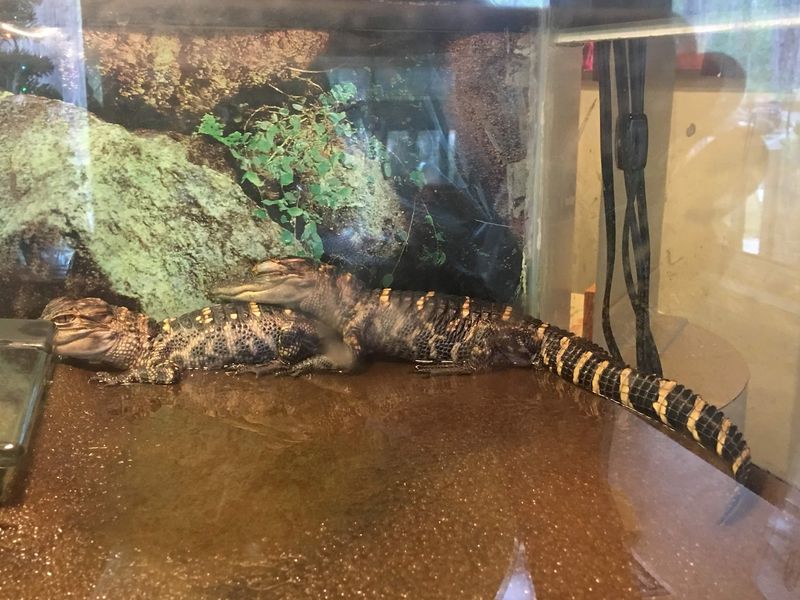
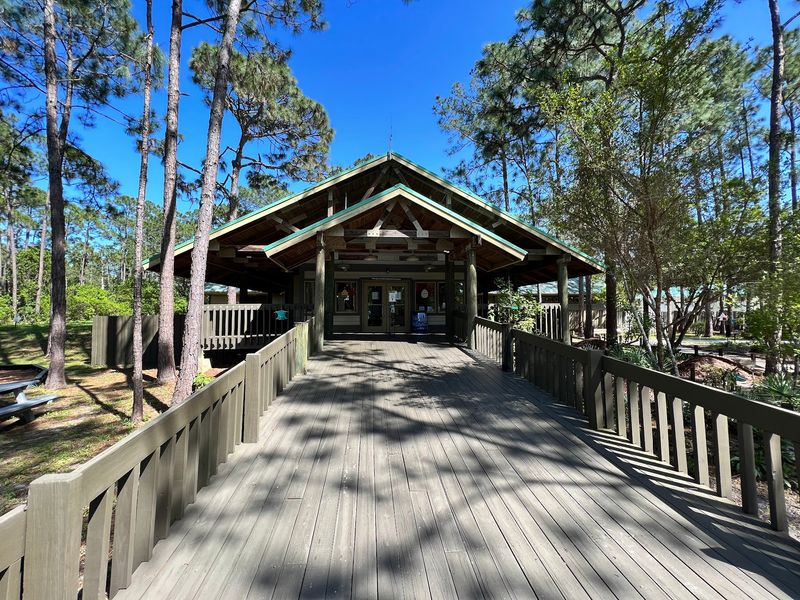
Most nature centers phone it in with dusty taxidermy and faded posters. Tibet-Butler’s visitor center breaks that mold with thoughtful exhibits that explain local ecosystems without putting you to sleep. Interactive displays let kids push buttons and hear frog calls, while adults can geek out over wetland ecology and fire management.
The center houses two young alligators in a habitat display, giving visitors an up-close look without the danger. Educational materials cover everything from lightning strikes on forests to the role of gopher tortoises in their environment. Staff members know their stuff and happily answer questions instead of hiding behind a desk.
Clean restrooms with actual running water feel like luxury after hiking. A water bottle refill station near the bathrooms means you can top off before hitting the trails. No food or drinks sold on-site, so pack snacks if you’re planning a longer visit.
The center offers educational programs for just $2, focusing on Florida wildlife and native plants. Check their schedule before visiting if you want to catch one. Even without a program, the center makes a solid starting point to understand what you’re about to see outside.
Admission to the preserve and center stays free year-round, funded by Orange County.
3. Gopher Tortoises Roam Like They Own the Place
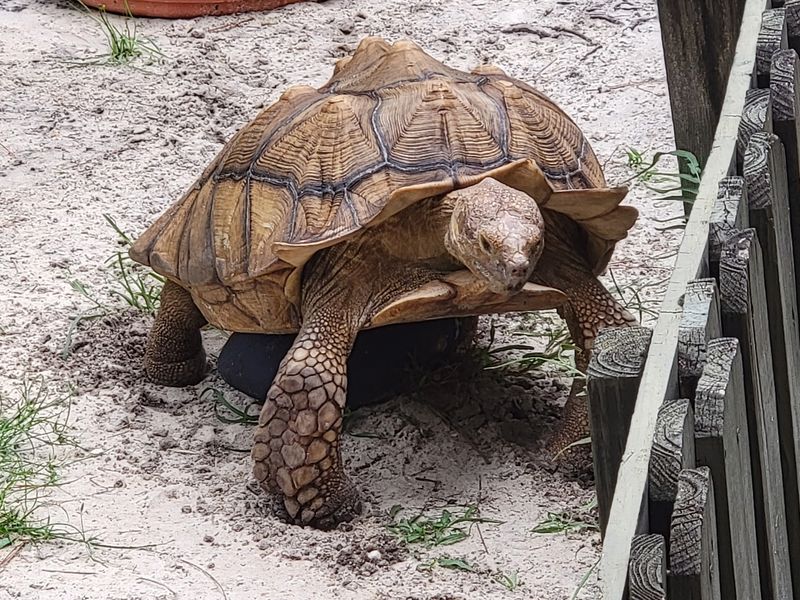
Spotting a gopher tortoise ranks as one of Tibet-Butler’s best surprises. These ancient-looking reptiles lumber across trails and munch vegetation like they’ve got nowhere important to be. Some live right near the visitor center, practically posing for photos.
Others hide in burrows throughout the preserve, emerging when they feel like it.
Gopher tortoises dig impressive underground homes that also shelter over 350 other species. Their burrows can stretch 40 feet long and 10 feet deep, creating miniature ecosystems beneath your feet. Florida law protects these guys, so look but don’t touch or feed them.
The tortoises move slowly but cover surprising distances. You might see one crossing a trail, then spot the same individual hours later in a completely different area. Their shells show growth rings and battle scars from decades of Florida living.
Kids especially love these gentle giants. Unlike skittish birds or quick lizards, tortoises stick around long enough for good photos and observation. Early morning and late afternoon bring the most tortoise activity, though you can stumble across them anytime.
The preserve’s staff can point you toward recent tortoise sightings if you ask at the visitor center. Patience pays off when tortoise hunting.
4. Boardwalks Over Cypress Swamps Feel Like Another Planet
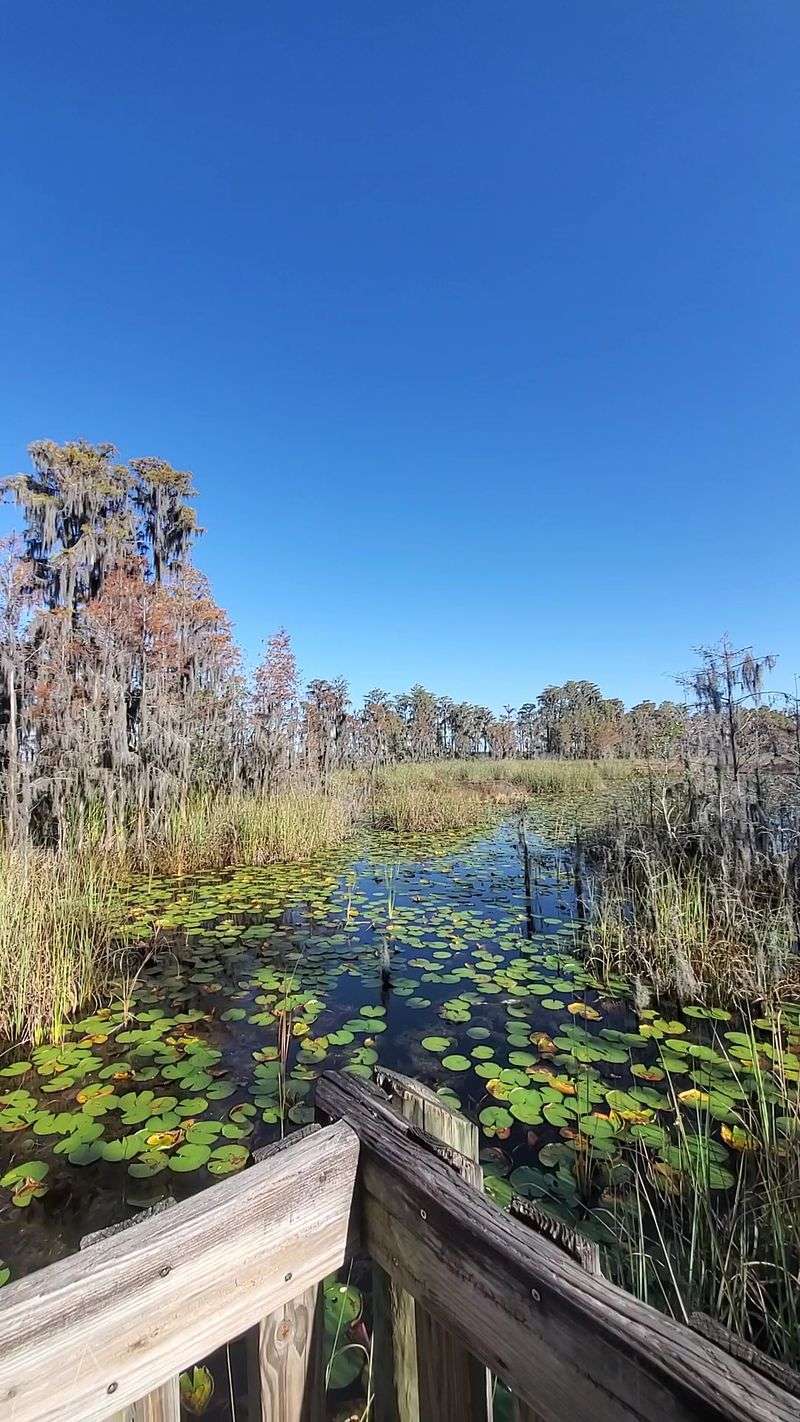
The elevated boardwalk sections transport you straight into a different world. Cypress knees poke up through dark water while Spanish moss drapes from overhead branches. These wetland walkways protect fragile ecosystems while letting you experience swamp environments up close without getting soaked.
Water levels fluctuate dramatically based on rainfall. After wet periods, the swamp rises to meet the boardwalk, creating an almost floating sensation. During dry spells, you can see the swamp floor and all the life it supports.
Both versions offer completely different experiences worth checking out multiple times.
Frogs chorus from hidden spots, especially after rain. Their calls echo through the cypress canopy, sometimes so loud you need to raise your voice for conversation. Bird species that prefer wetlands hang out here, including herons and egrets stalking fish in the shallows.
The boardwalks provide natural air conditioning even on brutal summer days. Shade from the cypress canopy and evaporation from standing water drop temperatures noticeably. Bring bug spray though, because mosquitoes consider this prime real estate too.
Photography enthusiasts find endless subjects here. Morning light filtering through moss creates magical conditions. The boardwalks stay stable and wide enough for tripods, unlike muddy trail sections.
5. Osprey Overlook Offers the Preserve’s Best Views
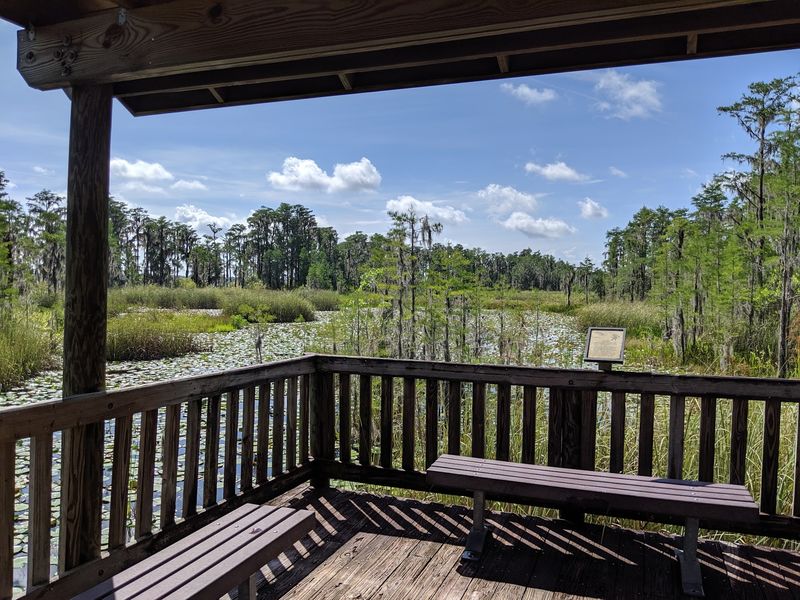
Tucked along the trail system, Osprey Overlook provides the preserve’s only significant vista. The platform looks out over open water and wetlands, giving your eyes a break from dense forest. It’s named for the fish-eating hawks that nest nearby and hunt over the water.
Benches invite you to sit and actually rest instead of rushing through. The overlook makes an ideal turnaround point for shorter hikes or a perfect spot to eat snacks you packed. Shade covers part of the platform, though you’ll still want sunscreen during midday visits.
Osprey sightings happen regularly, especially during nesting season. Watch for these large raptors diving feet-first into the water to snag fish. Their hunting success rate is surprisingly high, so patience often gets rewarded with a show.
The overlook also attracts other water birds including anhingas, cormorants, and various wading species. Bring binoculars if you’re into birding. Even casual observers enjoy watching wildlife activity across the water.
Sunrise and sunset paint the sky in ridiculous colors reflected on the water surface. The preserve closes at 6 PM, but late afternoon visits catch golden hour light. Morning visits mean cooler temperatures and more active wildlife.
Either way beats standing in theme park lines.
6. Bug Spray and Sturdy Shoes Are Non-Negotiable
Show up in sandals and shorts without bug spray, and you’ll regret every life choice that led to that moment. Yellow flies patrol the trails like tiny fighter jets, especially during warmer months. These aggressive biters make mosquitoes look polite by comparison.
DEET-based repellent works best, though you’ll still get buzzed occasionally.
Proper footwear saves your feet and ankles. Trails alternate between soft sand that fills sneakers, muddy sections that suck at your soles, and root-covered paths waiting to trip you. Hiking boots or trail runners with good tread handle these challenges better than fashion choices.
The preserve provides zero concessions or vending machines. Pack water bottles and refill them at the visitor center station. Florida heat dehydrates you faster than you think, even on shaded trails.
Snacks help too, since hiking burns calories and the nearest food sits miles away.
Sunscreen matters despite tree cover. Gaps in the canopy let UV rays through, and the boardwalk sections offer minimal shade. Wide-brimmed hats protect your face and neck better than baseball caps.
Check weather before heading out. Afternoon thunderstorms roll through regularly during summer, turning trails into slip-and-slides. Morning visits avoid both storms and peak heat.
The preserve stays open rain or shine, but lightning means you should head back.
7. It’s Minutes From Disney But Feels Hours Away
The preserve sits at 8777 Winter Garden Vineland Road, practically spitting distance from Walt Disney World’s northern edge. Yet stepping onto these trails feels like teleporting to a different Florida entirely. No crowds, no cartoon characters, no $15 turkey legs, just actual nature doing its thing.
That proximity makes Tibet-Butler perfect for theme park refugees needing a sanity break. Families visiting Orlando can split their time between manufactured magic and genuine wilderness. The preserve offers proof that Central Florida existed before someone built a castle.
Getting there requires a car since public transit doesn’t really serve this area. GPS sometimes leads people to a nearby golf course instead of the preserve entrance. If you end up at a golf course gate, backtrack and look for the actual nature preserve signs.
Security guards at the golf course deal with this mix-up constantly and point lost visitors in the right direction.
Free parking handles maybe 20-30 vehicles. Weekend mornings fill up first, so arrive early or try weekday visits. The lot empties out by late afternoon when heat drives casual hikers away.
Despite feeling remote once you’re on the trails, you’re never actually far from civilization. That combination of accessibility and isolation makes the preserve special for both locals and tourists.
8. The Preserve Proves Free Doesn’t Mean Second-Rate
Orange County manages Tibet-Butler as a public preserve, which means zero admission fees forever. That free access doesn’t come with cut corners or neglect. Trails get maintained regularly, signs stay updated, and staff actually care about the place.
Compare this to paid nature experiences around Orlando, and the value becomes obvious. You’re getting the same wildlife, similar ecosystems, and better trail conditions without opening your wallet. The preserve proves that quality outdoor experiences don’t require premium pricing.
Educational programs cost just $2 when offered, covering topics like native plants and local wildlife. Even without a formal program, the visitor center exhibits teach plenty. Kids engage with interactive displays while parents read detailed information about fire ecology and wetland systems.
The preserve’s 4.7-star rating from over 1,300 Google reviews backs up its quality. Visitors consistently praise the well-marked trails, helpful staff, and peaceful atmosphere. Complaints mostly focus on bugs and muddy conditions after rain, both unavoidable in Florida wilderness.
Locals use Tibet-Butler as their regular hiking spot, which speaks volumes. Tourists discover it through word-of-mouth or accidental Google searches. Either way, people leave impressed that something this good costs nothing.
The preserve stands as proof that Florida still protects some wild spaces for everyone to enjoy.