One of Florida’s Prettiest Lakes Is Tucked Inside This Under-the-Radar State Park
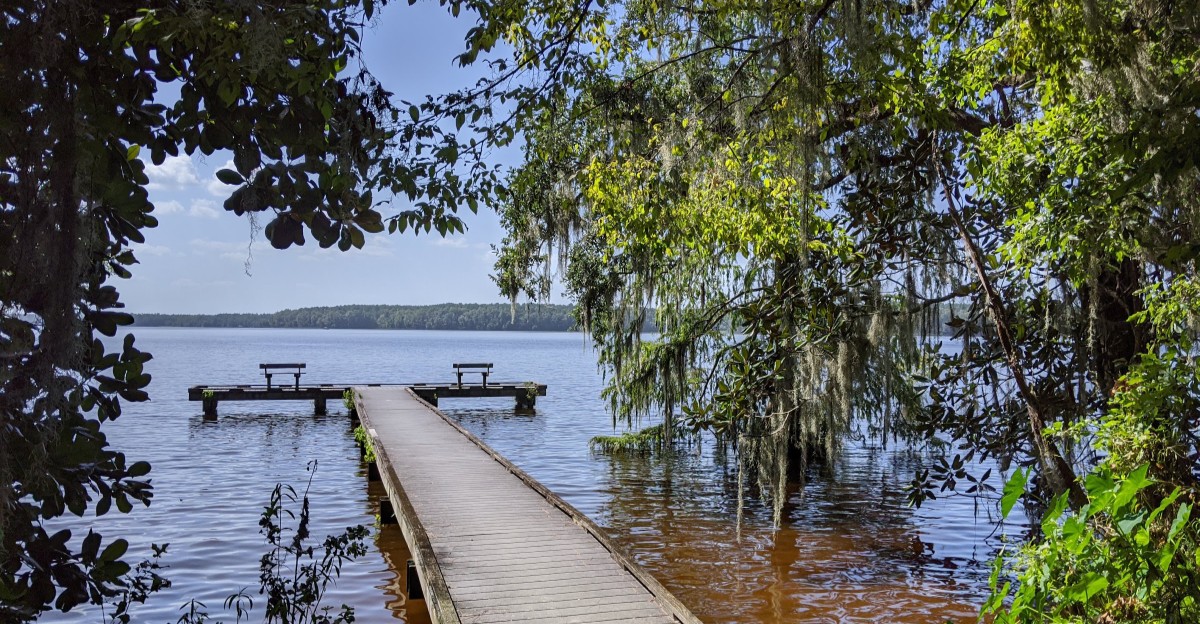
Just a short drive from Tallahassee, Lake Talquin State Park sits quietly along the shores of one of North Florida’s most stunning bodies of water. While crowds flock to Florida’s famous beaches and theme parks, this peaceful spot remains refreshingly uncrowded, offering a slice of natural beauty that feels like a well-kept secret. From fishing off scenic piers to exploring shaded trails, this hidden gem delivers the kind of outdoor experience that reminds you why Florida’s wild side is worth exploring.
Crystal-Clear Waters That Rival Any Coastal Destination
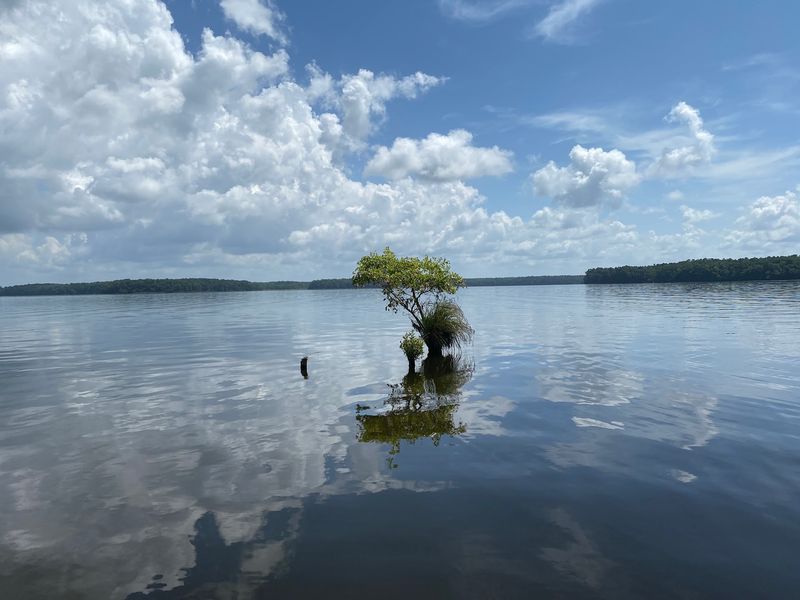
Lake Talquin stretches across 8,850 acres with an average depth of 68 feet, creating a body of water so striking it could easily compete with Florida’s coastal destinations. The lake formed in 1927 when the Jackson Bluff Dam was built on the Ochlockonee River, transforming the landscape into what locals now consider one of the region’s most beautiful recreational spots. Unlike the salty Gulf waters just an hour away, this freshwater lake offers a completely different kind of beauty, with cypress trees lining the banks and wildlife thriving along the edges.
What makes this lake truly special is how the light plays across its surface throughout the day. Early morning brings a glassy calm that turns the water into a perfect mirror, reflecting the towering pines and oaks that crowd the shoreline. By afternoon, gentle breezes create just enough movement to make the surface shimmer like scattered diamonds.
The lake’s size means you can explore for hours without covering the same ground twice. Kayakers and canoeists love paddling into quiet coves where the only sounds are bird calls and the occasional splash of a jumping fish. Boaters appreciate the generous space for cruising, while anglers find productive fishing spots around every bend.
The water quality stays remarkably clear most of the year, making it easy to spot fish swimming near the surface or turtles basking on fallen logs. During summer months, the lake becomes a haven for swimmers looking to escape the heat, though most visitors prefer the fishing piers and observation decks for enjoying the views. The surrounding Apalachicola National Forest adds an extra layer of wilderness that keeps development at bay, preserving the lake’s natural character and ensuring that future generations will find it just as beautiful as it is today.
Fishing Opportunities That Draw Anglers Year-Round
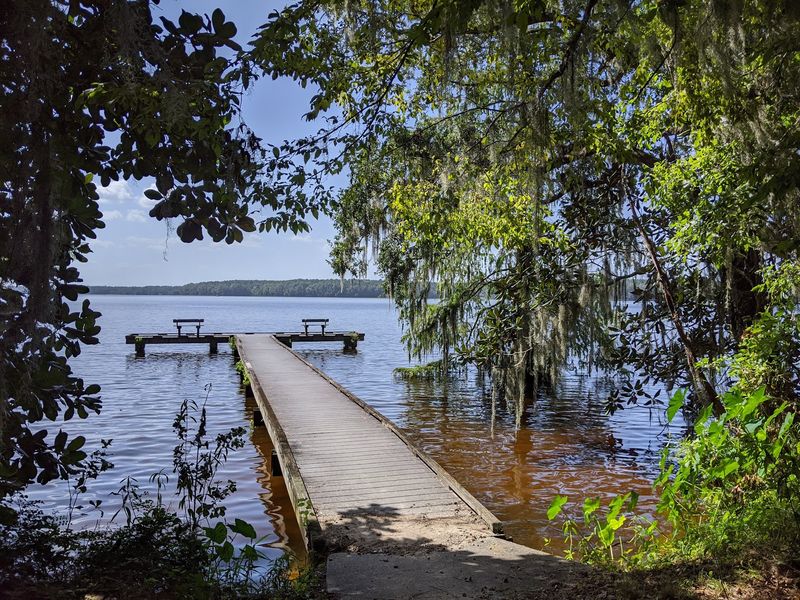
Serious anglers consider Lake Talquin one of North Florida’s premier fishing destinations, and the state park provides some of the best shoreline access you’ll find anywhere on the lake. The park features two fishing piers that jut out over the water, giving you a solid platform for casting lines without needing a boat. These structures put you in prime position to catch largemouth bass, which the lake is famous for, along with crappie, bluegill, and catfish that keep things interesting when the bass aren’t biting.
The lake’s reputation for producing trophy-sized bass has spread throughout the fishing community, drawing tournament anglers from across the Southeast. Local fishing guides regularly report catches exceeding eight pounds, with the occasional monster pushing double digits. The abundance of submerged timber and aquatic vegetation creates perfect habitat for bass to ambush prey, which translates to consistent action for anyone who knows how to work a lure around structure.
Beyond bass, the lake supports healthy populations of chain pickerel, which put up a spirited fight on light tackle. Crappie fishing peaks during spring spawning season when schools move into shallow areas near brush piles and fallen trees. Catfish prowl the deeper channels year-round, offering reliable action for anglers who prefer bottom fishing with cut bait or stink bait.
The park’s fishing piers see steady use from families introducing kids to the sport, retirees enjoying peaceful mornings with a rod in hand, and dedicated anglers chasing their next personal best. You don’t need expensive gear or a fancy boat to experience quality fishing here. A basic rod and reel setup with some artificial lures or live bait will get you started, and the park’s convenient access means you can be casting within minutes of pulling into the parking lot.
Shaded Trails Perfect for Easy Afternoon Hikes
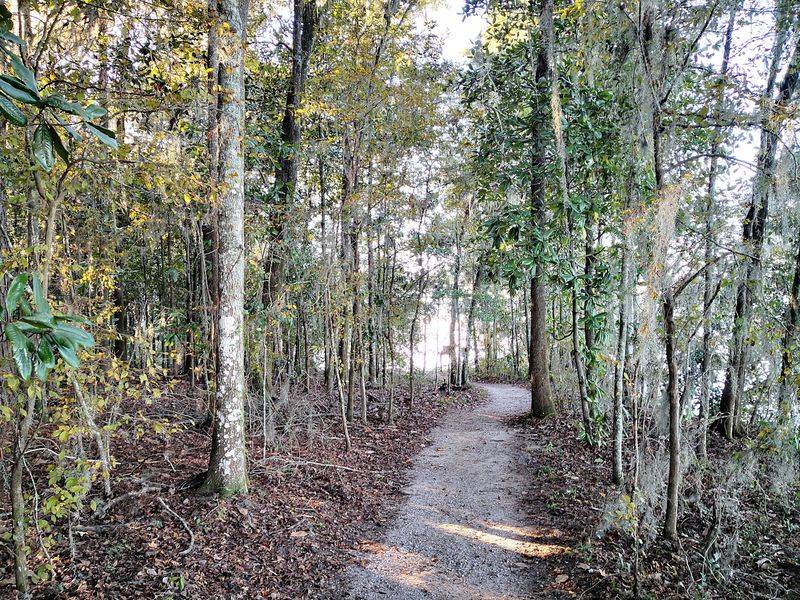
The park’s trail system won’t challenge serious hikers looking for marathon distances, but these short paths deliver exactly what you need for a pleasant afternoon in the woods. The main loop measures roughly a quarter-mile, winding through hardwood forest before emerging at scenic overlooks above the lake. The gravel surface makes for easy walking, though the path does include some moderately steep sections as it descends toward the water’s edge.
Towering oaks and pines create a canopy that filters the sunlight into shifting patterns across the trail. During summer, this shade becomes essential, dropping temperatures noticeably compared to the open parking area. The forest floor supports a diverse understory of native plants, including saw palmetto, beautyberry, and various ferns that thrive in the dappled light.
Wildlife sightings happen regularly along these trails, with white-tailed deer, wild turkeys, and armadillos making frequent appearances. Birdwatchers bring binoculars to spot woodpeckers, warblers, and the occasional bald eagle soaring overhead. The trail’s proximity to the water means you might encounter alligators sunning themselves near the shore, which adds an element of Florida wilderness to the experience without requiring you to venture deep into backcountry.
The park connects to the larger Apalachicola National Forest trail network, opening up extended hiking opportunities for anyone wanting to explore beyond the immediate park boundaries. The Florida State Forest Trailwalker Program includes trails here, attracting families working to complete the challenge by hiking designated paths throughout the state’s forest system. Golden orb weaver spiders construct impressive webs across the trail during certain seasons, creating natural artwork that photographers love capturing in the early morning light when dew makes the silk strands visible.
Covered Pavilions Built for Serious Gatherings
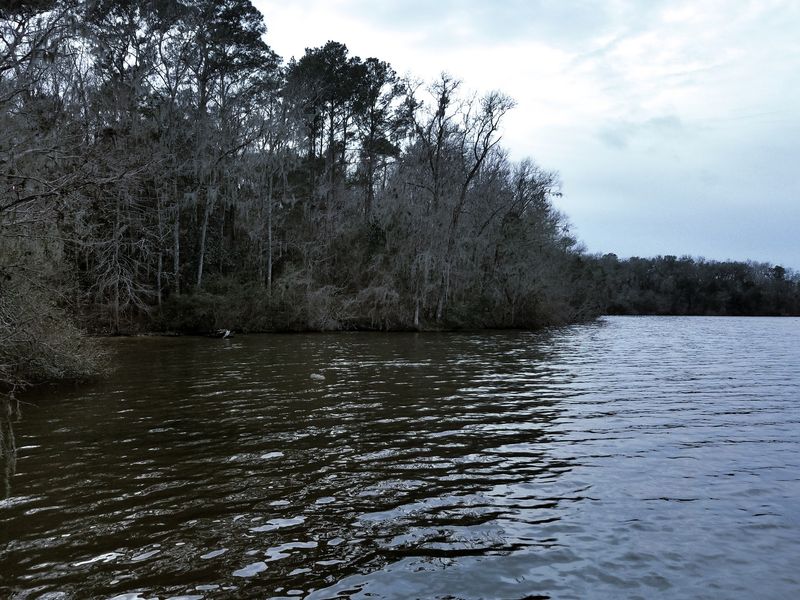
The park’s massive covered pavilion stands as one of its most impressive features, offering enough space to host family reunions, church groups, or any gathering that needs protection from sun and rain. This isn’t some flimsy picnic shelter. The structure features solid construction with a substantial roof that can handle Florida’s afternoon thunderstorms without anyone worrying about getting soaked.
Multiple picnic tables fit comfortably underneath, and the attached grill area lets you cook for a crowd without hauling portable equipment.
Reserving the pavilion makes sense for planned events, ensuring you’ll have the space when you need it. The park’s reservation system handles bookings in advance, which becomes important during peak seasons when weekends fill up quickly. Even without a reservation, the pavilion often has space available for smaller groups on weekdays or during off-peak times.
The location puts you steps away from lake views, letting guests wander down to the water between activities. Kids can explore the nearby trails or fish from the piers while adults handle food preparation. The combination of amenities creates a self-contained recreation area where everyone finds something enjoyable without needing to leave the park.
Clean restrooms sit within easy walking distance, stocked with soap and paper towels according to multiple visitor reports. This attention to maintenance sets the park apart from some outdoor venues where facilities become neglected. The grounds around the pavilion stay well-maintained, with mowed grass and cleared areas that make setup straightforward.
Electrical outlets provide power for those who need it, though most gatherings stick with the basics. The whole setup works beautifully for celebrations, fundraisers, or simply getting extended family together for a day of food and outdoor fun in a setting that beats any indoor venue.
Boardwalks and Observation Decks Overlooking the Lake
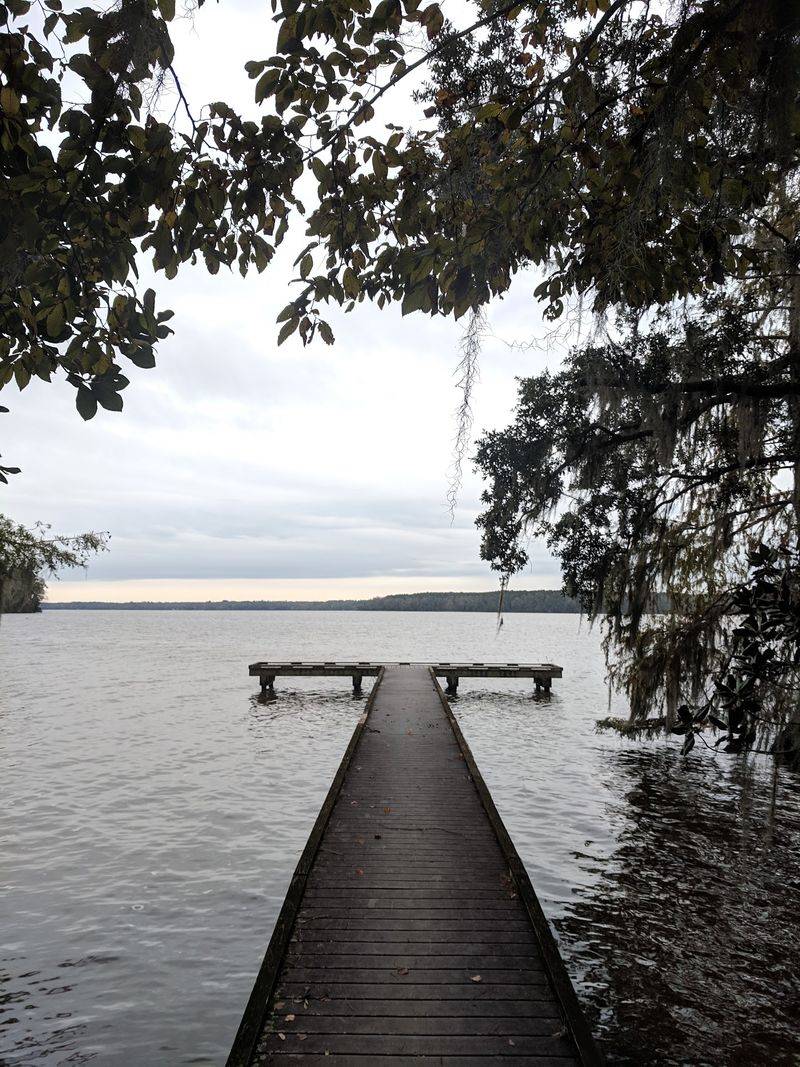
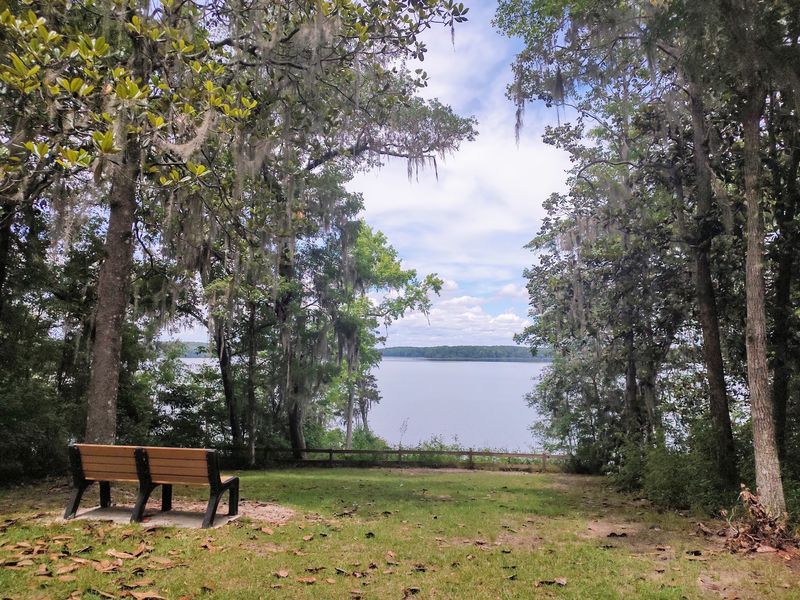
Several viewing platforms and boardwalk sections extend from the shore, creating perfect spots for taking in the lake’s beauty without getting your feet wet. These elevated structures put you right over the water, offering unobstructed views that photographers and nature lovers appreciate. Benches positioned at strategic points let you sit comfortably while watching the lake’s ever-changing moods, from morning mist to golden-hour sunsets that paint the sky in shades of orange and pink.
Recent visitor reports mention that some boardwalk sections have been closed for repairs, which reflects the ongoing challenge of maintaining wooden structures in Florida’s humid climate. The park staff works to address these issues, though budget constraints sometimes mean repairs take longer than visitors would prefer. When the boardwalks are open, they provide exceptional access to waterfront areas that would otherwise require wading through marshy edges.
The observation decks serve double duty as fishing platforms and scenic overlooks, with enough room for anglers to cast lines while others simply enjoy the view. The elevated position gives you a better vantage point for spotting wildlife, including alligators that cruise along the shoreline and wading birds that hunt in the shallows. Ospreys and bald eagles nest in tall trees visible from these platforms, creating opportunities for memorable wildlife photography.
Sunrise visits reward early risers with spectacular light shows as the sun breaks over the eastern treeline, sending rays across the water’s surface. The stillness of early morning amplifies every sound, from the splash of jumping fish to the calls of birds greeting the day. Evening visits offer equally impressive displays as the sun sets behind the western forest, cooling temperatures and bringing out different wildlife species.
The combination of accessible viewing platforms and genuine natural beauty makes these structures among the park’s most popular features for visitors who want maximum scenic impact with minimal physical effort.
Wildlife Encounters in Their Natural Habitat
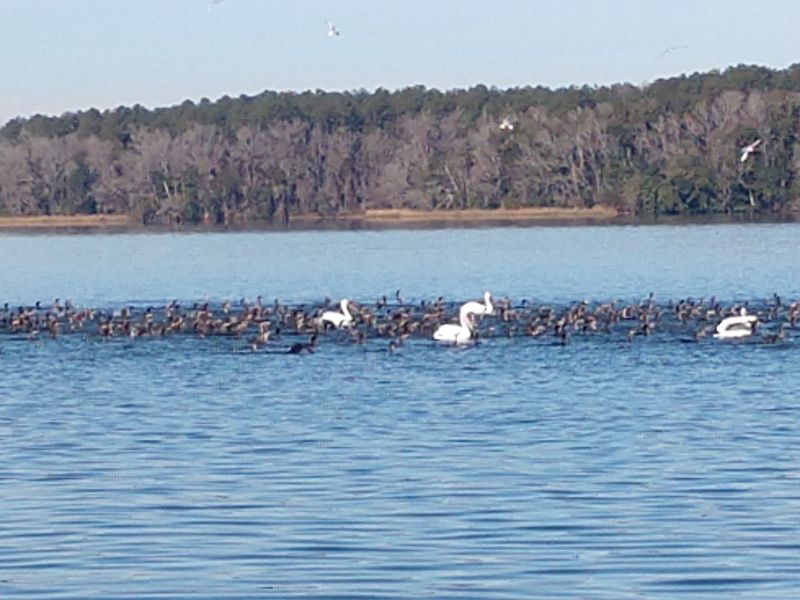
Alligators call Lake Talquin home, and you’ll likely spot at least one during your visit if you spend time near the water. These ancient reptiles sun themselves on banks and floating logs, completely unbothered by the presence of humans observing from a respectful distance. The park’s wild setting means wildlife behaves naturally here, going about their daily routines of hunting, basking, and patrolling their territories.
Visitors consistently mention gator sightings in their reviews, confirming that these encounters happen regularly enough to expect them but rarely enough to feel special.
Beyond alligators, the park supports an impressive diversity of species that thrive in the mixed habitat of forest and wetland. White-tailed deer browse along trail edges during early morning and late evening hours. Wild hogs root through the underbrush, leaving telltale signs of their presence in disturbed soil and overturned vegetation.
Even horses and goats appear in visitor reports, likely from nearby properties that border the park or forest.
The lake itself teems with aquatic life beyond the fish that anglers target. Turtles of various species bask on every available log and rock, sometimes stacking themselves in comical towers when prime sunning spots run short. River otters occasionally make appearances, playing in the shallows and hunting for fish with remarkable agility.
Wading birds including herons, egrets, and ibis work the shoreline, stabbing at small fish and invertebrates with quick, precise movements.
Spider enthusiasts find plenty to admire here, particularly the impressive golden orb weavers that construct massive webs across trails and between trees. These large, harmless spiders create silk structures that can span several feet, glistening with dew in morning light. Their presence indicates a healthy insect population, which in turn supports the birds, bats, and other insectivores that complete the park’s ecological web.
Affordable Access to North Florida’s Natural Beauty
Getting into the park costs just three dollars per vehicle, making it one of the most affordable outdoor recreation options in the Tallahassee area. The honor system operates here, with visitors dropping cash into an envelope and placing it in a secure collection box near the entrance. This old-school approach works because most people appreciate the park and want to support its maintenance, understanding that their modest fee helps keep facilities clean and trails maintained.
The park opens daily at 8 AM and closes at 6 PM during most of the year, giving you a full day to explore without feeling rushed. These hours work well for morning fishing trips, midday picnics, or afternoon hikes when the light filters beautifully through the forest canopy. The relatively early closing time encourages visitors to plan accordingly, ensuring everyone clears out before darkness brings increased wildlife activity.
Location plays a huge role in the park’s appeal, sitting close enough to Tallahassee for easy access but far enough to feel genuinely removed from urban noise and congestion. The drive from downtown takes roughly 20 minutes, making spontaneous visits realistic for locals and giving tourists a quick escape from hotel rooms. Finding the entrance can challenge first-time visitors since signage from Highway 20 could use improvement, but once you locate the turnoff, the road leads directly to the park.
No camping facilities exist within the park itself, though various boat landings around Lake Talquin offer primitive camping for those who want to spend the night. The lack of developed campgrounds keeps the park focused on day-use recreation, which some visitors appreciate for maintaining a quieter atmosphere. The park provides everything needed for a satisfying day trip without requiring overnight gear, making it accessible to families who want outdoor experiences without committing to full camping adventures.