A Brand-New Free Boardwalk Now Takes Visitors Above the Florida Everglades
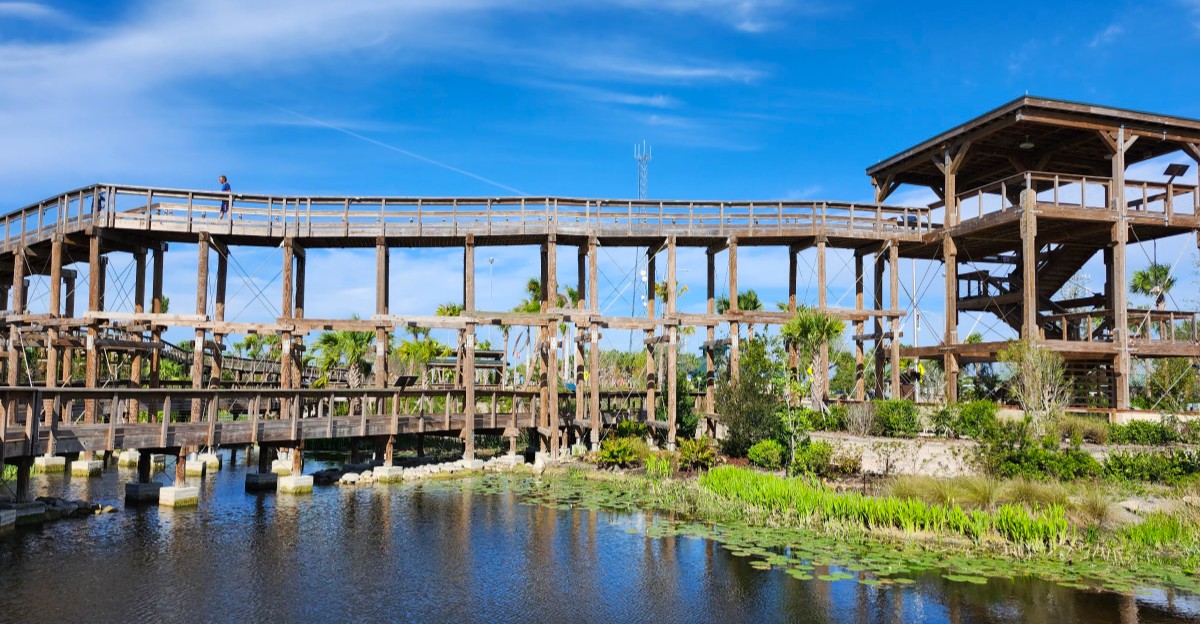
Driving across Alligator Alley can feel like an endless stretch of asphalt and sawgrass, but there’s one stop that turns a mundane pit stop into an actual adventure. The FDOT Mile Marker 35 Rest Area isn’t your typical highway bathroom break with flickering fluorescent lights and questionable vending machines. Instead, this rest stop delivers a quarter-mile elevated boardwalk, a 40-foot observation tower, and front-row seats to one of Florida’s wildest ecosystems, all without charging you a single penny.
The Multi-Level Boardwalk That Redefines Rest Stops
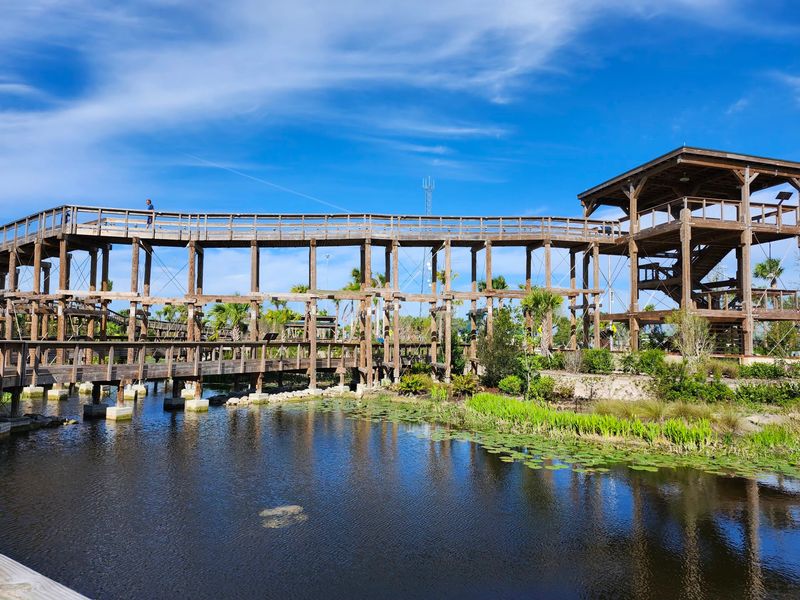
Most highway rest areas give you a parking lot and a vending machine if you’re lucky. Mile Marker 35 flips that script entirely with a sprawling boardwalk system that stretches over 1,300 feet through authentic Everglades habitat. The structure rises and dips across multiple levels, giving you shifting perspectives of the wetlands below.
Accessibility was clearly a priority here. The entire boardwalk is ADA-compliant, which means wheelchairs, strollers, and anyone with mobility challenges can navigate the whole thing without barriers. Ramps replace stairs at key points, and the wide planks accommodate side-by-side walking without that awkward single-file shuffle.
What makes this boardwalk special isn’t just its size but its purpose. This isn’t a generic nature trail slapped onto a rest area as an afterthought. The walkway functions as an outdoor wetland exhibit and arboretum, with interpretive signs identifying native plants and explaining the ecological role of the River of Grass.
You’ll pass through sections where the vegetation changes noticeably. Sawgrass dominates some stretches, while other areas showcase cypress knees poking through shallow water. Bromeliads cling to tree branches overhead, and if you’re observant, you might spot air plants thriving in the humid microclimate.
The boardwalk doesn’t just sit above the landscape; it weaves through it. Some sections bring you nearly eye-level with the water, close enough to watch dragonflies skim the surface or see turtles basking on logs. Other parts elevate you higher, offering wider views across the open wetlands.
Leashed pets are welcome, which is a rarity for elevated structures like this. Plenty of travelers use this as a genuine dog-walking opportunity rather than just a quick bathroom break. The shade from surrounding vegetation keeps things cooler than you’d expect, though midday summer visits will still test your tolerance for Florida heat.
Unlike crowded state park boardwalks that charge admission and fill up with tour groups, this one stays surprisingly peaceful even during peak travel times. Early morning and late afternoon visits offer the best lighting for photos and the highest chance of wildlife activity.
The 40-Foot Observation Tower With Panoramic Everglades Views
The boardwalk’s grand finale is a four-story observation tower that punches through the tree canopy and delivers unobstructed views across the Everglades. At 40 feet high, you’re suddenly looking at a landscape that stretches to the horizon in every direction, nothing but sawgrass, water, and sky.
Climbing the tower takes maybe two minutes if you’re moving casually, and the structure feels rock-solid underfoot. Wide stairs and sturdy railings make the ascent comfortable even for people who get nervous about heights. Multiple landing platforms let you pause and take in views at different elevations before reaching the top deck.
From the summit, the River of Grass reveals itself in ways you simply can’t appreciate from ground level. You’ll see the subtle waterways threading through the vegetation, the way light reflects off standing water, and the sheer scale of this wetland ecosystem. On clear days, the view seems infinite.
Sunrise and sunset turn this tower into prime photography real estate. Golden hour light transforms the landscape into something painterly, with long shadows and warm tones that make even smartphone photos look professional. Some visitors specifically time their Alligator Alley drives to catch either dawn or dusk from this vantage point.
Bird activity peaks in early morning and late afternoon, and the height advantage helps you spot species you’d miss from the ground. Turkey vultures soar at eye level when you’re up top. Herons and egrets become visible in distant patches of water.
Hawks circle overhead, riding thermals in lazy spirals.
The tower also provides context for just how isolated you are out here. In every direction, it’s wilderness. No buildings, no roads except the highway behind you, no signs of human development breaking the natural expanse.
It’s a perspective that reminds you why protecting the Everglades matters.
Windy days add a gentle sway to the top platform, which some people find exhilarating and others find slightly unnerving. The structure is engineered for safety, but that subtle movement reminds you you’re standing on a tall wooden tower in the middle of a swamp, which is honestly part of the thrill.
Wildlife Watching Opportunities You Won’t Find At Gas Stations

Forget sterile rest stops with nothing but concrete and exhaust fumes. Mile Marker 35 sits in the middle of active Everglades habitat, which means wildlife sightings come with the territory. Alligators are the headliners, though managing expectations helps since this isn’t a guaranteed monster-gator viewing platform.
The pond near the boardwalk typically hosts a few younger alligators, usually in the two-to-four-foot range. These aren’t the massive prehistoric beasts you might imagine, but seeing any wild alligator up close beats another hour of highway monotony. They often bask on the banks or float motionless in the water, easy to spot if you scan slowly.
Turtles are actually more reliable than gators here. Multiple species frequent the area, and you’ll often see them sunning themselves on logs or swimming near the surface. Red-eared sliders and Florida softshells are common, and watching them plop into the water when spooked never gets old.
Bird diversity surprises first-time visitors. Great blue herons stalk the shallows with robotic patience. Anhingas spread their wings to dry after fishing dives.
White ibises probe the mud with curved beaks. Ospreys perch in dead trees scanning for fish. The variety rivals dedicated birding spots, and you don’t need binoculars to enjoy it.
Lizards are everywhere if you pay attention to the smaller details. Anoles scurry across railings doing their territorial push-ups and flashing colorful dewlaps. Brown basilisks occasionally dash across the path.
Even the common ground lizards add movement and life to the experience.
Turkey vultures congregate here in impressive numbers, especially on the westbound side. Some visitors find them unsettling since they’re not shy and can seem aggressive when feeding. Watching them tear apart a carcass isn’t everyone’s idea of a pleasant rest stop, but it’s undeniably authentic Everglades behavior.
Timing matters significantly for wildlife activity. Early morning and late afternoon are peak movement times when temperatures moderate and animals venture out to hunt or bask. Midday heat sends most creatures into shade or water, leaving the boardwalk feeling emptier.
Patience and quiet observation increase your chances of spotting something memorable, whether that’s an alligator, a rare bird, or just the hypnotic movement of the wetland ecosystem doing its thing.
Educational Exhibits That Actually Teach You About The Ecosystem

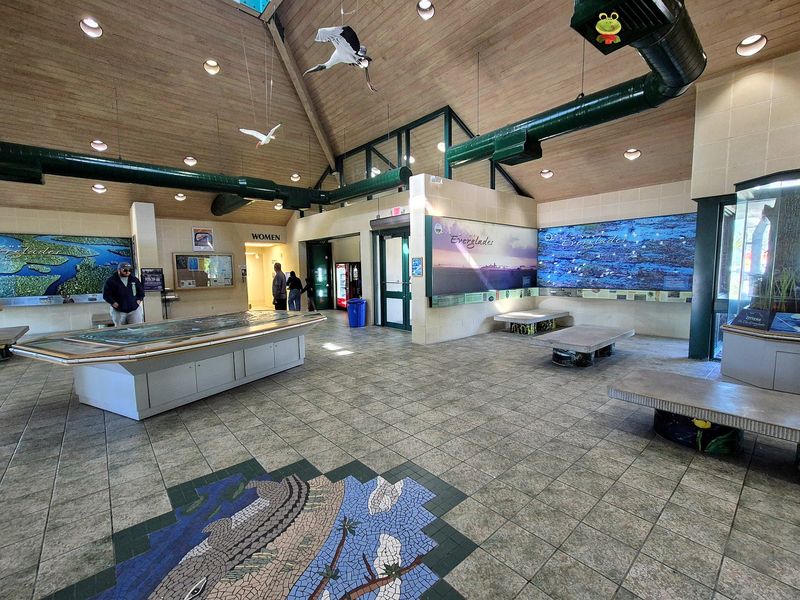
The indoor facility at Mile Marker 35 goes way beyond the standard rest area setup. Instead of just bathrooms and vending machines, you’ll find a surprisingly robust collection of educational displays focused on Everglades ecology. These aren’t dusty old posters from the 1980s; they’re modern, multimedia exhibits that actually engage visitors.
Interactive displays let you explore different aspects of the Everglades ecosystem. Touchscreens provide information about native species, water flow patterns, and conservation challenges. Maps show the historic extent of the wetlands versus current boundaries, illustrating just how much has been lost to development and agriculture.
Signage throughout the facility identifies native plants and explains their ecological roles. You’ll learn which species filter water, which provide food for wildlife, and how the entire system depends on seasonal flooding patterns. Suddenly, the sawgrass outside isn’t just boring marsh grass; it’s the foundation of a complex food web.
The exhibits don’t shy away from environmental challenges either. You’ll find information about water quality issues, invasive species threats, and restoration efforts. Burmese pythons get their own section explaining how these massive snakes have devastated native wildlife populations since establishing breeding populations in the 1990s.
What’s refreshing is how accessible the information remains. The displays avoid dense scientific jargon while still respecting visitor intelligence. A middle schooler and a retired biologist can both find value here, which is exactly what good environmental education should accomplish.
Photography panels showcase the Everglades through different seasons and times of day. These images help visitors appreciate what they’re seeing outside, especially if they’re passing through during less photogenic midday heat. Seeing the same landscape transformed by sunrise fog or afternoon thunderstorms builds appreciation for the ecosystem’s dynamic nature.
Staff occasionally update displays with current information about wildlife sightings, water levels, or seasonal changes. This keeps the exhibits feeling relevant rather than static. On recent visits, signs noted increased wading bird activity due to favorable water conditions, giving visitors a reason to spend extra time scanning the wetlands.
The facility also functions as a visitor center for people who might not otherwise stop at an official Everglades destination. For travelers just passing through, this could be their only exposure to information about this critical ecosystem, making the educational component genuinely important.
Spotlessly Clean Facilities Open 24 Hours Every Day
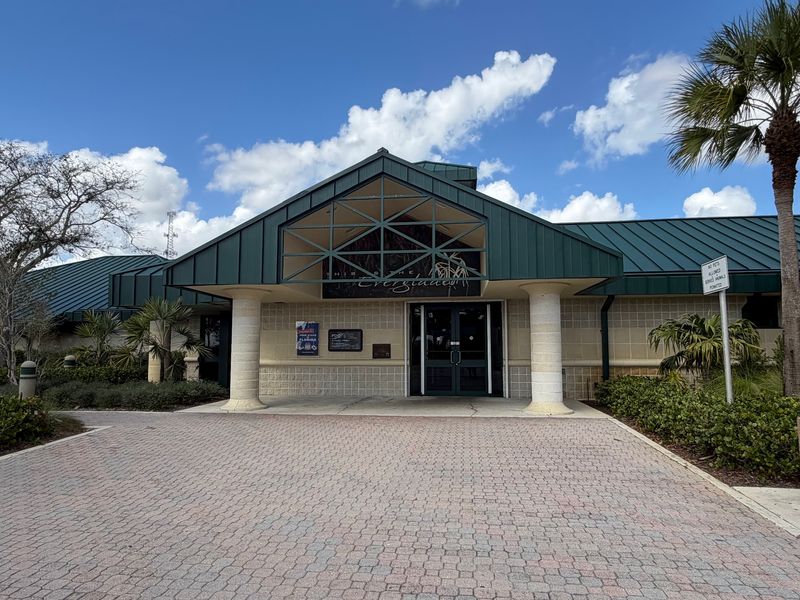
Here’s something you don’t often say about highway rest stops: the bathrooms at Mile Marker 35 are actually clean. Not just acceptable-for-a-rest-area clean, but legitimately well-maintained facilities that won’t make you regret your life choices. Cleanliness gets mentioned in nearly every review, which tells you something about how rare this is.
The restrooms feature modern fixtures and proper ventilation, which matters more than you’d think when you’re at a rest stop in the middle of a humid subtropical swamp. Running water is consistently available, though occasional reviews mention isolated sink issues, so your mileage may vary. Soap dispensers are usually stocked, and hand dryers function properly.
Accessibility extends to the restroom facilities as well. ADA-compliant stalls provide adequate space and proper grab bars. Family restrooms accommodate parents with small children or anyone needing extra space and privacy.
The design reflects genuine consideration for diverse user needs rather than just checking regulatory boxes.
Being open 24 hours makes this rest area valuable for travelers crossing Alligator Alley at odd hours. Whether you’re driving through at 3 a.m. or stopping during peak afternoon traffic, the facilities remain accessible. Security presence helps maintain order during overnight hours, though one review mentioned an overzealous guard, so expect some oversight.
Vending machines offer basic refreshments, though selection is limited compared to a convenience store. You’ll find standard chips, candy, sodas, and water. This isn’t a food destination, but it’ll handle basic snack emergencies during long drives.
Machines are generally well-stocked and functional, another detail that separates this place from neglected rest stops.
What you won’t find are restaurants, gas stations, or convenience stores. This is purely a rest area, not a service plaza. Plan accordingly if you need actual meals or fuel.
The nearest full services are several miles in either direction along I-75.
Cleanliness standards remain consistent across different times and seasons, suggesting regular maintenance schedules rather than sporadic cleaning when someone complains. Staff clearly take pride in keeping the facility presentable, which elevates the entire experience. When you’re comparing rest stop options along a long highway stretch, knowing one maintains higher standards becomes a legitimate factor in route planning.
Strategic Location Makes It Perfect For Breaking Up The Alligator Alley Drive
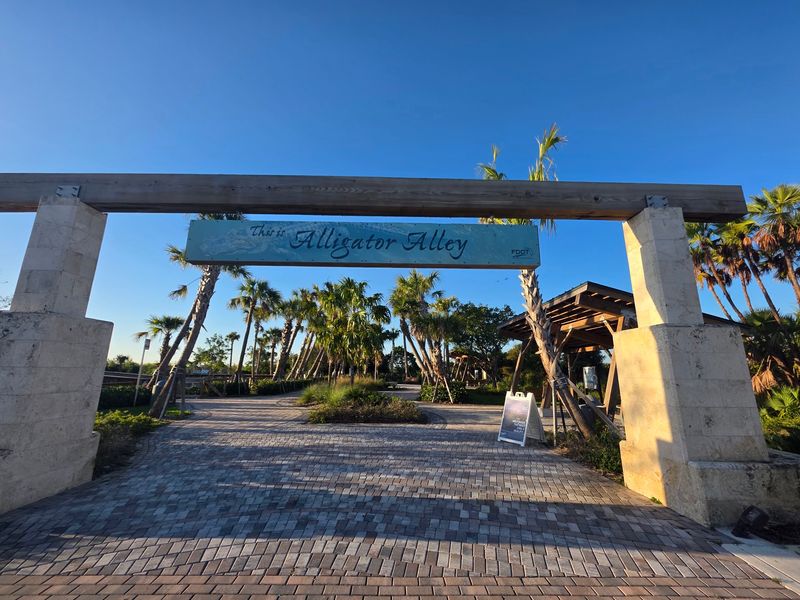
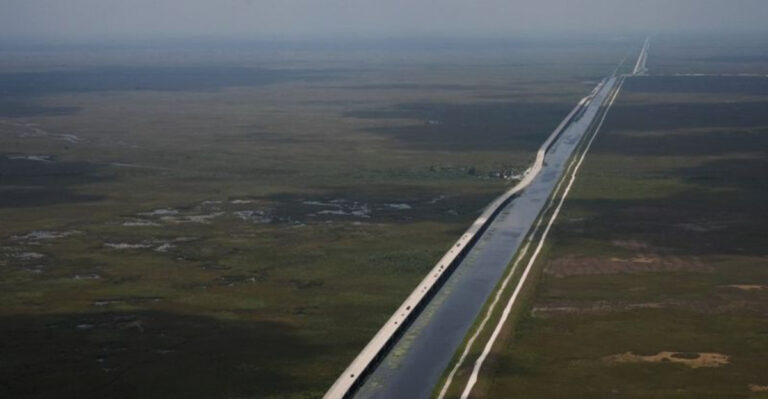
Alligator Alley stretches roughly 80 miles across the Everglades with limited services and even less visual variety. That straight shot of highway can feel hypnotic and exhausting, which makes Mile Marker 35’s location almost perfectly timed for a mental and physical break. You’re far enough from either coast to need a stop, but not so remote that you’re truly in the middle of nowhere.
The rest area sits on the eastbound side of I-75, but travelers going westbound can access it too. The routing can be slightly confusing if you’re coming from the west; you need to take the second right turn, not the first, or you’ll end up in the recreation area without bathroom access. Once you figure out the navigation, though, access is straightforward from either direction.
Location-wise, you’re legitimately in the heart of the Everglades here. The tributaries and waterways visible from the highway become more apparent as you drive toward the rest area. Fishermen often line the on and off ramps, testament to the quality fishing available in these waters.
Seeing locals actively using the area for recreation adds authenticity that tourist traps can’t replicate.
Being at Mile Marker 35 puts you roughly halfway across Alligator Alley if you’re driving the full span. That makes it ideal for splitting the journey into manageable chunks, especially if you’re traveling with kids, elderly passengers, or anyone who needs regular breaks. The boardwalk gives restless children somewhere to burn energy instead of just stretching legs in a parking lot.
The isolation works in the rest area’s favor. You’re surrounded by undeveloped Everglades in every direction, which creates an atmosphere completely different from urban rest stops hemmed in by development. The quiet, the open sky, and the sense of being in genuine wilderness make the stop feel like a destination rather than just a necessity.
Timing your visit for cooler parts of the day makes a significant difference. Summer midday heat can be brutal, and the boardwalk offers limited shade in some sections. Early morning or late afternoon visits provide more comfortable temperatures and better wildlife activity.
Winter months offer the most pleasant conditions overall, with moderate temperatures and lower humidity.
The rest area’s reputation has grown enough that some people deliberately plan stops here rather than just pulling off when nature calls. That speaks to how successfully this facility transcends typical rest area expectations.
A Playground And Pet-Friendly Spaces Make It Family-Focused
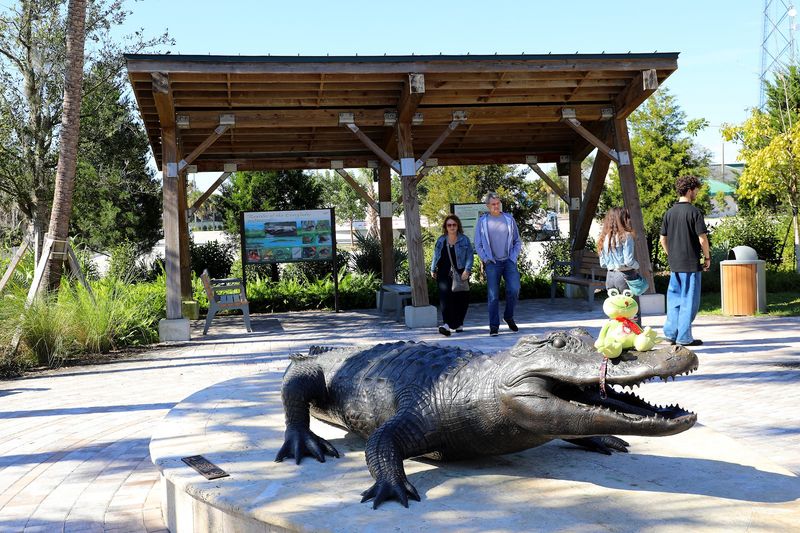
Traveling with kids or pets transforms rest stops from simple bathroom breaks into critical pressure-relief valves. Mile Marker 35 recognizes this reality and delivers amenities that make family travel significantly less stressful. The playground gives children an actual activity beyond staring at phones or whining about being bored.
The play equipment is modern and well-maintained, not the rusty, sketchy structures you sometimes find at neglected rest areas. Kids can climb, swing, and burn off energy accumulated during hours of forced sitting. Parents appreciate having a legitimate reason to extend the stop beyond five minutes, and children leave the rest area in better moods for the remaining drive.
Pet policies here are unusually accommodating. Leashed dogs are welcome throughout the boardwalk system, giving traveling pets a genuine outdoor experience rather than just a quick bathroom break on a sad patch of grass. The quarter-mile boardwalk provides enough distance for a proper walk, and dogs seem to enjoy the sensory stimulation of wetland smells and sounds.
Waste stations and bags are available for responsible pet owners, and most visitors respect the rules about keeping dogs leashed and cleaning up after them. The elevated boardwalk means pets aren’t directly interacting with sensitive habitat, which protects both the ecosystem and the animals.
Families often spend 30 to 45 minutes here rather than the typical 10-minute rest stop dash. The combination of playground, boardwalk, and observation tower creates enough variety to hold everyone’s attention. Parents can take turns exploring with kids while the other adult uses facilities or just sits quietly for a moment.
The family-friendly atmosphere extends to the overall vibe of the place. This isn’t a sketchy truck stop with questionable characters lurking around. Security presence and steady visitor traffic create a safe environment where parents feel comfortable letting kids explore within sight.
Stroller accessibility throughout the boardwalk means even families with infants and toddlers can enjoy the full experience. Wide paths and gentle ramps accommodate strollers without the awkward lifting and carrying required at many nature trails. Parents pushing strollers report being able to complete the entire loop without obstacles.
What this all adds up to is a rest area that actually understands modern family travel. Long drives with kids and pets require more than just bathrooms and parking. By providing genuine amenities that engage children and accommodate pets, Mile Marker 35 turns a necessary stop into something families might actually remember positively.