This Florida Museum Is Filled With Glass Art That Doesn’t Look Real
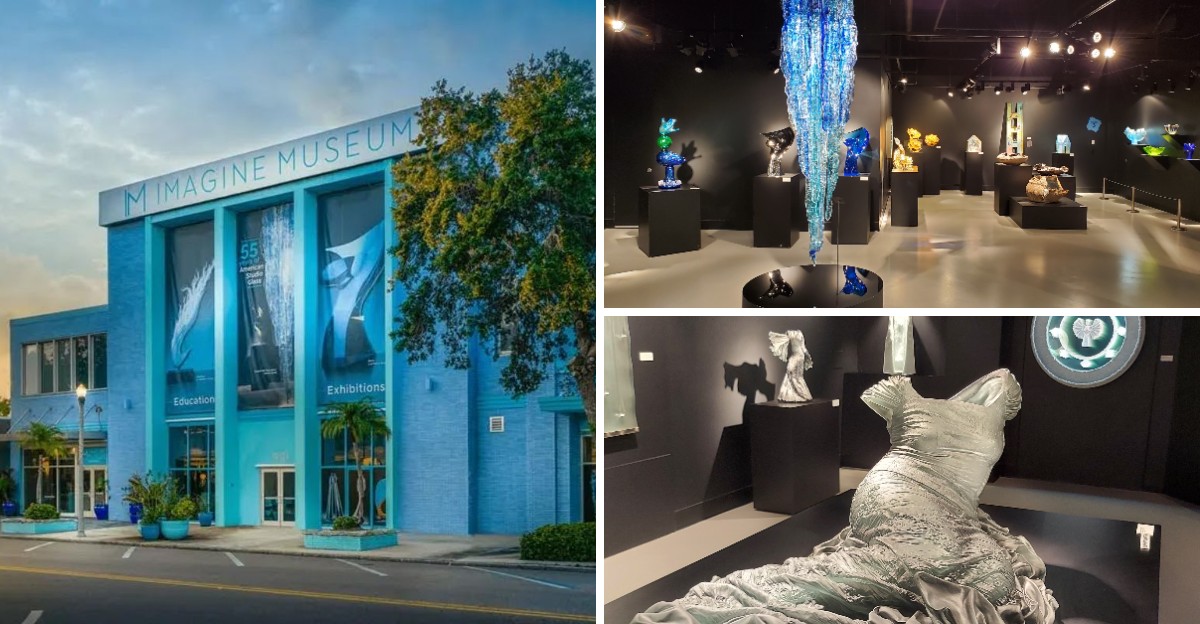
Walk into Imagine Museum on Central Avenue and you’ll question if your eyes are playing tricks on you. Glass sculptures that seem to defy physics line the walls, some looking more like frozen water or captured light than actual solid objects. This St. Petersburg gem showcases contemporary glass art so stunning that visitors often reach out to touch pieces just to confirm they’re real, and with over 500 works from American and international artists, there’s something mind-bending around every corner.
1. The Million-Dollar Glass Boat That Stops Everyone in Their Tracks
Passage isn’t just another sculpture. It’s a record-breaking glass boat worth a cool million dollars, and when you first see it, you’ll understand why. The piece stretches across its display space with such delicate detail that you’ll wonder how anyone managed to create something this intricate without it shattering into a thousand pieces.
Artists spent countless hours crafting every curve and surface. The way light passes through the glass creates an almost ethereal glow that changes depending on where you stand. Some visitors spend 20 minutes just circling this single piece, discovering new details with each pass.
What makes Passage truly special is how it captures the essence of a vessel without looking like traditional boat art. The glass seems to flow like water itself, blurring the line between the boat and the ocean it would sail on. Reviewers consistently mention this as their absolute highlight, and staff members love sharing the behind-the-scenes stories of how it arrived at the museum.
Photography is allowed, but cameras honestly don’t do it justice. The three-dimensional quality and the way shadows dance across nearby walls create an experience that flat images simply can’t capture. Standing in front of Passage feels like witnessing something that shouldn’t exist outside of dreams.
2. Two Full Floors of Glass That Keep Changing
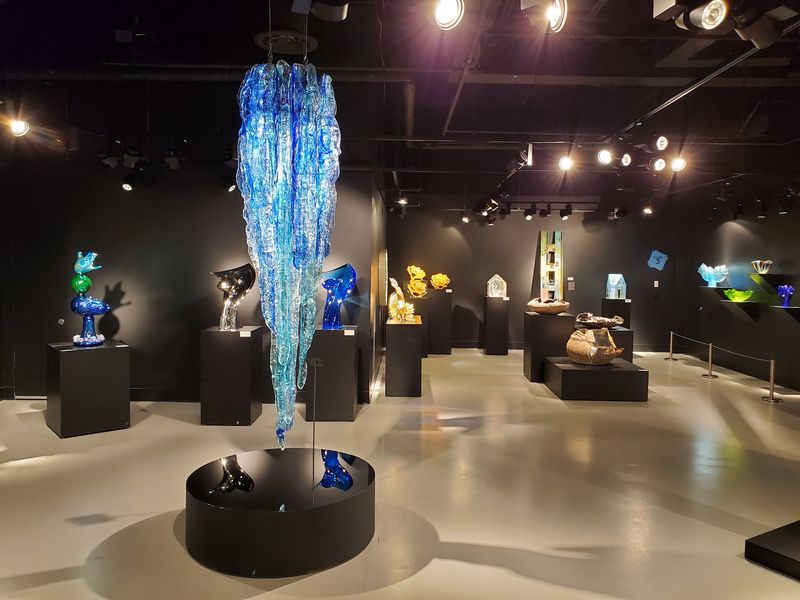
Forget spending just an hour here. The museum sprawls across two complete floors, each packed with enough glass art to make your head spin in the best way possible. Downstairs showcases established artists whose work has defined the studio glass movement, while upstairs gets more experimental and playful.
Rotating exhibitions mean the museum never feels stale. One month you might encounter an alien-themed installation with glass extraterrestrials that look like they just landed from another galaxy. Next visit could feature delicate glass kimonos that seem too fragile to exist or maritime-inspired pieces celebrating ocean life.
The layout encourages wandering without a strict path. You’ll turn a corner and suddenly face a wall of colorful glass that catches afternoon sunlight in unexpected ways. Another hallway might feature minimalist clear sculptures that play with reflection and transparency.
Interactive stations scattered throughout the second floor let kids and adults try their hand at glass-related activities. Scavenger hunts keep younger visitors engaged while parents admire the serious artworks. Audio tours are available if you want deeper dives into specific pieces, though many guests prefer just letting their eyes lead them from one stunning work to the next, discovering personal favorites along the way.
3. Glass That Bends Light and Your Perception of Reality
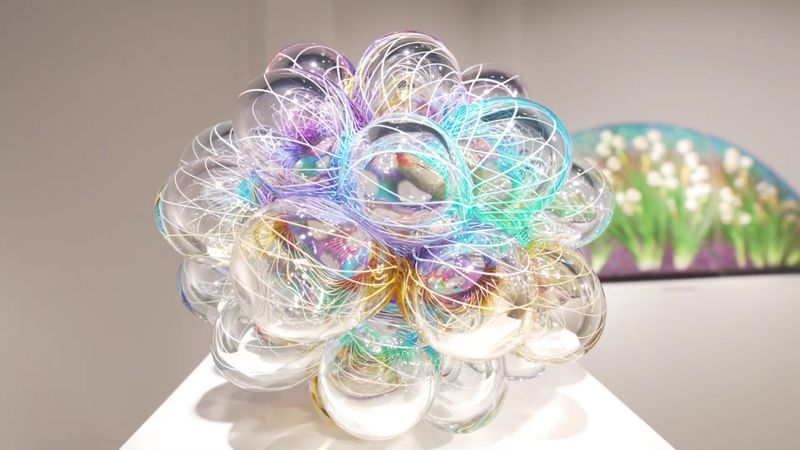
Some pieces in this collection mess with your brain in the most delightful way. Glass artists understand how light behaves, and they use that knowledge to create sculptures that seem to glow from within or shift colors as you move around them. One sculpture might appear solid blue from the front but reveal hidden purples and greens from the side.
The science behind it is fascinating but the emotional impact hits harder. These aren’t just pretty objects. They’re meditations on how we perceive the world, how light shapes our understanding of form and space.
Artists manipulate thickness, surface texture, and internal structures to trap light, bounce it around, or let it pass through in controlled ways.
Visitors frequently report getting lost staring at individual pieces. Your eyes follow light through layers of glass, discovering depth you didn’t notice at first glance. Some sculptures contain bubbles or intentional imperfections that create unexpected visual effects when illuminated from museum lighting.
What starts as casual appreciation often turns into genuine wonder. You’ll find yourself crouching down to see how a piece looks from below or stepping back to catch the full effect. The museum’s lighting design deserves credit too, positioned perfectly to show off each artwork’s light-bending properties without overwhelming the natural beauty of the glass itself.
4. Staff Members Who Actually Know Their Glass History
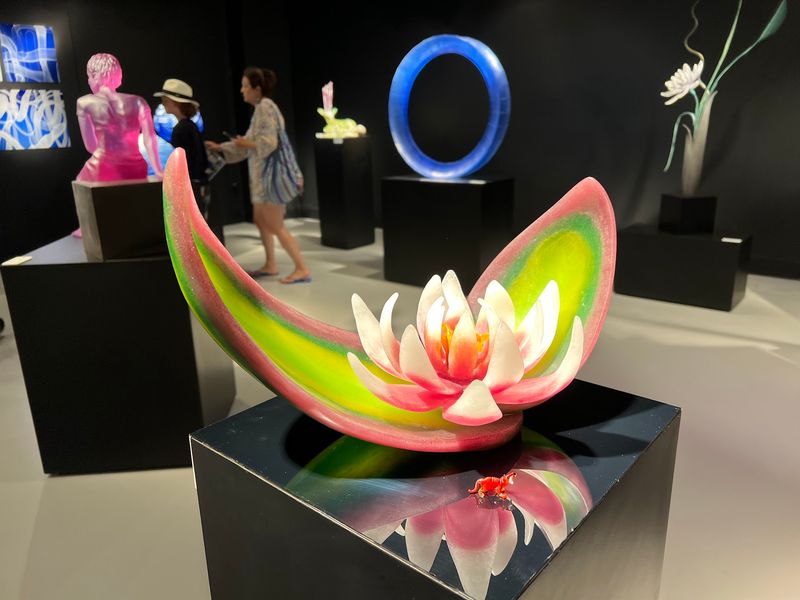
Judy has cool-colored hair and an encyclopedic knowledge of glassmaking that she shares with genuine enthusiasm. Jean welcomes guests at the gift shop like old friends. Alexandria coordinates events with professional grace that makes everything look effortless.
The people working here aren’t just punching clocks, they’re true believers in the art form.
Free introductions to glass history come standard with admission. Staff members happily explain how studio glass evolved from ancient techniques to the contemporary movement that exploded in the 1960s. They’ll tell you about artists pushing boundaries, experimenting with new methods, and occasionally creating spectacular failures before achieving the masterpieces on display.
Ask questions and you’ll get real answers, not rehearsed script responses. Want to know how that impossible-looking sculpture was made? They’ll break down the process.
Curious about a specific artist’s background? They’ve got stories. The passion is contagious, and suddenly you’re learning about annealing temperatures and pontil marks without even realizing you’re getting an education.
This knowledge sharing transforms a simple museum visit into something deeper. Instead of just looking at pretty glass, you start understanding the incredible skill and creativity required. The staff’s genuine happiness shines through in every interaction, creating the peaceful, welcoming vibe that reviewers consistently mention.
They love what they do, and that love makes your experience infinitely richer.
5. Alien Installations That Prove Glass Can Be Weird and Wonderful
Not everything here takes itself seriously. The alien and UFO installations bring a playful energy that contrasts beautifully with more traditional pieces. Glass extraterrestrials with oversized heads and expressive faces line display cases, each one crafted with the same technical skill as the museum’s most prestigious works but with tongues firmly in cheek.
This exhibition shows how contemporary glass artists embrace pop culture and humor. Why shouldn’t fine art include little green men? The craftsmanship remains impressive even when the subject matter gets silly.
Delicate antennae, translucent bodies that seem to glow, and carefully formed features demonstrate that whimsy and skill aren’t mutually exclusive.
Kids especially love this section. After walking past abstract sculptures they might not fully appreciate, suddenly they’re face-to-face with creatures they recognize from movies and books. Parents get a breather while children point out their favorite aliens and debate which ones look friendliest.
The installation also includes steampunk-inspired pieces that blend Victorian aesthetics with science fiction elements. Gears, goggles, and mechanical details rendered in glass create a visual feast that appeals to fans of that genre. It’s proof that Imagine Museum doesn’t limit itself to one vision of what glass art should be.
Instead, it celebrates the medium’s versatility, showing how it can express everything from serious artistic statements to pure, joyful fun.
6. Sunday Morning Deals That Make Art Accessible
Five-dollar admission on Sunday mornings from 10 AM to noon changes the game for families and budget-conscious art lovers. Regular tickets run $15 for adults, already reasonable compared to many museums, but those Sunday specials make experiencing world-class glass art almost absurdly affordable. Bring the whole family without breaking the bank.
Groupon often features additional deals throughout the week. Special promotions pop up regularly, like free admission for moms on Mother’s Day or half-price tickets for kids during certain periods. The museum clearly prioritizes accessibility, removing financial barriers that might prevent people from experiencing contemporary art.
Free parking sweetens the deal even more. No circling blocks searching for spots or feeding meters while you explore. Just pull into the lot, walk inside, and start your glass art journey without the usual urban museum hassles.
EventBrite listings showcase evening events that add even more value. Comic-Con themed nights, open mic performances, poetry readings, and special artist talks transform the museum into a community gathering space. These events often come with their own ticketing, but they demonstrate how Imagine Museum functions as more than just a static collection.
It’s a living cultural hub that wants as many people as possible to engage with glass art, regardless of their budget or background.
7. Hands-On Glass Classes That Turn Visitors Into Artists
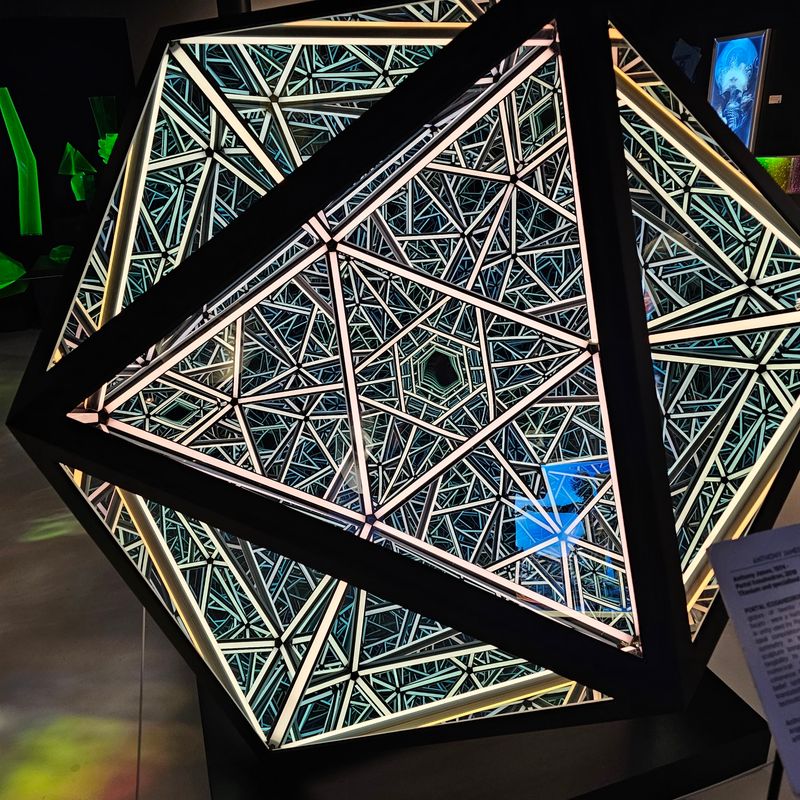
Watching glass art is inspiring but making it yourself hits differently. The museum offers classes where regular people learn actual glassworking techniques from patient instructors who remember what it’s like to be a complete beginner. Stained glass workshops let you create everything from simple sun-catchers to ambitious projects like dragon heads.
Expect a learning curve. Glass doesn’t behave like paper or paint, and first-timers often struggle with techniques that look easy when experts demonstrate them. But that’s part of the appeal.
The instructors and their assistants provide hands-on guidance, correcting your grip on tools and showing you exactly how much pressure to apply.
Classes run long enough to actually complete a project. You’re not just getting a taste and then sent home, you walk out with something you made yourself. That tangible result, even if it’s imperfect, creates a connection to the art form that passive observation never could.
Taking a class fundamentally changes how you view the museum’s collection. Suddenly you understand why certain pieces are so impressive because you’ve experienced firsthand how difficult the techniques are. That delicate curve you admired earlier?
You now know the skill required to achieve it. The classes turn appreciation into genuine respect, and many students discover a new hobby they never expected to love. Some even return for multiple workshops, gradually building their skills.
8. A Gift Shop That Sells Actual Art, Not Just Postcards
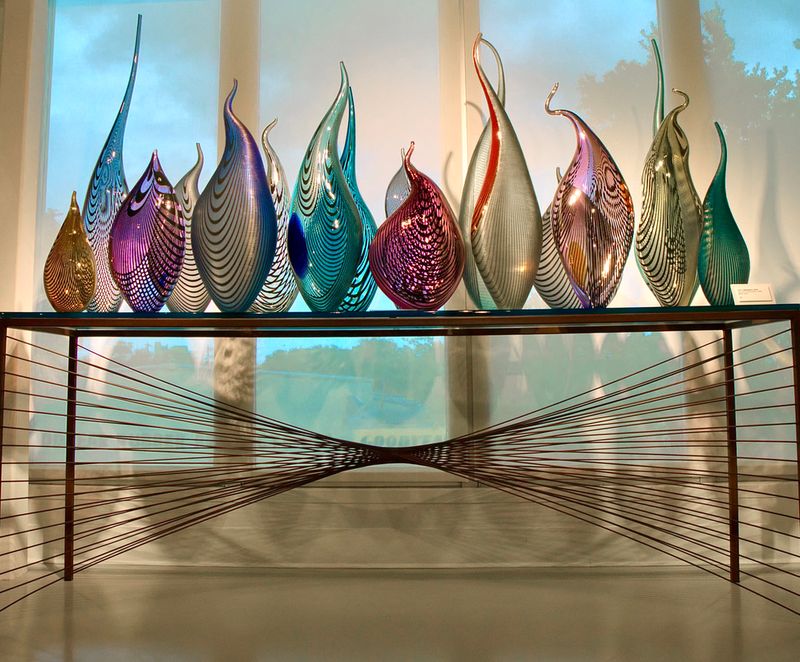
Most museum gift shops peddle refrigerator magnets and mediocre prints. Imagine Museum’s shop stocks real glass art created by working artists. Small sculptures, jewelry, decorative pieces, and functional items like bowls and vases fill the shelves, each one an actual artwork rather than mass-produced merchandise.
Prices range from affordable to investment-level. You can find a beautiful glass pendant for under $50 or splurge on a significant sculpture. The variety means almost everyone can take home something special, a genuine piece of the glass art world rather than just a memory.
Jean and other staff members provide insights into the artists behind each piece. They’ll explain techniques, share artist backgrounds, and help you find something that matches your taste and budget. The service feels personal, like shopping at a boutique where people actually care about connecting you with the right piece.
Beyond glass, the shop includes other locally-made items and art-related gifts. Books about glassmaking, artist monographs, and instructional guides appeal to visitors who want to learn more. The small bakery area offers treats made with quality ingredients, perfect for refueling between floors or grabbing something for the road.
It’s a thoughtful extension of the museum experience, giving you ways to support artists and take a piece of this special place home with you.