This 1885 Victorian Mansion Near Orlando Was Literally Moved to Save It
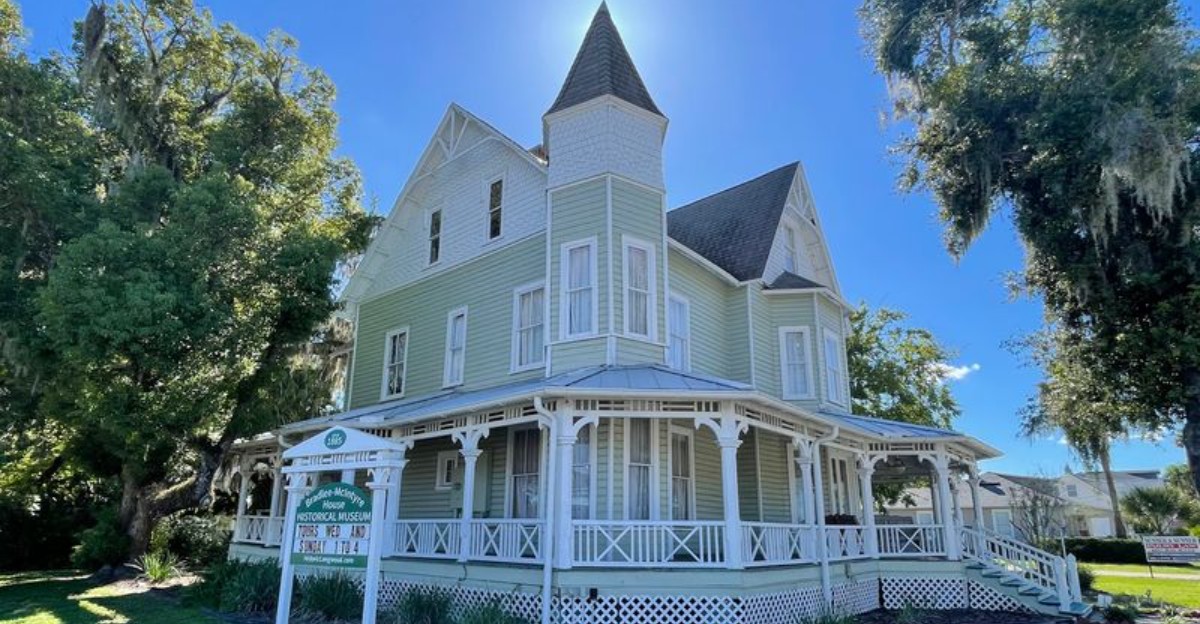
Back in 1973, something incredible happened in Central Florida that most people have never heard about. An entire three-story Victorian mansion was picked up and moved several miles to save it from demolition. The Bradlee-McIntyre House in Longwood stands today as proof that when a community cares enough about its history, amazing things can happen.
What started as a one-dollar purchase by a local preservation group turned into a massive rescue mission that cost over $100,000 at the time, and the results are absolutely worth seeing.
1. A House on the Move: The Incredible 1973 Relocation
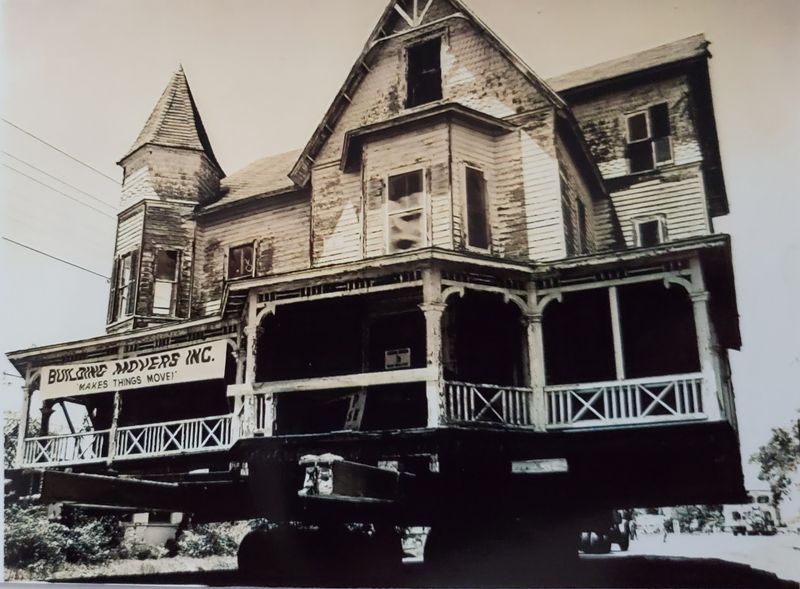
Picture this: a massive three-story Victorian home, complete with ornate trim and towering gables, being hauled down Florida roads in the early 1970s. That’s exactly what happened when the Bradlee-McIntyre House faced demolition in its original Altamonte Springs location. A dedicated group of history lovers refused to let this architectural gem disappear.
The relocation cost more than $100,000 back in 1973, which would equal nearly $770,000 in today’s money. Moving an entire house isn’t like hiring a regular moving truck. Specialized equipment had to carefully lift the structure, navigate power lines, and transport it to its new home in Longwood without damaging the delicate Victorian details.
The preservation group bought the house for just one dollar and secured donated land for its new location. Grants and community support made the rest possible. Watching old photographs of the move, you can see the house perched on massive platforms, looking almost surreal against the Florida sky.
This wasn’t just about saving old wood and nails. The community understood they were preserving a piece of their shared story. Today, visitors can see photos of the dramatic relocation displayed inside the house, offering a glimpse into one of Central Florida’s most ambitious preservation projects.
2. Queen Anne Elegance: The Last of Its Kind
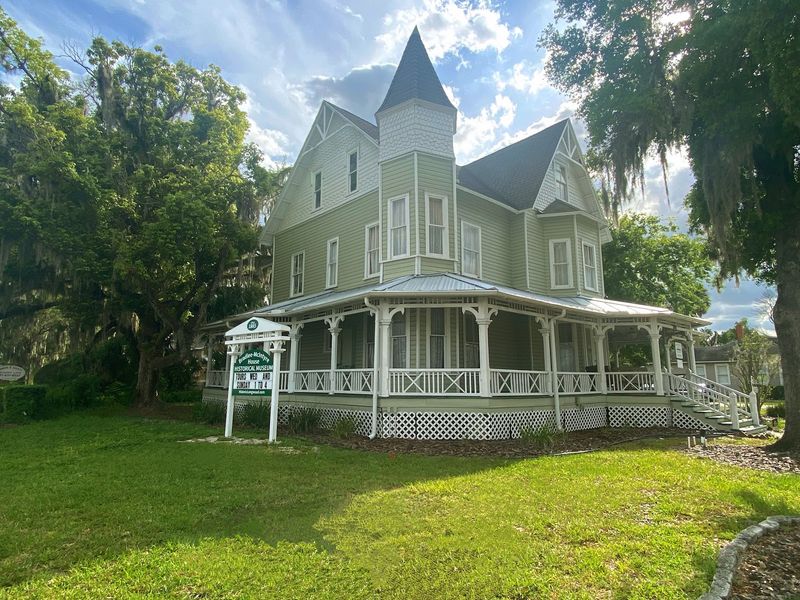
The Bradlee-McIntyre House represents something special in Central Florida architecture. Built around 1885, it’s the only remaining Queen Anne-style cottage in Orange and Seminole counties. When wealthy Northern tourists started flocking to Florida in the 1880s, they brought their architectural tastes with them, but very few of these elaborate homes survived.
Queen Anne architecture is known for its playful, almost whimsical details. The style features asymmetrical facades, decorative shingles, intricate woodwork, and those signature turrets that make you feel like you’ve stepped into a storybook. The Bradlee-McIntyre House showcases all these elements beautifully.
What makes this survival even more remarkable is Florida’s climate and development pressures. Wooden structures face constant threats from humidity, hurricanes, and the ever-present march of progress. Most of the grand Victorian hotels and cottages that once dotted the area have vanished completely.
Standing in front of the house today, you can imagine what the neighborhood looked like during Florida’s first tourism boom. The three stories rise with confidence, each level featuring different decorative treatments. The restoration work has been meticulous, maintaining the home’s original character while ensuring it can welcome visitors for generations to come.
3. Inside the Time Capsule: Period Furnishings and Artifacts
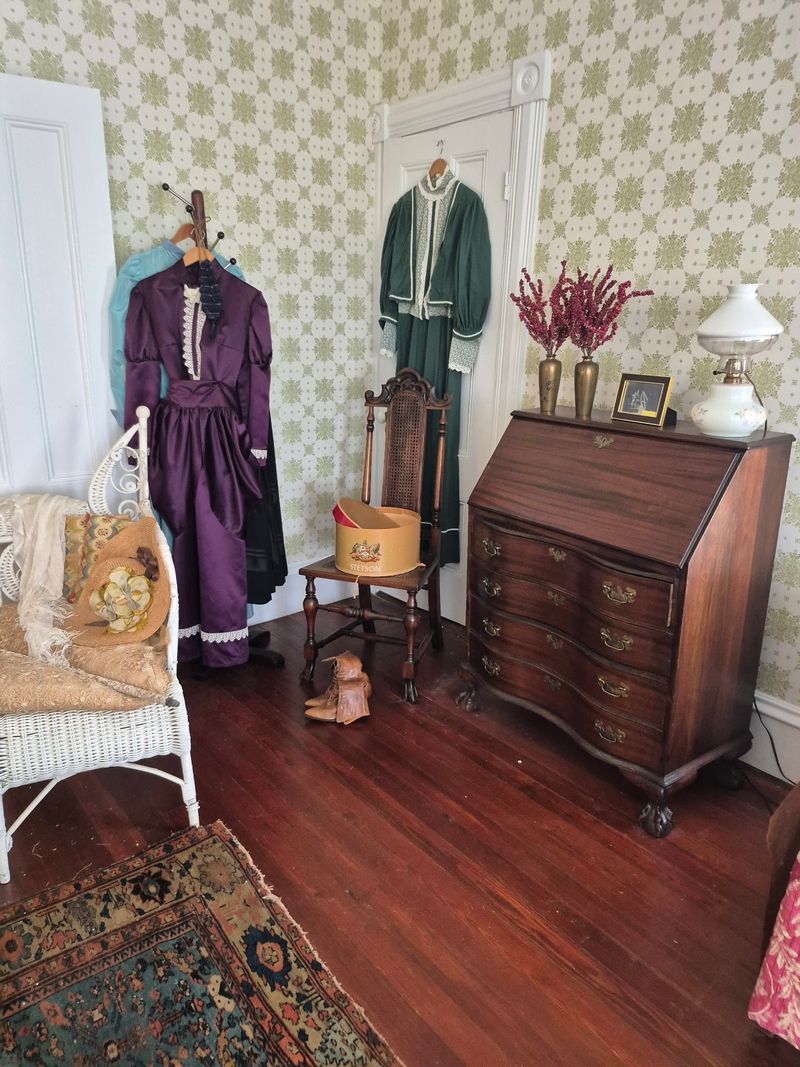
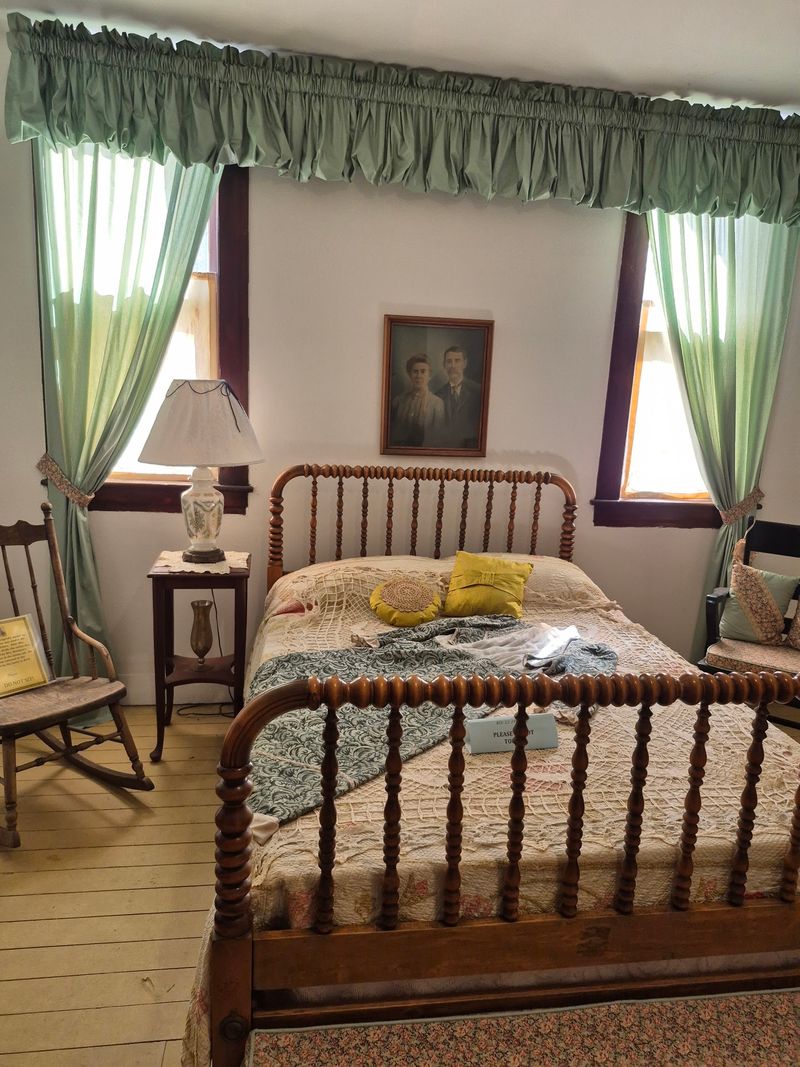
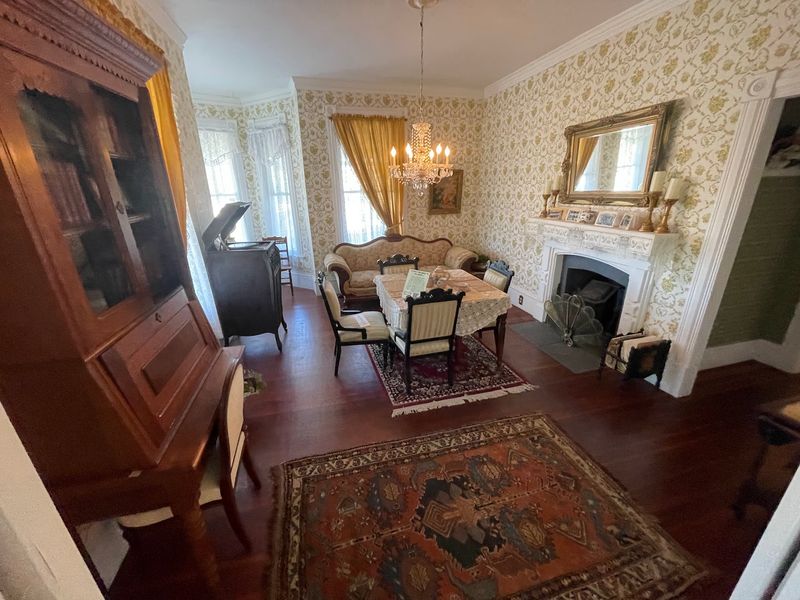
Walking through the Bradlee-McIntyre House feels like stepping directly into the 1880s. The furnishings aren’t random antiques thrown together. Each piece was carefully selected or donated by local families to accurately represent how wealthy winter residents lived during Florida’s Gilded Age.
Local residents contributed many items with their own fascinating stories. One particularly unexpected treasure is an original drawing by Lionel Barrymore, the legendary actor who played the villainous Mr. Potter in “It’s a Wonderful Life.” He’s also Drew Barrymore’s great-uncle, making this little connection to Hollywood history a fun surprise.
The collection includes converted oil lamps that once provided the home’s only light, elegant furniture that traveled by rail from the North, and personal items that reveal daily life before electricity and modern conveniences. Some pieces came from families who once lived in similar homes throughout the area.
Every room tells a different story about Victorian domestic life. You’ll see how families entertained guests, where children played, and how servants moved through hidden passages. The attention to detail extends to wallpapers, window treatments, and even the smallest decorative objects, creating an immersive experience that history books simply can’t match.
4. The Railroad Boom: Why This House Exists
Before theme parks made Orlando famous, railroads brought Florida its first wave of tourists. The South Florida Railroad connected Sanford with Orlando in the 1880s, and by 1886, direct service from Northern cities meant wealthy visitors could escape harsh winters in style. The Bradlee-McIntyre House exists because of this railroad revolution.
Developers like Mr. Henck, Longwood’s founder, understood that spectacle sold real estate. He built the rambling Longwood Hotel directly in view of passing trains, hoping travelers would see it and want to visit. The strategy worked brilliantly, transforming sleepy Central Florida into a winter destination.
Wealthy families didn’t just stay in hotels. They built elaborate “cottages” (though these were actually mansions) for their seasonal visits. The Bradlee-McIntyre House was one of these winter retreats, designed to impress and provide Northern comforts in a Southern climate.
The railroad connection shaped everything about these homes, from their architectural styles imported from the North to the furnishings that arrived by freight car. Understanding this context helps explain why such an ornate Victorian mansion ended up in Central Florida. Tourism didn’t start with Disney; it started with trains, and this house stands as beautiful proof of Florida’s first hospitality boom.
5. Meet the Docents: Retired Teachers Bringing History to Life
The Bradlee-McIntyre House has a secret weapon that makes every visit special: its volunteer docents. Many of them are retired history teachers who bring decades of classroom experience to their tours. Their passion for storytelling transforms a simple house tour into an engaging journey through time.
Visitors consistently rave about guides like Linda and Marla in their reviews. Marla actually wrote the historical brochure about the house and its dramatic move from Altamonte Springs. Having someone with that level of expertise leading your tour adds incredible depth to the experience.
These aren’t dry recitations of dates and facts. The docents share fascinating anecdotes about the families who lived here, the challenges of the 1973 move, and quirky details about Victorian life. They know which questions kids will ask and how to make history accessible for visitors of all ages.
Their teaching backgrounds shine through in how they pace information, encourage questions, and connect past events to things we understand today. Small tour groups of around eight people mean you can actually have conversations and get your specific questions answered. For just five dollars, you’re getting a personalized educational experience from experts who genuinely love what they do.
6. Secret Passages and Family Memories
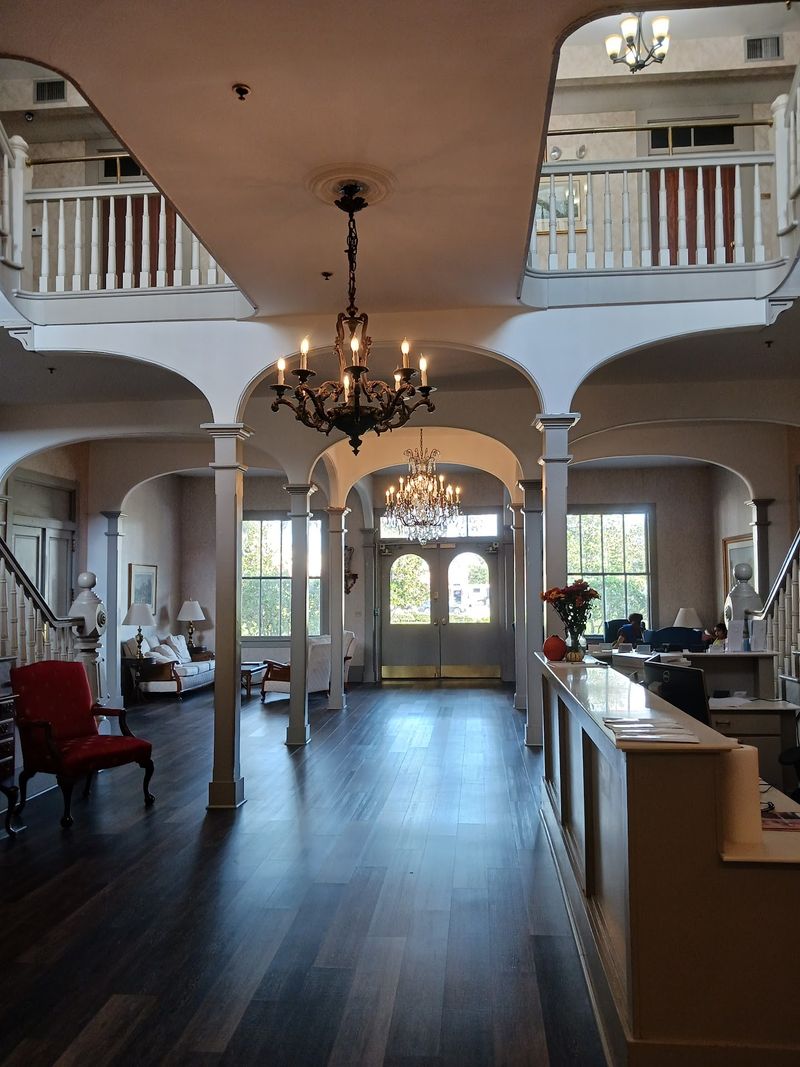
Some houses hold family stories that span generations. One visitor shared an emotional connection to the Bradlee-McIntyre House: his father grew up there in the late 1940s and 1950s when it was owned by his great-grandparents, Burton and Mabel McIntosh. He remembered his dad’s tales about secret passageways hidden within the walls.
Victorian homes often included servants’ stairs and hidden passages that allowed staff to move through the house without disturbing the family. These architectural features fascinate modern visitors who aren’t used to homes designed around such strict social hierarchies. Kids especially love discovering where these secret routes lead.
The family connection runs deep. This visitor still owns a bed that came from the house, and his mother keeps a beautiful oil lamp his grandmother had converted to electricity. He even has old film footage converted to VHS showing his father as a boy, riding his horse and tractor through the yard and playing in the above-ground pool that once stood on the property.
These personal stories remind us that historic houses aren’t just museum pieces. Real families lived, laughed, and created memories in these spaces. The Bradlee-McIntyre House served as someone’s childhood home before becoming a preserved piece of history, adding emotional layers to the architectural significance.
7. A Bargain Experience: Five-Dollar Tours Worth Every Penny
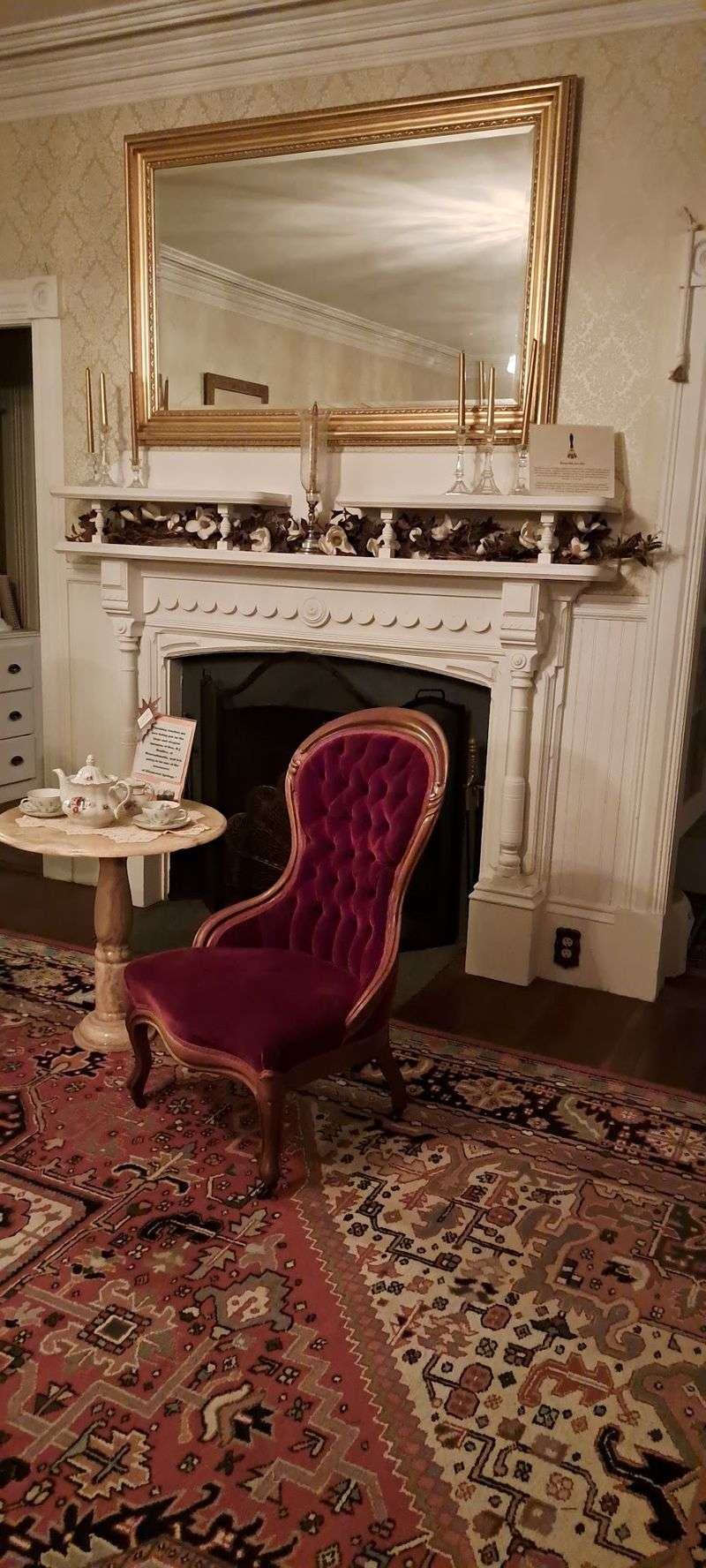
In a world where theme park tickets cost over a hundred dollars, the Bradlee-McIntyre House offers something refreshingly affordable. Tours cost just five dollars per person, making it one of Central Florida’s best entertainment values. That modest fee helps maintain the house and supports the volunteer organization that saved it.
What do you get for your five bucks? A guided tour through all three stories of an authentically restored Victorian mansion, led by knowledgeable volunteers who genuinely care about sharing history. You’ll spend about an hour exploring rooms filled with period furnishings, hearing fascinating stories, and seeing photographs of the house’s dramatic 1973 relocation.
Visitors consistently mention in reviews that the experience far exceeds the minimal cost. Families can visit without breaking the bank, making it perfect for homeschoolers, history enthusiasts, or anyone looking for an activity that’s both educational and entertaining. The small admission fee also means tour groups stay intimate, giving everyone a chance to ask questions.
Compare this to what you’d pay for similar experiences elsewhere, and the value becomes even clearer. The house operates on limited hours (Wednesday and Sunday afternoons, 1-4 PM), but that schedule works well for weekend visitors or those planning a weekday adventure in the Longwood area.
8. The Longwood Historic Trail Connection
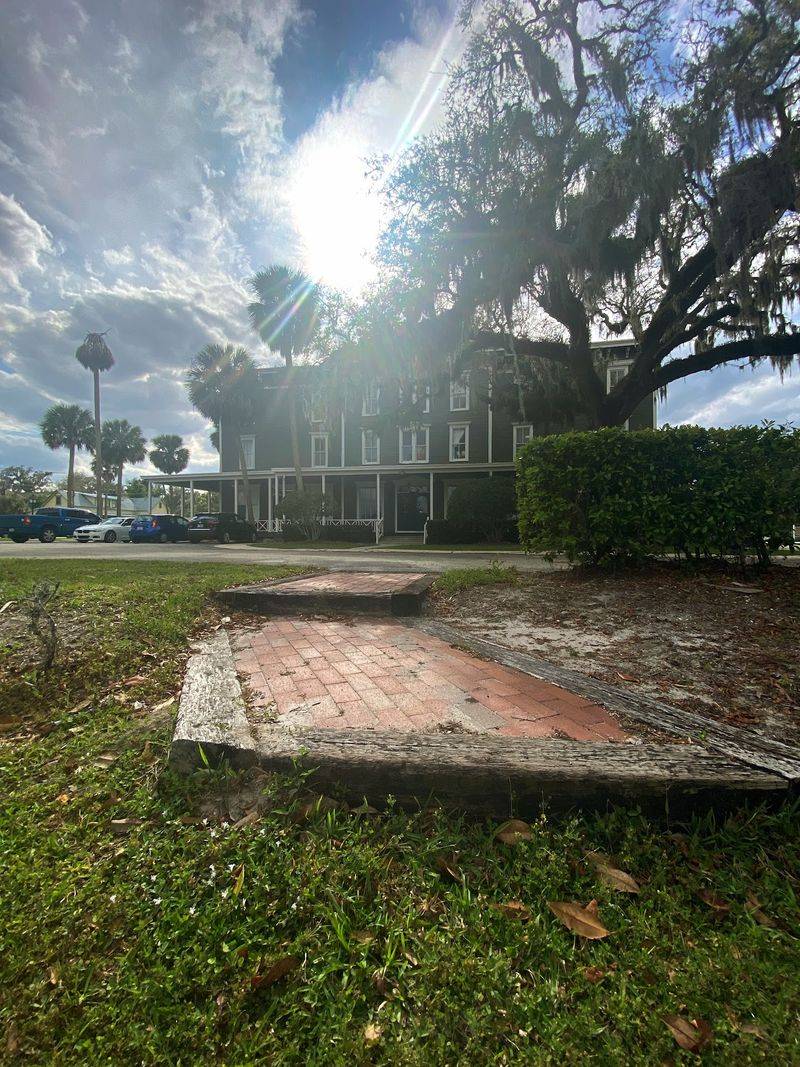
The Bradlee-McIntyre House doesn’t exist in isolation. It’s a key stop on the Longwood Historic Trail, which showcases several surviving buildings from the town’s Victorian heyday. Across the street stands the former Longwood Hotel, another remarkable survivor with its own colorful past.
That hotel building has lived many lives. Originally built by town founder Mr. Henck to attract railroad passengers, it was later renamed the Waltham, then the St. George. During the Roaring Twenties, it became the Orange and Black, famous throughout Central Florida as “the place to be” on Saturday nights.
After serving as The Village Inn in the 1970s, it was eventually restored and converted to modern office space.
Walking the historic trail gives you perspective on how Longwood looked during Florida’s first tourism boom. Most of the grand wooden hotels and winter cottages disappeared decades ago, making the survivors even more precious. The Bradlee-McIntyre House and the old hotel building represent the only remaining examples of this important era.
The hotel’s listing in the National Register of Historic Places underscores the area’s significance. Together, these buildings tell the story of how Central Florida transformed from frontier territory to tourist destination, decades before anyone imagined a Magic Kingdom rising from the orange groves.