You’d Never Expect to Find So Much Polish Culture in This Small Florida Town

Hudson sits on the western edge of Pasco County, and it looks like a quiet Gulf Coast community at first glance. Look a little closer and you will find pierogi, church festivals, and family traditions with roots in Poland. This small town of about 13,000 people has a surprising Polish flavor.
Here are eight ways to see it for yourself.
1. Pierogi Made by Hand, Just Like Grandma Did
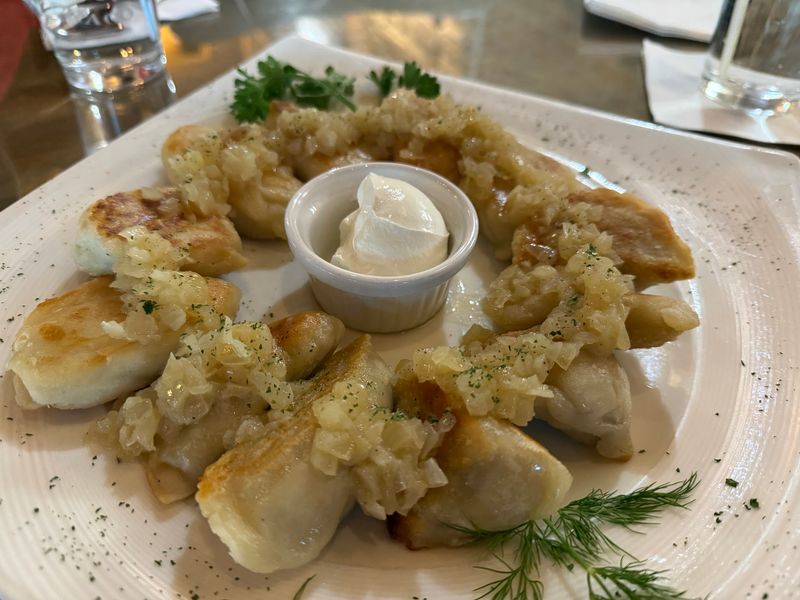
Flour on the counter, a rolling pin in motion, and a tray of half-moons waiting to be boiled. That is the scene in many Hudson kitchens, where Polish families keep pierogi alive. The dumplings are filled with potato and cheese, sauerkraut, or sweet farmer cheese.
Making them is a team sport. One person rolls, another cuts circles, and a third pinches each edge shut. Kids often get the job of pressing the fork marks around the rim, and nobody leaves the table hungry.
Here is a tip for anyone trying this at home. Boil the pierogi until they float, then fry them in butter with sweet onions so the edges turn golden. Serve them with sour cream and a bit of black pepper.
Did you know? In Poland, pierogi were once served at harvest feasts and weddings. Many Polish families who moved to Florida carried that habit along with them, and it is one reason the dish still feels special at Hudson gatherings today.
If you cannot cook, ask around at local church events. Someone is almost always selling a dozen frozen ones by the bag.
2. A Church Hall Buzzing With Polish Heritage
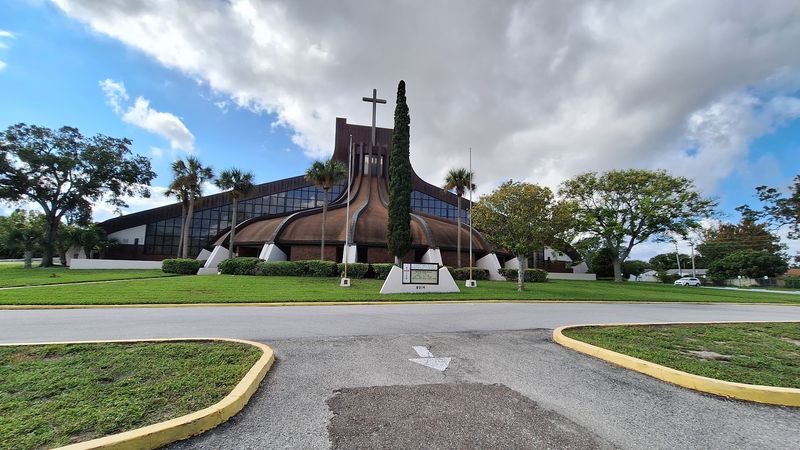
Sunday mornings in Hudson tell a story. Church parking lots fill up, and among the families you will hear a few Polish phrases drifting across the lawn. Parish halls have long been the heart of community life for newcomers who wanted a little piece of home.
Many Polish families settled along the Gulf Coast after retiring from northern states like Illinois, Michigan, and New York. They brought their faith, their recipes, and their habit of gathering after services for coffee and cake. Friendships formed over those tables have lasted for decades.
Visitors are usually welcome at community events. Check parish bulletins or bulletin boards for dinners, bake sales, and holiday celebrations. Dress casually, bring a little cash, and be ready to chat with strangers who will feel like cousins by the end of the afternoon.
One good rule is to arrive early. Popular items such as poppy seed rolls and cabbage rolls tend to vanish fast.
Respect goes a long way here. If a service is happening, keep your voice low and wait for the hall to open before you shop or eat.
3. Golabki and Other Comfort Food Classics
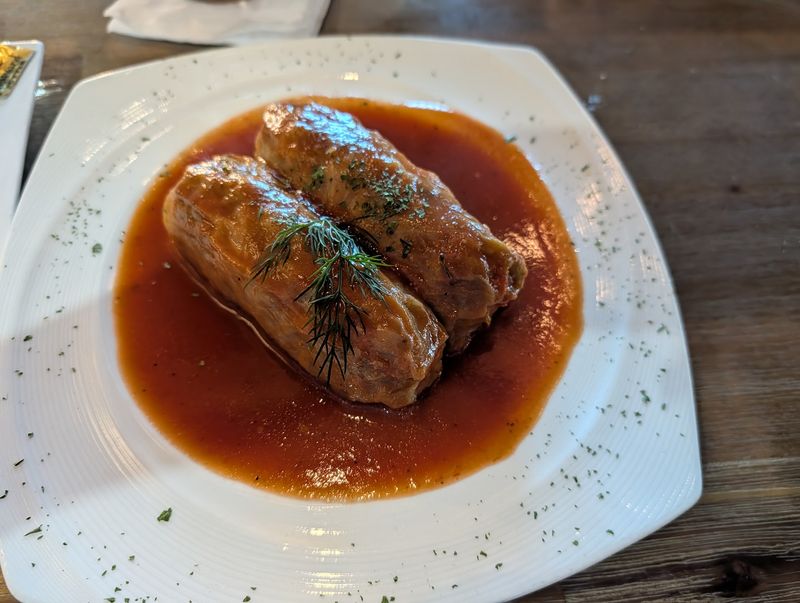
Cabbage leaves wrapped around rice and meat, then simmered in tomato sauce. That is golabki, and it might be the coziest plate in the Polish kitchen. In a place where the sun stays bright most of the year, it still shows up on Hudson tables.
Some cooks say the secret is freezing the cabbage head first, which makes the leaves soft and easy to peel. Others swear by a splash of vinegar or a pinch of sugar in the sauce. Everyone has an opinion, and everyone thinks theirs wins.
Pair the rolls with mashed potatoes or rye bread. A cold cucumber salad with sour cream and dill makes a bright side dish that suits Florida weather.
Fun fact: the name golabki means little pigeons, though there are no birds in the recipe. Nobody is totally sure why, but the nickname stuck.
Craving a taste without cooking? Ask neighbors, church groups, or local delis about takeout options. Home cooks in town often sell trays around holidays, and that is when the best batches appear.
4. Easter Baskets and the Blessing of the Food

Picture a wicker basket lined with white linen, holding painted eggs, sausage, bread, and a little butter lamb. On Holy Saturday, Polish families carry them to church to be blessed. Hudson families keep this tradition going, even under palm trees.
Each item has meaning. Eggs stand for new life, bread for the body of Christ, and salt for protecting what is good. The tiny lamb is a sweet finishing touch.
The baskets are a fun way for kids to learn family history. Many grandparents explain what each food means while the little ones try to sneak a bite of sausage. It becomes a lesson and a laugh at once.
If you want to try it, start with a simple basket and add foods that matter to your family. Decorate eggs with wax and dye for the traditional pisanki look.
Then comes the best part, a big Easter breakfast the next morning. Everything from the basket gets shared, and the leftovers make excellent sandwiches.
5. Polka Music and Dance Nights

Grab a partner and hold on tight, because polka is not a slow dance. The accordion kicks in, feet start hopping, and suddenly the whole room is spinning. Polka nights in Pasco County bring out smiles from every age group.
The music has roots in Central Europe, and Polish immigrants helped make it popular in America. Many of them later retired to Florida, so the beat traveled south with them. Now it fills halls and clubs along the coast.
You do not need to be an expert. Most dancers are happy to teach a beginner the basic step, and laughter covers plenty of mistakes. Wear comfortable shoes and bring water, since this is a real workout.
A little trivia: the word polka may come from a Czech word meaning half step, describing the short, quick movement. That is exactly what you will be doing all night.
Keep an eye on community calendars and social groups for upcoming dances. Some events include live bands, snacks, and raffles, so plan to stay awhile.
6. Wigilia, the Christmas Eve Supper With an Empty Chair

Here is a tradition that surprises people: an extra place at the table, set for an unexpected guest. It is part of Wigilia, the Polish Christmas Eve supper. Hudson families who honor it say the empty chair reminds them to be generous.
The meal begins when the first star appears in the sky. Before eating, everyone shares oplatek, a thin wafer, and trades good wishes. Then the feast starts with twelve meatless dishes, often including borscht, fish, and pierogi.
A little hay is sometimes tucked under the tablecloth to recall the manger. Children often peek beneath it during dinner, hoping to spot a surprise. Warm evenings in Florida give the ritual a fun twist, since some families eat outside.
Want to borrow the idea? Start small by sharing kind words with each person at your table. Add one or two Polish dishes and see how the night feels.
Keeping that empty chair is the best part. It is a simple reminder that there is always room for one more.
7. Polish Bakeries, Delis, and Sweet Treats Nearby
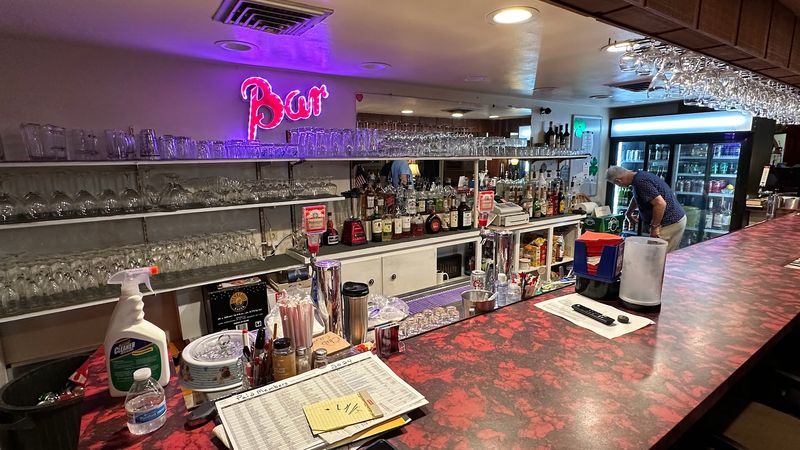
Follow your nose and you might end up with a bag of warm pastries. Tampa Bay area delis and bakeries stock kielbasa, rye bread, pickles, and cookies that taste like a family reunion. Hudson residents often make a short drive to stock up.
Start with the sweets. Babka is a rich, swirled loaf filled with chocolate or cinnamon, and poppy seed roll is a classic that pairs well with strong coffee. Paczki, the jelly-filled doughnuts, are a big deal before Lent.
Then explore the savory side. Try smoked sausages, sauerkraut, and creamy horseradish, which can make your eyes water in the best way. Ask the staff for suggestions, since they love to share tips.
Bring a cooler bag if you plan to shop for a while. Florida heat is tough on meats and dairy, and you will want everything fresh at home.
Go on a weekday morning if you can. Lines are shorter, shelves are full, and the conversation is usually the best part of the visit.
8. Gulf Coast Sunsets With a Polish Twist

Hudson is known for its calm Gulf waters, and the sunsets steal the show. Polish families here have found a way to blend old habits with new views. A picnic blanket, a loaf of rye, and a thermos of tea can turn any evening into a small celebration.
Head to Hudson Beach or nearby Pasco County parks and set up before the sky changes color. Pack sliced kielbasa, pickles, cheese, and a jar of mustard. Add fresh strawberries for a sweet ending.
Many families follow the Polish custom of a long, relaxed meal where no one is rushed. Stories come out, jokes get retold, and the kids run along the shore. It is simple, and that is the charm.
Bring bug spray and a light jacket, since breezes can cool things off after dark. Clean up carefully so the beach stays pretty for the next crowd.
Here is a fun idea: end the night by asking everyone to share a favorite family memory. You may leave with a new tradition of your own.