This Old-Fashioned Florida Ferry Still Carries Cars Across the St. Johns River
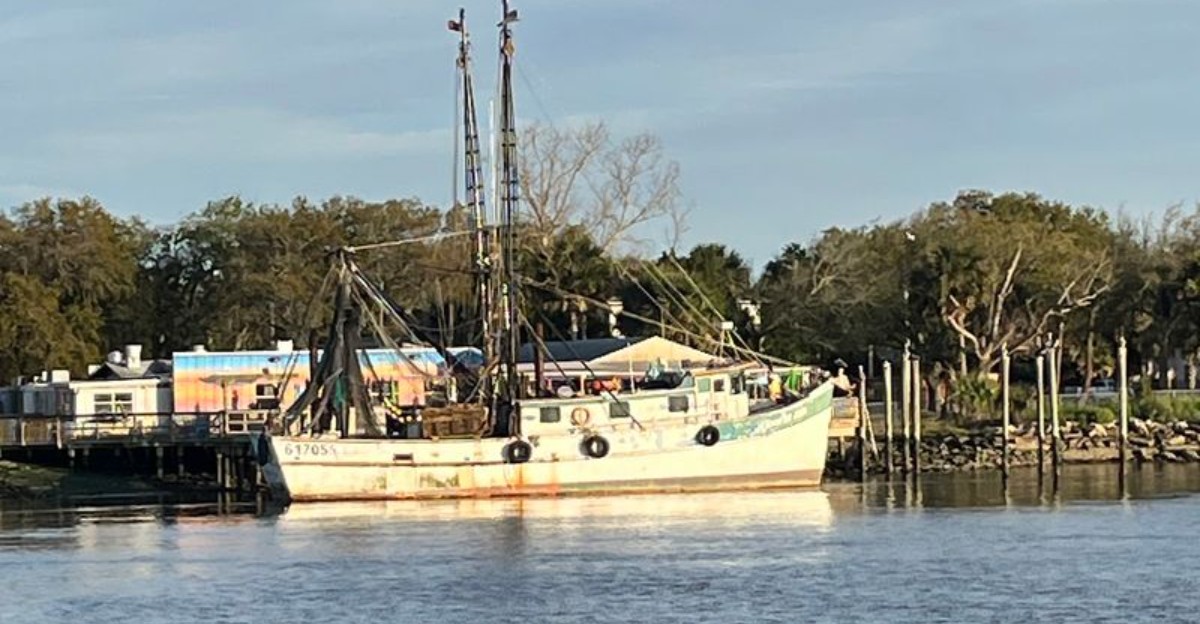
One of Florida’s most charming road-trip shortcuts is not a road at all.
The Mayport Ferry has been carrying cars, motorcycles, cyclists, and pedestrians across the St. Johns River since 1874, linking Mayport Village with Fort George Island in just a few minutes. The ride is short, the fare is inexpensive, and the views can include pelicans, passing ships, and the occasional dolphin.
It is part transportation, part mini adventure, and one of those old Florida experiences that somehow still works exactly as it should.
Here are eight things that make this little river crossing worth knowing about.
1. A Ride With Roots Back to 1874
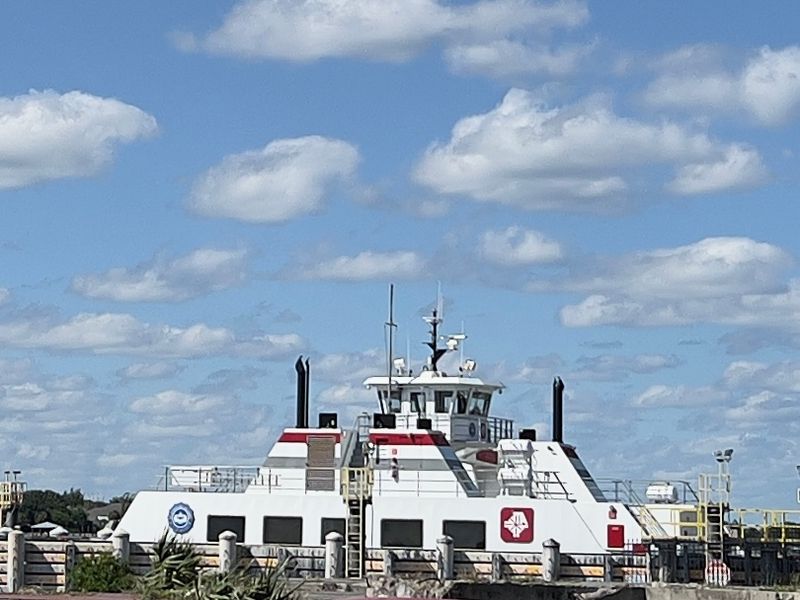
Picture 1874. Ulysses Grant was president, and a ferry was already moving folks across the mouth of the St. Johns River. Today that same crossing still runs, which makes it one of the oldest regular routes in the state.
The boat you ride now is modern and sturdy, but the idea is the same. You roll on, you float over, and you roll off somewhere new. Not much in Florida has kept doing the same job for that long.
One of the ferries is the Jean Ribault, named for the French explorer who sailed into this river in 1562. That is a lot of history for a trip that often takes less time than a song on the radio.
Locals treat the ferry like a neighbor they have known forever. Visitors tend to get the same feeling after one crossing. Old things can still be useful, and this one proves it every thirty minutes.
If you like stories, chat with a crew member while you wait. Many of them know bits of river lore that no sign will ever tell you. Ask a question, and you might leave with a fun fact to share at dinner.
2. The Five-Minute Crossing
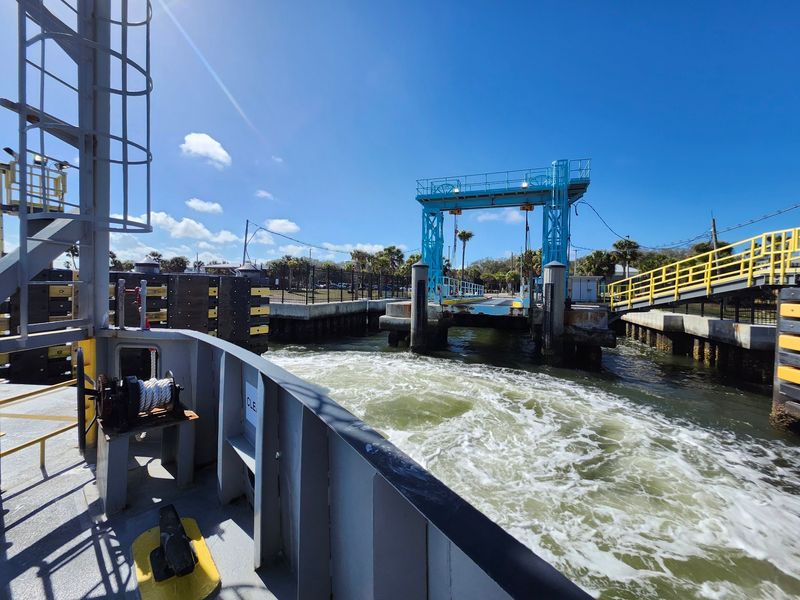
Blink and you might miss it. Reviewers say the ride takes about four to five minutes, and one proud rider even timed it at four minutes and twenty seconds.
That short length is the biggest joke and the biggest perk. Some people wish the trip lasted longer, because the views are so nice. Others love how quickly they get to the far shore.
Boats leave about every thirty minutes, so the whole process feels more like a small pause than a full outing. You line up, roll aboard, and are soon back on the road. Add loading and unloading, and the total is still under twenty minutes.
Want to stretch the fun? Ride round trip and treat it like a mini cruise. You get two crossings, two sets of views, and a second chance to spot wildlife.
Bring a little patience for the waiting part, especially on busy weekends. Once the engines hum and the ramp lifts, though, the river does the rest. It is the quickest vacation you will ever take.
3. Money Saved and Miles Skipped
Here is the math that has commuters smiling. The ferry fare is a few dollars, and the alternative is a long loop inland to the Dames Point Bridge. Riders say the ferry trims twenty to thirty minutes off the drive.
One reviewer figured the fare is about what the extra gas would cost anyway. So you are basically trading fuel for a boat ride. That is a pretty good deal.
Prices change with the type of vehicle, and they go up with the number of axles. Weekends have cost a dollar more than weekdays, according to riders. Motorcycles have caused grumbling, since some say two bikes still cost more than expected.
Check the official JTA site for the current rates before you go. Cash and cards are both welcome, and a rider noted that correct change is appreciated. Paying on board is simple, because an attendant walks to each vehicle.
Regular riders also like the JTA app, which can trim the cost per trip. A worker scans your phone, and you are done. Less fumbling, more watching pelicans.
4. Stretch Your Legs on Deck
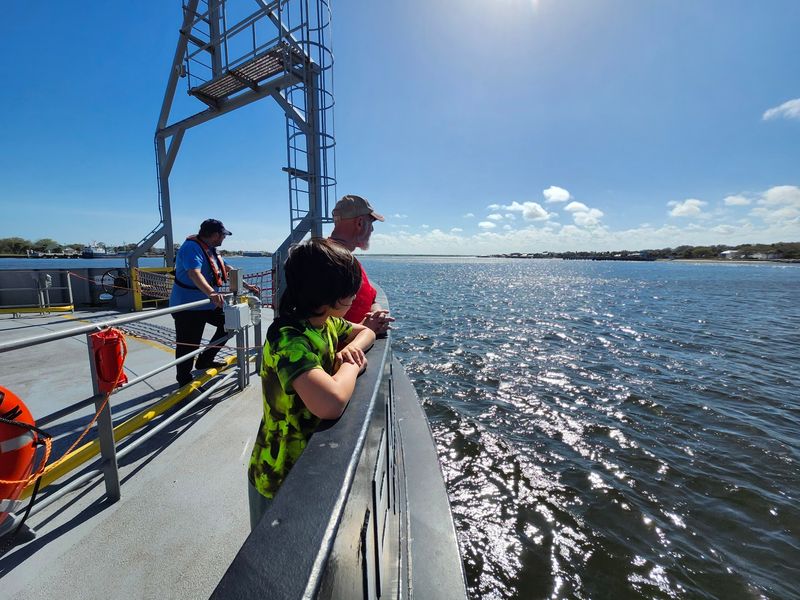
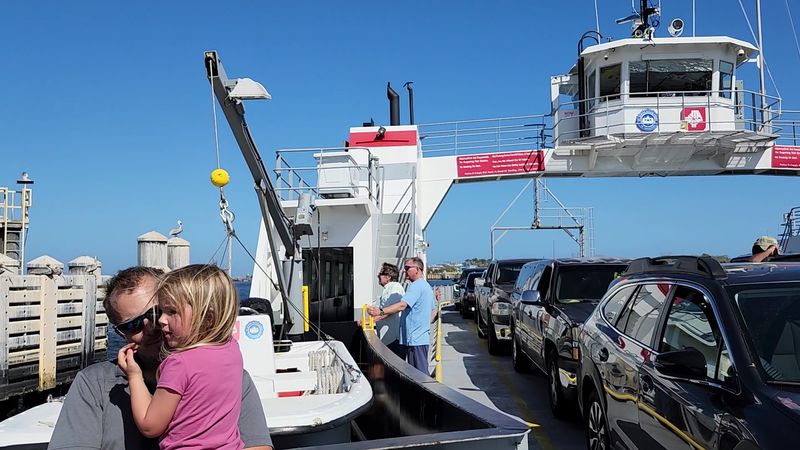
Most car ferries make you sit tight. Not this one. Once you are parked and paid, you can step out and wander the marked walking areas.
There is one rule to remember, which is to turn your engine off. After that, the deck is yours. Feel the breeze, snap a few photos, and lean toward the rail to watch the dock slip away.
Reviewers rave about the salty air and the wide open sky. The water can be choppy and deep blue, which makes the crossing feel bigger than it is. On a clear day, the horizon seems to go on forever.
Dogs have to stay in the vehicle, so pups get a window seat instead. Bring a few treats and keep the windows cracked in warm weather. Humans get the deck, and four-legged friends get a front row view from the car.
Dress for wind, even in summer. Sunglasses and a hat that stays on are smart choices. A quick walk on deck turns an ordinary commute into something you will remember.
5. Pelicans, Gulls, and Maybe a Dolphin
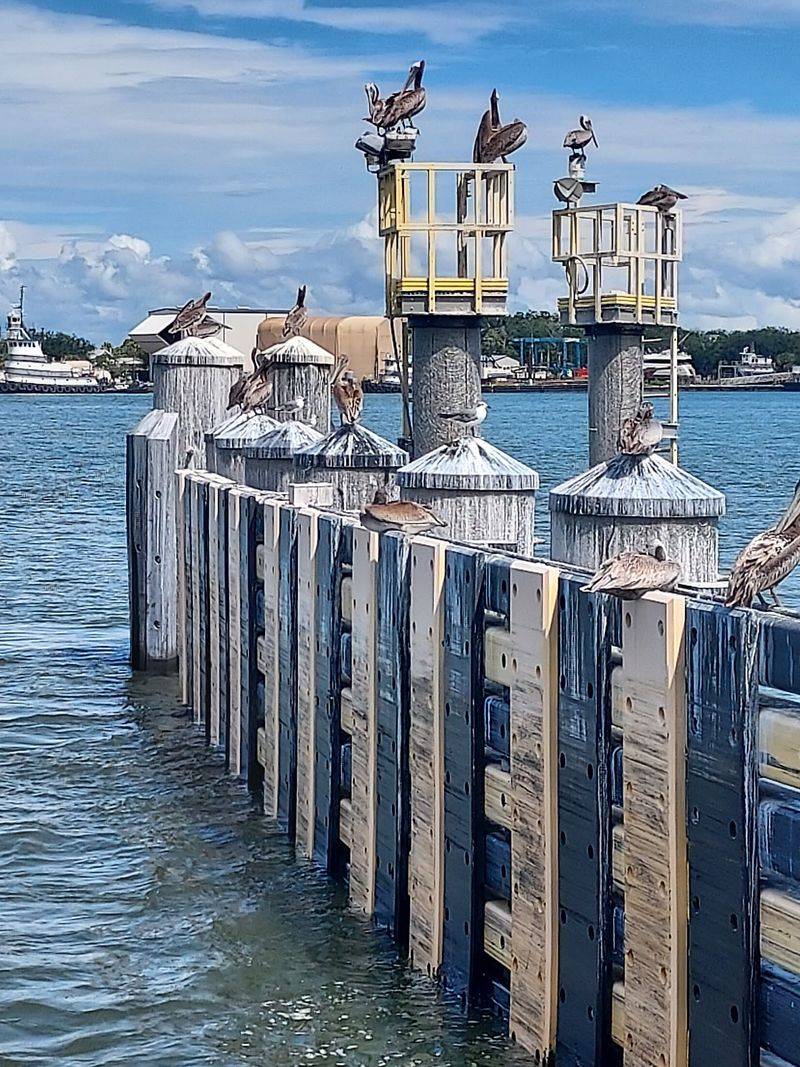
Keep your eyes up and down. Pelicans glide beside the ferry like tiny escorts, and seagulls hover near the rails hoping for snacks. Reviewers mention pelicans more than almost any other creature.
Bottlenose dolphins show up too, though not on a schedule. Look for a curved gray back rolling through the waves. Mornings and calmer days often help, but luck matters most.
The river mouth is a busy spot for fish, which is why the birds love it. Fish bring dolphins, and dolphins bring excited riders pointing at the water. It is a tiny wildlife show packed into a short ride.
Do not feed the birds, since that can harm them and annoy the crew. Instead, bring a camera and keep your phone ready. A zoom lens helps if you have one.
Big ships sometimes pass nearby, too. One rider even watched a cruise ship glide by while waiting to board. The ferry sits right in the middle of a working waterway, so there is always something moving.
6. Bikes, Walkers, and Motorcycles Welcome
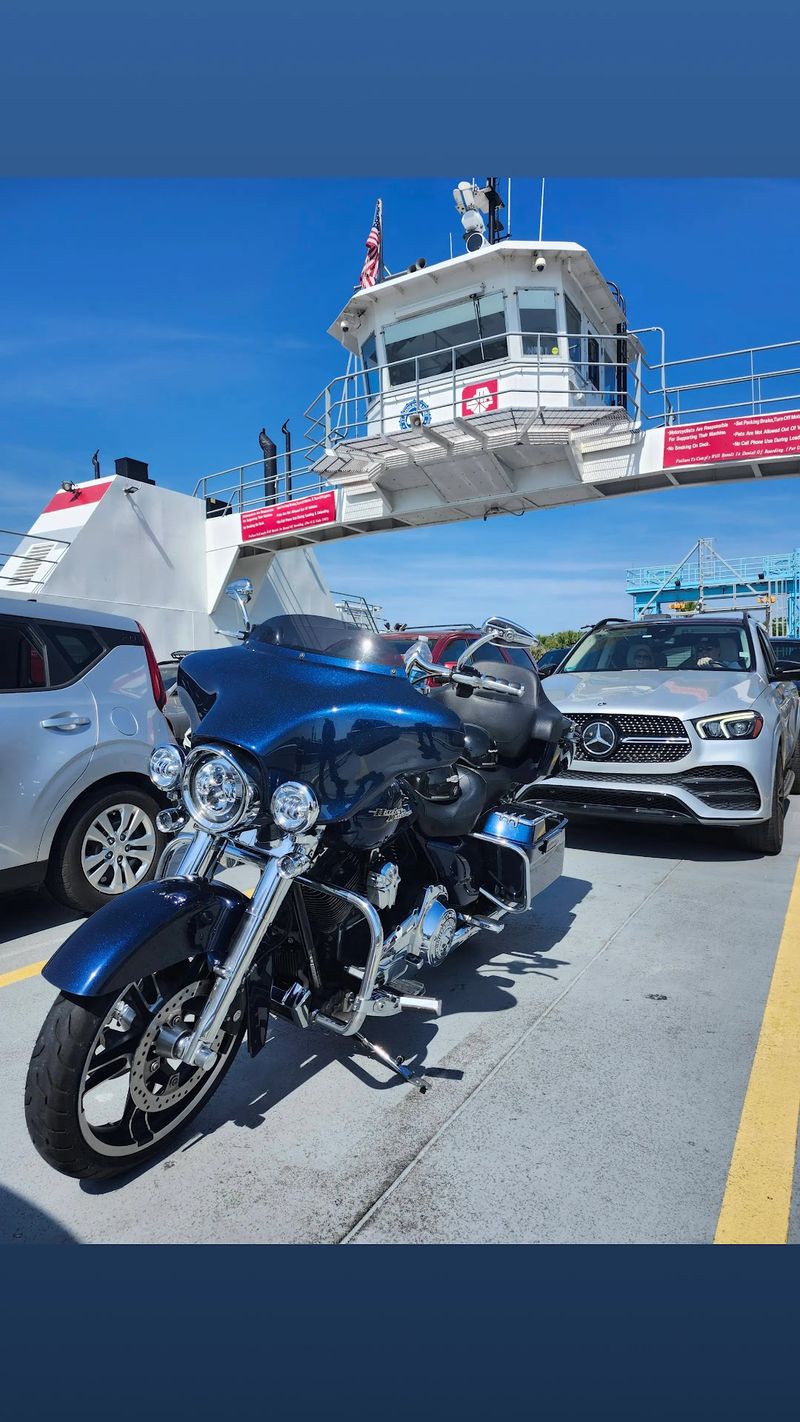
You do not need a car to climb aboard. Cyclists and walkers are welcome, which makes the ferry a favorite for people who enjoy a day of pedaling.
One rider loves taking an e-bike across, and says the ride is a nice break in the middle of a route. Roll on, enjoy the view, and roll off on Fort George Island. It beats the crowded bridge traffic by a mile.
Motorcycles are allowed too, though some riders feel the price is steep compared with the space they use. Check the posted fare chart so there are no surprises. Staff are known to be friendly and ready to help.
If you are on foot, plan your timing around the schedule. Boats leave about every half hour from each side. Missing one means a wait, so a quick look at the timetable saves time.
Pack light, wear sunscreen, and bring a water bottle. The Fort George side has trails and quiet roads that reward people who travel slowly. A bike basket full of snacks makes the day even better.
7. Fresh Seafood and BBQ Stops
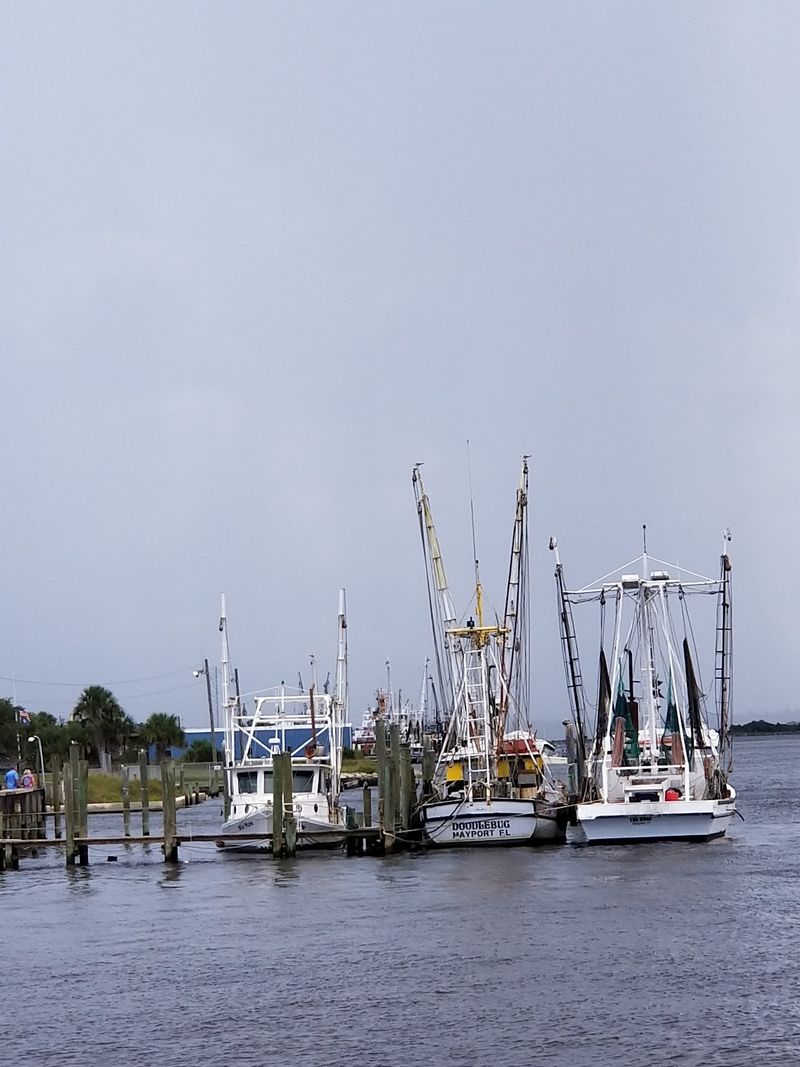
Hungry travelers love this route because food waits at both ends. On the Mayport side, shrimp boats unload, and a fresh seafood market is a popular stop for locals and visitors.
Across the river in Heckscher Drive territory, riders head for Billy Jack’s BBQ. One family even takes the ferry just for lunch and then explores the oceanside state parks. Not a bad way to turn a short ride into a half-day plan.
Grab your seafood first, if you want it cold and fresh, and keep a cooler in the trunk. Then ride across for barbecue or a lazy afternoon at the beach. Ice packs are your friend in summer.
Timing matters here. Lunch rushes can be busy, and so can the ferry line. Aim for off-peak hours if you want less waiting.
Little places like these are what make Northeast Florida feel like itself. They are casual, salty, and friendly. Eat well, then roll back aboard with a full stomach and happy memories.
8. Tips for a Smooth Ride
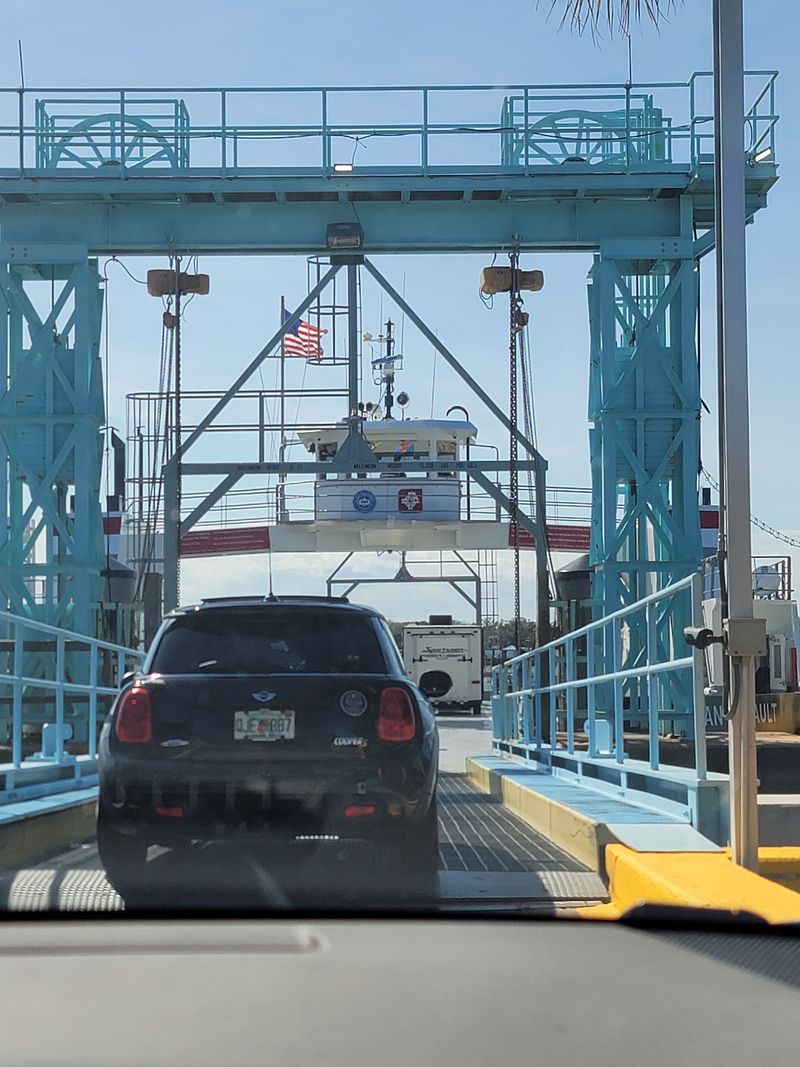
A little planning goes a long way. Learn the schedule for both sides, since boats leave roughly every thirty minutes. Regular riders say that habit saves the most time.
Arrive a bit early on weekends and holidays. Crews guide cars into lanes, and sometimes the line gets long. A couple of reviewers said it was hard to tell which boat they would catch, so ask a worker if you are unsure.
The loading system is organized and impressive to watch. Follow hand signals, stay in your lane, and shut off the engine once parked. Then pay the attendant, either with cash, card, or the app.
Keep your phone charged for the app and have small bills ready as a backup. If you have a large vehicle, remember that the cost rises with axles. Always check current prices and any service notices on the JTA ferry website or by phone at (904) 241-9969.
Finally, be kind to the crew. They manage a lot of moving parts. A smile and a wave make the trip nicer for everyone.