10 Senior-Friendly Florida Day Trips That Are Easy, Relaxing, and Under $25
Not every great Florida day trip needs to involve a long hike, a packed itinerary, or an expensive ticket. Some of the best outings are the ones where you can slow down, sit when you feel like it, and still come home feeling like you saw something special.
From Japanese gardens and singing towers to manatee boardwalks, historic sites, and peaceful riverfront grounds, these ten spots offer plenty to enjoy at an easy pace. Many include flat paths, benches, shade, and budget-friendly admission, making them especially good for a relaxed day out.
If your idea of a perfect Florida outing is more “take your time” than “race to see everything,” this list is for you.
1. Morikami Museum and Japanese Gardens (Delray Beach)
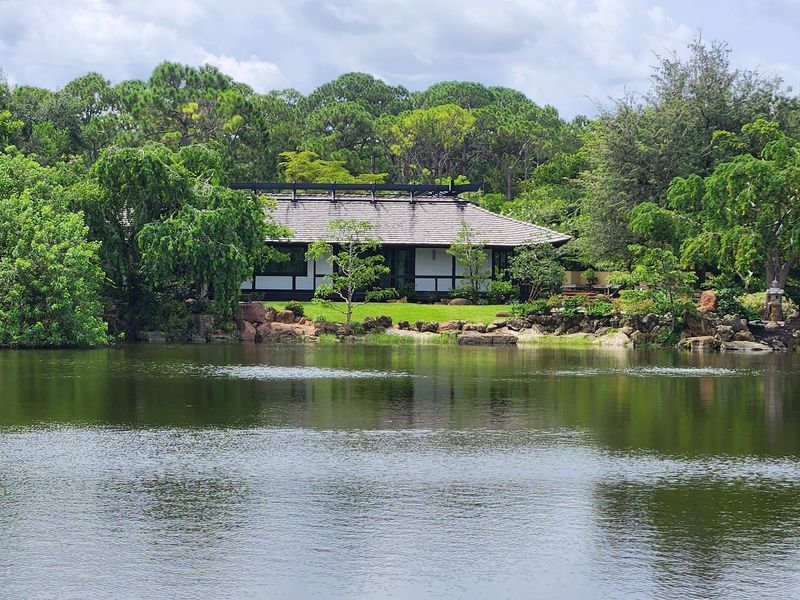
Picture a quiet pond, a stone lantern, and a breeze that smells like pine. That is the mood at Morikami, tucked into South Florida where you would least expect it.
The gardens are laid out as a series of scenes, each one different from the last. Paths are mostly flat and wide, so walking feels easy. Benches appear often, which makes it simple to stop and just look at the water for a while.
Inside the museum, you can see art and objects that tell the story of Japanese culture and the farming families who settled nearby. It is a nice choice if the sun gets strong, since the air conditioning gives you a break between garden strolls.
Here is a little history for you. The land was once home to a Japanese farming community in the early 1900s, and one of its members later gave the property so others could enjoy it. That story adds meaning to every corner.
Plan to visit in the morning, when the light is soft and the crowds are thin. Bring a hat and a small water bottle. If you get hungry, check the on-site cafe for light Japanese-style lunch options, and look at the current ticket price before you go, since senior rates are often offered.
Give yourself about three hours, and leave room to sit and enjoy the quiet. Do not rush this one at all. It rewards a slow, curious pace and plenty of pauses along the way.
2. Florida Botanical Gardens (Largo)
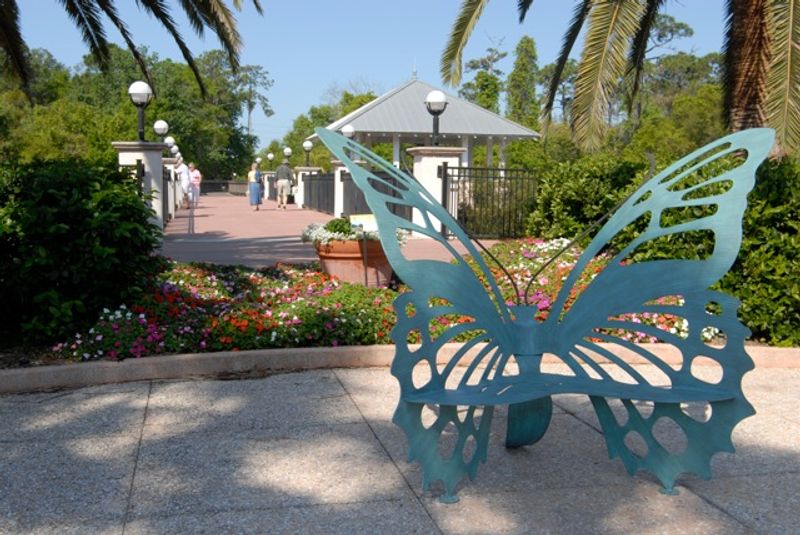
Free to wander and full of color, the Florida Botanical Gardens in Largo may be the best bargain on this list. Entry to the grounds has long been offered without a ticket, though parking and special events can vary, so a quick check helps.
The layout is friendly for slow walkers. Paved paths loop past flower beds, a butterfly area, and a few quiet ponds. Shade pops up often, and that matters when Florida afternoons heat up.
Tram rides have been offered at times, which can save your legs on a long day. Ask at the entrance to see what is running when you arrive.
Here is a tip that locals like. Walk the edges first, then cut toward the center when you feel like sitting. That way you never end up far from a bench when you need one.
The gardens include themed spaces, such as vegetable plots and a Florida-friendly yard display. If you have a home garden, you will leave with fresh ideas and maybe a few plant names scribbled on a napkin.
Bring a camera, since the flower beds change with the seasons. Spring brings plenty of blooms, but the cooler months are the most comfortable for walking. Wear sturdy shoes, pack a snack, and plan for two or three easy hours.
If you enjoy chatting with volunteers, you will find many are happy to share planting advice and a story or two.
3. Bok Tower Gardens (Lake Wales)
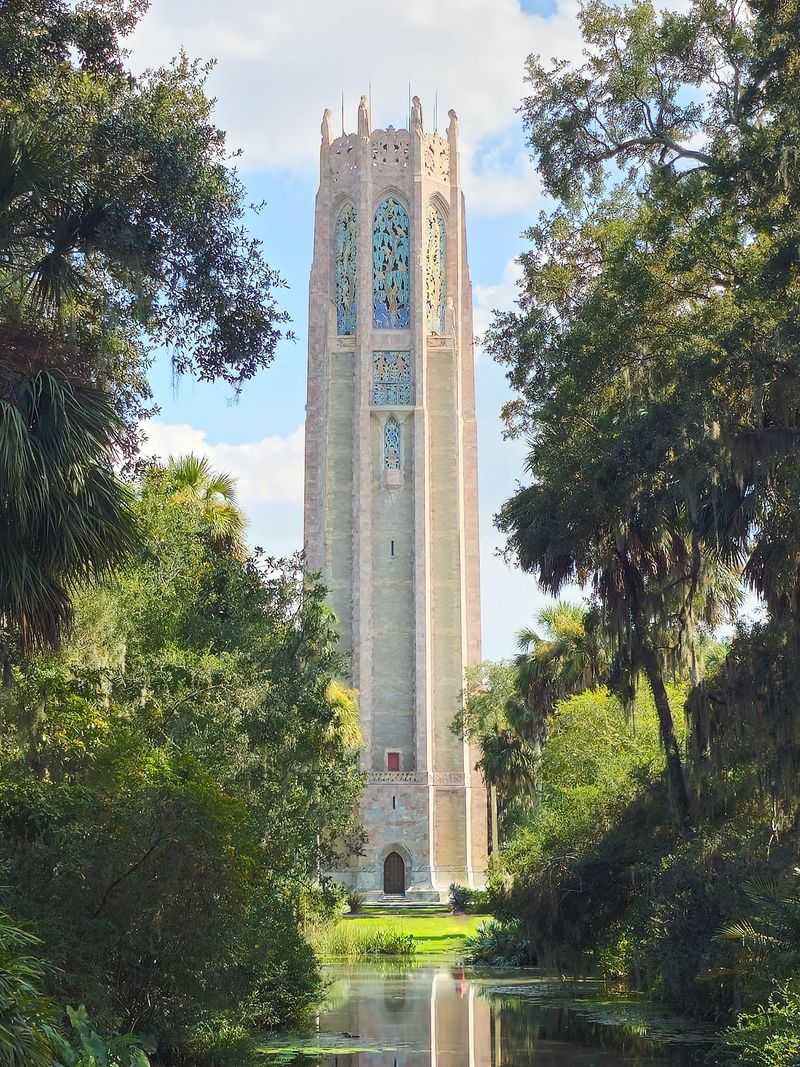
Listen closely around midday, and bells drift across the hills. Bok Tower sits on one of the highest points in the state, and its carillon music is the star of the visit.
The gardens wrap around the tower with shaded trails, calm pools, and plenty of benches. Because Florida is mostly flat, finding a gentle rise with a view feels like a small treat. Paths are friendly, though a few slopes appear, so take your time.
Plan your arrival around a scheduled carillon performance. Find a bench, close your eyes, and let the sound do the work. Many guests say this is the moment that makes the trip.
The tower itself is a landmark covered in carved details, and it looks different as the light changes. Spend a few minutes walking around it to spot the small designs.
Tickets can run slightly above the budget mark depending on the day, so check current pricing and look for senior or discount options before you head out. Winter and early spring are the nicest seasons, with cooler mornings and blooming plants.
Bring a light sweater for shady spots and wear comfy shoes. Give yourself around three hours, and skip the rush. This is a place built for lingering, listening, and letting the afternoon stretch out.
4. Alfred B. Maclay Gardens State Park (Tallahassee)
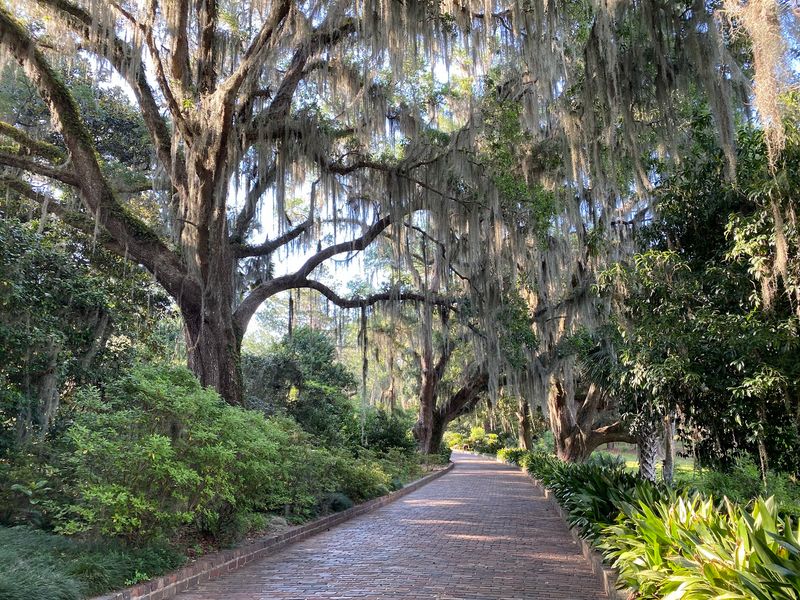
Winter in the Panhandle brings something special: camellias and azaleas bursting into bloom. Maclay Gardens turns that color into a full-on show, and the walk is mellow enough for almost anyone.
The gardens began as a private estate, and you can still feel that old-style charm in the layout. Paths curve under big trees, past reflecting pools and tidy flower beds. There is a lake nearby, so you can sit and watch the water between strolls.
A small house museum on the grounds gives a peek into the past, though it may be open only part of the year. Check the schedule before planning your day around it.
Here is a smart move. Visit on a weekday morning, when the paths are quiet and the light is gentle. You can take photos without a crowd in the way, and parking stays easy.
The best bloom season usually lands in late winter, but the grounds stay green and pleasant much of the year. State park entry fees are often modest, and the garden season may add a small extra charge, so look at current rates.
Bring a picnic if you like. Tables and shady spots are available, and a lunch beside the lake can be the highlight of the day. Wear walking shoes and keep a light jacket handy for cooler mornings.
5. Fort Mose Historic State Park (St. Augustine)
Long before the Civil War, a small settlement near St. Augustine offered freedom to people escaping slavery. Fort Mose preserves that remarkable story, and the setting is quiet and open.
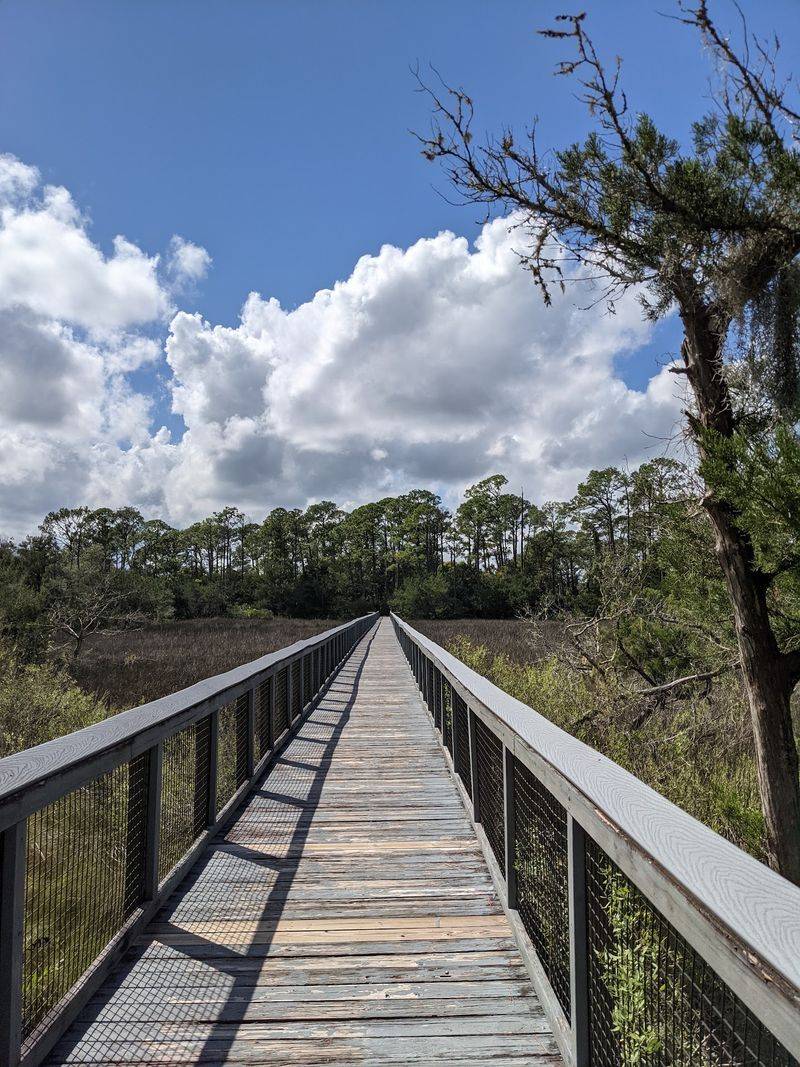
The park is small, which is part of its charm. A boardwalk crosses the marsh, and signs along the way explain what life was like for the families who lived here in the 1700s. There is no need to rush or climb anything.
Spend a few minutes at the visitor area first. Exhibits give context that makes the marsh view feel far more meaningful. Then step outside and let the wide sky and salty air do the rest.
Here is a quick fun fact. Fort Mose is often described as the first legally sanctioned free Black settlement in what is now the United States. That is a lot of history packed into a small piece of land.
Bring binoculars if you enjoy birds, since the marsh attracts plenty of them. Mornings are cooler and usually calmer. A hat and sunscreen help, because shade is limited along the boardwalk.
Entry is usually inexpensive, which keeps the day well under budget. Pair it with a slow lunch in town afterward. A visit here takes about an hour or two, making it an easy, meaningful stop that does not wear you out.
6. Peace River Botanical & Sculpture Gardens (Punta Gorda)
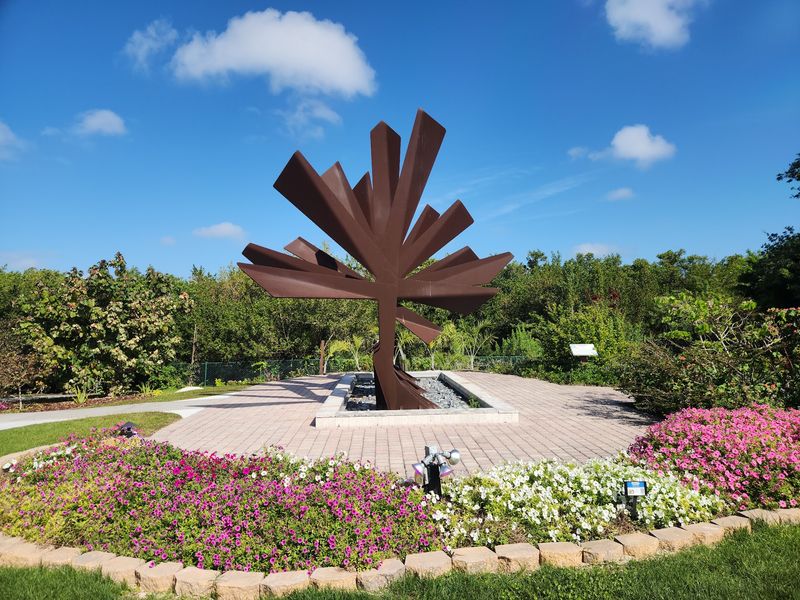
Art hides in the plants here. Around a bend, you might spot a sculpture peeking out from a bed of greenery, and that sense of discovery keeps the walk fun.
Peace River Botanical & Sculpture Gardens is a smaller, more personal kind of garden. It feels less like a big attraction and more like a creative neighbor invited you over. Paths are easy to follow, and there is shade in many spots.
Take your time with each sculpture. Some are playful, others are quiet and thoughtful. Reading the signs or chatting with staff, when available, adds helpful background.
If you are the type who enjoys photography, bring your camera. The mix of art, leaves, and light creates lots of good shots, especially in the morning.
Check hours and admission before going, since smaller gardens can have limited schedules. Pricing is typically friendly, and the visit fits comfortably under a modest budget.
Punta Gorda itself is a pleasant add-on. After the gardens, you could stroll near the harbor or grab a casual lunch. Wear comfortable shoes, carry water, and plan on about an hour or two.
It is a low-pressure outing for anyone who likes a mix of nature and creativity without a long walk or a big crowd.
7. Blue Spring State Park (Orange City)
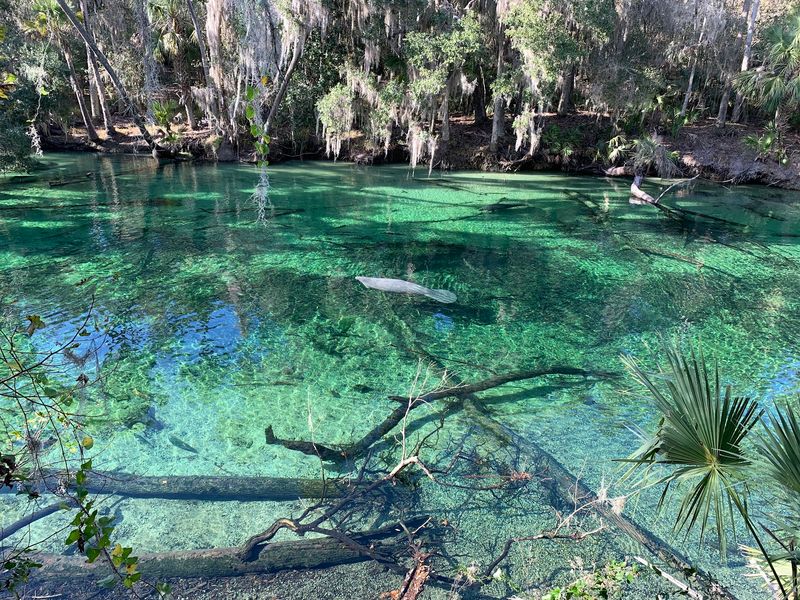
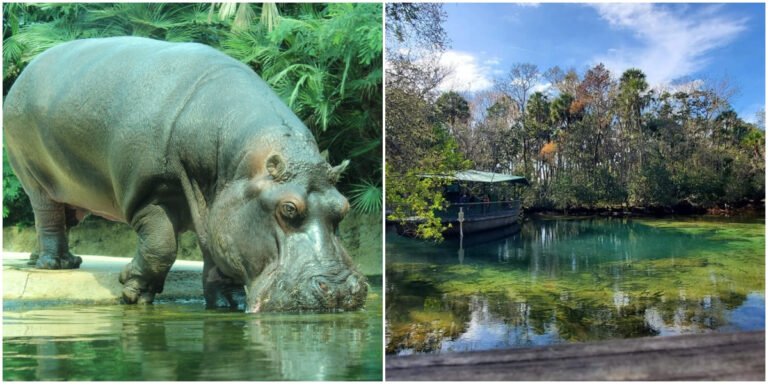
Winter is manatee season, and Blue Spring is one of the best places in the state to see them. On a chilly morning, the warm spring water draws the gentle giants in, and the crowd of watchers goes quiet.
A boardwalk follows the spring run, so you can look down at the water without any strenuous walking. It is mostly flat, with railings and places to stop. Binoculars help, but the animals often come close.
Arrive early. Parking can fill up on cold weekends, and the park may limit entry when it is full. A weekday visit makes life much easier.
Outside manatee season, the spring stays beautiful. The water has a clear, bright color, and the shaded trails offer cool relief. Swimming may be allowed in warmer months, but check the current rules.
Entry is usually a few dollars per vehicle, which makes this one of the best bargains on the list. Bring a jacket in winter, since mornings can be brisk, and wear shoes that grip well on wet wood.
A simple picnic is a nice idea. Pack snacks and a thermos, find a table, and enjoy the quiet. Plan about two hours, longer if you want to linger.
Watching a manatee glide past is the kind of small moment that stays with you.
8. Cummer Museum of Art & Gardens (Jacksonville)
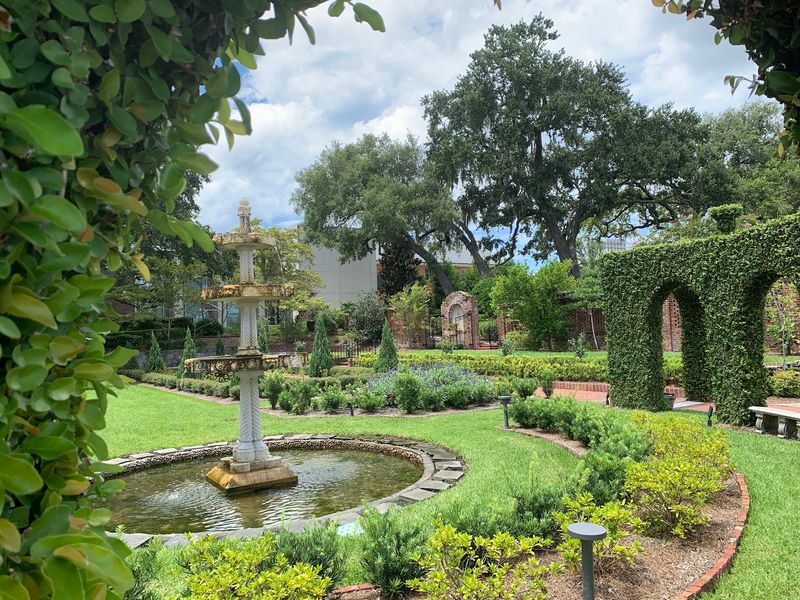
Few places pair fine art and riverfront gardens as smoothly as the Cummer. You can spend the morning with paintings, then step outside for fountains and shady oaks.
The gardens sit beside the St. Johns River and are laid out in formal styles. Old oak trees stretch overhead, and the benches are well placed for a break. The setting feels calm even in the middle of a busy city.
Inside, the galleries are indoor and cool, which is handy on hot days. Moving between rooms is simple, and seating is easy to find. You do not need to be an art expert to enjoy the colors and stories on the walls.
Here is a helpful trick. Start in the gardens while the air is still mild, then head inside when the sun gets stronger. That order keeps you comfortable all day.
Admission prices vary, and some days may offer reduced or free entry, so check the museum calendar. Seniors may qualify for discounts, which can keep the visit near your budget.
Plan on two to three hours. A small cafe or nearby spot can handle lunch. Wear comfortable shoes, bring a light layer for the air conditioning, and enjoy a day that feels refined without being fussy or tiring.
9. Mounts Botanical Garden (West Palm Beach)
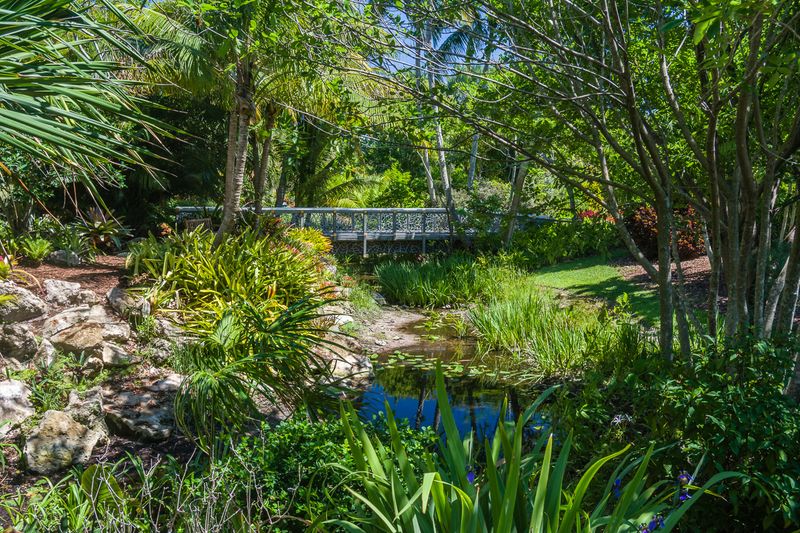
Palm Beach County has a green secret, and it is not a golf course. Mounts Botanical Garden packs hundreds of plant types into a calm, walkable space.
The paths are flat and easy to follow, with shade scattered along the way. Tropical plants, fruit trees, and bright flowers create a changing show through the year. Benches pop up regularly, so you can rest without hunting for a spot.
Look for the smaller themed areas. Some focus on herbs, others on palms or edible plants. If you love cooking or gardening, you may leave with a new idea or two.
Here is a quick tip. Go early on a weekday, when it is cooler and quiet. Staff and volunteers are often friendly and happy to answer plant questions.
Admission is typically low, and it may be free or discounted at certain times, so check before you go. Parking is simple, and the entrance is easy to find.
Bring a hat, sunscreen, and a refillable water bottle. A visit usually takes an hour or two, which leaves time for lunch somewhere nearby afterward. It is a gentle outing that lets you enjoy plenty of color without a long drive or a lot of effort.
10. Edison and Ford Winter Estates Gardens (Fort Myers)
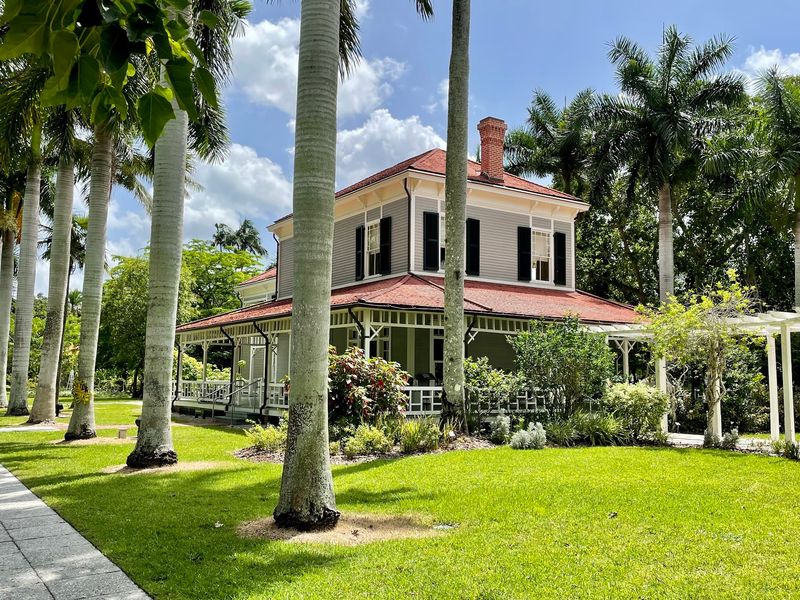
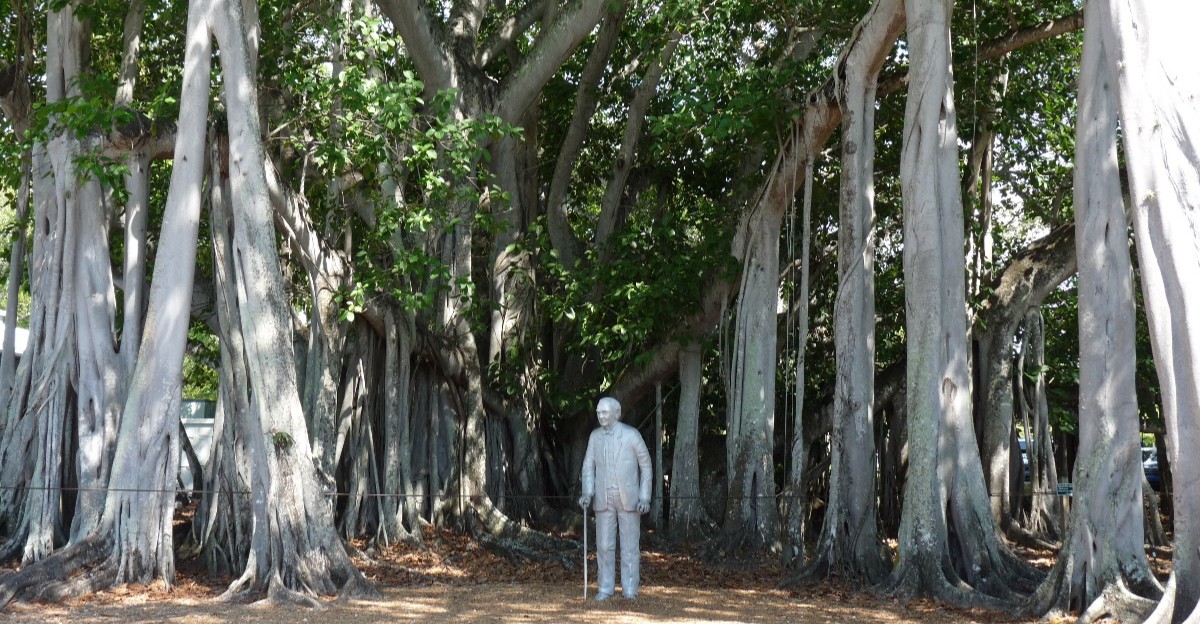
Thomas Edison once planted a banyan tree here as a small gift, and it has grown into a giant that covers acres. Standing under it feels like stepping into a living cathedral.
The Edison and Ford Winter Estates sit along the Caloosahatchee River in Fort Myers. The gardens were once a testing ground for plants that might be useful, including rubber sources. That curious backstory makes a simple stroll feel like a peek into an inventor’s workshop.
Paths are mostly flat and shaded, with plenty of places to pause. The mix of historic buildings and plant life gives you something interesting at every turn.
Admission to the full historic tour can be higher than the budget goal, so consider a garden-focused option and check current pricing for the best fit. Some visitors choose just the grounds to keep costs down, so confirm what is offered when you plan.
Try to visit in the cooler months, when the air is mild and the tree shade feels perfect. A hat and water will help on warmer days.
Give yourself about two hours for the grounds. Afterward, a relaxed lunch downtown makes a great finish. It is a thoughtful, easygoing outing for anyone who likes a good story with their scenery.