The Florida Lake Where a 1928 Hurricane Nearly Wiped Entire Towns Off the Map
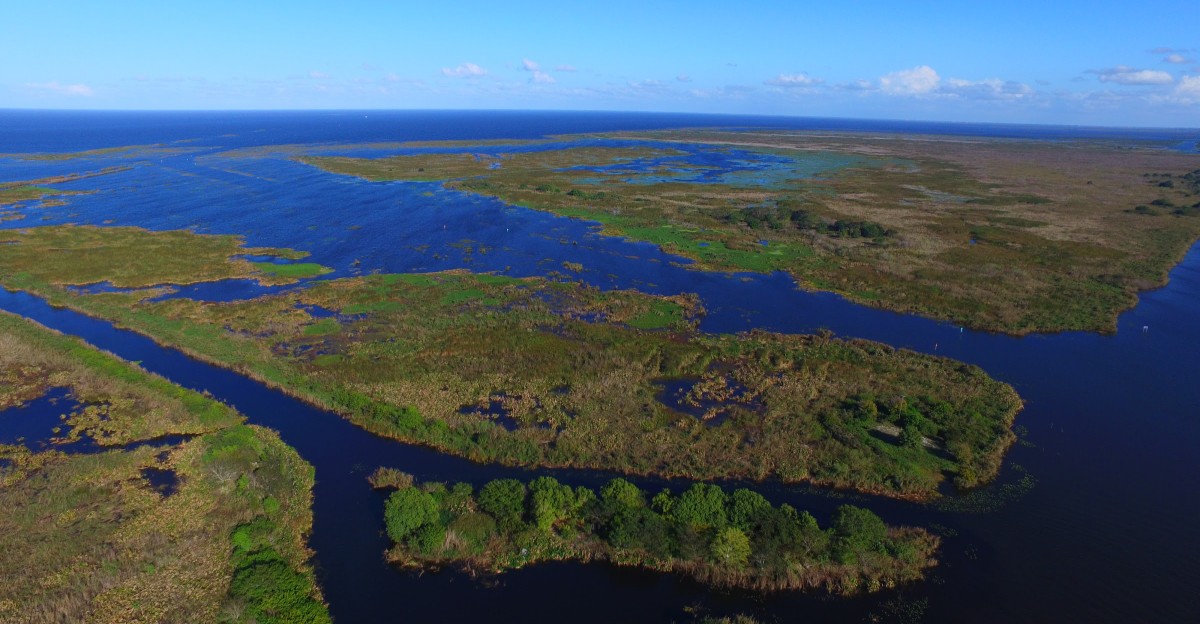
Lake Okeechobee is known today for fishing, wildlife, and sweeping views, but its history includes one of Florida’s deadliest natural disasters. In 1928, a powerful hurricane pushed water out of the lake and across surrounding communities, devastating towns and settlements around its southern shore. The flooding was catastrophic.
Homes were destroyed, farmland disappeared beneath the water, and thousands of people lost their lives. Communities including Belle Glade, Pahokee, and South Bay were forever shaped by the disaster. The tragedy eventually led to major flood-control projects around the lake, including the construction of the Herbert Hoover Dike.
Those changes transformed how South Florida manages water and storms to this day. For anyone exploring the history of Lake Okeechobee, the calm water hides a much darker story—one that changed entire communities and left a lasting mark on Florida.
A Florida Lake With a History Far Darker Than Its Calm Waters Suggest
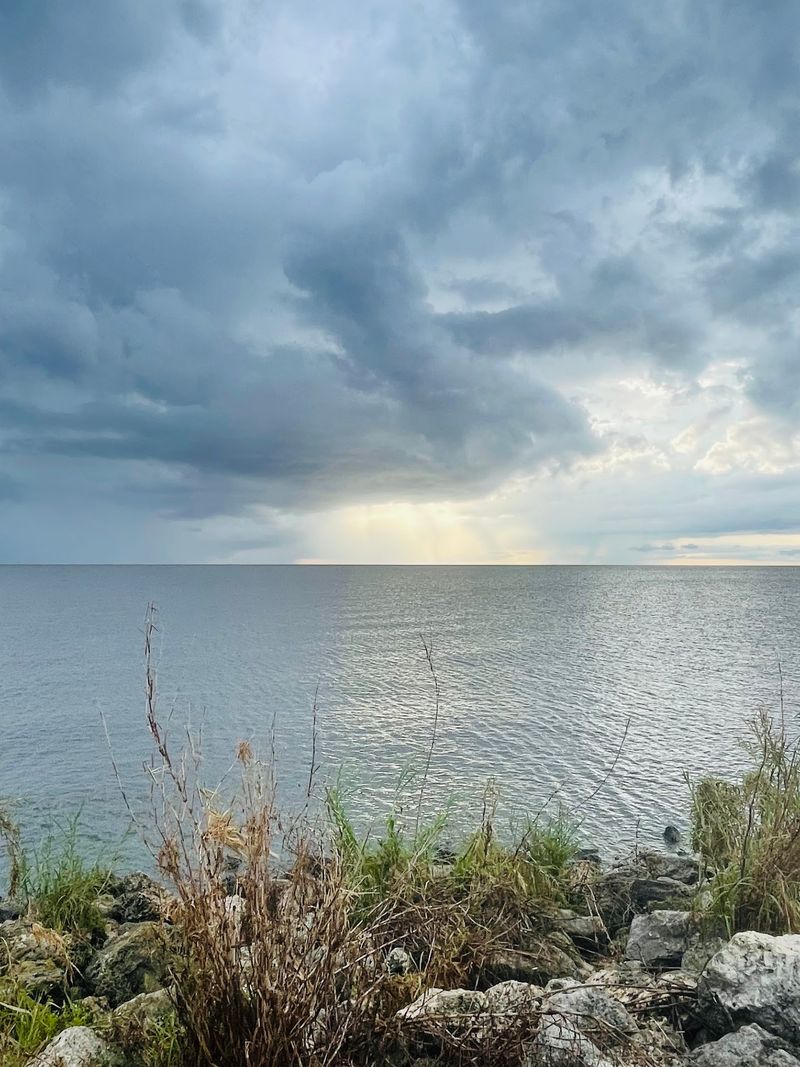
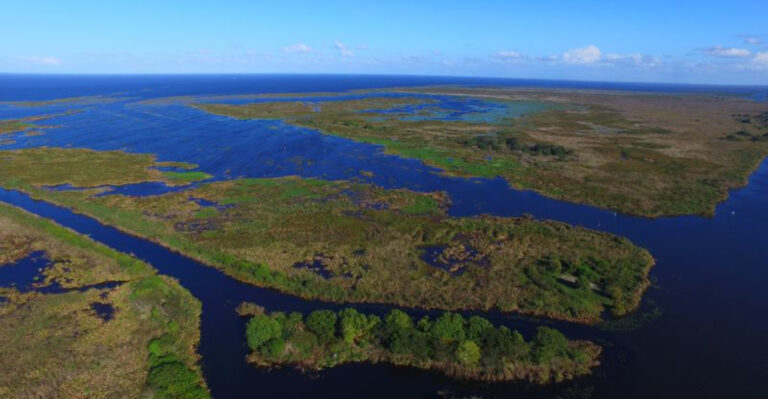
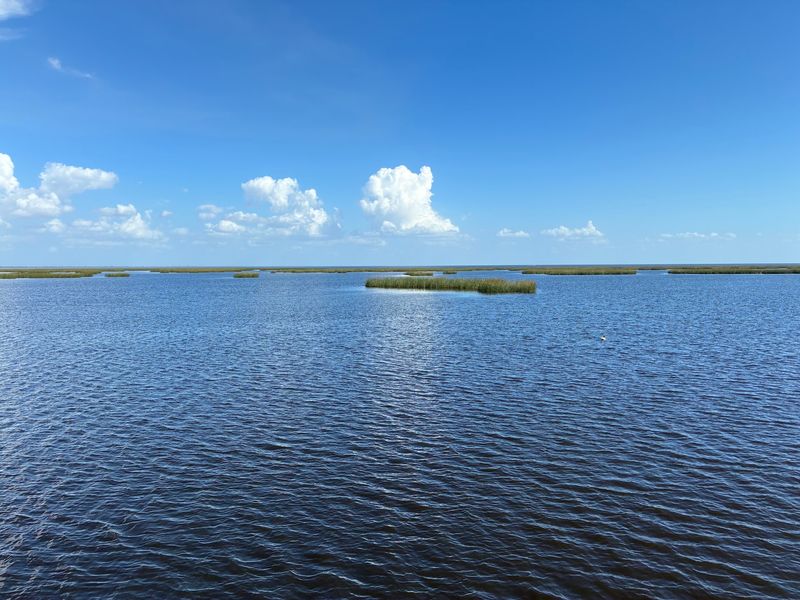
Stand on the levee at sunset and you would never guess. The water stretches flat and gold to the horizon, herons pick through the grass, and a gator might glide past like it owns the place. Honestly, it kind of does.
Lake Okeechobee is the biggest lake in Florida and one of the largest natural freshwater lakes in the whole country. Its name comes from Seminole words that roughly mean big water, and that name fits perfectly. On a hazy day, you cannot see the other side.
Visitors today come for bass and crappie fishing, airboat rides, and long bike trips on the trail that loops around the lake. Reviewers rave about the night skies, the birdwatching, and the quiet feeling of so much open space. One traveler said pictures simply cannot capture how huge it feels in person.
Here is the twist that many people miss. The lake is surprisingly shallow for its size, often only a few feet deep in many spots. That shallow, wide shape is a big reason it behaved so dangerously when strong winds arrived.
Picture a giant pie pan of water sitting in the middle of flat farmland. If you blow hard across a pan like that, the water piles up on one side. Now imagine the wind is a major hurricane.
Before the 1920s, the lake had only a low earthen dike along parts of its southern shore. Farmers had moved into the rich black soil nearby, planting beans, sugarcane, and vegetables. Many of the workers were Black migrant laborers, including families from the Bahamas, who lived in simple homes close to the fields.
Small towns grew up right along the water. Nobody had a modern weather radar, and warnings traveled slowly. People trusted the little dike to keep them safe.
So when you visit, take a moment on the rim. Look out at that calm water and remember that it once rose up and changed Florida forever. Knowing the story makes every sunset here feel a little deeper.
The 1928 Hurricane Turned Lake Okeechobee Into a Deadly Wall of Water
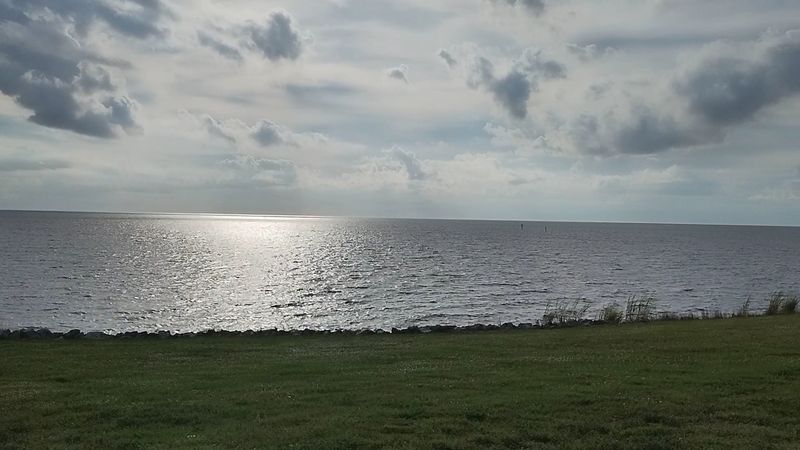
September 16, 1928. That date still sends a chill through old-timers in the Glades.
A huge hurricane had already slammed Puerto Rico and the Bahamas before it roared ashore near Palm Beach. Most people thought the worst would stay on the coast. They were wrong, and the storm kept charging inland toward the lake that night.
Remember that pie pan idea? The hurricane’s winds pushed the shallow lake water hard toward the south. As the storm passed and the winds shifted direction, the water was shoved toward other shores too.
The small mud dike simply could not hold. Water burst over and through it, rushing across flat farmland with almost nothing to slow it down. Survivors later described a moving wall of water that came out of the darkness.
Think about how scary that would be. It was nighttime, the wind was screaming, power was gone, and the land around the lake has no hills to climb. Some families scrambled onto rooftops, while others clung to trees or floating pieces of wood.
The water did not just splash in and drain away. In many low spots, it stayed for days or even weeks. That made rescue work slow and painful.
Here is a quick weather lesson worth remembering. Storm surge, which is water pushed by wind, is often more dangerous than the wind itself. That is true at the beach, and the 1928 storm proved it can happen at a big lake too.
Today, forecasters track hurricanes days ahead using satellites and planes that fly right into the storm. Back then, families around the lake had little warning and few ways to flee. Roads were rough, and cars were not common for farm workers.
If you live in Florida, this is your reminder to know your evacuation zone. Keep a go-bag ready, and listen when officials say leave. The people of 1928 never got that chance, and their story is why modern warnings matter so much.
Entire Communities Were Nearly Swept Away in a Single Night
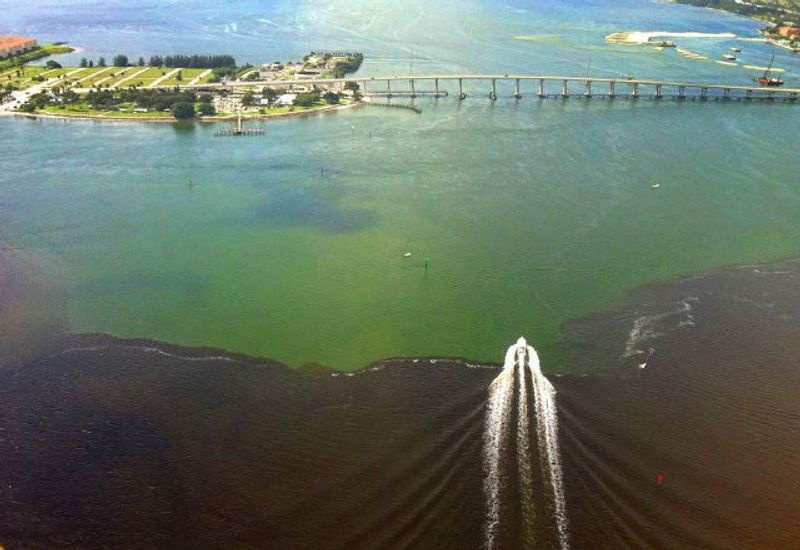
One evening, the towns had stores, churches, packing houses, and kids running down dirt roads. By morning, much of that was gone.
Communities like Belle Glade, Pahokee, South Bay, Canal Point, and Chosen sat close to the southern shore. They were young towns built on the dream of rich muck soil and steady farm work. Many buildings were made of wood, which floated or broke apart once the flood hit.
Some small settlements nearly vanished for good. Chosen, for example, was badly damaged, and it never really came back the way it was. Visitors driving through today might pass right by its old location without noticing.
Imagine waking up after a storm and not recognizing your own street. Homes had been lifted off their foundations and carried away. Fields were buried under water, and animals, cars, and furniture were scattered everywhere.
The flooding lasted a long time because the land is so flat. Water had nowhere quick to go. Survivors waded through it, searching for family members and trying to find food and clean water.
News traveled slowly to the rest of the country. At first, many outsiders did not understand how serious things were. Help eventually came, but the first days were a struggle for the people left standing.
Here is something that makes the story even more human. Neighbors helped neighbors, sharing what little they had. Some families sheltered together in the few strong buildings that survived.
When you visit these towns now, look around with fresh eyes. The streets, schools, and farms you see were rebuilt by people who refused to give up. That grit is part of the local character, and you can still feel it in the friendly small-town pride.
A good way to honor that history is to stop, shop local, and grab a meal at a hometown diner. Ask folks about their town. Many families have stories passed down from grandparents who lived through that wild, awful night.
Belle Glade and Pahokee Faced Some of the Storm’s Worst Destruction
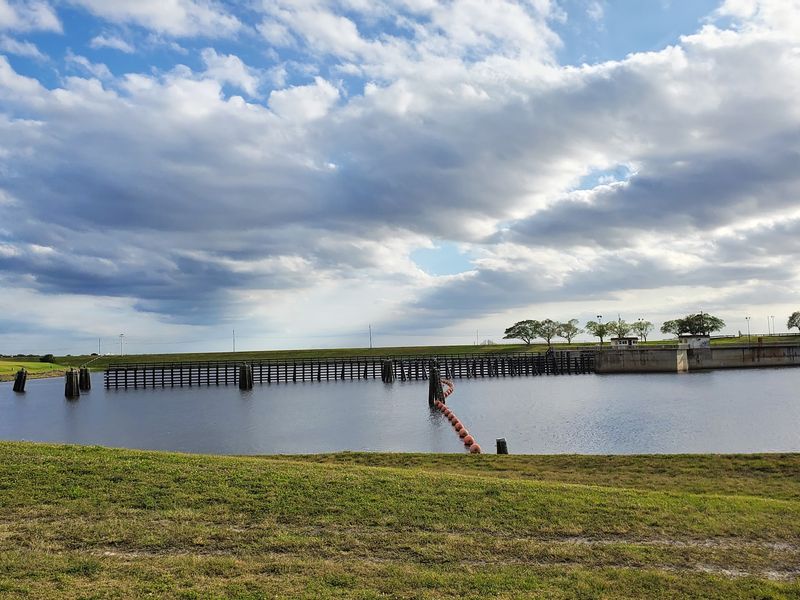
Ask anyone in the Glades where the 1928 storm hit hardest, and two names come up fast: Belle Glade and Pahokee.
Both towns sit on the southeastern edge of the lake, right in the path of that pushed-up water. Belle Glade was a growing farm hub, and Pahokee, perched along the shore, was known for its packing houses and fields. When the dike failed, both got slammed.
In Belle Glade, much of the town was flooded and many buildings were wrecked. Pahokee, along with nearby spots like Canal Point, also saw homes torn apart and lives lost. The damage stretched for miles along the lakeshore farms.
Fun fact with a serious side: Pahokee comes from a Seminole word often translated as grassy waters. That name hints at how low and wet the land naturally is. It also explains why floodwater lingered so long.
Belle Glade later earned a bold nickname, and you will see it on signs: Her soil is her fortune. The muck that made farming possible also made the area very flat and vulnerable. It is a classic Florida trade-off.
So what can you do there today? Head to Pahokee’s marina and campground area for a great lakeside sunset, then walk along the levee for wide views. Belle Glade has a historical marker and memorial tied to the storm, worth a quiet stop.
Bring water, sunscreen, and bug spray, especially on calm days. Reviewers often mention mosquitoes when the wind dies down. Early morning or evening visits are the most comfortable.
Both towns are hardworking farm communities, so expect sugarcane fields, trucks, and maybe a little smoke during harvest season. That is real Glades life, not a theme park version. Respect it, and you will get a much richer experience.
Standing in these towns, it is hard to imagine water rushing down the streets. Yet it did. Knowing that makes their comeback story even more impressive.
Thousands of Lives Were Lost Around the Lake
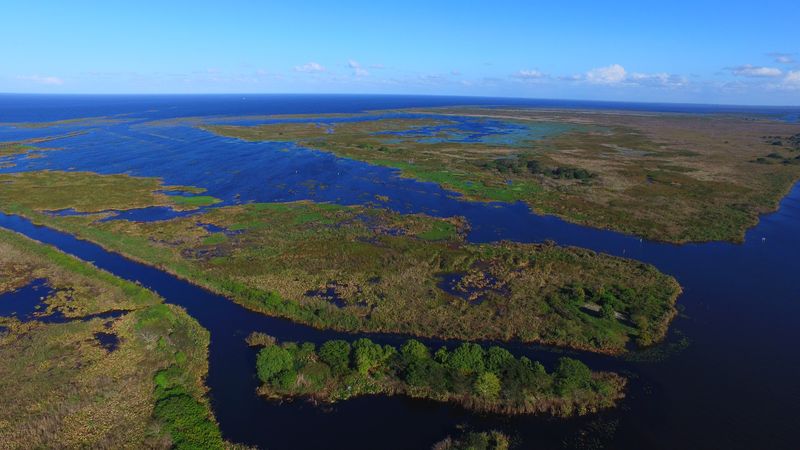
Numbers can feel cold, so try this instead. Picture a packed high school football stadium, then imagine every seat empty after one storm.
The 1928 hurricane killed at least 2,500 people around Lake Okeechobee, and some historians believe the real number was higher. It remains one of the deadliest natural disasters in United States history. For Florida, it is a scar that never fully faded.
Most of the victims were Black farm workers, many of them migrants from the Bahamas and other Caribbean islands. They lived in the lowest, most exposed areas near the fields. Poor housing and little warning left them with almost no protection.
The days afterward were heartbreaking. With so many people lost and the heat so intense, workers had to bury victims quickly, often in mass graves. Treatment was not equal, and that unfairness still stings today.
In West Palm Beach, a mass grave holding hundreds of Black victims was largely forgotten for decades. Community members later pushed hard to have it recognized and marked. Now there is a memorial site where people gather to remember.
Writer Zora Neale Hurston, who grew up in Florida, wove this storm into her famous novel Their Eyes Were Watching God. Reading it gives a powerful sense of what people faced that night. It is a great pick for older students and adults who want to understand the history.
If you visit any memorial, keep things respectful. Speak softly, avoid silly selfies, and take a moment to read the names or markers. These places are both history lessons and resting spots.
Families today still carry this loss. Some descendants keep the story alive through church services, school programs, and anniversary events each September. Showing up or simply learning about it helps make sure these lives are not forgotten.
The lake is gorgeous, and enjoying it is great. Just remember who paid the price for the safety visitors take for granted now.
The Disaster Led to a Massive New Dike Around Lake Okeechobee
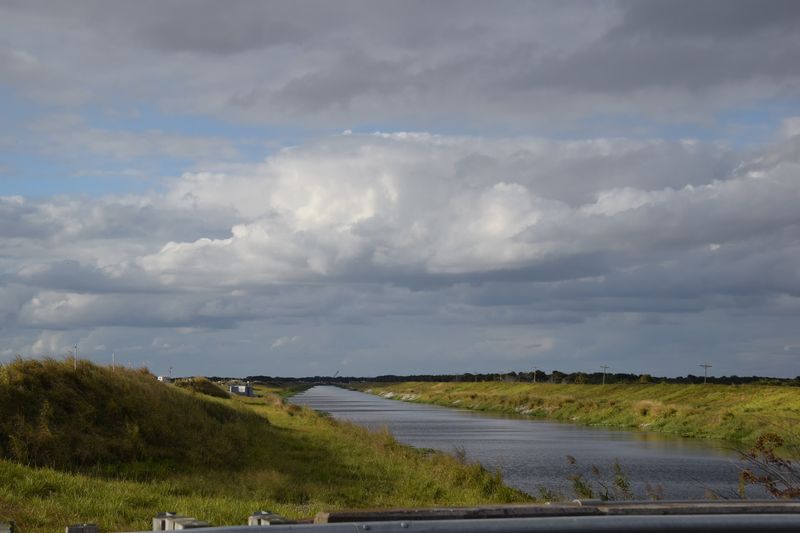
Here is a fun way to explore history: ride your bike right on top of it.
After the 1928 disaster, people demanded real protection. The federal government stepped in, and the U.S. Army Corps of Engineers began building a much bigger levee around the lake.
Over time, it became known as the Herbert Hoover Dike, named after the president who toured the area after the storm.
This is no tiny mound of dirt. The dike now wraps around nearly the entire lake for well over 140 miles. It stands tall enough that, from the road, you often cannot even see the water on the other side.
Engineers also added canals, locks, and spillways. These help control how much water stays in the lake and where extra water goes. Boaters can actually pass through some of the locks, and one reviewer called them a fun part of their trip.
The dike has needed lots of upgrades over the years. Officials spent big money strengthening it so it can better handle future hurricanes. Work like that is never truly finished, since nature keeps testing it.
Now for the playful part. Much of the top of the dike is part of the Lake Okeechobee Scenic Trail, a long path loved by walkers, runners, and cyclists. Some sections may close for repairs, so check updates before you head out.
Pro tip: pack more water than you think you need. There is very little shade up there, and the Florida sun does not mess around. An early morning ride gives you cooler air and better wildlife sightings.
Keep your eyes peeled for gators on the banks, wading birds in the shallows, and maybe an eagle overhead. Stay on the trail and give animals plenty of space. That rule keeps both you and them safe.
Every mile you pedal sits on a wall built because of tragedy. Pretty wild to think about while enjoying the breeze.
Why the Story of the 1928 Hurricane Still Shapes South Florida Today
Turn on a faucet in South Florida, and in a roundabout way, you are touching this story.
The 1928 storm changed how the region handles water. Once the giant dike went up, people could farm and build with more confidence. Towns grew, sugarcane fields spread, and cities to the east expanded fast.
That safety came with trade-offs. Water that once flowed slowly south into the Everglades now gets held back or sent through canals. Sometimes extra lake water is released east and west toward the coasts.
Those releases can carry nutrients from farms and runoff, which may feed green algae blooms. You can see the frustration in some visitor reviews, with people begging for the lake to be saved. Cleaning up the water is one of Florida’s biggest ongoing challenges.
Big restoration projects aim to send more clean water south, the way nature intended. Scientists, farmers, cities, and environmental groups all have a stake. They do not always agree, so the debates can get loud.
The hurricane also shaped how Florida prepares for storms. Better building codes, early warnings, and evacuation plans all grew from hard lessons like this one. The 1928 storm is a big reason officials take flooding around the lake so seriously.
There is a cultural legacy too. Survivors’ stories, Zora Neale Hurston’s writing, and community memorials keep the memory alive. Each September, some groups gather to honor the victims.
So how can you be part of the story? Visit lakeside towns and support local businesses. Learn about water issues, follow restoration news, and cut back on fertilizer use if you live in the area.
Kids and teens can even turn this history into a cool school project. Interview older relatives, map the old towns, or compare 1928 with modern hurricanes. You will be surprised how much connects.
Lake Okeechobee is calm, beautiful, and full of life today. Its past, though, still flows through every canal, levee, and hurricane plan in South Florida.