It Makes Me Sad That These 10 Old Florida Traditions Are Slowly Disappearing
Florida is more than beaches and theme parks. Tucked between the highways and high-rises are old customs that shaped the state long before air conditioning. Many of them are getting harder to find each year.
Here is a look at ten worth remembering, and maybe worth visiting before they are gone.
1. Florida Cracker Cowboy Cattle Drives
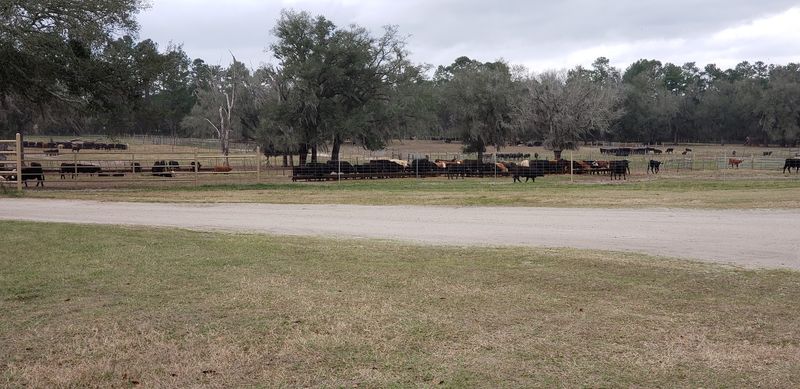
Forget Texas for a minute. Florida had cowboys first, and they worked in heat, swamp water, and clouds of mosquitoes.
They were called Cracker Cowboys, and many say the name came from the sharp pop of their long braided whips. Instead of lassos, the whip helped them move herds through thick brush. Their cattle were small, tough animals suited to the humid, swampy land.
Drives like these carried herds toward coastal ports, where cattle were shipped off to the Caribbean. It was hard, dusty, sweaty work, and the men who did it knew every trail and creek crossing by heart. Stories say the herds even helped feed soldiers during the Civil War.
Big open-range drives faded once fencing laws changed in the 1940s. Fences cut up the land, and the trails were closed off. Today ranching is still a big deal in Florida, and the state is home to a large number of cattle.
Here is the good part. Some groups still hold modern cattle drives to honor the old ways, and you can watch riders crack whips and move herds across pasture. Look for local ranch events and cattle-themed festivals in Central Florida.
Bring a hat, bring water, and let kids see what real Florida work looked like. Once the last people who learned these skills from their grandparents are gone, the knowledge goes with them.
2. Roadside Citrus Stands and Fresh-Squeezed Orange Juice
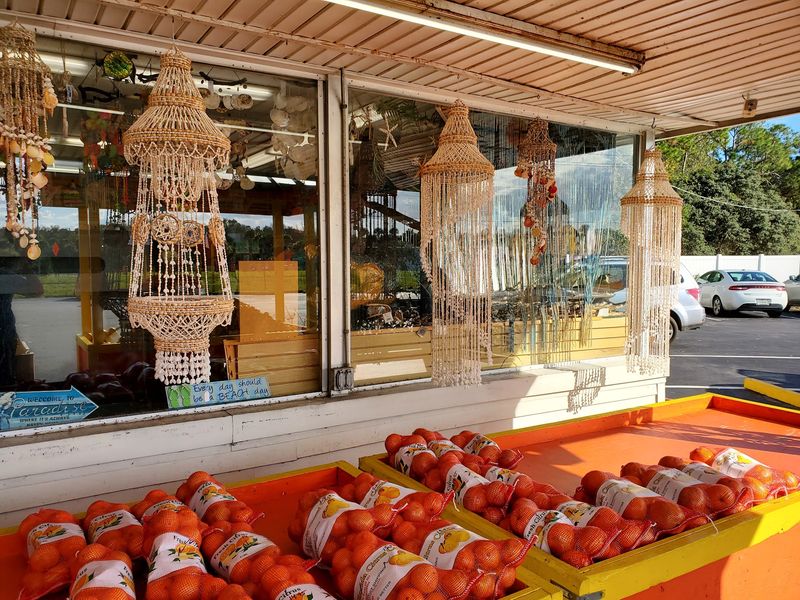
Picture a hot car, a long drive, and a hand-painted sign promising ice-cold juice. That was the old Florida welcome.
Roadside citrus stands once greeted travelers with bags of fruit and juice squeezed while you waited. Back in the 1950s, Florida supplied a huge share of the nation’s orange juice, so oranges were everywhere. Stopping at a stand felt like the true start of a Florida vacation.
These were more than shops. Families pulled over, stretched their legs, chatted with the owner, and sipped juice so fresh it still tasted like the peel.
Then things changed. Interstate highways pulled traffic away from the old roads, juice companies merged, and family groves were sold. Hurricanes, new buildings, and citrus greening disease made growing fruit even harder.
Now a real stand with a real squeezer is a treasure hunt. Try taking back roads in Central Florida instead of the interstate, and watch for signs near groves. Ask what is in season, since varieties ripen at different times.
Buy a bag, drink the juice there, and tip well. Every sale helps keep a tiny piece of the state’s sweet past alive for the next road trip.
3. Old-Fashioned Fish Camps
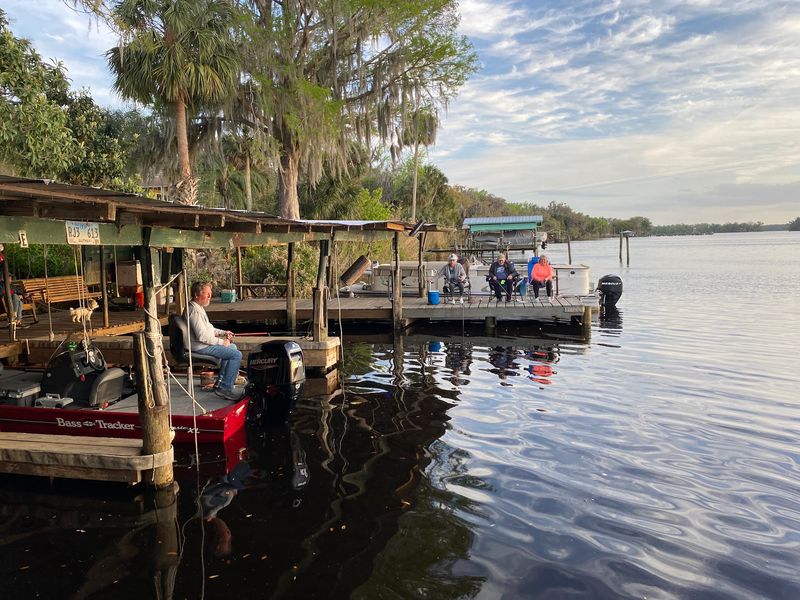
Screen doors slap, a boat motor putters, and somebody is frying catfish. Welcome to a fish camp.
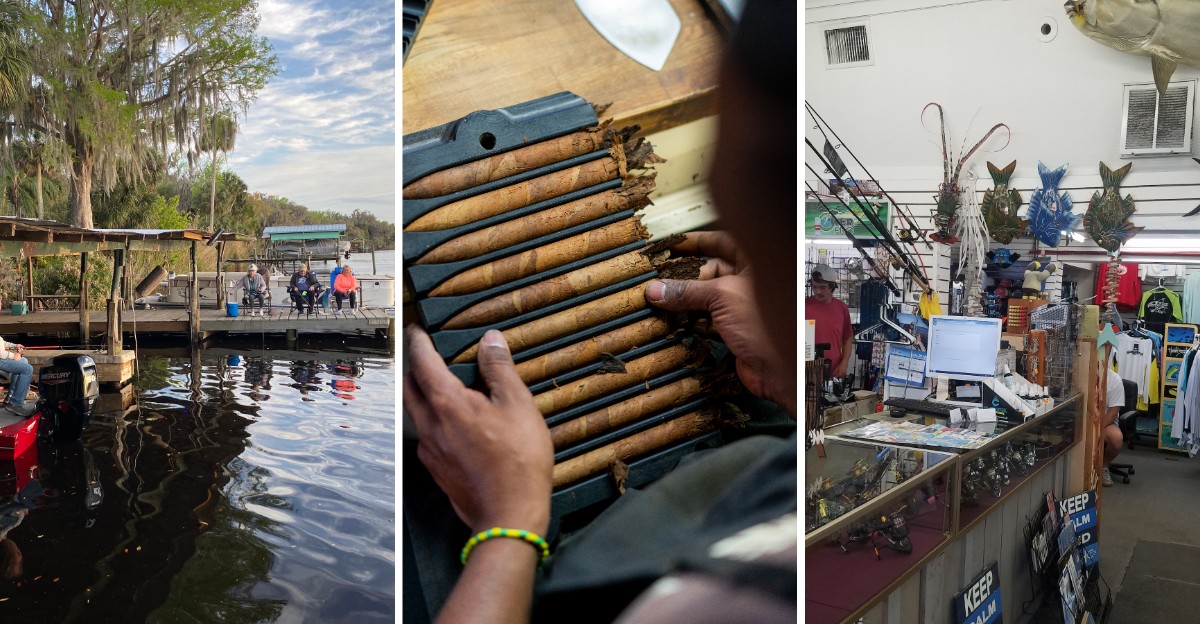
Along the St. Johns River, these rustic hangouts gave anglers a place to launch a boat, buy bait, grab a meal, and sometimes sleep in a plain little cabin. Some trace their roots back to the 1920s. The vibe was slow, friendly, and a bit weathered, in the best way.
Bass fishing was a big draw, and the stories told on the dock were often bigger than the fish. Regulars knew each other by name, and newcomers were welcomed after a few minutes of talk.
Many camps have closed as waterfront land became more valuable for homes and resorts. A few survivors have stayed open by adding airboat rides, restaurants, and tours. Names like Lone Cabbage, Honest John’s, Camp Holly, and Stegbone’s still keep the spirit going.
If you visit, go with an easygoing attitude. Order the local fare, ask about the best fishing spots, and watch the sunset over the water. Do not expect fancy.
The charm is in the creaky boards and the quiet river views, and that charm is getting rare.
4. Sponge Diving by Hand
Imagine walking on the bottom of the Gulf in a brass helmet and a suit heavy enough to hold you down. That was a normal workday in Tarpon Springs.
Early sponge gatherers hooked sponges from small boats using long poles. Things changed around 1905, when hard-hat diving arrived with Greek immigrants from the Dodecanese Islands. Divers could now walk the seafloor and cut sponges by hand, leaving the base so they could grow back.
The Greek community brought more than a job. Bakeries, coffee houses, and churches sprang up, and the town still carries that identity today. You can hear Greek spoken and smell pastry baking near the docks.
A blight in the 1940s hurt the industry badly. New sponge beds were found in the 1980s, which helped the trade recover. Still, working divers are few, and the old methods are rare.
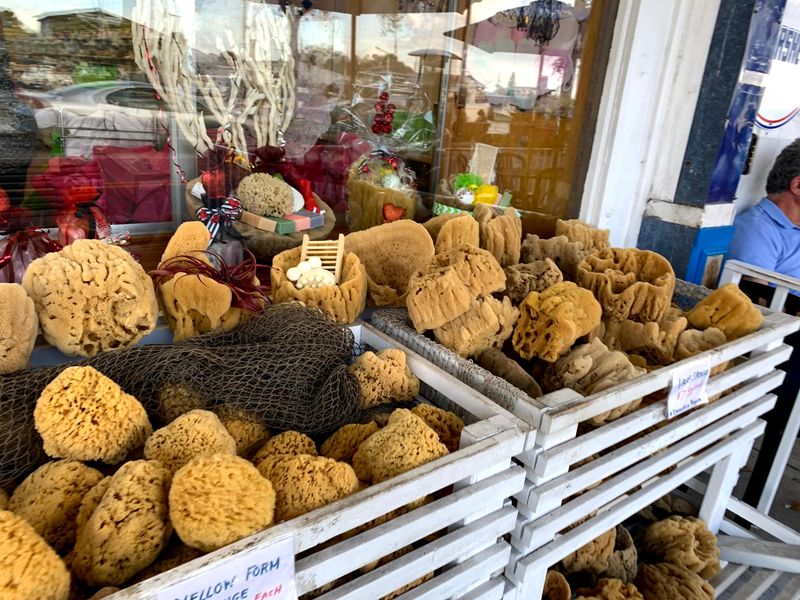
Visit the Sponge Docks and hop on a boat tour with a diving demonstration. Then buy a natural sponge from a shop that sells local ones. Give it a squeeze and notice how soft it is.
Fun fact: real sponges are animals, which makes that bath sponge a tiny piece of the sea.
5. Saturday Night Fish Fries
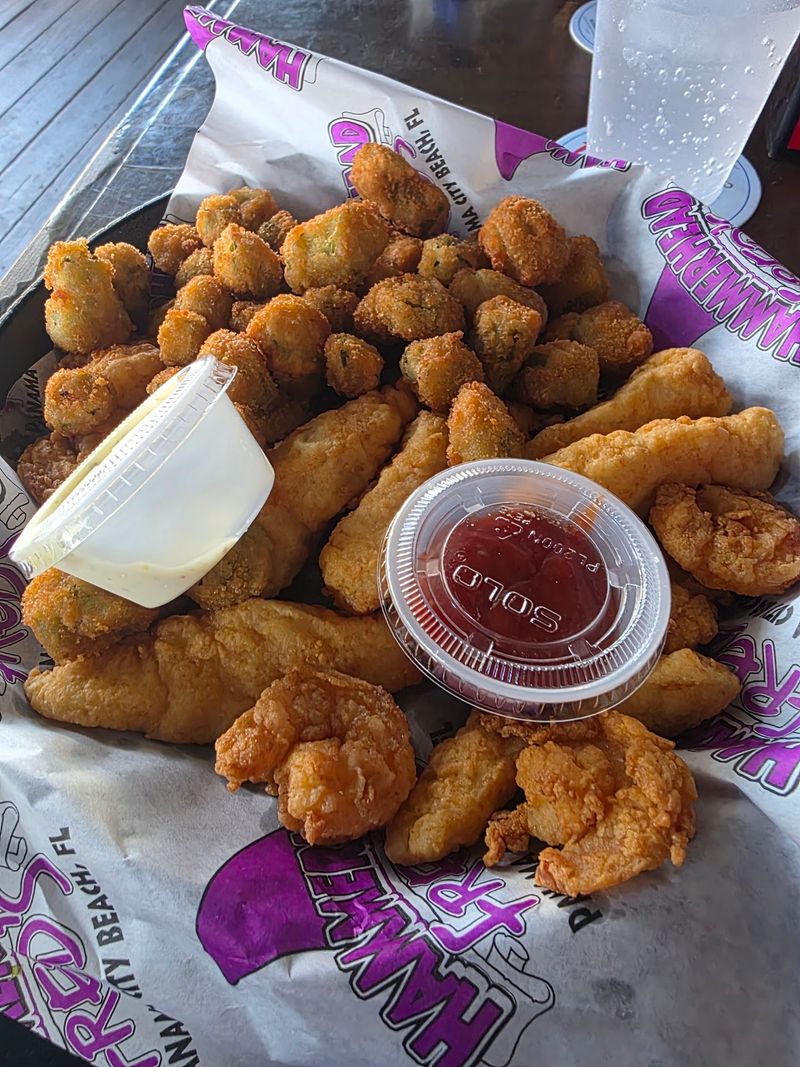
The smell of hot oil and cornmeal drifts across the parking lot, and half the town is already in line. Saturday night has arrived in the Panhandle.
Fish fries grew out of a coastal life tied to the water. Mullet, for one, fed many people around Florida’s coast, and fishing camps grew common over the years. A fresh catch fried up for neighbors was an easy way to bring everyone together.
These evenings were about more than dinner. People caught up on news, kids chased each other around the tables, and church groups or fire departments often cooked to raise money. Plates came with hush puppies, grits, and coleslaw.
Today fewer communities hold them every week. Busy schedules, restaurants, and stricter food rules mean the casual gatherings are less common.
You can still find them if you ask around. Check community boards, church announcements, and local fire station pages. Show up early, bring cash, and be ready to sit beside someone new.
Say yes when somebody offers seconds. Keeping these dinners going takes people who show up, and that is something every visitor can do.
6. Hand-Rolled Cigar Making
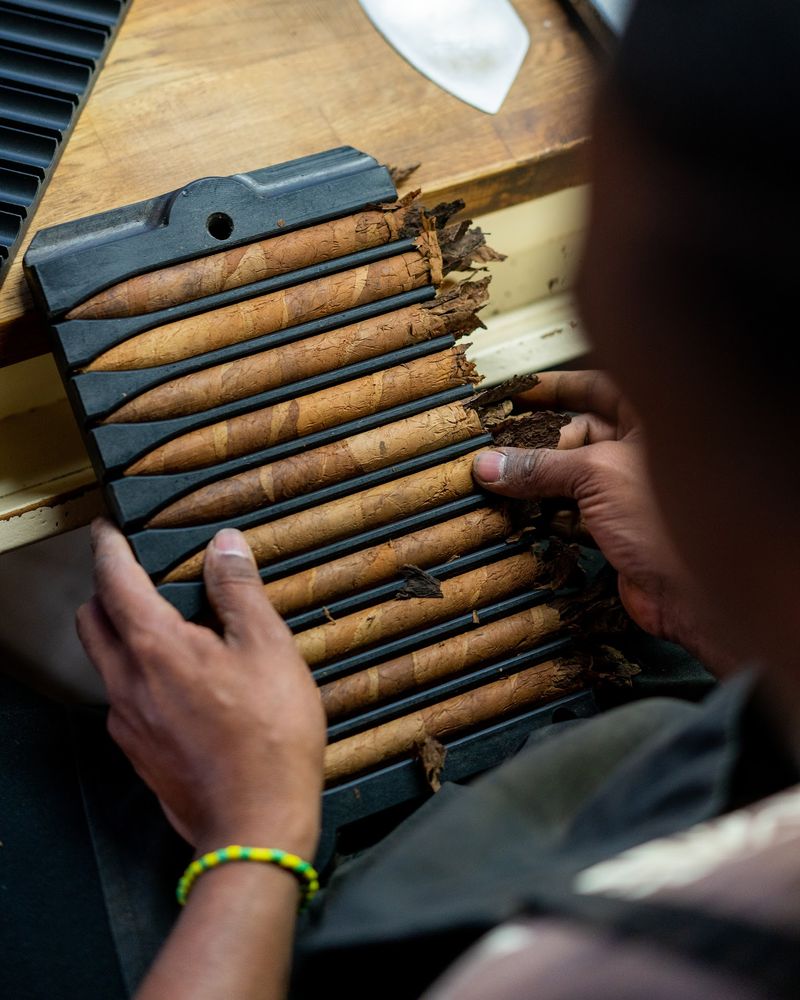
Ybor City earned the nickname Cigar City for a good reason. At its peak, the neighborhood hummed with rollers turning leaves into smooth cigars, one by one.
The first cigar company opened in 1886, and Vicente Martinez Ybor’s factory soon followed. By the 1920s, there were over 200 factories, with thousands of workers. Immigrants from Cuba, Spain, and Italy built a lively community with social clubs, cafes, and mutual aid societies.
The rollers, called torcedores, took real pride in their craft. Many factories hired a reader to read novels and news aloud while the workers rolled. That is a charming detail that sounds like something out of a movie.
Then came tough times. The Great Depression, machines, and the 1962 embargo on Cuban tobacco shrank the industry. Most big factories closed.
Yet the craft survives in small shops. Family businesses such as J.C. Newman Cigar Company and La Faraona Cigars still roll by hand, and some families have passed the skill down through generations.
Walk the brick streets on 7th Avenue, watch a roller work, and notice how fast their fingers move. Skill like that takes years to learn.
7. Small-Town Citrus Festivals
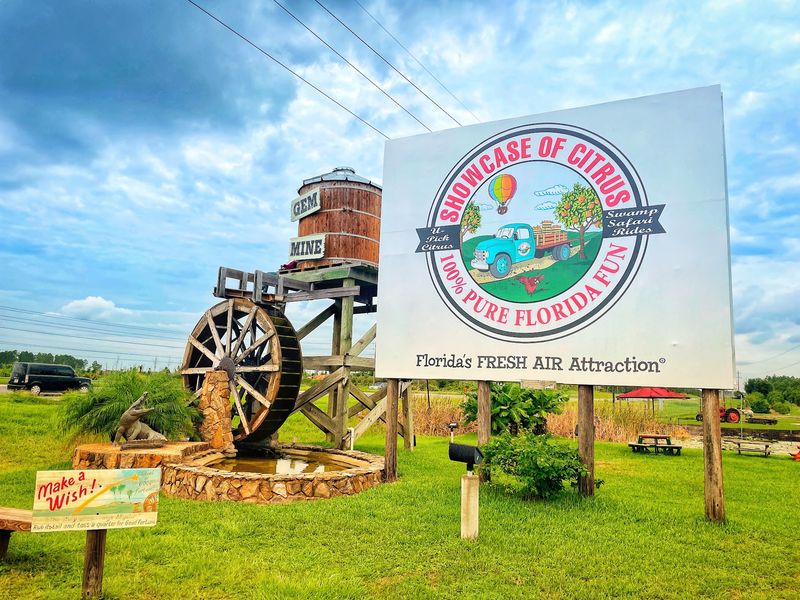
Once upon a time, harvest season meant a party. Parades rolled down Main Street, and every booth seemed to sell something orange.
Small-town citrus festivals celebrated the fruit that built Central Florida. They usually mixed local produce, music, crafts, and games, plus a crowd of neighbors who had known each other for years. Kids ran around with sticky fingers while grown-ups traded grove stories.
Things are different now. Citrus greening disease, new development, and changing habits have shrunk the groves that inspired these events. Many smaller celebrations have likely been scaled back or have quietly faded away.
Without groves nearby, a festival can lose its reason to exist. Volunteers get tired, costs go up, and the next generation may not feel the same connection to the harvest.
You can help keep the spirit alive. Check city and county event calendars each winter for citrus-themed weekends, and support farmers markets that sell local fruit. Try a tangerine you have never had before, or a slice of orange pie.
Bring a friend who has never been. A festival only lasts when people turn up, and a few extra faces can make a small-town event feel big again.
8. Traditional Mullet Smoking
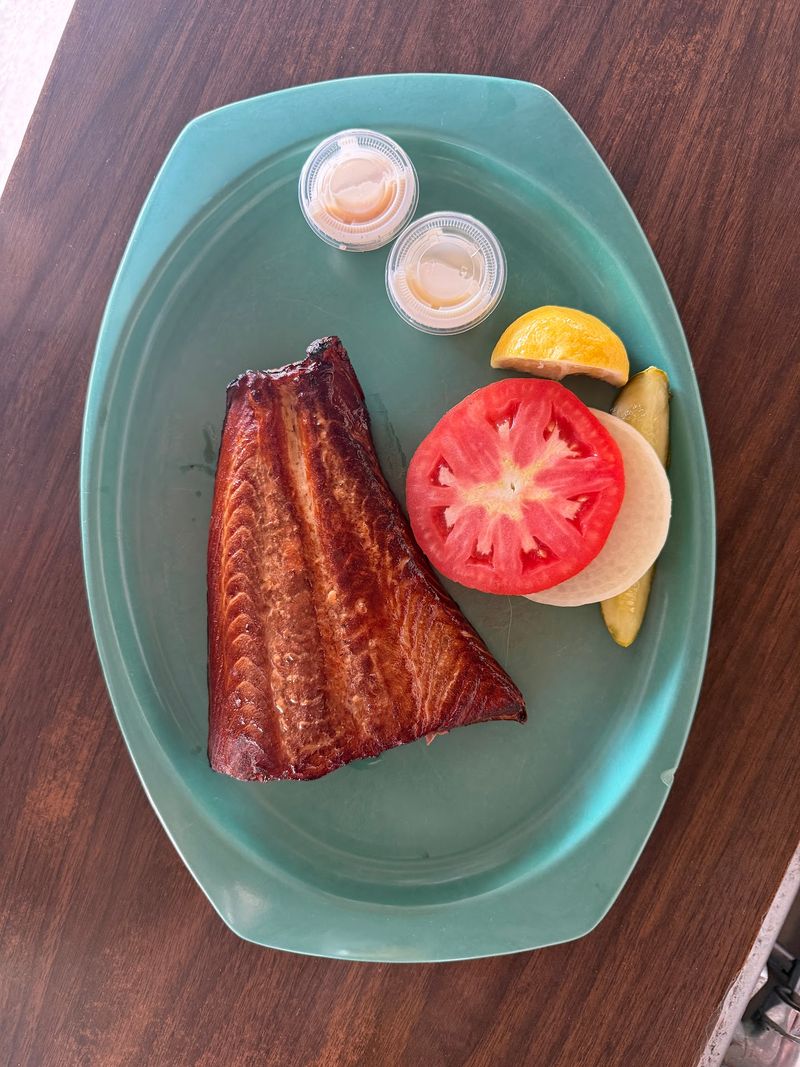
Mullet is not a glamorous fish, but in Cortez it is practically family. Locals have eaten it for generations, and smoke from a mullet rack is the smell of home.
The area’s fishing history goes back centuries, with Native peoples and Spanish fishermen working these waters. In the late 1800s, settlers from North Carolina built the village of Cortez around the catch. Smoking the fish preserved it and gave it a rich, salty flavor.
Times changed. A bigger focus on mullet roe arrived in the late 1960s, and a 1995 state amendment banned gillnets. Those shifts reshaped how fishermen worked and made old methods harder to keep up.
Even so, Cortez is still a working waterfront. Some descendants of the original fishing families still live in the village and carry on parts of the tradition. Boats still come and go beside the docks.
If you visit, go hungry. Look for smoked fish spreads, fresh catch from local markets, and ask the people behind the counter how they like it prepared. The Cortez Commercial Fishing Festival is a fun time to experience the culture.
Eat local, chat with a fisherman, and take home the story as well as the fish.
9. Family-Owned Bait and Tackle Shops
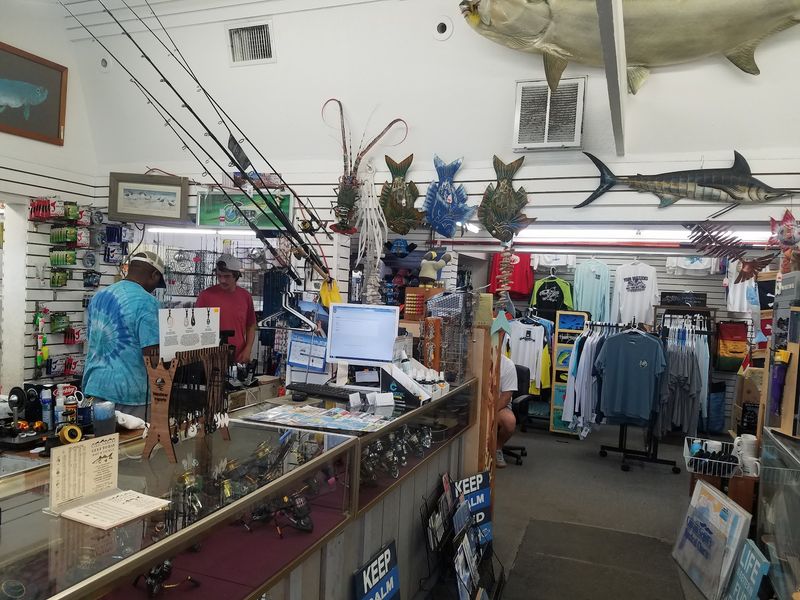
Ever walked into a shop and left with bait, a new lure, and the best fishing tip of your life? That is the bait shop effect.
Family-owned tackle shops have long been the heartbeat of coastal fishing towns. They sold the basics, but the real treasure was knowledge. Owners knew which tide was best, which fish were biting, and which pier to skip today.
Many places mixed in a cooler of cold drinks, a tank of live shrimp, and a bulletin board full of photos of proud anglers. Generations of families bought their first rod at the same counter.
Now it is tougher. Big retailers and online stores offer lower prices and fast delivery, and that can squeeze small shops. Rising land costs on the coast do not help either.
The fix is simple and friendly. Buy your bait and a few supplies from a local shop before your next trip, and ask for advice. Chat for a minute and share your catch photos.
Online stores cannot tell you that the snook moved to the other side of the bridge this morning. A neighborhood shop can, and keeping one open keeps that wisdom close.
10. Old-School Glass-Bottom Boat Tours
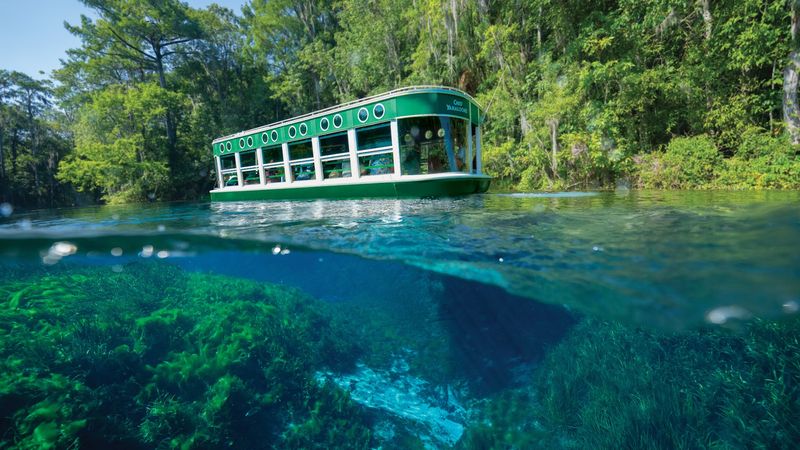
Sometimes the best show in Florida is playing under your feet. At Silver Springs, you just have to look down.
The idea started in the late 1870s, when Hullam Jones and Phillip Morrell are credited with fitting a piece of glass into the bottom of a rowboat. Suddenly visitors could watch fish, turtles, and waving grasses in water so clear it seemed to disappear. By 1924, gasoline-powered versions were running smoothly.
Silver Springs became a must-see stop on Florida’s grand tour and hit its heyday in the 1960s, with huge daily crowds. Movies and TV shows filmed here too, including Tarzan and Creature from the Black Lagoon. Not bad for a spring in Ocala.
Later, new theme parks pulled visitors away, and attendance fell. In 2013, the state took over the property and turned it into Silver Springs State Park.
The good news is that the boats still glide along. Book a tour, grab a window seat, and keep your eyes on the bottom. Go early in the day when the water is calm and the light is bright.
It is a slow, simple ride, and in a world of fast attractions, that makes it feel almost magical.