This Florida Town Is Known as the Horse Capital of the World, and It’s Worth the Trip
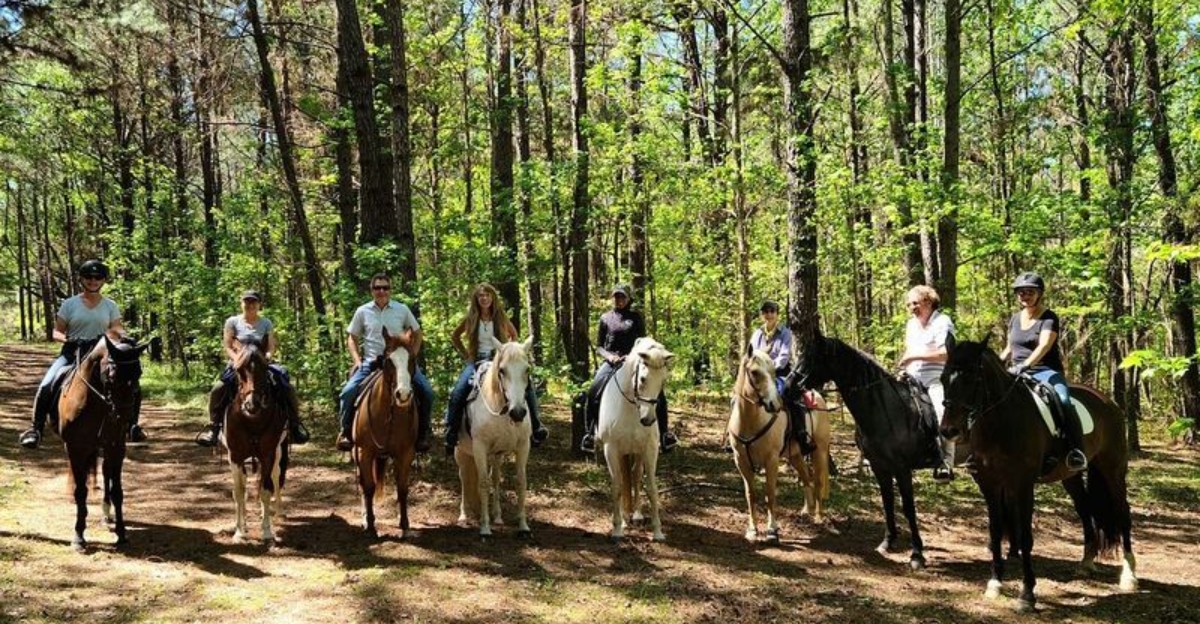
There’s a town in Florida where million-dollar horses graze behind miles of white fences, the countryside looks more like Kentucky than the Sunshine State, and some of the clearest water in America is hiding just down the road. Welcome to Ocala, a place that proudly wears the title of Horse Capital of the World, and for good reason. But horses are only half the story.
Between its breathtaking natural springs, sprawling forests, historic landmarks, and surprisingly charming downtown, Ocala has enough hidden treasures to fill an entire weekend. Whether you’ve driven past it a hundred times or never thought to visit, these eight experiences might convince you that one of Florida’s most underrated destinations has been hiding in plain sight.
1. Thoroughbred Farms and Rolling Pastures
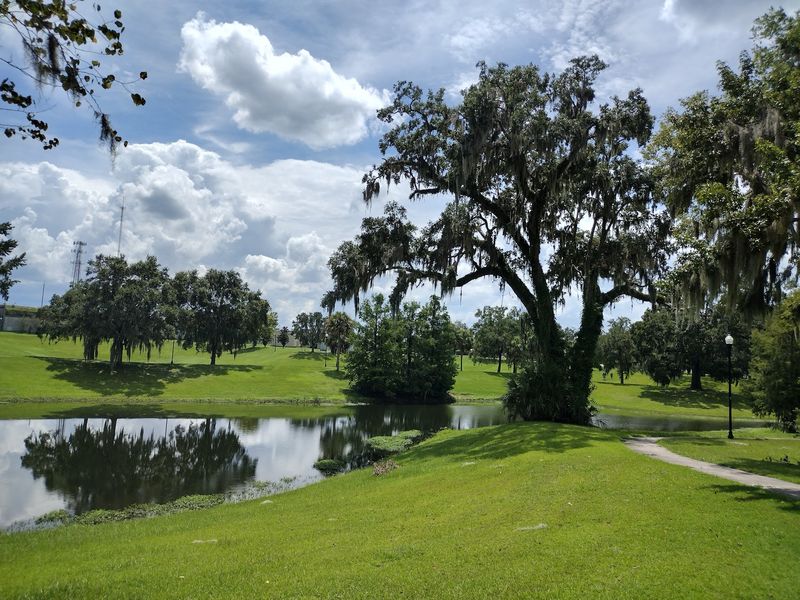
Drive down any country road outside town and you will see them: miles of white and black fences wrapped around grass so green it looks painted. Behind those fences are some of the most valuable horses on the planet. Ocala has more than a thousand horse farms, and the land makes them possible.
The secret sits underground. Limestone below the soil seeps calcium into the grass, and strong bones are a big deal for young racehorses. Farmers here have used this natural gift for decades to raise winners.
Fun fact: several Kentucky Derby champions were born and raised right in Marion County. Not bad for a place better known for oranges and sunshine.
You can enjoy the scenery without ever leaving your car. Roads like State Road 200 west of town and the lanes around Reddick are perfect for slow cruising. Roll the windows down, keep your camera ready, and watch for foals running beside their moms in spring.
Most farms are private, so stay on the road and respect the gates. Some offer tours by appointment, and that is the best way to get close to a horse worth more than a house. Call ahead, wear closed shoes, and bring a little patience.
The reward is a peek at a world that normally stays behind the fence.
2. Silver Springs State Park
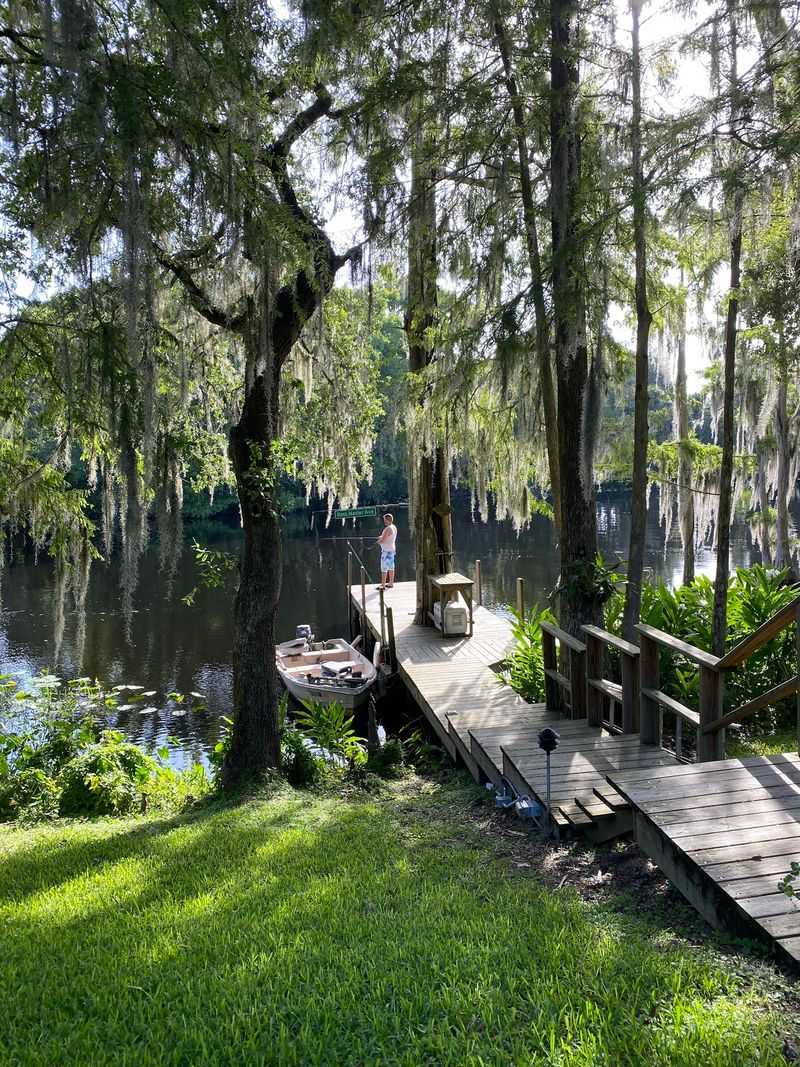
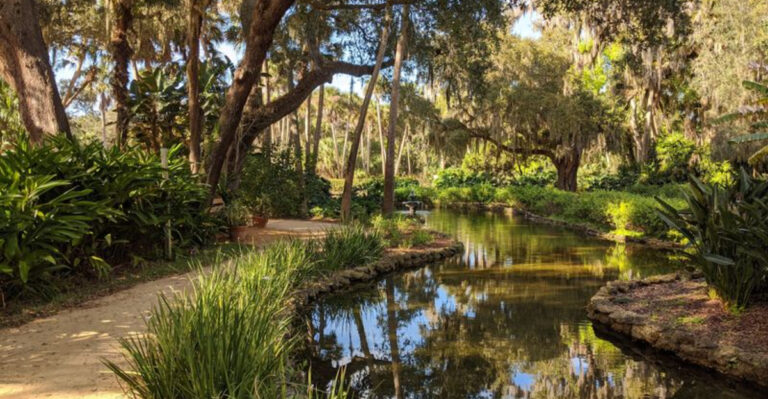
Picture water so clear that you can count the fish from the surface. That is Silver Springs, one of the largest artesian spring systems in the world. It has been wowing visitors since the 1800s, long before theme parks showed up.
The famous glass-bottom boats still glide over the main spring. Look down and you will spot turtles, bass, and ancient-looking eelgrass swaying in the current. The captains tell good stories, too.
Movie buffs might like this one. Early Tarzan films and parts of several classic adventures were shot along this river. Old Hollywood loved the jungle look.
If you want to be more active, rent a kayak or canoe and paddle the Silver River. Plan for a few hours, since the slow current makes it easy to drift and gawk. Bring water, sunscreen, and a dry bag for your phone.
Keep an eye out for wild residents. Monkeys, descendants of a tourist boat stunt long ago, sometimes appear on the banks. Do not feed them, and keep your distance.
Go early in the morning when mist floats over the water and the park feels like your own secret.
3. Florida Horse Park
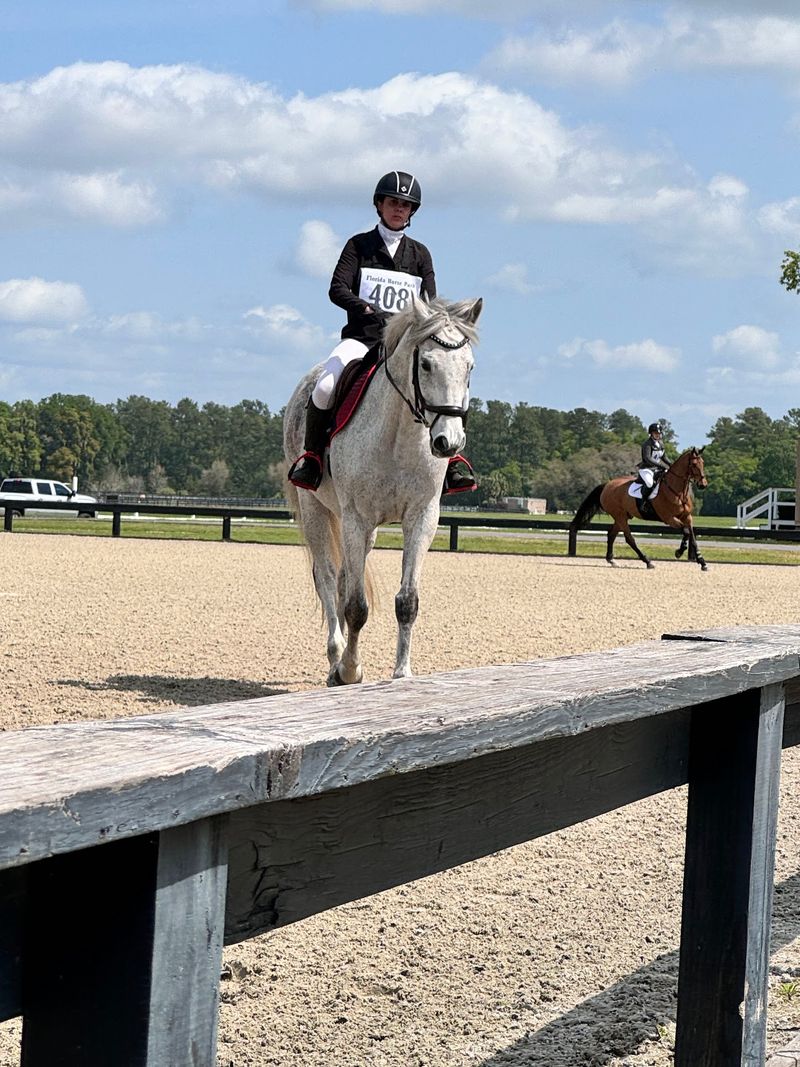
Few places in the state feel as horse-crazy as this sprawling park. Hundreds of acres hold arenas, cross-country courses, and trails built for riders of every level. On a busy weekend, the sound of hooves is basically the soundtrack.
Competitions come through all year. You might catch show jumping, dressage, or eventing, which mixes several tests into one wild challenge. Spectators are usually welcome, and many events are free or cheap to watch.
Never watched a horse show before? Here is a quick tip. Pick one rider and follow their round from start to finish.
Suddenly you will care deeply about every rail and every ribbon.
The park also hosts clinics and community days. Families can get a feel for the sport without owning a single saddle. Check the event calendar before you go, since schedules change often.
Bring a folding chair, a hat, and snacks. Shade can be limited, and Florida sun does not play around. Walk the grounds between classes and you will often see riders cooling off their horses, which is a great chance to say hello from a polite distance.
4. Ocala National Forest
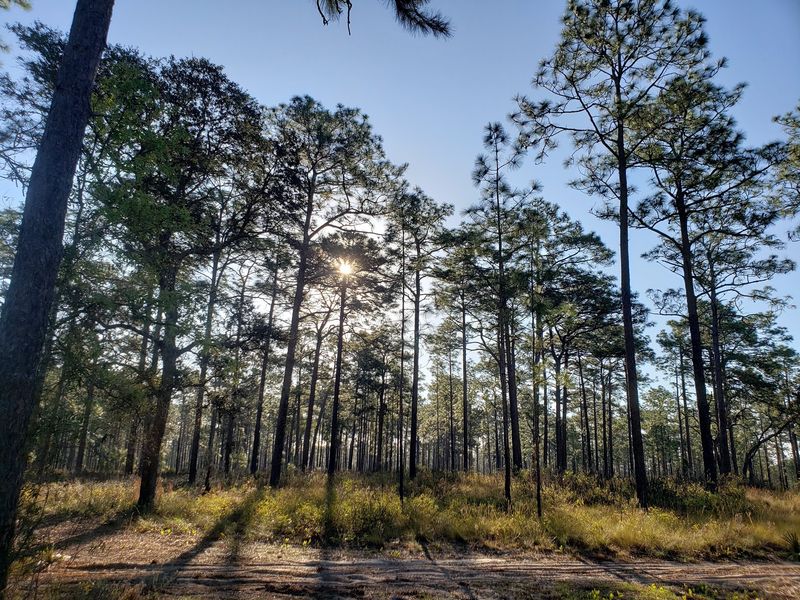
East of town, the trees take over. Ocala National Forest covers about 380,000 acres, making it the southernmost national forest in the continental United States. It feels wild in a way that surprises many first-time visitors.
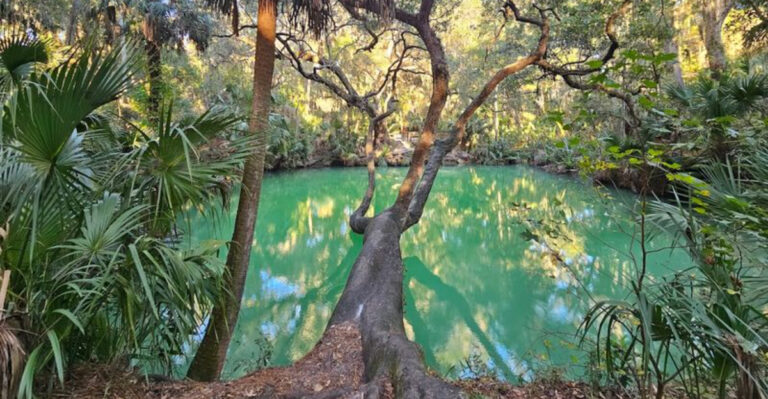
Springs are the headliners. Juniper Springs, Alexander Springs, and Silver Glen stay a cool 72 degrees or so all year. That means a swim feels amazing in July and still doable in January if you are brave.
Hikers can walk part of the Florida National Scenic Trail, which snakes through sandy pine scrub. Campers will find everything from simple tent sites to spots with full hookups. Stars here are bright because city lights are far away.
Paddlers love the Juniper Creek run, a short, twisty trip through a tunnel of palms and ferns. Reserve ahead during busy seasons, because it fills up fast.
Pack bug spray and plenty of water, and check conditions before you go. Cell service can disappear in the deep woods. Download a map first and you will be fine.
Wildlife sightings may include deer, turkeys, and the occasional black bear, so store food safely.
5. Appleton Museum of Art
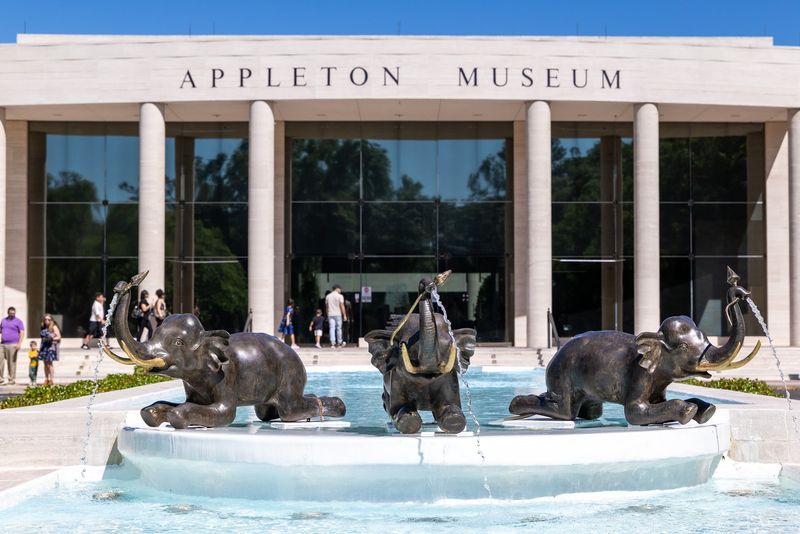
Art lovers, take note: a world-class collection is hiding in horse country. The Appleton Museum of Art holds thousands of works, from ancient pieces to modern paintings. It surprises people every time.
The galleries reach across continents. You can walk past pre-Columbian artifacts, European paintings, Asian ceramics, and sculpture in a single visit. The building itself is calm and bright, with room to wander without feeling rushed.
Many visitors say the quiet is half the charm. After a day of sun and spring water, cool air and soft footsteps feel like a treat. It is also a smart rainy-day plan, since Florida storms love to roll in at three in the afternoon.
Check for special exhibits, which rotate through the year. Some focus on photography, others on local artists or global themes. Guided tours and family activities pop up regularly.
Give yourself at least two hours. Start with the older collections and finish with contemporary rooms, so the art feels like a slow walk through time. The museum is part of the College of Central Florida campus, so parking is simple.
6. Fort King National Historic Landmark
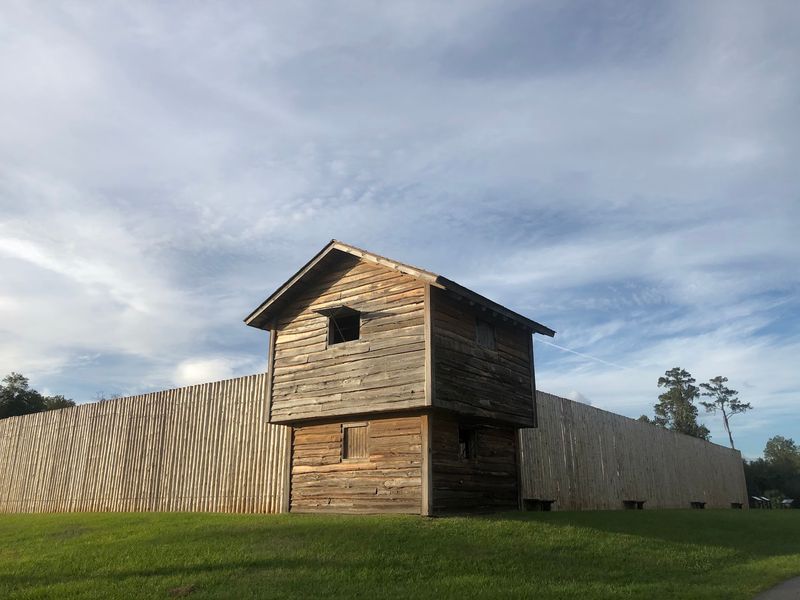
History hits differently when you stand on the ground where it happened. Fort King was a U.S. Army post in the 1820s and 1830s, and it played a key role in the Second Seminole War.
Today a reconstructed version helps tell that story.
The war began in 1835, and a famous event linked to this very fort helped spark the fighting. Exhibits and walking paths explain the causes, the people involved, and the long struggle that followed. Seminole perspectives are an important part of the story.
Reenactors sometimes visit during special weekends. They demonstrate drills, cooking, and daily chores, which makes the past feel real. Kids tend to love the musket demonstrations from a safe distance.
Plan a short stop of about an hour. Read the signs slowly, peek inside the buildings, and imagine life far from any big town. It was hot, buggy, and tough.
The site sits just east of downtown, so it pairs well with a downtown lunch. Wear comfortable shoes and bring water. Check hours first, since some areas open only on certain days.
7. Downtown Ocala Square
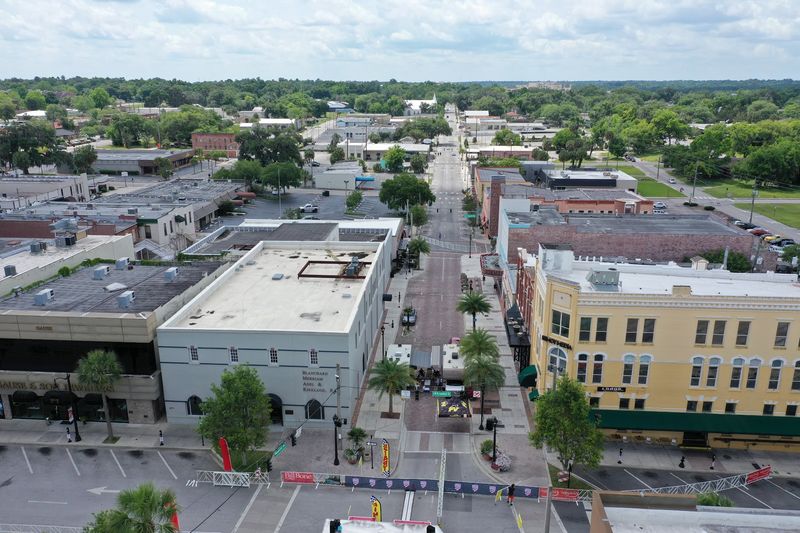
Grab a seat near the fountain and let the town show itself off. Downtown Ocala centers on a charming square with brick buildings, shady trees, and plenty of places to eat. Locals meet here for coffee, live music, and festivals.
Food options range from cozy cafes to craft breweries and Southern comfort spots. Many menus lean on local ingredients, so ask what is fresh. Dessert shops nearby make sure nobody leaves hungry.
Evenings are the sweet spot. String lights flicker on, music drifts from patios, and the air cools just enough for a stroll. Special events like farmers markets and art walks add even more energy.
Look for horse-themed touches around town. Painted statues, murals, and shop windows nod to the area’s favorite animal. Hunting for them makes a fun scavenger game with kids.
Parking is usually easy and often free in nearby lots. Wear comfy shoes, since the best finds are on side streets. Boutiques, bookstores, and antique shops reward anyone who wanders a little farther.
8. Horseback Riding and Carriage Experiences
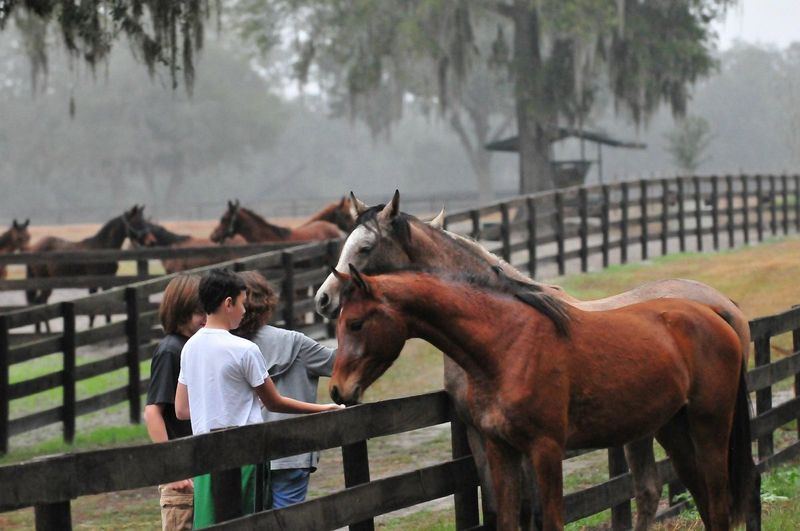
Watching horses is great, but climbing into the saddle is better. Around Ocala, stables offer trail rides through pastures, pine woods, and sandy paths. Beginners are welcome, and guides match you with a calm partner.
Expect a short lesson before you head out. Staff will show you how to hold the reins, sit tall, and steer. Then the horse does most of the hard work while you enjoy the view.
Rather keep your feet off the stirrups? Some outfits provide wagon or carriage rides, which are a relaxed way to see the countryside. They suit families, older travelers, and anyone nervous about heights.
Book ahead on weekends and during cooler months, when demand peaks. Wear long pants and closed-toe shoes with a small heel, and skip sandals. A hat and sunscreen help, and a light layer is smart for early rides.
Ask about weight limits and age rules when you reserve. Respect the animals by moving slowly and speaking softly. Ending the ride with a carrot treat, if the stable allows, is a sweet way to say thanks.