Fall Is Bringing Hungry Black Bears Closer To Homes And Campgrounds In These Florida Counties
A single Florida black bear can need up to 20,000 calories a day in the fall. That is about four times its usual intake. I honestly can’t picture eating like that without a nap every hour.
The name for this eating spree is hyperphagia. Bears may spend up to 18 hours a day hunting for food. They sniff out acorns, saw palmetto berries, and insects.
They also find garbage cans, bird feeders, and bowls of pet food left on porches.
That last part is where people come in. Bear sightings have been recorded in all 67 Florida counties, and fall can push bears to roam farther than usual in search of food. A trash can at the curb can look like a free buffet to a nose that powerful.
I love learning where these big snackers show up most. So which spots should keep the lids latched tight this season?
1. Okaloosa County
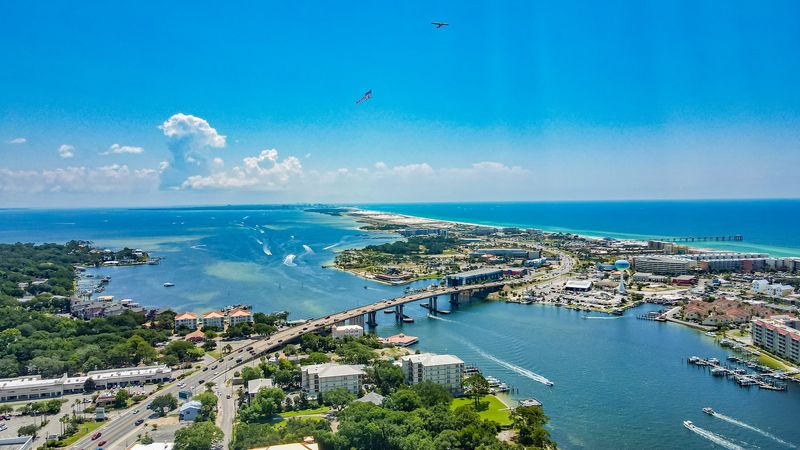
Few neighbors have a bigger backyard than the bears near Eglin Air Force Base. Those huge wooded areas give black bears plenty of room to roam in Northwest Florida.
That wild space sits right next to homes, schools, and military housing. So when fall hunger kicks in, bears don’t have far to travel for a snack.
Hurlburt Field, also in Okaloosa County, keeps track of bear movements on base. Unsecured trash at homes and dorms has been a big draw for curious bears there.
Think about that for a second. Even trained airmen have to remember to latch the lid, so the rest of us have no excuse.
Your best move is simple. Keep garbage inside a garage or sturdy shed until the morning of pickup.
If you can’t store it indoors, look into a bear-resistant can. Some regular cans can also be modified to make them harder to open.
Grills deserve attention too. Leftover grease and food bits smell amazing to an animal that may be eating up to 20,000 calories a day.
Give the grill a good scrape after cooking. Then store it away from open areas if you can.
Bears here tend to be most active at dawn and dusk. That timing overlaps with early commutes and evening dog walks.
Keep dogs close on a non-retractable leash. A surprised bear and an excited pup are not a great combo.
Before letting a dog out at night, flip the porch lights on and off and make some noise. That gives any nearby bear a chance to wander off first.
Remember that feeding bears, even by accident, can teach them to lose their fear of people. A little caution keeps both you and the bears out of trouble.
2. Marion County
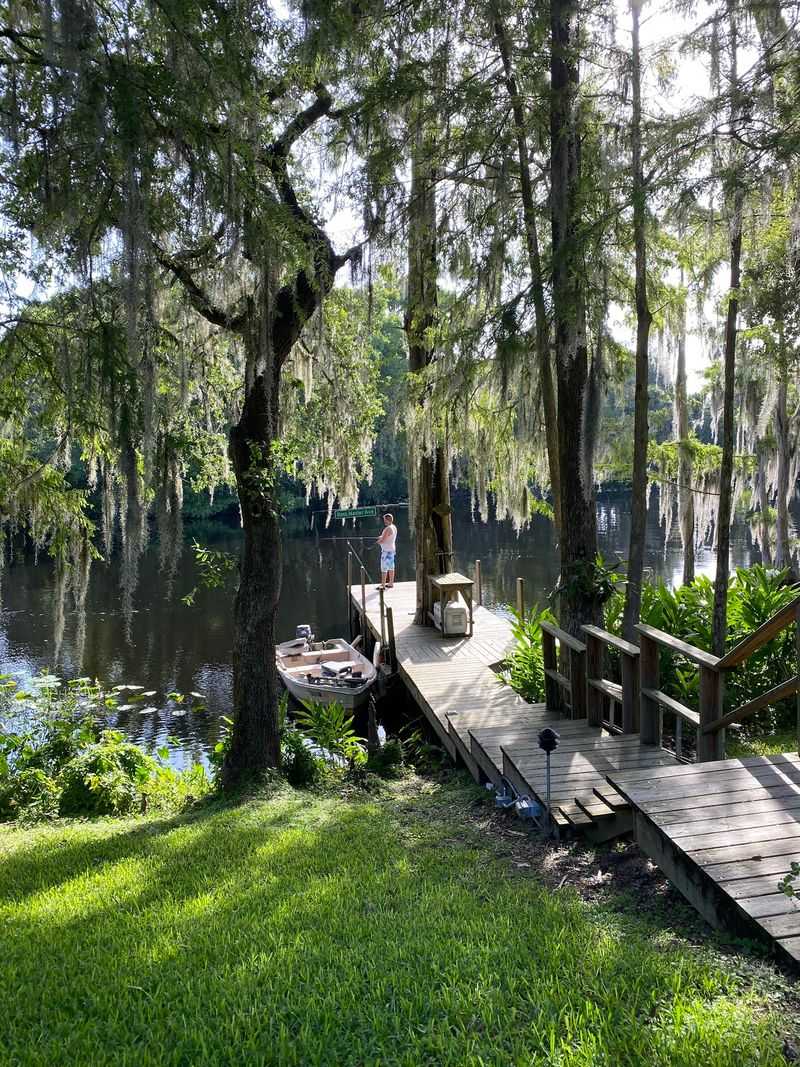
Campers in the Ocala National Forest share the woods with one of Florida’s best-known bear populations. Much of that forest sits inside Marion County, making it prime bear country.
Fall is when those bears get especially bold about food. Campgrounds in the forest have dealt with warnings and even closures after bears got used to snacks left by campers.
Here’s the tough part. Once a bear learns that coolers mean dinner, it can be hard to change that habit.
So your campsite plan matters more than your s’mores recipe. Store food, coolers, and trash in a locked vehicle or a bear-resistant container.
Never leave food sitting on a picnic table while you hike. Even a bag of chips can tempt a nose that strong.
Toothpaste, sunscreen, and other scented items count too. Keep them out of your tent so your sleeping bag doesn’t smell like a candy shop.
Hear something outside the tent at night? Make noise by yelling, clapping, or banging a pot to scare the bear away.
If you meet a bear on a trail, don’t run. Stand your ground, wave your arms slowly, and back away without turning around.
Avoid staring the bear in the eyes. Bears may see direct eye contact as a challenge.
Drivers should slow down on rural forest roads, especially early and late in the day. Bears cross roads more often in fall as they search for food.
Watch for bear crossing signs along the way. They’re posted for good reason.
The payoff for all this care is huge. You get to enjoy a wild Florida forest while keeping its bears wild too.
3. Lake County
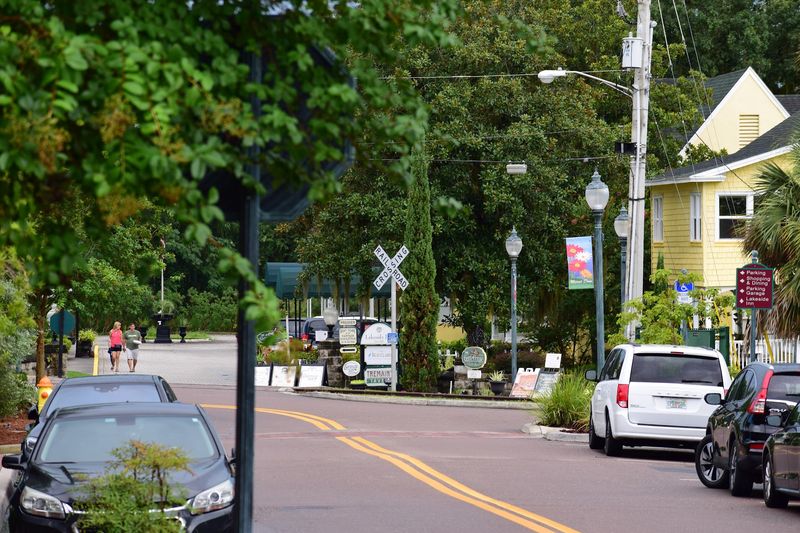
Lakes get the spotlight in this county, but the bears quietly steal a few scenes. Part of the Ocala National Forest stretches into Lake County, so bear country isn’t far away.
That means neighborhoods near wooded edges can get furry visitors in the fall. Hungry bears follow their noses, and property lines don’t mean much to them.
Fruit trees are a common surprise for homeowners. Ripe citrus or fallen fruit on the ground can pull a bear right into the yard.
Pick fruit as it ripens. Clean up anything that drops before a bear does it for you.
Bird feeders are another sneaky attraction. To you, it’s a treat for cardinals. To a bear, it’s a bucket of high-calorie seeds.
Consider taking feeders down during the busy fall season. Your birds will be fine, and your feeder will stay in one piece.
Pet bowls on the porch are a classic mistake. Feed pets indoors and wipe up spilled kibble right away.
Florida law prohibits intentionally feeding bears and allowing food or garbage to attract bears in ways that create conflicts. The rule protects people and bears alike.
Driving through the county at dawn or dusk? Slow down and scan the roadside, since bears roam more as they search for food.
A bear crossing in front of your car is a memorable sight. It’s even better when it ends with everyone safely on their way.
Neighbors can make a big difference by working together. One unsecured trash can can keep a bear coming back to the whole street.
So chat with the folks next door about storing garbage. A united neighborhood is a lot less tasty.
4. Putnam County
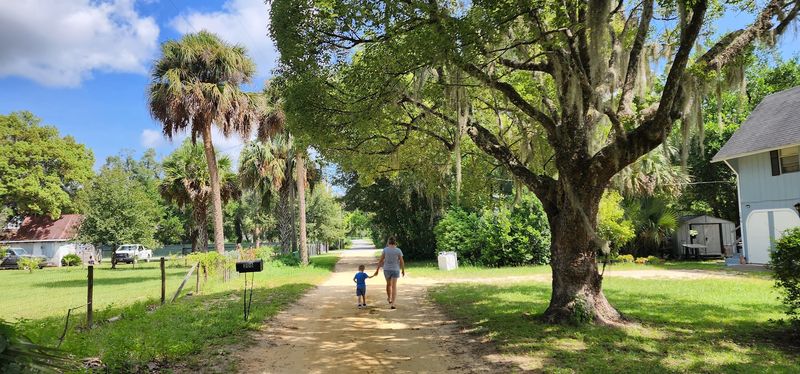
Acorn season turns the woods into a snack aisle, and bears shop early and often. Putnam County shares part of the Ocala National Forest, home to a large bear population.
Bears here may spend up to 18 hours a day foraging in fall. That’s a full-time job with plenty of overtime.
Their natural menu includes acorns, saw palmetto berries, and insects. The trouble starts when easier food sits closer to houses.
Rural properties face some special challenges. Livestock feed, chicken coops, and beehives can all draw a bear’s attention.
Electric fencing is one tool many people use to protect these spots. It gives a bear a quick, harmless lesson to stay away.
Store animal feed in secure containers inside a sturdy building. A metal bin with a tight lid works better than a paper sack.
Gardens need protection too. Ripe vegetables and fruit can turn a quiet backyard into a bear’s favorite stop.
Harvest produce on time and clear out rotting leftovers. The less there is to sniff, the less reason a bear has to visit.
Got a dog that loves to roam? Keep it close and leashed, because dogs can trigger defensive behavior in bears.
If a bear does show up, make noise from a safe spot. Yelling, whistles, or banging pans usually send it moving.
Never try to get close for a better photo. Approaching wild animals is dangerous and can make bears lose their natural fear of people.
Living near Florida bear country is a real treat for nature lovers. With smart habits, you can enjoy it without becoming the neighborhood snack bar.
5. Hernando County
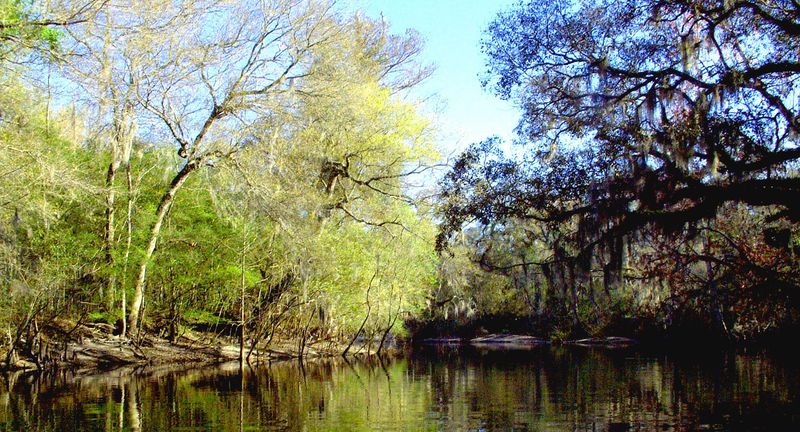
Bears are known to travel through Hernando County, so drivers should stay alert on roads near wooded areas.
Spring Hill has also seen bears digging through trash cans. Apparently, curbside garbage is the local fast food option.
Mother bears and cubs have been spotted near new developments too. As neighborhoods grow, they often edge closer to places bears already call home.
That makes this county a good reminder for drivers. Slow down, especially at dawn and dusk when bears move the most.
Keep an eye on road shoulders and wooded edges. A bear can step out faster than you’d expect for something so big.
Spotted a mother and cubs? Give them plenty of space and never get between them.
Mother bears are protective, just like any parent at a busy playground. Back away calmly and let the family move on.
At home, wait until the morning of pickup to put trash out. Overnight garbage is basically an invitation with free delivery.
Rinse food containers before tossing them. Less smell means less interest from a nose that can find food from far away.
New residents may not realize bears live nearby. If you just moved in, ask neighbors about past sightings.
Sharing tips can help the whole community. A bear that finds nothing to eat usually keeps walking.
Hernando’s mix of new homes and natural land makes it a fascinating place to live. A few simple habits help keep bears wild and roads safe.
6. Collier County
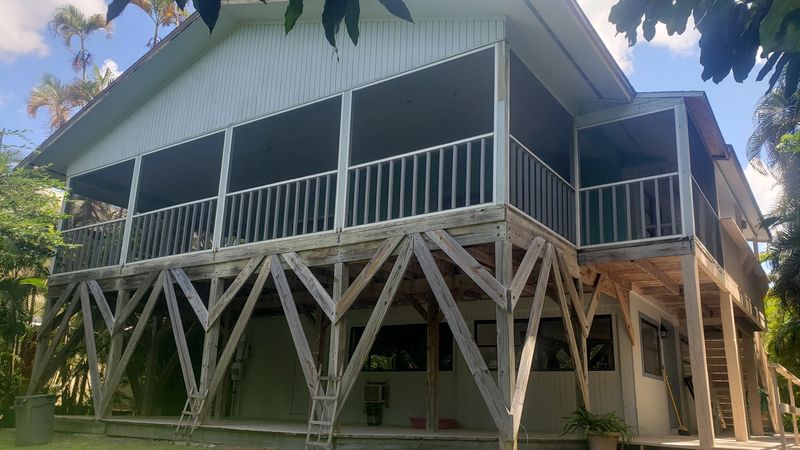
Naples is famous for beaches and golf, yet some backyards have hosted far hairier guests. Southwest Florida has seen a jump in bear sightings around the Naples area.
Rapid development has pushed bears closer to where people live. Bears have turned up in backyards and even parking lots.
Big Cypress National Preserve sits nearby and is known as important bear habitat. So the bears aren’t really trespassing, they’re just checking out the new neighbors.
Fall hunger raises the stakes. A bear needing thousands of extra calories a day won’t skip an easy meal.
Secure your garbage first. Use a garage, shed, or bear-resistant can, and only set trash out on pickup morning.
Businesses play a role here too. Commercial trash should go in bear-resistant dumpsters to keep parking lots from becoming dinner spots.
Outdoor kitchens are common in this part of Florida. Clean them well and store food indoors when you’re done cooking.
Feed pets inside, even if it’s a warm evening on the lanai. A food bowl can attract more than just your cat.
Heading into Big Cypress? Secure food in an enclosed vehicle, hard-sided camping unit, approved bear-resistant container or locker, or by properly suspending it, and pack out your trash.
If you see a bear while out and about, stay calm. Speak firmly, wave your arms slowly, and back away.
Don’t run, since running can make things worse. Let the bear choose its exit.
Collier County shows how wild Florida and city life overlap. Respecting that line helps everyone, bears included, stay safe.
7. Highlands County
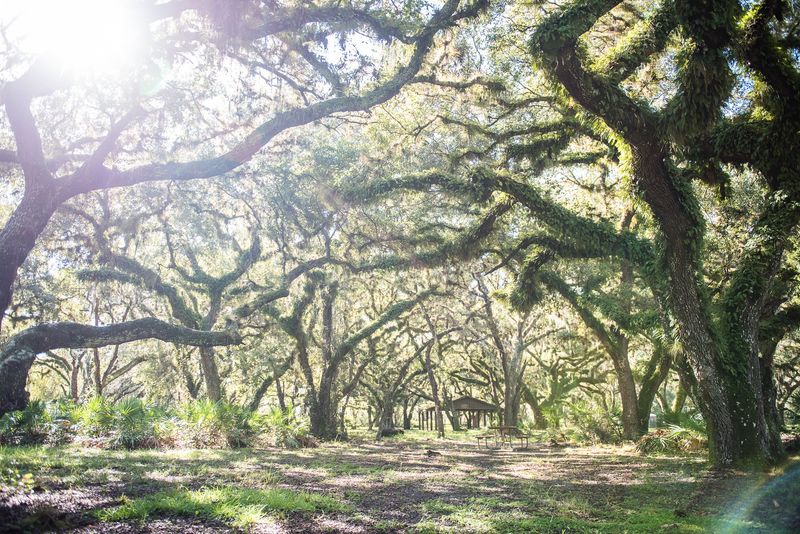
Black bears are regularly reported in Highlands County and can occasionally wander into developed areas.
Bears are regularly seen in Highlands County, so that walk wasn’t a total shock. Still, it’s not every day you share Main Street with a bear.
The county mixes ranch land, citrus groves, and natural areas. That patchwork gives bears plenty of travel routes between food sources.
In fall, those routes can lead straight to homes. Hungry bears are curious and persistent when they smell something tasty.
Citrus trees in backyards deserve extra care. Pick ripe fruit and clear fallen pieces before a bear makes a meal of them.
Compost piles can be another magnet. Avoid tossing meat or greasy scraps into outdoor compost during busy bear months.
Spot a bear in town? Keep your distance and let it pass.
Never feed it or toss food to lure it closer. Feeding bears is illegal in Florida for good reason.
A fed bear can become a problem bear. Keeping it wild is the kindest thing you can do.
Drivers on rural highways should stay alert around sunrise and sunset. Bears often cross roads during these hours while searching for food.
If you need help with a bear conflict, contact the FWC Wildlife Alert Hotline. You can also learn more through MyFWC.com/Bear.
A bear sighting can be thrilling. Watch from a safe spot and enjoy the story you’ll get to tell later.
8. Polk County
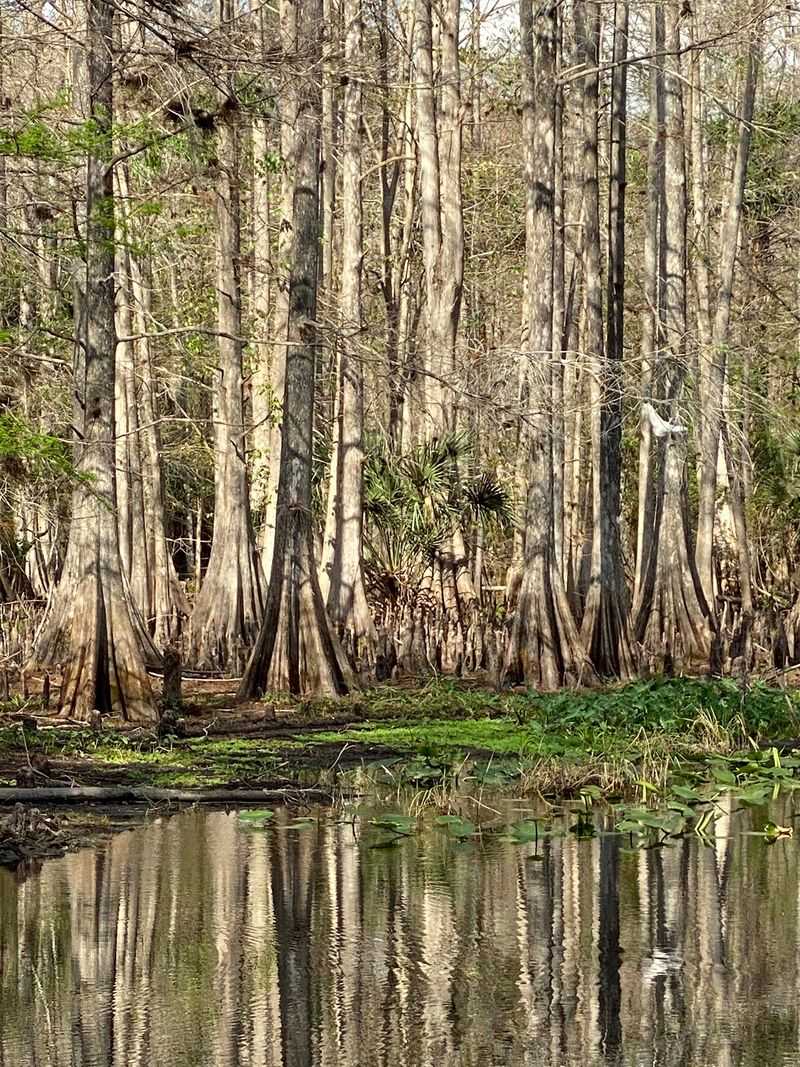
Black bears can occasionally wander into developed parts of Polk County while searching for food or moving between habitats. Sightings like that prove bears will wander well beyond the woods.
Polk County sits in the heart of Central Florida. It has growing cities, lakes, and patches of natural land that bears can travel through.
When fall arrives, younger bears may roam farther looking for food and new territory. That’s often when they end up in surprising places.
So what should you do if a bear strolls past your shop or house? Stay inside or keep a safe distance, and let it move along.
Crowds can make a bear nervous. Resist the urge to gather around for photos.
Restaurants and stores can help by securing dumpsters. Bear-resistant dumpsters keep downtown alleys from smelling like a buffet.
At home, keep grills clean and trash stored until pickup day. A quick cleanup is easier than repairing a shredded garbage bag.
Bird feeders and pet food are common draws in suburban yards. Take them in, especially during fall.
Walking the dog at dusk? Use a non-retractable leash and stay alert.
Dogs and bears don’t always mix well. Keeping your pup close helps avoid a tense moment.
Report bears that seem too comfortable around people. The FWC can offer guidance before a small issue grows.
Polk’s mix of town and wild land keeps life interesting. A bit of preparation lets you enjoy the wildlife without any drama.
9. Orange County
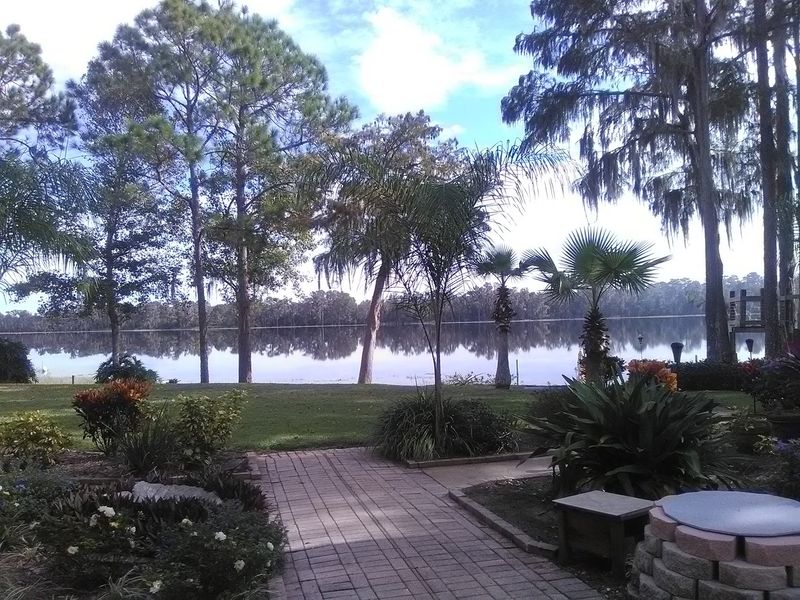
Orlando draws visitors from around the world, and a few of them happen to have fur and claws. Bears have wandered into the city more than once.
Areas near Wekiva and Sabal Point offer a good chance of seeing bears. Those neighborhoods sit close to natural lands that bears use.
That closeness is part of the charm for residents. It also means fall can bring bears right up to the driveway.
Garbage is the number one thing to manage. Keep trash secured indoors and roll it out only on pickup morning.
Some communities near bear habitat use bear-resistant cans. If yours offers them, they’re worth using.
Got a garage fridge or freezer? Keep the garage door closed, since bears have a talent for finding stored food.
Bird feeders and pet bowls should come inside too. Every snack you remove makes your yard a little less interesting.
Hiking or paddling near Wekiva? Pack out your trash and keep food sealed.
If you meet a bear on the trail, stay calm and don’t run. Make yourself look bigger and back away slowly.
Avoid direct eye contact with the bear. Bears may read it as aggressive behavior.
Drivers should slow down on roads that pass through wooded areas. Fall brings more bear crossings, especially early and late in the day.
Orange County proves that big cities and wild bears can live side by side. It just takes a little effort from the human side.
10. Wakulla County
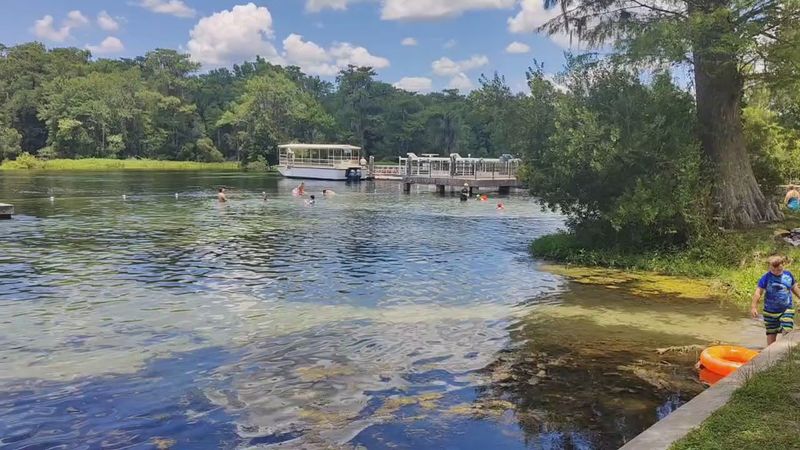
Summer camp memories usually involve canoes and campfire songs, not bears raiding the trash. In the Panhandle, though, bears and camps sometimes cross paths.
Wakulla County, along with nearby Leon and Franklin counties, sees frequent bear sightings. Trash around human facilities like camps can quickly become a bear magnet.
Much of the area is wild and wooded. That gives bears room to live, along with easy access to campsites and rural homes.
Fall makes those bears hungrier and more determined. A loose garbage bag can turn into a nightly tradition for a clever bear.
Camping in the area? Store food and coolers in a locked car or a bear-resistant container.
Clean up cooking areas right after meals. Crumbs and grease can draw a bear long after you’ve gone to bed.
If a bear approaches your tent, make plenty of noise. Shouting, clapping, or banging pots usually sends it off.
Homeowners should secure trash and feed pets indoors. Beehives and livestock may need electric fencing for protection.
Driving rural roads at dawn or dusk calls for extra care. Slow down and watch for bears crossing in front of you.
Spotted a bear that’s hurt or seems orphaned? Contact the FWC Wildlife Alert Hotline rather than stepping in yourself.
Learning BearWise habits helps keep bears wild and campers happy. You can find more tips at BearWise.org.
Wakulla’s woods are a beautiful slice of Florida. Treat the bears like respected neighbors, and they’ll mostly mind their own business.