This Florida City Has More Canals Than Venice, And Locals Can Cruise Them For Free
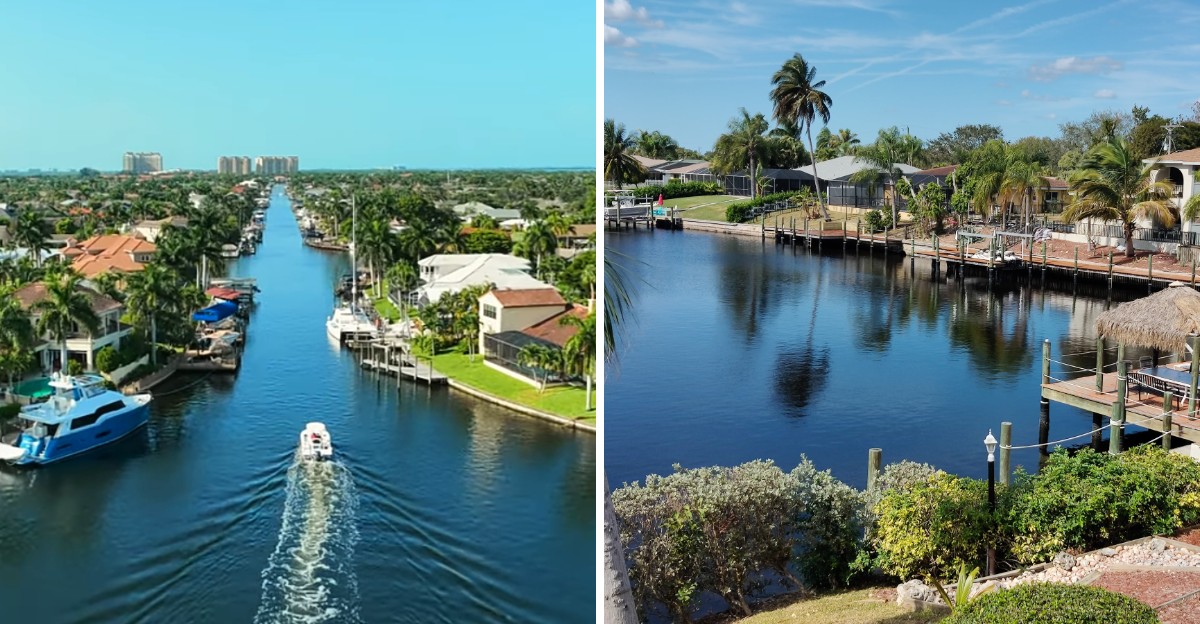
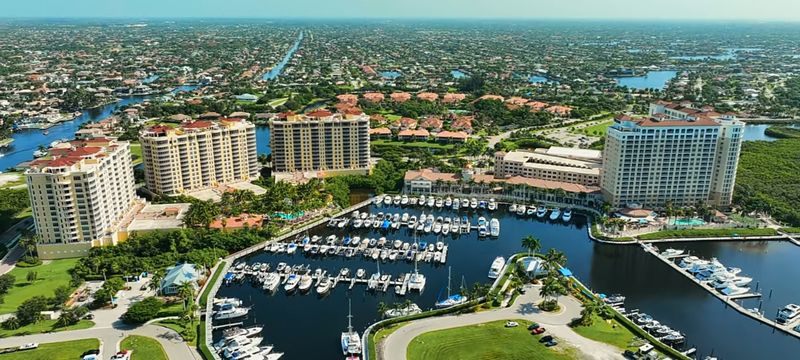
More than 400 miles of canals cut through one southwest Florida city. That’s more than Venice, Italy, and nobody here needs a gondola or a gondolier to get around town.
The whole network was dug on purpose, starting in the late 1950s. Developers turned flat, scrubby land into a sprawling maze of waterways, and thousands of homes now sit with boats parked out back.
I like how ordinary weekend plans here happen right on the water. A trip to fish, paddle, or spot a lazy manatee can start at the end of a backyard dock, no trailer required.
So, honestly, what’s the best part of all this? There is no toll to cruise Cape Coral’s public canals, although boaters using certain city launch sites may need to pay for trailer parking or obtain a permit.
Venice Called, And It Wants Its Bragging Rights Back
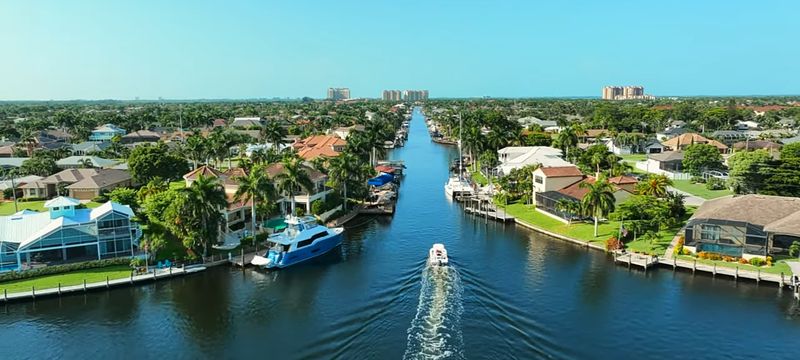
Cape Coral, Florida holds a title that sounds made up. The city has more than 400 miles of navigable canals, which is more than any other city on the planet.
Venice, Italy, gets the postcards and the gondola songs. Cape Coral quietly beats it on sheer canal mileage, and it does so without a single centuries-old palace.
Those waterways aren’t just pretty decoration around the neighborhoods. They work like a second street system, connecting homes to rivers, bays, and eventually the Gulf of Mexico.
Some canals are saltwater and lead out to open water. Others are freshwater and stay inland, which is great for quiet paddling and fishing close to home.
Before you launch, it helps to know which type you’re on. A saltwater canal can take you all the way out to the Gulf, while a freshwater one keeps the adventure local.
I believe that’s the real charm of the place. You can treat the water like a hallway, a playground, or a highway, depending on your mood that day.
Not bad for a city that used to be mostly flat land and palmetto scrub.
Two Brothers Dreamed Big And Grabbed A Shovel
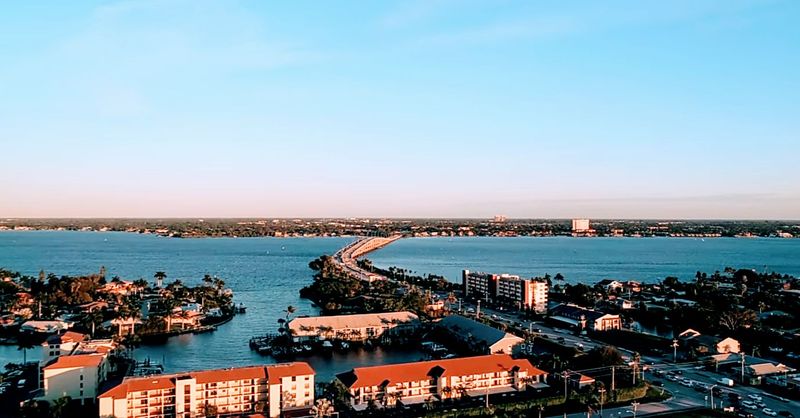
Back in 1957, brothers Leonard and Jack Rosen bought a huge stretch of land on the Caloosahatchee River. Their company, Gulf American Corporation, had a bold plan for it.
They wanted a waterfront community where regular families could afford a home near the water. So they started dredging canals and selling lots, often to buyers far away up north.
The canals did double duty during construction. Digging them created fill dirt, which raised the land high enough to build homes along the new waterways.
The idea caught on fast, and the community kept growing. Cape Coral officially became a city in 1970, and the canals kept multiplying across the map.
Want the full backstory? The Cape Coral Historical Society and Museum traces how the city was planned and built, from early sales pitches to modern neighborhoods.
It’s a fun stop on a rainy afternoon or a hot one. Seeing old photos of empty land makes today’s busy waterways feel even more impressive.
Honestly, it’s wild to think a sales plan turned into the canal capital of the world.
Your Backyard Might Double As A Boat Ramp
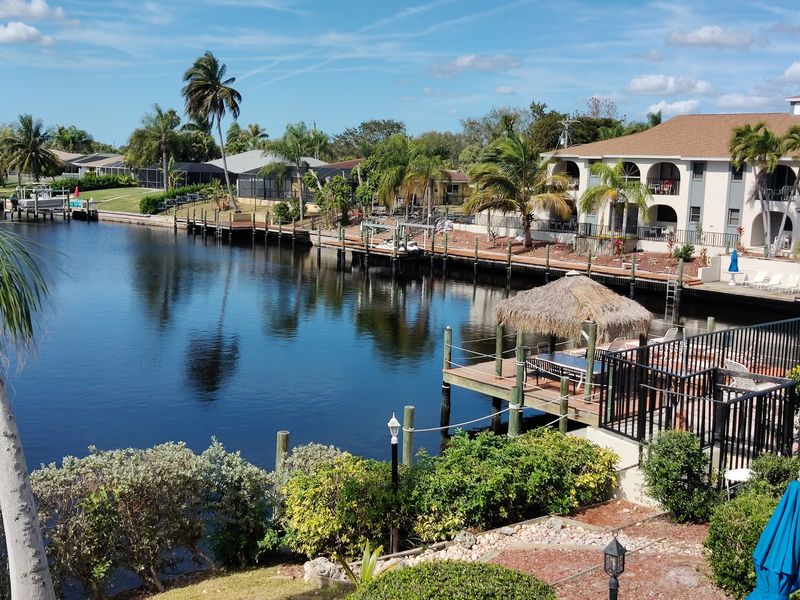
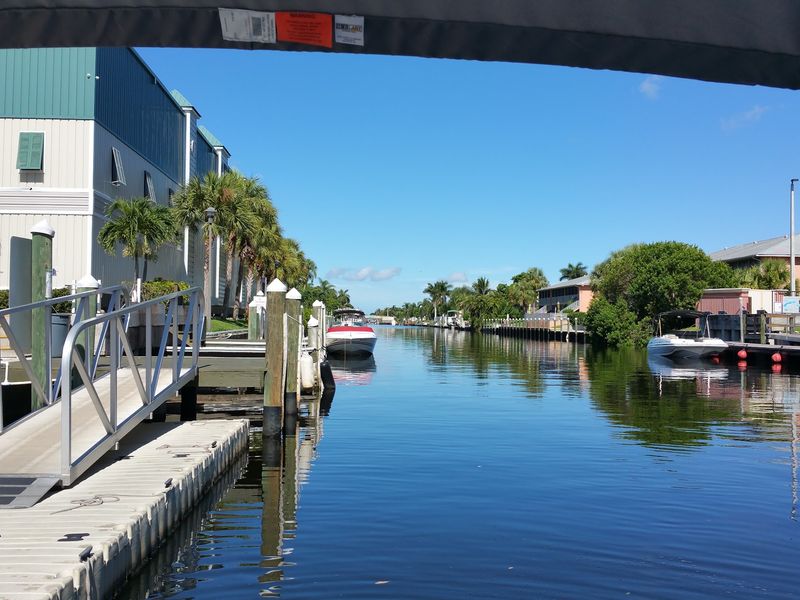
Here’s a commute worth bragging about. Thousands of homes in Cape Coral sit right on a canal, and many come with their own dock or boat lift.
That setup changes daily life in a big way. Heading out to fish or cruise can mean walking a few steps across the lawn instead of hauling a trailer.
The canals themselves are public waterways. Anyone with a boat, kayak, or paddleboard can explore them without paying a toll or buying a special pass.
Of course, a few basics still apply. Boaters need to follow posted speed zones, and many canals are marked for slow or idle speed to protect docks and wildlife.
Going slow is honestly part of the fun. You get time to wave at neighbors, admire the houses, and maybe catch a fish jumping near a seawall.
Renting is an option if you don’t own a boat. Local outfitters offer pontoons and kayaks, so visitors can sample the canal life for an afternoon.
Just remember your sunscreen and plenty of water, because Florida sunshine doesn’t take days off.
Manatees Might Steal The Show At Sirenia Vista Park
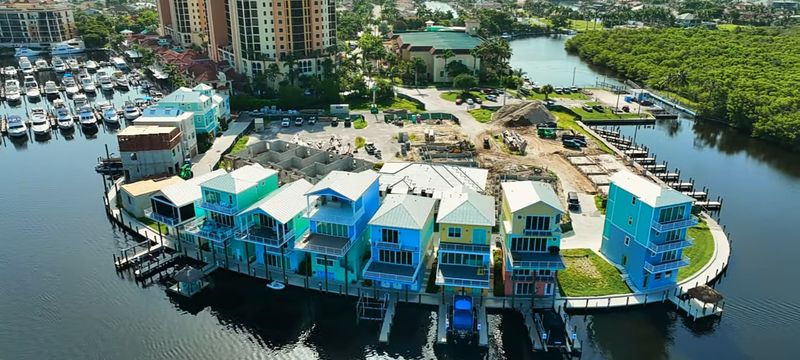
The name gives it away if you know your science. Sirenia is the scientific group that includes manatees, and Sirenia Vista Park is known for welcoming these gentle giants.
Manatees often visit the waters around the park. Spotting a gray snout poking up for air can easily become the highlight of your whole day.
The park is also a launch point for paddlers. Kayak routes lead out toward Matlacha Pass Aquatic Preserve, a protected area full of mangroves and wading birds.
Paddling there feels like leaving the city behind in minutes. The neighborhoods fade, and the scenery turns into tangled mangrove roots and quiet water.
A few manners go a long way around manatees. Give them plenty of space, never feed them, and let them swim on their own schedule.
Pack binoculars if you have them, because the birds deserve attention too. Herons and egrets often stand still in the shallows, waiting patiently for a snack.
Early mornings tend to be cooler and calmer for paddling. Your arms and your water bottle will both thank you later.
Sand, A Pier, And River Breezes Are Waiting
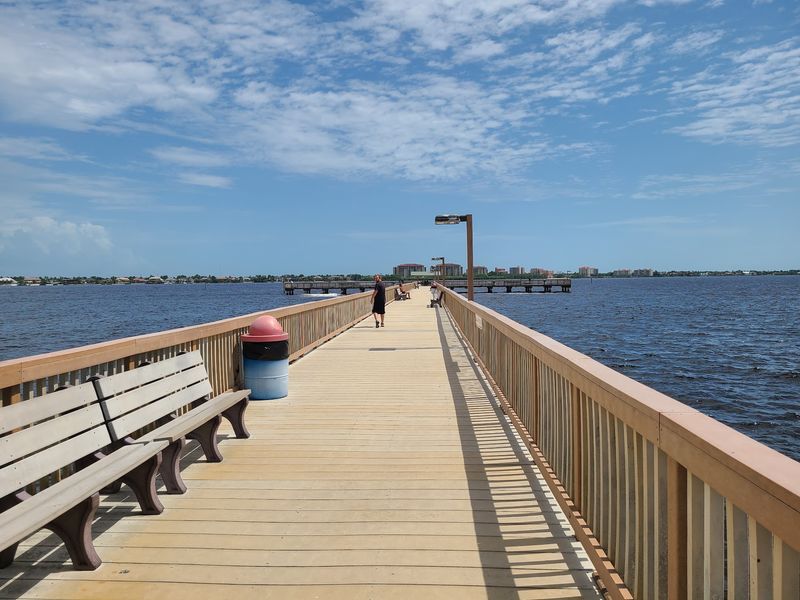
Not every water day needs a boat. At Yacht Club Community Park, you can enjoy waterfront views while the fishing pier remains closed during reconstruction.
The park sits at 5819 Driftwood Parkway, Cape Coral, FL 33904. It’s one of the city’s oldest gathering spots, and it still feels like a neighborhood favorite.
The fishing pier is currently unavailable while the city works through its reconstruction project. Even if the fish aren’t biting, the river views and breezes make it worth the walk.
Sunset here is a pretty strong argument for staying late. The sky over the river can turn orange and pink, which makes for easy photos.
The Yacht Club boat ramp is currently affected by the park’s redevelopment, so boaters should check for available launch sites before visiting.
Bring a towel, a cooler with snacks, and some patience for parking on busy weekends. A little planning makes the whole trip smoother.
Kids usually love watching boats come and go from the water. It’s free entertainment that comes with a side of fresh air.
Mangroves, Boardwalks, And Birds That Pose Nicely
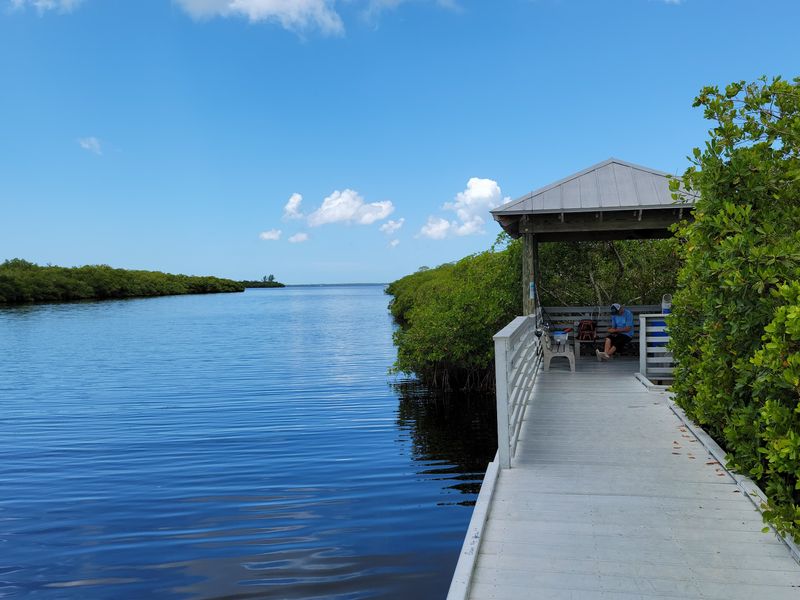
Herons and ibis don’t charge admission, and neither does the view. Four Mile Cove Ecological Preserve in southeastern Cape Coral is a favorite spot for spotting them.
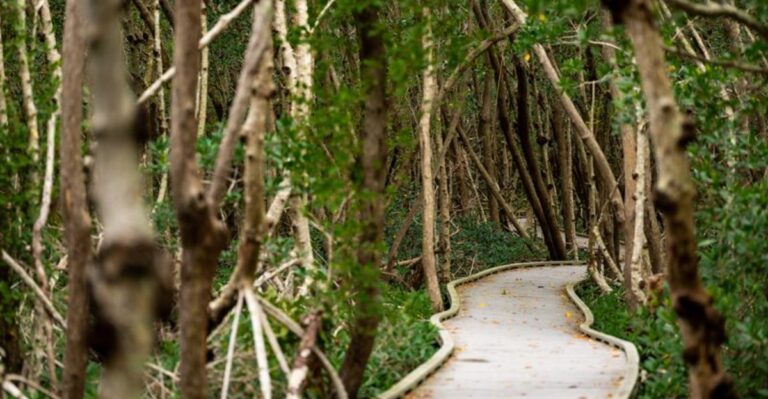
The preserve features a boardwalk that winds through thick mangroves. It’s an easy way to see a coastal forest up close without getting your shoes muddy.
Mangroves are kind of amazing when you think about it. Their tangled roots help protect shorelines and give young fish a safe place to grow.
Paddlers should check current conditions before visiting, as the Four Mile Cove kayak launch is presently closed for repairs. Gliding past the mangroves offers a quieter, wilder side of the city than the neighborhood canals.
Bring a camera and move slowly along the trail. Birds often hold still while hunting, which gives you plenty of chances for a great shot.
Bug spray is a smart addition to your bag. Mangrove areas can get buggy, especially in warmer months or near dusk.
For families, it’s a nice outdoor classroom. Kids can learn about Florida wildlife while burning off some energy on the boardwalk.
Tiny Owls Run This Town, And They Know It
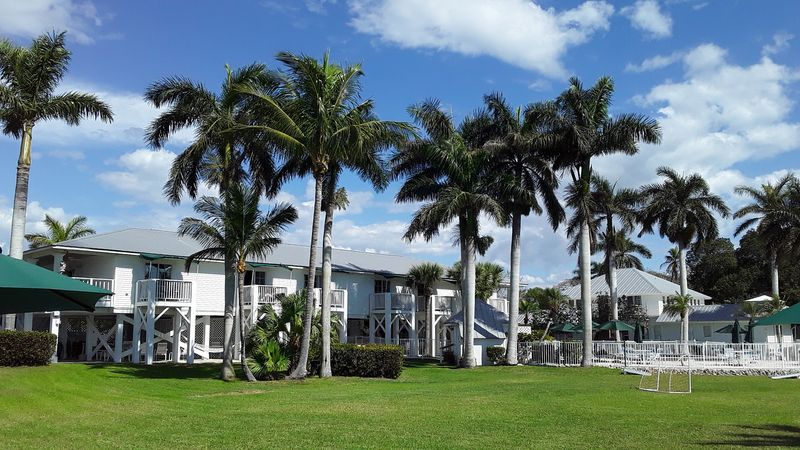
Canals get the headlines, but small owls get the love. Cape Coral is home to the largest population of Florida burrowing owls in the state.
These little birds live in underground burrows instead of trees. You might spot one standing near a hole in a grassy lot, staring back with big yellow eyes.
Burrowing owls are a protected species in Florida. Many residents mark burrows with small stakes or perches, helping the owls stay safe from mowers and foot traffic.
The city celebrates them with an annual Burrowing Owl Festival. It’s hosted by Cape Coral Friends of Wildlife and usually takes place in late winter.
Want to watch them without causing stress? Keep your distance, stay quiet, and use a zoom lens or binoculars for a closer look.
Spotting owls makes a fun break between canal adventures. It’s a reminder that this water-filled city has plenty of life on land too.
Honestly, it’s hard to stay grumpy when a tiny owl tilts its head at you from a front yard.
Water Slides Count As Canal Practice, Right?
Some days call for water without boats, fishing lines, or manatee etiquette. Sun Splash Family Waterpark in Cape Coral steps in for exactly those days.
The city-owned park offers water slides, pools, and a lazy river. It’s a natural fit for a community that already treats water like a lifestyle.
Families tend to plan around it during hot months. A few hours of splashing can cool everyone off before an evening canal cruise.
The park is seasonal, so checking its schedule before you go is smart. Hours and open days can shift depending on the time of year.
Pack light, but pack smart. Sunscreen, water shoes, and a refillable bottle can make the day way more comfortable.
The lazy river is basically a canal cruise without the steering. You float along slowly, which honestly might be the most relaxing way to practice local living.
For visitors with kids, it adds variety to a trip. Not everyone wants to sit in a kayak all day, and slides tend to win that debate.
Plot Your Route Before The Gulf Starts Calling
A map is your best friend in a city with 400-plus miles of canals. Without one, every turn starts looking suspiciously like the last turn.
Saltwater canals in Cape Coral can lead out to the Caloosahatchee River. From there, boaters can head toward the Gulf of Mexico and the barrier islands nearby.
Freshwater canals are a different story. They stay inland, which makes them calm spots for kayaks, paddleboards, and easy fishing trips.
Boating apps and nautical charts help a lot. They show depths, markers, and speed zones, so you don’t end up stuck on a sandbar.
Tides matter more than many newcomers expect. Shallow spots can get tricky at low tide, so checking conditions before you leave is a good habit.
Weather in Florida can change quickly, especially on summer afternoons. Storms often roll in later in the day, so morning trips tend to be safer.
Once you’ve got the basics down, the canals feel less like a maze. They start feeling like a giant, free backyard that never quite runs out of surprises.