These 12 Florida Towns Get So Crowded With Tourists That Their Centers Can Feel Packed
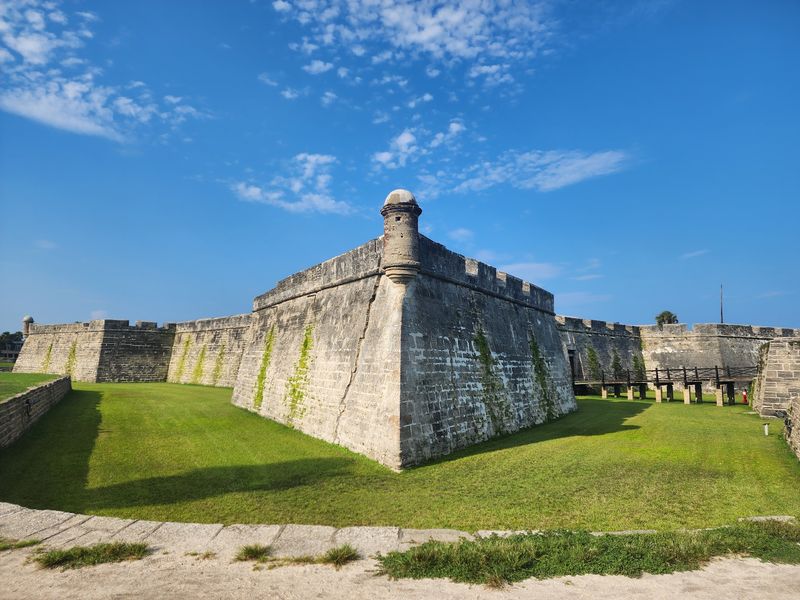
One small Florida town has a stone fort that took Spanish builders 23 years to finish. Today, the hardest part of visiting is finding a free spot of sidewalk near it.
That’s the funny thing about the prettiest towns in Florida. Their charm draws so many visitors that downtown areas can become especially crowded during peak times. I love that locals have secret routes, back streets, and early-morning habits just to grab coffee in peace.
The towns on this list range from tiny fishing villages to island hot spots. Each one has a lively center full of shops, docks, and old buildings. Each one also has crowds that can turn a quick stroll into a slow shuffle.
I can’t help admiring places this popular. They earned the attention. So which ones would you brave on a busy Saturday, and which would you save for a quiet Tuesday morning?
1. St. Augustine
Founded by the Spanish in 1565, this city has had centuries of practice hosting guests. It still seems surprised by how many show up at once.
St. Augustine is the oldest continuously occupied European settlement in the continental United States. Its historic district packs narrow lanes, old coquina walls, and Spanish colonial charm into a small, walkable area.
The heart of the action is St. George Street. This pedestrian-only strip fills with shoppers, history fans, and families snacking their way along the brick and stone paths.
Nearby, the Plaza de la Constitución gives you shade trees and a bit of breathing room. It dates to the city’s early Spanish days and remains a natural gathering spot.
Millions of visitors arrive each year, so locals often skip downtown on weekends and holidays. You can borrow their trick by arriving early in the morning before tour trolleys get rolling.
The Castillo de San Marcos sits just off the historic core along the bayfront. Spanish builders finished the fort in 1695, and its coquina walls famously absorbed cannon fire.
Plan a weekday visit if you can. Your camera roll will thank you for the empty-ish streets.
2. Key West
Sunset in Key West comes with an audience. At Mallory Square, crowds gather nightly as if the sun owes them a show.
This island city sits near the end of U.S. Highway 1. It’s closer to Cuba than to Miami, which adds to its far-flung, end-of-the-road feel.
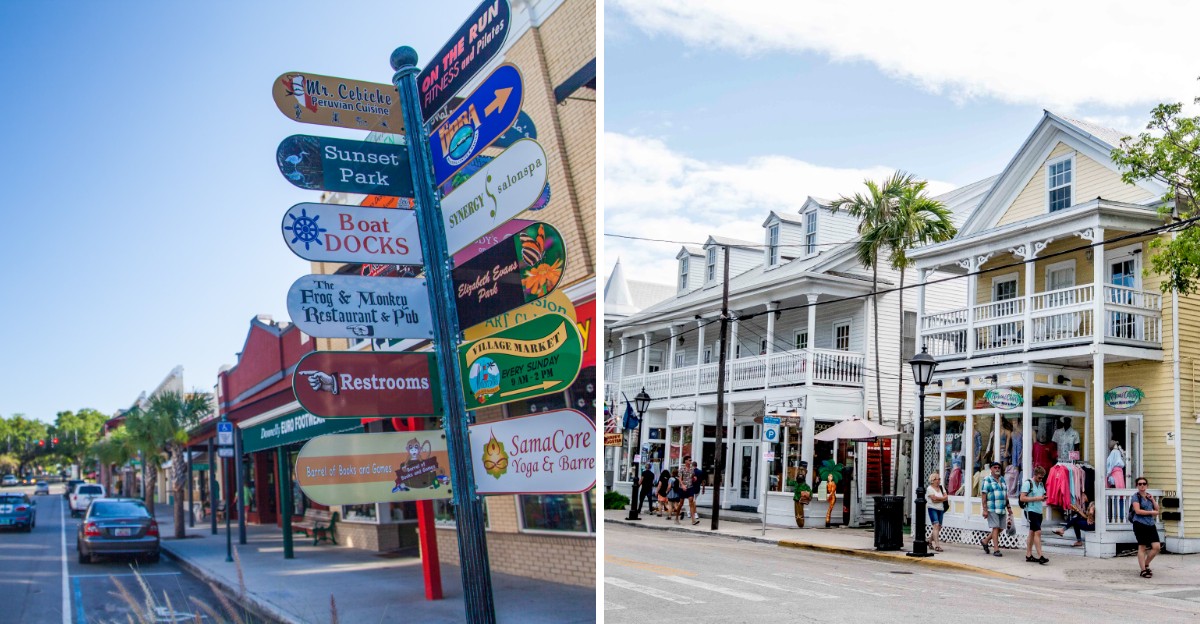
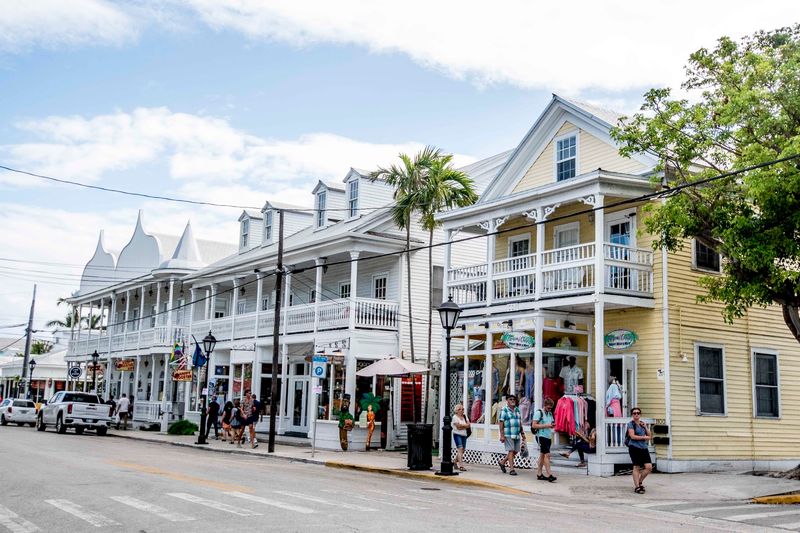
Old Town is the main draw, with wooden homes, tin roofs, and lush gardens. Duval Street runs right through it, lined with shops, restaurants, and galleries.
Cruise ships dock close to downtown, and their passengers flood Old Town in waves. On busy days, Duval Street can feel more like a parade route than a road.
Many residents simply avoid that stretch when ships are in port. You can do the same by exploring side streets, where the architecture is just as pretty and the pace is calmer.
Renting a bike is a classic Key West move. The island is flat and compact, so pedaling beats circling for parking.
Fun fact: the island marks the Southernmost Point of the continental U.S. with a striped concrete buoy. Expect a line for photos, because naturally everyone wants one.
3. Seaside
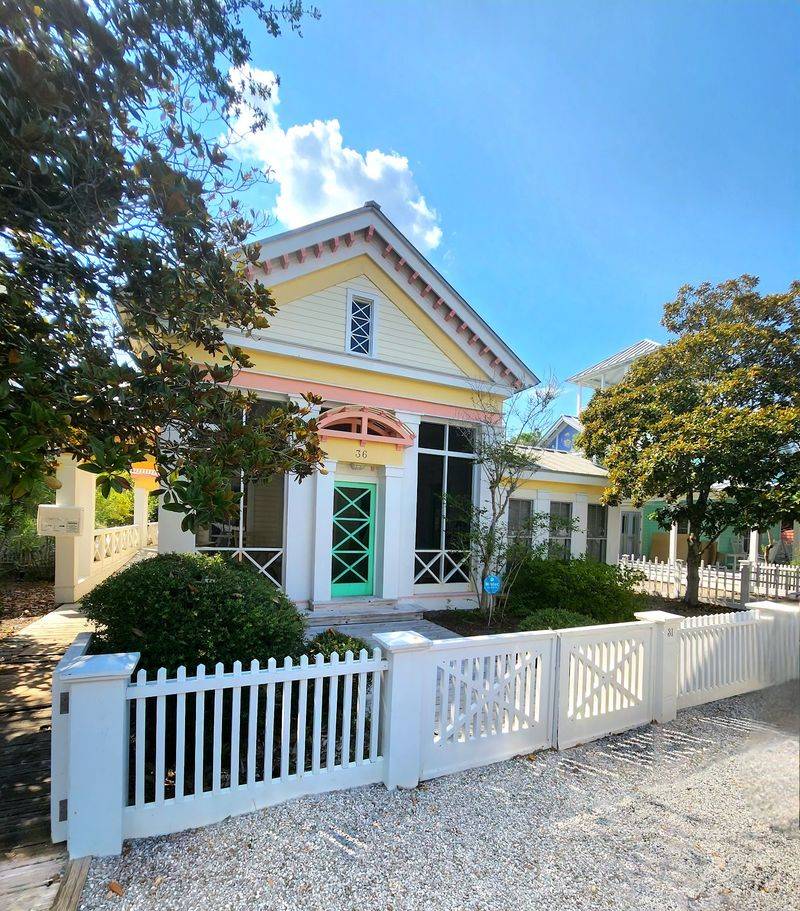
Hollywood picked this pastel town as the set for The Truman Show. Seeing it in person, you’ll understand why it looks almost too tidy to be real.
Seaside was planned in the early 1980s along Scenic Highway 30A in the Florida Panhandle. It became a famous example of New Urbanism, a design style built around walking instead of driving.
Picket fences, tin roofs, and candy-colored cottages line its sandy lanes. Each street leads toward the Gulf, with beach pavilions marking the paths to the water.
Central Square is the town’s hub. It holds shops, eateries, and an outdoor amphitheater where concerts and events pull big crowds.
During spring break and summer, the square can get packed shoulder to shoulder. Locals tend to pop in during off-season months when strolling feels easy again.
Parking is limited, so biking or walking in from nearby rentals saves headaches. Plenty of visitors cruise 30A on two wheels anyway.
Try an early morning walk along the lanes. You’ll catch soft light on the cottages and maybe hear the Gulf before the crowd wakes up.
4. Mount Dora
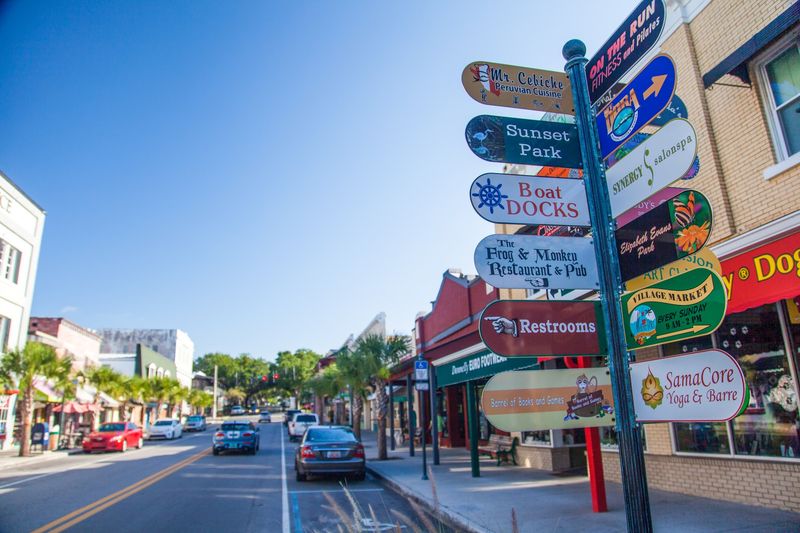
Hills in Florida? Mount Dora sits on a rise above Lake Dora, which feels like a small miracle in such a flat state.
This lakeside town in Lake County has a downtown that looks plucked from another century. Brick storefronts, antique shops, and historic inns give it a postcard feel.
Donnelly Street and Fifth Avenue form the heart of the shopping district. You’ll find boutiques, cafes, and treasure-hunting spots packed close together.
Festivals are a big deal here. Arts, crafts, and antiques events draw huge weekend crowds, and the streets can turn into a slow-moving sea of shoppers.
Locals often plan errands around those dates or stick to weekdays. If you hate waiting for a table, follow their lead and check the event calendar first.
The lakefront is worth your time, too. Parks such as Palm Island Park, Gilbert Park, Grantham Point, Simpson Cove, and Elizabeth Evans Park give you room to stretch and enjoy views of Lake Dora.
Mount Dora earned the nickname “Festival City” for a reason. Come for one event, and you’ll likely leave plotting a return trip for the next.
5. Fernandina Beach
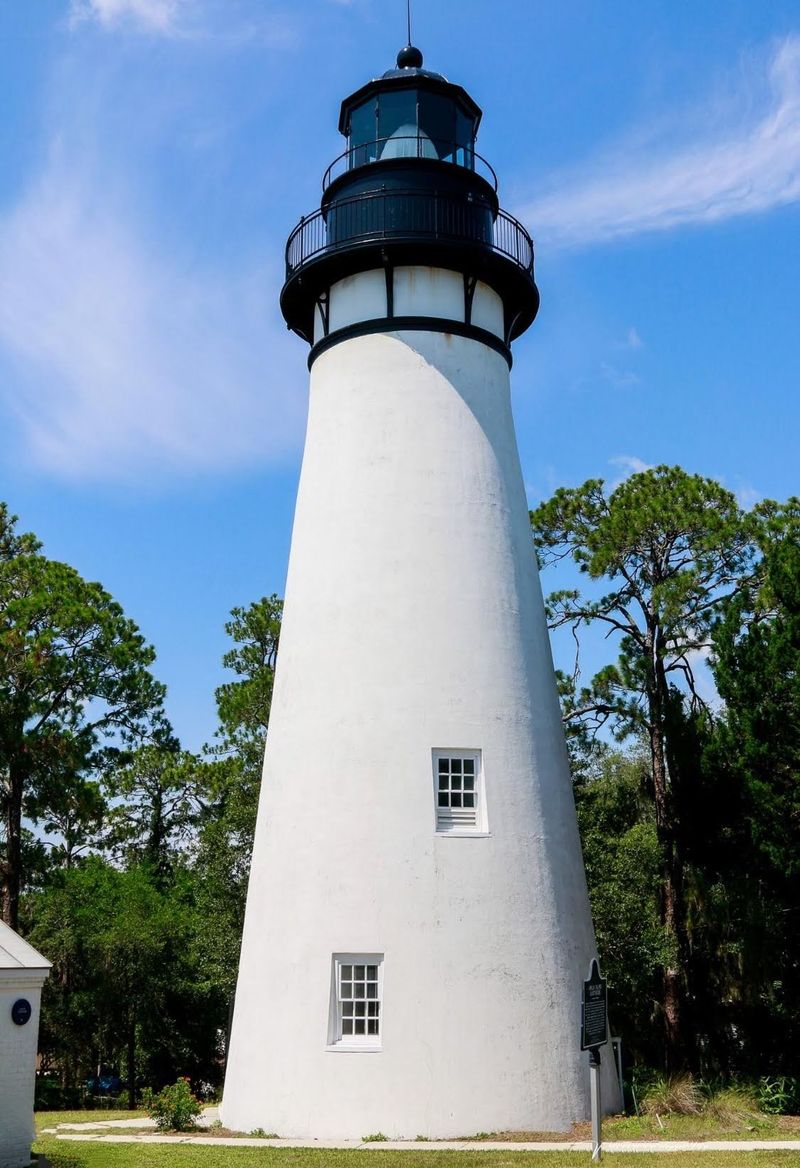
Eight flags have flown over Amelia Island. Fernandina Beach proudly reminds you of that whenever the subject comes up.
This harbor town sits on the island’s northern end in Northeast Florida. Its historic district spans roughly 50 blocks filled with Victorian homes and old brick buildings.
Centre Street is the main artery. It runs straight down to the marina, lined with shops, restaurants, and galleries in restored storefronts.
Island visitors and day-trippers from Jacksonville pour onto Centre Street, especially on weekends. During big events, sidewalks fill fast and parking spots vanish.
Residents often duck onto side streets or wait until evening to head downtown. You can enjoy the same calm by exploring the residential blocks, where the Victorian architecture really shines.
The waterfront at the end of Centre Street is a great place to pause. Shrimp boats are part of the town’s story, since Fernandina is known as a birthplace of the modern shrimping industry.
Bring comfortable shoes. Those old brick sidewalks look lovely, but they reward sneakers more than sandals.
6. Tarpon Springs
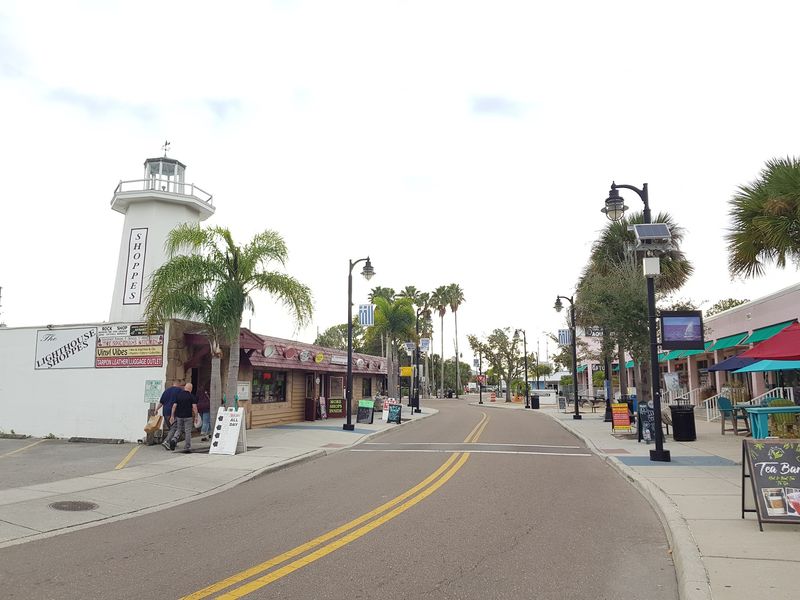
Sponges built this town. Greek divers arrived in the early 1900s and turned Tarpon Springs into a sponge-harvesting powerhouse.
That heritage still shapes the community today. The city has one of the highest percentages of Greek Americans in the country, and you’ll feel it in the food and culture.
The Sponge Docks along Dodecanese Boulevard are the main attraction. Boats bob at the docks while shops sell natural sponges, soaps, and souvenirs.
Greek bakeries and restaurants line the boulevard, tempting you with pastries and classic dishes. Boat tours also leave from here, some showing how sponge diving works.
Weekends bring heavy crowds to this compact stretch. Locals often skip the docks then and save visits for quieter weekday afternoons.
You can find some breathing room by wandering to the historic downtown along Tarpon Avenue. It’s a short drive or long walk from the docks.
Grab a bag of baklava before you leave. Trust us, the car ride home feels shorter with honey and pastry involved.
7. Cedar Key
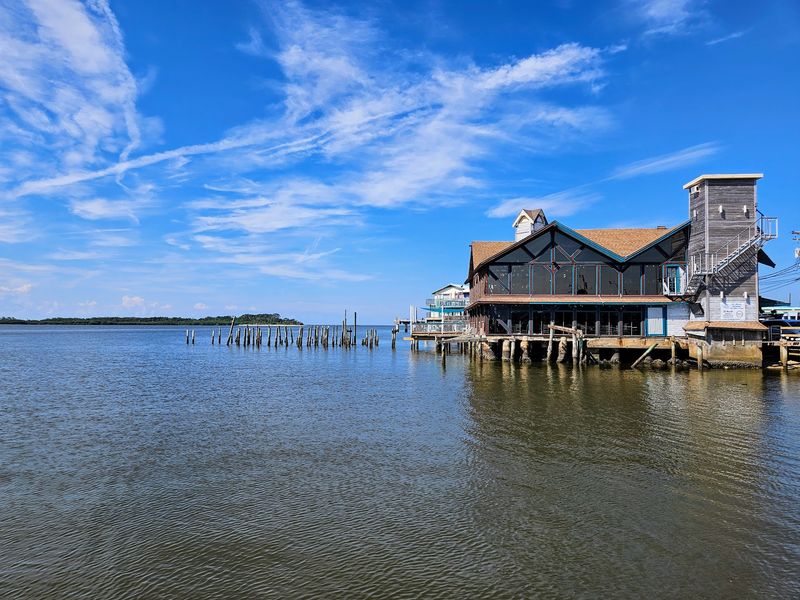
Fewer than 800 people live in Cedar Key. On a holiday weekend, you might swear the whole state dropped by.
This island town sits on Florida’s Gulf Coast, far from big highways and theme parks. It keeps an Old Florida fishing village feel that’s become rare.
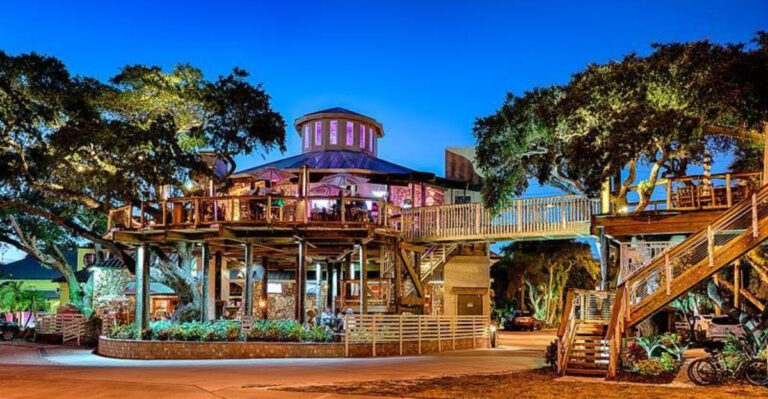
Dock Street is the center of attention. Weathered buildings perch over the water on stilts, holding seafood restaurants, shops, and decks with wide Gulf views.
Clams are a big part of local life. Cedar Key is known for its clam farming industry, so seafood fans tend to arrive hungry.
Sunset turns Dock Street into a crowd magnet. People line the railings to watch the sky change color over the water.
Locals often avoid Dock Street during festivals and busy weekends. Weekday visits give you easier seating and quieter boardwalks.
The town’s slow pace is part of the fun. Rent a golf cart, wander the side streets, and let the island’s sleepy rhythm reset your mood.
8. Apalachicola
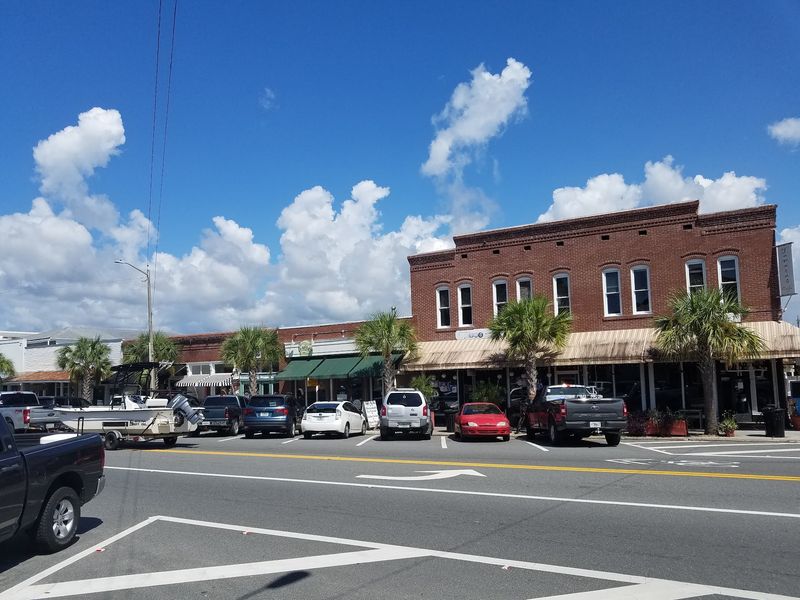
Air conditioning has roots here. Dr. John Gorrie worked on early ice-making machines in Apalachicola during the 1840s, which Floridians still appreciate.
This small town sits on Apalachicola Bay in the Panhandle. Its downtown keeps a low-rise look, with brick storefronts left from its busy cotton-shipping days.
Avenue E and Market Street anchor the downtown core. Shops, galleries, and seafood restaurants fill old buildings within easy walking distance of the water.
Apalachicola built a national reputation for oysters. While the bay’s wild oyster harvest has faced major challenges, seafood still sits at the center of the town’s identity.
Weekends bring coastal travelers and food lovers downtown. The streets aren’t huge, so even modest crowds can make them feel busy.
Locals often handle downtown business on weekdays. You’ll enjoy browsing more when you’re not dodging shopping bags on narrow sidewalks.
Visit the John Gorrie Museum State Park for that cool history lesson. It’s a fun reminder that this sleepy town helped shape modern comfort.
9. Sanibel
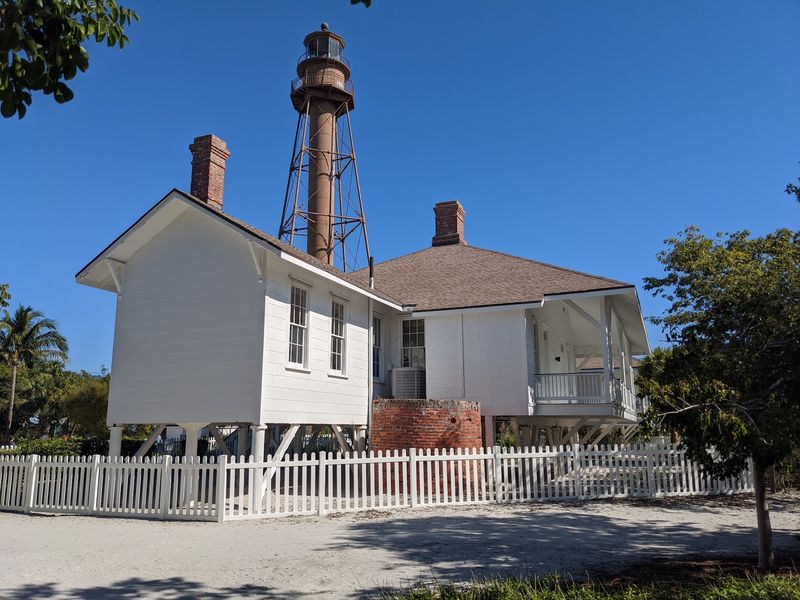
Shell lovers have a name for their famous hunched-over posture here. It’s called the “Sanibel Stoop,” and it’s spotted on beaches daily.
This barrier island in Southwest Florida is famous for shells. Its east-west shape helps the Gulf wash huge numbers of them onto the sand.
Sanibel takes conservation seriously. The island has strict building rules, no high-rises, and large protected areas, including the J.N. “Ding” Darling National Wildlife Refuge.
Periwinkle Way is the main commercial road. Shops, restaurants, and businesses line this shaded strip, and traffic piles up during peak season.
Winter and spring bring the heaviest crowds. Residents often time errands early or avoid Periwinkle Way during the afternoon rush.
Bikes are a smart way around. The island has an extensive network of shared-use paths, so you can skip traffic and enjoy the scenery.
Hurricane Ian hit Sanibel hard in 2022, and the island has worked steadily to rebuild. Check ahead for updates on beaches and attractions before you go.
10. Cocoa Beach
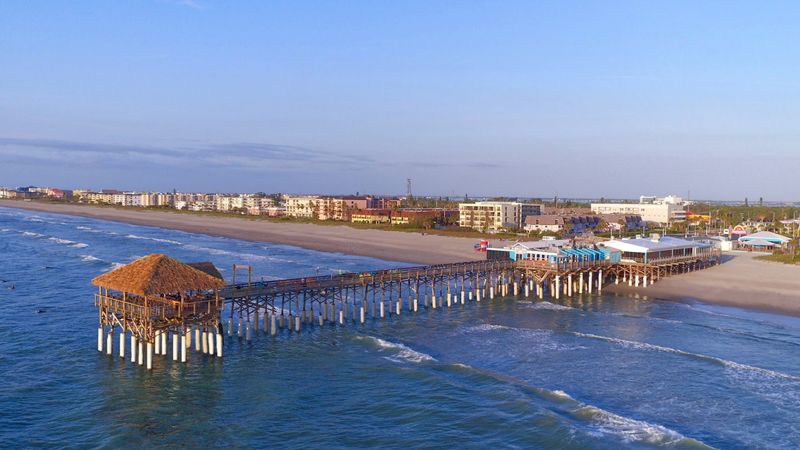
Rocket launches double as local entertainment in Cocoa Beach. Few towns can claim spaceflight as part of the beach scenery.
This barrier island town sits on Florida’s Space Coast, near Kennedy Space Center and Cape Canaveral. It keeps a classic mid-century beach town feel.
Cocoa Beach is a big surfing destination on the East Coast. Waves, wide sand, and a laid-back mood draw surfers and families alike.
The Cocoa Beach Pier stretches out over the Atlantic. It’s a popular spot for fishing, strolling, and watching surfers ride below.
Downtown clusters around Minuteman Causeway, with shops and restaurants close to the beach. Cruise passengers from nearby Port Canaveral add even more foot traffic.
Locals often avoid the pier area on sunny weekends and launch days. You’ll find calmer stretches of sand by heading to beach access points farther from the center.
Check the launch schedule before your trip. Watching a rocket climb over the ocean beats any souvenir shop magnet you could buy.
11. Naples
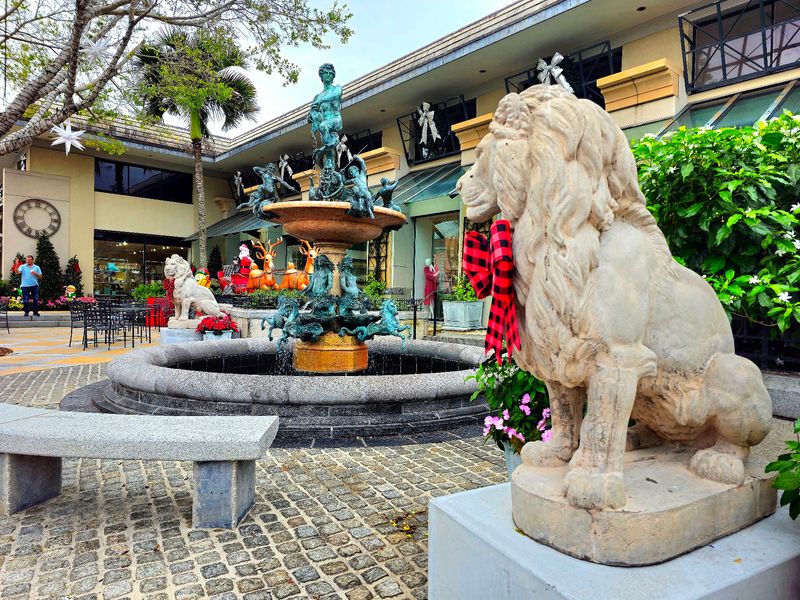
Winter in Naples feels like a reunion. Snowbirds return from the North, and the town’s population seems to swell overnight.
This Gulf Coast city in Southwest Florida is known for polished streets, sandy beaches, and gorgeous sunsets. Its downtown keeps a walkable, landscaped feel.
Fifth Avenue South is the star of the show. Palm trees line sidewalks filled with boutiques, galleries, and outdoor dining spots.
Third Street South adds even more shopping in a charming setting. Together, these districts pull dense crowds from roughly December through April.
Locals often avoid downtown during peak season, especially at dinnertime. Reservations become precious, and parking garages fill up fast.
The Naples Pier is currently closed for reconstruction, so check the city’s latest updates before planning a visit.
Visit in late spring or fall if crowds aren’t your thing. You’ll still get the beautiful streets, just with more elbow room and easier tables.
12. Safety Harbor
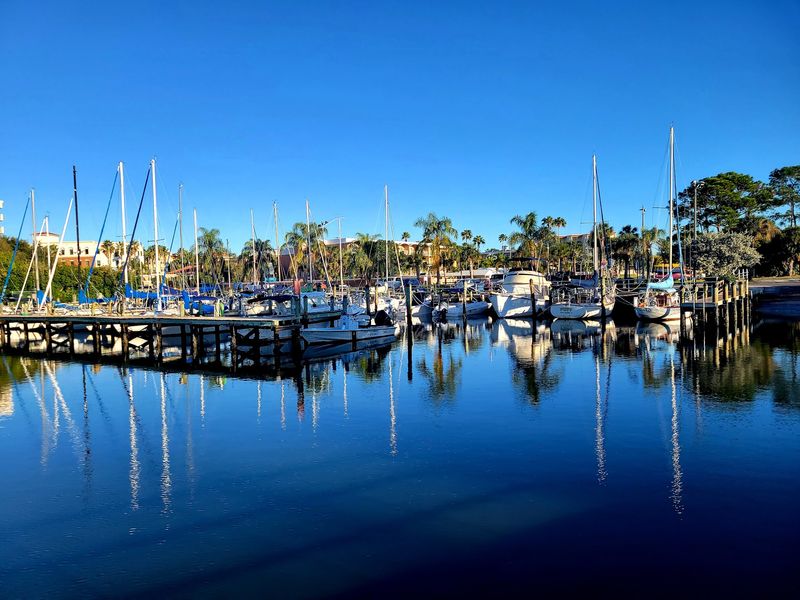
Mineral springs gave Safety Harbor its early fame. People came for the waters long before anyone thought about weekend brunch.
This small town sits on the western shore of Old Tampa Bay in Pinellas County. Its springs drew visitors for generations, and a historic spa resort still operates there today.
Main Street is the town’s heart. Shaded by trees, it’s lined with restaurants, cafes, shops, and murals that give it a creative personality.
The street leads down toward the waterfront and marina. You can stroll to the bay and enjoy views across the water.
Weekends bring day-trippers from Tampa, Clearwater, and St. Petersburg. Markets and events can make the compact downtown feel surprisingly busy.
Many residents tend to enjoy Main Street on quieter weekdays. You’ll grab a table faster and actually hear your friends talk.
Look out for Whimzeyland, a home covered in colorful bowling balls and folk art. It’s quirky, fun, and the kind of detail that makes Safety Harbor memorable long after you head home.