Most People Don’t Know This Florida Town Has Its Own Freshwater Beach
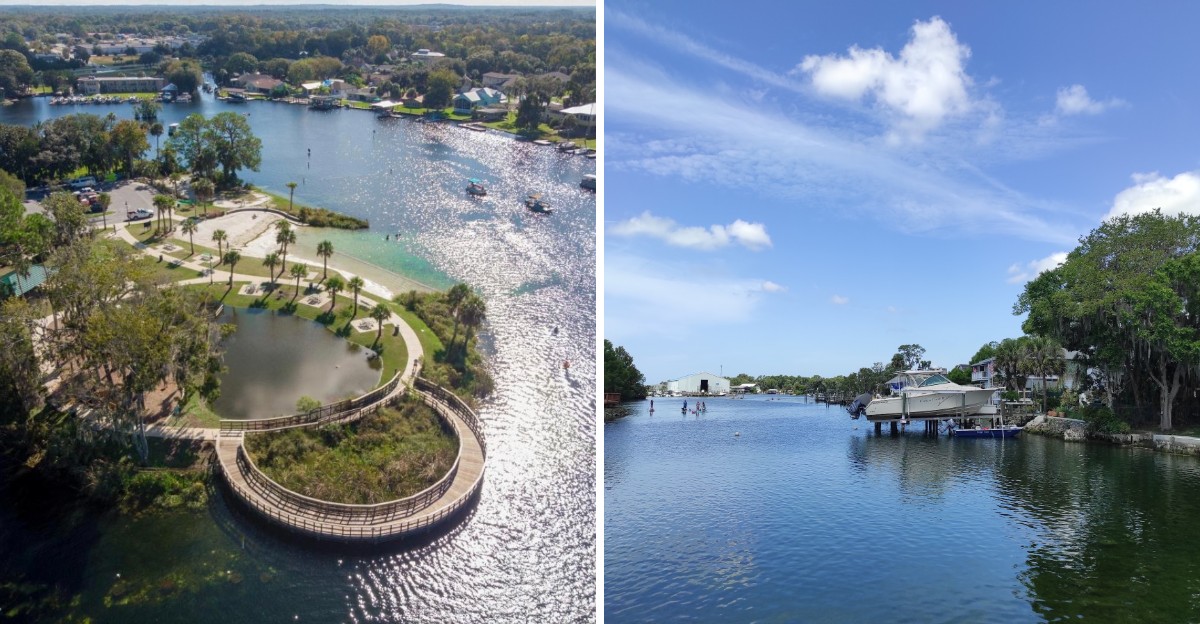
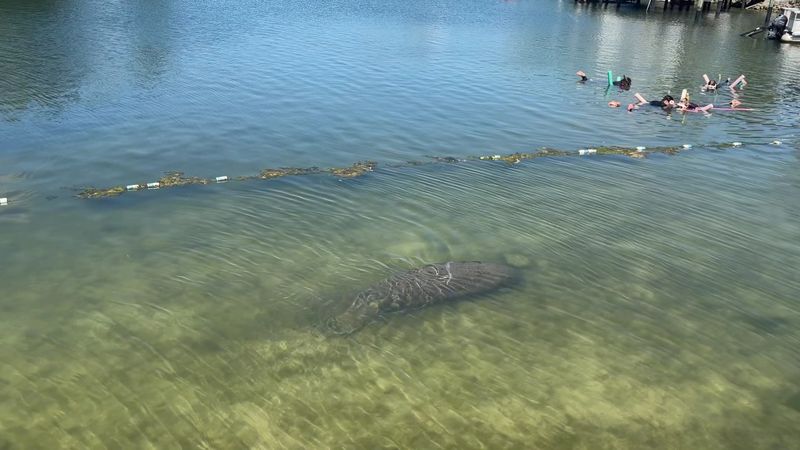
A manatee can drift right past your beach towel here. Not in a tank, not behind glass, but through a roped-off swimming area with soft white sand underfoot.
The water comes from a natural spring, so it stays cool and clear all year. That means a Florida beach day where the water feels refreshing even in July. I like how a city park pulls this off without any fancy theme or ticket booth.
The shoreline is small, and the vibe is easygoing. Families build sandcastles while paddlers slide kayaks into the water a few steps away. Snorkelers float face-down, hoping for a gentle gray visitor.
I can’t imagine a better surprise for anyone who thinks freshwater means muddy lakes. So where exactly is this spring-fed beach, and how do you make the most of it?
1. A Real Beach Where The Water Bubbles Up From Underground
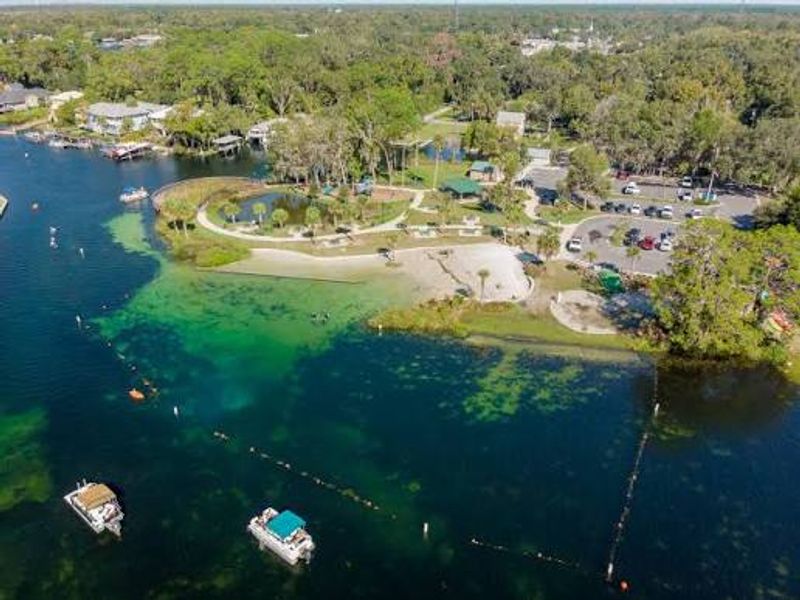
Sand, sunshine, and a spring bubbling up near a buoy. That combo is the whole magic of Hunter Springs Park, the city park that holds Hunter Springs Beach in Crystal River.
The spring feeds water straight into the swim zone from below. You can sometimes spot the deep opening right there, with the bottom still visible through the clear water.
Most Florida beaches come with salt, waves, and seaweed. Here you get calm, fresh water that won’t sting your eyes or crust your hair.
The beach itself is small, so don’t expect miles of shoreline. Think cozy neighborhood strip of white sand, perfect for a towel, a cooler, and a few hours of doing very little.
The swimming area is fully roped off, which keeps boats and paddlers at a safe distance. That one detail makes the space feel relaxed instead of chaotic.
Parents love the shallow edge where little kids can splash without wandering too deep. Older kids can head toward the deeper spring area for more adventure.
Bring water shoes if you have sensitive feet, though the sandy bottom is soft in most spots. Pack sunscreen too, because the shade won’t follow you into the water.
It’s honestly the kind of place that makes you wonder why more towns don’t have one. Then you remember springs don’t exactly come in kits.
A freshwater beach fed by Florida’s famous aquifer? Most folks drive right past without a clue.
2. Cool Water Feels Like A Gift When Summer Turns Up The Heat
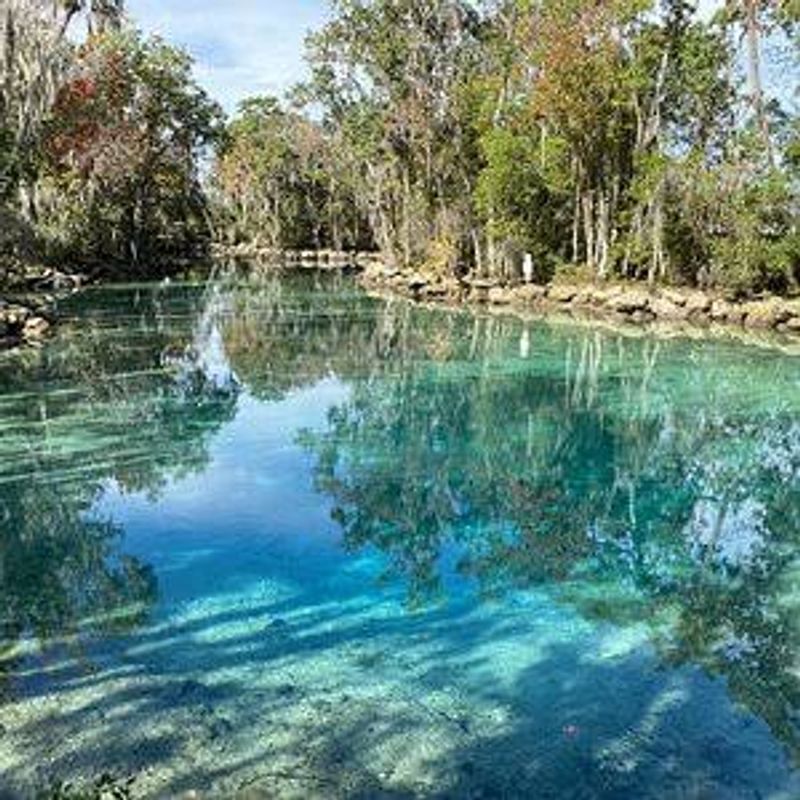
Spring water in this part of Florida stays in the low 70s all year. Summer gets a cold splash, and winter gets water warmer than the air.
That steady temperature is what makes this beach so special. When the Gulf feels like bathwater in August, the spring still feels crisp.
Some swimmers find the first step a little shocking. Ease in slowly, or just commit and plunge, whatever matches your personality.
The clarity is the other big perk. On good days, you can look down and see your toes, the sandy bottom, and fish cruising by.
Clarity does change with weather, rain, and season. Away from the swim area, the water in the bay can look less glassy, so expect some variety.
Life jackets are a smart idea, even for strong swimmers. Cool water tires your body faster than you might expect, especially during long snorkel sessions.
There’s a life vest loaner station at the park, which is a thoughtful touch for families. Grab one for kids, then return it so the next family can use it.
A pool noodle also helps you float without kicking up the bottom. Stirred-up sand clouds the water and ruins the view for everyone nearby.
Bring a towel or light jacket for after your swim. Stepping out of cool water into a breezy afternoon can surprise you.
Comfort tip: dry off fast, then grab a snack in the shade.
3. Your Swim Buddy Might Weigh More Than A Small Car
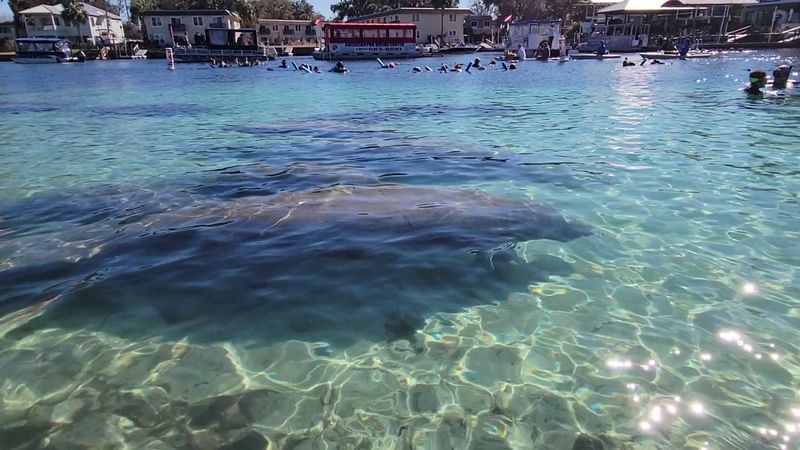
Crystal River calls itself the Home of the Manatee, and it earns that title. Kings Bay hosts one of the biggest winter gatherings of these gentle giants in Florida.
Hunter Springs Beach sits right on Kings Bay. Manatees sometimes wander right into the swimming area, which feels like a nature documentary showing up uninvited.
Adult manatees can weigh well over a thousand pounds. Yet they move slowly and calmly, like they have nowhere important to be.
Winter is the best season to spot them. When the Gulf cools down, manatees head for the warmer spring water to stay comfortable.
Here’s the big rule: look, but don’t touch. Manatees are protected, and chasing, poking, or crowding them is against the law.
Passive observation is the goal. Float quietly at the surface and let the manatee decide how close it wants to come.
Keep your feet off the bottom too. Kicking up sand makes the water murky and can send manatees swimming away.
A mask and snorkel make a huge difference for viewing. So does a waterproof camera, if you want proof for the friends back home.
Spotting a calf beside its mom is an extra treat. Give the pair lots of space, since calves stick close to their mothers.
Patience pays off. Sometimes the best encounter happens after you’ve stopped looking and started floating.
4. Paddlers Get Their Own Launch Right Beside The Sand
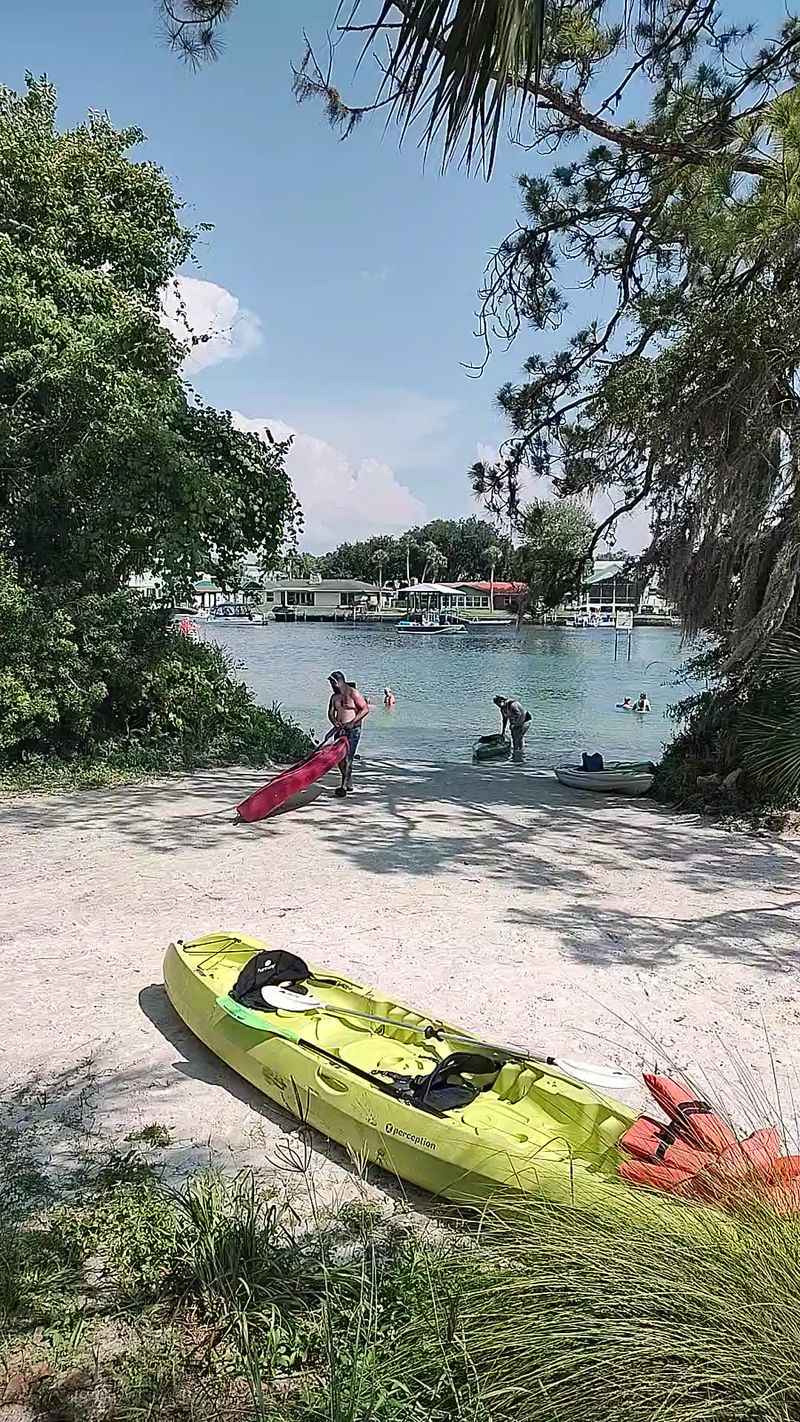
Kayakers, meet your new favorite starting line. Hunter Springs Park has a launch built for paddle craft, separate from the swim area.
The sandy launch means no scraping your board on rough concrete. Just slide in, hop on, and start paddling into Kings Bay.
There’s a small launch fee per vessel, so plan ahead. Card payment is the norm at this park, so cash-only folks should prepare.
From the launch, you can paddle around Kings Bay and explore nearby springs. Three Sisters Springs is reachable by water, though access rules shift with the seasons.
During manatee season, some areas close to boats and paddlers. Those closures protect resting manatees, so always check current rules before heading out.
Boat traffic does pass through the nearby channel. Most boats travel at idle speed in the manatee zones, but stay alert and visible.
No kayak? No problem. Several outfitters operate near the park and rent kayaks, paddleboards, and snorkel gear.
Tours also leave from the area for guided manatee swims. Guides know the etiquette and the best viewing spots, which helps first-timers.
Paddleboarders love the calm water here. Even beginners can find their balance without fighting ocean waves.
Pets on boards are a fun sight too, though check park rules before bringing your four-legged first mate.
Bring a dry bag for your phone. The spring is beautiful, but nobody wants to fish a phone out of it.
5. Little Kids Run The Show On Shore Too
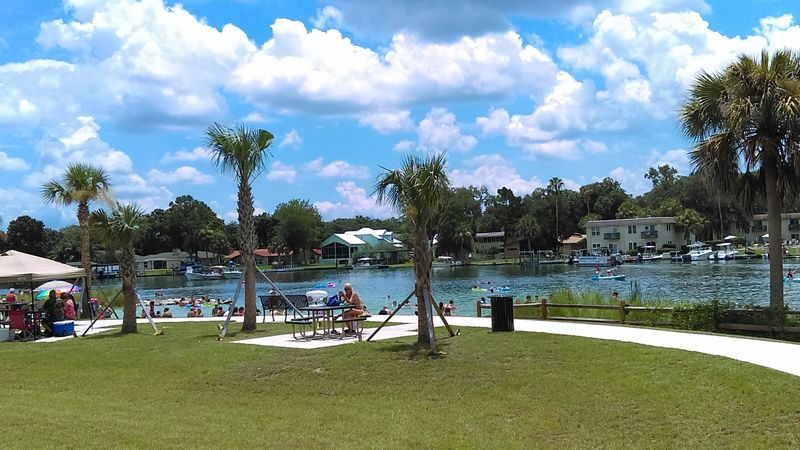
Sandcastle builders, reporting for duty. The soft white sand here is ideal for buckets, shovels, and very serious construction projects.
Beyond the beach, the park has a playground for kids who need a break from swimming. It’s a handy way to burn off energy before lunch.
Picnic tables sit around the grounds, some with shade from tall trees. Grab one early if you plan to stay for a while.
Boardwalks and concrete walkways connect the different areas. They make moving strollers and wagons much easier than dragging them through sand.
The park is known for being wheelchair-friendly, which matters to many families. Accessible paths help everyone enjoy the water view together.
Restrooms are on site, plus a rinse area to wash off sand. Your car seats will thank you on the drive home.
One heads-up for hungry crews: there aren’t food vendors inside the park. Pack a cooler with sandwiches, fruit, and plenty of water.
Snacks are basically mandatory after a cold spring swim. Kids come out of that water starving, and grownups aren’t much better.
Benches give tired parents a spot to sit and supervise. You can watch the swim area and still keep your coffee upright.
Bring sunscreen, hats, and maybe a beach umbrella. Shade exists, but sunny Florida afternoons can still get intense fast.
A small park, sure. But it packs a full family day.
6. Parking Is The Real Boss Battle Here
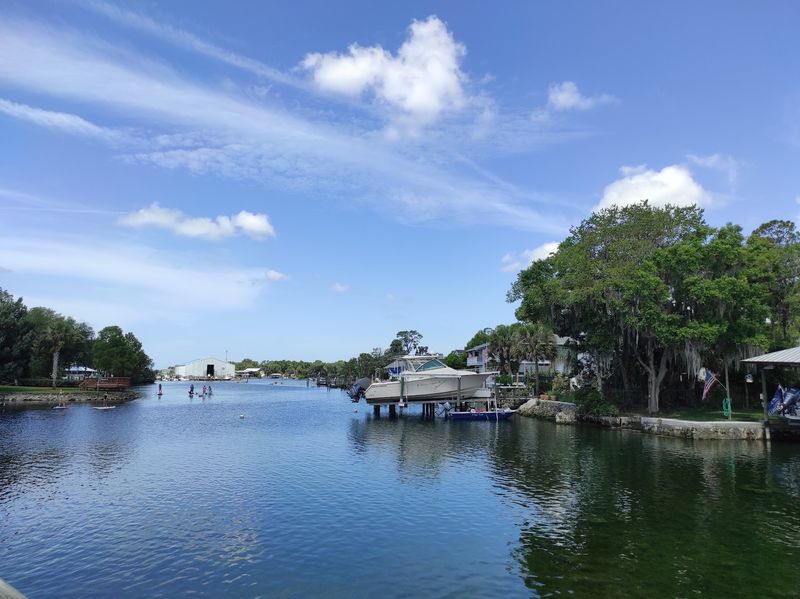
Everyone loves this park, and the parking lot knows it. Spaces fill quickly, especially on weekends and during busy manatee months.
The lot is small, so timing is everything. Arriving close to the 8 a.m. opening gives you the best shot at a spot.
Parking comes with a modest daily fee. You’ll likely need a card to pay, so keep one handy.
The good news is that parking near the water makes unloading easy. Coolers, kayaks, and chairs don’t have to travel far.
If the lot is full, look for legal street parking a short walk away. Read every sign carefully, because nobody wants a ticket souvenir.
A smart trick is the drop-and-park move. One person unloads gear and kids at the park while the driver finds a spot.
Weekdays usually feel calmer than Saturdays. If your schedule allows, a Tuesday swim might feel like a private club.
Late afternoon can open up spaces as early birds head home. The park stays open until 7 p.m., giving you time for an evening dip.
Be kind to fellow drivers circling the lot. Everyone’s chasing the same dream of cool water and a shady table.
Patience, a little planning, and good walking shoes solve most parking problems. The swim makes the effort feel worth it almost instantly.
7. Downtown Crystal River Sits Just Steps Away
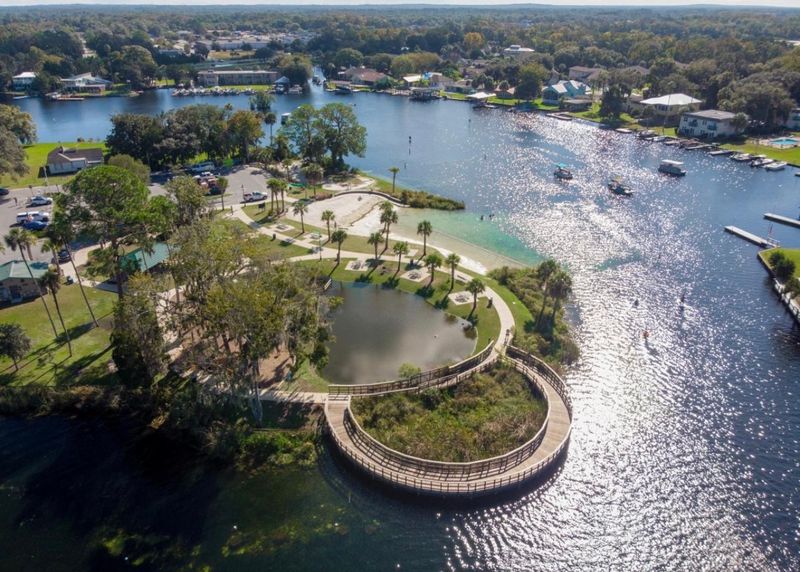
Location is a big part of the charm. Hunter Springs Park sits at 104 NE 1st Ave, Crystal River, FL 34429, close to the heart of town.
That means food, shops, and outfitters are nearby. You can swim in the morning and grab lunch without a long drive.
Crystal River is on Florida’s Nature Coast, about 90 minutes north of Tampa. It makes an easy day trip or a relaxed weekend base.
The park is surrounded by homes and quiet streets. It feels like a neighborhood spot rather than a giant tourist complex.
Hours run from 8 a.m. to 7 p.m. daily. Check with the city before visiting, since hours and fees can change.
Getting around on foot is simple once you’ve parked. Several rental shops sit within a short stroll of the beach.
Kings Bay wraps around this part of town, so water views pop up often. Boats, paddlers, and wildlife are part of daily life here.
Plan a full day by mixing beach time with a walk downtown. Ice cream after a cold swim feels a little silly, yet completely right.
Small-town Florida doesn’t always get the spotlight it deserves. This town proves a short drive off the highway can lead somewhere wonderful.
Keep the address saved on your phone. Signal can get spotty once the fun begins.
8. Three Sisters Springs Makes A Perfect Next Stop
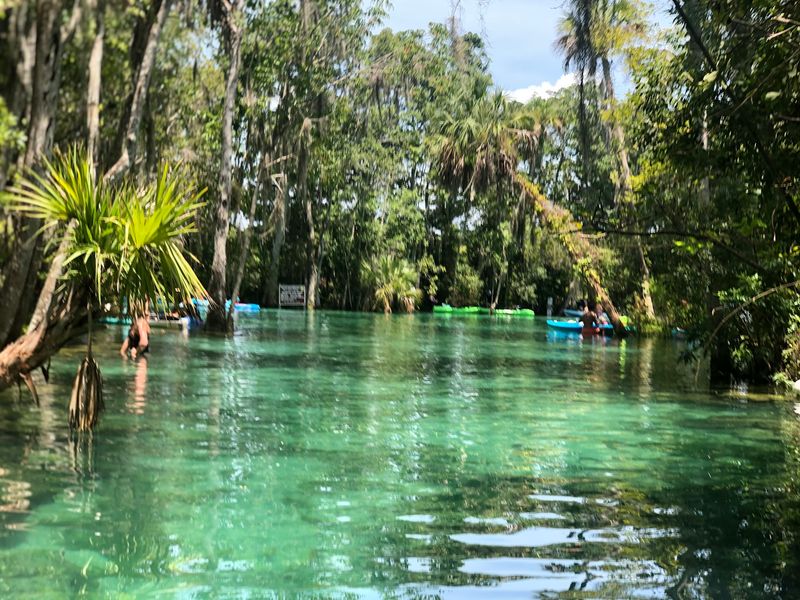
Bright turquoise water, wooden boardwalks, and manatees resting below. Three Sisters Springs is a nearby favorite that pairs nicely with a beach day.
This spring sits within Crystal River National Wildlife Refuge. It’s part of the only national wildlife refuge created especially for the Florida manatee.
Visitors can view the springs from a boardwalk on land. During winter, manatees often crowd the warm water, and the view feels unreal.
Paddlers can also reach the springs from Kings Bay at certain times. When manatees gather in large numbers, water access may close to protect them.
Land access usually runs through a shuttle or ticketed entry. Check current details before you go, since procedures shift with the season.
Another nearby option is the Crystal River Archaeological State Park. Its ancient mounds offer a peek into thousands of years of local history.
Homosassa Springs Wildlife State Park sits just south too. It features an underwater observatory where you can see fish and manatees up close.
Stacking these spots creates a full nature weekend. Each one shows a different side of this spring-rich corner of Florida.
Bring binoculars for birdwatching along the way. Herons, egrets, and ospreys regularly hang around the waterways.
Visiting the beach first is a smart warmup. Then you’ll know your manatee etiquette before heading to the bigger refuge.
9. Good Manners Keep This Spring Looking Its Best
Springs are delicate, even when they look tough. A few small habits help keep Hunter Springs Beach clear and healthy for years.
Start with your sunscreen choice. Reef-safe or mineral options are kinder to the water and the creatures living there.
Pack out every bit of trash. Wrappers and bottles can blow into the bay faster than you think.
Stay inside the roped swim area when swimming. Those ropes keep you safe from boats and protect sensitive spots nearby.
Kings Bay has gone through big restoration efforts in recent years. Crews have worked to remove muck and replant native eelgrass.
Eelgrass gives manatees food and helps keep water clearer. Every careful swimmer supports that hard work.
Float instead of standing whenever you can. Stirring the bottom clouds the water and can harm plants growing there.
Watch kids closely, even in shallow water. Life vests from the loaner station add an extra layer of safety.
Respect wildlife beyond manatees too. Fish, turtles, and birds all call this water home.
Leave space for others on the small beach. A little sharing keeps the mood friendly for everyone.
Treat this place like your own backyard spring. With care, Florida’s freshwater beach will keep surprising visitors for generations.
Plus, a clean spring makes your vacation photos look way better. Everybody wins.