This Hidden Florida Nature Preserve Has Ancient Sand Dunes Most People Don’t Know Exist
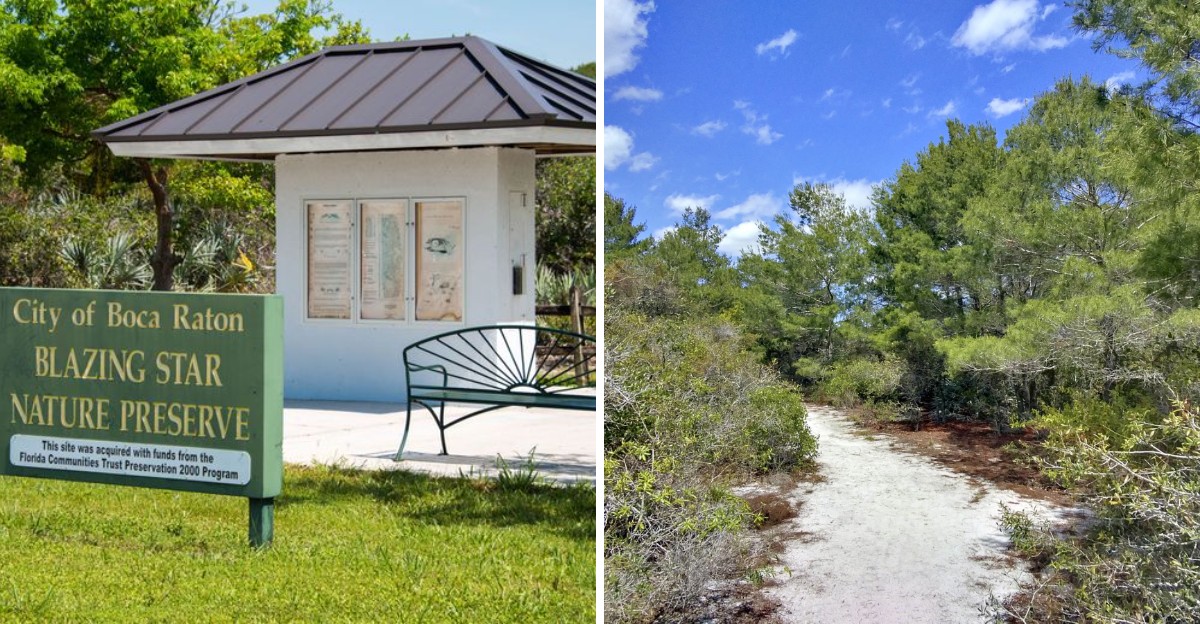
Thousands of drivers race past a patch of old sand dunes every single day, and almost none of them notice. The dunes sit right beside one of the busiest highways in Florida.
The sand here is pale and soft, like sugar spilled across the ground. It supports a rare scrub habitat that has mostly vanished from this part of the coast. Gopher tortoises dig their burrows in it.
I like how this spot hides in plain sight. It is small, free to enter, and wild in a quiet, scrappy way. You can walk sandy paths through low oaks, palmettos, and wildflowers.
I believe the best places are often the ones people overlook. This one is barely bigger than a few city blocks. So how did a slice of ancient coastline survive right next to the interstate?
1. The Sand Under Your Sneakers Is Older Than You Think
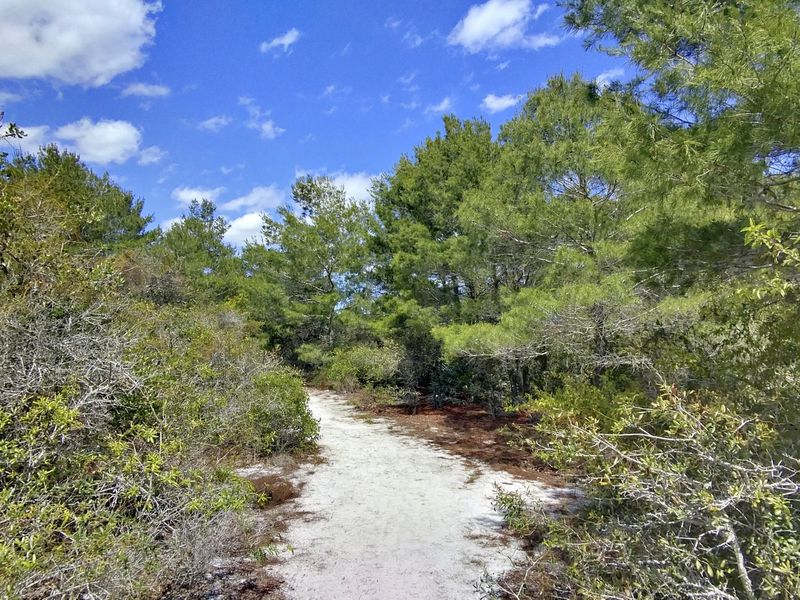
Blazing Star Preserve protects about 24 acres of land that most people would never guess is special. The secret is the bright, powdery sand covering nearly every trail.
That sand belongs to an old dune system that formed long ago, when the shoreline sat farther inland than it does today. Over time, the ocean pulled back and left these sandy ridges behind.
Most of these ridges in South Florida now hold houses, roads, and shopping centers. That makes any surviving piece feel a little like finding an original page from a very old book.
The City of Boca Raton manages the preserve and keeps it open as a natural area. Its job is simple but important: protect the habitat that grows on this unusual soil.
You will notice right away that the ground does not look like a typical Florida lawn. There is very little grass, and the sand stays loose and bright even in the middle of the day.
That loose sand drains water fast, so the plants here have adapted to dry conditions. Think of it as a desert mood with a Florida accent.
Kids usually love this part, because the trail feels like a beach without the ocean. Adults tend to appreciate the history once they realize what they are standing on.
So when you take your first steps, slow down and look at your feet. Few places let you walk on old coastline this easily.
2. A Purple Wildflower Gave This Place Its Name
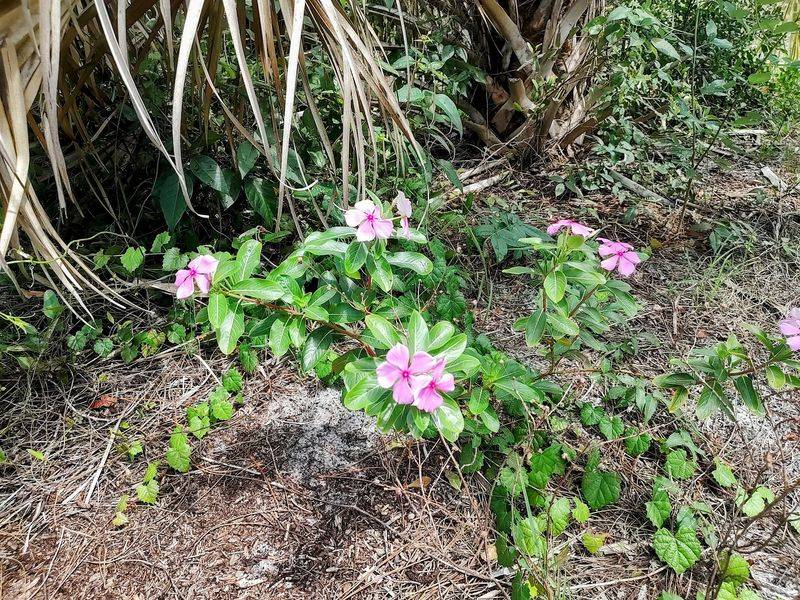
Purple flower spikes inspired the name of this preserve. Blazing star is a common name for Liatris, a group of native wildflowers that grow tall, slender stalks covered in fuzzy blooms.
These flowers fit right into sandy, sunny habitats like this one. They handle dry soil well, which is good news in a place where rain disappears into the ground almost instantly.
Liatris blooms are also popular with pollinators. Butterflies and bees visit them, so a flowering patch can feel busy in a cheerful, buzzing way.
Wildflower timing depends on the season and the weather each year. That means there is no promise of a purple show on any given day, so treat any bloom as a bonus.
The preserve has other wildflowers too, scattered along the trails and near the edges. A slow walk gives you a better chance of spotting color hiding between palmettos and shrubs.
Here is a fun trick for young hikers. Turn the walk into a color hunt and count every purple, yellow, or white bloom you see.
Please leave the flowers where they grow, though. Picking them takes food away from pollinators and robs the next visitor of the view.
A camera is the better souvenir here. A close-up photo of a fuzzy purple spike will look great, and the plant stays happy right where it belongs in Florida sand.
3. Keep Your Eyes Low For The Real Locals
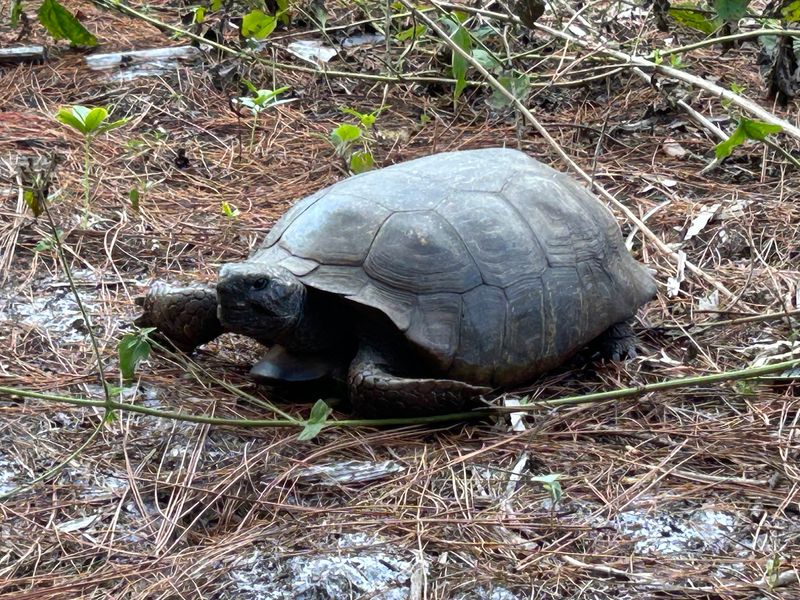
Gopher tortoises are the true celebrities of this preserve. They dig deep burrows in sandy soil, and this site gives them exactly the kind of ground they need.
A sign at the entrance highlights the tortoises, so they are clearly a big deal here. Spotting one is never guaranteed, but it is part of the fun.
These reptiles are a protected species in Florida. That means you can watch and photograph them, but you should never touch, chase, feed, or block one.
Their burrows matter far beyond the tortoises themselves. Hundreds of other animal species are known to use gopher tortoise burrows for shelter, which earns the tortoise a reputation as a keystone species.
Look for a half-moon-shaped opening in the sand with a fan of loose dirt in front. That is a burrow, and it may have a resident at home.
Give every burrow plenty of space. Stepping too close can damage the entrance, and nobody likes a guest who wrecks the front door.
Early morning and late afternoon can be good times to look, since the sun is less intense. Tortoises often munch on low plants near the trail edges.
Patience pays off here. Walk quietly, scan the ground, and you might catch one slowly chewing a leaf like it has nowhere to be, because honestly, it doesn’t.
4. Short Trees, Big Sky, And A Lot Of Sunshine
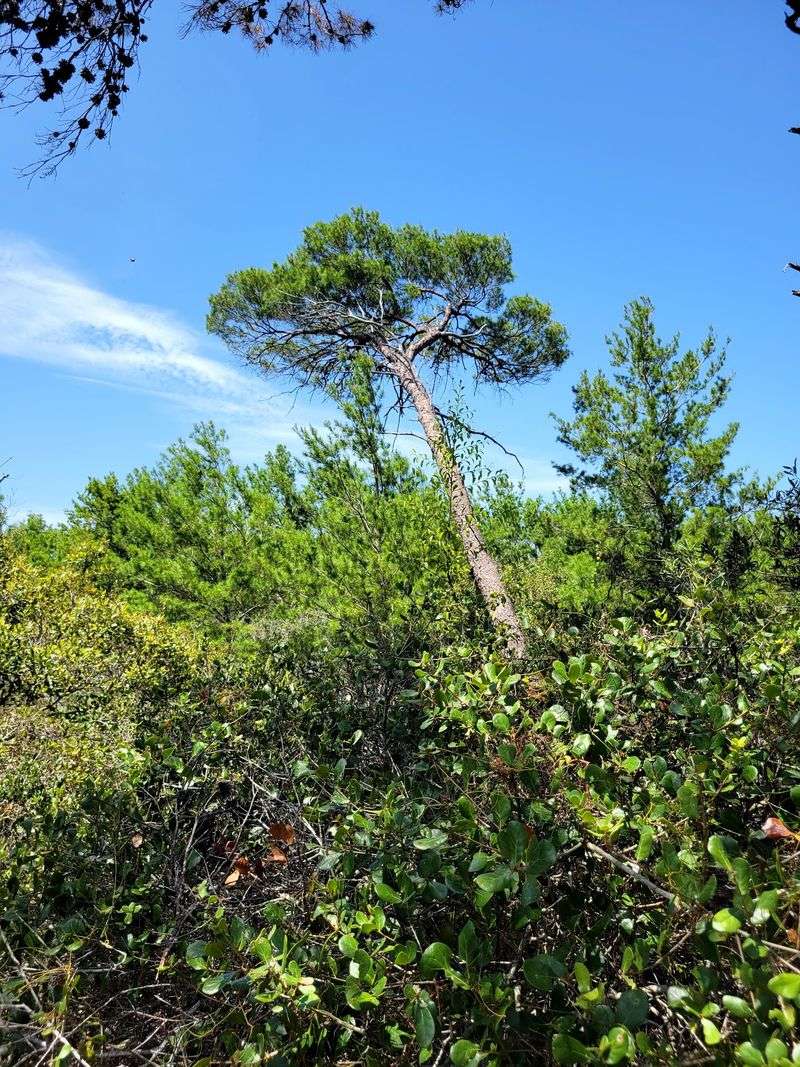
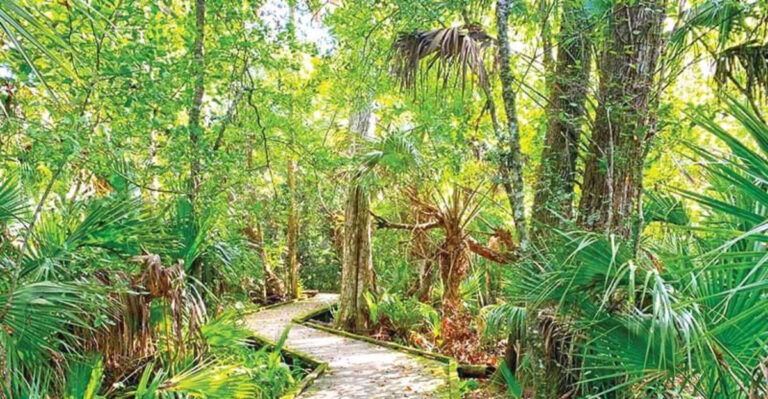
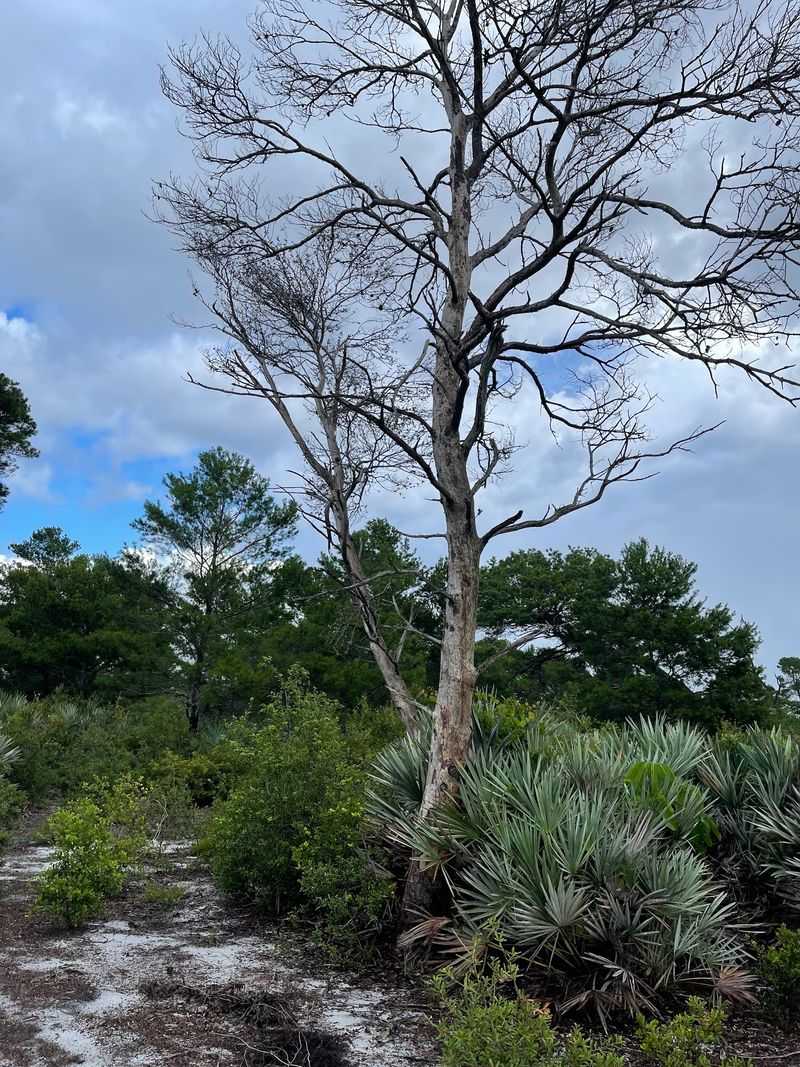
Tall shade trees are not the main characters at Blazing Star Preserve. Instead, the landscape is filled with low scrub plants, palmettos, and shrubby oaks that stay fairly short.
That open look is normal for scrub habitat. These plants grow slowly in poor, sandy soil, and many have tough leaves that hold up well to heat and drought.
The result is a wide sky overhead and lots of sunlight on the trail. It feels open and bright, which some people find refreshing.
It also means you should prepare for the sun. A hat, sunglasses, and sunscreen will do more for you here than on a shady forest path.
Morning visits are a smart move, especially in summer. The preserve opens at 7:30 a.m., which gives you a head start before South Florida heat really kicks in.
The plants themselves are worth a closer look. Some branches twist into odd angles, and leaves often feel stiff or waxy to help save water.
Spiders such as golden orb weavers sometimes build big webs between shrubs. They look dramatic, but they mostly want to catch insects, not hikers.
Scrub may not look lush like a rainforest. Still, it is one of the rarest habitats around, and seeing it up close helps you understand why protecting it matters so much.
5. Your Calves Will Notice This Trail Before Your Eyes Do
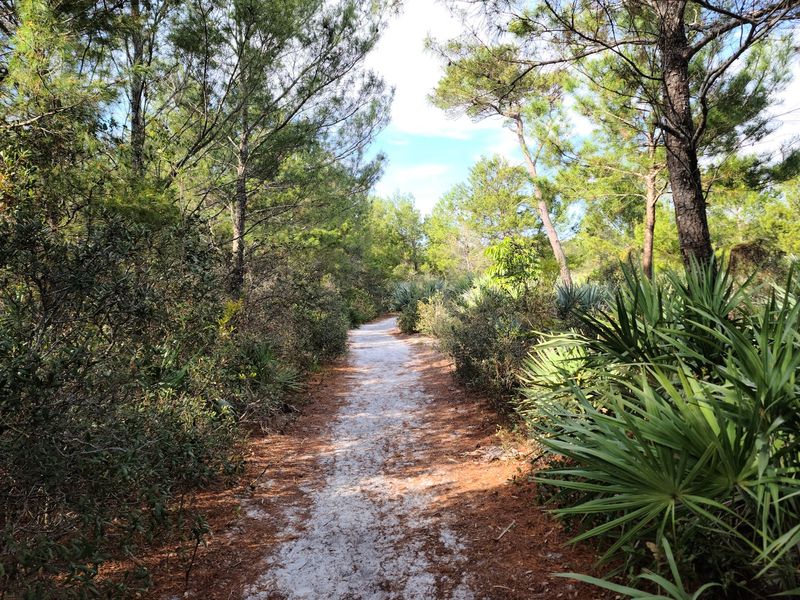
Soft sand makes even a flat walk feel like a workout. Each step sinks a little, so your legs work harder than they would on pavement.
The trail system here is short and flat, which makes it friendly for most ages. A walk of about a mile gives you a good taste of the preserve without wearing you out.
Closed-toe shoes and socks are your best friends. Sandals let the sand pour in, and you will be shaking it out of your shoes for hours.
Bikes can use the paths too, but the loose sand adds a real challenge. Wider tires help, and so does keeping an eye out for thorny plants along the edges.
A map sits near the trailhead, though some paths can feel a bit confusing. Parts of the route cross or follow maintenance roads, so pay attention at each turn.
One easy plan is to treat the walk as an out-and-back trip. That way, you can retrace your steps without worrying about missing a junction.
Benches appear here and there if you need a breather. Use them to rest, drink water, and scan the scrub for wildlife.
The best pace is slow and curious. This is not a place for racing, since the coolest things here are small and easy to miss if you rush past.
6. Leave The Pup At Home For A Very Good Reason
Dog lovers, this one needs a quick heads-up. Pets are not allowed at Blazing Star Preserve, which sets it apart from many other walking spots in Boca Raton.
The rule is all about the gopher tortoises. Dogs can dig into burrows, chase wildlife, or stress animals that already have limited places to live.
Even a calm, well-trained dog leaves scent behind. Wildlife can react to that scent long after the dog has gone home.
So think of this as a people-only adventure. It is a chance to focus on the plants and animals without juggling a leash.
If your dog needs a walk the same day, plan it for a different park. Boca Raton has other green spaces where pets are welcome under local rules.
Respecting the rule also keeps the preserve pleasant for everyone else. Families with small kids can explore without worrying about surprise encounters.
The same respect applies to everything you bring in. Pack out your trash, stay on marked paths, and keep bikes or feet away from burrows.
Small preserves depend on visitors following small rules. When everyone does their part, a 24-acre patch of Florida scrub can keep doing its big job of sheltering wildlife for years to come.
7. Pack Like A Pro Before You Pull Into The Lot
Finding the entrance is easy once you know the street. Blazing Star Preserve sits at 1751 W Camino Real, Boca Raton, FL 33486, just west of I-95.
Hours run from 7:30 a.m. to 5:30 p.m. every day of the week. Arriving close to opening gives you cooler air and softer light for photos.
Gate timing can occasionally vary, so build a little flexibility into your plans. Having a backup stop nearby keeps the day from feeling wasted.
Now for the important part: there are no restrooms or water fountains on site. Use the bathroom before you go, and bring more water than you think you need.
Snacks are a good idea too, especially with kids. There is no food for sale, so a small backpack goes a long way.
Here is a simple checklist that works well in Florida sun. Bring water, sunscreen, a hat, sunglasses, closed-toe shoes, and bug spray.
A phone camera with zoom helps for wildlife. You can capture a tortoise or bird from a respectful distance without crowding it.
Visiting is free, which makes this an easy add-on to any Boca Raton outing. Just remember that a little preparation turns a short walk into a much more comfortable adventure.
8. The Interstate Next Door Makes This Story Even Wilder
Traffic hums along one side of this preserve all day long. I-95 runs right beside it, and a railroad line is close by as well.
That noise is part of the experience, and it helps to expect it. Some walkers bring headphones, while others simply tune it out after a few minutes.
Honestly, the location is what makes this place so fascinating. A rare habitat survives in the middle of one of the busiest corridors in Florida.
Think about how much land along the coast has been paved over. This little patch made it through, and that alone deserves some respect.
The contrast can be a great teaching moment for kids. You can talk about how cities grow and why saving natural areas takes planning.
Wildlife does not seem to mind the busy neighbor as much as you might expect. Tortoises, rabbits, birds, and lizards still make a home here.
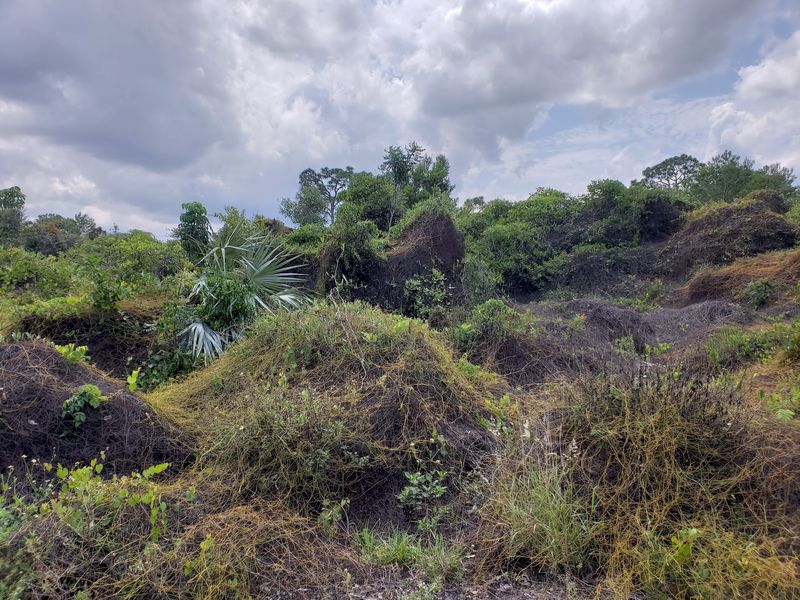
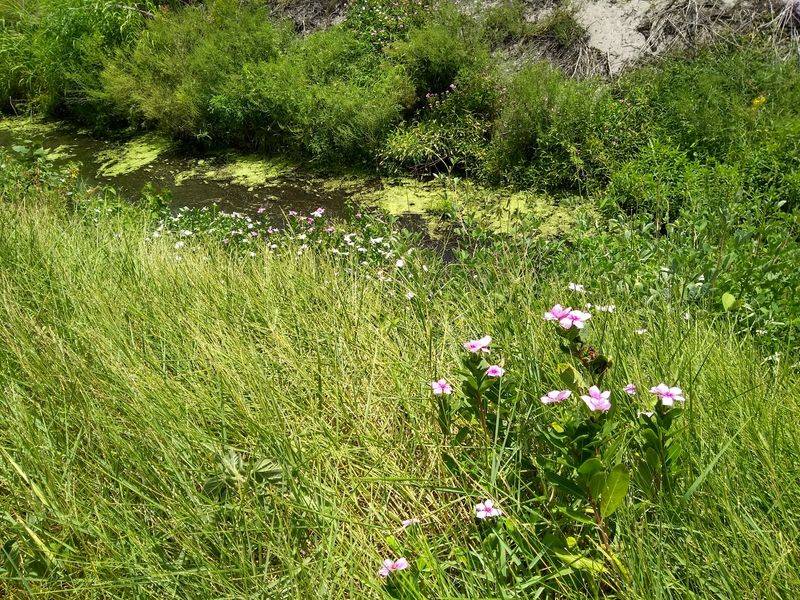
Near the highway side, a drainage area adds a slightly different look to the landscape. Wildflowers sometimes grow along those edges during the right season.
So instead of fighting the sound, let it remind you where you are. Few experiences beat watching a tortoise munch quietly while thousands of cars rush past, completely unaware of the ancient dunes beside them.
9. Turn A Quick Walk Into A Full Boca Raton Day
A short preserve walk pairs nicely with a bigger park nearby. Sugar Sand Park is close to Blazing Star Preserve, and it offers more amenities for families.
The name Sugar Sand is no coincidence. It points to the same soft, pale sand that makes this part of Boca Raton so interesting.
Starting at the preserve in the morning makes sense. You catch cooler temperatures and better chances for wildlife before moving on.
After that, a park with restrooms and more space to roam feels like a nice reward. Kids especially appreciate having a place to burn extra energy.
This combo also works for visitors staying in Boca Raton for a few days. It adds a nature stop to a trip that might otherwise focus only on beaches and shopping.
Locals can use the preserve as a quick reset during a busy week. A mile of sandy trail is enough to clear your head without eating up the whole afternoon.
Every season brings something a little different to notice. Blooms, insects, and wildlife activity can shift through the year, giving you a reason to return.
Small as it is, Blazing Star Preserve leaves a big impression on curious visitors. It proves that a piece of old Florida can still hide in plain sight, waiting for anyone willing to look down.