The First Spanish Settlement Of St. Augustine Was Uncovered At This Florida Park
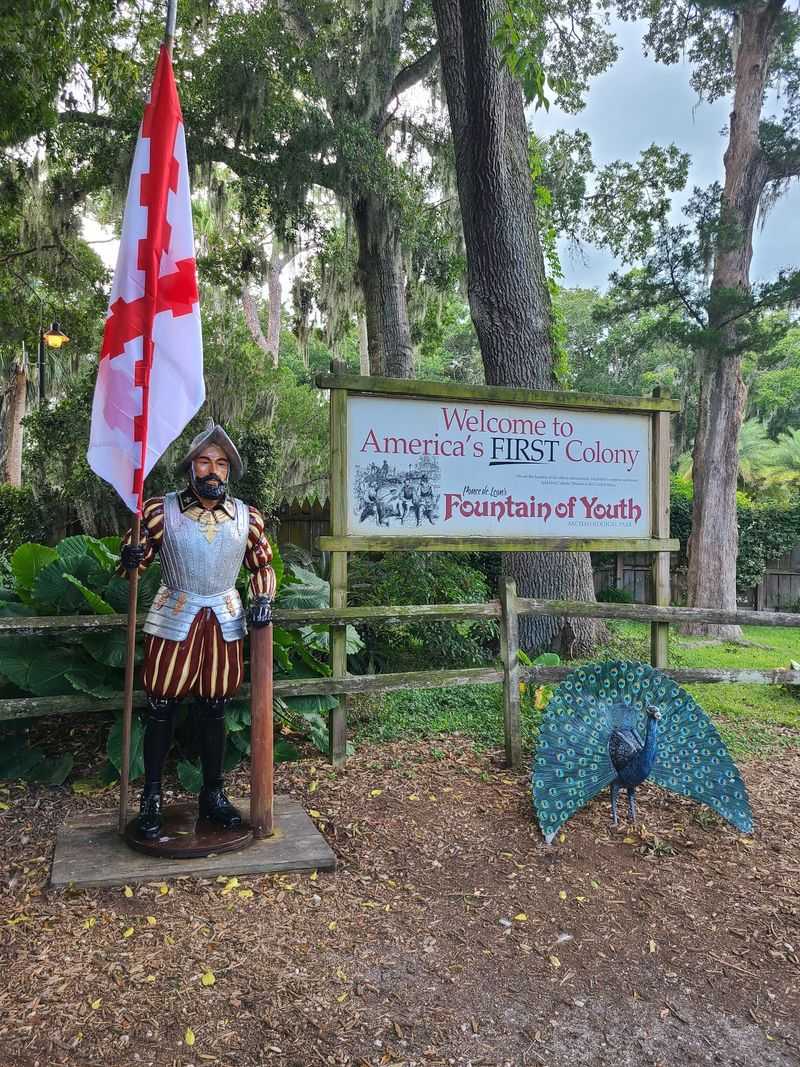
A Spanish cannon booms over the water here, and the crowd around it is often outnumbered by peacocks. That alone would earn a stop on my list. Then you learn what sits under the lawn.
Archaeologists dug here for decades. They found traces of a Timucua village and evidence tied to Pedro Menendez de Aviles and his 1565 landing. I can’t imagine mowing grass that holds that much history.
This Florida waterfront park also lets you sip from a famous spring. The water carries a strong sulfur taste, so expectations should stay modest. I like how the legend and the real dig share the same ground.
So which wins your attention first? The roaring cannon, the strutting birds, or the story of where a nation’s oldest city began?
The Ground Here Holds A Story Older Than The Legend
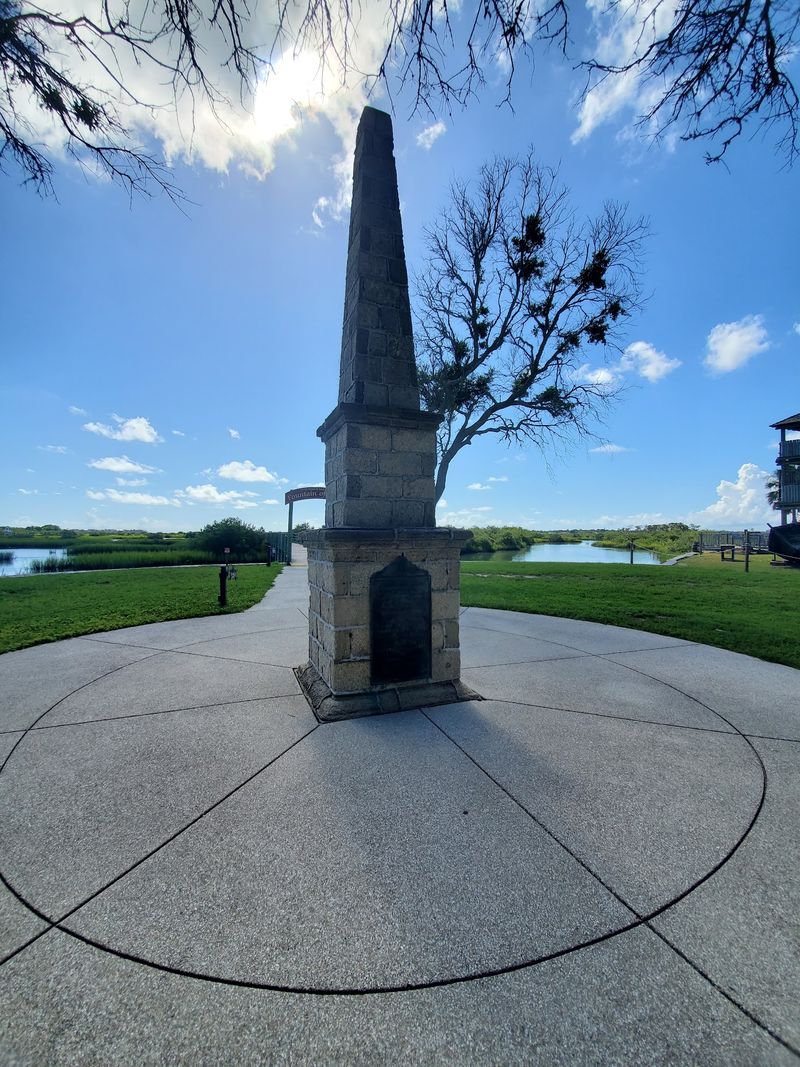
Archaeology, not myth, is the real headline at Ponce de Leon’s Fountain of Youth Archaeological Park. Researchers working here uncovered evidence of the first Spanish settlement connected to the founding of St. Augustine.
Pedro Menendez de Aviles landed in 1565 and claimed the area for Spain. His early camp was set up near a Timucua village called Seloy, and digs on these grounds helped connect the dots.
Many of those investigations were led by University of Florida researchers over several decades. Their work turned a spot known for a quirky legend into a serious historical site.
That shift matters for how you explore. Instead of just snapping a photo by the spring, you can trace how people actually lived here centuries ago.
The park covers about 15 waterfront acres. Exhibits, markers, and reconstructions spread across the property, so give yourself time to wander.
A smart tip is to read the signs as you go. They explain what was found and why it changed the story of early Florida. You might arrive for the fountain, but the dirt beneath your sneakers tells the bigger tale.
Yes, You Can Actually Sip From The Famous Spring
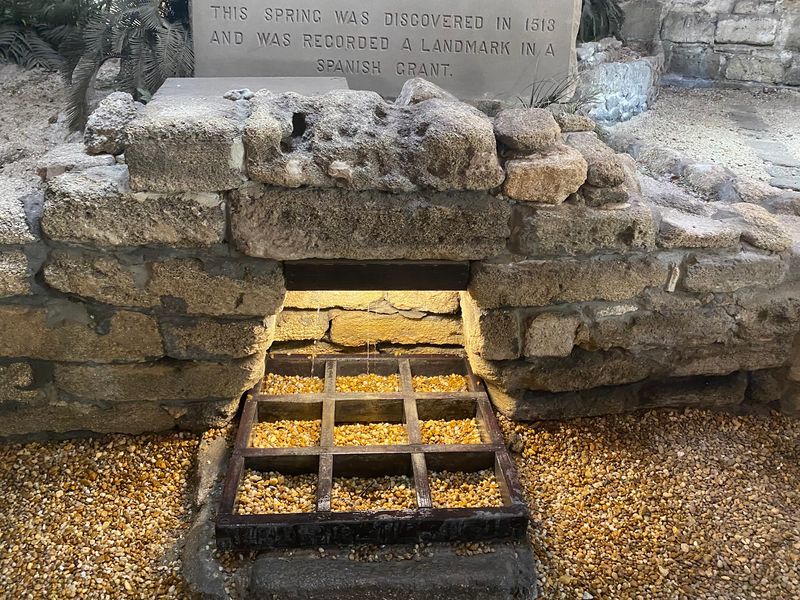
Little paper cups might be the most popular souvenir on site. Visitors line up to taste water from the spring tied to Juan Ponce de Leon’s legend.
The story says Ponce de Leon came searching for a fountain that restored youth. Historians doubt he was hunting for any such thing, yet the tale stuck like glue.
Inside the spring house, displays help set the scene of the explorers’ arrival. You get the legend, the backdrop, and a sample, all in one stop.
Now for honest expectations. The water is mineral-rich and has a strong sulfur flavor, so think rotten-egg hint rather than lemonade.
Still, tasting it is half the fun. Families treat it as a playful ritual, and it makes a great photo moment for kids and grandparents alike.
Take a small sip first if you’re unsure. You can always go back for a second cup if you feel extra hopeful about those wrinkles.
Will you walk out looking younger? Probably not. But you’ll definitely walk out with a story, and that beats a face cream any day.
Cover Your Ears When The Spanish Cannon Speaks
BOOM. That sound rolling across the water is a regular part of the day at this Florida park. Costumed interpreters fire a Spanish-style cannon during scheduled demonstrations.
Before the blast, the presenter walks through how gun crews loaded and fired these heavy pieces. You learn about black powder, teamwork, and why safety mattered so much aboard ships and forts.
The shot heads out toward the water, giving the smoke a dramatic stage. It’s loud enough to make even teens look up from their phones.
Timing is key here. Demonstrations run on a schedule, so check the posted times when you arrive and plan your route around them.
Arrive a few minutes early for a decent viewing spot. Small kids may want hands over ears, or you can stand a bit farther back.
Some days also feature musket-style black-powder demonstrations. Those add another layer to the story of how Spanish soldiers defended early settlements.
Honestly, it’s hard to find a better history lesson that ends with a giant puff of smoke. Teachers everywhere would be jealous of that attention span.
Peacocks Run This Place And They Know It

Royalty here wears feathers. Free-roaming peafowl stroll the paths at Ponce de Leon’s Fountain of Youth Archaeological Park like they paid for the place.
The park serves as a home for dozens of these birds. You’ll spot the classic blue-and-green peacocks, and sharp eyes may catch a white one too.
They wander under huge oak trees draped in Spanish moss. When a male fans his tail, every camera nearby suddenly points the same direction.
Feeding is allowed using feed from coin-operated dispensers. Bring some quarters, since cash and coins can be hard to find on a modern trip.
Keep a respectful distance and let the birds come to you. They’re used to people, but they still appreciate good manners.
Watch your snacks, too. A curious peacock won’t always wait politely for an invitation.
Kids especially love tracking them around the grounds. It turns a history stop into a bit of a nature scavenger hunt, which keeps little legs moving happily between exhibits.
Meet The Timucua People Who Were Here First
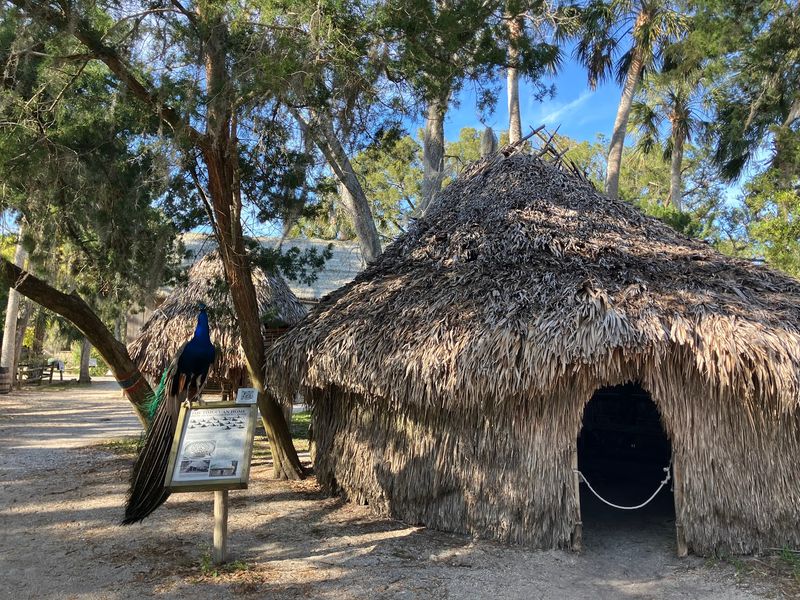
Long before Spanish sails appeared, the Timucua people called this coastline home. Their village of Seloy stood in this very area when Menendez arrived in 1565.
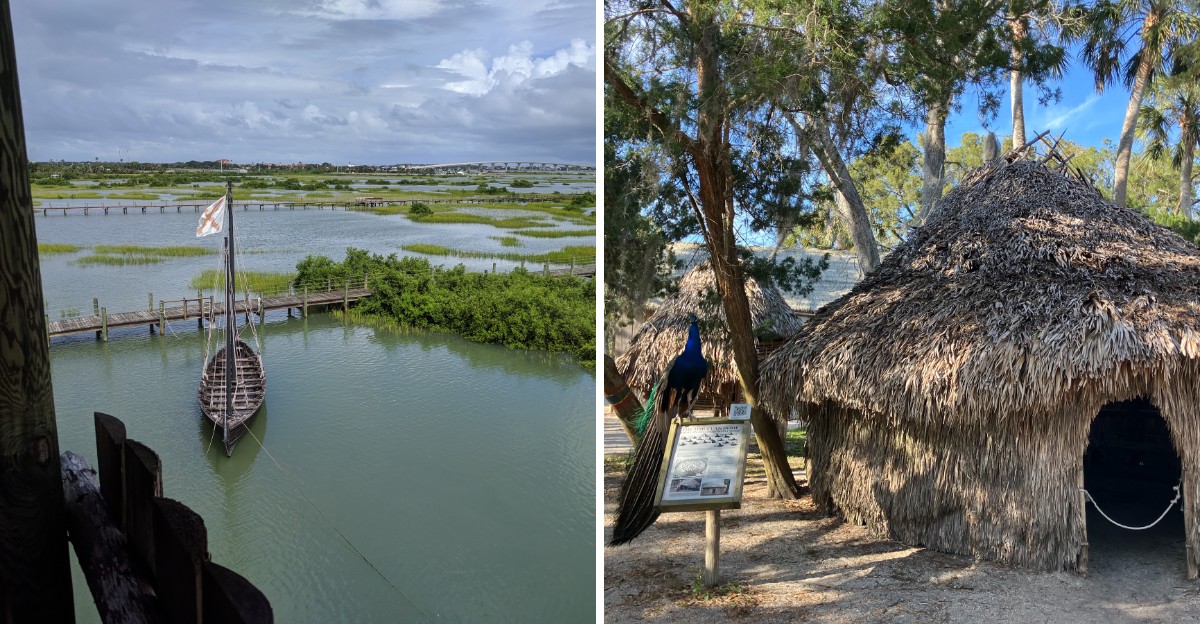
The park honors that history with reconstructed dwellings and exhibits. You can see how homes were built using local materials like wood and palm fronds.
Displays also cover tools, food gathering, and daily routines. It’s a helpful reminder that America’s story didn’t begin with European ships.
I believe this section deserves more of your time than it usually gets. The Timucua shaped how the Spanish survived those first difficult months.
Bring kids here and ask simple questions. What would you eat? Where would you sleep? Those little chats make the past feel real.
Educators around the grounds can add context, too. They’re there to share knowledge, so don’t be shy about asking something.
Leaving with a fuller picture of the region feels pretty satisfying. The legend grabs headlines, but the people who lived here first give the park its heart and its most meaningful lessons.
Sparks Fly At The Blacksmith Shop
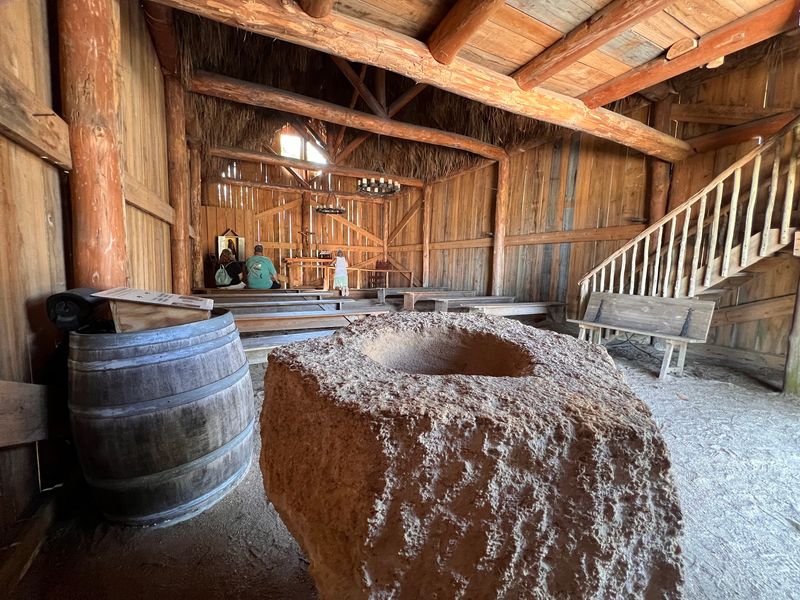
Clang, clang, hiss. Few sounds pull a crowd faster than a hammer hitting hot iron at the park’s blacksmith demonstration.
A costumed interpreter shows how colonial smiths heated, shaped, and cooled metal. These skills kept a Spanish settlement running, from nails to tools to repairs.
Watching the iron glow orange is oddly hypnotic. Then the smith quenches it, and a cloud of steam rises like a magic trick.
The presentations often mix facts with humor. That combo helps younger visitors stay tuned in without realizing they’re learning chemistry and history.
Like the cannon firing, this demonstration follows a schedule. Note the times at the entrance so you can catch both without sprinting.
Stand where you can see the anvil clearly. The best details happen in small motions, like how the smith turns the metal between strikes.
Afterward, think about how many objects around you began this way centuries ago. A simple hinge suddenly seems a lot more impressive when you know the sweat behind it.
Look Up For A Retro Trip Through The Stars
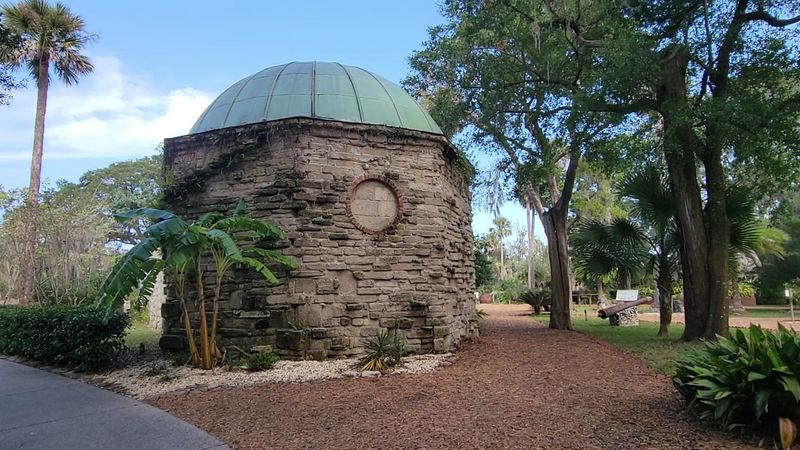
Sailors didn’t have GPS, so they trusted the sky. A small planetarium at Ponce de Leon’s Fountain of Youth Archaeological Park explains how that worked.
The show focuses on celestial navigation, the method explorers used to cross oceans. Stars helped crews figure out direction and position long before modern tools.
It’s a short program, which makes it easy to fit into your visit. It also offers a nice break from the Florida sun on warm afternoons.
Nearby, the Discovery Globe adds a vintage twist. This attraction has a classic, old-school charm that recalls roadside tourism from decades past.
Both are included with general admission. That means you can enjoy them without juggling extra tickets.
Kids who love space will probably ask to stay longer. Grown-ups may quietly enjoy the cool, dark seats just as much.
Pair it with the cannon talk for a full explorer picture. One shows how ships defended themselves, and the other shows how they found their way in the first place.
Stroll Out Over The Water For The Best Views
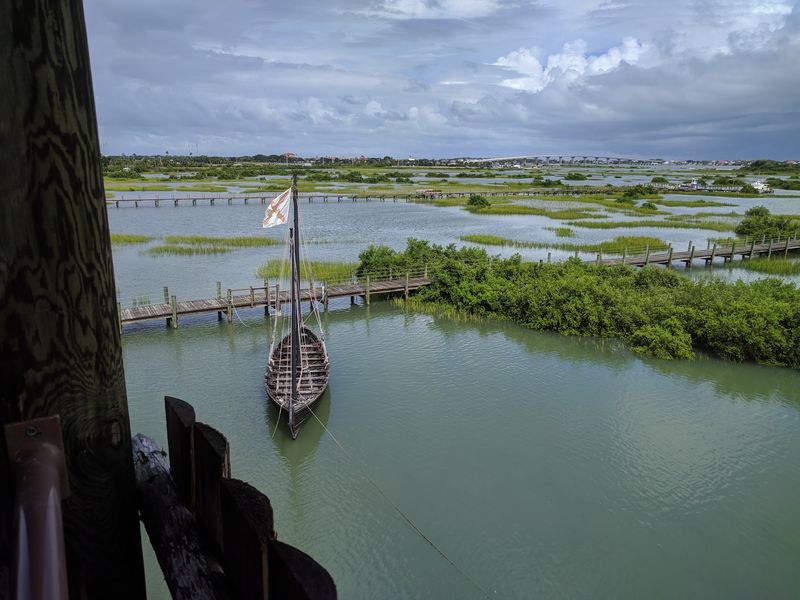
Waterfront scenery is a sneaky bonus here. The park sits along the water, and a boardwalk leads you right out over the marsh.
It’s a peaceful spot to catch your breath between demonstrations. Breezes off the water feel especially welcome on a hot Florida day.
The view also helps the history click. Spanish ships once approached this coastline, and standing here makes that arrival easier to picture.
Back on land, a watchtower offers another angle. Climb up for a wider look across the area and toward the city beyond.
Massive oak trees shade many paths, too. Their mossy branches make every walk feel a little storybook-like.
Wear comfy shoes, since the grounds invite plenty of wandering. Sunscreen and water are smart picks, especially around midday.
Photographers, take note. The mix of water, oaks, and wandering peacocks creates plenty of frame-worthy moments without trying hard at all.
Plan Your Visit Like A Savvy Explorer
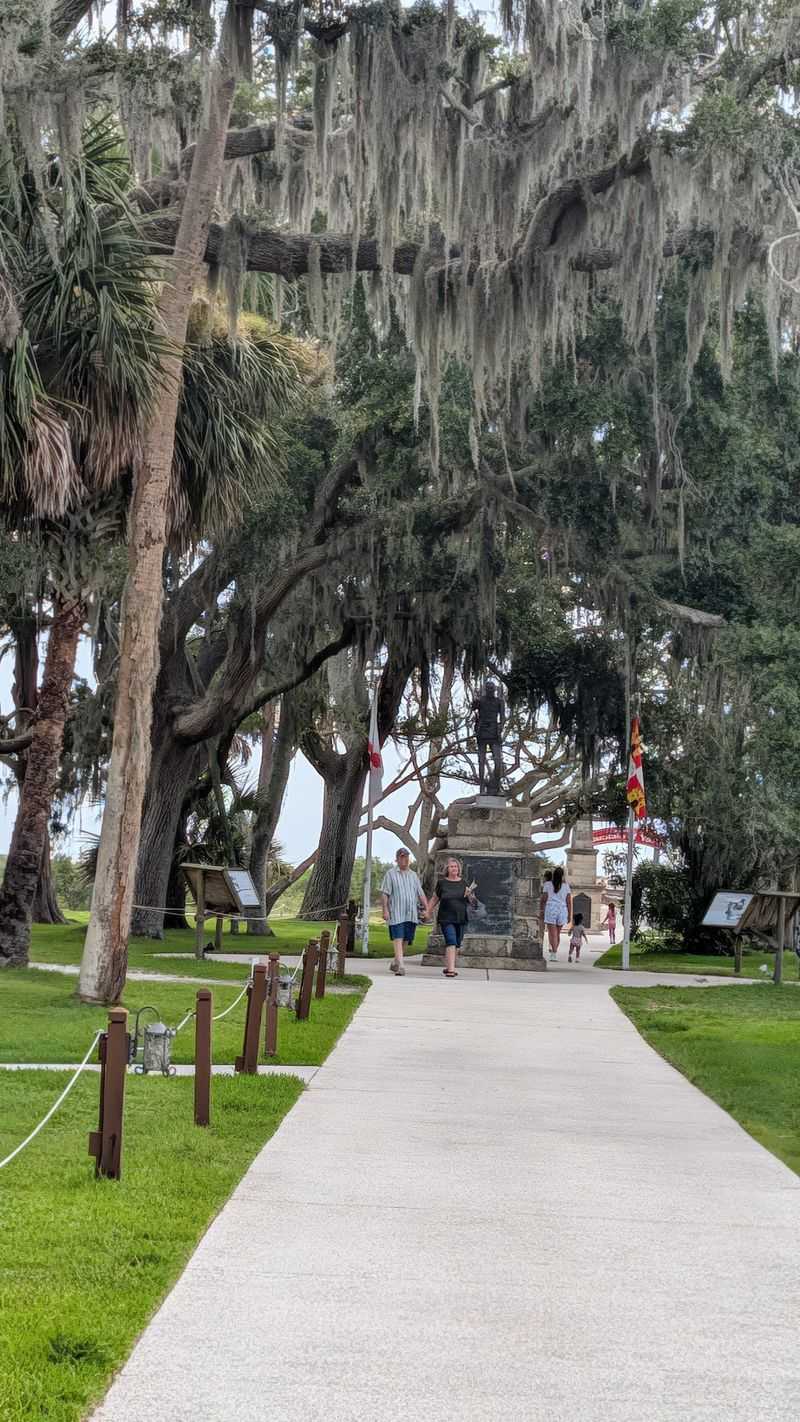
Finding the park is easy. Ponce de Leon’s Fountain of Youth Archaeological Park sits at 11 Magnolia Ave, St. Augustine, FL 32084.
Magnolia Avenue itself is a treat, lined with grand oaks draped in moss. The historic gate at the entrance makes a fun first photo.
The park opens daily from 9 AM to 6 PM, with the last admission at 5 PM. Mornings can be a smart choice, since the Florida sun gets strong later in the day.
Plan for at least a couple of hours. With demonstrations, the planetarium, and peacock spotting, the time disappears quickly.
Hungry? A barbecue spot operates on the grounds, so you don’t need to leave for lunch.
A gift shop offers souvenirs before you head out. It’s a handy stop for a little keepsake of your trip.
When you’re done, downtown St. Augustine is close by. Wrap up your visit with more of the nation’s oldest city, then brag that you sipped from the legendary spring.