A 1917 Florida Trading Post Still Preserves Nearly 90 Percent Of Its Original Merchandise
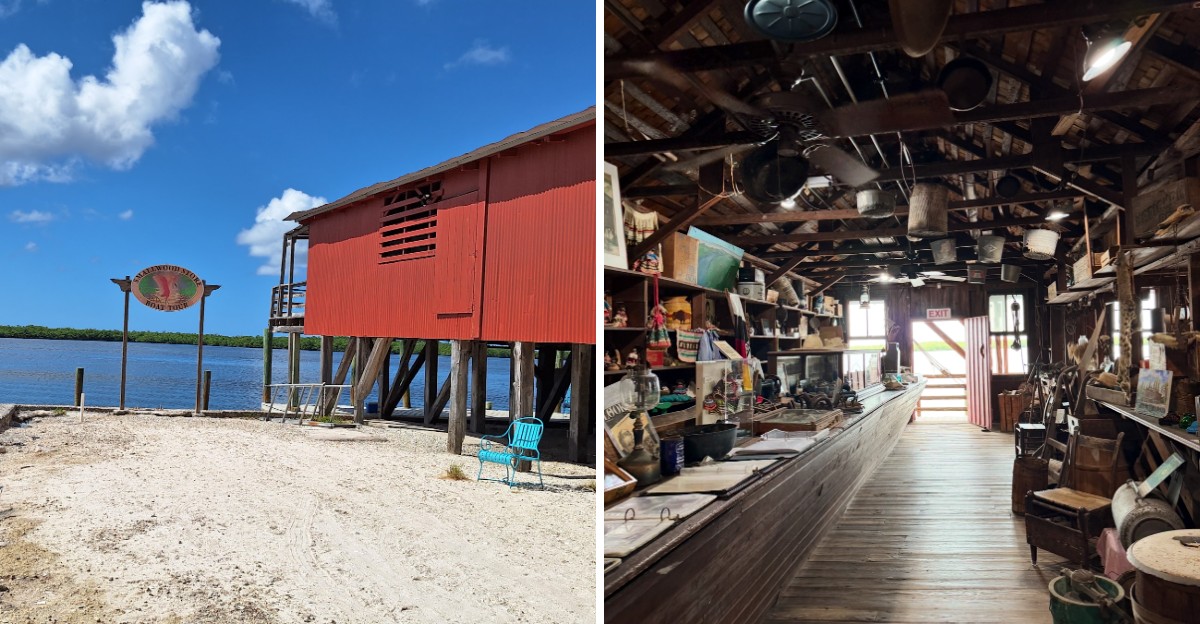
Much of what fills the shelves of this old island store has been preserved there for decades, with some pieces dating back about a century. We’re talking original goods, from the era when customers arrived by boat, not by car.
The wooden building stands on pilings over the water at the edge of the Everglades. It was raised up after a hurricane in the 1920s. Those pilings still hold it up today.
I love that this place was never polished into something new. It stayed a working store for decades, then became a museum once it closed. The shelves simply kept their stuff.
Trappers, fishermen, and Seminole families once traded here in Florida’s wildest corner. I can’t imagine a better way to meet that world than by browsing its leftover inventory. So what exactly is still waiting on those shelves?
Nearly A Century Of Stock Never Left The Shelves
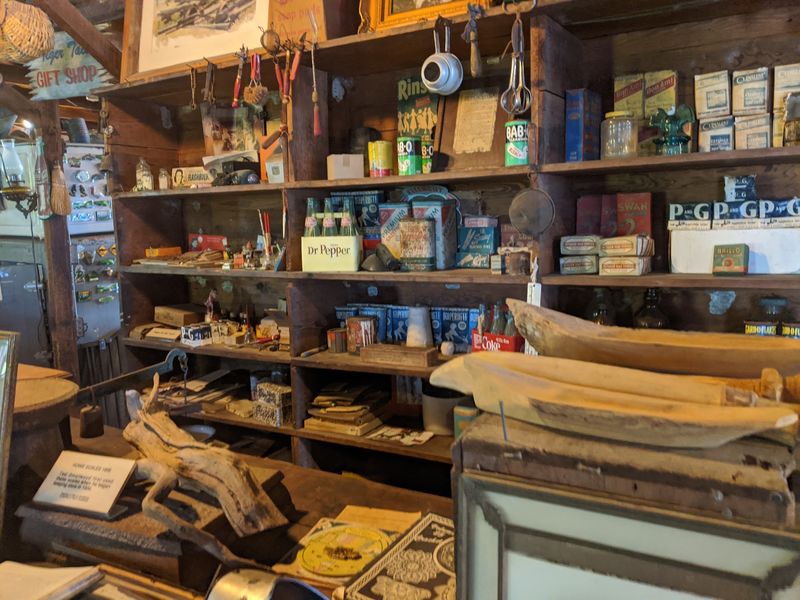
Most old stores get cleaned out the moment they close. Smallwood Store went the other way and kept roughly 90 percent of its original goods in place.
Ted Smallwood opened the trading post in 1906 on Chokoloskee Island. The current building dates to 1917, and it served the area as a store until 1982.
That long run explains the packed shelves. When the doors shut for business, the merchandise basically stayed put, frozen at the moment the cash register went quiet.
Today the space runs as a museum, so you browse the past instead of buying it. Tins, bottles, tools, and household items fill the rooms in a way no recreated exhibit could fake.
The building is also listed on the National Register of Historic Places. That recognition came in 1974, while it was still operating as a store.
Here’s a tip worth remembering. Slow down and read labels, because tiny details on old packaging tell stories about daily life on a remote island.
Give yourself time to look up, too. Shelves stretch high, and some of the best surprises sit well above eye level.
Boats, Not Cars, Once Brought The Customers
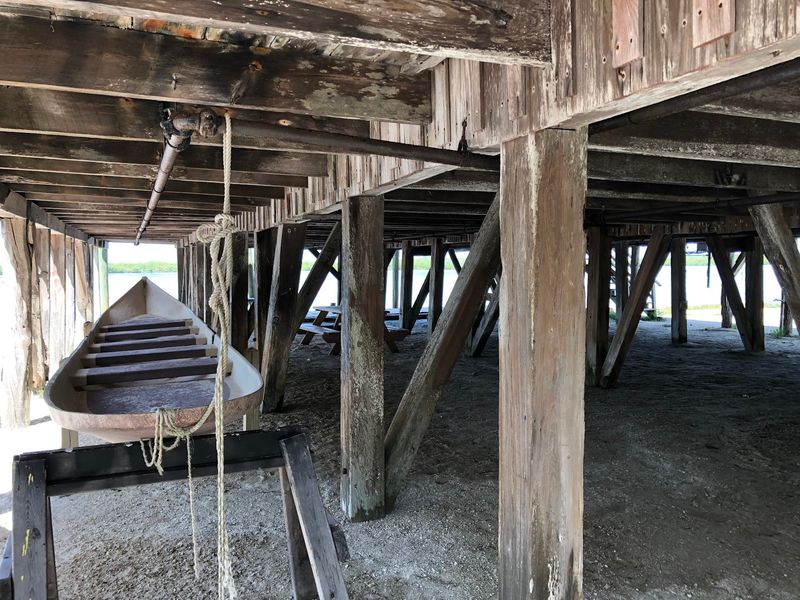
Long before any causeway reached the island, the water was the only highway. Customers paddled or motored up to Smallwood Store to trade and shop.
Chokoloskee sat at the far edge of the Ten Thousand Islands. That location made the store a lifeline for a scattered, rugged community.
Trappers brought in hides and furs. Fishermen and farmers came for supplies, and Seminole families traded with the Smallwoods for goods they needed.
The store also acted as the local post office. Ted Smallwood served as postmaster, so news and letters passed through the same doors as flour and fishing line.
Picturing that busy dock helps the whole visit click. Every item on the shelves once traveled by water to reach this spot.
A causeway finally connected Chokoloskee to the mainland in the 1950s. Life changed fast after that, which makes this preserved snapshot feel even more valuable.
Stand near the water out back for a moment. It’s easy to imagine a skiff gliding in loaded with goods and gossip.
A Hurricane Literally Lifted This Building Higher
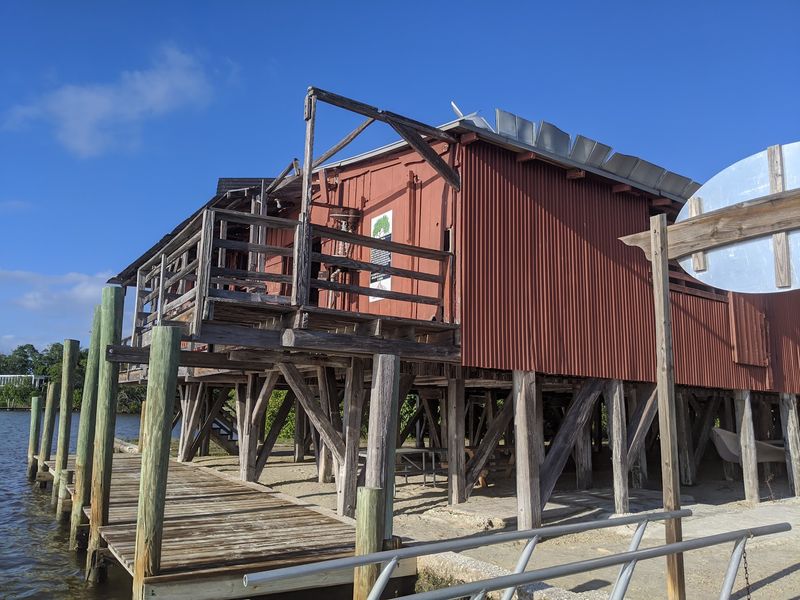
Water has always been both friend and threat on Chokoloskee. After storm flooding in the 1920s, the Smallwoods raised the whole store up onto pilings.
That move was smart, and it paid off. The building has stood through decades of storms and salty air since then.
Hurricane Ian in 2022 came frighteningly close, but its storm surge stopped short of flooding the store’s interior.
Cleanup work followed, and the museum continued welcoming visitors. That comeback says a lot about how much people care about keeping this place standing.
As you walk the creaky floors, think about what it took to save them. A wooden store over open water does not survive a century by accident.
This is a good reminder for anyone visiting coastal Florida history sites. Many depend on donations and admissions to keep repairs going.
Your small entry fee actually matters here. It helps protect the pilings, the walls, and the treasures resting inside them for the next generation of curious visitors.
Peek Into Rooms Where The Family Really Lived
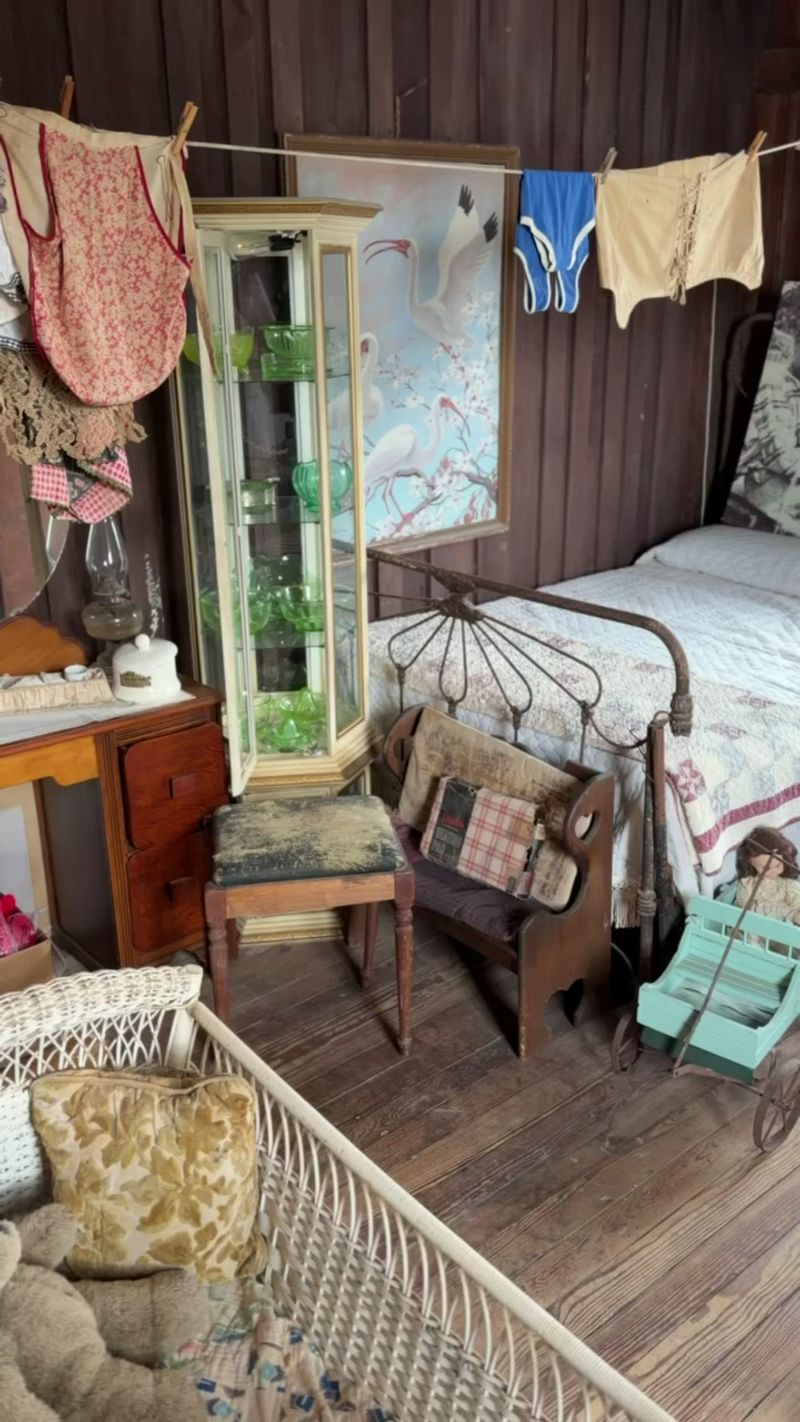
Shopping was only half the story here. The museum also lets you explore other rooms, including an old bedroom that shows how life looked beyond the counter.
Ted Smallwood and his wife, Mamie, ran the business and raised their family on the island. Their names still shape the place, right down to Mamie Street out front.
Seeing living spaces next to store shelves makes the history feel personal. Work and home blended together in a spot this remote.
Family photos and documents help connect faces to the objects around you. Suddenly the dusty tins feel less like props and more like someone’s everyday stuff.
Smallwood descendants remain involved with the store today. That family thread gives the museum a warmth many history sites lack.
Got questions? Ask whoever is working the front, because staff can often share background you won’t find on a sign.
Little ones may enjoy turning the rooms into a scavenger hunt. Challenge them to spot the oldest-looking object, then guess what it was used for.
Every Corner Hides Another Odd Little Artifact
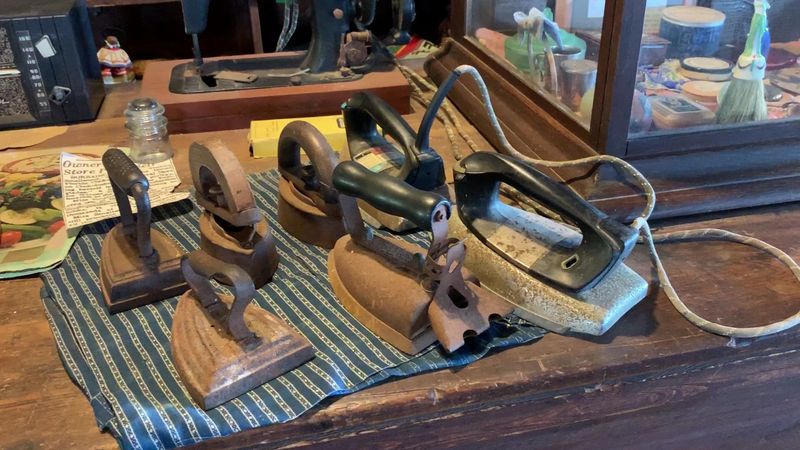
Old medicine bottles, faded tins, and well-used tools turn this store into a treasure hunt. You won’t find velvet ropes and fancy lighting, just the real stuff sitting where it always sat.
Part of the fun is guessing. What cured what? Who bought that, and why did it never sell?
The collection paints a picture of frontier needs. People out here required practical goods, from cooking basics to gear for fishing and hunting.
Some objects look familiar, while others seem downright mysterious. That mix keeps the browsing lively for both history fans and casual wanderers.
Photography lovers should bring a steady hand. The warm wood and vintage labels make great close-up shots.
Plan for roughly half an hour inside, maybe more if you read everything. The building is small, but it’s packed tight with things to notice.
Be gentle as you move around. These pieces have lasted over a hundred years, and they deserve a few hundred more.
Save Time For The Porch And That Bay View
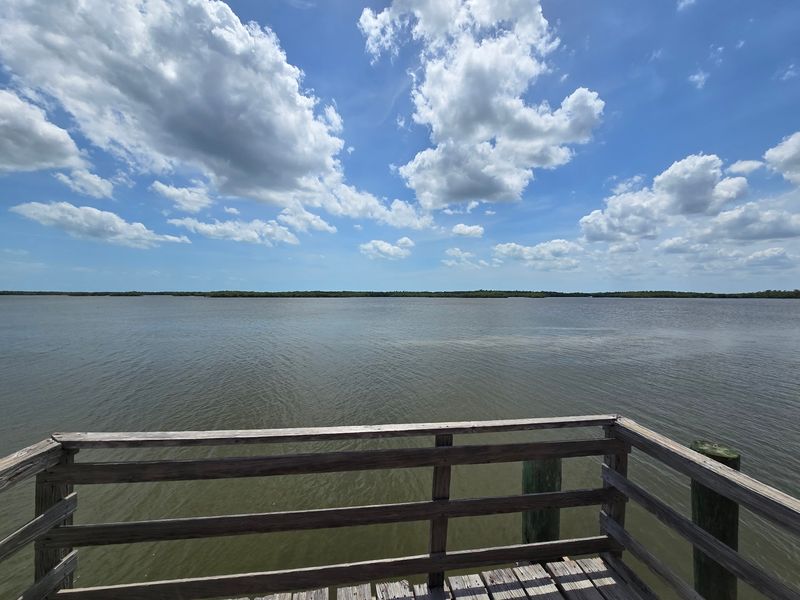
History is only part of the payoff. Step out back, and the Ten Thousand Islands stretch out in front of you.
The store sits right on Chokoloskee Bay. Mangrove islands dot the water, and the scene feels wonderfully far from busy Florida highways.
A few seats near the water give you a reason to linger. It’s a nice place to rest after squinting at tiny labels indoors.
The water often has a tea-colored tint. That’s natural, caused by tannins from the surrounding red mangroves.
Keep an eye out for birds along the shore. This corner of the Everglades region draws plenty of wading birds and other wildlife.
Bring sunscreen and bug spray, especially in warmer months. The mangrove coast is beautiful, but mosquitoes and no-see-ums love it just as much as you will.
Sunny or rainy, the view works. A rainy day even adds drama, with clouds rolling low over the islands and the old tin roof humming above.
Dolphins Might Steal The Show On A Boat Tour
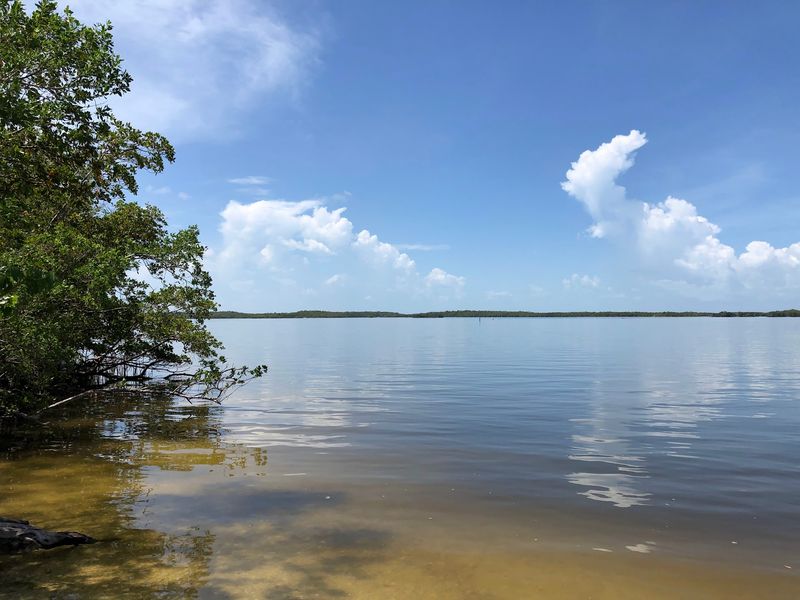
Bottlenose dolphins live in these waters. Boat tours that depart near Smallwood Store give you a chance to see them up close.
Tours head out into the Ten Thousand Islands, a maze of mangroves that’s hard to appreciate from land. Birds, dolphins, and quiet channels are the main attractions.
Options include eco tours on small boats, with different lengths available. Check current schedules before you go, since times can shift with the seasons and weather.
Pairing a tour with the museum makes a full morning or afternoon. You learn how people lived here, then see the waters they depended on.
Captains in this area often know the islands well. Their local stories add another layer to everything you just saw inside the store.
Wear a hat and bring water. Shade can be scarce on the open bay, and the Florida sun doesn’t take breaks.
A light rain jacket is smart, too. Weather can change quickly along the Gulf coast, even on mornings that start out bright.
Find The End Of The Road At Mamie Street
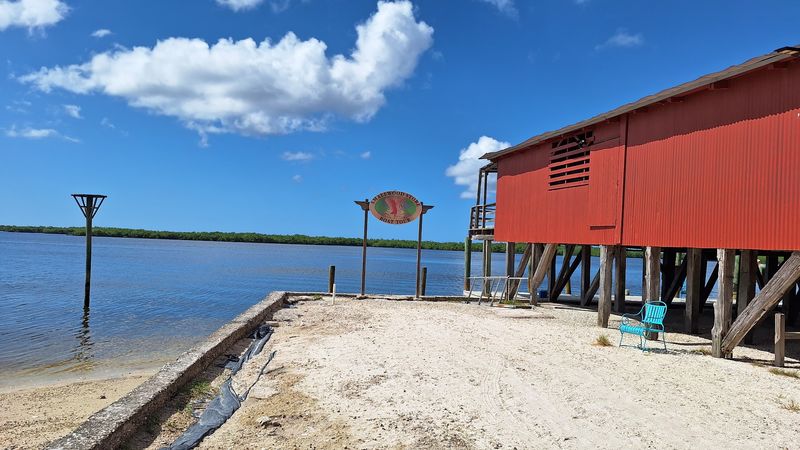
Getting here feels like driving to the edge of the map. Smallwood Store sits at 360 Mamie St, Chokoloskee, FL 34138, at the very end of the road.
From Everglades City, a short drive across a causeway brings you onto the island. The route itself gives you a taste of the wide, open wetlands.
Chokoloskee is a small fishing community. Its quiet streets make a nice change from crowded beaches elsewhere in Florida.
The museum is open daily from 10 a.m. to 5 p.m. from December 1 through May 1, and from 11 a.m. to 4 p.m. from May 2 through November 30. Hours can vary by season, so a quick check before your trip saves disappointment.
Admission is modest, and it helps keep the doors open. Bringing cash is a good idea, since this is a small, old-school operation.
Combine your visit with other stops in the region. Everglades City and Big Cypress country sit nearby, making a full day of southwest Florida exploring easy.
Plan your gas and snacks ahead. Services thin out quickly once you leave the bigger towns behind.
Grab A Souvenir And A Slice Of Key Lime Pie
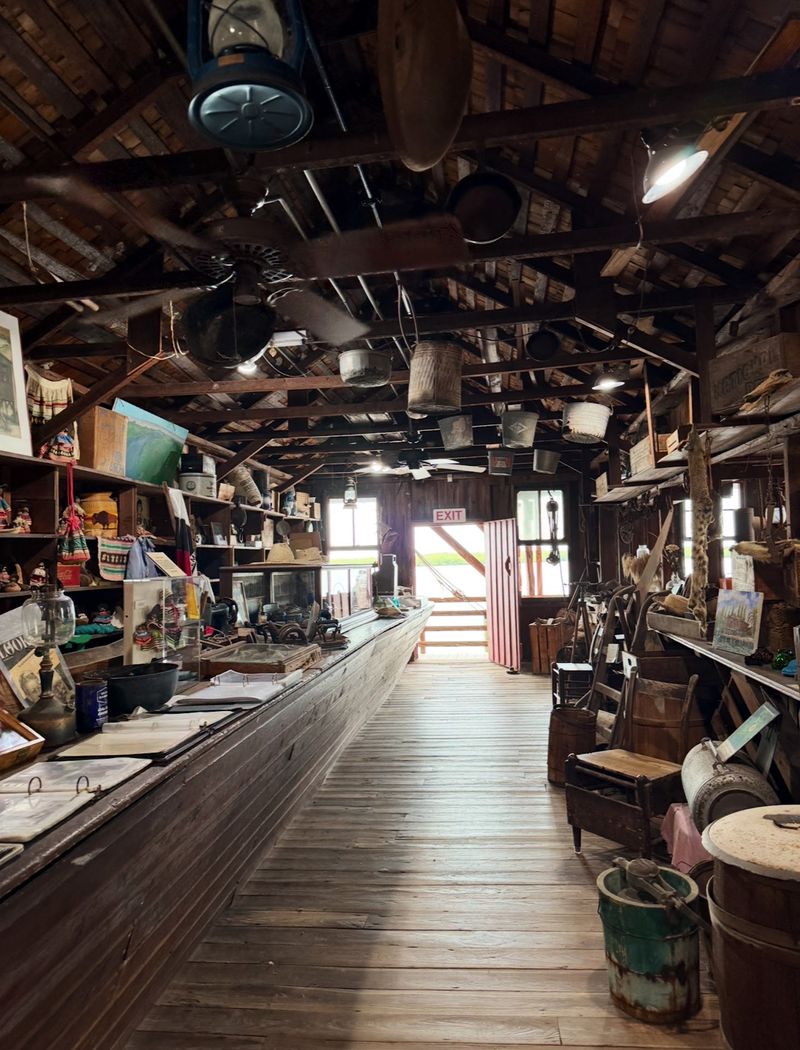
A store that’s been around this long should still sell something. The gift shop area keeps that tradition alive with souvenirs to take home.
Look for books and items tied to local history. They make thoughtful gifts for anyone who loves old Florida stories.
Drinks are available, which is welcome after time in the sun. Key lime pie has been offered here as well, a fitting treat in the Sunshine State.
Buying a little something does more than fill your suitcase. Sales help support the upkeep of a fragile wooden landmark.
Think of it as continuing a century-old habit. Shoppers have handed over money at this counter since the days of boats and barter.
Picking a souvenir that connects to the museum makes the memory stick. A local history book, for example, keeps the stories going long after you drive home.
Finish with a seat by the water if you can. A cool drink, a bay breeze, and a pile of fresh history make a pretty great ending.