This Hidden Florida Wildlife Sanctuary Lets You Come Face-to-Face With Rescued Owls and Hawks
Owls that sound a little like monkeys live just minutes from downtown Orlando. Yes, really. The hooting gets surprisingly wild once a pair of them starts chatting.
The place started rescuing injured raptors back in 1979. It still treats sick and hurt eagles, hawks, owls, and ospreys today. The ones that can’t return to the wild get a forever home and a job as teachers.
I like how every bird here comes with its own story. Some were hit by cars. Others fell from nests.
Each one has a name, a history, and a personality worth meeting.
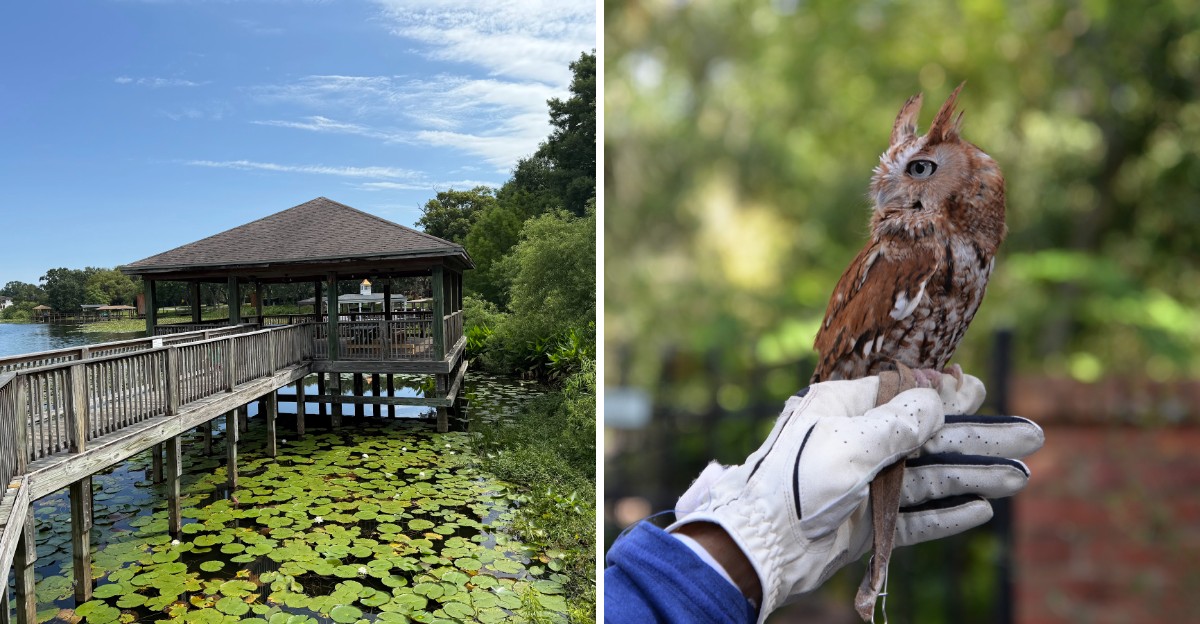
The setting helps too. A restored 1920s bungalow sits beside a quiet lake in Florida, with a covered dock out back. I can’t imagine a calmer spot to stare down a bald eagle.
Ready to meet the locals?
1. These Birds Have Survived More Drama Than A Soap Opera Cast
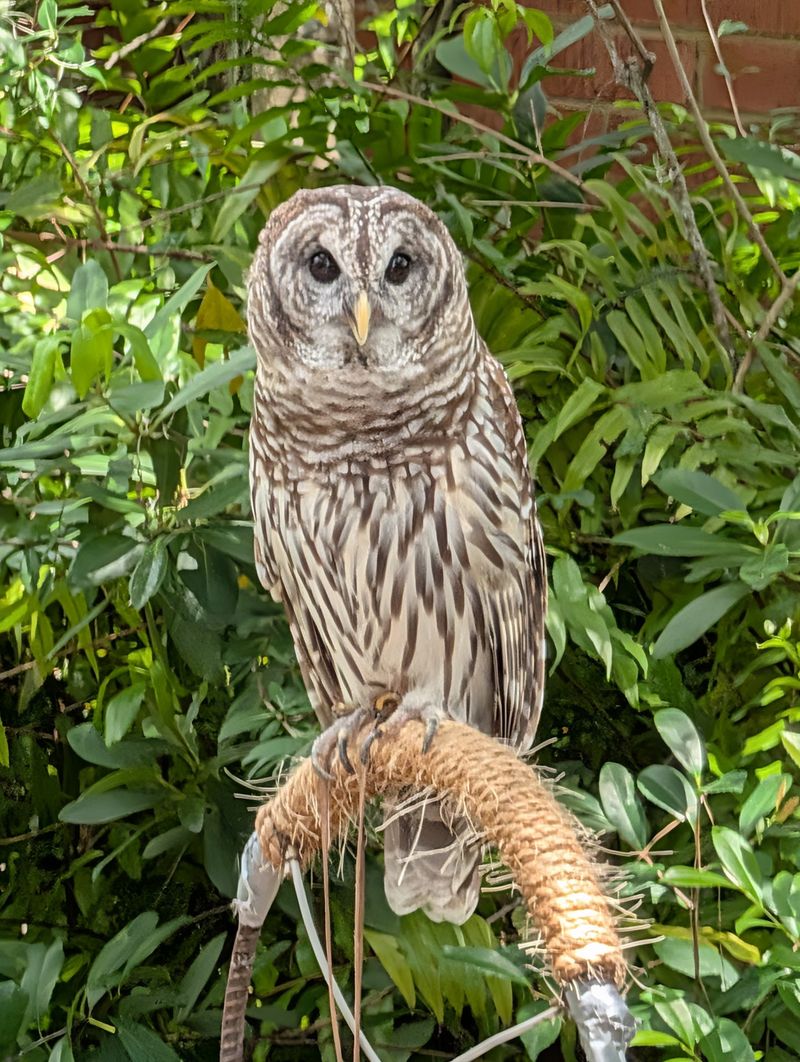
Every feathered resident at the Audubon Center for Birds of Prey arrived with a backstory. Many were injured, orphaned, or too sick to survive alone in the wild.
The center has cared for injured raptors since 1979. It ranks among the busiest raptor rehabilitation programs in the Southeast, treating thousands of birds over the decades.
The goal is always release. Staff and volunteers nurse eagles, hawks, owls, ospreys, and kites back to health, then return them to the sky whenever possible.
Some birds can’t go back, though. A damaged wing or poor eyesight would make life outside too risky for them.
Those birds become permanent residents and education ambassadors. They help visitors understand raptors in a way no textbook ever could.
Signs near each enclosure share the bird’s name and how it ended up here. Reading them feels a bit like flipping through a collection of short stories with talons.
You’ll learn which bird was hit by a car and which one was raised by people. That last group sometimes thinks it’s more human than hawk, which creates its own challenges.
Kids especially connect with these tales. A named owl with a rough past is far more memorable than a generic species label.
The stories also carry a quiet lesson. Many raptor injuries trace back to human activity, like vehicles, fishing line, and windows.
So you leave knowing a little more about how to share Florida with these birds. That’s a pretty good souvenir for an afternoon outing.
2. Bald Eagles At Eye Level Will Reset Your Sense Of Scale
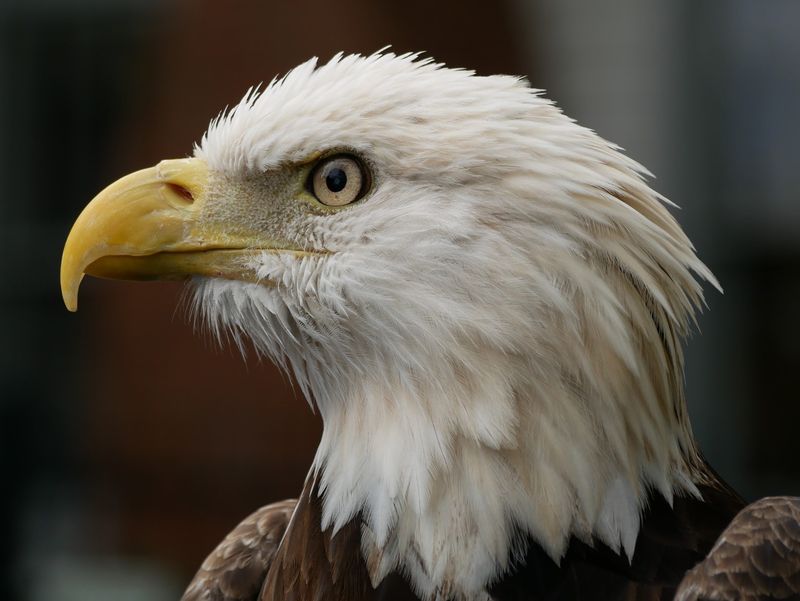
Seeing a bald eagle on a coin is one thing. Standing a few feet from a real one is something else entirely.
Bald eagles rank among the center’s most popular residents. Their bright white heads and massive yellow beaks look even bolder in person.
Up close, you notice details that binoculars usually miss. The feathers layer like shingles, and those talons look built for serious business.
Florida actually hosts one of the largest nesting populations of bald eagles in the lower 48 states. Central Florida sees plenty of activity during the cooler nesting season.
The center knows this firsthand. It has long been tied to eagle conservation efforts across the state, including programs that monitor nests.
That connection gives the eagle exhibits extra meaning. These birds represent a real comeback story after decades of decline.
Bring a camera with a decent zoom if you enjoy photography. The close range makes for portraits that would take hours to capture in the wild.
Just remember this isn’t a petting zoo. The birds are wild animals, and nobody gets to handle them except trained staff.
Watching quietly works best anyway. An eagle that feels relaxed tends to preen, shift, and look around, which gives you more to see.
Take a moment to read the eagle’s story sign before moving on. Knowing why it lives here makes that steady gaze feel a lot more personal.
3. Owl Fans Are In For A Very Hoot-Filled Hour
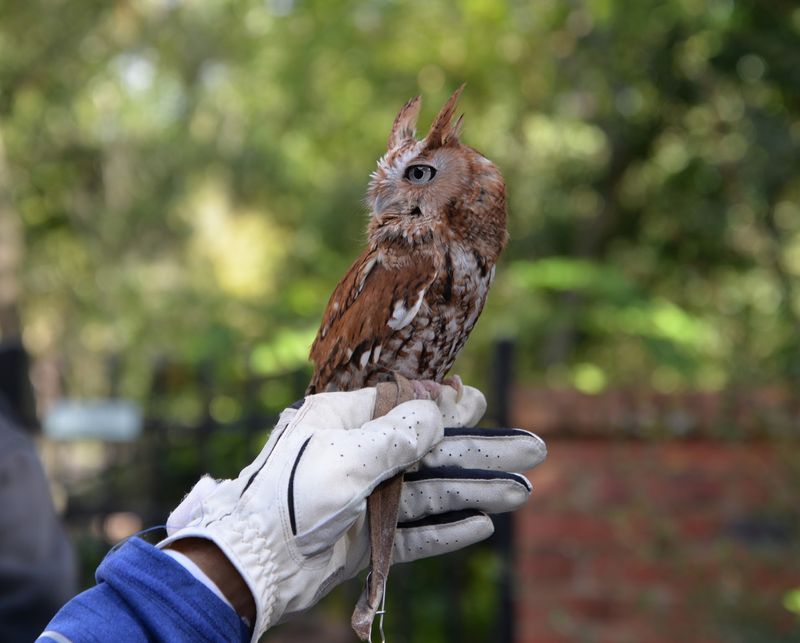
Owls steal the show here, and they seem to know it. The center features several species, each with its own look and attitude.
Barred owls are a Florida classic. Their famous call sounds like someone asking, who cooks for you, and their group chatter can get downright raucous.
Some people compare their noisy conversations to monkeys. Once you hear a pair going at it, the comparison makes sense.
Then there are burrowing owls, which are tiny and surprisingly leggy. Unlike most owls, they live in underground burrows and are often active during the day.
Florida burrowing owls are a protected species in the state. Seeing one up close helps explain why people work so hard to protect their sandy homes.
Eastern screech owls might be the easiest to overlook. Their bark-like feathers blend into tree trunks so well that you might stare right past one.
Give each enclosure a slow look. Owls love sitting still, and that camouflage is doing its job.
Morning visits can be a smart move, especially during warm months. Cooler hours tend to make outdoor wandering more comfortable for people too.
Kids usually go wild for the big eyes and swiveling heads. Fun fact for the car ride: owls can’t move their eyes, so they turn their whole heads instead.
That’s a pretty neat trick to explain at dinner later. Expect someone at the table to try it.
4. Hawks And Ospreys Bring The Speed And Sass
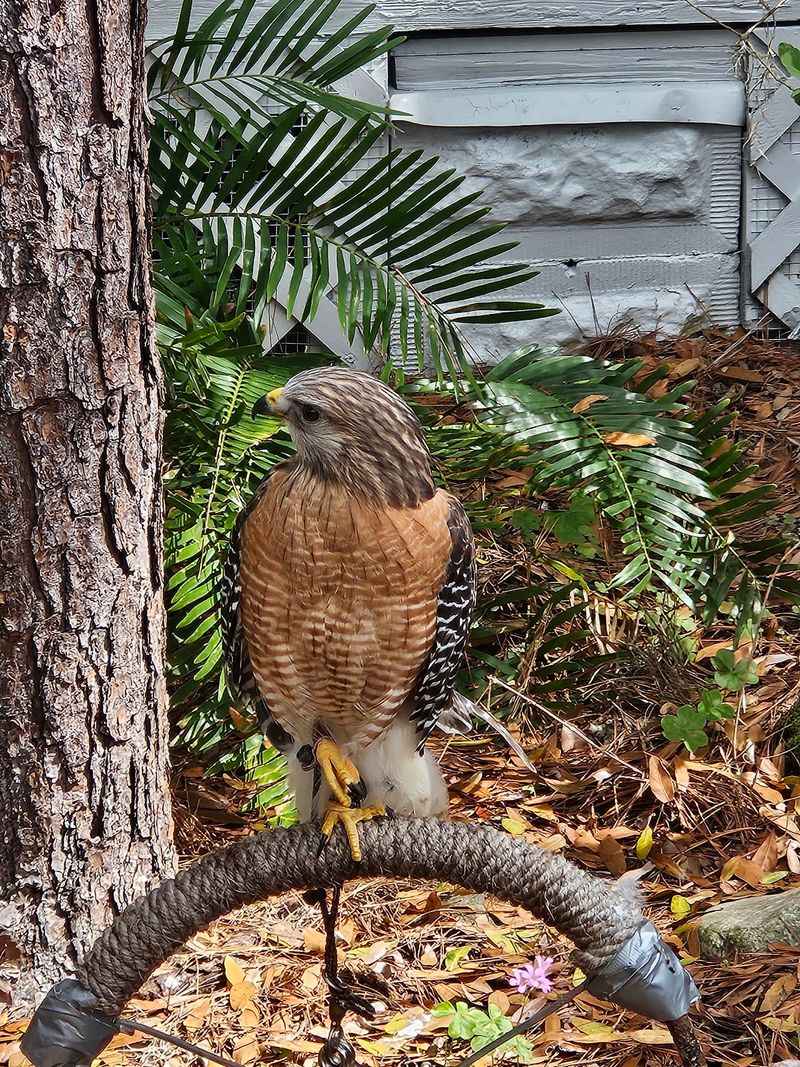
Owls may get the cuddly fan club, but hawks bring the swagger. Their sharp eyes and alert posture make them look ready for action at all times.
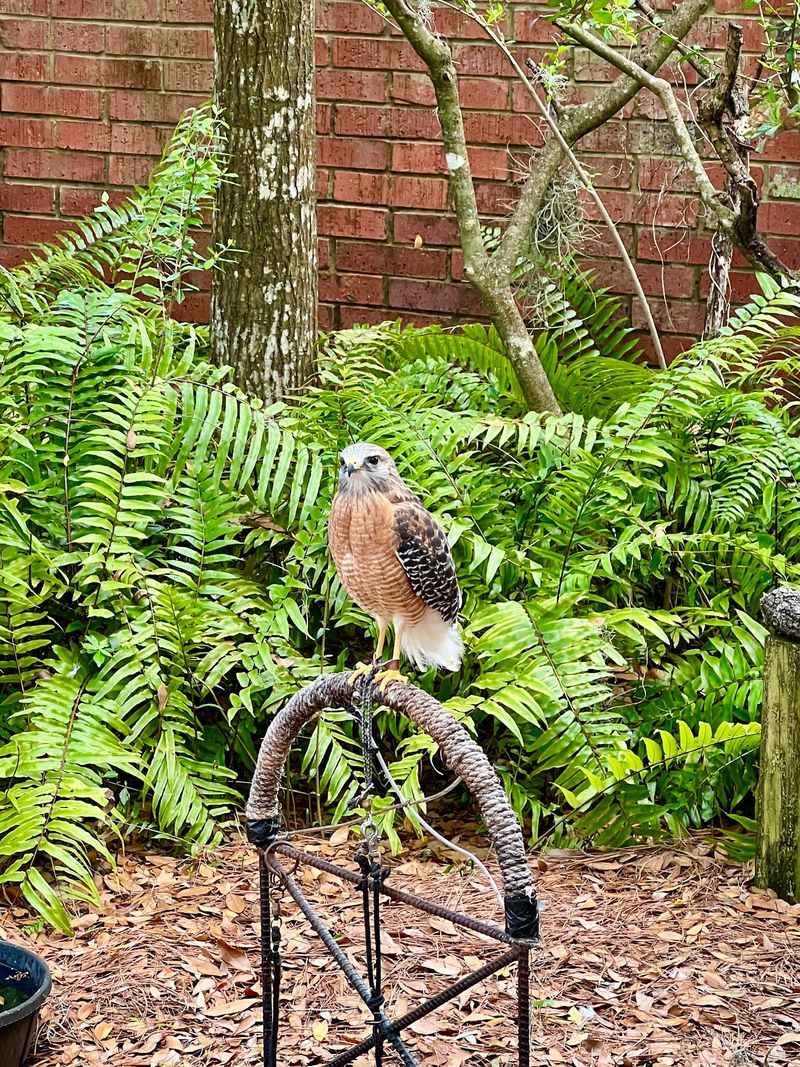
Red-shouldered hawks are among the most common raptors in Florida. You’ve probably heard their loud, piercing calls echoing through a neighborhood without realizing what made them.
Visiting the center helps you put a face to that sound. After one visit, you might start spotting them on power lines everywhere.
Ospreys are another highlight. These fish-catching specialists live near water and dive feet-first to snag their meals.
Their talons and toes are built for gripping slippery fish. Even their feet have rough pads that help hold onto a wriggling catch.
Exhibits can shift over time as the center updates habitats. Some birds may be off display during construction or care, so what you see can change between visits.
That turns every trip into a little bit of a surprise. A bird you missed last time could be front and center next time.
Spend time comparing body shapes as you walk. Broad wings, long tails, and hooked beaks all hint at how each bird hunts.
It’s like a field guide come to life. Bring a notebook if you have a young birder who likes jotting down species.
By the end, telling a hawk from a falcon gets much easier. Your next backyard sighting will feel like a quiz you can actually pass.
5. Catch A Meet And Greet Before The Bird Gets Bored
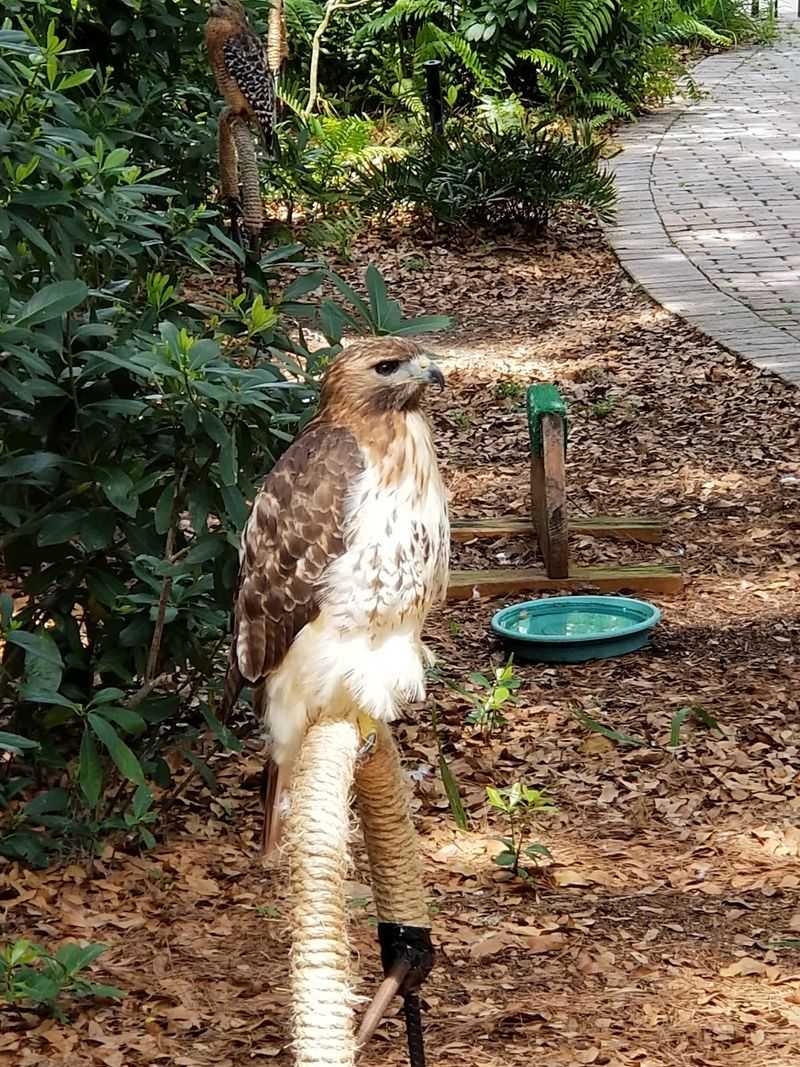
Some of the best moments happen when a trainer steps out with a bird on a glove. Suddenly, the crowd goes quiet and every phone comes out.
The center offers bird encounters and educational talks led by staff and volunteers. These sessions bring ambassador birds out for a closer look.
Trainers share how each bird lives, eats, and behaves. They also explain how the team keeps the birds healthy and mentally engaged.
Enrichment is a big part of that care. Birds receive items and activities that keep their curious brains busy throughout the day.
Talks may vary by day, so check the schedule before you go. Timing your arrival around one makes the visit feel extra special.
Questions are welcome during these moments. Staff and volunteers clearly love teaching, and kids often walk away with fun facts they repeat for weeks.
Keep a respectful distance during encounters. Sudden movements or loud noises can stress a bird, even one used to visitors.
Photography is usually a treat here. The birds sit still on the glove, giving you a clear, uncluttered shot.
For groups like schools or senior communities, these talks make the outing feel personal. Everyone gets a chance to learn without needing to read every sign.
It’s a little like meeting a celebrity, except this one has feathers. And honestly, the bird probably has better posture than most of us.
6. A 1920s Bungalow Doubles As The Front Door
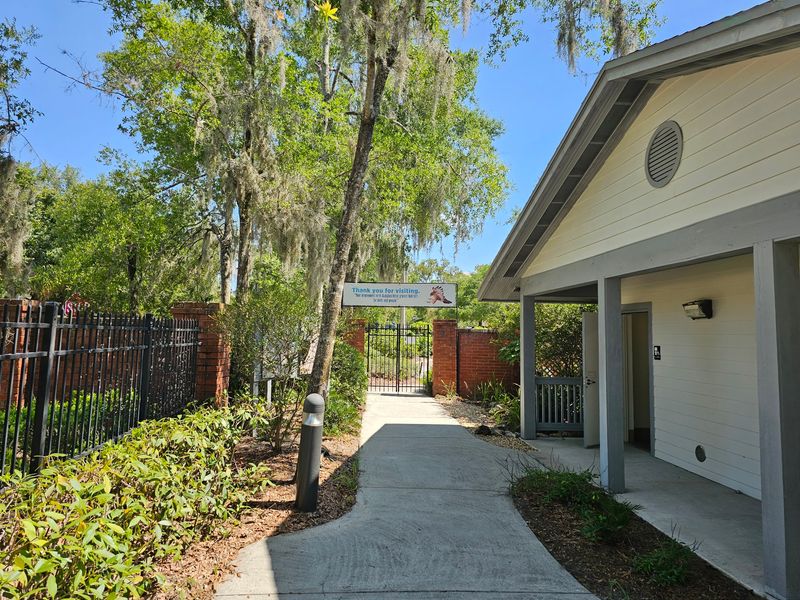
Few wildlife centers welcome guests through a charming old house. Here, a restored 1920s lakefront bungalow serves as the starting point.
Admission happens inside this cozy building. It feels more like visiting a friend’s lake house than lining up at a theme park gate.
Inside, you’ll find exhibits and big windows looking out toward the grounds. Some birds can be spotted right from those windows.
There’s also a kid-friendly area with a bird rescue theme. Young visitors can play, read, and learn while grown-ups catch their breath.
It’s air-conditioned too, which matters in Central Florida. A quick break inside can save a summer visit from turning into a sweaty slog.
The building connects the present to the area’s past. Maitland grew as a lakeside community, and this house reflects that early setting.
Take a slow lap through the interior before heading outside. The displays help set up what you’re about to see in the enclosures.
Families with little ones should plan a stop here at the end too. It’s a great reset spot before the drive home.
Small details make the bungalow feel welcoming. Wood, windows, and lake views give the whole place a relaxed, neighborly mood.
Honestly, it’s hard to picture a nicer front porch for a bunch of eagles. The birds definitely scored on real estate.
7. The Lakeside Dock Might Be Your New Favorite Picnic Spot
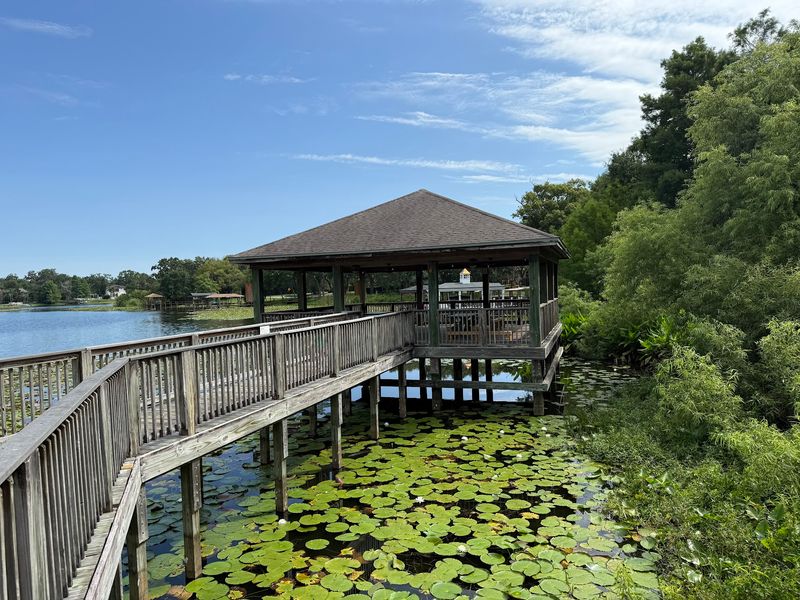
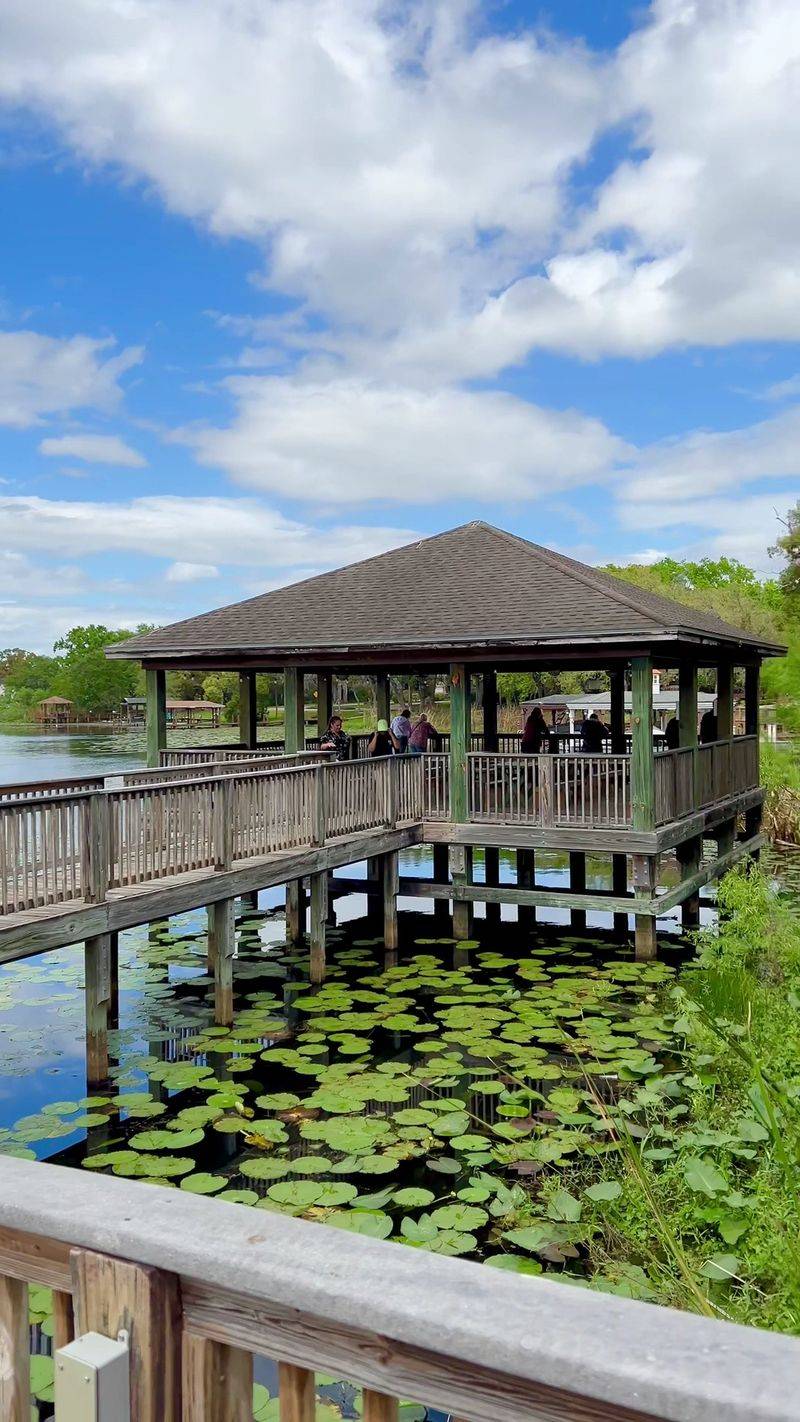
After all that bird watching, the lake out back offers a peaceful pause. A covered dock stretches toward the water with picnic tables waiting.
Lake Sybelia sits right beside the center. The calm water and leafy shoreline make a lovely backdrop for a snack break.
Shade is a big plus here. The covered structure helps you escape the Florida sun while still enjoying the view.
Wild birds sometimes show up on their own too. Keep an eye on the water and trees for herons, egrets, or maybe a hawk overhead.
It’s a nice reminder that the work here is about the wild. The rescued birds inside represent neighbors living all around this lake.
Pack a light lunch if your schedule allows. Eating with a lake view beats a fast-food parking lot any day.
Bring bug spray during warmer months. Lakeside spots in Florida can attract mosquitoes, especially in summer.
A gazebo and garden areas add more spots to linger. The grounds are small, but they’re designed for slowing down rather than rushing.
This is also a great place for family photos. The water, greenery, and soft light make for easy, natural shots.
Spend a few quiet minutes before leaving. It’s a mini nature break that feels miles away from busy Orlando roads, even though it isn’t.
8. Plan Your Trip Around Mondays And Warm Afternoons
Timing is everything, and Mondays are the one day you’ll want to skip. The center is closed that day each week.
The Audubon Center for Birds of Prey is open Tuesday through Sunday from 10 a.m. to 4 p.m. Those hours make it easy to fit into a morning or early afternoon.
You’ll find it at 1101 Audubon Way, Maitland, FL 32751. It sits in a quiet residential area just north of Orlando.
Most visits take around an hour. That makes it ideal for little kids, grandparents, or anyone squeezing in something meaningful between errands.
Admission is budget-friendly compared to big Central Florida attractions. Annual passes are available too, which can make sense for frequent visitors.
Comfortable shoes help, since most of the experience happens outdoors on paths. Sunscreen and water are smart choices in the warmer months.
Some exhibits may close during updates or habitat improvements. Checking ahead keeps surprises to a minimum.
Arriving near opening time gives you cooler air and a calmer pace. The birds may also be more active earlier in the day.
Parking and access are simple compared to theme parks. No trams, no endless lots, and no long walks before you see a single feather.
Put all that together and you have an easy outing. It fits nicely into a weekend without eating up the whole day.
9. Your Ticket Helps Real Birds Fly Again
Paying admission here does more than get you through the door. It helps fund the medical care that sends injured raptors back into the wild.
The Audubon Center for Birds of Prey operates as part of Audubon Florida. Its work protects birds and the places they need across the state.
Rehabilitation takes time, skill, and supplies. Food, medicine, and specialized enclosures all add up quickly.
Volunteers play a huge role in keeping things running. They help with bird care, education, and greeting visitors with obvious enthusiasm.
You can support the mission in other ways too. Annual memberships and donations help keep the doors open year-round.
Knowing how to help injured birds is valuable as well. If you find a hurt raptor, contacting a licensed rehabilitator is the safest first step.
Small daily choices matter for raptors. Picking up fishing line and avoiding rat poison can protect owls and hawks that hunt rodents.
That’s the kind of lesson that sticks after a visit. A single trip can change how families think about their own backyards.
Each released bird is a small victory. Somewhere in Florida, a hawk is gliding over a highway because people here refused to give up on it.
That’s a pretty great reason to visit. You get a fun outing, and the birds get another shot at the open sky.