A Historic Florida Settlement Once Offered Refuge To Freedom Seekers, And Its Legacy Still Remains
In 1738, a Spanish governor established a settlement for people who had escaped slavery in the British colonies and gained freedom under Spain’s earlier decrees. Then he gave them their own town, complete with a fort.
That town became the first legally sanctioned free Black settlement in what is now the United States. It sat just north of a famous Spanish city in Florida. Its residents farmed, fished, and stood guard for the Spanish crown.
I can’t imagine the courage it took to run hundreds of miles toward a rumor of freedom. Many crossed swamps and forests from the Carolinas to get there. The land they reached still sits beside a wide, quiet salt marsh.
Today you can stand on that same ground. A replica fort, a museum, and a boardwalk keep their story alive. So why do so few people know it?
Freedom Started With A Promise Made In 1693
A royal decree from Spain set everything in motion back in 1693. It offered freedom to enslaved people from British colonies who reached Spanish Florida and accepted Catholicism.
Word spread north through the Carolinas and later Georgia. People traveled through rough country, often with help from Native allies like the Yamasee.
Fort Mose Historic State Park protects the spot where that promise became a real community. In 1738, Governor Manuel de Montiano established Gracia Real de Santa Teresa de Mose. That mouthful became Fort Mose for short.
The settlement sat about two miles north of the Castillo de San Marcos. It worked as a buffer between British territory and Spanish St. Augustine. Residents lived as free people, and the men served in a militia.
Fort Mose is now recognized as the first legally sanctioned free Black settlement in what became the United States. That’s a big claim, and the history backs it up.
The site is also a National Historic Landmark. It’s part of the National Park Service Network to Freedom program too. Not bad for a place many Florida history lovers have never heard of.
Say It Right Before You Even Park The Car
Quick pronunciation lesson first. The name is said mo-ZAY, not like the Bible figure Moses.
Now you’ll sound like a pro when you arrive. The park sits at 15 Fort Mose Trail, St. Augustine, FL 32084. It’s a short drive north of the historic downtown, yet it feels much calmer.
Timing matters here, so plan ahead. The park grounds are open daily from 9 AM to 5 PM, while the visitor center and museum are open Thursday through Monday from 9 AM to 5 PM. The grounds stay open all week, but the visitor center, museum, and reconstructed fort are closed Tuesday and Wednesday.
That schedule catches people off guard. Many visitors to St. Augustine plan a weekday trip and miss it entirely. Build your itinerary around a Thursday or weekend visit, and you’re set.
The entry fee is small, which is a pleasant change in a tourist town. Leashed pets are welcome on the grounds, so your dog can come along.
Give yourself time once you’re there. A quick visit can take under an hour. Readers, watchers, and trail walkers can easily stretch it to two hours.
The park also has a shaded picnic area. Packing lunch is a smart move for families who want to linger.
The Visitor Center Is Your Best First Stop
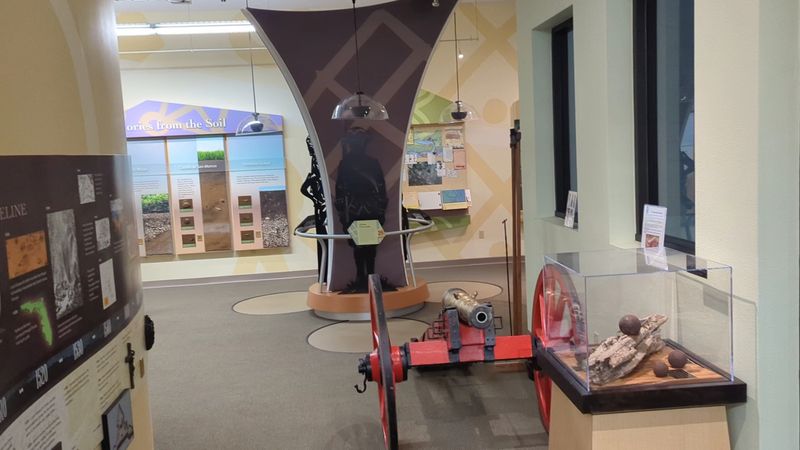
Start inside, then wander outside. That order makes the whole visit click into place.
The visitor center shows a short film of about 15 minutes. It lays out how freedom seekers reached Spanish Florida and built a life here. Watching it first turns the rest of the park from pretty scenery into a powerful story.
The museum is small but full of interactive displays. Life-size figures represent real people connected to the fort. Push a button, and you can hear narrations about their lives.
Archaeology fans get a treat too. Exhibits show what researchers uncovered at the site over the years. Some artifacts and reproductions are hands-on, which keeps younger visitors busy.
Kids especially enjoy the interactive pieces. Adults tend to slow down at the personal stories, and that’s the point.
Restrooms are inside the visitor center. Rangers and volunteers are often around and happy to answer questions.
My advice? Don’t rush the placards. Each one adds a piece to a story that history books mostly skipped. Read a few aloud with your kids, and you’ll all remember more.
A Replica Fort Lets You Step Back Into 1738
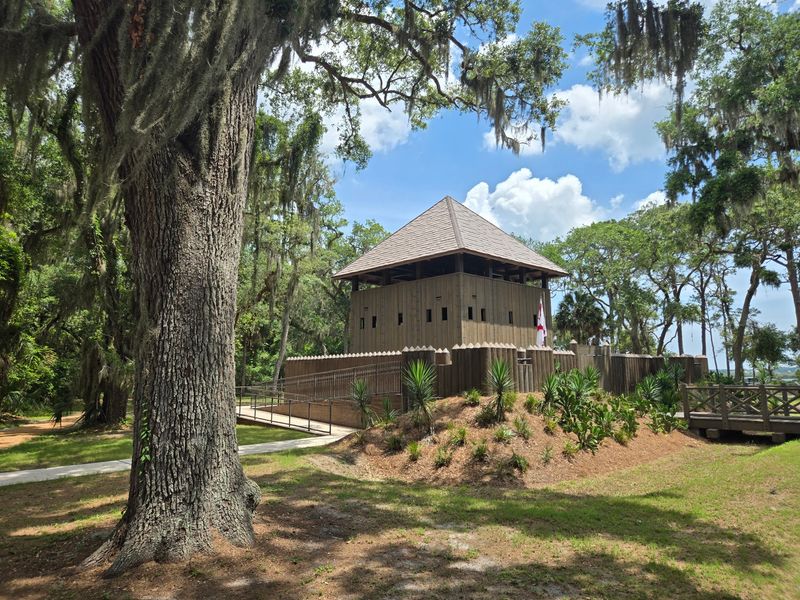
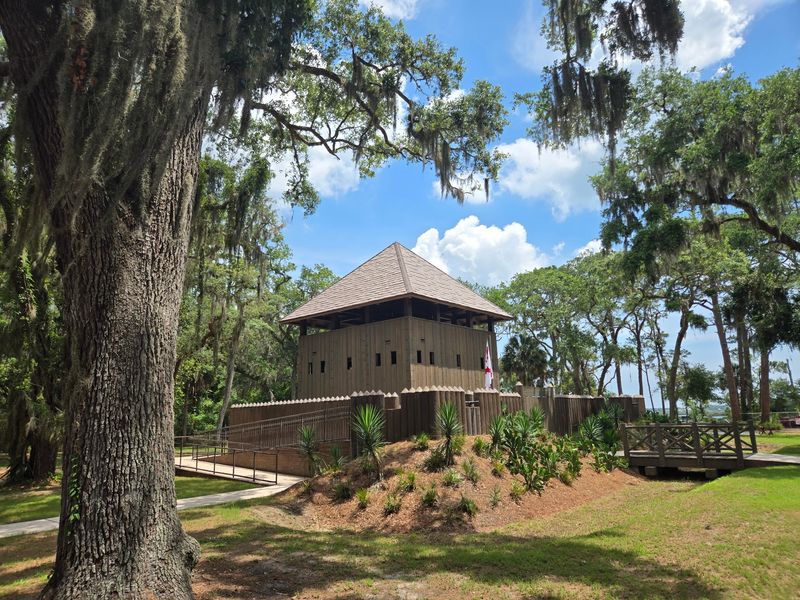
For years, visitors had to imagine the fort using signs and maps. That changed when the park built a full replica on the grounds.
The reconstruction sits behind the visitor center. It gives you a real sense of scale, which drawings never quite manage. Suddenly, the daily lives of the residents feel much more concrete.
The original second fort dated to 1752. The settlement had been rebuilt after earlier fighting damaged the first one. Residents defended it, farmed nearby land, and raised families inside its protection.
When Spain handed Florida to Britain in 1763, the people of Mose left with the Spanish. Many relocated to Cuba. The fort faded, and the marsh slowly reclaimed the land.
The replica helps fill that silence. Nearby, you may spot a partly built thatched hut and a flat-bottom boat. Those small touches hint at how people actually lived and traveled.
Hours inside the replica can vary on some days. Even then, you can walk around the outside and peek through openings. Bring a camera, because the fort framed by marsh grass makes a striking photo.
Muskets, Cannons, And Costumes Bring History Roaring Back
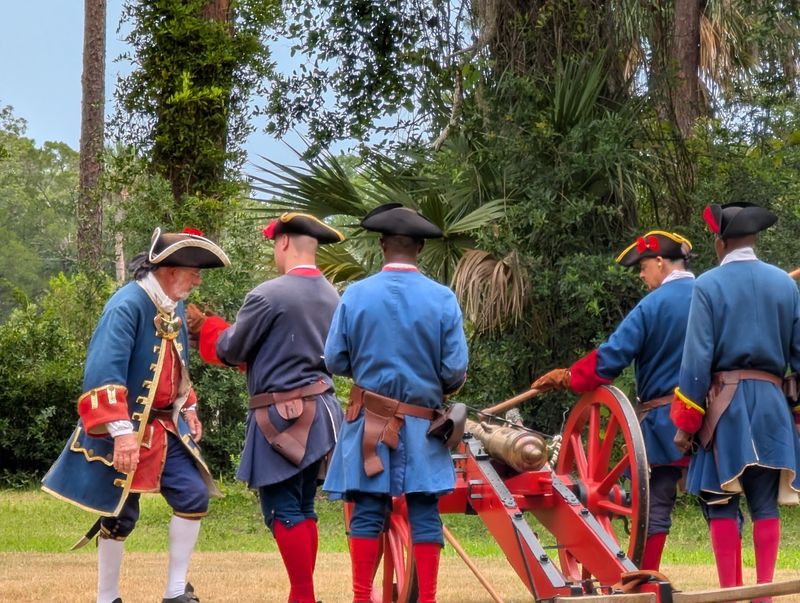
Few things wake up a history lesson like a cannon. Fort Mose living history events deliver exactly that kind of jolt.
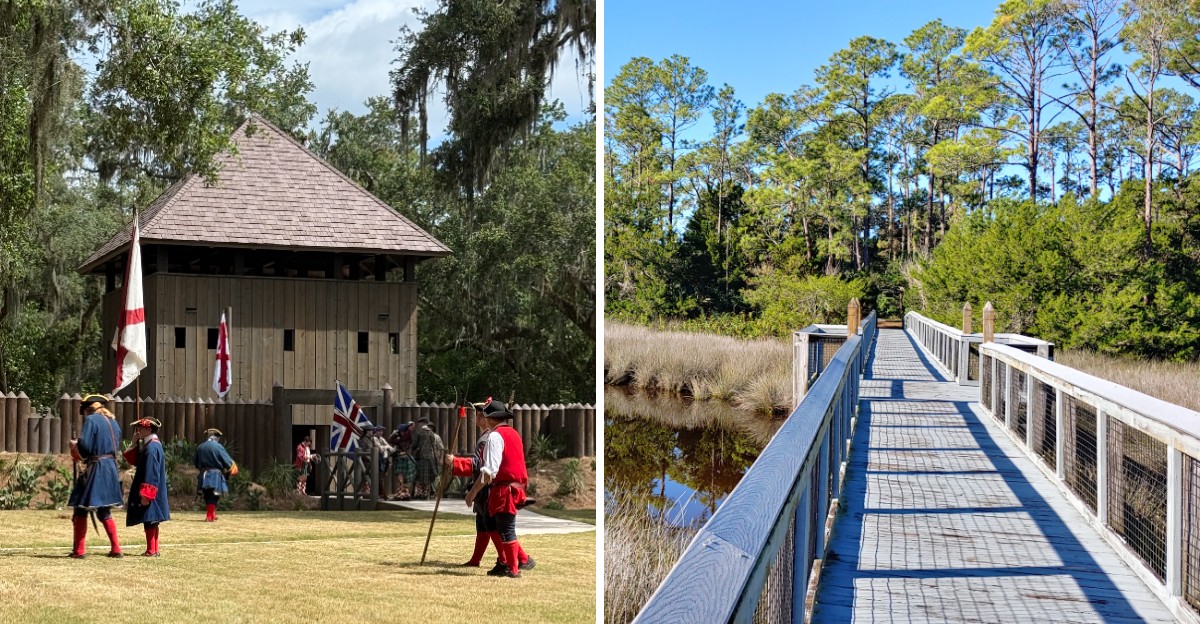
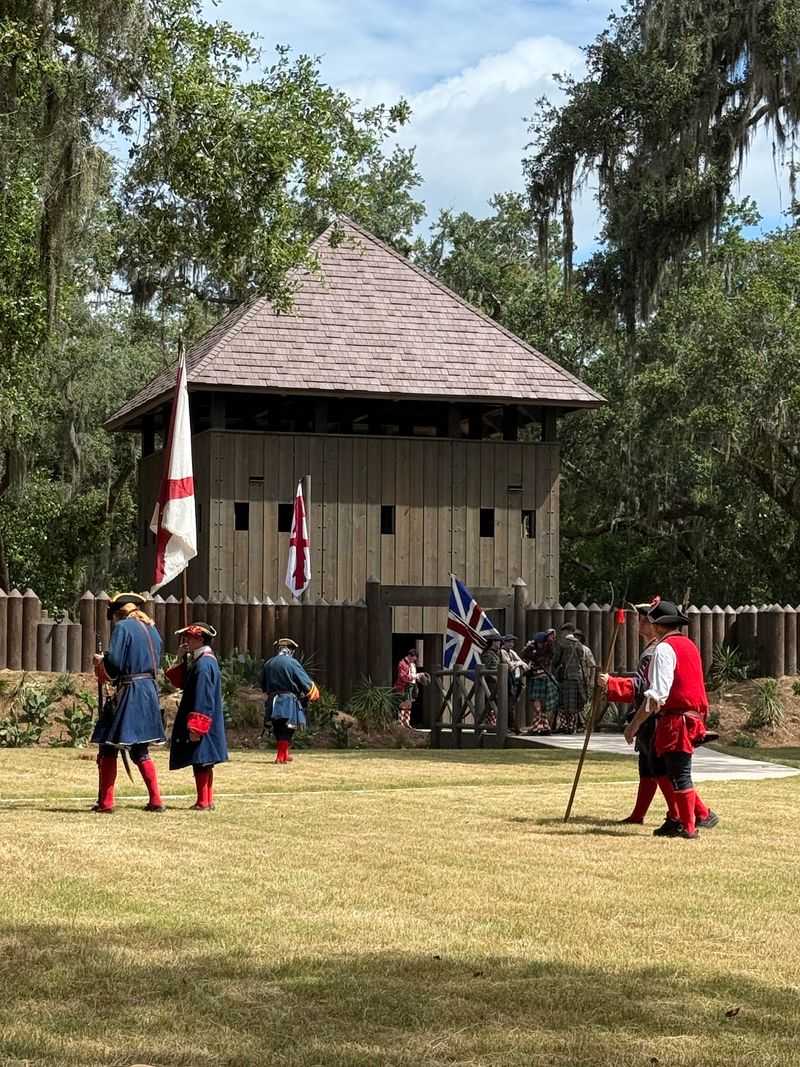
The park hosts reenactors who dress in 18th-century clothing. They show how militia members loaded and fired muskets. Some demonstrations include cannon firing too, so cover your ears.
A regular monthly muster brings these scenes to life. Reenactors portray soldiers and residents of the colonial settlement. They explain daily routines, weapons, and the duties the militia carried.
Those demonstrations matter for a reason. The free men of Mose served as a real military force for Spain. Their leader, Francisco Menendez, had escaped slavery himself and became captain of the militia.
He’s one of the most fascinating figures connected to the park. Menendez fought, wrote petitions, and pushed hard for the rights of his community. Ask a guide about him, and you’ll likely hear a great story.
Check the park event calendar before you go. Demonstration days fill the grounds with sound and color. Regular days are quieter, which suits anyone who prefers reflection over cannon smoke.
Stroll A Boardwalk Named For The Road To Liberty
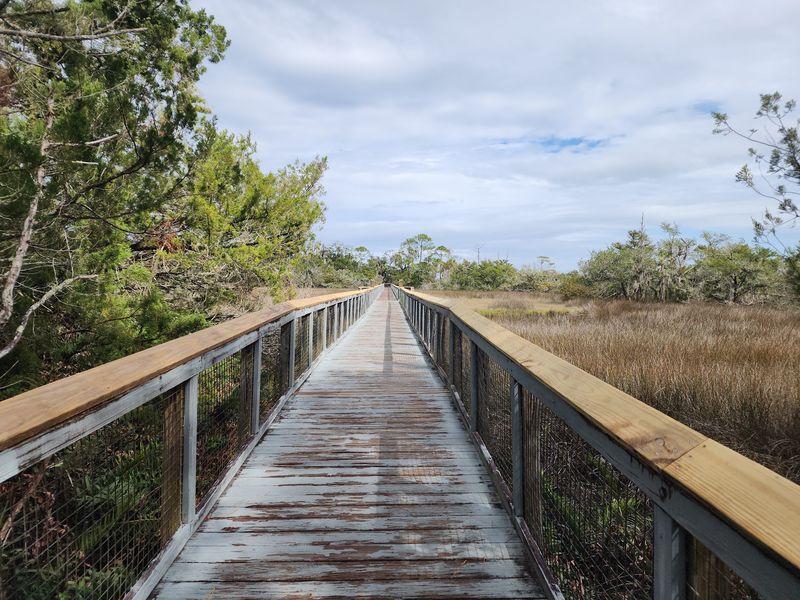
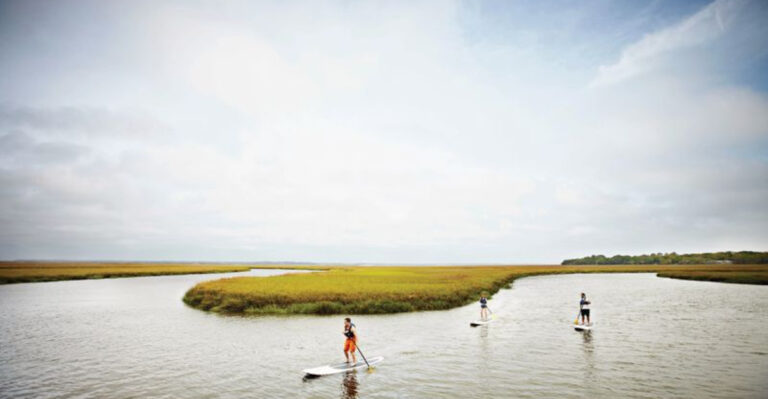
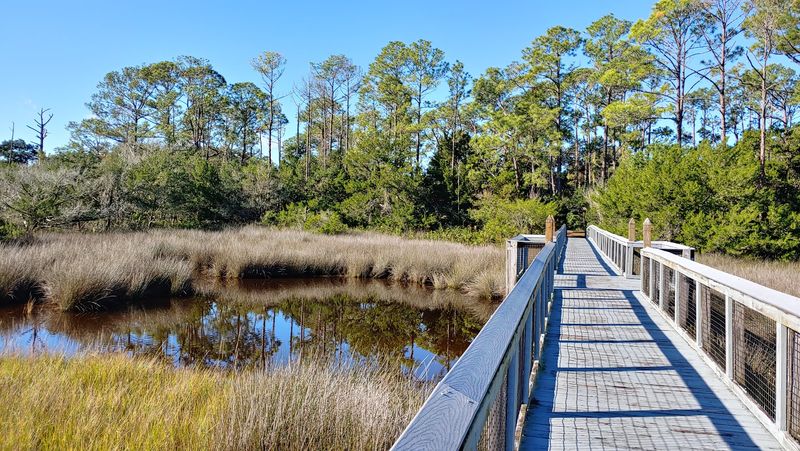
Out past the museum, the land opens wide. A wooden boardwalk stretches over the salt marsh toward a big, open horizon.
It’s an easy walk for nearly any age. Interpretive signs along the way cover plants, wildlife, and the history of the site. You learn something while your legs do very little work.
The view does most of the talking. Marsh grass rolls toward the water, and the sky feels enormous. It’s a calm break from the busy streets of downtown St. Augustine.
The marsh itself holds history. Archaeologists located the original fort site in this area, now surrounded by wetlands. Standing nearby helps you picture the landscape residents knew.
Sunsets here are especially lovely. Just remember that park hours end in the late afternoon. Plan your stroll before closing so you aren’t racing the clock.
Pets on leashes can join you on the walk. Bring water on warm days, since Florida sunshine doesn’t take breaks. A hat helps too, because shade on the boardwalk is limited. Sunglasses are a bonus for that bright marsh glare.
Bring Binoculars, Because The Birds Show Up Too
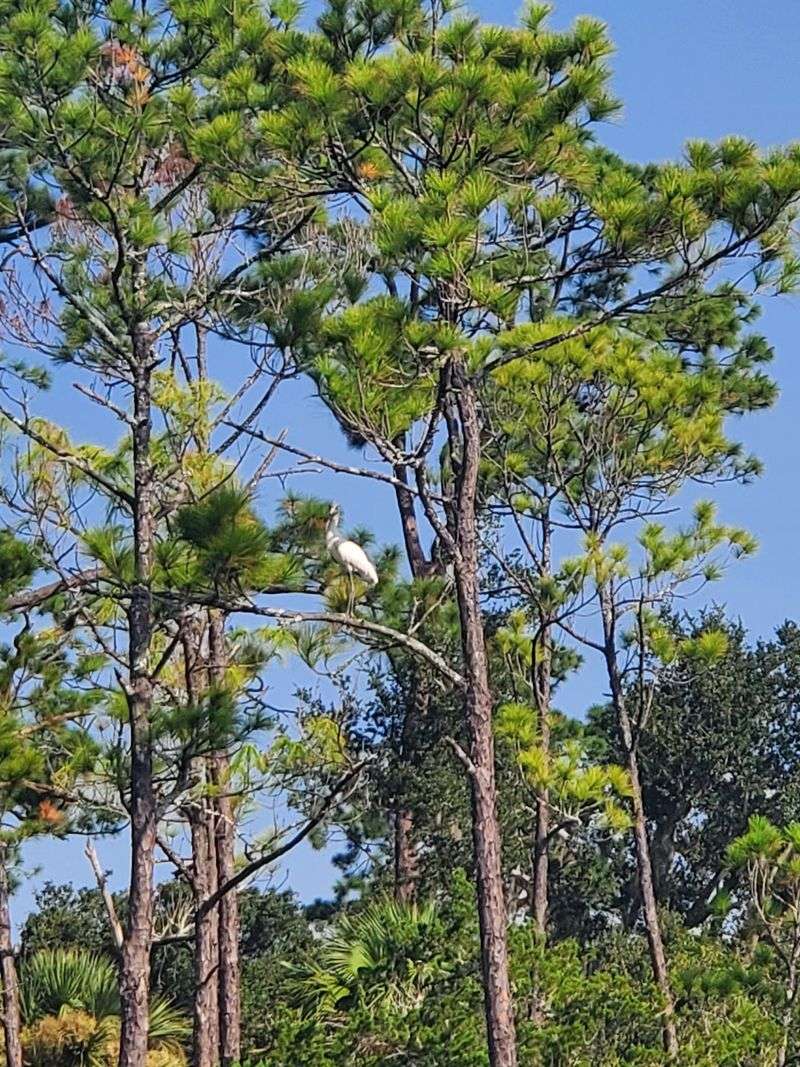
History buffs aren’t the only ones who love this park. Birders quietly treat it as a favorite stop in northeast Florida.
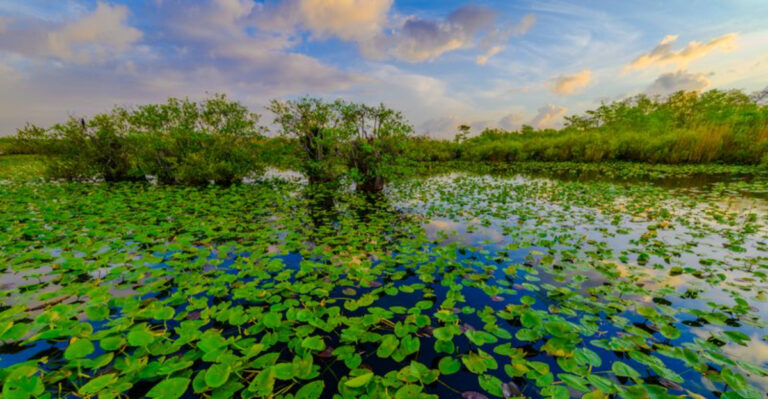
The salt marsh draws wading birds that hunt in the shallow water. Egrets, herons, and other marsh birds are part of the scenery. Shorebirds and birds of prey may appear depending on the season.
The park even offers a bird checklist for visitors. It turns a casual walk into a friendly scavenger hunt. Kids get surprisingly competitive once they start checking boxes.
The boardwalk is your best viewing spot. It puts you above the marsh with clear sightlines in several directions. Stay still for a few minutes, and the birds often forget you’re there.
Fort Mose is part of the Great Florida Birding and Wildlife Trail. That network highlights strong wildlife viewing sites across the state. It’s a nice bonus for a park best known for history.
Pack binoculars and a field guide app. Mornings tend to be cooler and more comfortable for spotting. A zoom camera lens is handy if you hope to capture that perfect egret pose.
Follow The Trail That Traces A Long Journey South
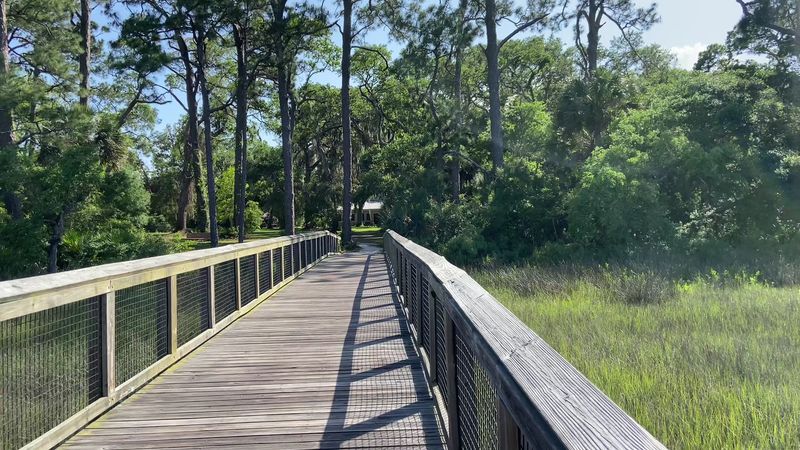
The real flight to freedom covered hundreds of miles of rough terrain. The park trail is far shorter, thankfully, but it carries the same story.
Known as the Flight to Freedom Trail, it guides you through the journey in stages. Signs explain the dangers freedom seekers faced while heading south. Some stops connect to online videos that add voices and detail.
The path is short and easy, with shade from surrounding trees. Families with young kids can handle it comfortably. It pairs nicely with the boardwalk for a well-rounded outdoor visit.
Walking it changes how you see the whole park. You start thinking about swamps, rivers, and nights spent hiding. Then you remember that many people completed that trip with almost nothing.
This trail makes a great discussion starter for students. Teachers and parents can pause at each sign and ask questions. Kids often have sharp, thoughtful reactions to the stories.
Bring a phone with some charge to access the video stops. Bug spray is wise in warmer months. The marsh is gorgeous, but its insects have strong opinions.
Jazz, Blues, And A Legacy That Keeps On Growing
Music fans, take note. Fort Mose Historic State Park hosts an annual Jazz and Blues Series, traditionally held over several dates in February.
These events bring a different energy to the grounds. People spread out under the trees and enjoy live performances outdoors. It’s a relaxed way to support the park and celebrate Black culture in Florida.
Much of the park’s growth comes from community support. The Fort Mose Historical Society has worked for years to share this story. Its efforts help fund programs, events, and improvements on site.
Each year, the park also hosts special programs tied to its history. Living history days and commemorations draw visitors from around the region. Check the official calendar for current dates, since schedules shift.
The legacy reaches beyond these acres too. Descendants of Mose residents went on to Cuba after 1763. Historians still study records that trace these families across generations.
That’s what makes a visit feel meaningful. You’re not just looking at an old site. You’re helping keep a nearly forgotten story in the public eye, one concert ticket at a time.