Meet the Rare Wild Cats That Can Climb Down Trees Headfirst at This Florida Zoo
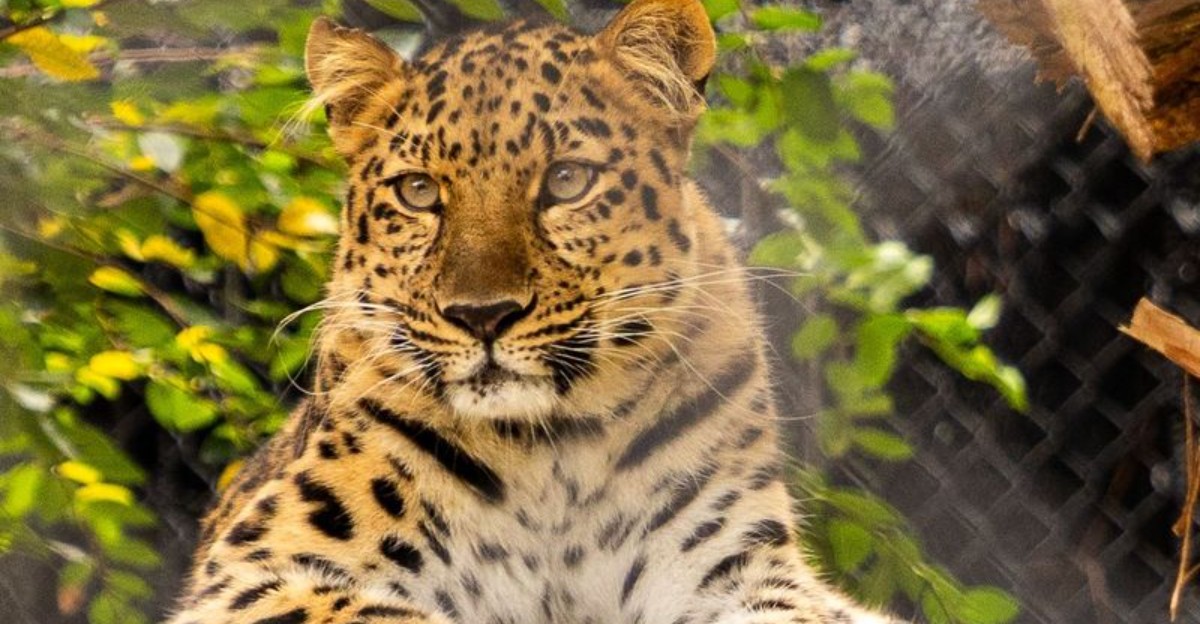
A wild cat that strolls down a tree trunk face first sounds like a cartoon glitch. Clouded leopards do it for real, thanks to back ankles that can rotate.
These cats can even hang upside down from a branch using only their back feet. Their coats look like someone painted big gray clouds right onto the fur.
You don’t need a plane ticket to Southeast Asia to see one up close. A leafy zoo just north of Orlando, Florida, cares for these rare climbers along with rhinos, giraffes, and plenty of reptiles.
I like how clouded leopards break every rule we think we know about cats. House cats back down trees like nervous ladder climbers, but these cats treat a trunk like a staircase. So what else is waiting along those shady garden paths?
1. These Spotted Acrobats Make House Cats Look Clumsy
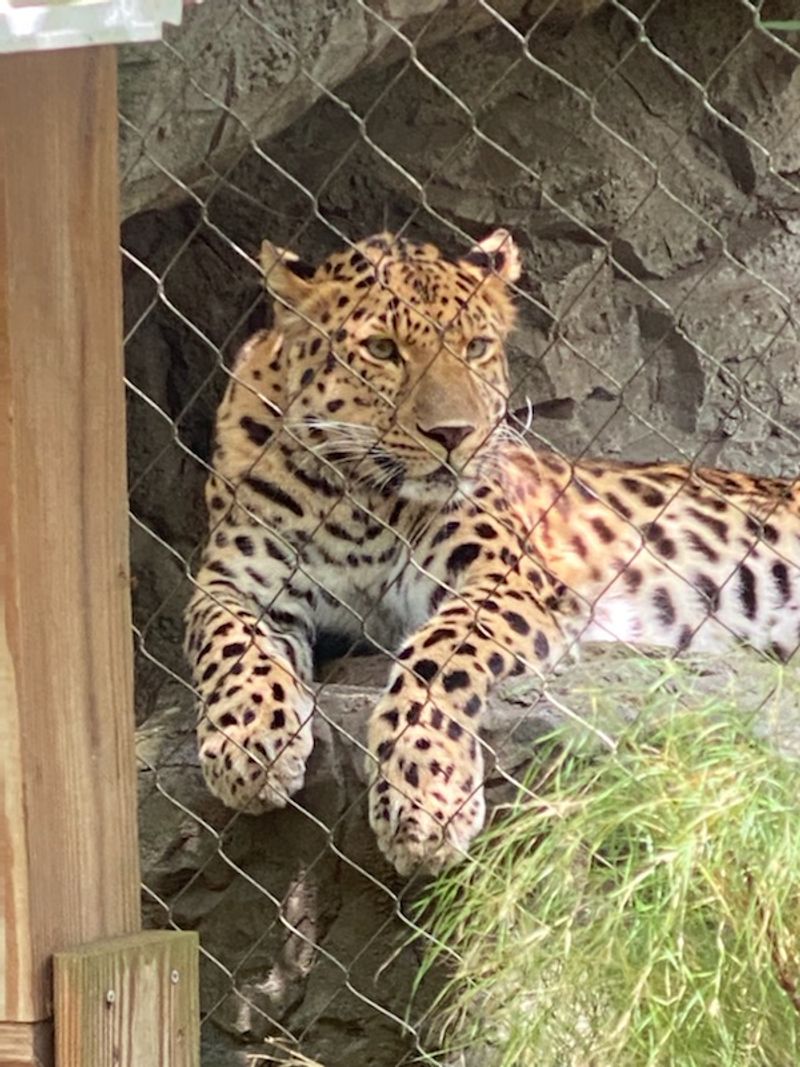
Clouded leopards are the gymnasts of the cat world, and the Central Florida Zoo & Botanical Gardens gives you a chance to see them. Their back ankles can rotate, so they grip a tree trunk while heading down face first.
Most cats can’t pull that off. Your pet at home climbs up fearlessly, then backs down slowly while looking very unsure about life.
Clouded leopards also have short legs, wide paws, and a tail almost as long as their body. That tail works like a balance pole on a high wire.
Put all of that together and you get an animal built for treetops. In the wild, they spend a lot of time in forest canopies across parts of Southeast Asia and the Himalayan foothills.
They can even dangle upside down from branches by their hind feet. Scientists consider them among the best climbers of any cat species.
When you visit, give the habitat a slow, careful look. Clouded leopards are famously shy and blend in well with branches and shadows.
A sleepy cat stretched along a high limb is easy to miss. Patience often pays off, especially when you scan up high instead of down low.
2. Those Fangs Are Bigger Than You Would Guess
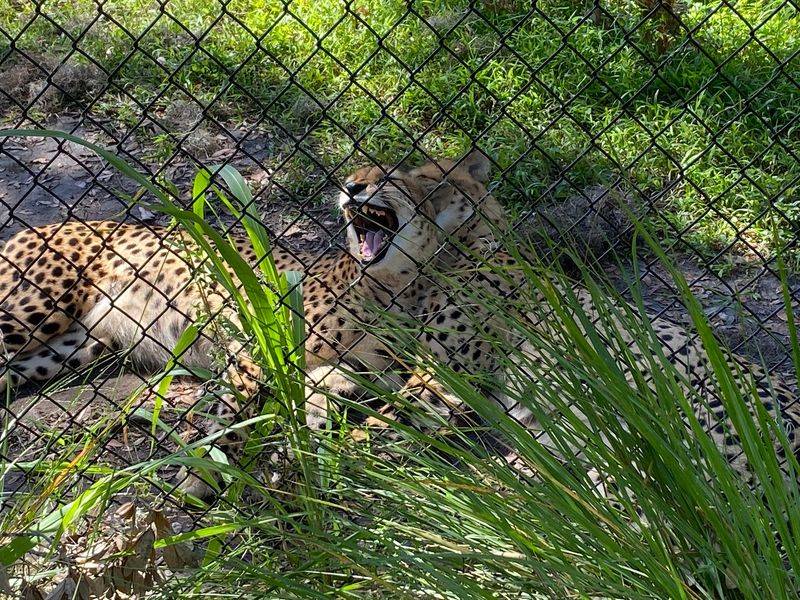
Here is a fact that sounds made up but isn’t. Compared to their body size, clouded leopards have the longest canine teeth of any living cat.
People sometimes call them a modern saber-toothed cat. That nickname isn’t scientific, but it fits the look pretty well.
These cats are not huge, either. An adult usually weighs roughly 30 to 50 pounds, which is closer to a medium dog than a lion.
That small body with oversized fangs makes for a striking face. If one yawns while you’re watching, you’ll understand the hype right away.
The jaw can also open unusually wide for a cat. Experts think this helps them grab prey in thick forests where every chance counts.
Their name comes from the coat, not the teeth. Each large blotch has a dark outline with a lighter middle, a bit like storm clouds drifting across the sky.
No two cats carry the exact same pattern. Kids might enjoy comparing the shapes to animals or objects, like finding pictures in real clouds.
Bring a phone with a good zoom setting if you want photos. Those markings are worth capturing in detail.
3. Rare Cats Get Real Help From Zoo Experts
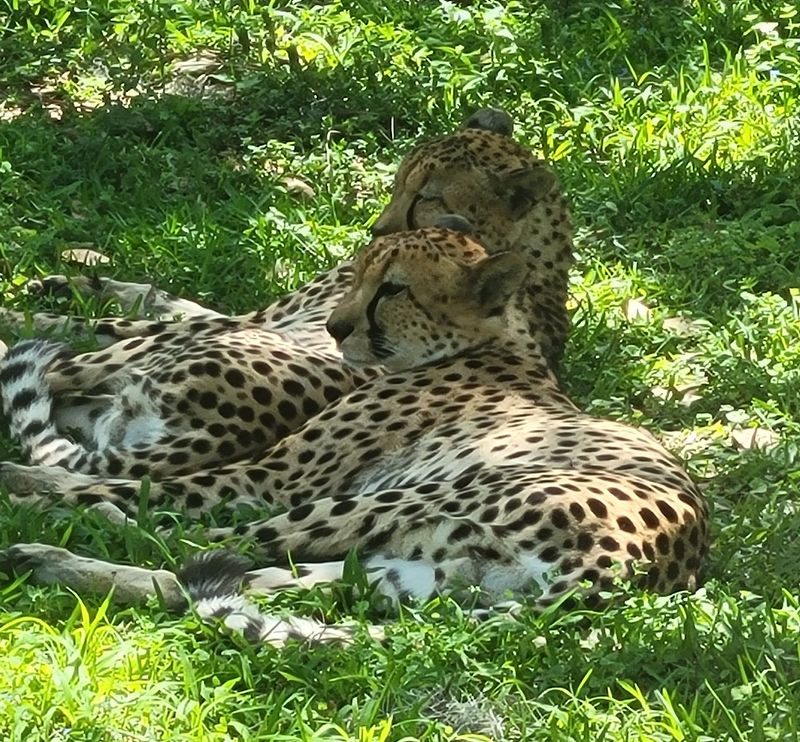
Seeing a clouded leopard anywhere is a treat. The species is listed as vulnerable, mostly because forests across its range keep shrinking.
Illegal hunting adds even more pressure. Their beautiful coats and teeth unfortunately make them targets in some regions.
That’s where accredited zoos step in. The Central Florida Zoo & Botanical Gardens is accredited by the Association of Zoos and Aquariums, a group with strict standards for animal care.
AZA zoos work together through Species Survival Plans. These programs help manage healthy, genetically diverse populations of rare animals like clouded leopards.
Clouded leopards are known for being tricky to pair up. Keepers often introduce them carefully and slowly, because these cats can be picky about partners.
So every cat living in a zoo plays a part in a much bigger plan. It’s a little like a carefully planned family tree that spans many states.
Reading the signs near the habitat is time well spent. You’ll learn where these cats come from and why their forests matter.
Kids who learn about rare animals early often care about wild places later. That might be the best souvenir the zoo offers.
4. A Century of Animal History Sits Behind the Gates
Back in 1923, this zoo started out small. It began with a handful of animals near Sanford’s city hall, and it’s grown a lot since.
The zoo later moved to its current home along the edge of a wooded area. Today the property mixes animal habitats with gardens, which explains the full name.
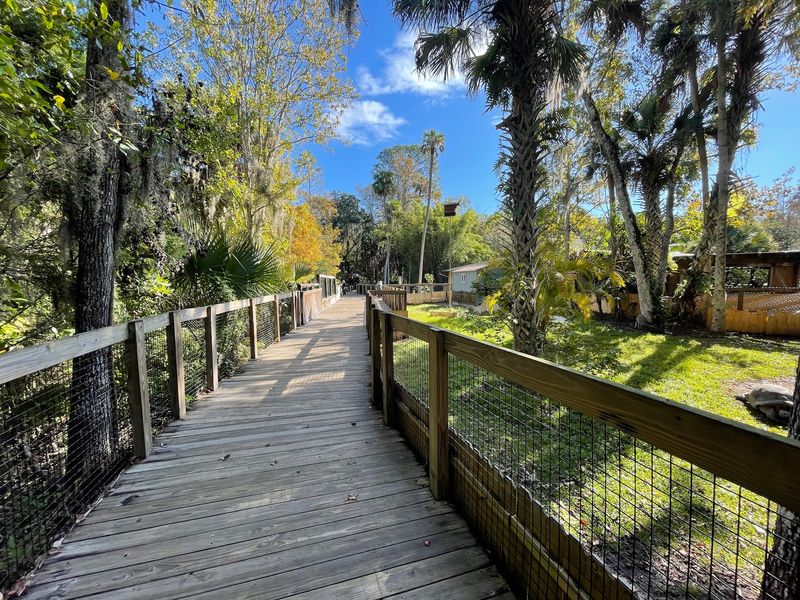
That garden side is no small detail. Big trees, palms, and leafy plants shade many of the paths, which matters a lot in Florida heat.
Boardwalks wind through parts of the grounds too. They give the visit a calm, nature-walk feel instead of a long parking-lot stroll.
Over the decades, the Central Florida Zoo & Botanical Gardens grew into a regional favorite. It’s now a nonprofit focused on care, education, and conservation.
A century is a long time for any attraction to stick around. That kind of staying power usually means a community truly values the place.
Walk slowly and notice the plants as well as the animals. Some areas feel more like a tropical garden than a zoo.
Botany fans and animal fans can share the same day without any arguing. That’s a rare win for family outings.
5. Giraffes, Rhinos, and a Whole Lot of Scales Await
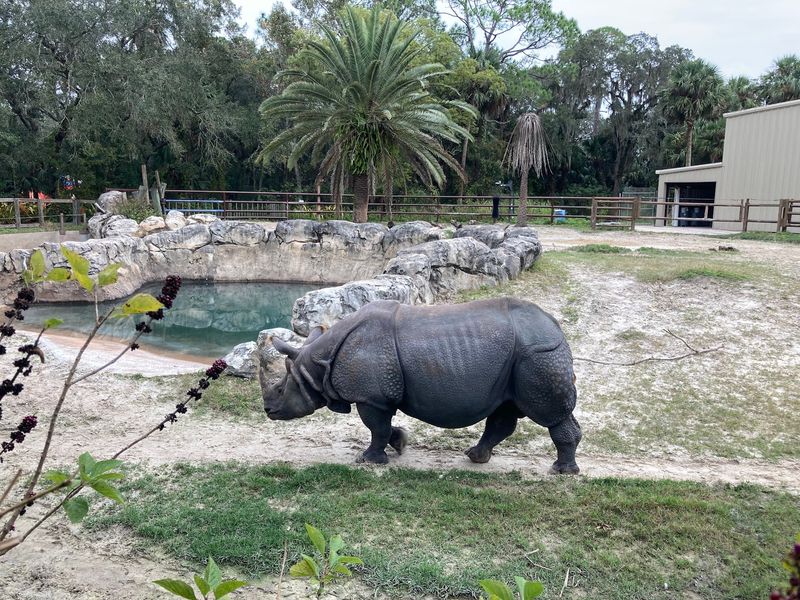
Cats get the headline, but the supporting cast is impressive. The zoo is home to giraffes, rhinos, black bears, cheetahs, lemurs, otters, and many more.
Giraffe feeding is one of the big draws here. Holding out lettuce while a long purple tongue reaches for it is a moment kids won’t forget.
Feeding times and availability can change, so check the daily schedule when you arrive. Weather and animal needs always come first.
Reptile fans are in for a treat as well. The Central Florida Zoo & Botanical Gardens has a strong focus on reptiles, including plenty of snakes and tortoises.
The zoo has long been known for its work with reptiles and amphibians. It even supports conservation programs that help rare species in the wild.
Little ones can head to the barnyard area for goats and other farm friends. It’s a gentle way for toddlers to meet animals at their own height.
Keeper talks and animal encounters pop up throughout the day. Those short chats are a great way to learn fun facts straight from the people who know these animals best.
6. You Might Want to Swing Through the Treetops Yourself
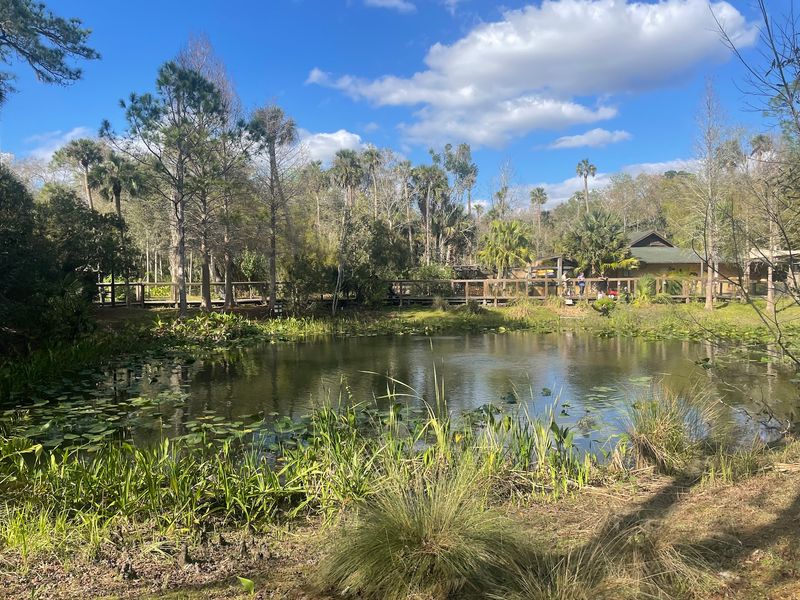
After watching clouded leopards rule the branches, you may feel a little jealous. Good news, because the zoo offers a zip line and aerial adventure course.
The course includes rope bridges and obstacles high up in the trees. It’s a fun way to get a cat’s-eye view of the grounds.
Nobody expects you to come down headfirst like the leopards. Harnesses and staff guidance handle the safety part, so you can focus on the fun.
Courses like this usually have height and age guidelines. Check those before you promise anyone a turn, especially younger kids.
The adventure course is typically an add-on rather than part of regular admission. Planning it into your day ahead of time keeps things smooth.
Not into heights? A train ride offers a much calmer way to see parts of the property.
The train is a favorite with younger kids and grandparents alike. Rides can depend on weather and maintenance, so ask about it early in your visit.
Mixing an active adventure with animal time keeps the whole family happy. Everybody gets a turn at their favorite thing.
7. Splash Pad Breaks Will Save Your Florida Afternoon
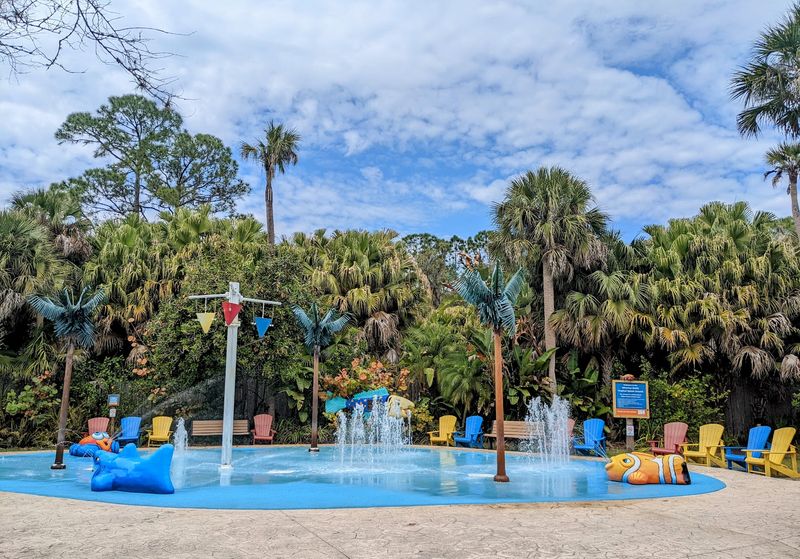
Florida summers don’t play around. Thankfully, the zoo has a splash pad where kids can cool off between animal stops.
It’s a smaller area best suited to toddlers and young kids. Pack a change of clothes and a towel if you plan to let them run through the spray.
A playground sits nearby too. Parents can grab a seat while kids burn off any leftover energy.
Shade helps here as well. Many paths sit under tall trees, which makes a big difference on humid days.
Bring a reusable water bottle for the day. The zoo has refill stations and avoids selling single-use plastic bottles.
Drinks like soda come in reusable souvenir cups instead. It’s a small, smart way the Central Florida Zoo & Botanical Gardens cuts down on waste.
Outside food isn’t allowed inside, but picnic tables near the entrance give you a spot to eat a packed lunch first. Snacks and ice cream are sold inside for a midday treat.
Plan for about two to three hours to see everything at a relaxed pace. Toss in splash time and that number may grow.
8. Winter Nights Glow Brighter Than Any Cat’s Eyes
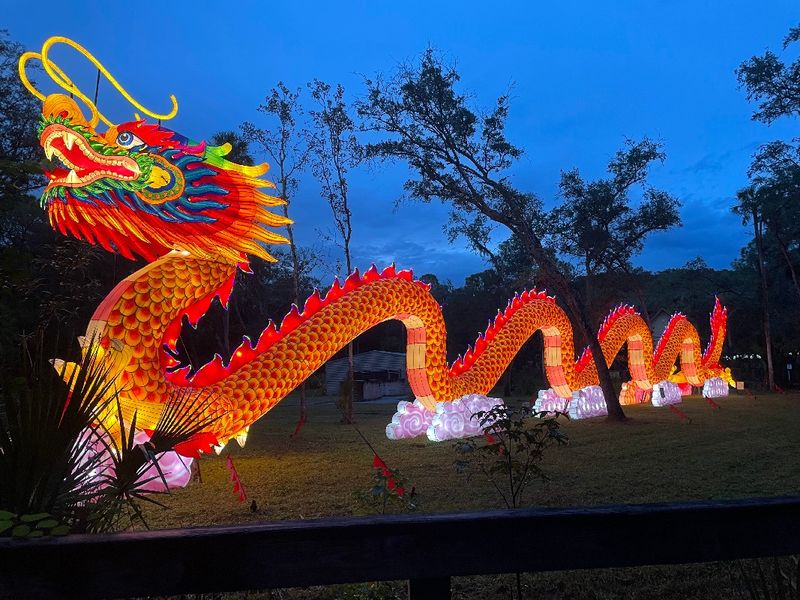
When the weather cools down, the zoo transforms after dark. The Asian Lantern Festival has become a popular holiday-season tradition here.
Huge glowing lantern sculptures fill the paths with color. Some are small and detailed, while others tower over everyone walking past.
Animal shapes show up often, which feels fitting for a zoo. Keep your eyes open for creatures that might remind you of the ones you saw that afternoon.
The festival is a separate evening event with its own tickets. Dates, hours, and themes can change each year, so check the schedule before making plans.
Most animals are resting during the lantern nights. The lights are the main show, and honestly, they hold up their end of the deal.
A daytime visit followed by a nighttime lantern walk makes for a full, memorable day. You’ll see the same grounds in two very different moods.
Bring a light jacket, since Florida evenings in winter can get surprisingly cool. Comfy shoes help too, because you’ll want to take your time.
Photos look best when you slow down and frame each lantern carefully. Rushing past them would be a waste of good glow.
9. Getting There Is Easier Than Spotting a Shy Leopard
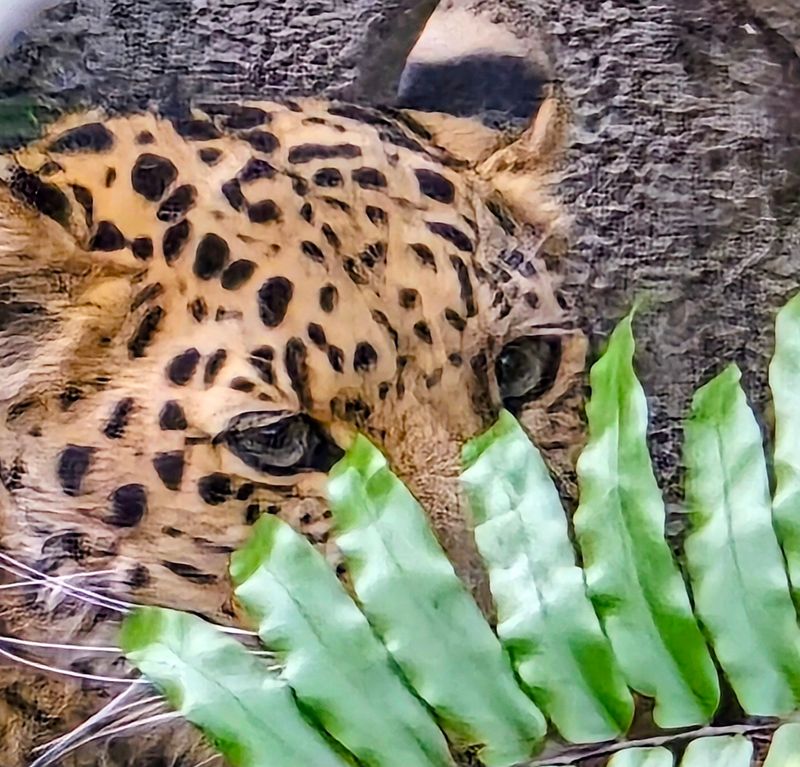
Finding a hiding clouded leopard can take patience. Finding the zoo is much simpler, since it sits just off Interstate 4 north of Orlando.
The Central Florida Zoo & Botanical Gardens is located at 3755 W Seminole Blvd, Sanford, FL 32771. It’s a handy stop if you want a break from busy theme park crowds.
The zoo usually opens at 9 a.m. and closes at 4 p.m. most days, with Saturday hours often running until 5 p.m. Hours can shift for events, so double-check before heading out.
Buying tickets online in advance can save you some money. Kids under 3 typically get in free, which helps families with little ones.
Early mornings tend to be a smart choice in Florida. Animals are often more active, and the air is cooler for walking.
Later afternoon can work too, especially around feeding times. Keepers are busy then, and some animals perk up nicely.
Sanford also has a charming historic downtown and riverfront nearby on Lake Monroe. Pairing the zoo with a stroll there turns a short trip into a full day.
Just remember to look up when you pass the clouded leopards. That’s where the real show usually is.