10 Florida Towns Where Rising Property Taxes Are Driving Families Away
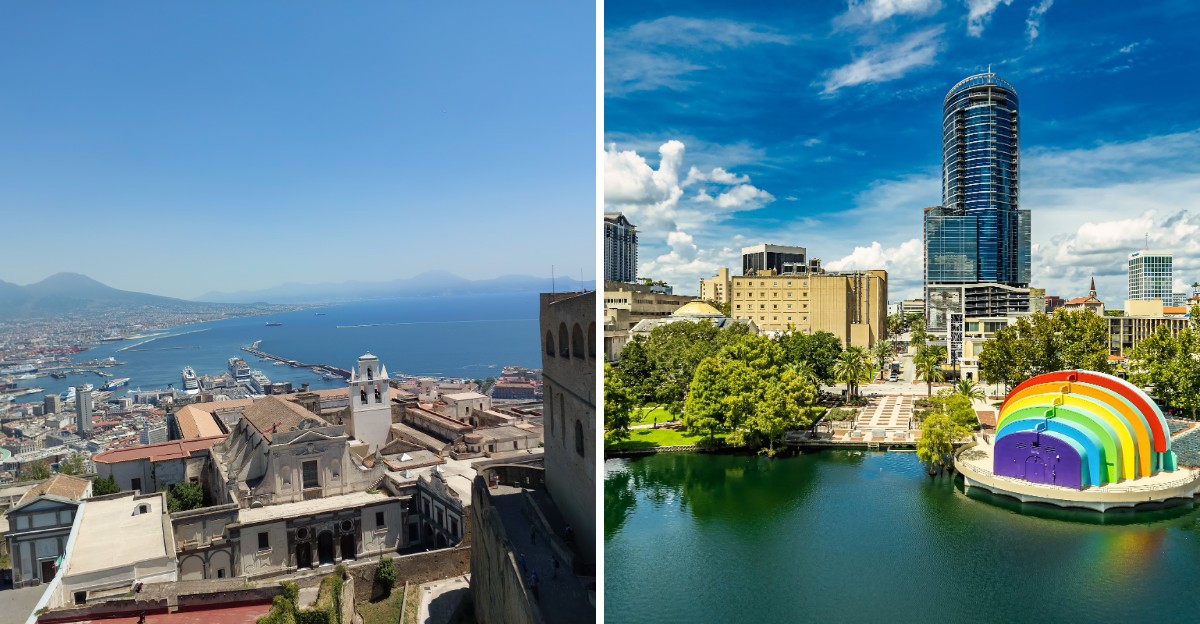
Two identical houses can sit side by side on a Florida street and carry wildly different property tax bills. The reason is a 1990s voter-approved rule called Save Our Homes.
It caps yearly assessment growth on a homesteaded home at 3 percent or inflation, whichever is lower. Buy a new house, though, and your assessment usually resets to today’s market value.
I find that twist fascinating and a little maddening. A young family moving in can pay far more than the retiree next door for the same square footage.
The state still skips a personal income tax, which once felt like the ultimate perk. Lately, the yearly tax bill in the mailbox has become a bigger part of the conversation.
Add soaring home insurance costs, and some households are doing hard math at the kitchen table. Which towns are feeling that squeeze the most right now?
1. Naples
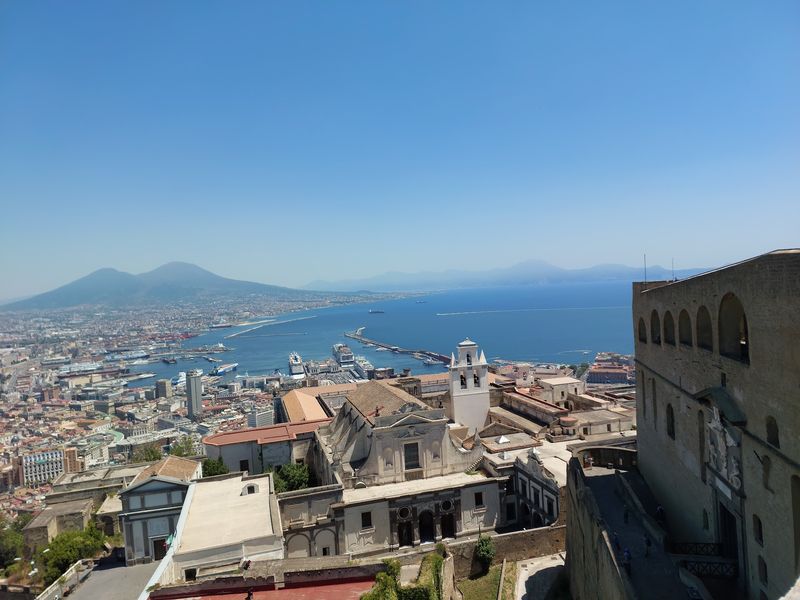
Million-dollar views come with a bill to match. Naples sits on the Gulf of Mexico in Collier County, and its home values rank among the highest in Florida.
For long-time owners, the Save Our Homes cap keeps assessed values growing slowly. New buyers, on the other hand, start with a fresh assessment based on today’s sale price.
That gap matters a lot for younger families. Teachers, nurses, and service workers often find that the tax line alone reshapes their monthly budget.
Insurance adds another layer. Hurricane Ian in 2022 and Hurricanes Helene and Milton in 2024 pushed storm risk to the front of many buyers’ minds along this coast.
So what can you do if Naples still calls your name? Filing for the homestead exemption right away is a smart first step, since it trims your taxable value.
Portability can help too. If you already own a homesteaded Florida home, you may be able to carry part of your savings to the new property.
Many working families now look inland toward towns with lower price tags. The beach stays close, while the tax bill gets easier to swallow.
Address: Naples City Hall, 735 Eighth Street South, Naples, FL 34102
2. Cape Coral
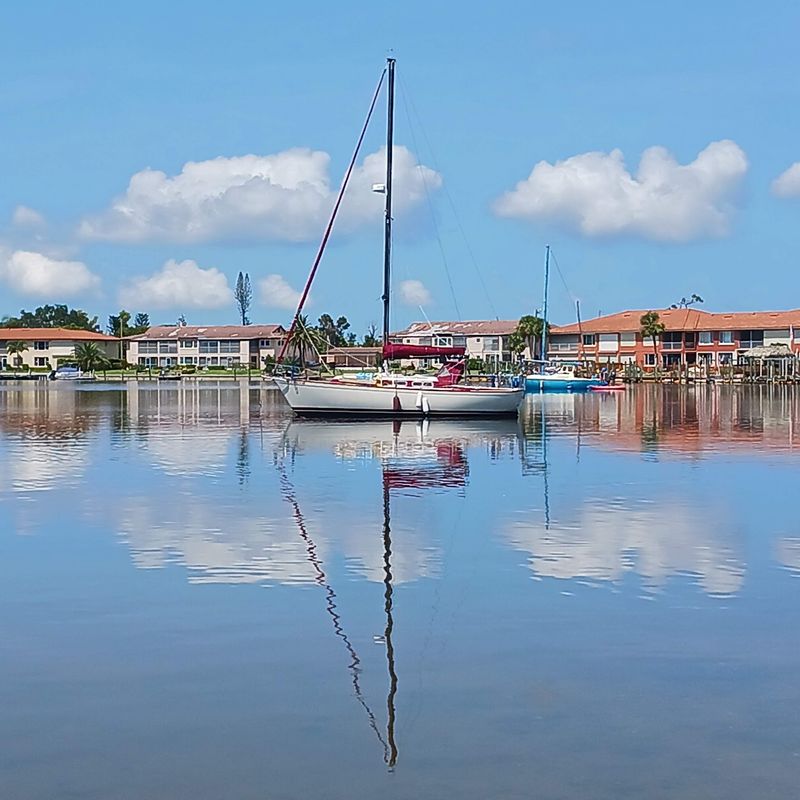
Canals stretch for hundreds of miles here, and boat docks seem to outnumber mailboxes. Cape Coral built its reputation on affordable waterfront living for regular families.
That reputation took a hit after the pandemic housing boom. Prices climbed fast, and new owners inherited assessments tied to those higher numbers.
Then came Hurricane Ian in 2022. Damage across Lee County was severe, and rebuilding costs pushed many homeowners toward tough choices.
Many homes here also carry special assessments for things like utility expansion. You’ll want to check those charges, since they appear on the same yearly tax bill.
Here’s a practical tip. Before buying, look up the property on the Lee County Property Appraiser’s site and compare the current owner’s taxes with what yours might be.
That number can surprise you. A seller with decades of homestead savings may pay much less than you will after closing.
Cape Coral still offers sunsets over the water and a slower pace than bigger metros. Just make sure your budget can handle the full picture, not only the mortgage payment.
Address: Cape Coral City Hall, 1015 Cultural Park Boulevard, Cape Coral, FL 33990
3. Miami Beach
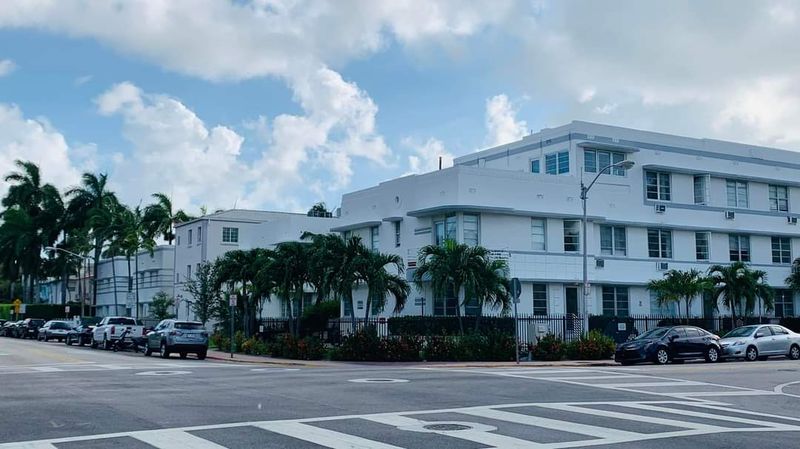
Art Deco charm is free to admire, but owning a slice of it is another story. Miami Beach sits on a barrier island in Miami-Dade County, where land is limited and demand stays high.
Many residents live in condos rather than houses. After the 2021 Surfside collapse nearby, Florida passed new laws requiring building inspections and fully funded reserves.
Those rules made buildings safer. They also pushed condo fees and special assessments sharply higher for many owners.
Stack those costs on top of property taxes, and families feel squeezed from two directions. Some are choosing to rent instead, while others are heading to mainland neighborhoods.
Thinking about buying here anyway? Ask the condo association for its latest reserve study and any planned assessments before you sign anything.
Also review the building’s milestone inspection status. That one document can reveal costs that won’t show up in a glossy listing.
Miami Beach still delivers ocean breezes and some of the most photographed streets in the country. Knowing the true cost of living there helps you enjoy the view without budget shock.
Address: Miami Beach City Hall, 1700 Convention Center Drive, Miami Beach, FL 33139
4. Sarasota
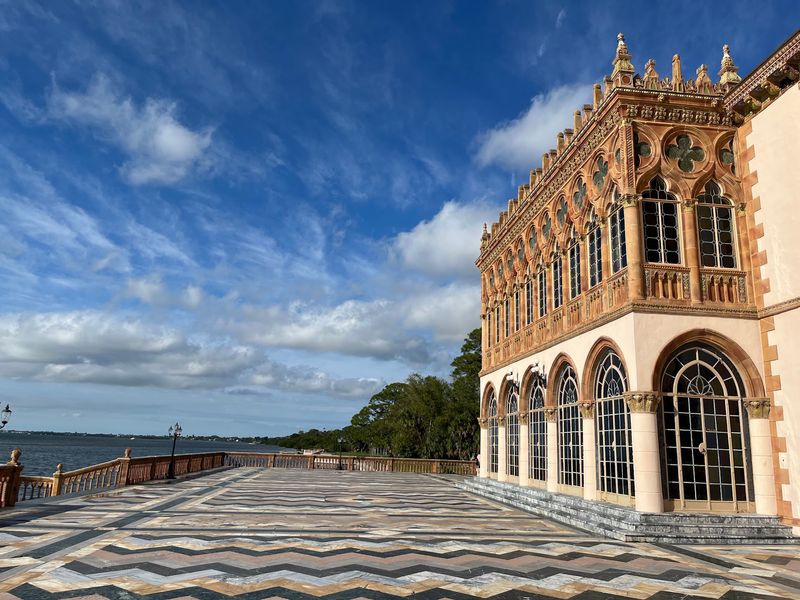
Circus history and white-sand beaches give Sarasota plenty of personality. The Ringling family made this town their winter home, and their museum still draws visitors today.
Personality, sadly, doesn’t pay the tax bill. Home prices in Sarasota County jumped during the early 2020s, and new buyers felt that jump right away.
Retirees with long-held homesteads often pay far less than younger neighbors. That split creates a quiet tension in many neighborhoods.
Hurricanes Helene and Milton both affected the area in 2024. Flooding and wind damage left plenty of homeowners rethinking how much risk they can afford.
So how do families make it work? Some look east toward newer communities where prices can run lower, though impact fees and community district charges sometimes fill that gap.
Always read the fine print on any newer development. Community development district fees often appear on the property tax bill and can add a noticeable amount.
Sarasota remains a cultural standout with theaters, galleries, and Gulf beaches. For many young families, though, the math now points a little farther down the road.
Address: Sarasota City Hall, 1565 First Street, Sarasota, FL 34236
5. St. Petersburg
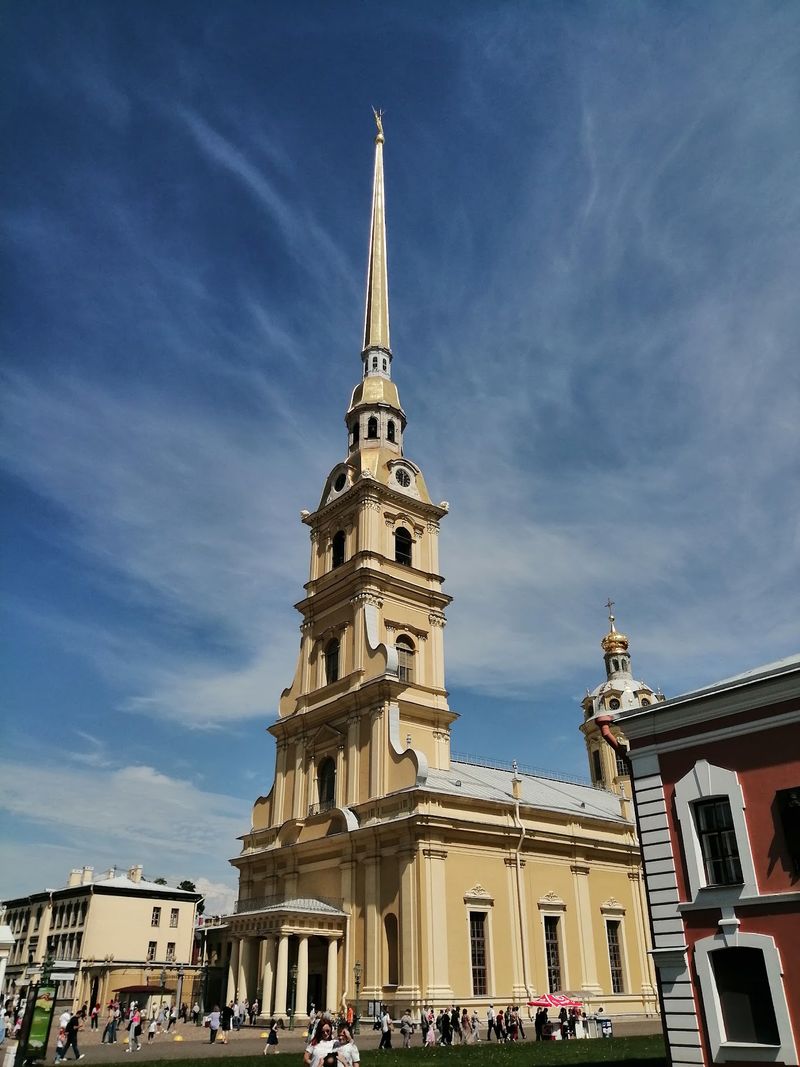
Sunshine is practically a brand here, since the town has long marketed itself as the Sunshine City. St. Petersburg also sits on a peninsula in Pinellas County, which leaves little room to build outward.
Limited land means rising values. Older bungalows that once felt like starter homes now sell for prices that surprise longtime residents.
Those sales reset assessments for the new owners. A family buying today can face a tax bill several times bigger than the seller ever paid.
Storm worries add pressure too. Hurricane Helene’s surge flooded many low-lying neighborhoods in 2024, and Milton followed soon after.
If you love St. Pete, start with flood maps. Knowing your flood zone helps you estimate both insurance and future repair risks before you fall in love with a porch.
Next, file for homestead quickly after closing. The deadline in Florida is March 1 for the tax year, so don’t let it slip by.
St. Petersburg still shines with murals, waterfront parks, and a lively downtown. Planning ahead lets you soak up that sunshine without sweating over your yearly bill.
Address: St. Petersburg City Hall, 175 Fifth Street North, St. Petersburg, FL 33701
6. Fort Myers
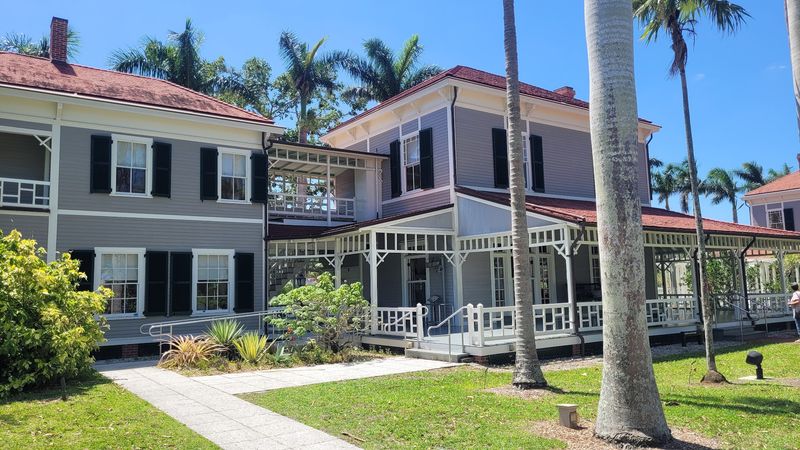
Thomas Edison picked this riverside town for his winter estate, and you can still tour it today. Fort Myers offers history, river views, and easy access to Gulf beaches.
It also faces the same squeeze as its Lee County neighbors. Rapid growth pushed home values up, and newcomers absorbed much higher assessments than earlier owners.
Hurricane Ian hit this area hard in 2022. Many families spent months repairing homes, and some decided the costs simply outweighed the benefits.
Rising insurance premiums didn’t help. Combined with taxes, the yearly cost of ownership now shapes where many local workers can realistically live.
Want a smarter approach? Request a tax estimate from the county property appraiser using your expected purchase price, not the seller’s current bill.
Also ask about hardening features like impact windows. Some insurers offer discounts for wind mitigation, which can soften the overall cost.
Fort Myers keeps growing, and its river district still pulls in visitors for dining and festivals. Families who stay usually do so with a careful budget and a solid storm plan in their back pocket.
Address: Fort Myers City Hall, 2200 Second Street, Fort Myers, FL 33901
7. Key West
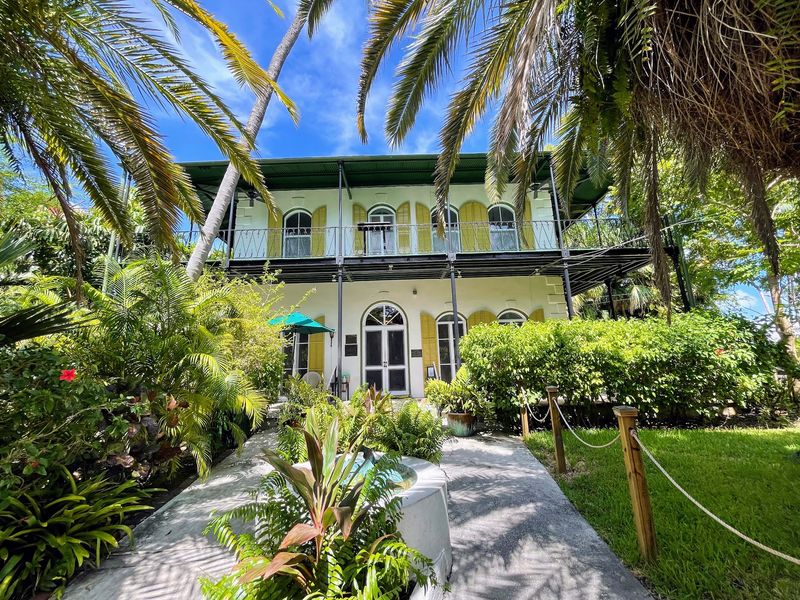
Mile Marker 0 marks the end of U.S. Highway 1, and for some families it marks the end of their budget too. Key West is tiny, tropical, and wildly popular.
An island this small simply can’t add much housing. High demand from second-home buyers and vacation rentals has pushed prices far beyond what many local wages support.
Non-homestead properties face a 10 percent yearly cap on assessment increases for non-school taxes. That’s much looser than the 3 percent cap on primary homes.
Workforce housing has become a long-running local issue. Many workers commute from other Keys or share homes to make the numbers work.
Dreaming of island life anyway? Renting first can help you test the costs before committing to a purchase.
Also study flood insurance closely. Much of the island sits at low elevation, and coverage costs can rival the property tax bill itself.
Key West still sparkles with conch houses, sunset celebrations at Mallory Square, and roaming roosters. For working families, though, paradise often comes with a reality check printed on official paper.
Address: Key West City Hall, 1300 White Street, Key West, FL 33040
8. Orlando
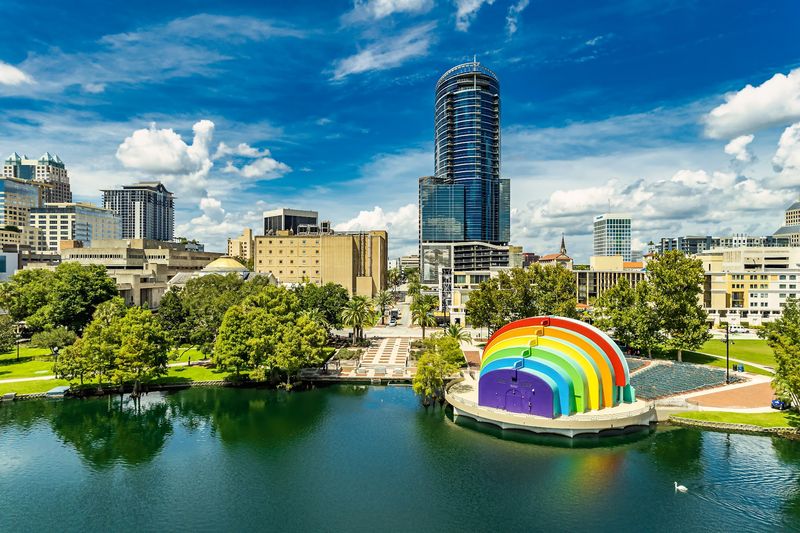
Theme parks get the headlines, but housing gets the dinner-table debates. Orlando keeps attracting new residents, and that steady flow keeps home values climbing.
Central Florida once felt like a bargain compared to the coasts. Today, many families find that newer suburbs around Orlando carry extra charges they didn’t expect.
Community development districts are a big reason. These districts fund roads, drainage, and amenities, and their fees often show up on the property tax bill.
Inland location does offer one perk. Storm surge isn’t a concern here, though hurricanes can still bring strong winds and heavy rain.
Shopping for a home in Orange County? Ask the builder or seller whether a CDD fee applies and how long it lasts.
Some CDD bonds run for decades. Knowing the timeline helps you compare two homes that look similar but cost very different amounts each year.
Orlando offers jobs, lakes, and a fast-growing food scene. Smart buyers treat the tax bill as part of the home’s sticker price, which keeps the magic from wearing off after move-in day.
Address: Orlando City Hall, 400 South Orange Avenue, Orlando, FL 32801
9. Tampa
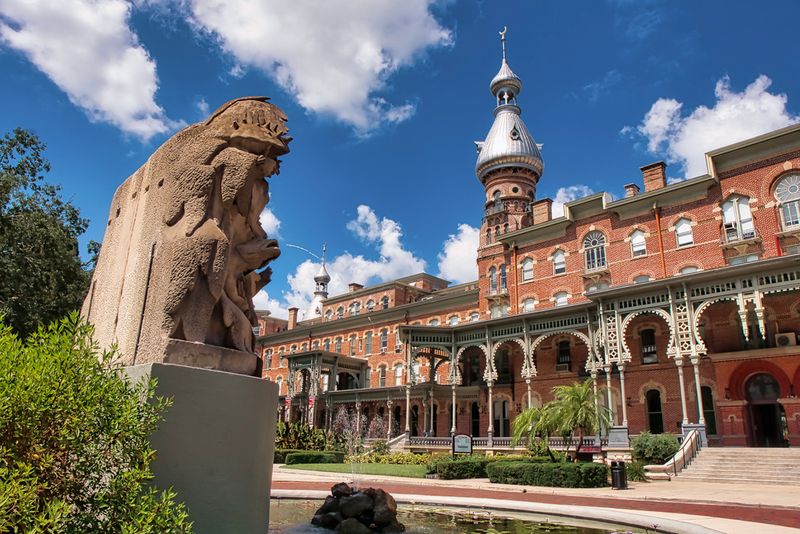
Silver minarets from the old Tampa Bay Hotel still rise over the Hillsborough River. That building now houses the University of Tampa, a fun reminder of the city’s railroad-era roots.
Modern Tampa looks very different. Job growth and new arrivals have driven home prices up across Hillsborough County.
Older neighborhoods like Seminole Heights saw values rise quickly. Families buying there now face assessments based on those newer, higher prices.
Storms also left their mark in 2024. Hurricane Milton made landfall south of the city, and Helene’s surge flooded coastal areas around the bay.
Hoping to buy in Tampa? Compare neighborhoods by total cost, adding taxes, insurance, and any association fees together.
You might discover that a slightly longer commute saves real money. Many families now look to nearby areas in Pasco or Polk counties for that reason.
Tampa still offers a lively Riverwalk, pro sports, and Cuban sandwiches with serious history behind them. The trick is making sure your home budget leaves room to enjoy those perks instead of only paying for the address.
Address: Tampa City Hall, 315 East Kennedy Boulevard, Tampa, FL 33602
10. Palm Coast
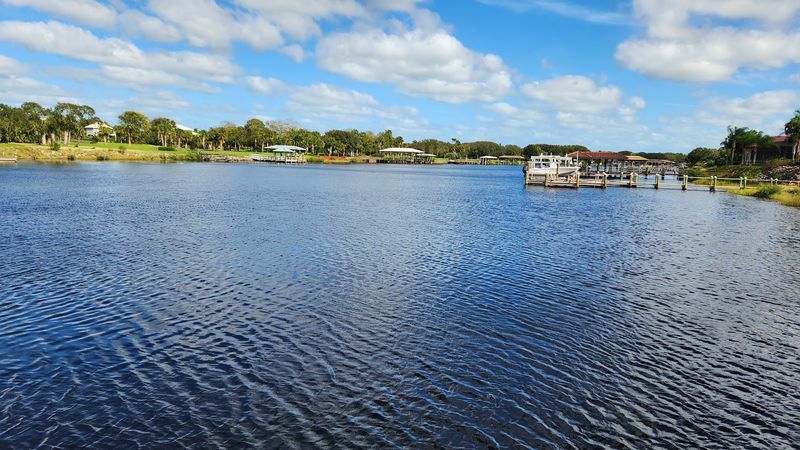
Golf courses, saltwater canals, and miles of trails made Palm Coast a favorite for people chasing calm. This Flagler County city grew from a planned community into one of the state’s fastest-growing places.
Growth brings new schools, roads, and services. It also brings higher home values and bigger assessments for recent buyers.
Many homes here were built on lots sold decades ago. Newer construction often carries a price that reflects today’s materials and labor costs.
Families moving from northern states sometimes expect Florida to feel cheap. The combination of taxes and insurance can change that impression quickly.
Planning a move? Check the Flagler County Property Appraiser’s estimator to see what a new owner might pay.
Also review stormwater and utility fees for your specific address. Those charges vary by location and can add up over a year.
Palm Coast still offers a quieter pace than big metro areas, plus easy access to Atlantic beaches. With a clear budget in hand, you can enjoy those peaceful trails without worrying about what’s waiting in the mailbox each November.
Address: Palm Coast City Hall, 160 Lake Avenue, Palm Coast, FL 32164