This Private Florida College Was Once A Gilded Age Hotel, And The Campus Still Steals The Show
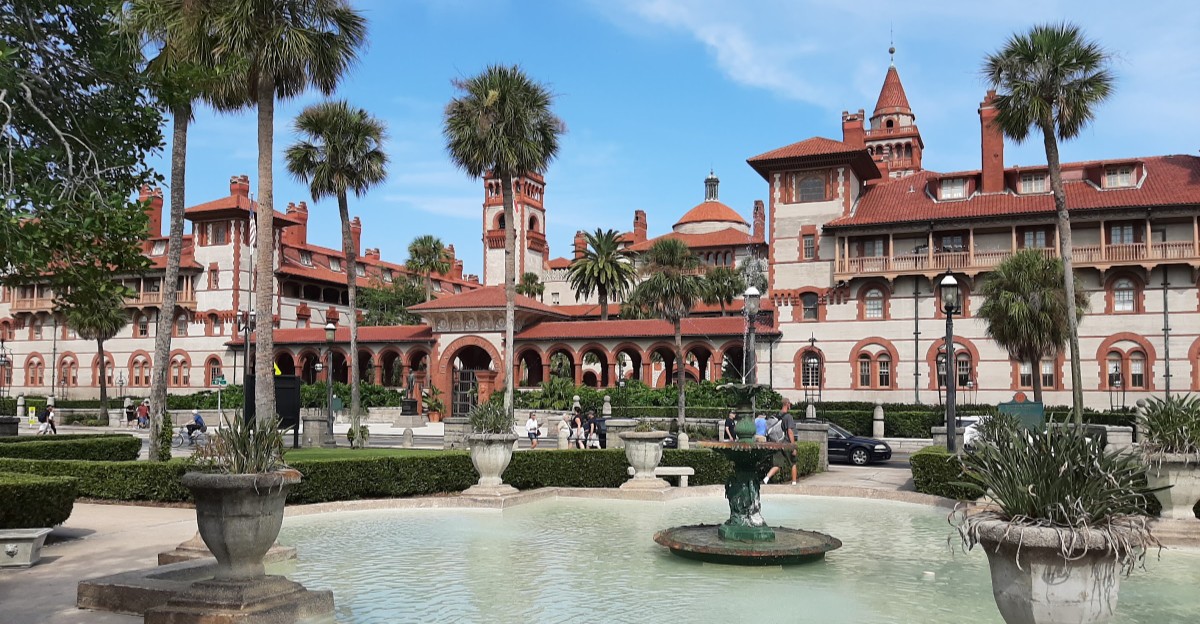
Students eat their meals under Louis Comfort Tiffany stained glass windows. That’s an ordinary weekday lunch at this school, and I still can’t quite believe it.
The main building opened in 1888 as one of the fanciest hotels in America. Oil tycoon Henry Flagler built it, and it ranked among the first major buildings made of poured concrete. It also had electric lights from day one, powered by four Edison direct-current dynamos in the hotel’s own electrical plant.
Today, the old hotel sits at the heart of a small private college in northeast Florida. Students study, sleep, and hang out in rooms once built for millionaires on winter vacation.
I love that history here isn’t locked behind glass. It’s lived in every single day. So how does a Gilded Age palace become a college campus?
A Millionaire’s Winter Palace Turned Into A Dorm
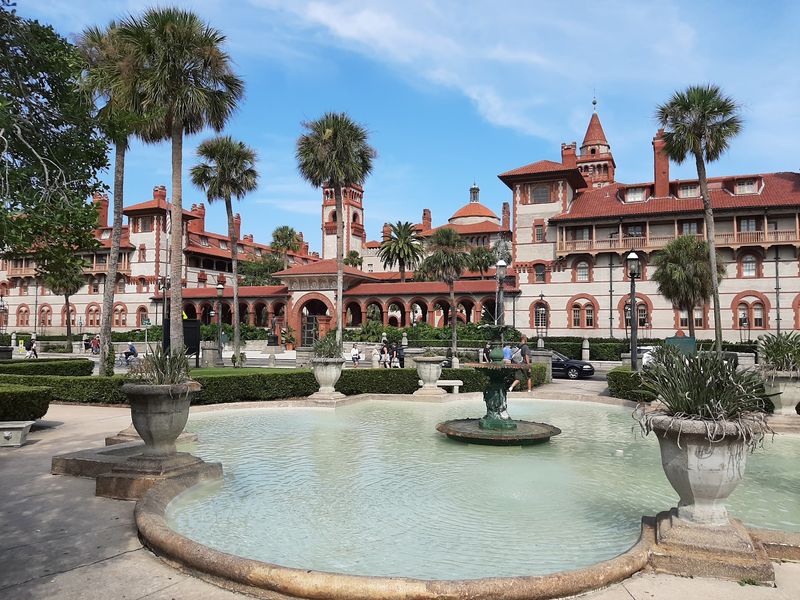
Henry Flagler wanted wealthy Northerners to spend their winters in Florida. So he built the Hotel Ponce de Leon, which opened its doors in January 1888.
The architects were John Carrère and Thomas Hastings, two young designers early in their careers. They later designed the New York Public Library, so they clearly knew a thing or two about grand buildings.
The hotel drew wealthy guests for decades. Over time, though, travel habits changed and the old resort slowly lost its crowd.
Flagler College opened in 1968 and took over the historic building. Today, the old hotel is called Ponce de Leon Hall, and it serves as the centerpiece of campus.
Here’s the fun part. Many first-year students live inside the former hotel, in rooms once meant for vacationing millionaires.
Talk about a dorm with a résumé. Most college freshmen get cinder block walls and a squeaky bed. These students get towers, courtyards, and a building that’s older than most U.S. states’ capitols.
The building is a National Historic Landmark. That means the country officially recognizes it as one of its most important historic places. Not bad for a place where people do homework in pajamas.
Lunch Comes With Tiffany Windows Overhead
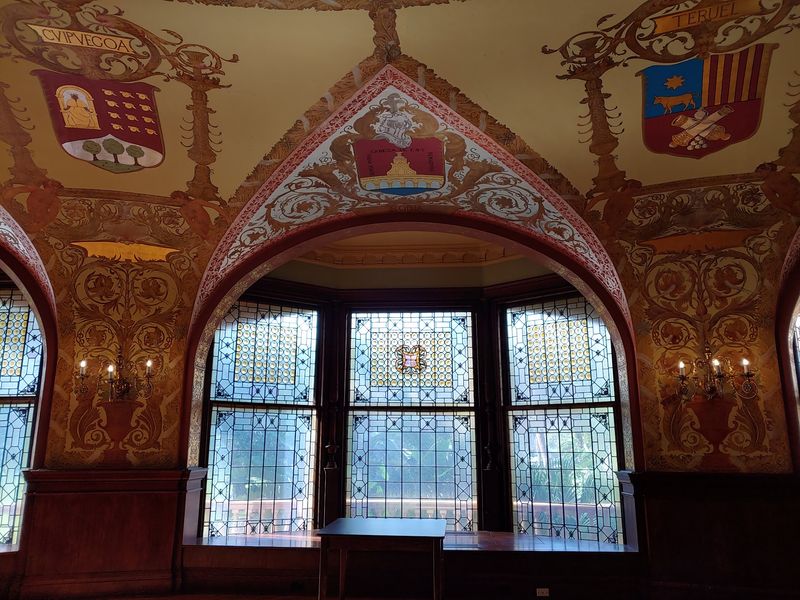
Forget plastic trays under buzzing lights. The dining hall at Flagler College is surrounded by original Tiffany stained glass windows.
Louis Comfort Tiffany created the glass work for the hotel early in his career. Today, the college holds one of the largest collections of his windows still sitting in their original setting.
The room once served fancy meals to hotel guests. Now it feeds students, and the windows haven’t gone anywhere.
The ceiling deserves a look too. Painted murals and rich details stretch above the long tables, so looking up becomes a habit fast.
Visitors can’t just stroll in during mealtime, since this is a working student dining hall. The best way to see the room is on one of the guided historic tours.
It’s honestly a little unfair. Most of us remember college food for being cheap and forgettable.
Students here eat cereal under artwork worth crossing the country for. Somebody should study whether pretty windows make cafeteria pizza taste better. That’s a research project worth funding, and Flagler students already have the perfect lab for it.
Look Up In The Rotunda And Try Not To Gasp
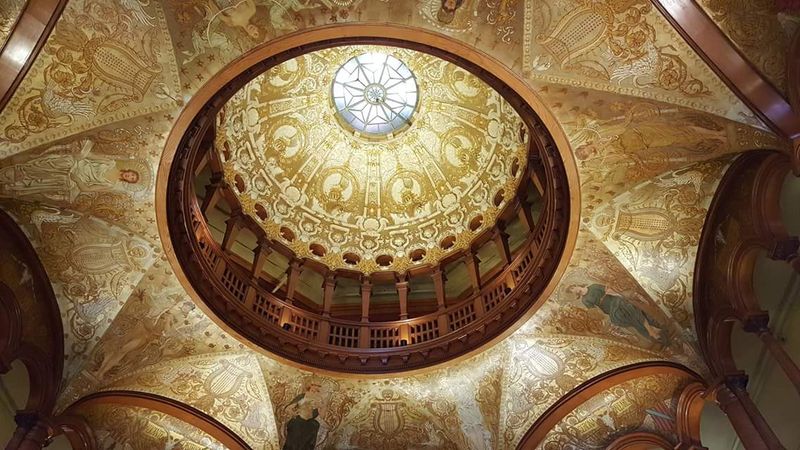
Step through the main entrance and your neck will start working overtime. The rotunda rises into a towering dome covered in detailed artwork.
Carved oak columns hold up the space. Painted figures and golden accents fill the dome, creating a room that feels more museum than college lobby.
The murals were painted by George W. Maynard, an artist known for decorative work in big public buildings. His paintings show figures representing ideas like adventure, discovery, conquest, and civilization.
The rotunda is one of the spaces that’s often open to visitors walking the grounds. That makes it a smart first stop, even if you haven’t booked a tour.
Bring patience for photos, though. The dome is tall, and fitting it into one picture takes some creative angles.
Lie-down selfies aren’t recommended, by the way. Students actually need to walk through here to get to class.
I like that this grand space still works as a busy hallway. Students rush past masterpieces between lectures. Meanwhile, visitors stand frozen in the middle, mouths open, staring at the ceiling like they’ve just spotted a comet.
Built With Concrete And Edison Power Before It Was Cool
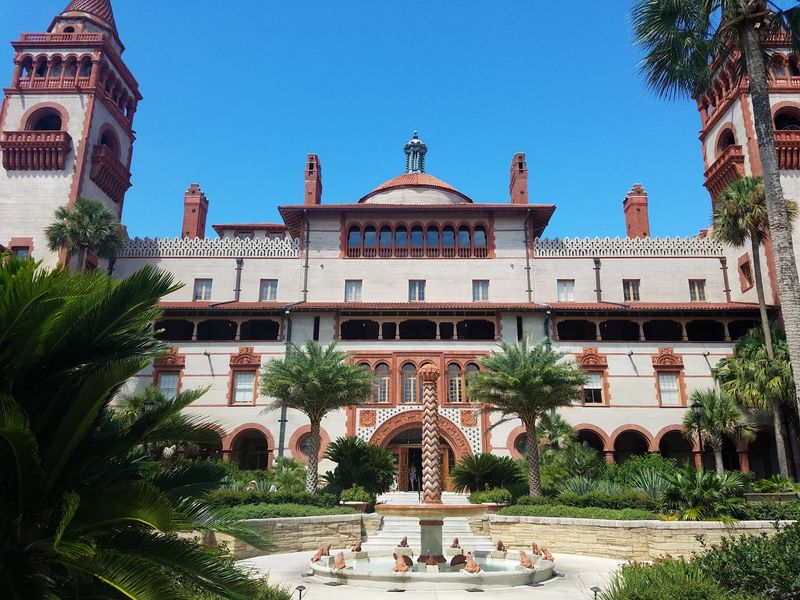
Concrete sounds boring until you learn the 1880s backstory. The Hotel Ponce de Leon was one of the first major buildings in the country made with poured concrete.
The builders mixed concrete with coquina, a local shell stone found in the area. That gave the walls a strong, slightly rough texture you can still spot today.
Then came the lights. The hotel was wired for electricity from the start, with power supplied by generators from Thomas Edison’s company.
In the 1880s, that was a huge deal. Many guests had never stayed somewhere with electric lighting in every room.
Fun fact time. Some stories say staff turned the lights on and off for guests who feared touching the switches themselves.
The building also mixed in fine details like terracotta trim, carved wood, and decorative ironwork. So it was tough on the outside and fancy everywhere you looked.
History fans will enjoy spotting these touches up close. Next time someone calls concrete dull, point them toward St. Augustine. This hotel turned a plain building material into a Gilded Age showpiece.
Book A Student-Led Tour Before Spots Vanish
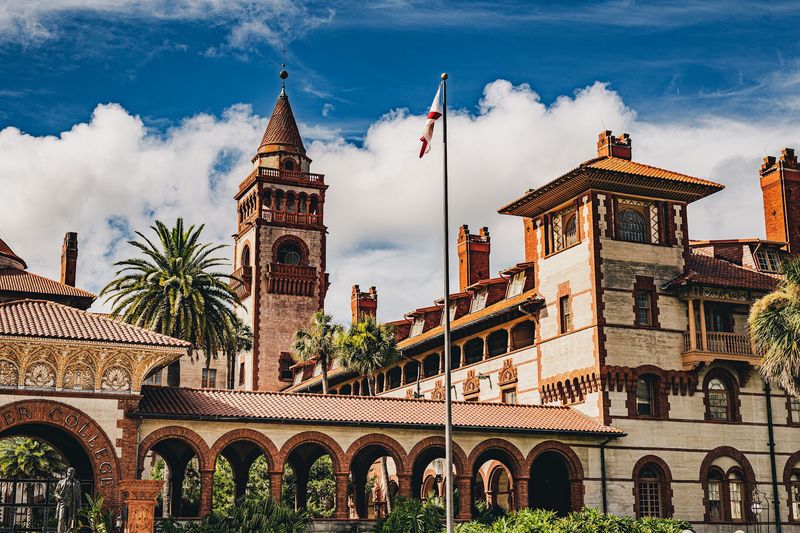
Here’s a pro move: reserve your tour early. The Flagler College historic tours are popular, and spots can fill up before you arrive.
Tours are led by trained Flagler College students. They share the building’s history, its famous guests, and the stories behind its design.
The big perk is access. Tours take you into special rooms that casual visitors can’t enter on their own.
That includes spaces like the Tiffany-filled dining hall and the elegant Flagler Room. These are the places most people really want to see.
Tour times and schedules can change with the school calendar. Check the college’s tour booking page before your trip so you don’t miss out.
Part of the tour happens outdoors, so plan for Florida weather. A hat and water bottle never hurt anyone in the sunshine.
I love that students run these tours. They live and study in this building, so they know its quirks better than anyone.
Ask questions. These guides have heard plenty, and they usually have a great story or two ready to share.
A Parlor So Fancy It Feels Like Royalty Lives There
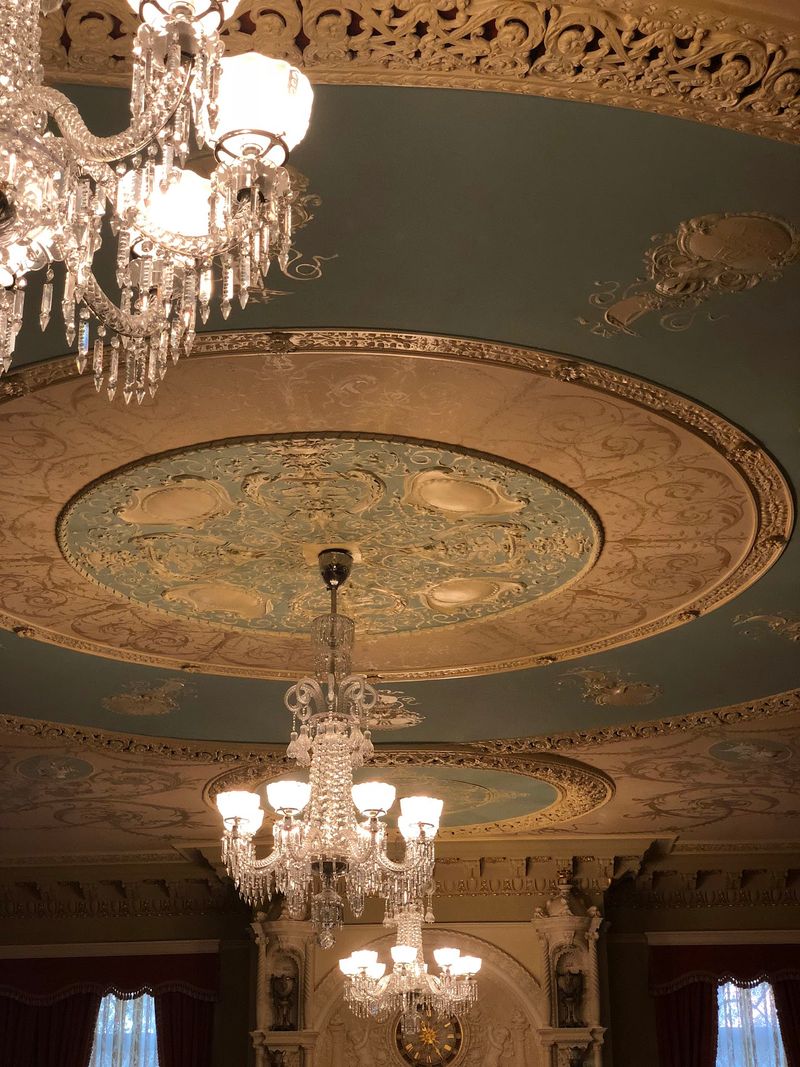
Gold leaf, chandeliers, and big mirrors all in one room? The Flagler Room was the hotel’s grand parlor, and it still looks dressed for a party.
Wealthy guests once gathered here to relax and socialize. Hotel life in the Gilded Age was all about being seen in beautiful places.
The room shows off the era’s love of luxury. Crystal chandeliers hang from the ceiling, and rich details cover nearly every surface.
Today, the college uses the room for special events and gatherings. It’s also one of the highlights on the guided historic tour.
You’ll hear about the hotel’s famous visitors here too. Over the years, the Ponce hosted presidents, writers, and other well-known names.
It’s a fun room to slow down in. Spot the small details, from carved trims to painted patterns.
I can’t imagine studying for finals and then wandering into a room like this. Most of us had a beanbag chair and a desk lamp.
Flagler students get the Gilded Age version. Lucky ducks, every single one of them.
The Courtyard Fountain Has Frogs And A Fun Story
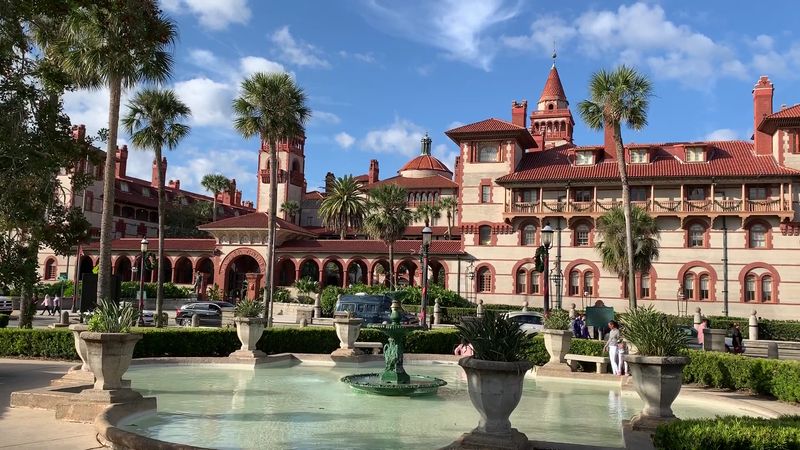
Frogs and turtles guard the fountain in the main courtyard. They spit water into the basin, adding a playful touch to all that grandeur.
The courtyard sits right inside the main gate. It’s open, sunny, and lined with palms, arches, and the building’s twin towers.
The frog fountain has a symbolic twist. The 12 frogs may represent the months of the year or hours of the day, while the four turtles may represent the seasons.
This space is one of the easiest parts of Flagler College to enjoy without a tour. It’s perfect for a quick stroll and plenty of photos.
Morning light makes the towers glow. Late afternoon brings softer shadows that look great on camera.
Remember that it’s still a working campus. Keep your voice friendly and give students room to pass.
The courtyard also connects you to the building’s gates and gardens. Wander slowly and look at the detailed ironwork and terracotta trim.
Honestly, I’d happily sit here with a book for an hour. The fountain sounds alone could convince anyone to skip their errands.
Your Address For The Old City’s Best Front Yard
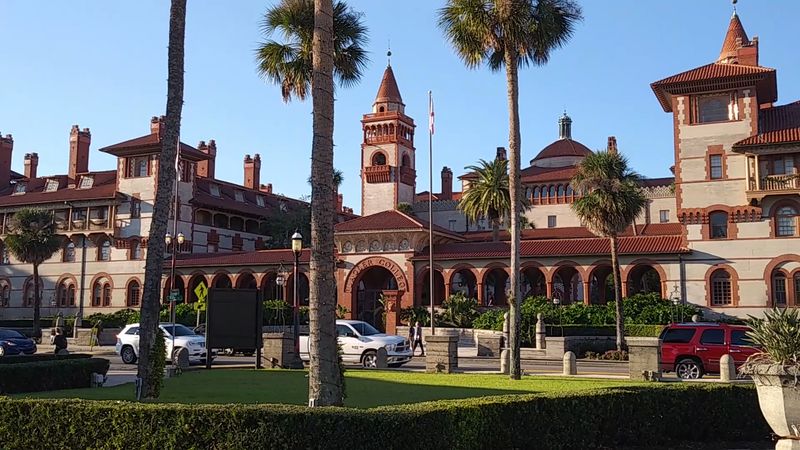
Location matters, and this campus nailed it. Flagler College sits at 74 King St, St. Augustine, FL 32084, right in the historic downtown.
St. Augustine is the oldest continuously occupied European-founded city in the United States. That history sits on almost every corner around campus.
King Street is a major downtown road lined with historic buildings. Across the street stands the Lightner Museum, which was once Flagler’s Hotel Alcazar.
The famous St. George Street is a short walk away. It’s a busy pedestrian street packed with shops, cafés, and old buildings.
The Castillo de San Marcos, a 17th-century Spanish fort, is also close by. You could easily pair a college tour with a fort visit the same day.
Parking downtown can get tricky, especially on busy weekends. The city’s Historic Downtown Parking Facility is a handy option near the visitor center.
Comfortable shoes are a must. The old streets invite you to keep going, then keep going some more.
A day around Flagler College in Florida’s oldest city feels like flipping through a living history book. Just with better ice cream stops.
Newer Buildings Keep The Spanish Style Going
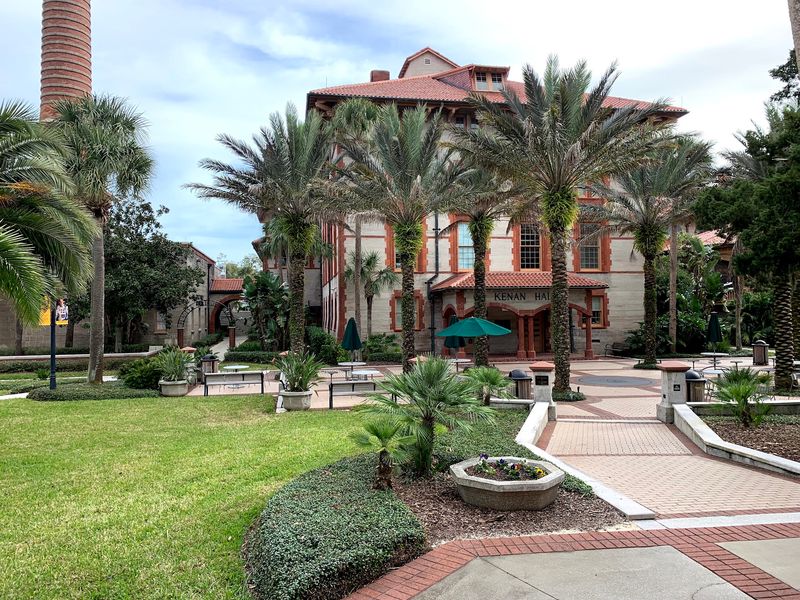
Copying a masterpiece takes guts. Many newer buildings at Flagler College match the original hotel’s Spanish Renaissance Revival style.
Red tile roofs, arches, and warm-colored walls repeat across campus. That makes the whole school feel connected to its famous centerpiece.
Flagler College is a small private liberal arts school. It offers programs in areas like art, business, communication, and education.
The campus also includes buildings from Flagler’s era beyond the main hotel. Some former hotel and church-area structures now hold classrooms and offices.
For prospective students, this is a big selling point. Few colleges in Florida can offer this mix of history, beauty, and a walkable downtown.
Visitors should stick to public areas and respect posted signs. Classrooms and dorms are for students, not sightseers.
Still, just strolling the edges shows off the design. You’ll notice how carefully planners blended new construction with the old look.
I believe that’s what makes the campus so special. It doesn’t feel like a museum with a college attached. It feels like a Gilded Age dream that simply kept going, one class at a time.