You Won’t Find a Road to This Florida State Park, Just Quiet Beaches and Seashells
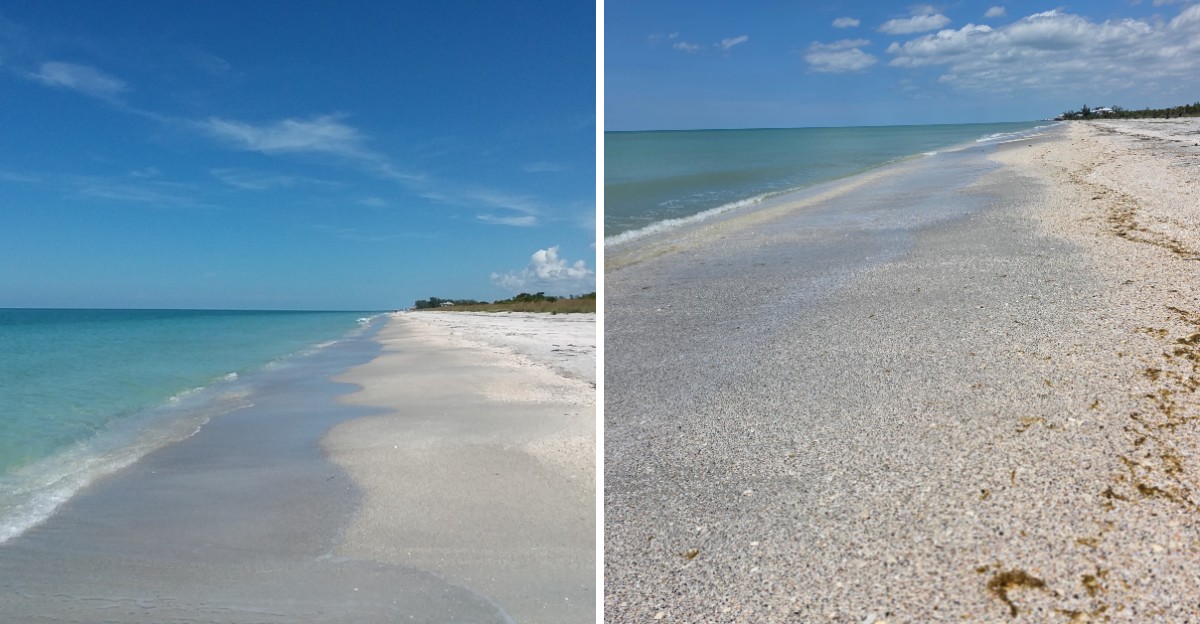
No bridge connects this beach to the mainland. You reach it by boat, kayak, or paddleboard, or you don’t reach it at all.
That one rule changes everything. There are no stores and no houses on the island. You get white sand, shells, and Gulf water stretching out ahead.
I like how the trip itself feels like part of the reward. Dolphins and manatees share the bay with paddlers. Mangrove tunnels branch off the route like secret hallways.
This quiet slice of Florida sits on a barrier island along the southwest coast. The land base offers parking, restrooms, and a launch, but the beach waits across the water. I believe the effort keeps the crowds thin and the sand peaceful.
So, how far would you paddle for a shoreline like that?
1. No Bridge, No Problem: Your Paddle Is the Ticket
Don Pedro Island State Park has one unusual entry requirement. You need a boat, kayak, or paddleboard to reach the beach.
No road crosses to the island, and no bridge links it to the mainland. That simple fact keeps the place quiet in a way most Florida beaches can only dream about.
The park actually has two parts. The land base sits on the mainland side, with parking, restrooms, a pier, and a launch. The island itself holds the beach, and it waits across the water.
Plenty of first-timers miss that detail. They follow a map app, park on the mainland, and wonder where the sand went. Now you know better, so you’re already ahead.
Planning matters here. Wind and choppy water can make paddling tough, so check the weather before you go. A calm morning makes the crossing far more pleasant.
Your own boat works too. Private boaters can tie up at the island’s dock, though slips are limited. Shallow spots in the bay mean you should watch your depth carefully.
Bring everything you need with you. There are no stores or snack stands on the island, so pack water, food, and sunscreen. Carry your trash back out, too, because the island stays beautiful only when visitors help.
I can’t think of a better way to earn a beach day. The trip takes effort, but that effort is exactly what keeps the shoreline so peaceful.
2. Seashell Hunters, Bring a Bigger Bag
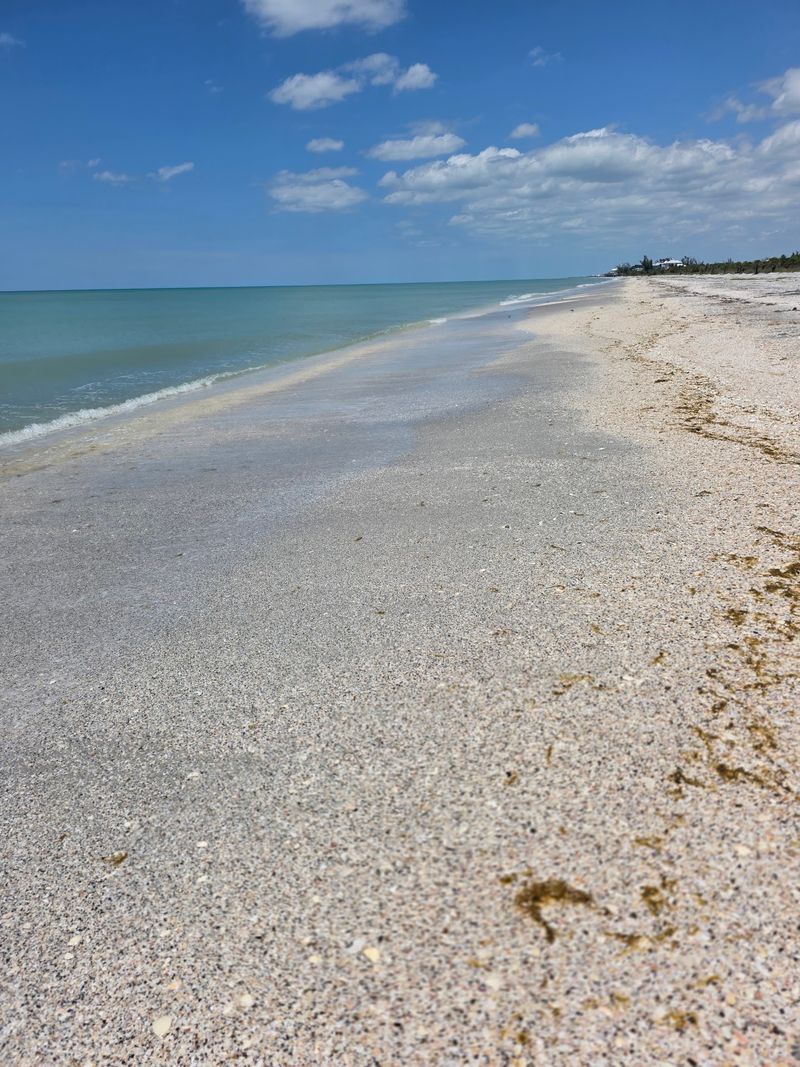
Shells cover this shoreline in a way that makes collectors grin. The beach on Don Pedro Island faces the Gulf, and the tide keeps delivering fresh treasures.
Fewer visitors means fewer people picking the beach clean. That gives you a better shot at finding something whole and pretty before anyone else spots it.
Shark teeth turn up here too. These small, dark, shiny triangles are fossils, and the Gulf coast of Florida is famous for them. Train your eyes on the wet sand near the waterline, where the waves sort things out.
Here’s a helpful trick. Walk slowly and look for anything glossy and black against the lighter sand. Shark teeth often hide among tiny shell bits, so crouch down for a closer look.
A small mesh bag works well for collecting. It lets sand and water drain out while your finds stay put. Kids usually love having their own bag for the hunt.
One rule deserves attention before you start scooping. Florida law protects live shells, so leave anything with a creature still inside right where you found it. Sea stars belong in the water, not your pocket.
Empty shells and shark teeth make great souvenirs. They cost nothing and remind you of a quiet day on an island with no road.
Plan to spend more time looking down than you expected. On this beach, the next great find is usually just a few steps away.
3. The Mainland Base Is Where Every Trip Begins
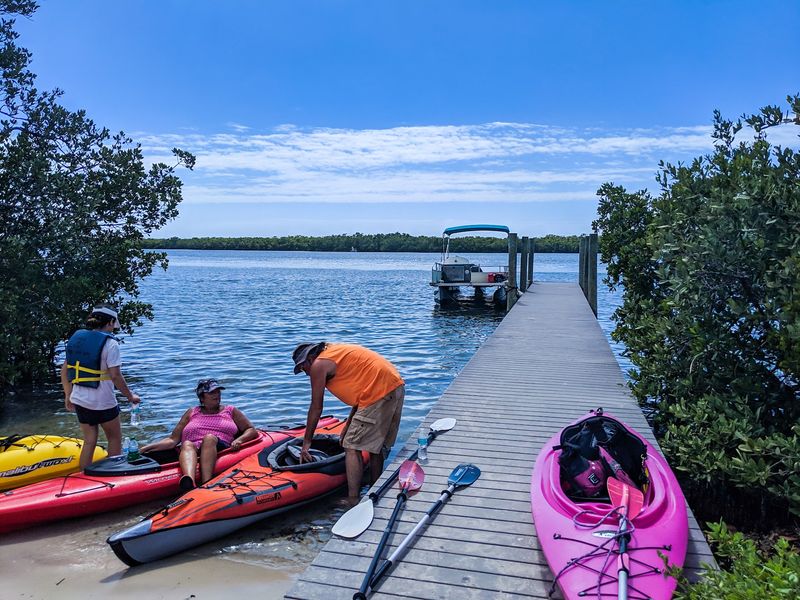
Every island adventure needs a starting line. For this park, it sits on the mainland at 8450 Placida Rd, Placida, FL 33946.
The land base is open daily from 8 a.m. to 5 p.m. A small parking fee applies, and the lot offers plenty of space. Restrooms are right there, which is good news before a long paddle.
Keep one thing in mind. The walk from the parking area to the launch is fairly long, and cars can’t drive to the pier. That matters if you’re hauling your own kayak.
A small wheeled cart solves the problem nicely. Your arms will thank you, especially on the way back after a full day in the sun.
At the end of the path, you’ll find a pier and a launch built for kayaks and paddleboards. It’s a calm, easy spot to slide into the water and get going.
Short nature trails also wind through the land base. They make a pleasant stretch for your legs before or after paddling. Bug spray is a smart move here, since mosquitoes can be fierce.
So don’t expect sand at this stop. Think of the mainland base as the launch pad, not the destination. The beach comes later, after a scenic trip across the bay.
Arrive early in the day to give yourself plenty of time. You’ll want hours on the island, not minutes.
4. Rent a Kayak and Skip the Hauling
No kayak? No trouble at all. A rental outfitter called SUP Englewood operates right at the park’s land base.
They offer kayaks and paddleboards for people who want to explore on their own. Guided tours and lessons are available too, which helps if you’re new to paddling.
Going solo comes with good support. The outfitter provides maps of routes through the area, so you’re not left guessing which way to turn.
A guided tour has its own perks. A guide can point out wildlife, explain the plants, and steer you safely through busy water. For first-timers, that peace of mind is worth a lot.
Weather can affect rentals, so plan ahead. Strong wind can make the bay too rough, and rentals may pause on those days. Checking the forecast saves you a wasted drive.
Paddling to the island takes some time and effort. It’s not a quick hop, so pace yourself and bring plenty of water. Wearing a hat and sun shirt helps too.
Families and friend groups often find tandem kayaks handy. Two people share the work, and conversation comes easier when you’re in the same boat. Literally.
Renting also means no long walk with heavy gear from the parking lot. You show up, grab a paddle, and launch. That’s a pretty sweet deal for a trip to an island with no road.
5. Watch for Fins, Flippers, and Feathers on the Way
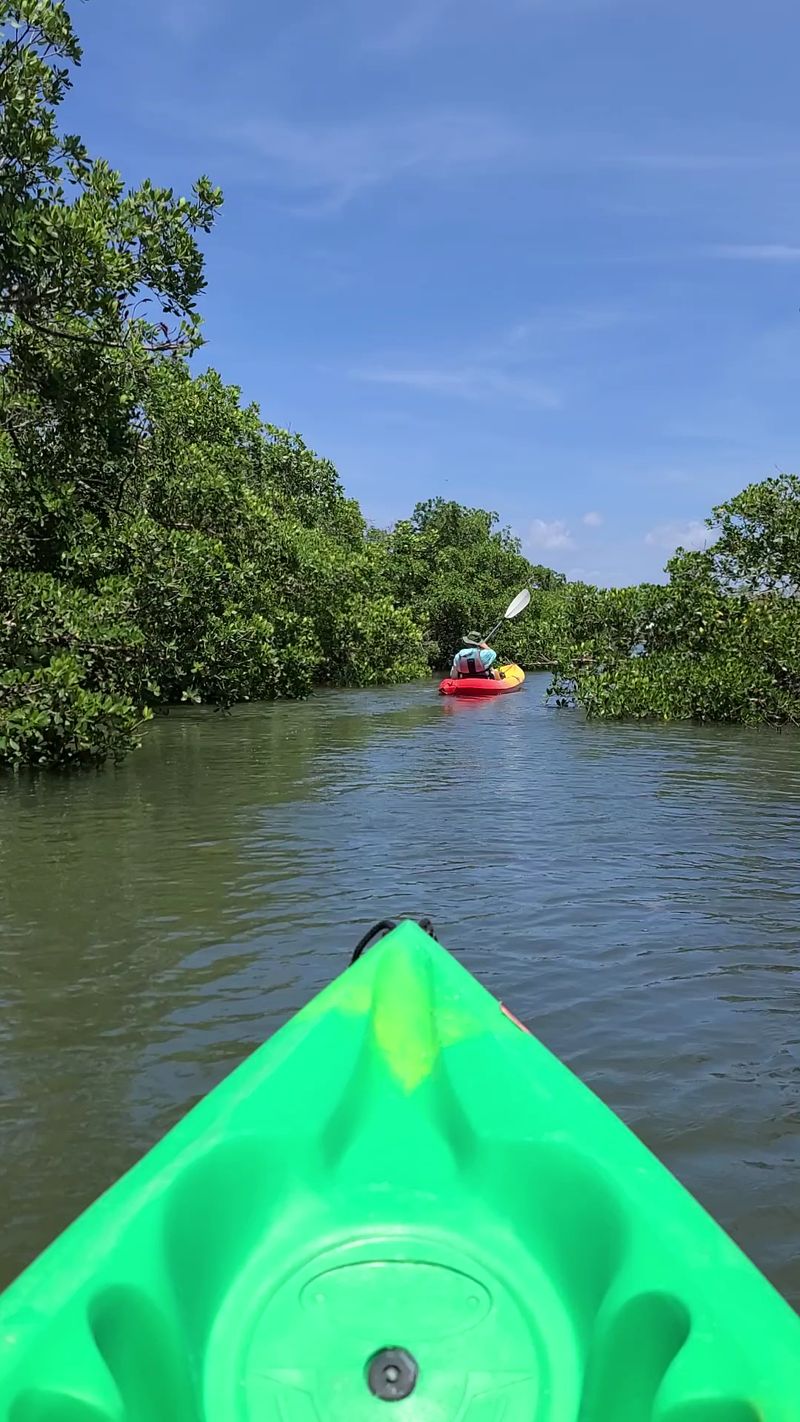
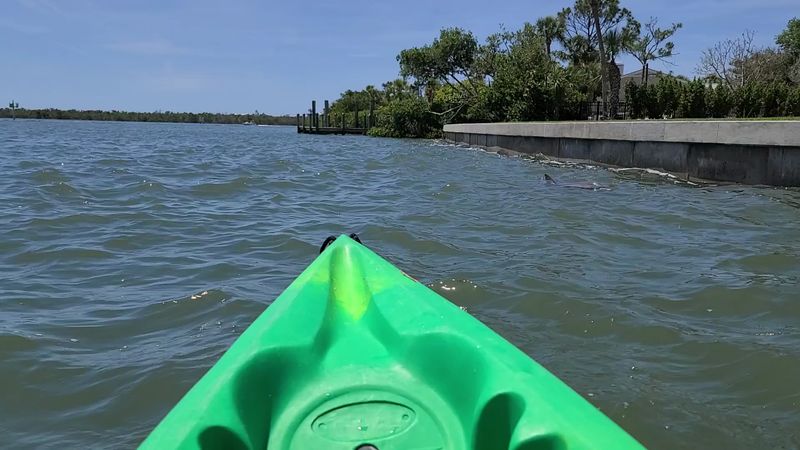
Dolphins love this stretch of water. Paddlers often spot their curved backs rising and dipping as they swim through the bay.
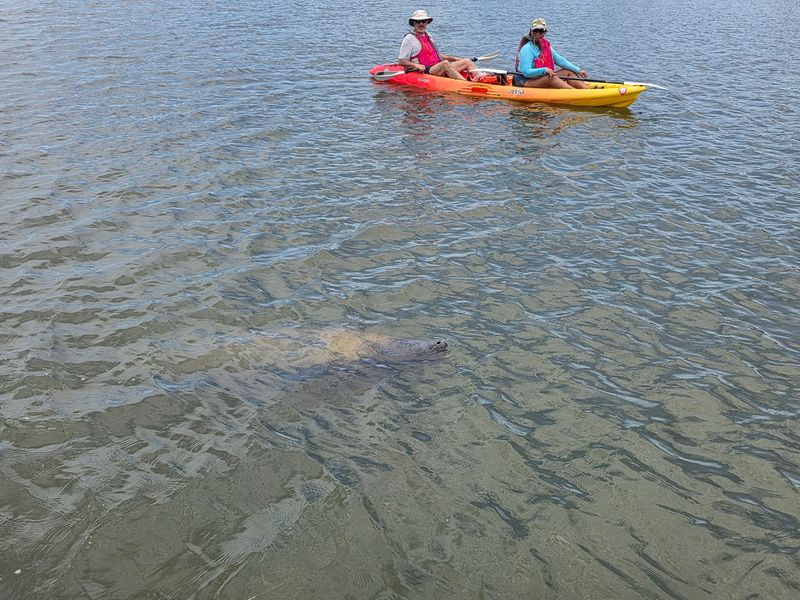
Manatees live here too. These slow, gentle giants drift through the shallows, sometimes surfacing with a soft puff of air. Seeing one up close is a real treat.
Keep your eyes moving, because the list doesn’t end there. Rays glide along the sandy bottom, and sea turtles sometimes pass through. Birds of all kinds fish along the shoreline.
The park also protects habitat for endangered and threatened species. That’s a big reason the island stays so wild and natural compared to busy beaches nearby.
Respect goes a long way out here. Give animals plenty of space, and never chase, feed, or touch them. Federal and state laws protect manatees and dolphins, and the rules are serious.
A pair of small binoculars can make the trip even better. You’ll catch details on birds and distant fins without disturbing anybody.
Wildlife never follows a schedule, of course. Some days bring dolphins right beside your kayak, while other days stay quiet. That uncertainty is part of the fun.
So paddle slowly and keep your voice low. The calmer you are, the more likely the bay’s residents will show up. Every sighting feels like a small gift, and you never know which one is coming next.
6. Mangrove Tunnels Feel Like Nature’s Secret Hallways
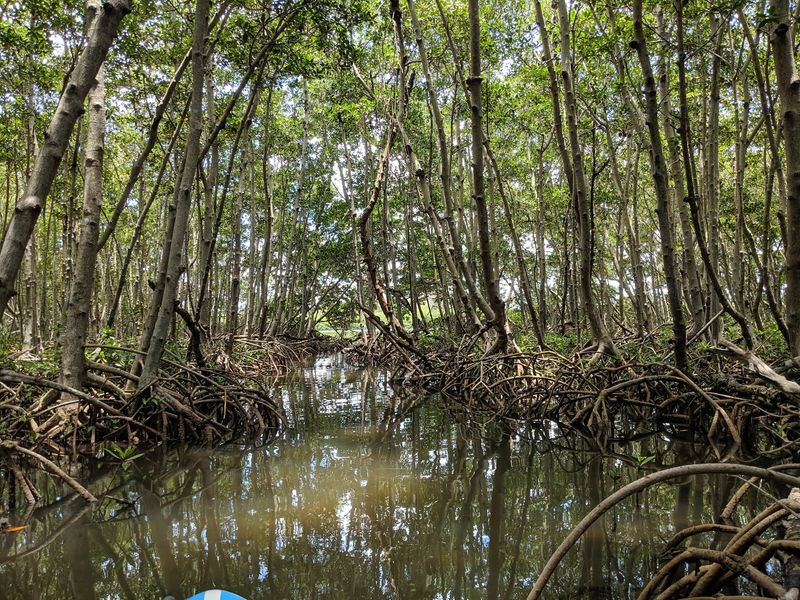
Branches arch overhead, roots twist below, and the water turns still and shaded. That’s what a mangrove tunnel feels like from a kayak.
Paddlers near Don Pedro Island State Park can explore these leafy passages along their route. Some tunnels lead to small, peaceful lagoons filled with plants and wildlife.
Mangroves are tough little trees. They grow right in salty water, standing on tangled roots that look like stilts. Those roots shelter young fish, crabs, and plenty of other small creatures.
They also protect the coast. Mangroves help hold shorelines together and soften the force of storms. Florida depends on them more than many people realize.
Tunnels can be narrow, so a shorter paddle or careful strokes help. Move slowly to avoid bumping roots or startling wildlife. Patience pays off here.
Shade inside the tunnels offers a welcome break from the sun. It’s cooler and quieter, almost like stepping into a different world for a few minutes.
Getting there means crossing a channel, though. The Intracoastal Waterway runs right past the launch, and motorboats move through it often. Cross quickly, stay together, and watch for boat traffic in both directions.
Once you’re safely across, the reward comes fast. The mangroves wrap around you, and the busy channel suddenly feels far away. It’s one of the most memorable parts of the whole trip.
7. Pack a Picnic for the Island Pavilion
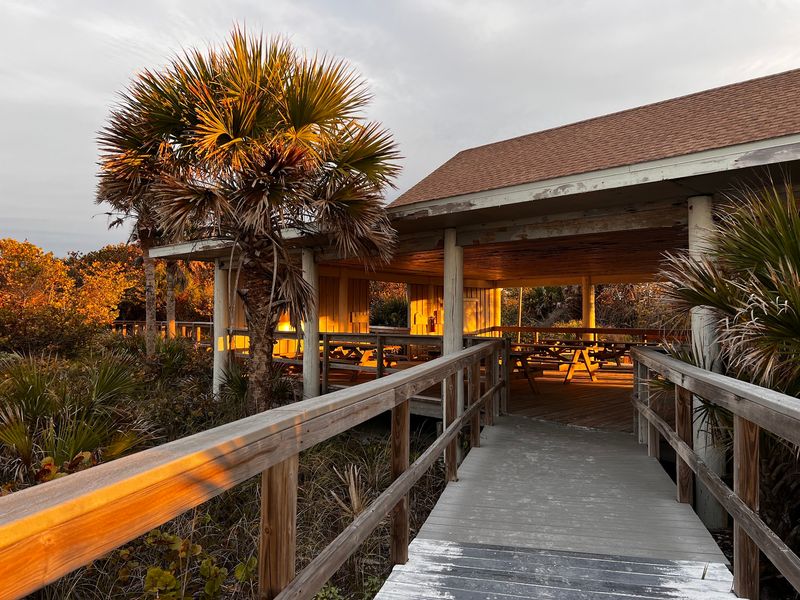
Lunch with a Gulf breeze sounds pretty great, right? The island side of the park has a covered pavilion with picnic tables waiting for you.
Grills are available too, which opens the door to a real cookout. Burgers, hot dogs, or veggie skewers all taste better after a morning on the water.
Remember, though, that nothing is for sale on the island. No snack bar, no store, no ice cream cart. Whatever you want to eat, you’ll need to bring along.
A soft cooler works well on a kayak. It fits more easily than a hard one and keeps snacks cool during the crossing. Freeze water bottles to double as ice packs.
Restrooms are also available on the island. That’s a welcome comfort when you’re planning to stay for several hours.
The pavilion’s shade comes in handy around midday. Florida sun gets strong fast, and a break under a roof helps everyone recharge.
Leave no trace when you’re done eating. Pack out all wrappers, cans, and leftovers so the island stays clean for wildlife and the next visitors. Birds and raccoons don’t need your chips.
A picnic here feels different from one at a city park. You’re eating on an island you paddled to yourself, with the sound of waves close by. That kind of lunch sticks in your memory.
8. Soft White Sand Meets Clear Gulf Water
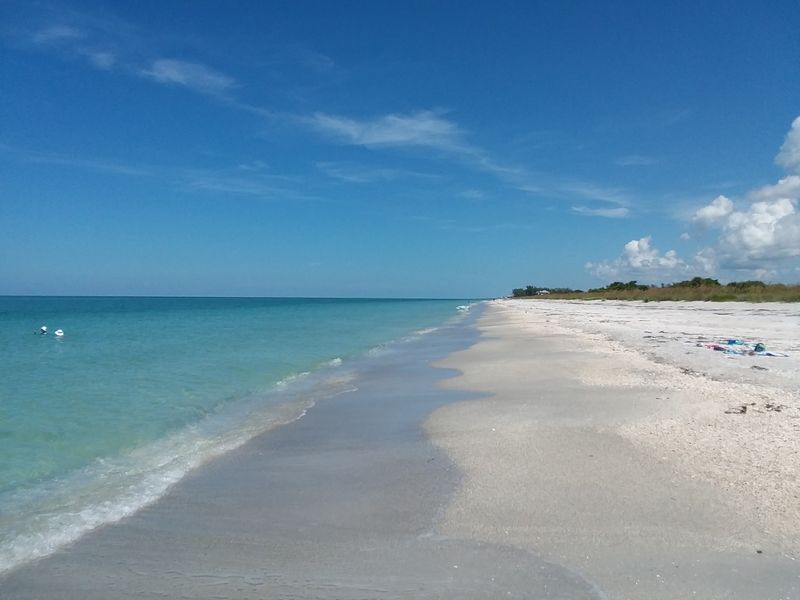
Turquoise water, white sand, and almost nobody around. The beach at Don Pedro Island State Park delivers that rare combination.
Green dune plants grow right out of the sand here. Pink railroad vine, also called beach morning glory, spreads along the dunes with bright little blooms.
Those plants do important work. Their roots help hold the sand in place, which protects the dunes from wind and waves. Stay off them and use marked paths when you can.
Swimming and snorkeling are popular in the clear water. Calm days make it easy to see the sandy bottom. Bring a mask and fins if you enjoy peeking below the surface.
A long beach walk might be the best activity of all. Stroll the shoreline, collect a few shells, and enjoy the quiet. There are no high-rise hotels blocking the view.
Sea turtles nest on Florida beaches in warmer months. If you see marked nesting areas, give them plenty of room. Filling in any holes you dig helps hatchlings too.
Shade is limited out on the sand. A beach umbrella or lightweight shelter makes a long stay much more comfortable. Reapply sunscreen often, especially after swimming.
Hurricanes have hit this coast hard in recent years, and recovery work continues. Still, the beach remains a beautiful place to spend a day. Nature bounces back, and so does this shoreline.
9. Smart Tips Before You Shove Off
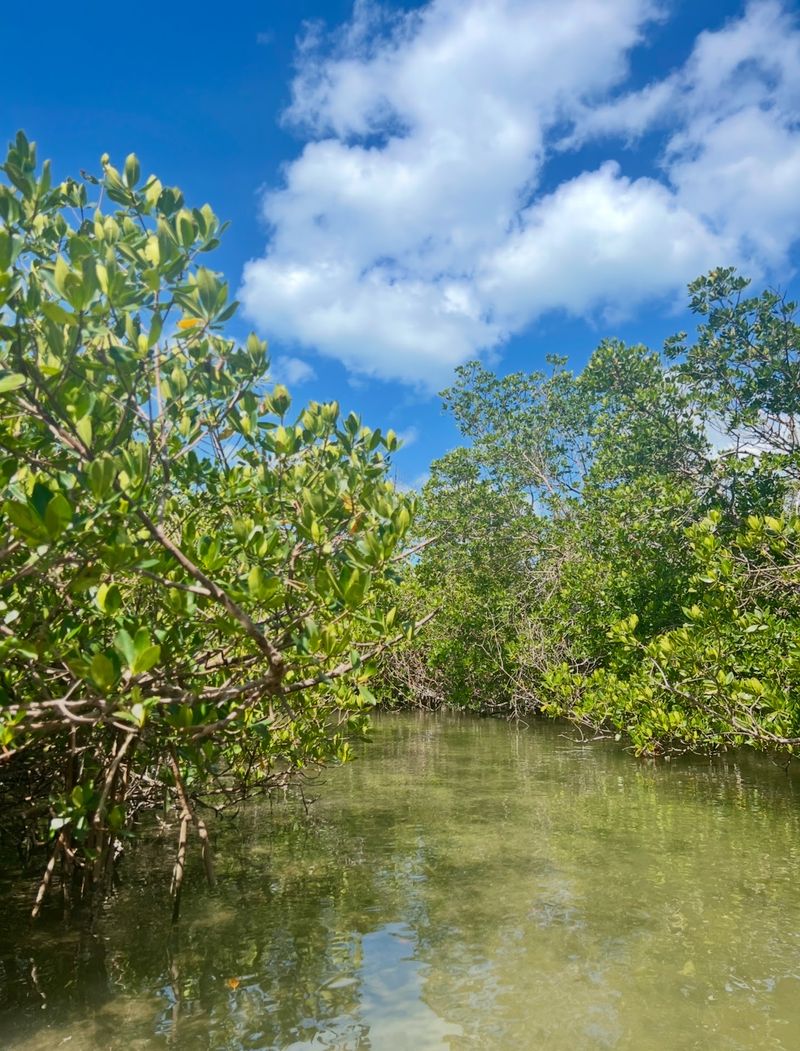
Good planning turns a fun day into a great one. A few simple steps can make your Florida island trip smooth and stress-free.
First, check the forecast. Wind affects paddling more than rain, so pick a calm day if possible. Mornings are often gentler on the water.
Next, pack a dry bag. Phones, keys, and snacks stay safe even if a wave splashes in. A life jacket should come along for every paddler, no exceptions.
Bug spray deserves a spot in your bag too. Mosquitoes can be intense around the mainland trails and mangroves. You’ll be glad you brought it.
Know the rules before you go. Pets and alcohol aren’t permitted on the island beach, and live shells should stay put. Following the rules keeps the park wild and welcoming.
Time matters as well. The land base closes at 5 p.m., so plan your return paddle with room to spare. Racing the clock isn’t fun after a long day.
Staying alert near the channel is critical. Boat traffic picks up during busy seasons, and some boats move fast. Cross together and keep an eye out.
Finally, slow down and enjoy it. Don Pedro Island State Park rewards people who take their time. The quiet beach, the shells, and the wildlife all feel sweeter when you’re not rushing.
A place with no road is meant to be savored.