This Calle Ocho Cuban Restaurant In Florida Piles The Plate With Pork, Black Beans, And Maduros
Roast pork, black beans, and sweet fried plantains can share one plate here, and nobody acts like that is unusual. The kitchen opens at 8 in the morning. On Fridays and Saturdays, it keeps going until midnight.
I like how the menu reads like a family recipe box. Ropa vieja, picadillo, croquetas, and pastelitos all show up without any fuss. There is even a walk-up window serving tiny cups of Cuban coffee.
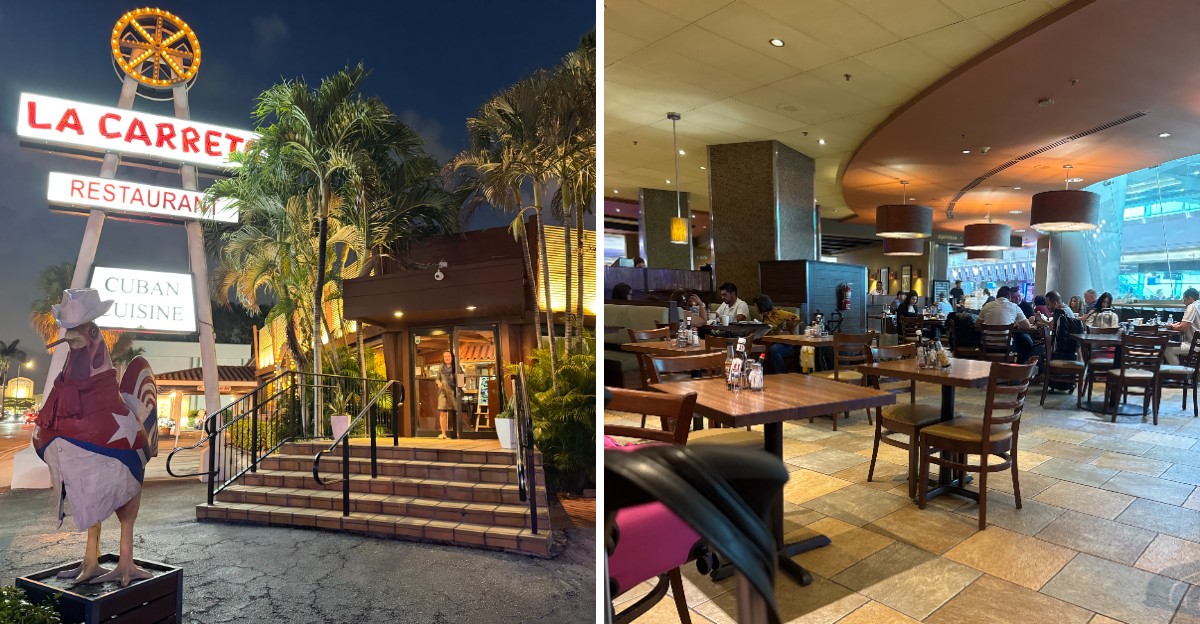
This spot sits on one of the most famous streets in Florida. It has fed the neighborhood since the 1970s, which explains the old-school look inside. I believe that kind of staying power says more than any shiny makeover could.
So which plate would you reach for first? The pork, the rice, or that pile of golden maduros begging for attention?
Roast Pork Is The Reason To Clear Your Afternoon
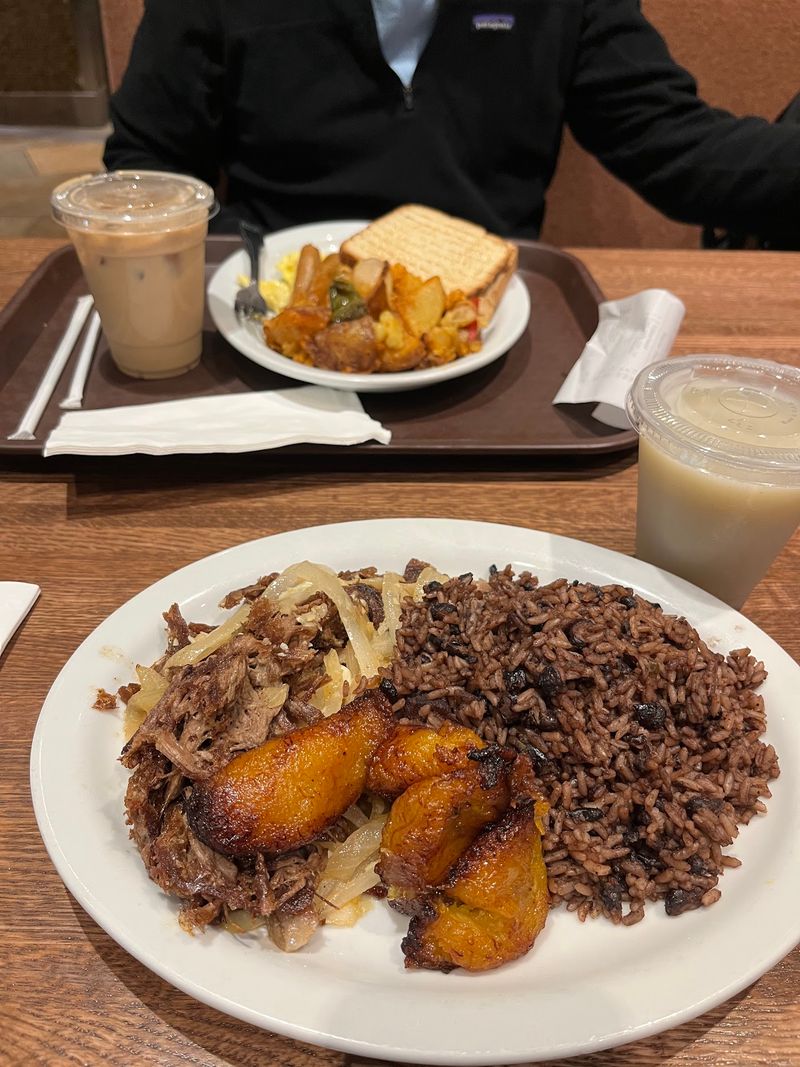
Garlic and citrus do the heavy lifting in Cuban roast pork. At La Carreta, the lechon asado is one of the dishes most tied to the restaurant’s name.
The classic way to order it is simple. Ask for the pork with white rice and black beans, then add a side of maduros. That combo is basically the Calle Ocho starter kit.
Lechon asado is a big deal in Cuban cooking. Families often roast pork for holidays and celebrations. Having it on a regular weekday menu feels like a small gift.
The menu also lists slow-roasted pork among its specialties. If you love pork, that gives you more than one way to explore it. Fried pork chunks, known as masitas, are another option worth a look.
Here’s a practical tip. Portions at this Florida favorite lean generous, so leftovers are a real possibility. Plan for a to-go box rather than forcing that last forkful.
Pork is the star, but it isn’t a solo act. The sides matter almost as much, and they get their own moment next. Just don’t let them distract you from the main event too long.
Black Beans And Rice Deserve More Respect Than They Get
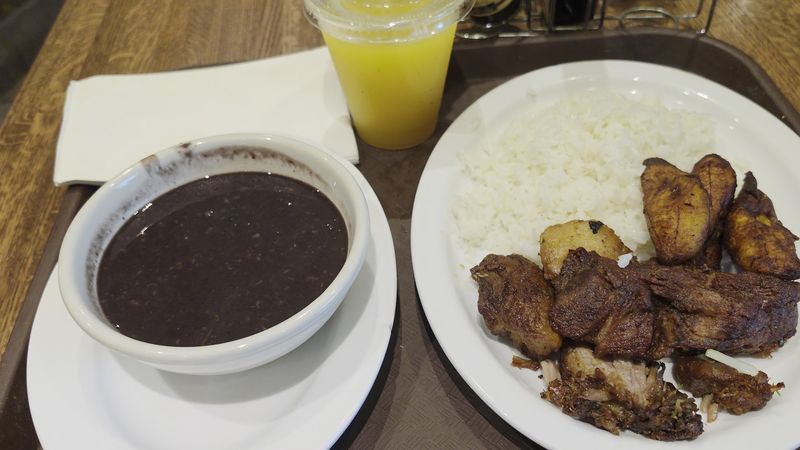
Plenty of restaurants treat beans as filler. Cuban kitchens treat them as a serious part of the meal, and you can taste that difference.
You get choices here. Plain white rice with black beans on the side lets you mix as you please. Moro rice, where beans and rice cook together, is another popular pick.
Moros y cristianos is the full name of that mixed rice. It’s a Cuban classic, and the name refers to the dark beans and white rice sharing the pot. Fun bit of history hiding inside a side dish.
Then there’s imperial rice, a layered and cheesy chicken-and-rice dish. It’s more of an entree than a side. Think of it as Cuban comfort food with extra ambition.
My advice is to treat the beans like a sauce. Spoon them over the rice and let everything soak in together. It’s a small move that makes the whole plate taste fuller.
If you can’t decide between white rice and moro, bring a friend and order both. Sharing is easy at a table like this. Splitting sides also leaves you more room for dessert later.
Sweet Maduros Might Steal The Whole Show
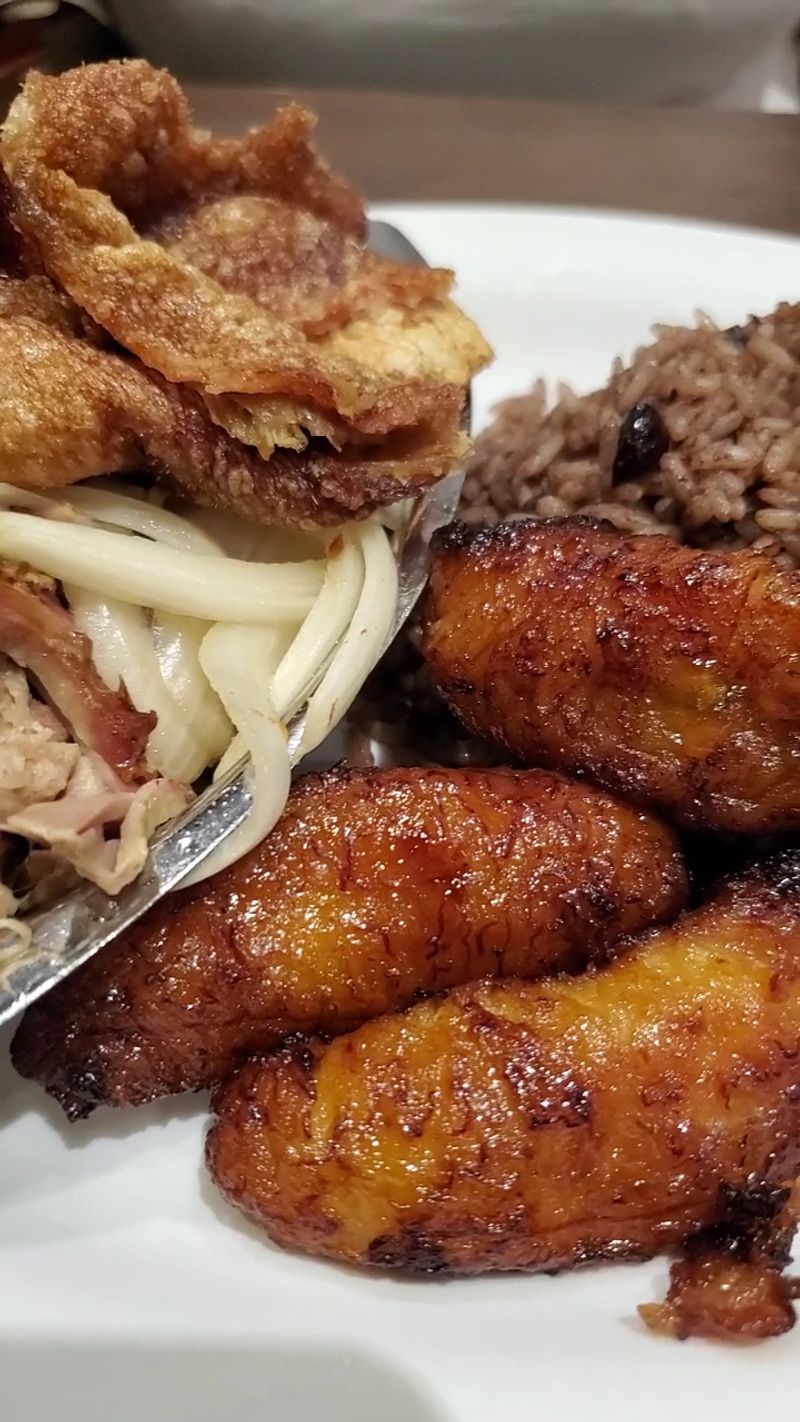
Ripe plantains turn almost black before they’re ready for maduros. That’s when their natural sugars are at their peak, and frying brings it all out.
The result is soft, sweet, and a little caramelized on the edges. Next to salty roast pork, maduros work like a built-in dessert you’re allowed to eat mid-meal. Nobody will judge you.
La Carreta also serves tostones, which come from green plantains. Those get smashed and fried twice for a crispier, more savory bite. Same fruit, totally different personality.
Not sure which to pick? Here’s a simple rule. Go with maduros if you like sweet and salty together, and tostones if you want crunch.
There’s also a plantain soup on the menu for anyone who wants plantains in a spoon. It’s a cozy option on a rainy Miami afternoon. Yes, those happen often.
Plantains show up all over Cuban cooking, from snacks to soups. Learning the difference between maduros and tostones is a quick way to order like you know the cuisine. Your plate will thank you, and so will your sweet tooth.
Ropa Vieja And Picadillo Bring The Homestyle Comfort
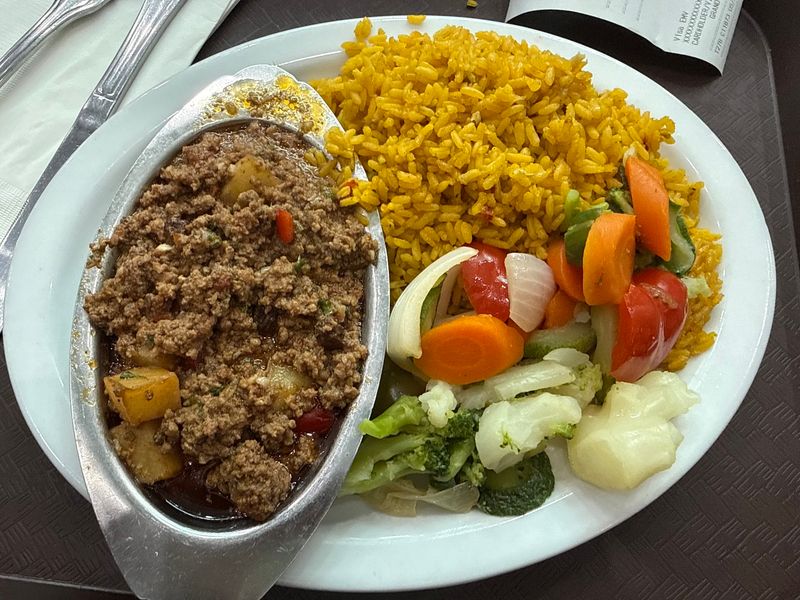
“Old clothes” is the literal meaning of ropa vieja. The name comes from shredded beef that looks a bit like strips of torn fabric. Luckily, it tastes much better than laundry.
The beef simmers in a tomato-based sauce with peppers and onions. It’s one of Cuba’s most famous dishes and a steady part of the menu at La Carreta. Pair it with rice and you’re set.
Picadillo is its close cousin in spirit. This seasoned ground beef dish often includes olives and raisins in Cuban kitchens. Sweet, salty, and savory all show up at once.
Both dishes fit the restaurant’s homestyle reputation. They’re the kind of food many Cuban families grew up eating at the kitchen table. Nothing fancy, just deeply satisfying.
For a first visit, try one beef dish and one pork dish with a friend. You’ll get a good snapshot of the menu in a single meal. It’s also a smart way to find your new favorite.
The braised oxtail is another hearty pick. Just know some specials may run out on busy days. Have a backup choice ready, and you’ll never leave disappointed.
Breakfast Starts Early, So Set That Alarm
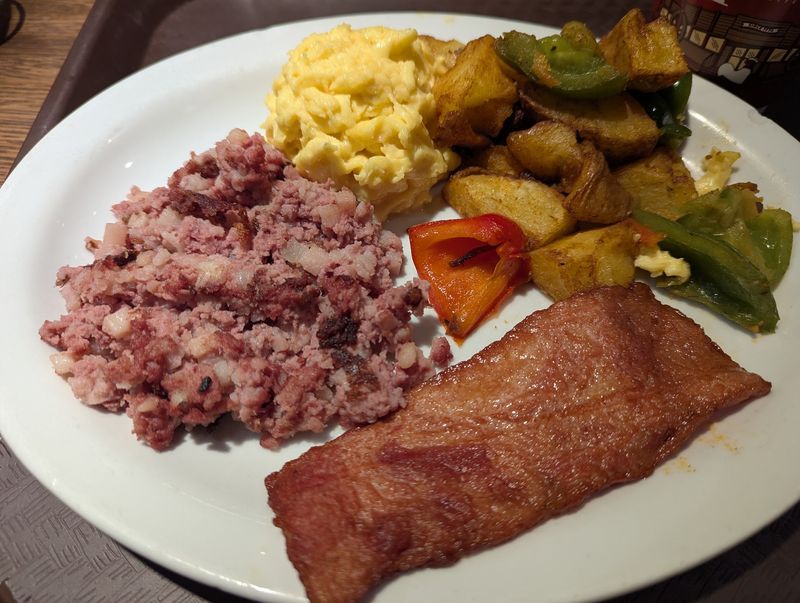
Doors open at 8 a.m. every single day. That makes this spot a strong choice for anyone who wants Cuban food before most lunch places are even awake.
Cuban breakfast is usually simple and satisfying. Buttered, pressed Cuban bread called tostada pairs with cafe con leche for dipping. Dunking is not only allowed, it’s practically tradition.
Pastelitos are another morning favorite. These flaky pastries come with fillings like guava, cheese, or meat. Guava and cheese together is a Miami classic for good reason.
Croquetas also make an easy grab. These little breaded rolls are often filled with ham and fried golden. They’re small enough to justify ordering a few more.
The late hours help too. The restaurant stays open until 11 p.m. Sunday through Thursday, and until midnight on Friday and Saturday.
Breakfast lovers and night owls both win.
If you’re exploring Little Havana for the day, start here. A morning plate gives you energy for a long walk along Calle Ocho. You can always come back for dinner, and honestly, nobody would blame you for doing exactly that.
That Little Coffee Window Is A Miami Ritual
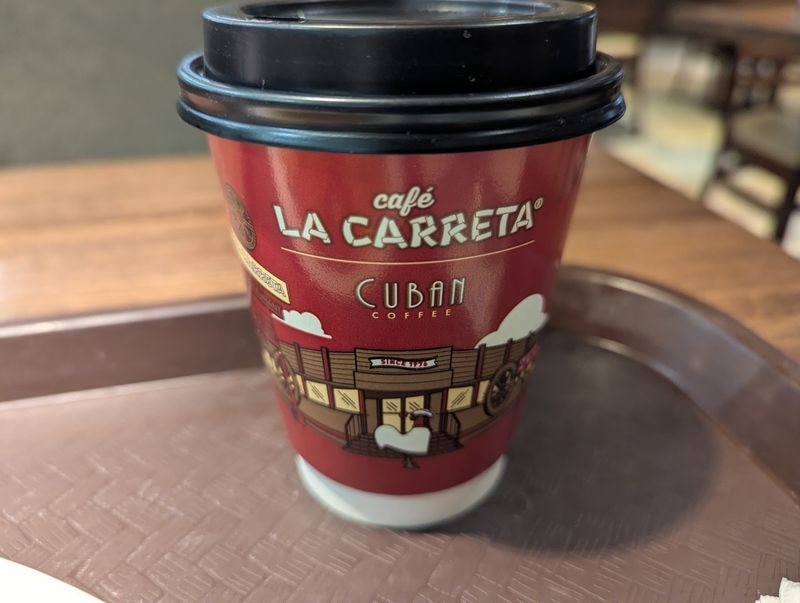
Miami runs on cafecito. This tiny, strong, sweet Cuban espresso gets served in small cups that pack a big punch.
La Carreta has a walk-up coffee window, often called a ventanita in Miami. It lets you grab coffee and a snack without sitting down for a full meal. Speedy and very local.
Ordering a colada is a fun move if you’re with friends. It comes in a larger cup with tiny plastic cups for sharing. In Miami, passing out colada shots is basically a friendly gesture.
A cortadito adds a splash of steamed milk to the espresso. Cafe con leche goes heavier on milk and works well with breakfast. Each one has its own fans.
Here’s the honest warning. Cuban coffee is strong and usually sweetened with plenty of sugar. Sip slowly if you’re not used to it, or you’ll be vibrating down Calle Ocho.
Pair your cup with a pastelito or croqueta for the full window experience. It’s a quick, cheap way to feel part of the neighborhood. Even a five-minute stop counts as a genuine Little Havana moment worth having.
Old-School Looks Come With Decades Of Calle Ocho History
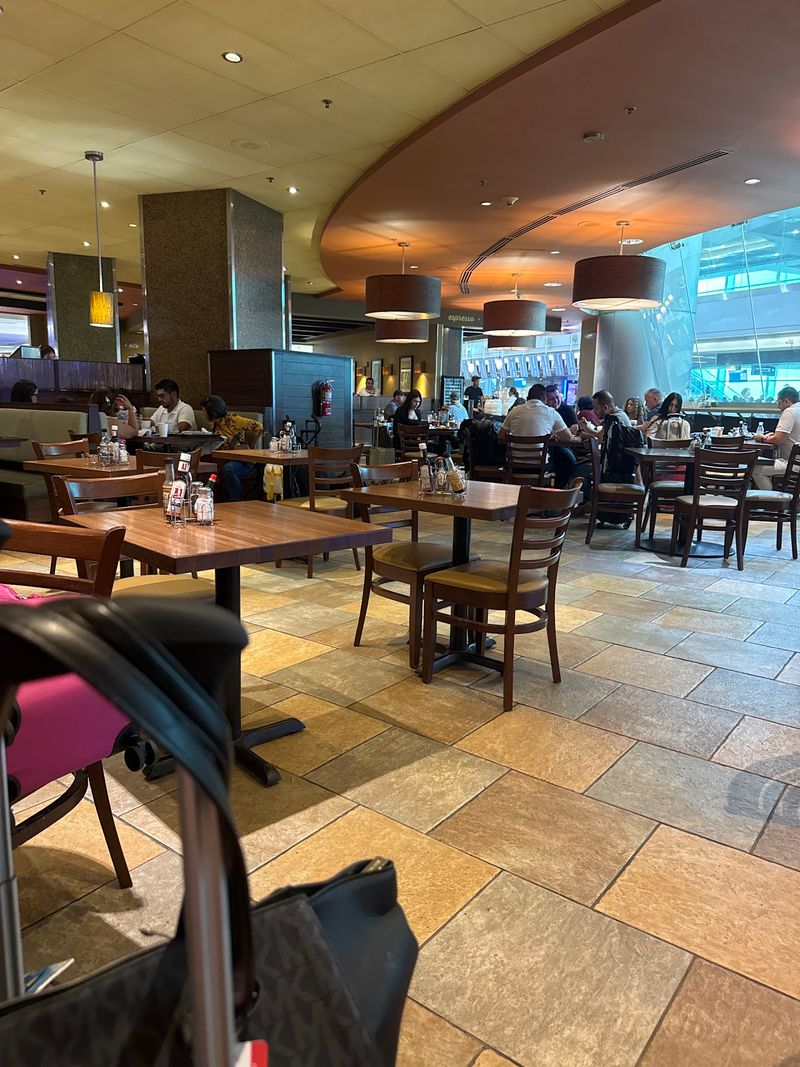
Since the 1970s, La Carreta has fed Miami’s Cuban community. That long run explains why the place feels like a slice of the neighborhood’s story.
The name means “the cart” in Spanish. It points to the traditional ox carts of rural Cuba, a symbol of the island’s countryside. That theme fits the homestyle cooking.
The Calle Ocho location grew into the flagship for a group of La Carreta restaurants across South Florida. Several other locations now exist, but this one sits in the heart of Little Havana. That address carries real meaning.
Inside, the look is classic and a bit retro. Booths and a casual setup make it feel like a neighborhood diner. It’s not trying to be trendy, and that’s part of the charm.
Don’t expect polished, modern design. Expect a comfortable, lived-in room built around plates of food. Some places chase trends, but this one just keeps cooking.
For history fans, eating here connects you to decades of Cuban American life in Miami. It’s a meal and a lesson at the same time. Few restaurants can claim that kind of neighborhood weight.
Save Room, Because The Dessert Case Plays Dirty
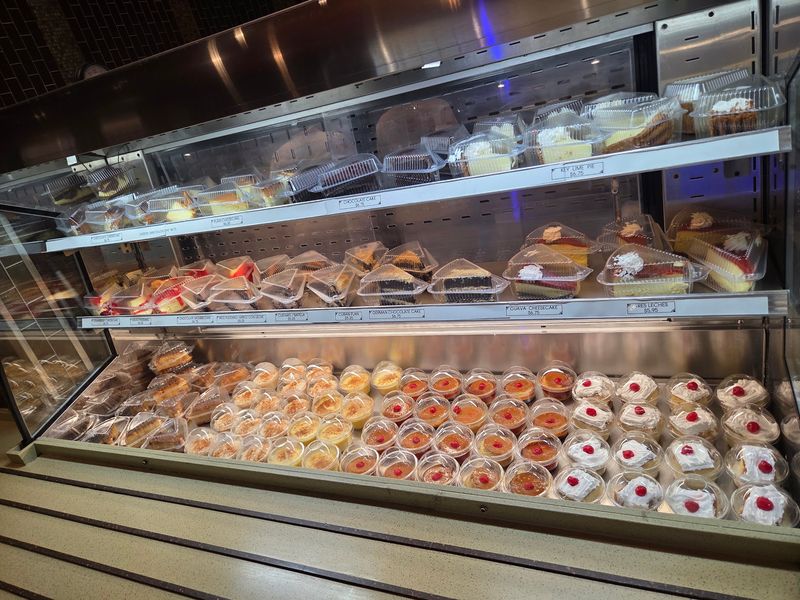
Tres leches cake is soaked in three kinds of milk. The result is soft, sweet, and dangerously easy to finish even after a heavy plate.
La Carreta has a bakery side, and desserts are a big part of the appeal. Flan, natilla, and tres leches are classic Latin sweets you’ll often see. Each one leans creamy and rich.
Natilla is a Cuban-style custard, often flavored with cinnamon and lemon. Flan is firmer, with a glossy caramel top. If you like pudding, either one will feel familiar.
Pastries work well as dessert too. A guava pastelito offers a fruity finish that’s lighter than cake. It also travels well if you want a sweet treat for later.
Here’s a smart plan. Order one dessert for the table and share it. After pork, beans, rice, and maduros, a few bites might be all you need.
Or grab something from the bakery to go. Breakfast tomorrow could be a pastry from Florida’s most famous Cuban street. Your future self will appreciate the planning, and there’s zero shame in calling that a balanced decision.
Make A Whole Day Of Little Havana Around Your Meal
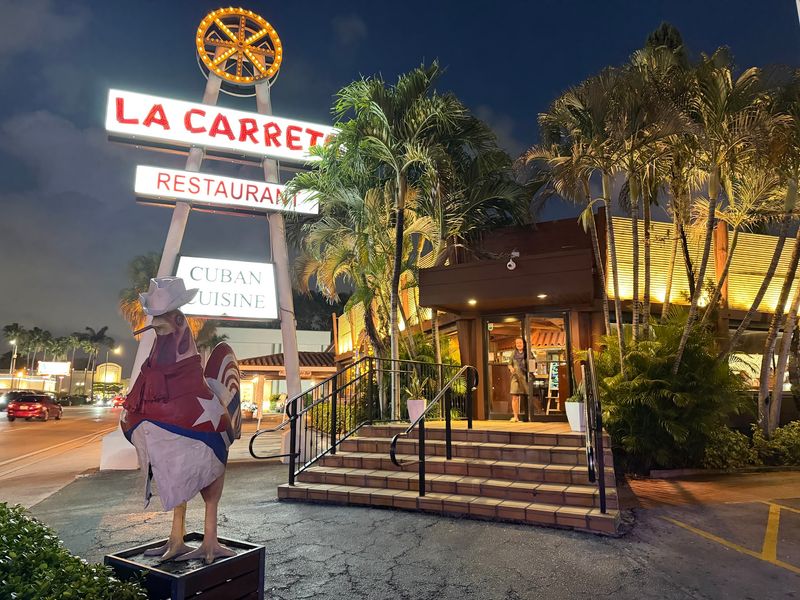
Finding the restaurant is easy. La Carreta sits at 3632 SW 8th St, Miami, FL 33135, right on the stretch locals call Calle Ocho.
That location puts you close to some of Little Havana’s best-known sights. Maximo Gomez Park, often called Domino Park, is a short drive or walk east. Older men playing dominoes there is a neighborhood tradition.
The Calle Ocho Walk of Fame honors Latin stars with stars in the sidewalk. Murals, cigar shops, art shops, and music spots line the busier blocks too. It’s a colorful place to wander after eating.
Parking is worth planning for. The restaurant has side parking that’s easy to miss if you’re not paying attention. Slow down as you approach and watch for the entrance.
Timing helps too. Weekend afternoons can get busier, so an early breakfast or later dinner may feel calmer. The long daily hours give you plenty of flexibility.
Miami, Florida has many great Cuban restaurants, but this stretch offers a full cultural experience. Eat a big plate, then walk it off along Calle Ocho. That’s a pretty perfect afternoon in this corner of Florida.