Watch Your Step At This Massive Florida State Park Where Rattlesnakes Live Naturally
Eastern diamondback rattlesnakes call this park home, and they were here long before the first hiking boot hit the trail. That alone makes me pay closer attention to every patch of palmetto.
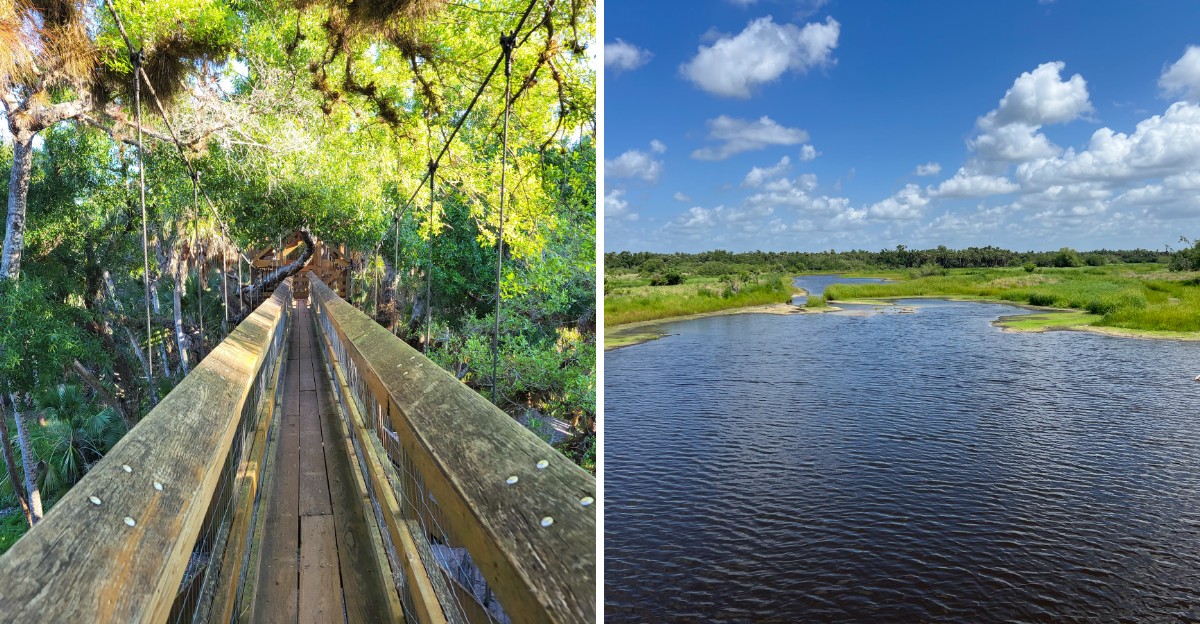
The snakes have plenty of company. Alligators crowd the lakes, and a suspended walkway hangs 25 feet up in the treetops. A 74-foot tower climbs even higher above the oaks and palms.
I like how this place feels wild without feeling off-limits. It’s one of the oldest and largest state parks in Florida, with roughly 58 square miles of wetlands, prairies, and hammocks to explore.
I can’t imagine a better spot to slow down and actually look around. So lace up sturdy shoes, keep your eyes on the trail, and ask yourself this. How close do you really want to get to old Florida?
The Rattlesnakes Were Here First, So Act Like a Polite Guest
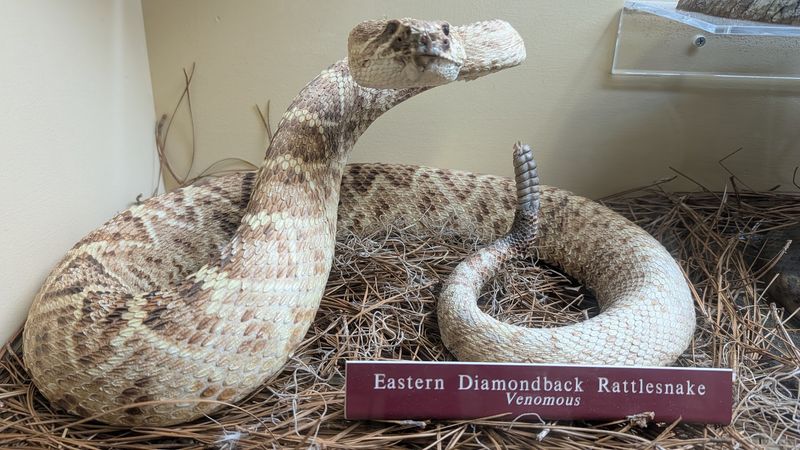
Myakka River State Park is native territory for the eastern diamondback rattlesnake. It’s the largest venomous snake in North America, and it blends into dry grass beautifully.
That camouflage is the real reason to watch your step. These snakes usually want nothing to do with people and would rather stay still or slip away.
Most trouble happens when someone steps too close or reaches somewhere they can’t see. So keep your hands out of brush piles and stay on the open trail.
Closed-toe shoes beat flip-flops every time out here. Long pants add another easy layer of protection on grassy paths.
Hear a dry buzzing sound? Freeze, find the snake, and back away slowly in the opposite direction.
Never try to move, poke, or photograph one up close. A long camera zoom is your friend, and so is plenty of distance.
Rattlesnakes actually help the park run smoothly. They keep rodent numbers in check across the prairies and pinelands.
Florida has several other venomous species too, including cottonmouths near water. Learning to spot each one makes every hike feel smarter and a lot less jumpy.
Climb Into the Treetops on a Walkway That Started a Trend
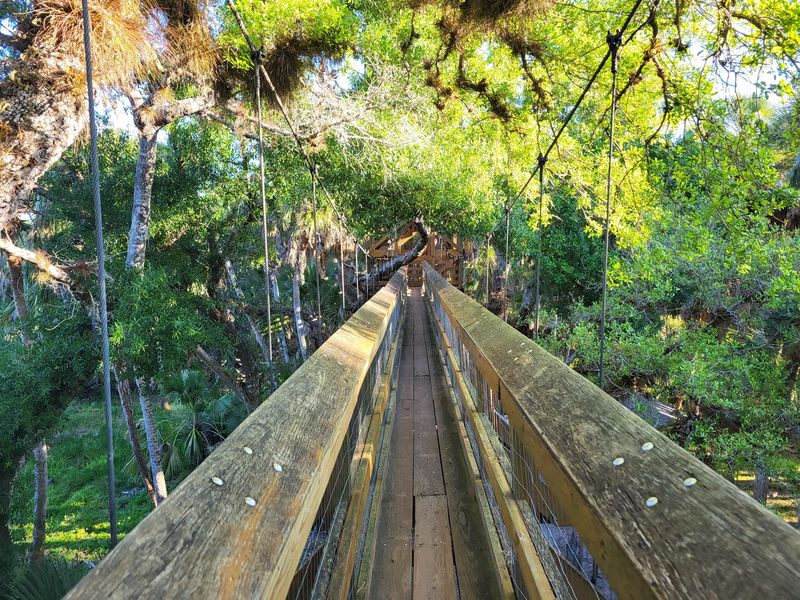
Back in 2000, this park opened the first public canopy walkway in North America. It’s a suspension bridge hanging about 25 feet above the forest floor.
The bridge itself is short, so don’t expect a long stroll. What it offers is a rare look at the world birds and squirrels see every day.
Live oaks, cabbage palms, and Spanish moss surround you up there. Ferns and air plants cling to branches you’d never notice from below.
The walkway sits along a short nature trail with helpful signs about the habitat. Kids tend to treat it like a real-life adventure movie set.
Bring a camera with a decent zoom lens. Birds often perch at eye level, which makes for photos that feel almost unfair.
Go early if you can, before the Florida heat gets serious. Morning light filters through the leaves in a way that’s worth the alarm clock.
The bridge gently sways as people move across it. Hold the rails, take your time, and enjoy a view that has inspired treetop walks elsewhere.
Brave the Tower Stairs for a View That Steals Your Breath Twice
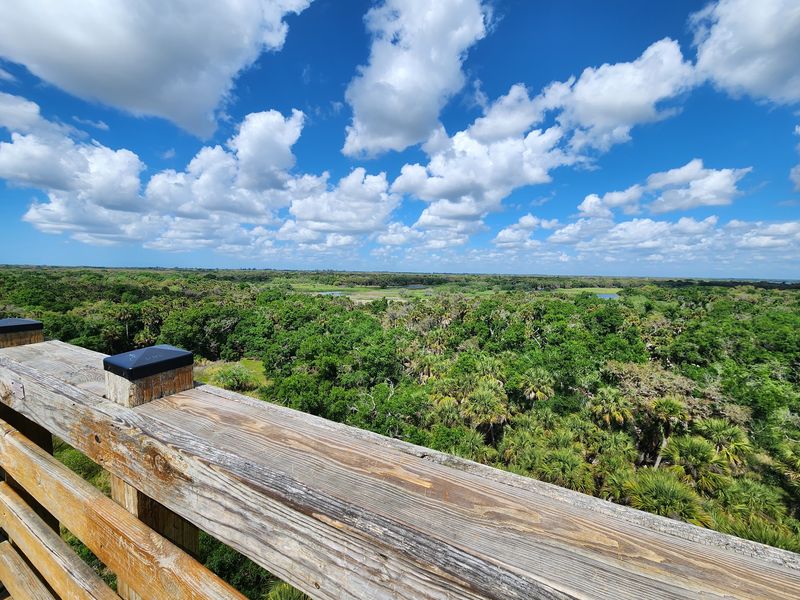
Your legs will notice the observation tower long before your eyes do. It rises about 74 feet, connecting directly to the canopy walkway.
Plenty of stairs stand between you and the top. Take breaks on the landings, because nobody’s handing out medals for speed.
The payoff is a sweeping view across the treetops. Wetlands, palms, and open prairie stretch out toward the horizon.
On clear days, you can trace the green patchwork of the Myakka River valley. It’s one of the best ways to understand how big this park really is.
Fear of heights? The tower is sturdy, but the climb feels tall for good reason. Some visitors happily stop at the walkway and still get a great experience.
Birds of prey sometimes glide past at eye level. Keep binoculars handy for a closer look at the birds of prey that sometimes glide past at eye level.
Sunrise and late afternoon bring softer light and cooler air. Midday climbs in Florida summer can feel like a workout inside a warm oven.
Snap a photo at the top. Your friends will ask how high you were, and you’ll have a good answer.
Count the Gators Without Becoming Part of the Story
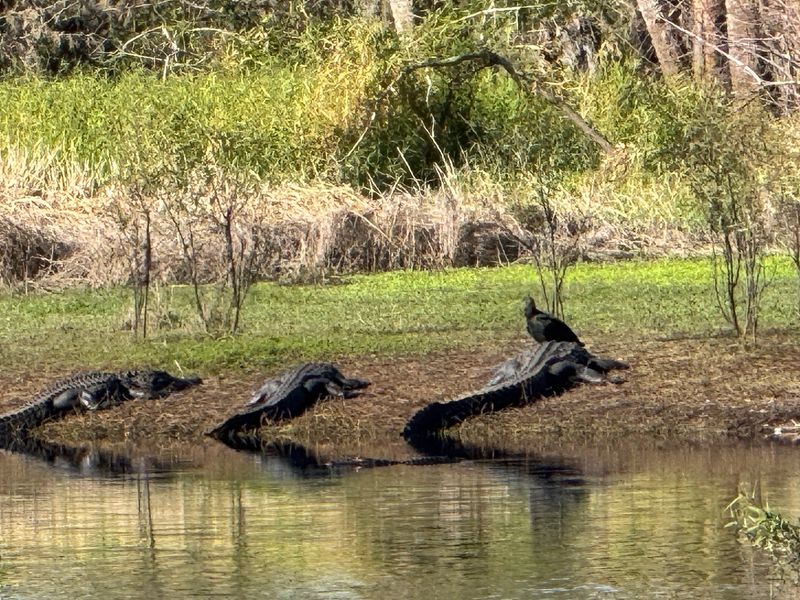
Alligators steal the spotlight here, and they know it. Upper Myakka Lake and the river are packed with them, from tiny babies to true giants.
The bridge on the main park road is a favorite viewing area. You can often spot gators in the water below without leaving the pavement.
Another popular spot is Deep Hole, a sinkhole along the lower river. Large gatherings of gators collect there in the dry season, but access is limited by permit.
Ask at the ranger station about current rules before heading out. Permits are capped daily to protect the area and its residents.
Keep at least 30 feet between you and any alligator. They can move shockingly fast over short distances.
Feeding them is illegal in Florida, and for very good reason. Fed gators lose their fear of people, which creates problems for everyone.
Keep pets leashed and away from the water’s edge. Small dogs look a little too much like a snack.
Spring nights can bring deep bellowing sounds across the lake. It’s the gator version of a concert, and it’s unforgettable.
Let Someone Else Steer on a Boat or Tram Tour
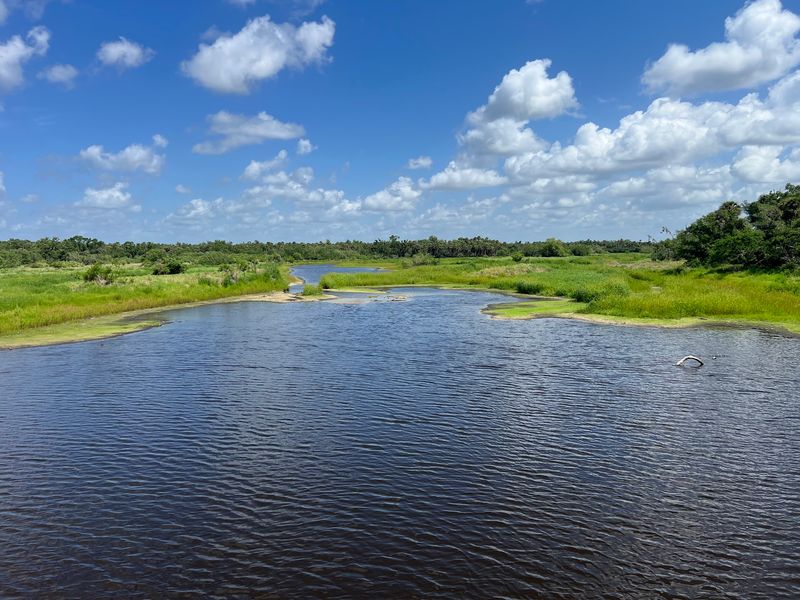
Sometimes the smartest way to explore is sitting down. Myakka Outpost has offered narrated boat tours on Upper Myakka Lake, but the rides were listed as unavailable in November 2026.
The park’s famous airboats were retired years ago, and the pontoon boat tours that replaced them have also faced interruptions. Guides point out gators, wading birds, and plants you might overlook alone.
Seasonal tram safaris head into the park’s backcountry too. They wind through hammocks and marshes that most visitors never reach on foot.
Both tours are great for kids, older relatives, or anyone tired of walking. You’ll still learn plenty without breaking a sweat.
Tour schedules can change with weather and water levels. Check with the Outpost when you arrive to grab a spot.
Bring a hat and sunscreen for the boat ride. Shade on open water in Florida is basically a rumor.
Photographers love these trips for a simple reason. You get closer to wildlife safely, with someone experienced handling the navigation.
Each tour shows a different slice of the landscape. Doing both gives you the full picture of the lake and the woods beyond it.
It’s a relaxing way to see a lot in one afternoon.
Paddle, Pedal, or Hike Your Way Across 58 Square Miles
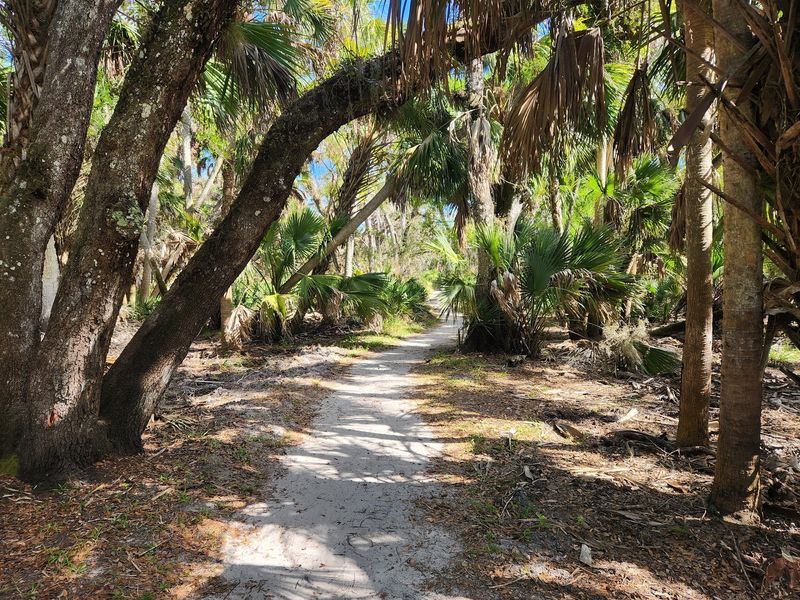
Nearly 40 miles of hiking trails crisscross this sprawling park. That includes the Myakka Hiking Trail, a network of loops maintained by the Florida Trail Association.
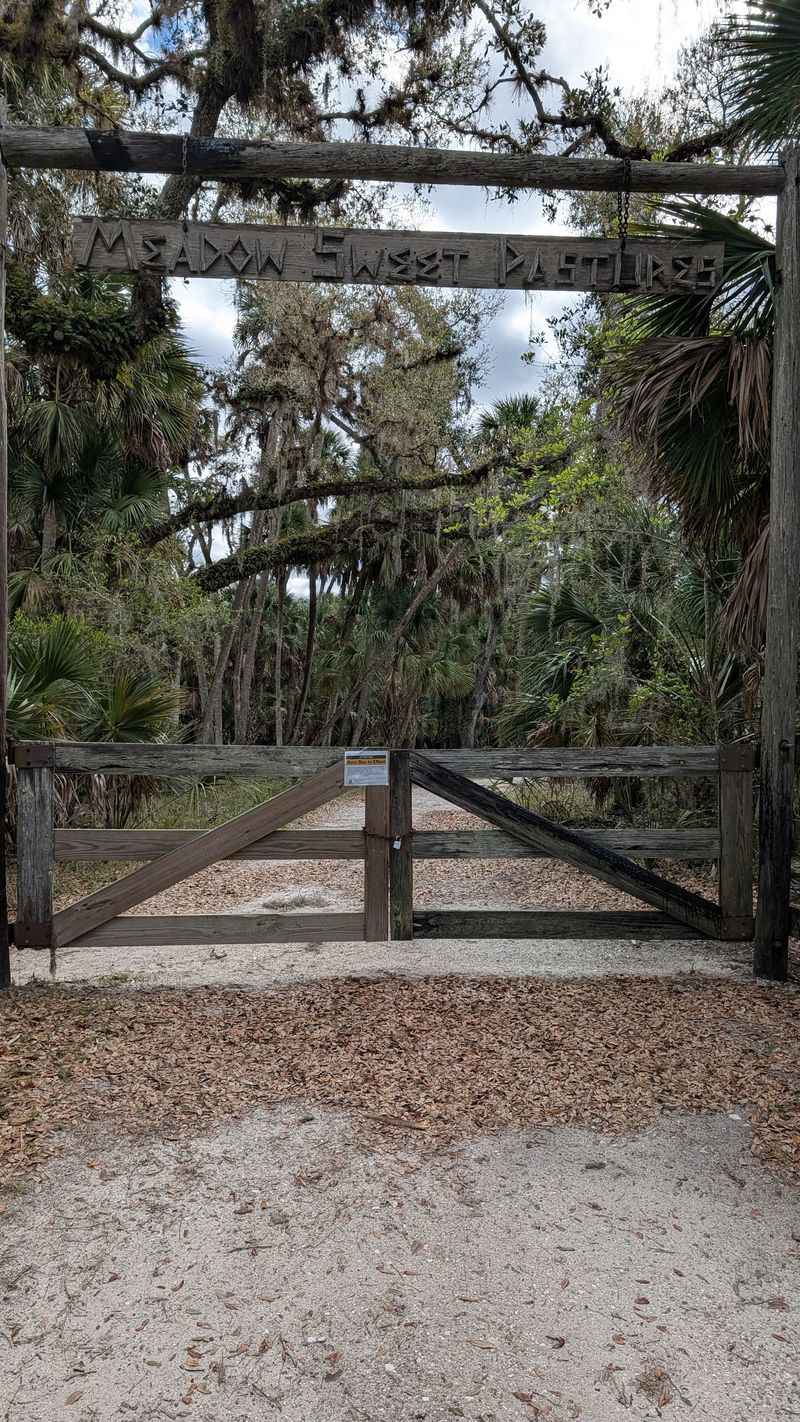
Hikers can choose short nature loops or serious backcountry treks. Ranch House Road, marked by a Meadow Sweet Pastures sign, is a solid starting point for longer walks into the park’s backcountry.
Snap a photo of the trail map before you start. Not every path shows up on phone apps, and signal can get spotty.
Prefer wheels? The scenic park drive is a popular bike route. Bike rentals are available at the Myakka Outpost.
Paddlers get their own kind of fun on the river and lakes. Kayaks and canoes can be rented on site.
The Myakka is one of Florida’s officially designated Wild and Scenic Rivers. It’s a peaceful, winding ride past grassy banks and old oaks.
Remember who lives along those banks, though. Stay in your boat and give sunning alligators plenty of room.
Summer brings heat, bugs, and flooded trails. Winter is the sweet spot for comfortable hiking and better wildlife sightings.
Pack your own drinking water and bug spray no matter the season, since potable water is currently unavailable in the park.
Bring Your Binoculars Because the Birds Show Off Here
Pink feathers in the marsh are not a trick of the light. Roseate spoonbills feed in the shallows here, sweeping their odd flat bills through the water.
Sandhill cranes stalk across open prairies with long, careful steps. Their rattling calls carry far across the grasslands.
Wood storks, herons, egrets, and ospreys round out the cast. Bald eagles even nest in the area during the cooler months.
Winter is prime time for birders. Migrating species join the year-round residents, creating busy, noisy wetlands.
The old Birdwalk boardwalk on Upper Myakka Lake was damaged in recent storms. You can still view birds from the shoreline nearby.
Early mornings tend to be the liveliest hours. Birds feed actively before the heat settles over the water.
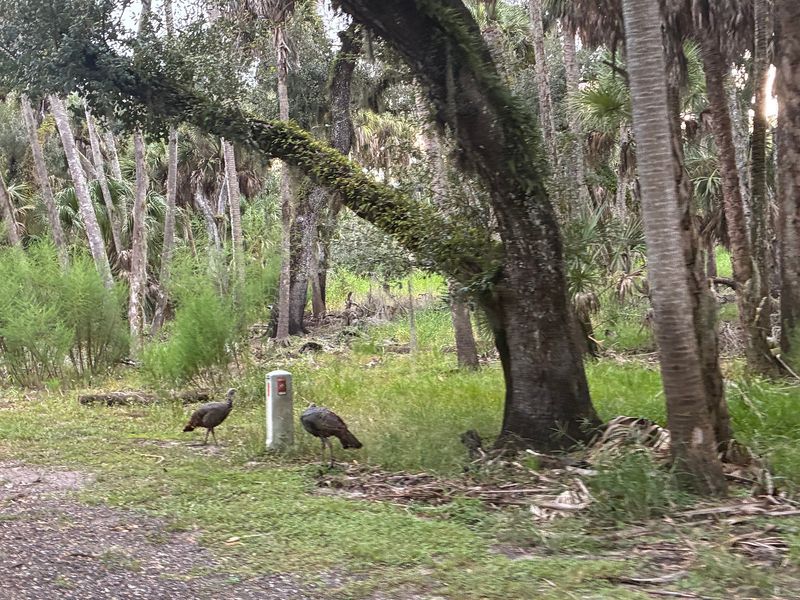
Wild turkeys and white-tailed deer often wander into view along the park drive. Drive slowly, since they don’t look both ways.
A simple field guide or bird app adds plenty of fun. Kids love checking off species like a scavenger hunt.
Who knew a swamp could feel this colorful? The birds here make a strong case for patience.
Rest Under Palm Logs the Civilian Conservation Corps Built
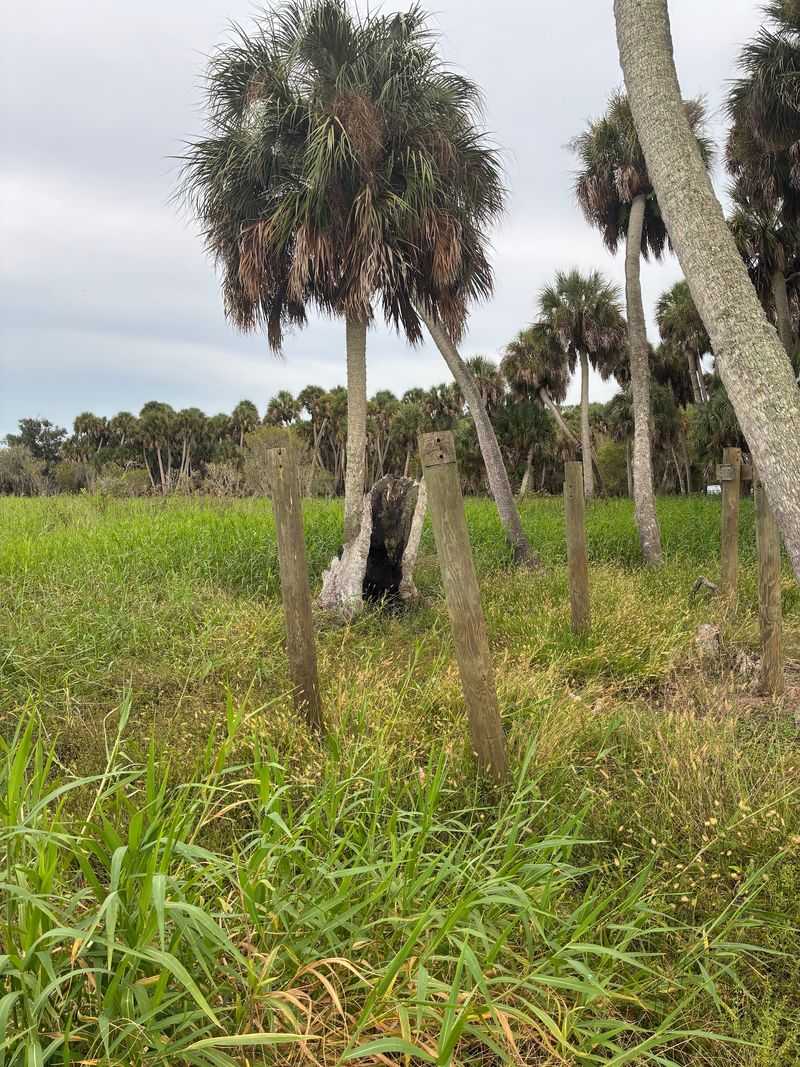
History gets a rustic, hand-built feel at this park. The Civilian Conservation Corps helped develop it during the 1930s.
Young workers built roads, trails, and structures using local materials. Some of their handiwork still stands today.
The Log Pavilion is a standout example. It’s built largely from cabbage palm logs, giving it a charm modern buildings rarely match.
Families use it for picnics and gatherings under the shade. Nearby parking makes it easy to haul in a cooler and lunch supplies.
The park officially opened to the public in 1942. Much of the original land came from a donation by the family of Bertha Palmer.
Palmer was a famous Chicago businesswoman who ranched in the area. Her family’s gift helped protect this landscape for future generations.
Picnic areas are scattered throughout the park as well. Grills and tables make an easy midday break between adventures.
Take a minute to admire the craftsmanship before you eat. Those palm logs have survived nearly a century of Florida weather.
That’s a pretty good track record for any building.
Stay the Night and Hear the Swamp Wake Up
Sunset is only half the show here. Staying overnight lets you hear frogs, owls, and gators take over the soundtrack.
Myakka River State Park offers full-facility campgrounds for tents and RVs. Sites typically include a picnic table and fire ring.
Historic cabins built from palm logs are another cozy option. They book up quickly, so plan well ahead for winter weekends.
Backpackers can head to primitive campsites deep in the backcountry. You’ll need to register first and carry everything you need.
Keep food sealed and stored properly at camp. Raccoons here are clever, persistent, and shameless about snacks.
The Myakka Outpost has snacks, souvenirs, and rentals for daytime trips. Its nearby food options have shifted during recent storm repairs, so pack backup meals.
You’ll find the main entrance at 13208 State Road 72, Sarasota, FL 34241. It’s an easy drive from downtown Sarasota.
A small per-vehicle fee covers day entry. Florida State Parks annual passes work here too.
Wake early, sip something warm, and watch the mist lift off the river. It’s Florida at its wildest and calmest.