A Lush Tropical Rainforest Is Hiding In Plain Sight In Coral Gables, Florida
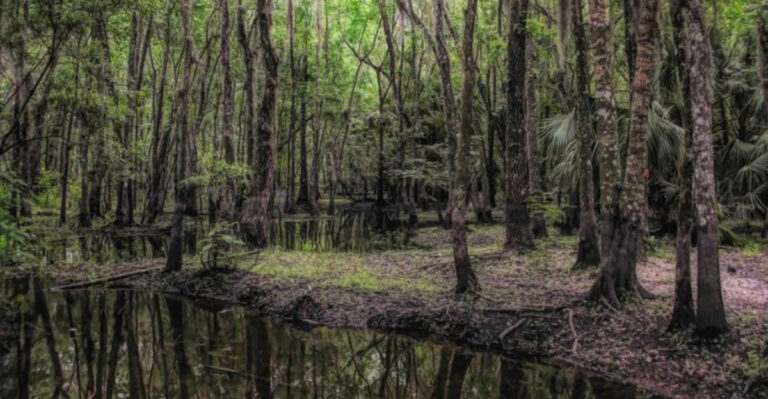
Hundreds of butterflies flutter through a glass conservatory just minutes from busy Miami streets. A real tropical rainforest grows nearby, complete with a stream and dripping green layers overhead.
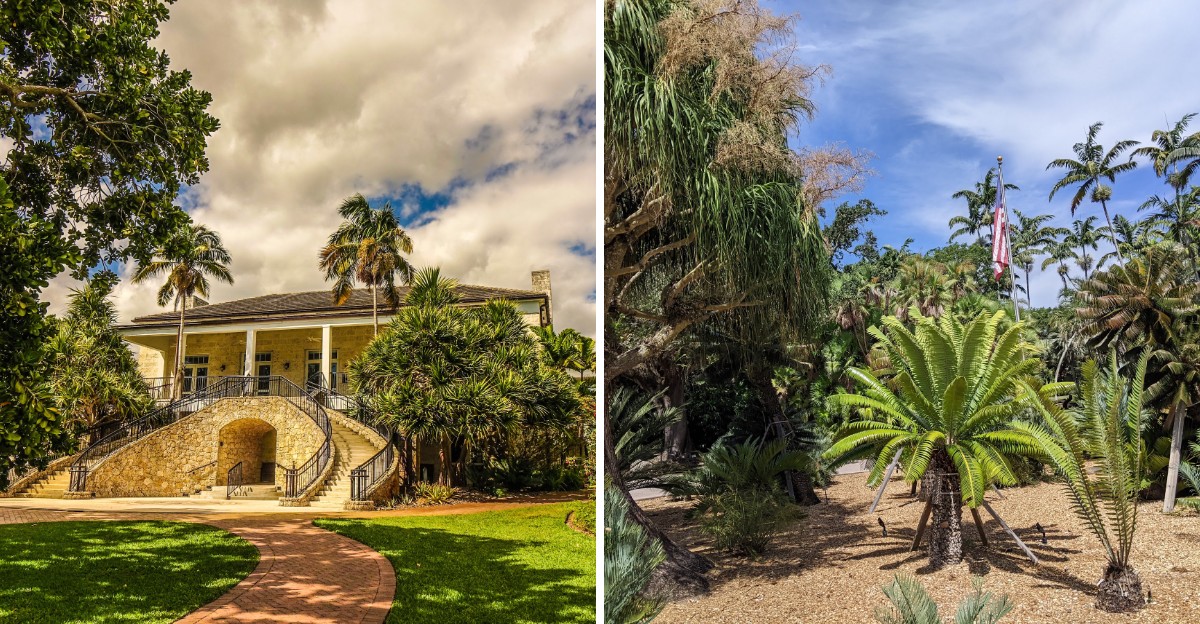
The garden spreads across 83 acres. Its plant collections hold rare palms, cycads, and orchids gathered from tropical regions all over the planet.
I like how this place mixes serious science with pure fun. One minute you’re learning about rare plants in a lab. During special events, kids can even hunt for trolls and fairy houses.
Florida has plenty of beaches and theme parks. I believe this green escape deserves a spot on that list too. So why do so many people drive right past it?
Step Off The Pavement And Into A Real Rainforest
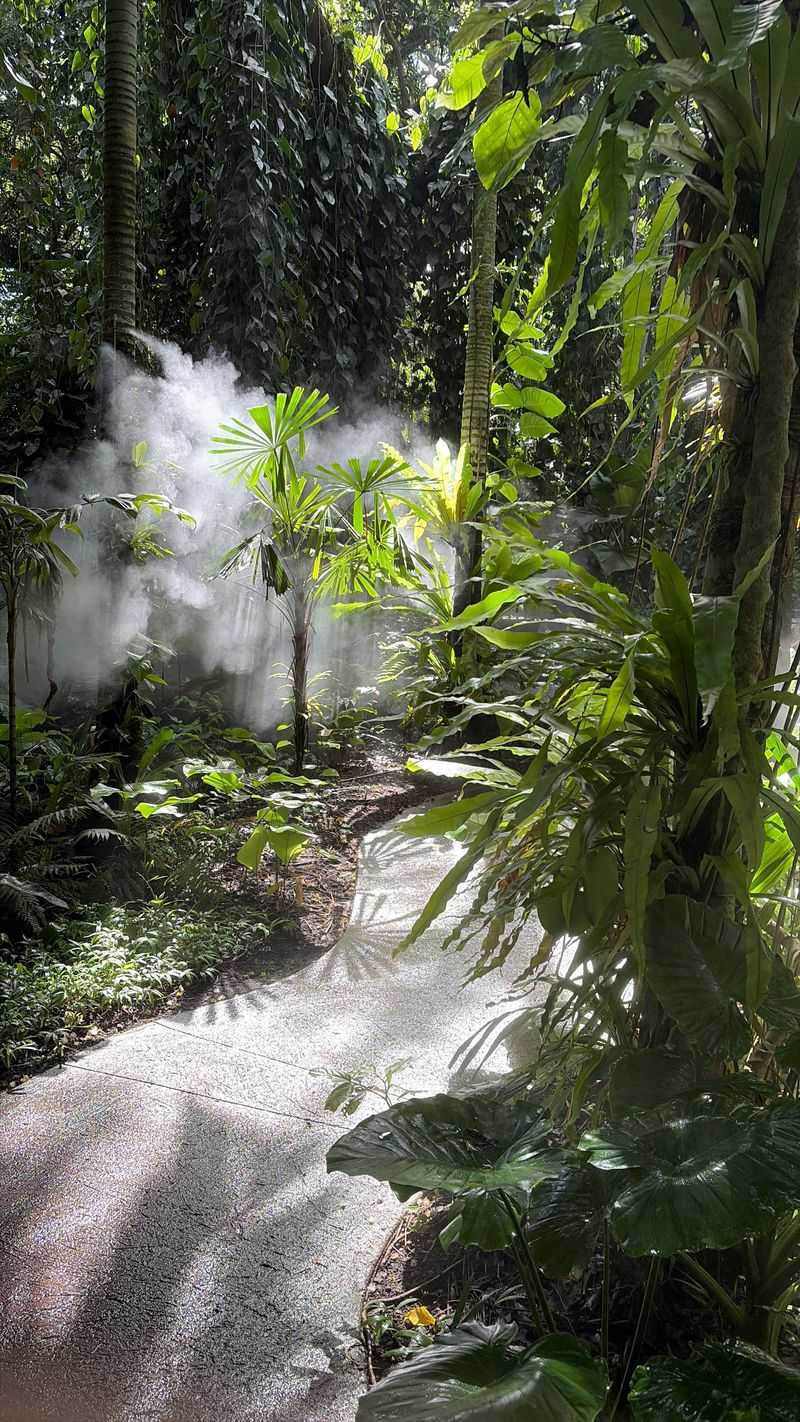
Few people expect a rainforest in a Miami suburb. Yet Fairchild Tropical Botanic Garden in Coral Gables grows one, and it feels wonderfully wild.
The Rainforest section sits on the lower part of the garden. Thick layers of palms, vines, and broad leaves crowd together overhead. A winding stream and small waterfalls help keep the area moist and green.
Walking through it feels like a mini trip to the tropics. Plants here come from rainforests found in places around the world. Many of them could never survive in colder states, so Florida’s warm climate gives them a home.
Shade is a big bonus in this part of the garden. South Florida sun can get intense, and the tree cover offers a welcome break. It’s a smart spot to visit when the afternoon heat starts climbing.
Take your time on these paths. Look up at the canopy, then down at the ferns and roots near your feet. Small details are easy to miss if you hurry.
Bring a water bottle and comfortable shoes. The trails are easy to follow, but you’ll want to linger. Honestly, rushing through a rainforest seems a little rude to the plants.
Butterflies Will Treat You Like Part Of The Scenery
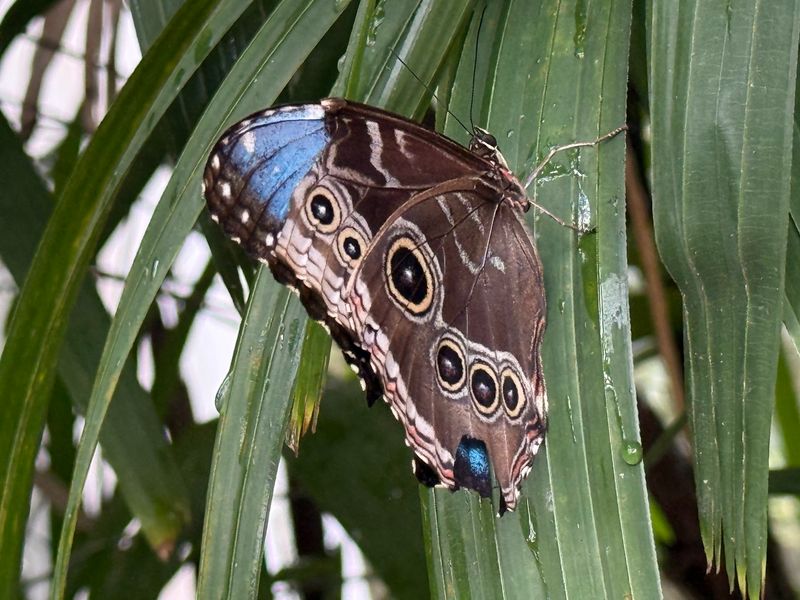
Hundreds of butterflies live inside the Wings of the Tropics exhibit. They float freely around visitors in a warm, bright conservatory.
The exhibit sits inside the Clinton Family Conservatory. Species come from tropical regions across the Americas, Africa, and Asia. Their colors range from deep blues to bright oranges and soft yellows.
Moving slowly matters here. Butterflies may land near you, so watch your step and keep your hands gentle. Kids usually love this part, but grown-ups get just as excited.
Next door, the Vollmer Metamorphosis Lab adds a science twist. Through glass windows, you can see butterflies in different life stages. Watching the process behind the beauty makes the whole exhibit feel more meaningful.
The conservatory also holds tropical plants that thrive in its warm air. That means it’s worth a look even when you’re not chasing wings. Orchids and other leafy plants fill the space with layers of green.
Plan for this stop to take longer than expected. Cameras come out fast once a bright butterfly settles nearby. Just remember that these tiny visitors set their own schedule, and they don’t do retakes.
Let A Guide Do The Driving On The Tram Tour
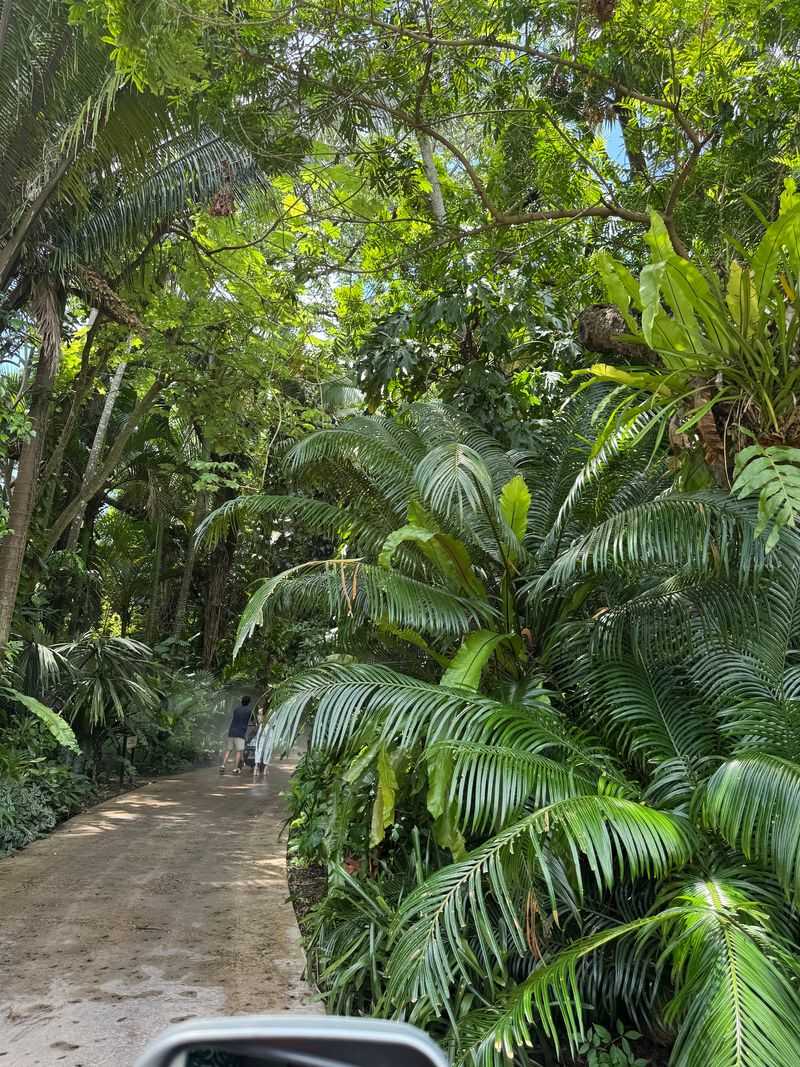
Smart planning starts with a seat on the tram. Fairchild Tropical Botanic Garden offers a narrated tram tour that loops through the grounds with admission.
Tours currently run on a regular schedule on Saturdays and Sundays. A guide drives and points out plants, palms, and wildlife along the way. Stories and plant facts help the big property make sense quickly.
The ride works like a preview. After seeing the whole layout, you can decide which spots deserve a closer walk. That saves your legs from wandering in circles under the Florida sun.
It’s also helpful for anyone who can’t walk long distances. Older relatives or tired little ones can still see much of the garden. Everyone gets the same big picture without the long hike.
Seats are limited, so reserve your free tram tour online before you arrive. Arriving early gives you more flexibility for the rest of the day. You’ll also have more time to revisit favorites.
Think of it as the garden’s highlight reel. Then hop off and explore at your own pace. The tram gives you the map, but your curiosity picks the route.
Palms And Cycads That Look Older Than Time
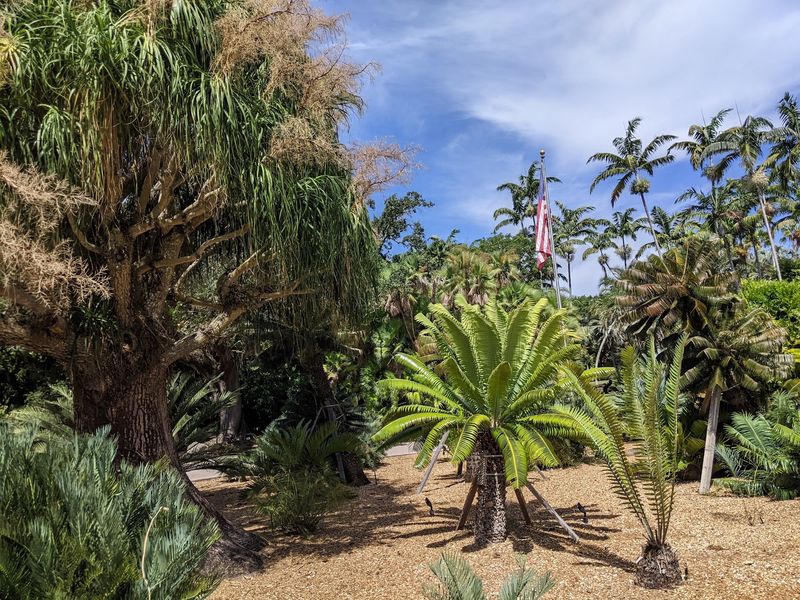
Palm lovers, this is your playground. Fairchild is known for one of the world’s leading collections of palms and cycads.
Cycads are especially fun to learn about. They look a bit like palms, but they belong to a very old plant group. Their family history stretches back to the age of dinosaurs.
Palms here come in surprising shapes and sizes. Some stand tall and skinny, while others spread wide with huge fronds. Walking among them shows just how varied one plant family can be.
Many of these plants are part of serious research and conservation work. The garden studies tropical plants and helps protect rare species. So the pretty view also supports real science.
The collections stretch around lakes and open lawns in the garden. Lakes reflect the palms on calm days, which makes for lovely photos. Benches give you spots to rest and soak it in.
Look for plant labels as you walk. They often share the plant’s name and where it comes from. You may leave knowing more palm names than you ever planned, and that’s a fine problem to have.
A Plant Explorer’s Legacy Lives Along These Paths
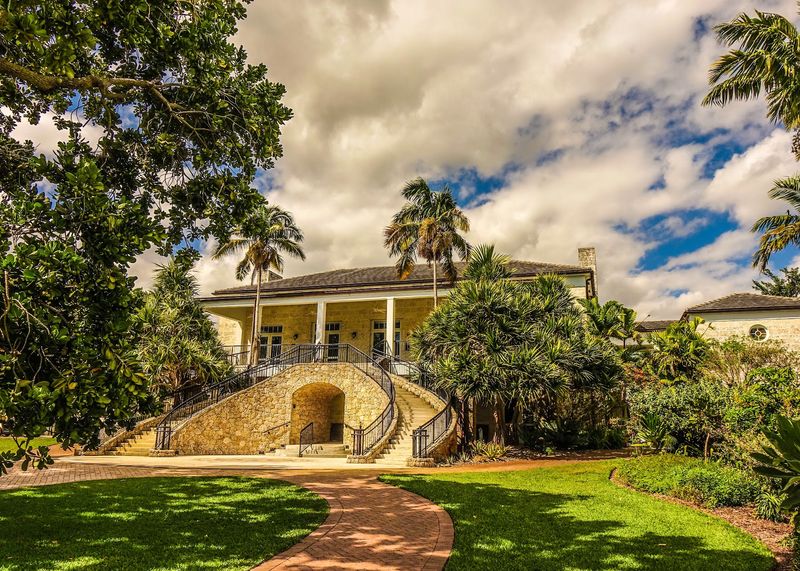
David Fairchild spent years traveling the world searching for useful plants. The garden that carries his name opened in 1938.
Fairchild helped bring many plants to the United States through his work as a plant explorer. Robert Montgomery, an accountant and plant collector, founded the garden and named it to honor him. Landscape architect William Lyman Phillips helped design its grounds.
That history still shapes the visit today. Paths, lakes, and plant groups follow a thoughtful plan. The layout invites slow strolling instead of rushing from one sight to the next.
You’ll find the garden at 10901 Old Cutler Road, Coral Gables, FL 33156. It sits close to Matheson Hammock Park along a scenic stretch of road. The drive itself is shaded and pretty.
Hours run from 10 a.m. to 5 p.m. daily, except on Christmas Day. Arriving near opening time gives you cooler air and more hours to explore. Florida afternoons can get steamy fast.
Knowing the backstory adds depth to every path. Each rare plant feels like a page from a travel journal. It’s history you can actually walk through.
Kids Can Hunt For Trolls And Fairy Houses
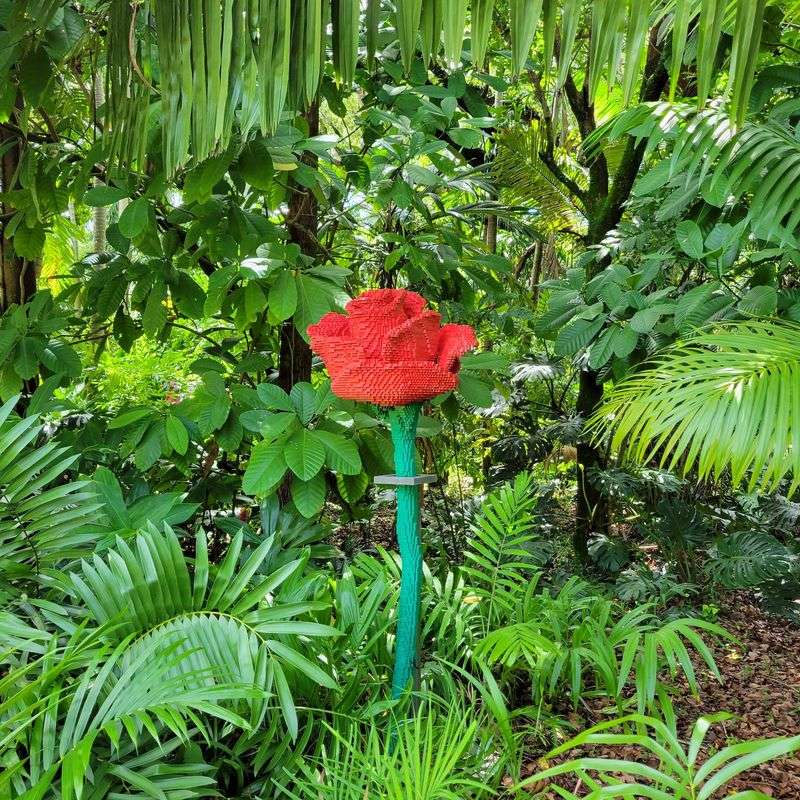
Giant trolls and tiny fairy houses make this garden a kid magnet. Fairchild hosted a playful troll scavenger hunt in July 2026, with six hidden stone trolls for families to track down.
The search turns a plant walk into a treasure hunt. Kids get a reason to explore, and parents get a nature-filled outing. Nobody needs a screen to stay entertained.
The Sunken Garden has also hosted a whimsical fairy village, with tiny houses tucked among the greenery. A children’s play area also brings a storybook touch. Little explorers can burn off energy while grown-ups enjoy the scenery.
Paths are paved and easy to navigate in many areas. Strollers and wheelchairs can move through much of the grounds comfortably. That makes planning a family day less stressful.
Bring snacks, sunscreen, and plenty of water. Young legs tire faster than you expect on a big property. Short breaks on shaded benches help everyone last longer.
Educational programs also make the garden popular with schools and homeschool families. Learning feels sneaky here, in the best way. Kids may come for trolls and leave asking about orchids.
Orchids Steal The Show Every Time They Bloom
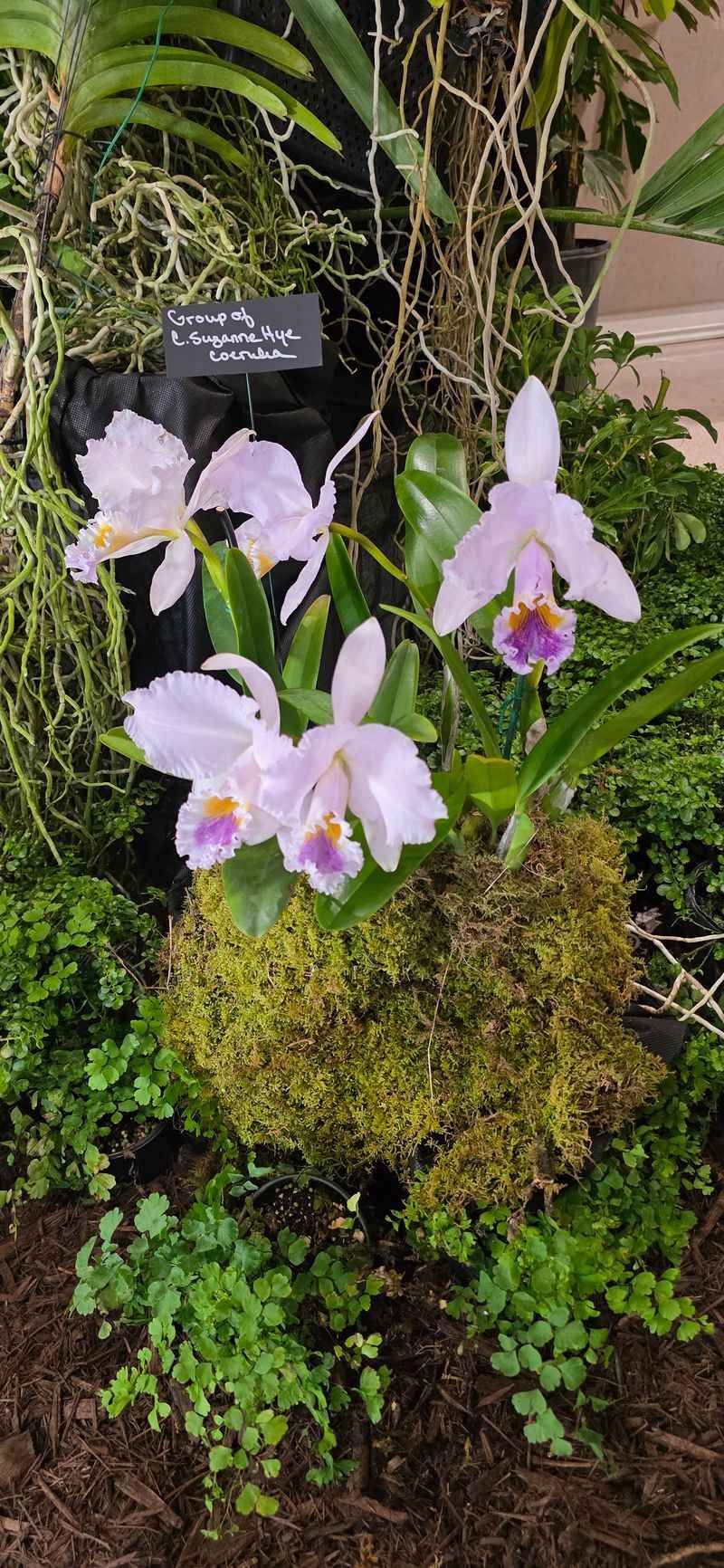
Orchids bring serious drama to this garden. Bright petals pop out from trees, walls, and displays in shades that hardly seem real.
Fairchild grows many orchids across its grounds. Some cling to tree trunks, which is how many tropical orchids grow in nature. Spotting them feels like a mini scavenger hunt.
The garden has also worked to restore native orchids in South Florida. Through its Million Orchid Project, it grows orchids and places them around the community. That effort brings these flowers back to streets, parks, and schools.
Inside the garden, you can learn how this work happens. The project shows that pretty flowers can also be part of big conservation goals. Beauty with a purpose is hard to beat.
Bloom times change across the year, so each visit can look different. Plan a return trip in another season for fresh surprises. Check the garden calendar for flower shows and plant events.
Bring a camera with a good close-up setting. Orchid details are tiny and fascinating. Just be warned, after one visit you might want to adopt a few at home.
Plan Around Festivals, Markets, And Glowing Nights
Mango fans, mark your calendar. Fairchild has long celebrated tropical fruit with its International Mango Festival.
Events fill the garden’s schedule throughout the year. Plant sales, festivals, and markets give regular visits an extra layer of fun. Weekend visitors may stumble onto something special without planning it.
Classes add a hands-on angle too. The garden offers workshops tied to plants, gardening, and cooking. Learning to make something with tropical fruit feels very fitting here.
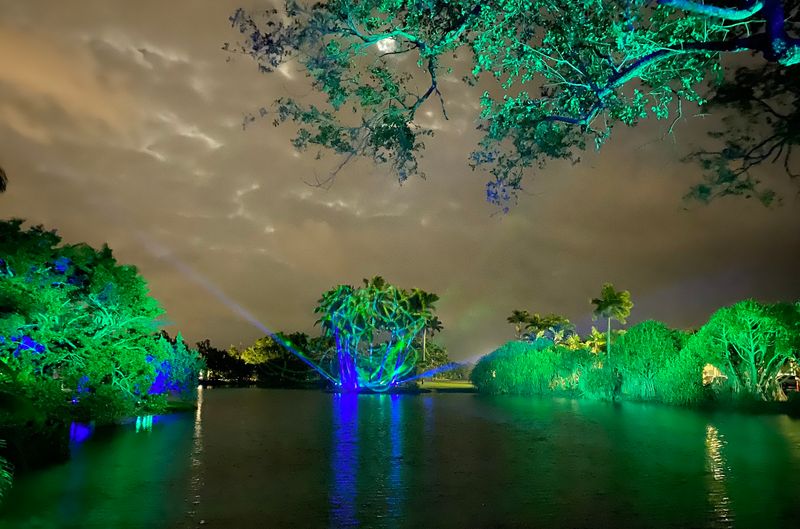
Winter evenings often bring a holiday light show. Trees and paths glow with color after dark. Seeing the palms lit up gives the garden a whole new personality.
Special events may need separate tickets or advance planning. Check the official calendar before you go. Popular nights can sell out, so early booking is wise.
Members get perks like free admission on regular days. Locals who visit often may find a membership worth it. Veterans also have free admission options, so ask about current details at the gate.
Every season gives this Florida garden a new reason to return. It rarely looks the same twice.
Refuel, Shop, And Linger Before You Leave

Hungry explorers won’t need to leave early. Fairchild Tropical Botanic Garden has dining spots on the grounds for a break between paths.
The Glasshouse Cafe serves food near the conservatory area. Smaller snack spots help when you just need a quick bite. A cold drink in the shade feels amazing on a warm Florida day.
The gift shop deserves a browse too. It carries plant-themed items, books, and garden gifts. Plant lovers may find it hard to walk out empty-handed.
Parking is available on site, which makes the trip simpler. The garden also has accessible paths across much of the property. Planning ahead keeps the day relaxed.
Give yourself at least a few hours here. Many people need half a day or more to see the highlights. Rushing means missing quiet corners and lakeside views.
Before leaving, find a bench and just sit. Listen to birds and breeze moving through palms. Miami’s traffic will still be waiting outside, so don’t hurry back to it.
A rainforest this close to the city deserves an unhurried goodbye.