New Law Targets Florida’s Fastest Drivers — And It’s Not Just a Ticket Anymore
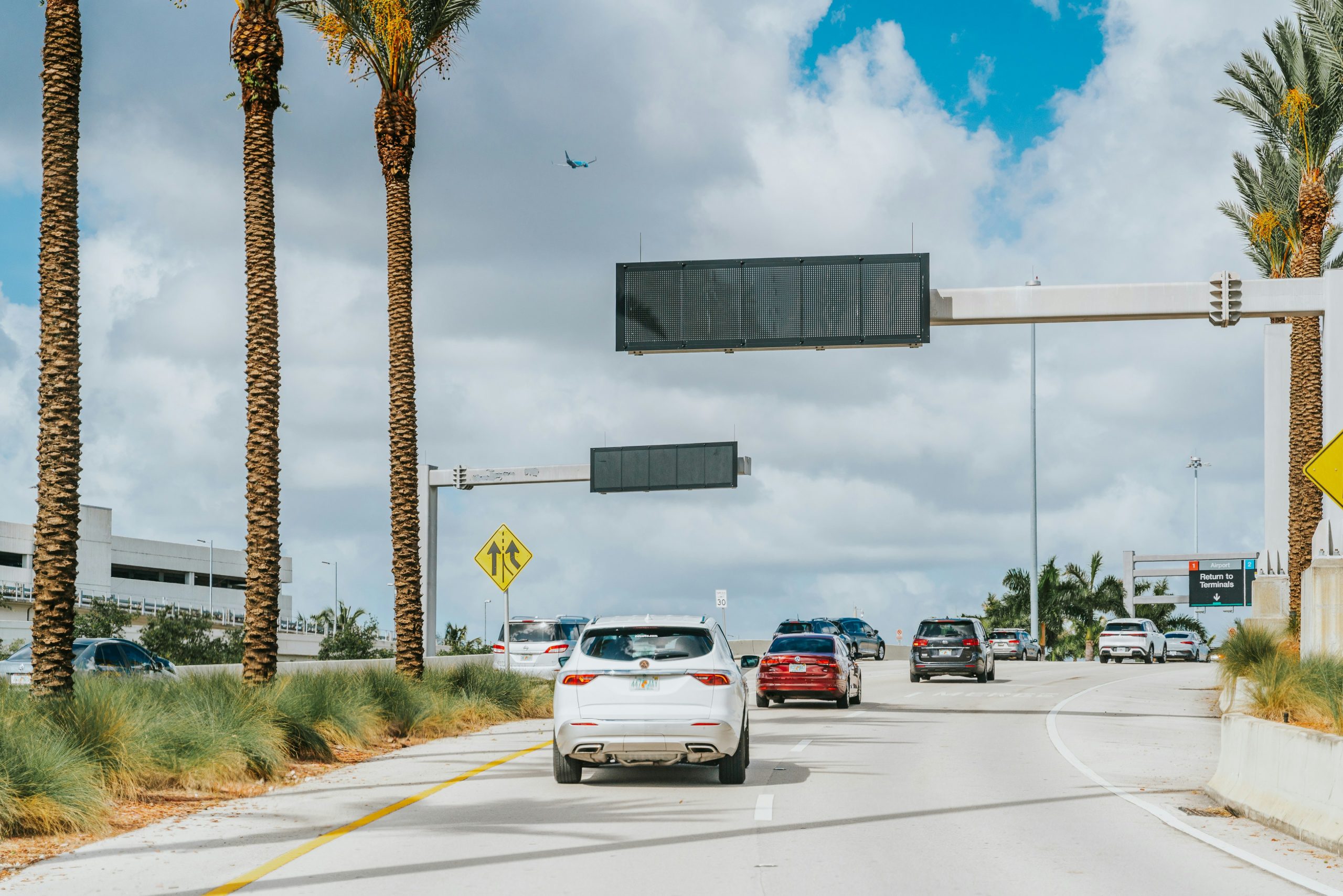
A new Florida law aimed at curbing dangerous driving behavior officially went into effect earlier this summer, introducing criminal penalties for extreme speeding on state roadways.
Known as the “Super Speeder” law, the measure allows law enforcement to charge drivers with a criminal offense if they are caught traveling at 100 miles per hour or more, or if they exceed the posted speed limit by more than 50 mph. The law is part of Florida Statute § 316.1925 and is intended to serve both as a deterrent to reckless driving and as a new legal tool for addressing high-impact traffic incidents.
Legal experts say the statute could significantly influence civil cases involving serious or fatal collisions. A criminal citation under the new law can be used as court-admissible evidence of reckless behavior, potentially supporting motions to pursue punitive damages in civil court. Under Florida Statute § 768.72, punitive damages are typically reserved for cases involving gross negligence or intentional misconduct. The Super Speeder law helps clarify what qualifies as such behavior.
The law is also expected to affect cases involving commercial drivers. If a commercial vehicle operator is charged under the new statute while acting within the scope of their job—such as while delivering goods or transporting passengers—their employer may be held liable under claims of negligent hiring, training, or supervision. Attorneys handling high-speed crash cases in the Florida Keys and elsewhere in South Florida say the law provides a clearer threshold for proving patterns of reckless conduct and institutional negligence.
Injury victims may also benefit during insurance negotiations. A Super Speeder citation adds legal weight to the circumstances surrounding a crash and can strengthen the plaintiff’s bargaining position. Although insurance companies are generally not obligated to pay punitive damages, the risk of high jury awards may increase pressure to settle cases early and favorably for the victim.
Law enforcement agencies and traffic safety advocates hope the statute will reduce the frequency of high-speed collisions, which remain a leading cause of fatal crashes statewide. Legal professionals across Florida view the law as a meaningful step toward improving accountability on the roads, especially in light of recent tort reforms that have made it more difficult for victims to seek compensation.
With the new law in effect, motorists across Florida are being urged to think twice before engaging in extreme speeding, as the legal consequences now reach far beyond a simple traffic ticket.