A 330,000-Gallon Manatee “Hospital” Is Opening at Jacksonville Zoo This March
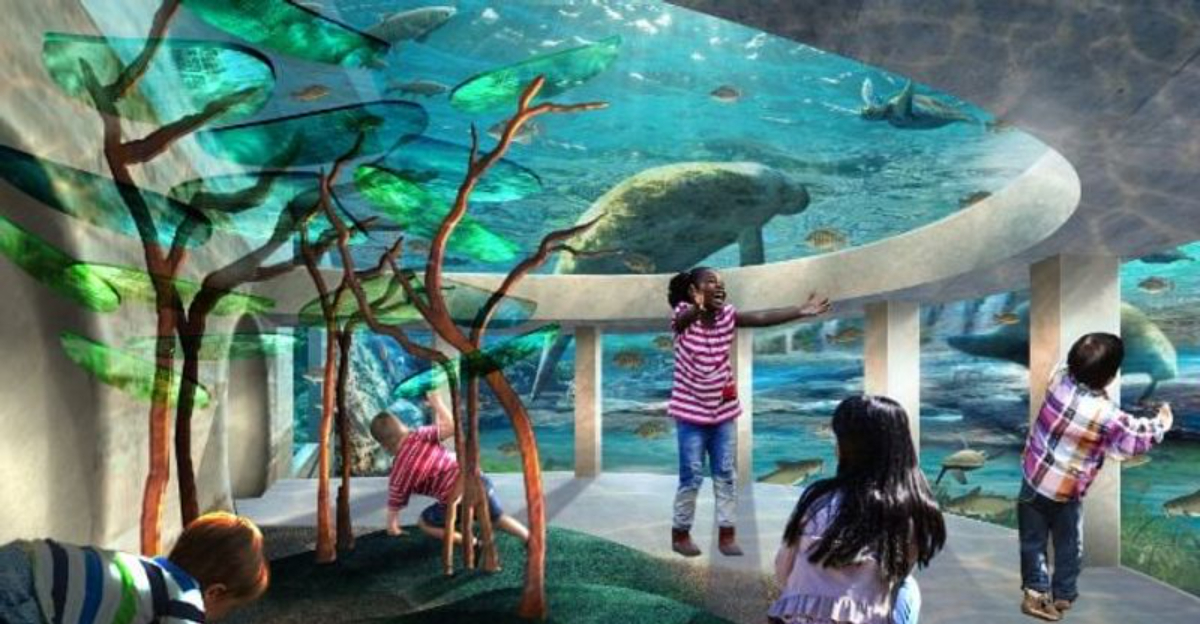
Big news is making waves in Jacksonville. A 330,000-gallon manatee critical care center opens March 6 at Jacksonville Zoo and Botanical Gardens, and you will be able to see these gentle giants up close. This habitat is all about rescue, treatment, rehabilitation, and release, with conservation front and center.
Plus, a revamped entrance gives you direct views into the manatee world the moment you walk in.
1. The Manatee Critical Care Habitat
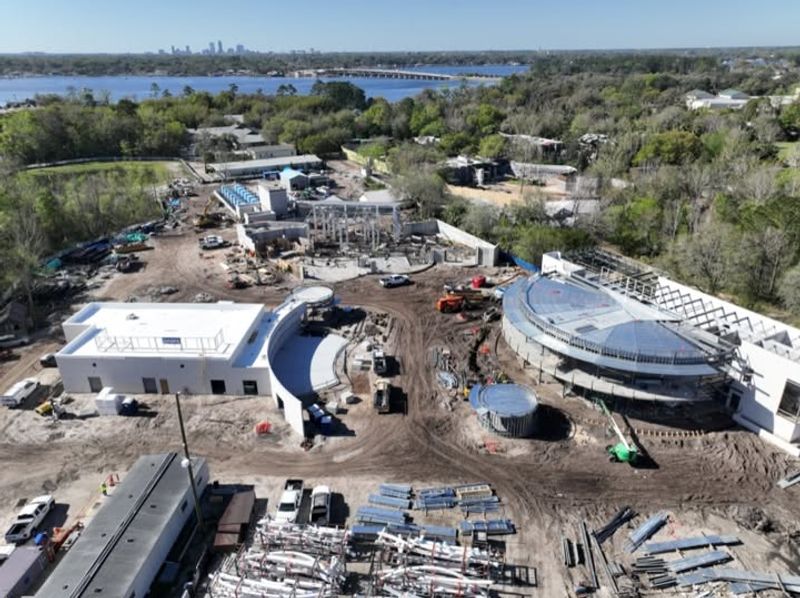
Meet the stars of the season inside a 330,000-gallon sanctuary built to heal and inspire. You will watch manatees glide in crystal-clear water while caregivers monitor every breath, heartbeat, and bite of romaine. This is not a show, it is a mission, turning injuries into second chances and teaching you how everyday choices protect Florida waters.
From underwater viewing, you will see whiskered faces drift past seagrass-like plantings. Staff will share how boats, cold stress, and red tide affect manatees, and what rescue looks like in real time. The goal is always release, and that hope hangs in the air as strongly as the mist on the glass.
2. Rescue, Rehab, and Release Journey
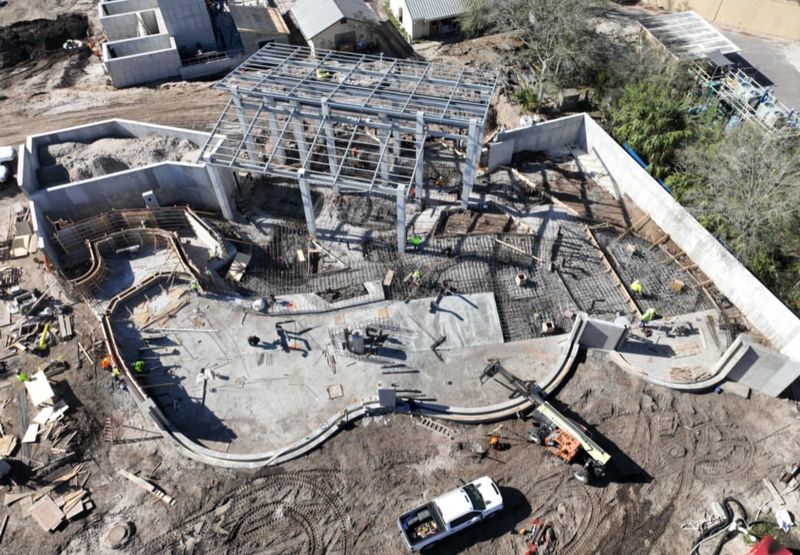
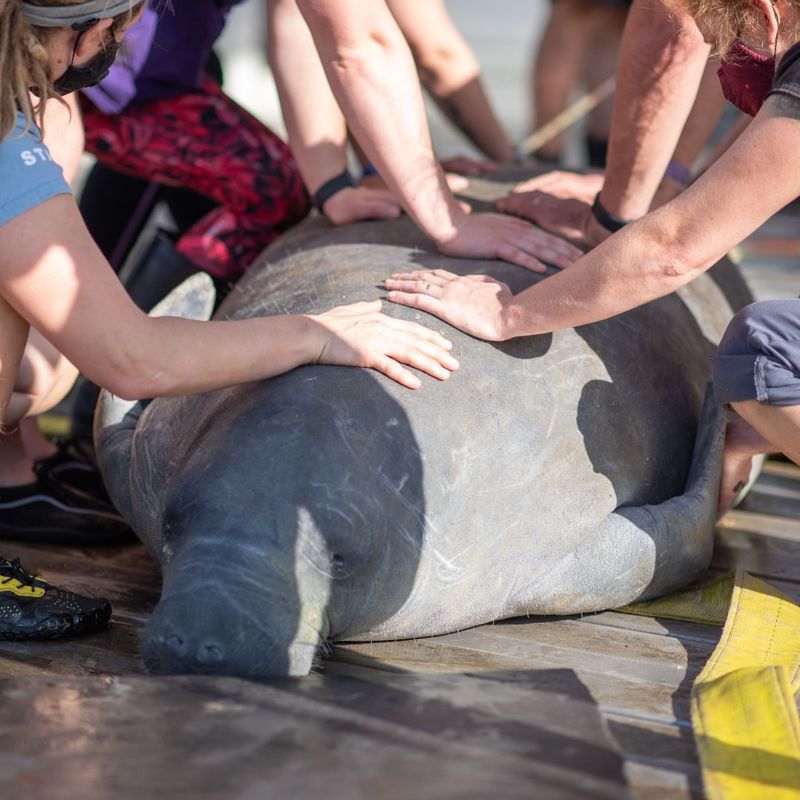
You will trace a manatee’s journey from emergency rescue to recovery, then release back into Florida’s rivers. The center’s team partners with statewide responders, transporting animals for diagnostics, tube feedings, and wound care. Gentle handling and quiet spaces help stressed patients regain strength, while nutrition plans rebuild energy for the swim home.
Interactive displays will guide you through telemetry tags, bloodwork, and daily weigh-ins. You will learn how staff assess buoyancy control and thermoregulation before considering release. The most moving moment arrives when a healthy manatee gets clearance to go, monitored for safety.
It is science with heart, and you will feel part of the crew.
3. All-New Entrance With Habitat Views
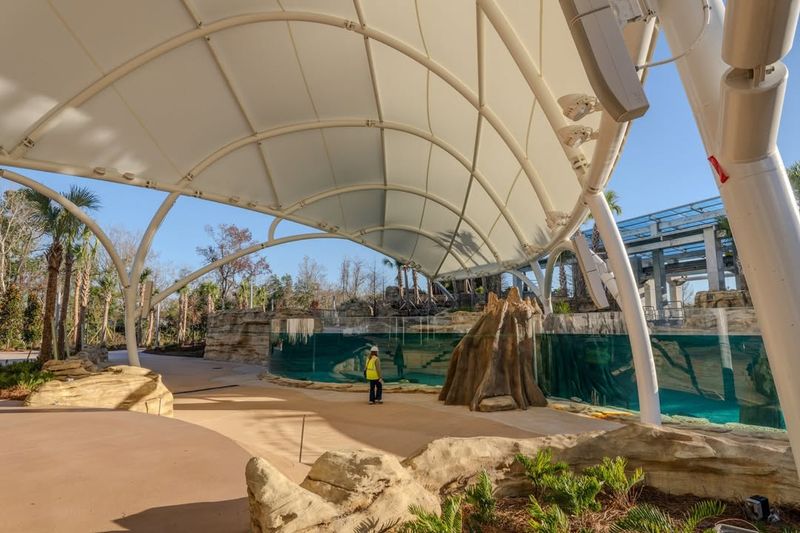
From the very first step, you will see manatees. The new entrance funnels sunlight, greenery, and quiet excitement toward panoramic windows that open directly into the habitat. Instead of guessing where to go, your day begins with a serene glide-by from a gentle giant, setting the tone for conservation and calm exploration.
Wayfinding is streamlined, strollers move easily, and ticketing lines feel faster when you have wildlife to watch. You will pick up tips about boating slow zones and plastic reduction before you scan a map. It is a literal welcome into the conservation story, not just a gate.
First impressions become first learning moments, and that sticks.
4. Underwater Viewing and Education Stations
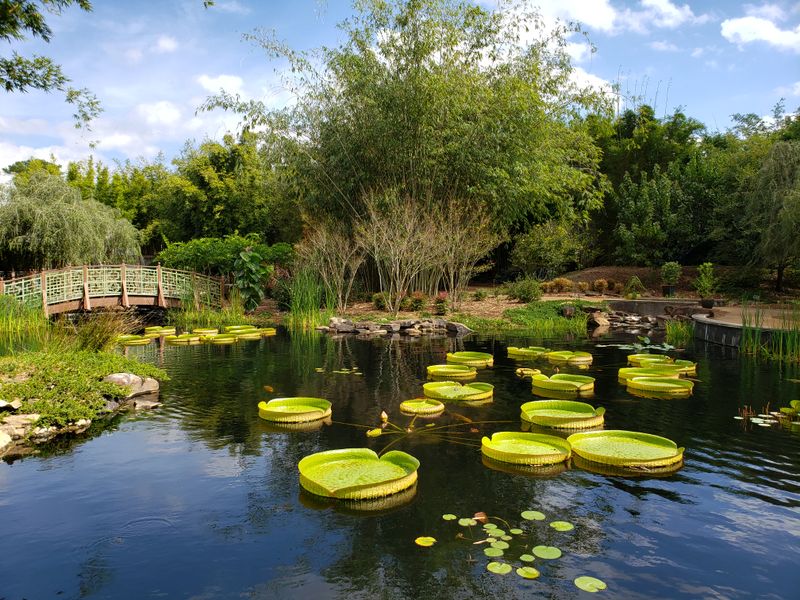
Press close to the glass and you will feel like you are swimming alongside them. The underwater viewing area brings you face to face with whiskers, paddle tails, and slow, powerful strokes. Educators will be right there, turning curious questions into clear answers about lungs, blubber, diets, and migration.
Touch-free screens share maps of rescue sites and the path back to the wild. You will compare a healthy respiratory rate with what happens during cold stress. Short talks and pop-up demos keep lines moving and minds engaged.
It is a space built for wonder and understanding, where a child’s gasp often becomes a family’s conservation plan.
5. How You Can Help Manatees
Helping manatees starts with small choices you can make today. At the habitat, you will see simple steps laid out clearly: slow down in waterways, use reef-safe sunscreen, secure fishing lines, and switch to reusable bottles. QR codes link you straight to seagrass restoration projects and local volunteer opportunities.
Interpretive panels will coach you on reporting distressed wildlife, spotting prop scars, and understanding seasonal sanctuary rules. Budget-friendly tips show how to reduce runoff from yards and keep litter out of storm drains. When you leave, you will have a plan, not just a memory.
The center turns empathy into action, one household at a time.
6. Plan Your Visit: Hours, Tickets, and Tips
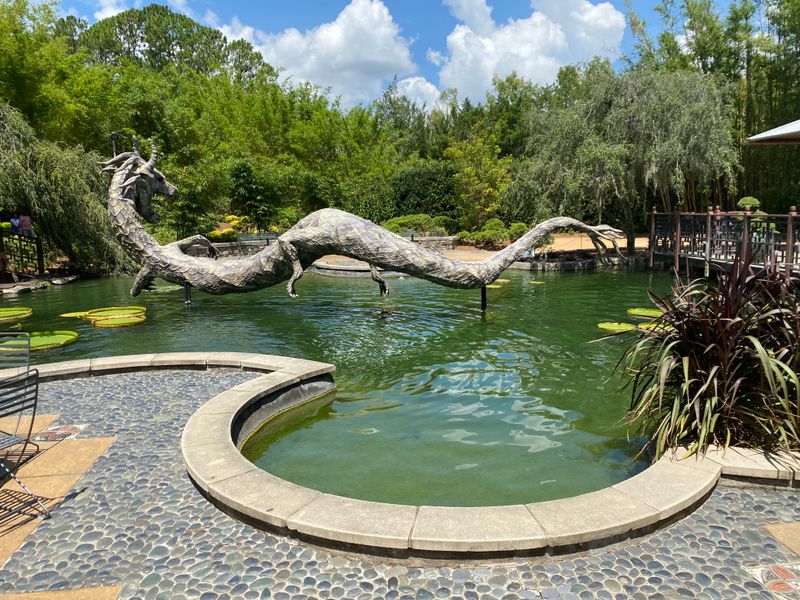
Jacksonville Zoo and Botanical Gardens sits at 370 Zoo Pkwy, rated 4.6 stars, open daily 9 AM to 5 PM. You will want comfortable shoes, a refillable bottle, and sunscreen. Food and drinks from outside are restricted, so plan for on-site dining or budget for water and snacks during your visit.
Weekdays are usually calmer, and memberships can pay off in two visits. Check the website for special events like Colors of the Wild or 4D shows, plus maps that keep walking manageable. Arrive early for cooler temperatures and active animals.
With the new entrance views, even the wait becomes part of the experience.
7. Beyond Manatees: Favorite Zoo Highlights
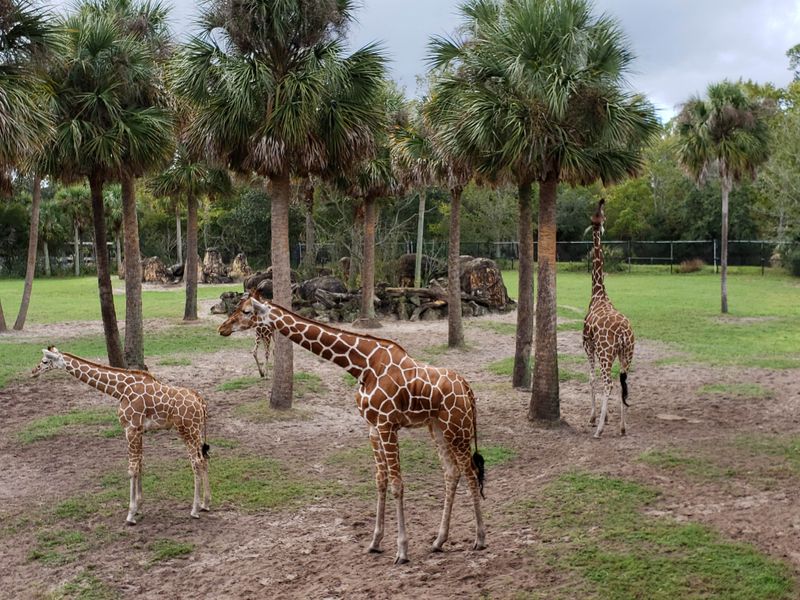
Make time for the rest of the grounds because this zoo shines beyond the manatees. Tigers stalk through temple-like ruins, stingrays swoop in touch pools, and giraffes lean in for gentle feeds. Shaded paths weave through lush gardens, creating photo spots that feel a world away from city life.
Families love the carousel, kids splash areas in warmer months, and the train for tired feet. You will notice clean signage and thoughtful exhibit design that puts animal welfare first. Even on busy days, the layout spreads people naturally.
It is easy to see why locals grab memberships and travelers call it a top-tier stop.
8. Opening Day: March 6 Experience
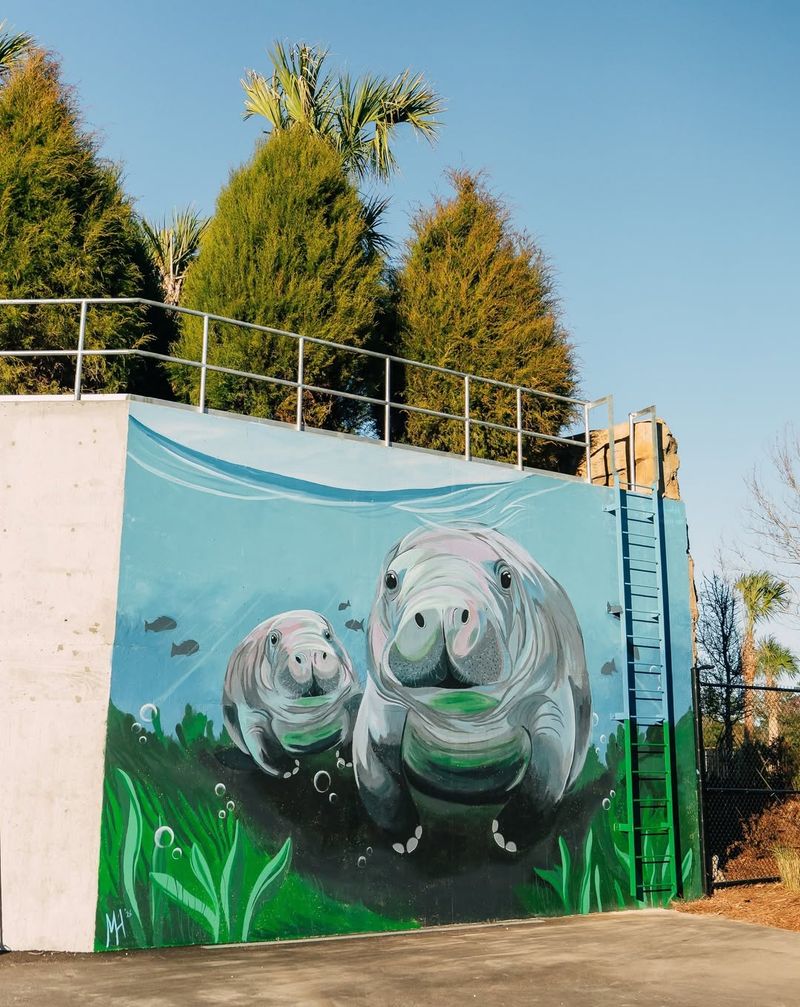
Circle March 6. Opening day brings fresh signage, guided talks, and those first magical moments seeing rehabilitating manatees settle in. You will walk through the redesigned entry and immediately lock eyes with a calm, curious face framed by ripples.
Cameras click, but the mood stays respectful because this space is for healing.
Expect staff meet-and-greets, conservation pledges, and clear guidance on viewing etiquette. Arrive early for parking and time to explore highlights before crowds swell. Grab a map, hydrate, and set intentions to learn something new.
When the doors open, you will join a community choosing hope for Florida’s most gentle neighbors.