America’s First Undersea Park Is in Florida—and the Reef Views Are Unreal
Key Largo has plenty of “look but don’t touch” beauty—but John Pennekamp Coral Reef State Park is the rare place where Florida actually lets you go meet the reef on its own terms.
One minute you’re on US-1 grabbing sunscreen and Cuban coffee; the next you’re floating over coral heads, watching parrotfish cruise by like they own the place (they kind of do).
This is America’s original undersea park, and it still delivers in every direction: snorkel trips that feel easy even for first-timers, dives with legit bragging rights, and glass-bottom boat rides for anyone who’d rather stay dry and still see the good stuff. Here’s how to do it right.
1. Why it’s famous: the “first undersea park” story
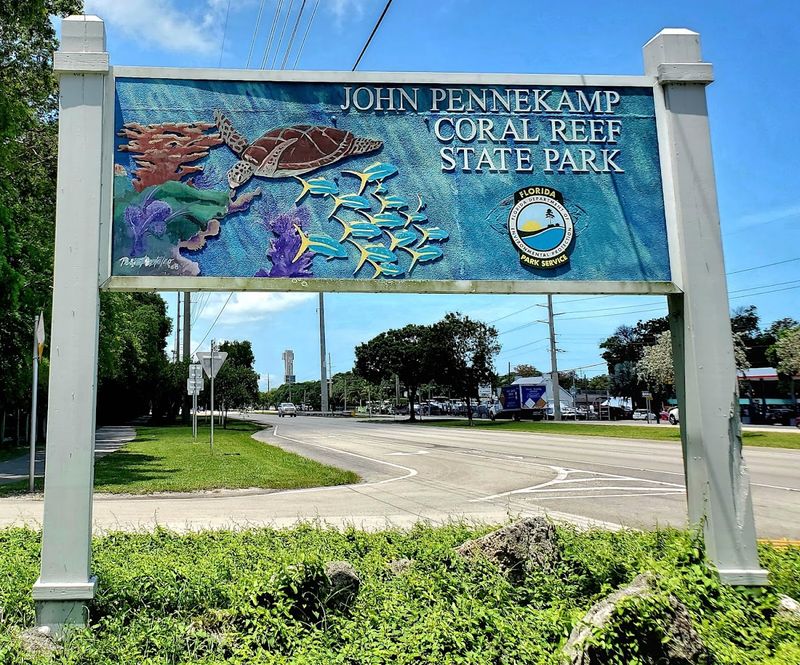
Most Florida parks protect land; this one protects what’s under the boat. John Pennekamp Coral Reef State Park is widely recognized as the first undersea park in the U.S., created to safeguard the Keys’ reef life long before “marine conservation” became a buzzword.
The scale surprises people: the park reaches offshore and covers roughly 70 nautical square miles of Atlantic waters, reefs, and seagrass beds—so you’re not just visiting a beach access, you’re stepping into a big blue preserve.
That history matters because it shapes the vibe today: tours are built around the reef, rangers and operators take rules seriously, and the park’s greatest “trail” is a living ecosystem that changes with the weather, the light, and the season.
Come here once and you’ll get why locals talk about Pennekamp like it’s the Keys’ underwater front porch.
2. The main event: Florida’s living coral reef
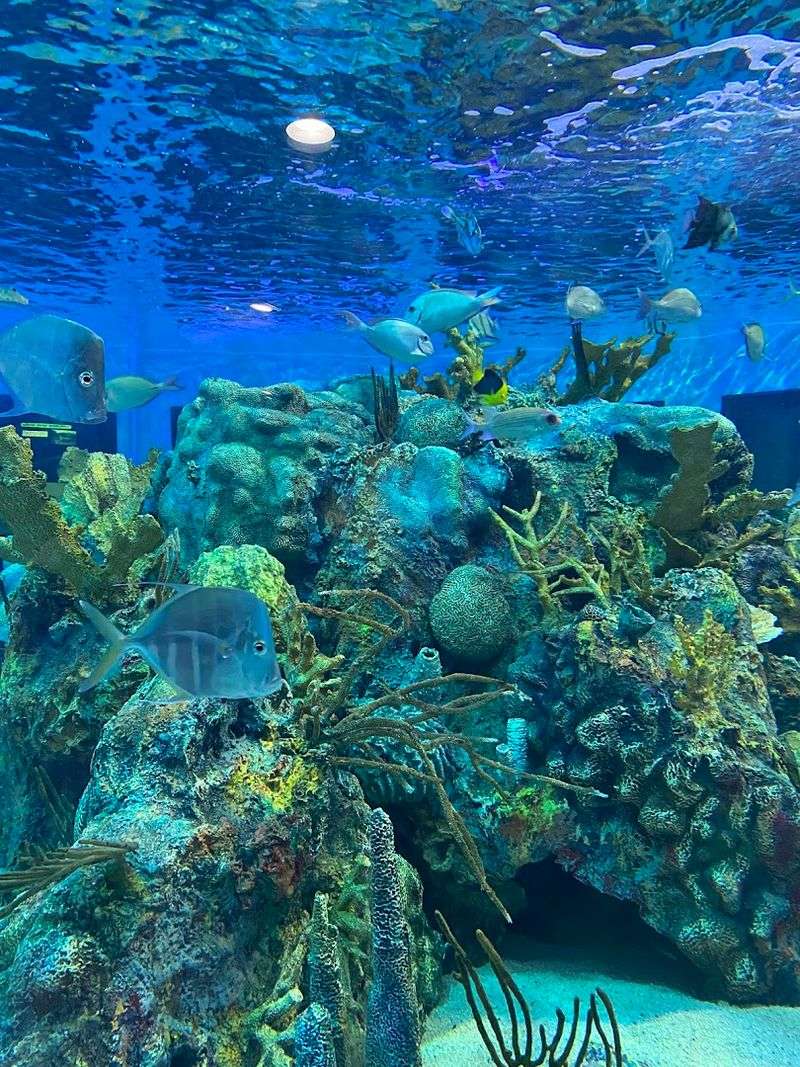
You don’t have to be a scuba diehard to appreciate what’s out there—just look over the side when the water’s calm. The Florida Reef tract is the star of the show, and Pennekamp puts you within easy reach of colorful coral structures, hard-bottom habitat, and fish that show up like they’re scheduled.
On a good visibility day, the water turns into a giant aquarium: bright blue tangs flash past, sergeant majors hover in clusters, and you’ll spot the slow, deliberate glide of bigger fish in the midwater.
What makes it feel different from “just snorkeling” is the sense of place: you’re hovering above a protected landscape, not a random patch of ocean.
The reef is alive, imperfect, and constantly shifting—more reason to see it with your own eyes instead of just scrolling photos.
3. Snorkeling highlights (what you’ll actually see)
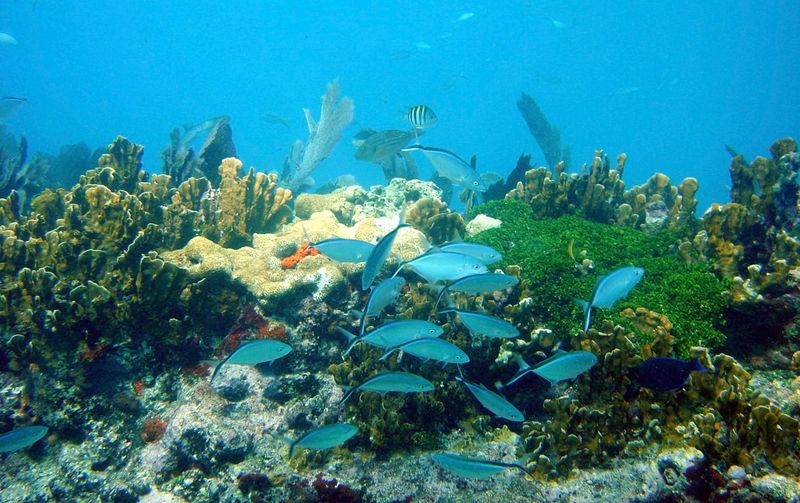
Forget the idea that you’ll wade in from shore and magically drift onto coral. In Pennekamp, the best snorkeling happens offshore, and most people reach it by boat—exactly how it should be.
Once you’re out there, the visuals come fast: sandy channels, coral heads, and swaying sea fans, plus quick darts of color when a wrasse or parrotfish zips by.
Look closer and you’ll notice the small stuff that makes the reef feel busy—tiny reef fish hovering around ledges, clouds of fry near shelter, and the occasional barracuda hanging back like it’s pretending not to watch you.
Conditions call the shots, so some days are glassy and clear, others are choppier with less visibility. Either way, snorkel time here feels like you’re inside the Keys, not just visiting them.
4. Diving bucket list: the Christ of the Abyss statue
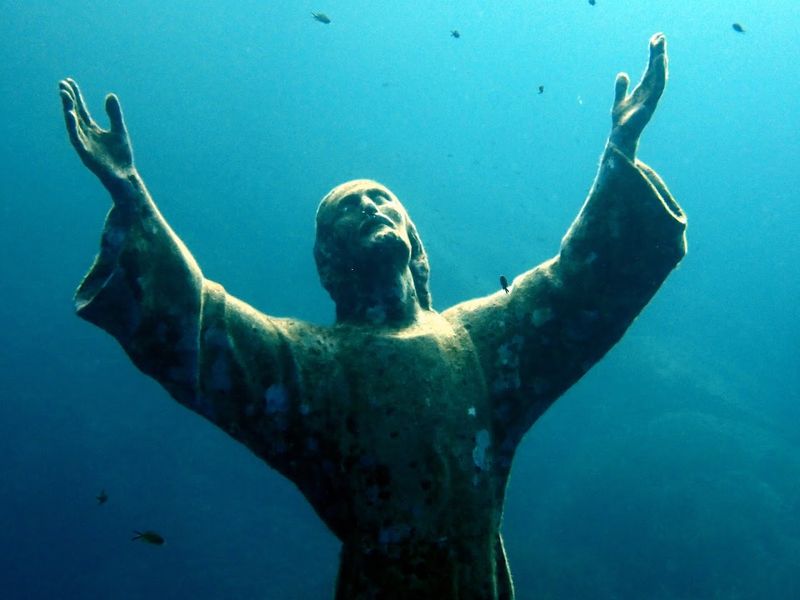
A bronze figure with arms outstretched sounds dramatic—because it is. The famous Christ of the Abyss statue sits underwater at Key Largo Dry Rocks, and it’s one of those rare Florida sights that still feels surreal even when you’ve seen a hundred photos of it.
Divers get the full experience: approaching it slowly as the reef rises up, then circling to take in the scale and the marine life that treats it like just another structure. Strong snorkelers can see it too on calm days, especially when visibility cooperates and the surface isn’t kicking up glare.
The best moment is usually the quiet one, when you hover and notice how the statue changes with the light—shimmering one second, shadowy the next—while schools of fish slide through like they’re part of the scene. It’s equal parts icon and underwater landmark, and it earns the hype.
5. Glass-bottom boat tours for non-swimmers (and families)
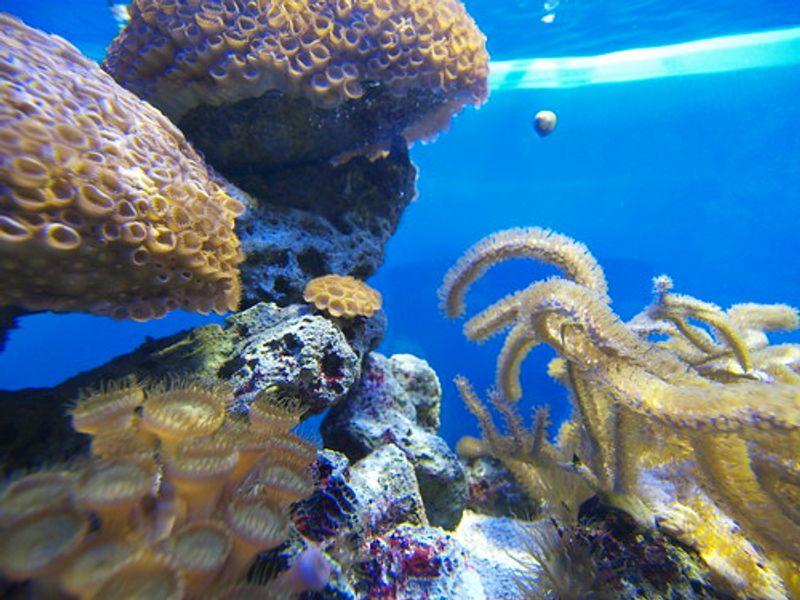
If you want reef views without a mask mark on your face, the glass-bottom boat is the move. These trips are classic Key Largo: easy, low-effort, and genuinely interesting when the water’s clear.
You’ll glide over coral formations and patch reefs while the crew points out what you’re seeing—so it’s not just “blue water” through a window, it’s a guided peek at a real ecosystem.
Kids love the instant gratification of spotting fish without having to swim, and adults love that everyone gets the same view at the same time (no one drifting off in different directions).
It’s also a smart backup plan when someone in your group doesn’t want to snorkel or dive. You still get that undersea-park magic—just from a seat, with a breeze, and zero stress about gear.
6. Tour logistics readers actually need
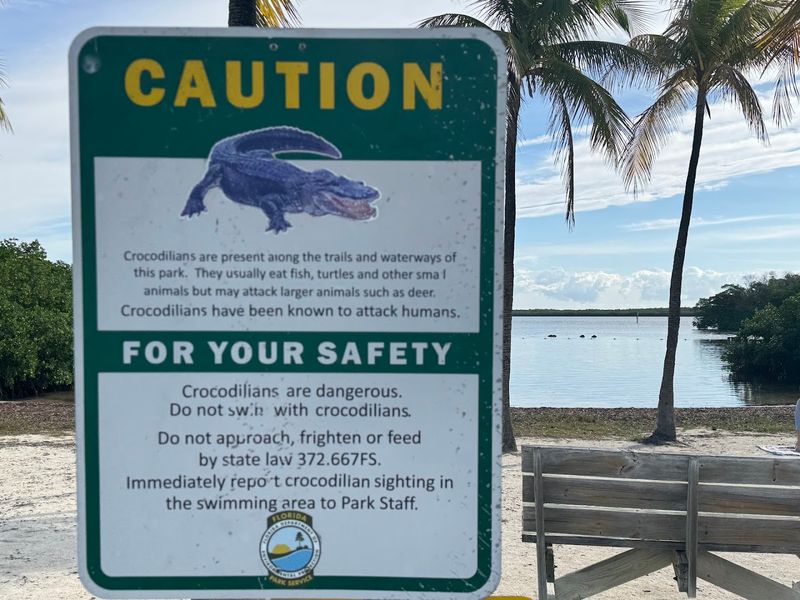
This park runs on boat schedules, not vibes—so treat it like you would a flight. Tours can vary by season and weather, and the operators will cut, delay, or reroute if conditions aren’t safe or visibility is lousy, which is the right call even when it’s inconvenient.
Plan to arrive early because check-in, parking, and getting everyone geared up take longer than you think, especially on weekends and holidays. Reservations are a smart idea for snorkel and glass-bottom tours, and some operators require in-person confirmation steps, so don’t assume a screenshot on your phone is the whole process.
Bring reef-safe sunscreen, water, and something dry for the ride back; the return trip can feel cooler once you’re wet. Also: mornings often win for calmer water, clearer looks, and a smoother experience all around.
7. On-land surprises: visitor center + aquarium
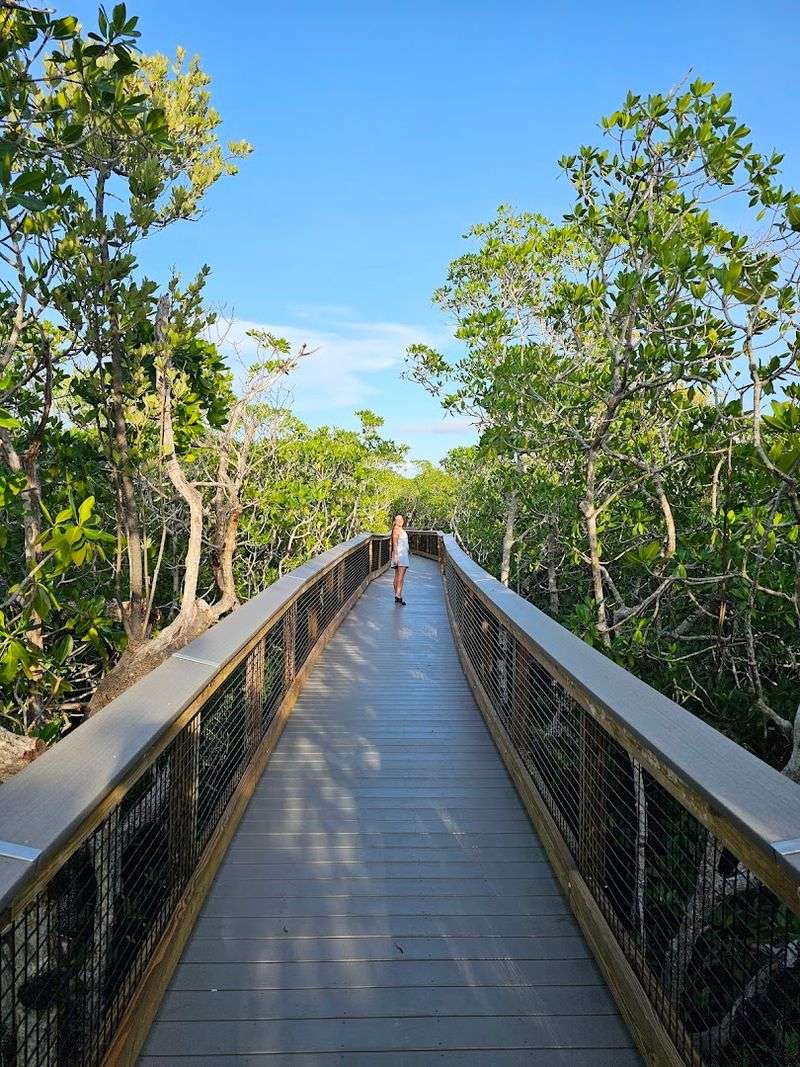
Even if the ocean’s being moody, you can still get your reef fix on land. The park’s visitor center is more than a quick stop for maps—it’s where you reset, cool off, and actually learn what you’re about to see (or just saw) offshore.
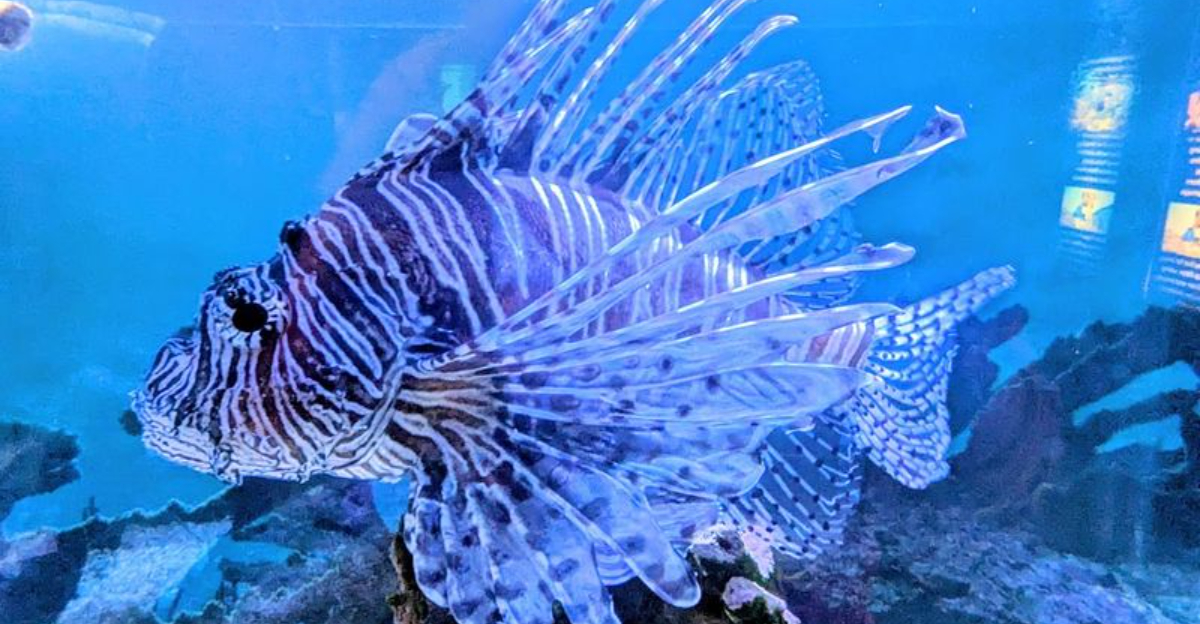
The standout is the large saltwater aquarium—about 30,000 gallons—filled with species that make the reef feel real even when the wind’s up and the boats are paused. It’s also a sneaky-good place to bring kids who need a break between activities, or anyone who wants a “preview” before committing to snorkel gear.
Add a stroll through exhibits, grab a few practical tips from staff, and you’ve got a solid Plan B that doesn’t feel like settling. Think of it as the park’s cheat code for rough-weather days.
8. Beyond the reef: mangroves, paddling, and a “full day” itinerary
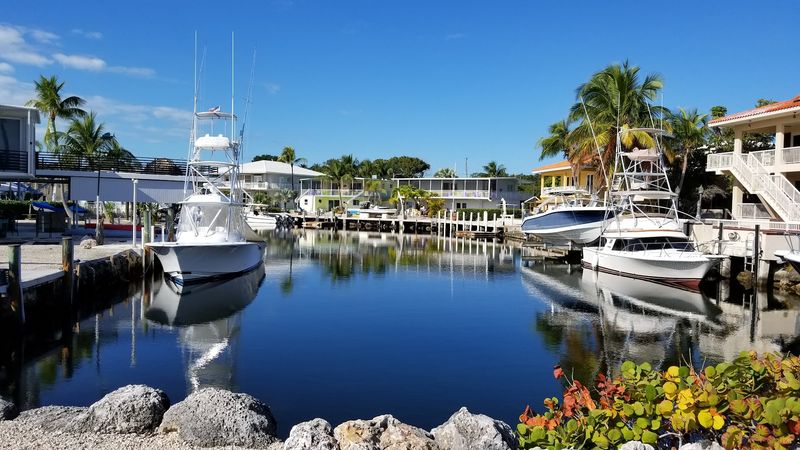
The reef gets the headlines, but Pennekamp is a full-day park if you let it be. Start early with a morning boat trip—snorkel, dive, or glass-bottom—when the water’s typically calmer.
After you’re back on land, switch gears and explore the quieter side of the Keys: mangroves and protected shallows that feel like a different planet compared to the open ocean. Paddling here is about details—little crabs on roots, birds working the edges, and that still-water silence you don’t get out at the reef.
Wrap it up with a visitor center stop, a rinse-off, and a picnic or easy lunch nearby before the afternoon crowds peak. The best part is how the day stacks: big, bright reef views first, then a slower mangrove glide to balance it out.
It’s the Keys in two speeds, in one park.