Discover the Hidden Florida Island With No Roads and No Crowds
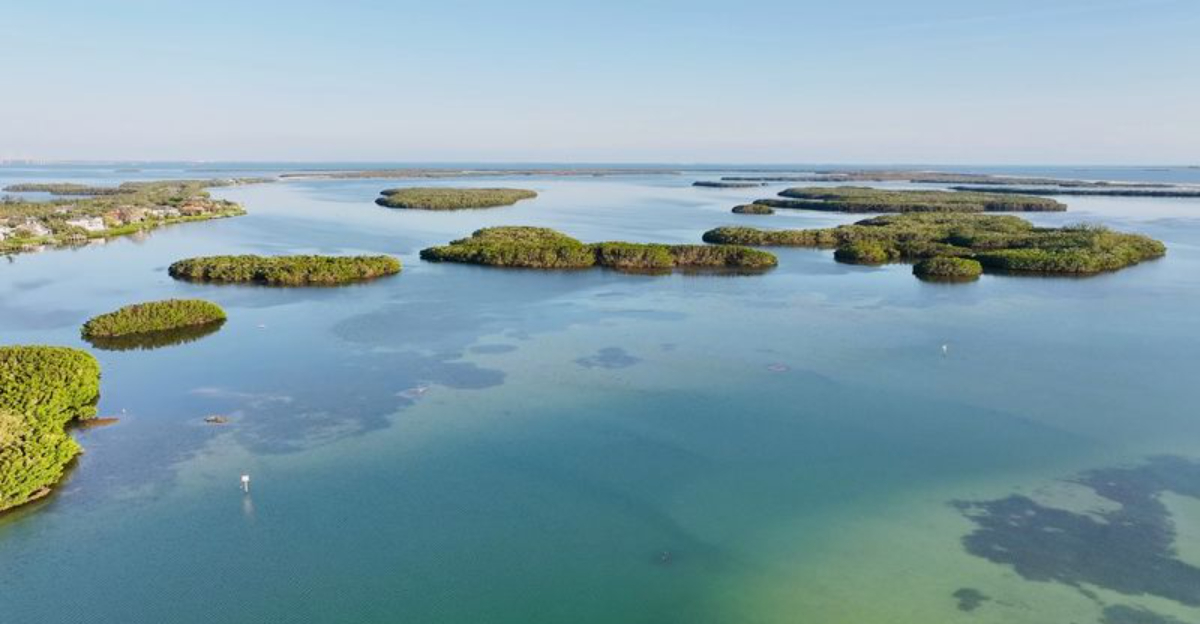
Looking for a Florida island that still feels wild and wonderfully empty? Shell Key Preserve sits just off Tierra Verde near St. Pete, yet it stays blissfully uncrowded thanks to its roadless, undeveloped character. You arrive by water, step onto powdery sand, and exhale as the Gulf hushes everything else. If a serene, no-frills escape is calling your name, this is where you answer.
1. A Wild Florida Gem Just Minutes From St. Pete
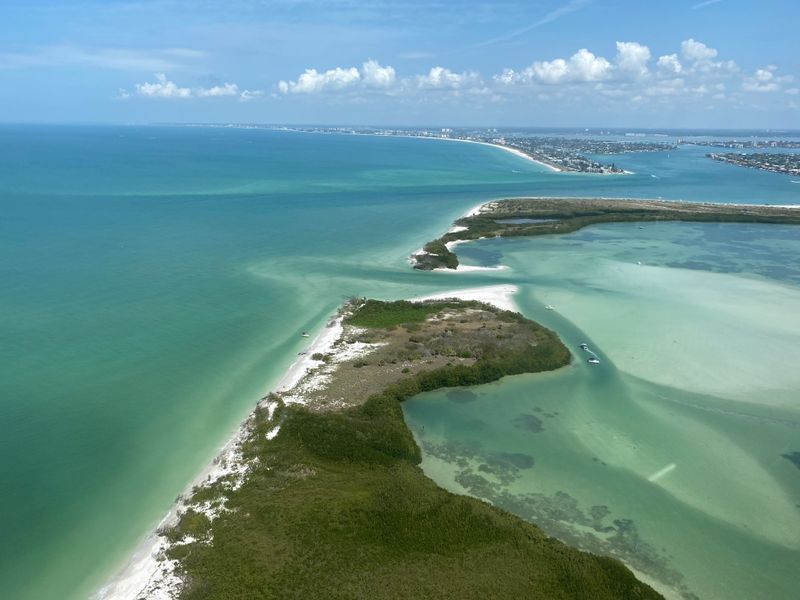
Shell Key Preserve hides in plain sight just off Tierra Verde, minutes from St. Pete yet worlds away in mood. You look back at the skyline and suddenly it feels distant, replaced by wind, water, and shorebirds skimming the flats. With no roads and no permanent development, the island stays raw and quiet.
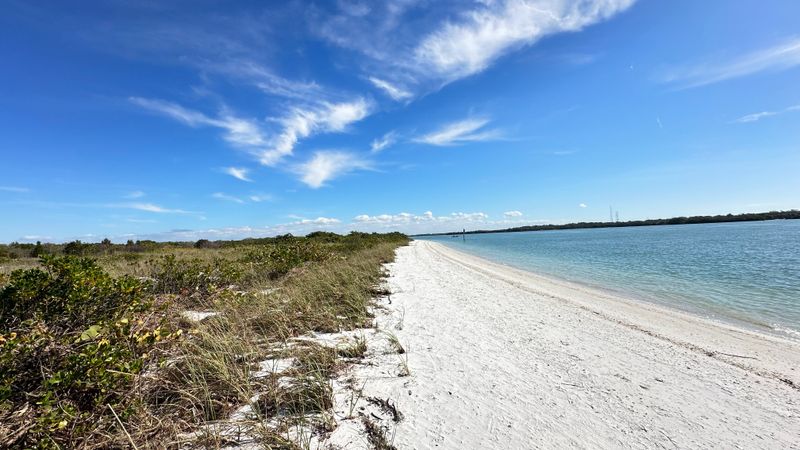
Step onto sugar white sand, sift shells through your fingers, and feel time slow down. The water glows teal over shallow seagrass and sandbars perfect for wading. You find calm without the crowds, only the hush of waves and calls of terns.
Close to everything, but delightfully removed, Shell Key is the rare place that still rewards curiosity. Come lightly, linger slowly, and let nature set the pace.
2. What Makes Shell Key Truly Hidden?
Shell Key stays hidden because you cannot simply drive there. There are no roads, no boardwalks, no snack stands humming under neon. Without commercial amenities or built infrastructure, the preserve keeps its edges soft and its silence intact.
These limits safeguard the island’s character. Fewer conveniences mean fewer crowds, reducing noise, litter, and harm to fragile habitats. You bring what you need, leave nothing behind, and trade hustle for wind and water.
The result is rare: a Gulf island where night remains dark and days belong to tides. Dunes hold their shape, birds nest undisturbed, and sea life moves through clear shallows. Hidden is not secrecy here, but restraint that protects what matters.
3. Getting There: Your Guide to Reaching a Roadless Paradise
You reach Shell Key by kayak, paddleboard, water taxi, or private boat. Popular launches include Tierra Verde’s boat ramp near Oceanview Drive and the ramps by Fort De Soto. Aim for light winds, incoming tide, and morning glass for the smoothest crossing.
Check marine forecasts, tide tables, and afternoon thunderstorms common in summer. Wear a PFD, clip dry bags, and mark your route on a map or GPS. A water taxi is convenient if you want simplicity without managing currents.
Pack plenty of water and shade, and secure gear against chop from passing boats. Land on open sandy stretches outside posted nesting zones. Leaving is simple too: follow your track back, and watch for afternoon sea breezes.
4. A Pristine Landscape of White Sand, Shells, and Turquoise Water
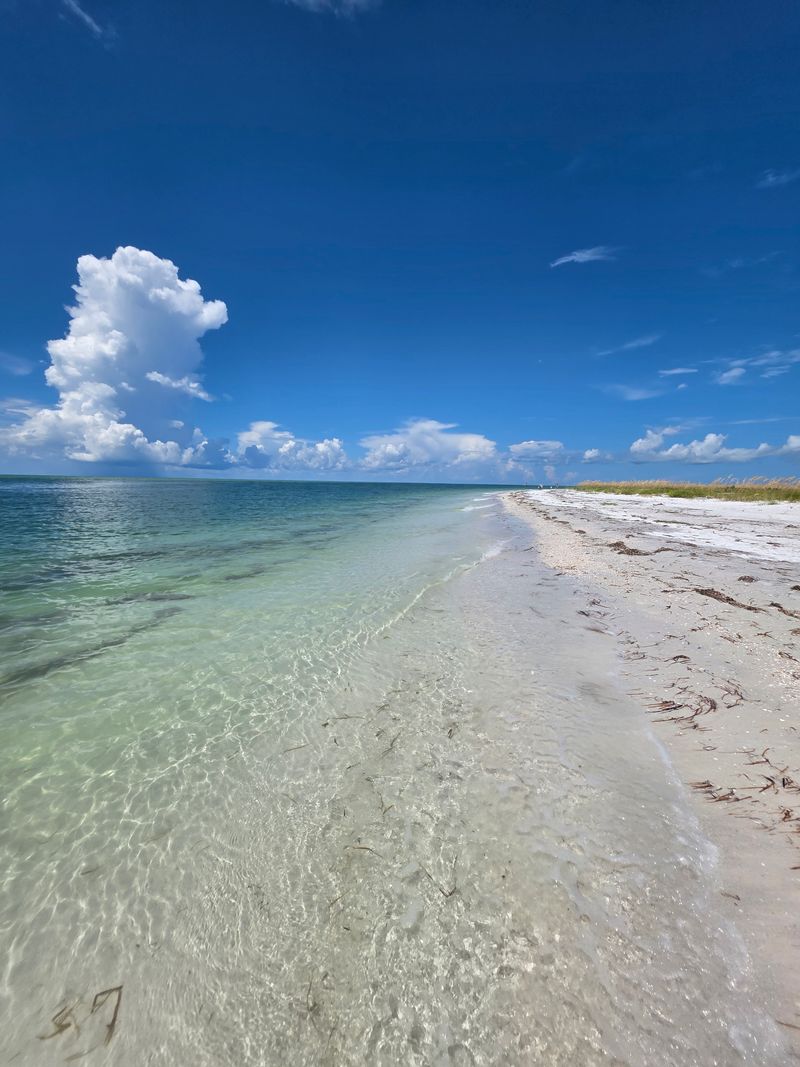
Shell Key’s beaches look like spilled sugar, soft and bright under a sunlit sky. The Gulf shifts from pale mint to deep turquoise, revealing sandbars and clear shallows. Shells collect in windrows after high tide, tiny spirals, scallops, and lightning whelks glinting in the wash.
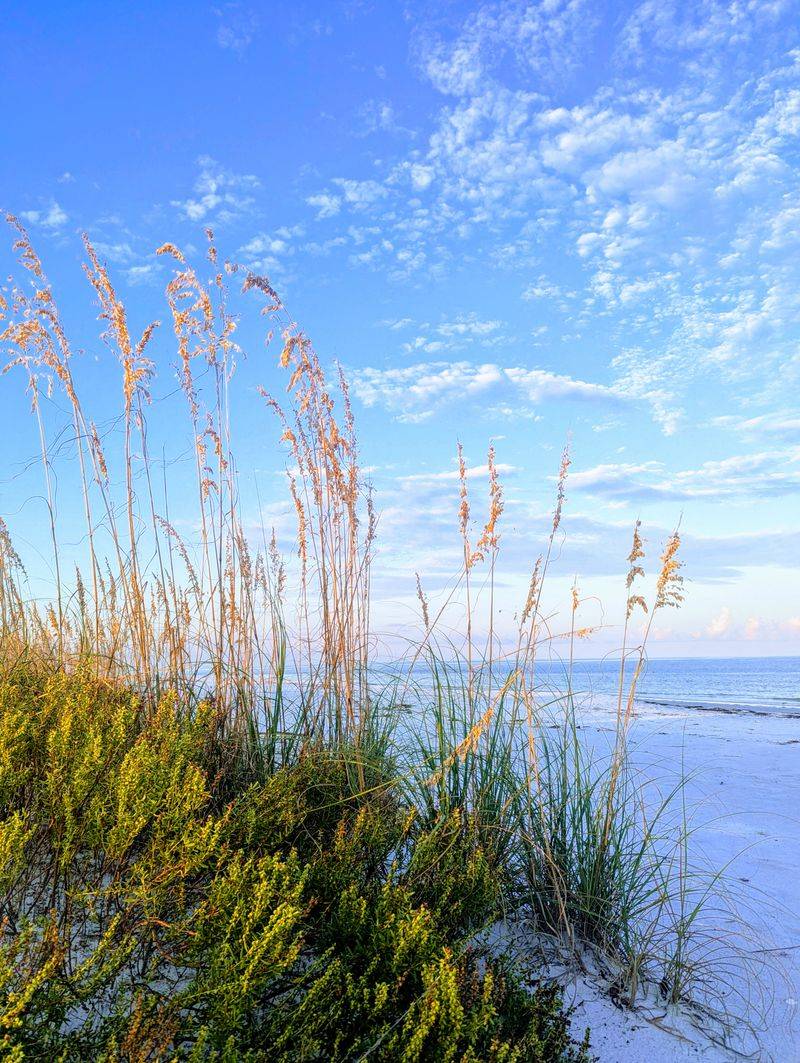
Dunes rise in soft ridges stitched with sea oats, holding the island together through storms. Behind them, tidal flats braid through salt marsh edges where herons stalk and rays wing by. The water is often shallow and calm, perfect for wading and snorkeling on clear days.
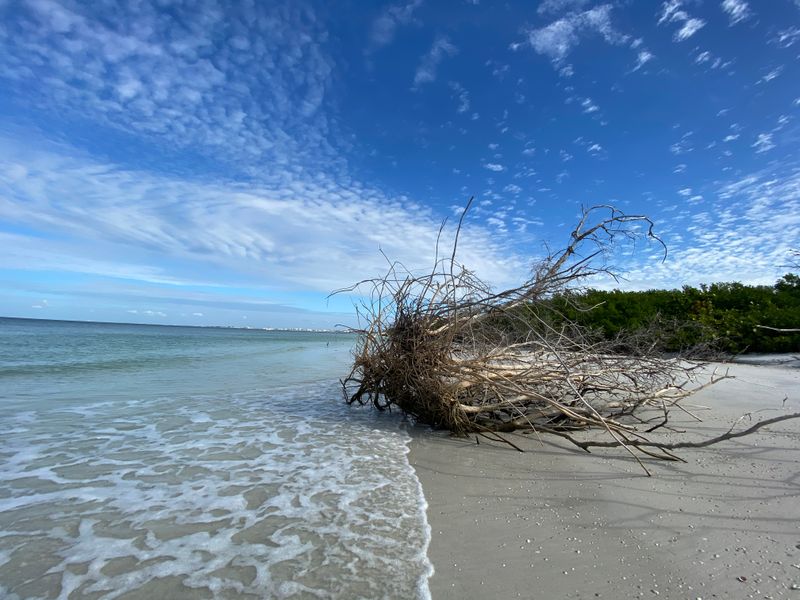
Every step feels unmanicured and alive. Driftwood anchors little pools, gulls wheel overhead, and footprints vanish with the next tide. It is beauty shaped by wind, waves, and time.
5. Wildlife Encounters and Protected Habitats
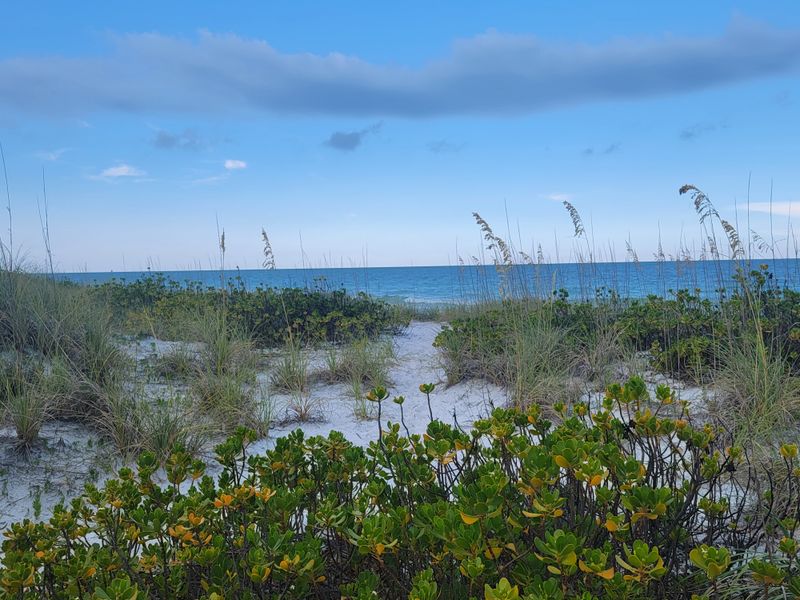
Shell Key shelters nesting shorebirds like black skimmers, least terns, and snowy plovers. Sea turtles sometimes crawl ashore to nest, and dolphins patrol channels as rays glide over sand. You can watch from a respectful distance, keeping to wet sand where birds are less vulnerable.
Obey posted closures and seasonal buffers around nests. Pack binoculars instead of stepping closer, and keep pets off sensitive areas. The preserve protects these habitats so future visits still feel wild.
Look for cormorants drying wings and ospreys hovering above bait schools. Snorkel gently over seagrass without standing on it. Remember: your quiet presence is part of the ecosystem’s balance, preserving space for the next tide, hatchling, and migratory flock.
6. What to Do on Shell Key: Relax, Explore, Repeat
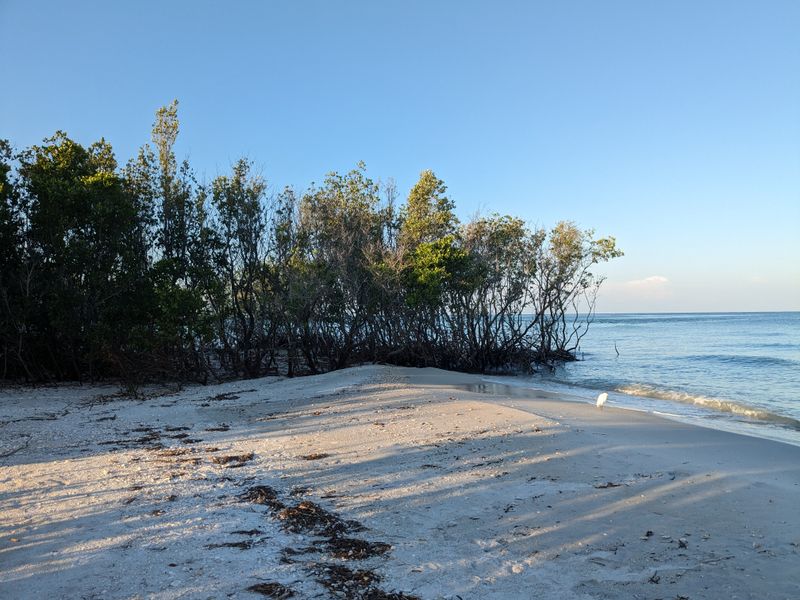
Days here move at tide speed. Start with beachcombing along fresh shell lines, then slip into the water to snorkel around calm sandbars. Paddle a kayak through shallows, drift, and watch bait flash like quicksilver beneath you.
Set up a simple picnic with shade and plenty of water. Photograph sea oats waving over dunes, a skimmer’s beak slicing the surface, or a pastel sunset over the Gulf. If solitude is the goal, walk farther and let the boats fade to a hush.
Wade, read, nap, repeat. Fish from shore if regulations allow, and pack out line and hooks. The joy is uncomplicated: sand underfoot, salt on skin, and no schedule but the sun’s.
7. When to Visit for the Best Experience
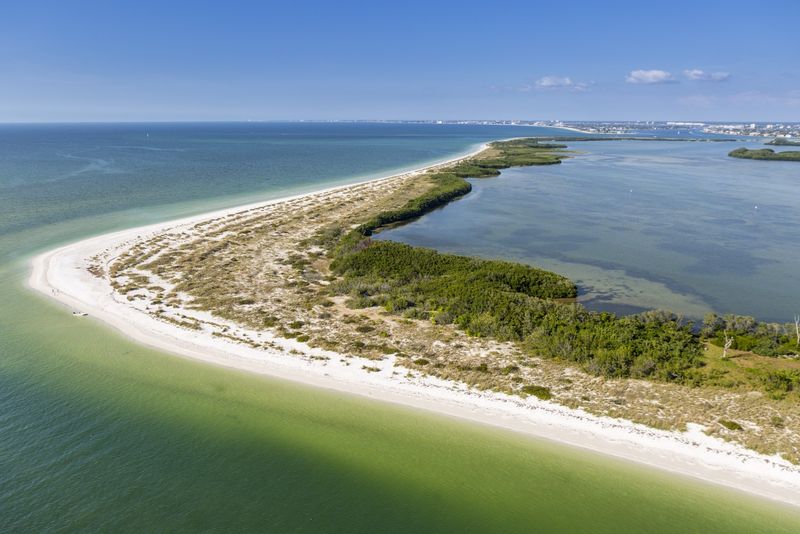
Calm mornings with light winds bring the clearest water and easiest paddles. Midweek visits feel extra quiet, especially outside holidays. Spring and fall add migratory bird action, while winter offers crisp air and low humidity.
Check tides: an incoming tide often improves clarity and reduces nearshore murk. Summer storms pop up in the afternoon, so go early and be back before rumbles. Water temperatures swing from refreshing winter cool to bathtub warm by late summer.
Crowds remain light because access requires effort, but tours may spike midday. For photography, aim for sunrise or golden hour when colors bloom. Always watch marine forecasts and flags, and adjust plans if wind or swell builds.
8. Essential Tips for Visiting a Leave-No-Trace Island
Pack in everything: water, snacks, shade, first aid, and a charged phone in a dry bag. Pack out everything you bring, including microtrash and fishing line. Wear sun shirts, hats, and reef safe sunscreen, and drink more water than you think.
Check current camping rules and permits before planning an overnight. Stay outside posted nesting areas and keep to wet sand near colonies. Anchor in sand, not seagrass, and secure coolers so nothing blows away.
File a float plan if paddling, and carry a whistle and light. Shoes help on hot sand and shell patches. Leave no trace means simple choices: tread lightly, respect wildlife, and let Shell Key remain exactly as you found it.